
 IN
Spice Extracts & Oleoresins
38 products available
What are Spice Extracts & Oleoresins?
Spice extracts and oleoresins are concentrated forms of spices extracted using solvents or steam distillation. These products capture the flavor, aroma, and active components of the original spice, making them highly potent and versatile. Spice extracts are typically liquid forms that include essential oils and can be used in various applications. Oleoresins, on the other hand, are semi-solid or solid forms that retain the natural essence of the spice while offering a more stable and longer shelf life.
These extracts and oleoresins find a wide range of applications in food and beverage, cosmetics, pharmaceuticals, and nutraceuticals. In the food industry, they enhance flavor profiles and are often used in sauces, marinades, and seasonings. Additionally, in the cosmetics sector, they are used for their aromatic properties and potential health benefits. The growing demand for natural and clean-label products has significantly increased the relevance of spice extracts and oleoresins in the marketplace.
The spice extract and oleoresin market is gaining traction due to the rising consumer preference for natural ingredients and the shift towards healthy eating. With a global market that continues to expand, businesses are increasingly seeking reliable suppliers to meet the growing demand for these high-quality products.
Key Features and Specifications
Spice extracts and oleoresins offer a variety of features and specifications that make them suitable for diverse applications. Understanding these specifications is crucial for buyers in selecting the right products for their needs.
Key specifications include:
1. Flavor Profile
- Richness and intensity of flavor
- Variations based on spice type
2. Concentration Level
- Degree of concentration in the extract or oleoresin
- Typically ranges from 10% to 100%
3. Solvent Type
- Common solvents used such as ethanol or hexane
- Influence on flavor and aroma quality
4. Purity Level
- Percentage of active compounds present
- Typically above 95% for high-quality products
5. Shelf Life
- Duration products remain effective
- Ranges from 1 to 3 years under optimal storage conditions
6. Color and Consistency
- Visual characteristics that indicate quality
- Ranges from clear liquids to viscous pastes
7. Aroma Profile
- Distinct scents associated with each spice
- Important for applications in food and cosmetics
8. Compliance Standards
- Adherence to international food safety standards
- Certifications such as CE and ISO
In summary, these specifications help buyers assess quality and suitability for their specific applications, making informed purchasing decisions essential.
Common Applications and Use Cases
Spice extracts and oleoresins are utilized across various industries, each benefiting from their unique properties and applications.
1. Food and Beverage: These extracts enhance flavor in sauces, dressings, and beverages, providing a natural alternative to synthetic flavors.
2. Cosmetics: In beauty products, they are valued for their fragrance and potential skin benefits, often found in lotions and perfumes.
3. Pharmaceuticals: They serve as active ingredients in herbal medicines and supplements, capitalizing on their natural therapeutic properties.
4. Nutraceuticals: Used in dietary supplements, they offer health benefits associated with the spices from which they are derived.
5. Flavoring Agents: In the food processing industry, they are employed to create consistent flavor profiles in mass-produced items.
6. Confectionery: Spice extracts add unique flavors to candies and chocolates, differentiating products in a competitive market.
7. Meat Processing: They are used to enhance the taste and aroma of processed meats, contributing to overall product appeal.
In each of these industries, spice extracts and oleoresins play a vital role in product development and consumer satisfaction.
Product Variants and Subcategories
Spice extracts and oleoresins come in various forms, catering to different market needs and preferences. This diversity allows businesses to choose products that align with their specific requirements.
Pure Extracts
These are obtained through natural extraction methods, ensuring that the flavor and aroma of the spice are preserved. They are ideal for applications requiring high-quality and authentic taste.
Concentrated Oleoresins
These products offer a thicker consistency and are often used in food applications where intense flavors are desired. They provide a more stable option for long-term storage.
Standardized Extracts
These are designed to have consistent levels of active compounds, ensuring uniformity in flavor and potency. They are particularly useful for manufacturers needing reliable results in their products.
Organic Extracts
Sourced from organically grown spices, these extracts appeal to health-conscious consumers. They are free from synthetic pesticides and fertilizers, aligning with clean-label trends.
Custom Blends
Some suppliers offer the option to create custom blends of spice extracts and oleoresins, catering to specialized needs in product formulation.
Benefits and Advantages
Spice extracts and oleoresins provide numerous advantages that make them attractive to businesses across various sectors.
1. Enhanced Flavor: They offer a concentrated flavor profile that can elevate the taste of various products, making them more appealing to consumers.
2. Natural Ingredients: Many buyers prefer natural extracts over synthetic additives, aligning with the growing trend toward clean-label products.
3. Versatility: Suitable for multiple applications, they can be used in cooking, cosmetics, and pharmaceuticals, providing flexibility for manufacturers.
4. Longer Shelf Life: Oleoresins, in particular, have a longer shelf life compared to fresh spices, reducing waste and improving inventory management.
5. Consistency: Standardized extracts ensure uniform flavor and potency, critical for mass production and quality control.
6. Health Benefits: Many spice extracts contain bioactive compounds that may offer health benefits, enhancing the value of nutraceutical products.
Buying Guide for B2B Buyers
When sourcing spice extracts and oleoresins, buyers should consider several key factors to ensure they select the right products for their needs.
1. Quality Assessment: Evaluate the quality based on purity, concentration, and flavor profile. High-quality extracts should have a clear and intense aroma.
2. Supplier Verification: Vet suppliers through certifications and reviews. A reliable supplier will have a proven track record in delivering quality products.
3. Pricing and MOQ: Understand the pricing structure and minimum order quantities. This information helps in budgeting and inventory planning.
4. Delivery and Lead Times: Check the supplier's ability to meet delivery schedules. Timely delivery is crucial for maintaining production timelines.
5. Compliance Requirements: Ensure that the products meet regulatory standards relevant to your industry. Compliance with quality and safety standards is essential for market acceptance.
Compliance and Certifications
Compliance with industry standards is crucial for spice extracts and oleoresins. Many suppliers adhere to recognized quality standards such as ISO 9001, which ensures effective quality management systems. HACCP (Hazard Analysis Critical Control Point) guidelines are often followed to maintain food safety throughout the processing stages.
Additionally, certifications like CE indicate that products meet European health, safety, and environmental protection standards. It is also essential for buyers to consider safety testing requirements, which may include assessments for contaminants and allergens.
Regional compliance considerations are important as regulations can vary significantly between markets. Understanding these regulations helps businesses avoid legal issues and ensures product acceptance in various regions.
Why Source Spice Extracts & Oleoresins from Pepagora?
Pepagora offers a trusted platform for sourcing spice extracts and oleoresins, providing several key advantages to B2B buyers.
Verified Supplier Network: Pepagora connects buyers with a network of vetted suppliers, ensuring quality and reliability in sourcing. Each supplier undergoes thorough verification processes to maintain high standards.
Streamlined RFQ Process: The platform simplifies the request for quotation process, allowing buyers to receive competitive quotes quickly. This efficiency helps businesses make informed purchasing decisions without delays.
Trade Assurance and Support: Pepagora provides buyer protection through trade assurance, ensuring that transactions are secure and that buyers receive what they expect.
Regional Coverage: With a strong presence in India, GCC, and Southeast Asia, Pepagora enables buyers to access a wide range of spice extracts and oleoresins from reputable suppliers in these regions. This geographic reach enhances sourcing opportunities and market competitiveness.




Frequently Asked Questions
What are Spice Extracts & Oleoresins?
Spice extracts are concentrated forms of spices obtained through extraction processes that preserve their flavor and aroma. Oleoresins are similar but often contain both the essential oils and the resinous parts of the spice, making them more potent and flavorful.
What are the different types of Spice Extracts & Oleoresins?
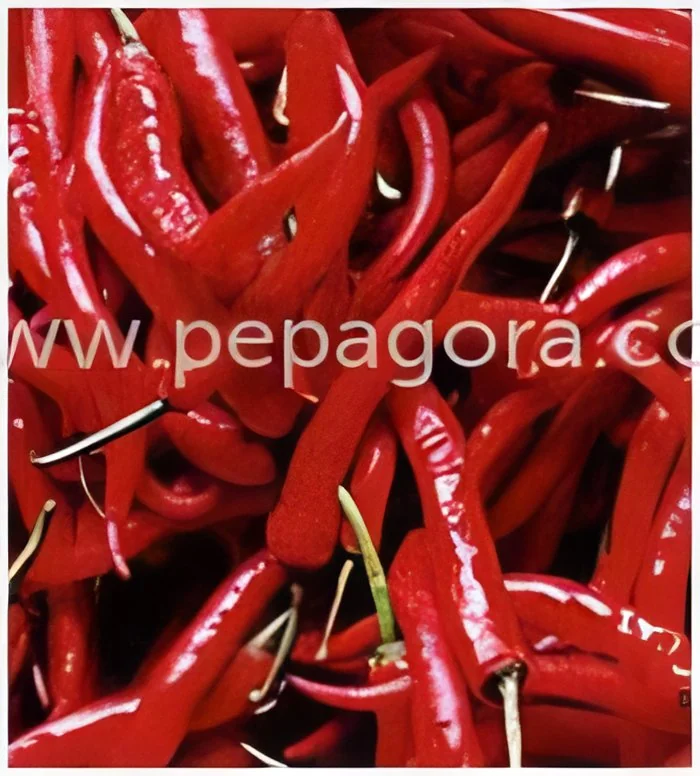
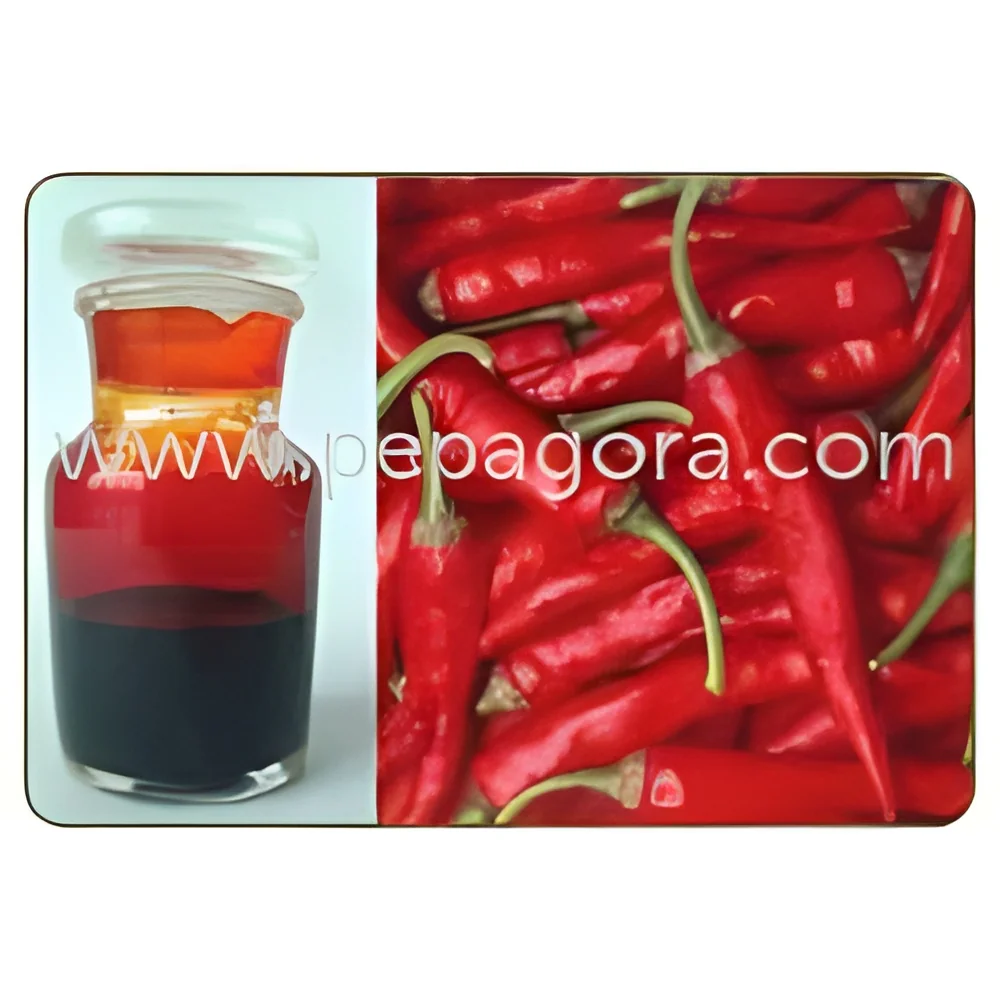
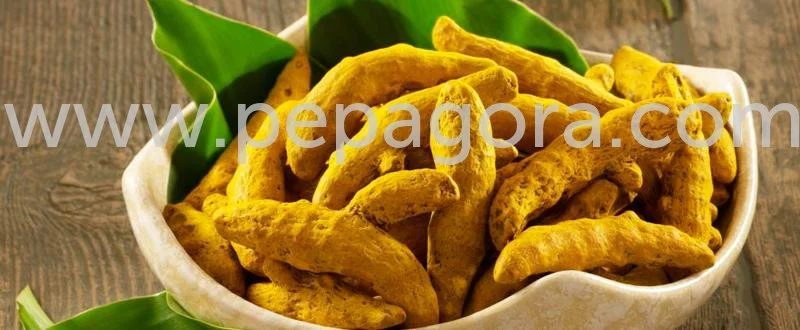
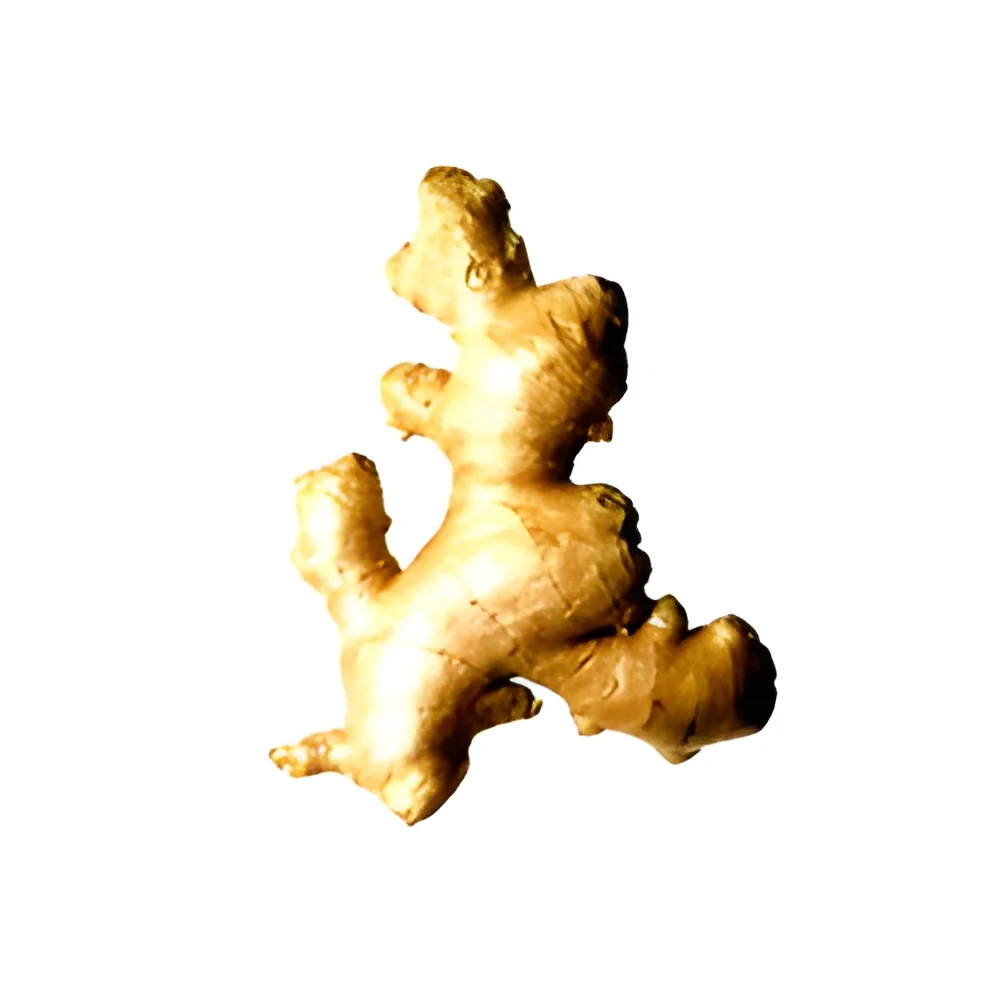
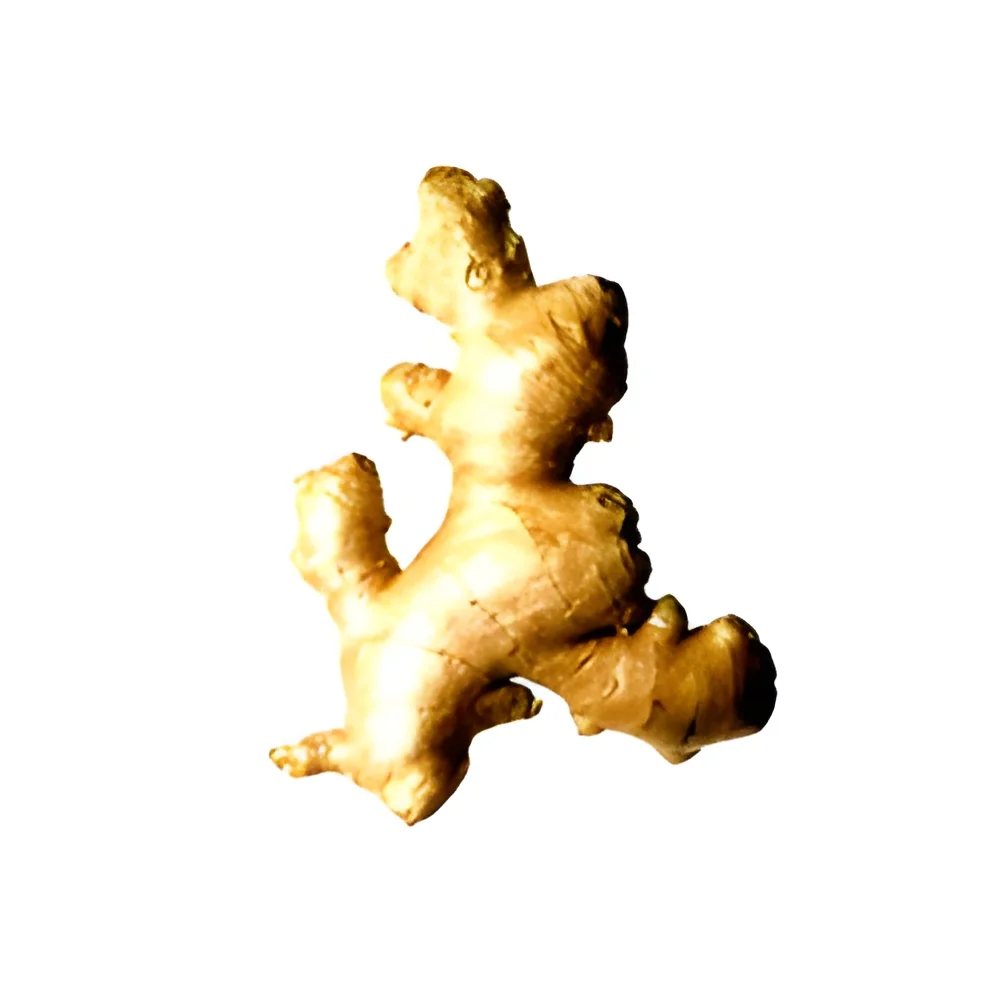
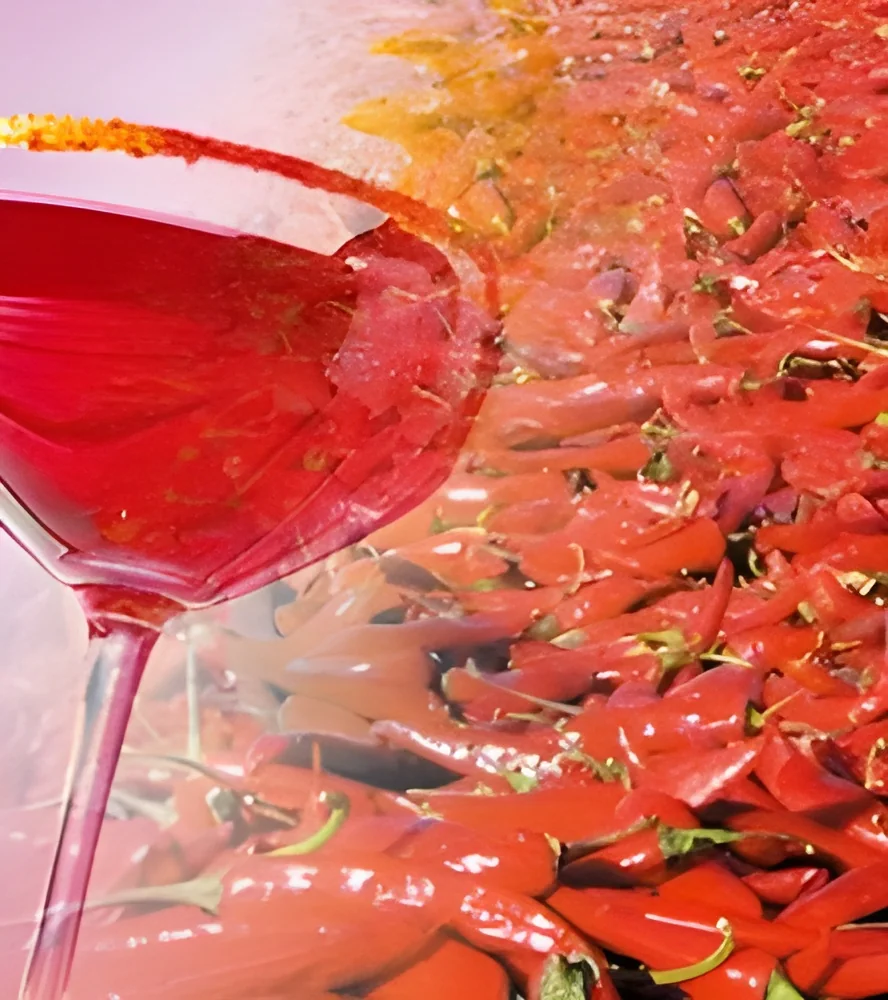
There are various types of spice extracts and oleoresins, including those derived from black pepper, ginger, turmeric, and chili. Each type varies in flavor intensity and application, making them suitable for different culinary and industrial uses.
How do I choose the right Spice Extracts & Oleoresins?
To choose the right spice extracts and oleoresins, consider the specific flavor profile required for your product, the intended application, and the concentration needed. Additionally, examining supplier certifications and product samples can help ensure quality and suitability.
What are the standard specifications for Spice Extracts & Oleoresins?
Standard specifications for spice extracts and oleoresins typically include parameters such as color, flavor, aroma, and concentration levels of active components. Regulatory compliance with food safety standards and labeling requirements is also essential.
What is the price range for Spice Extracts & Oleoresins?
The price of spice extracts and oleoresins can vary widely based on factors such as the type of spice, quality, and supplier. Generally, prices can range from a few hundred to several thousand Indian Rupees per kilogram.
What quality standards apply to Spice Extracts & Oleoresins?
Quality standards for spice extracts and oleoresins include compliance with food safety regulations set by authorities like FSSAI in India. Additionally, international standards such as ISO and HACCP may also apply depending on the market.
Where can I find Spice Extracts & Oleoresins suppliers in India?
You can find spice extracts and oleoresins suppliers in India through B2B marketplaces like Pepagora, trade directories, and industry trade shows. It's advisable to compare suppliers based on quality, pricing, and customer reviews.
Can Spice Extracts & Oleoresins be customized?
Yes, many suppliers offer customization options for spice extracts and oleoresins to meet specific flavor profiles, concentrations, and packaging requirements. It is best to discuss customization possibilities directly with the supplier.
What is the typical minimum order quantity for Spice Extracts & Oleoresins?
The typical minimum order quantity (MOQ) for spice extracts and oleoresins can vary by supplier, but it often ranges from 5 to 50 kilograms. It is advisable to check with individual suppliers for their specific MOQs.
What is the typical lead time for Spice Extracts & Oleoresins?
The typical lead time for spice extracts and oleoresins can range from a few days to several weeks, depending on factors such as order size and supplier location. It is recommended to confirm lead times with the supplier before placing an order.
Why Businesses Trust Pepagora
Thousands of companies trust Pepagora to source smarter and sell faster
Expand Your Sales Globally

Source Smarter,Grow Faster
