
 IN
Parsley & Sage
1 products available
What are Parsley & Sage?
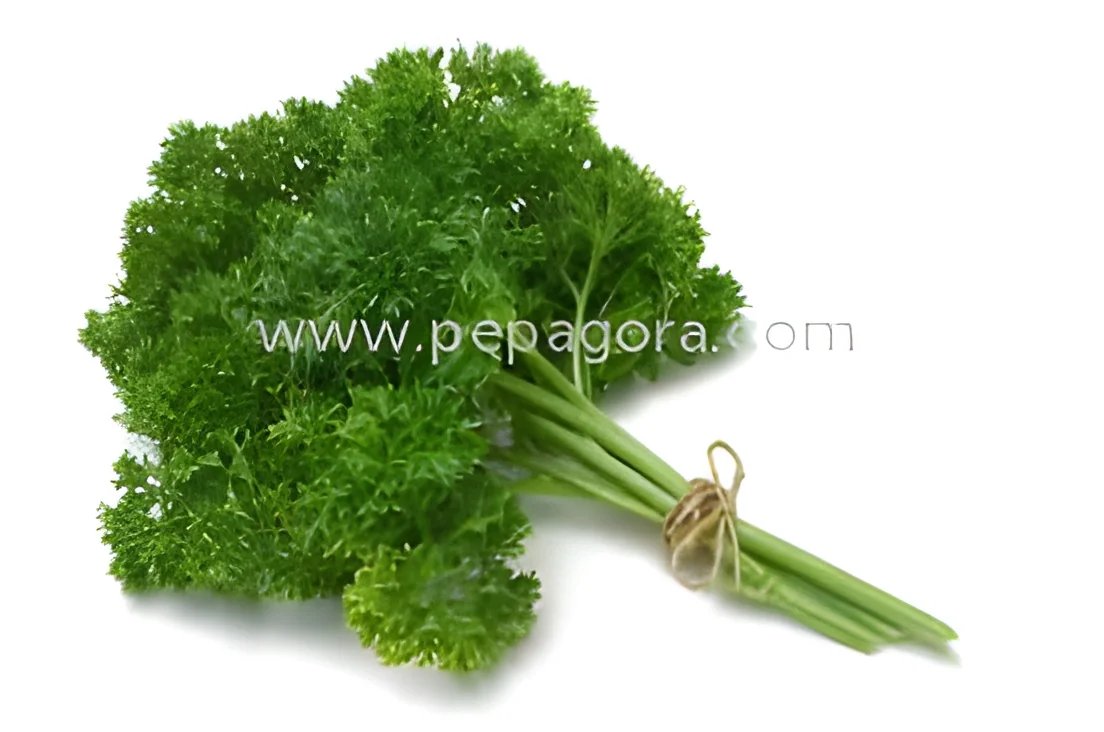
Parsley and sage are two distinct herbs that are widely recognized for their culinary and medicinal applications. Parsley, a member of the Apiaceae family, is commonly used as a garnish and flavor enhancer in various dishes. It is known for its vibrant green leaves and fresh taste. Sage, on the other hand, belongs to the Lamiaceae family and is characterized by its grayish-green leaves and strong, earthy flavor. Together, these herbs offer a range of tastes and benefits that appeal to both consumers and businesses.
In the business context, parsley and sage are utilized in multiple industries, including food and beverage, pharmaceuticals, and cosmetics. In the culinary field, they are essential ingredients for seasoning and flavoring a variety of dishes, from soups to sauces. In the pharmaceutical industry, they are valued for their potential health benefits and are often included in herbal supplements. The cosmetic industry also incorporates these herbs for their aromatic properties and skin benefits.
The relevance of parsley and sage in the market continues to grow, driven by consumer trends toward natural ingredients and healthful eating. Businesses that leverage these herbs can enhance their product offerings and meet the increasing demand for quality and authenticity in food and wellness products.
Key Features and Specifications
Parsley and sage are characterized by a variety of features and specifications that define their quality and usability in different applications. Understanding these specifications is essential for businesses looking to source these herbs effectively.
Key specifications include:
1. Culinary Grade
- Ideal for food applications
- Typically free from contaminants
2. Essential Oil Content
- Influences flavor and aroma
- Varied levels based on processing methods
3. Moisture Content
- Affects shelf life and quality
- Usually maintained below 10%
4. Color and Appearance
- Fresh parsley should be vibrant green
- Sage should have a consistent grayish-green hue
5. Packaging Options
- Available in bulk or retail packaging
- Options for vacuum sealing to preserve freshness
6. Shelf Life
- Typically lasts 1-2 years when stored properly
- Dependent on storage conditions and packaging
7. Geographic Sourcing
- Grown in various regions including Europe and the Americas
- Quality may vary based on the origin
In summary, these features and specifications ensure that businesses can select high-quality parsley and sage, suitable for their specific needs and applications.
Common Applications and Use Cases
Parsley and sage serve a variety of industries with multiple applications tailored to their unique properties.
1. Culinary Industry: Parsley is widely used as a garnish and seasoning in dishes, while sage adds depth to meats and sauces.
2. Pharmaceutical Industry: Both herbs are included in dietary supplements for their potential health benefits, such as antioxidant properties.
3. Cosmetic Industry: The aromatic qualities of parsley and sage make them popular in skincare products and fragrances.
4. Food Processing: Used in marinades and dressings, these herbs enhance flavor profiles in processed food products.
5. Herbal Medicine: Both herbs are utilized in traditional medicine for their potential therapeutic effects, including digestive support.
6. Beverage Production: Parsley and sage are sometimes infused into beverages for unique flavor combinations and health benefits.
7. Agriculture: Both herbs can be cultivated for essential oil extraction, contributing to the natural products market.
Product Variants and Subcategories
Parsley and sage come in various forms, each offering distinct features and applications to meet diverse business needs.
Fresh Parsley
Fresh parsley is widely sought after for culinary uses. It is characterized by its bright green leaves and robust flavor, making it an essential ingredient in many dishes.
Dried Parsley
Dried parsley retains much of the flavor and aroma of fresh parsley but has a longer shelf life. It is often used in seasoning blends and packaged food products.
Fresh Sage
Fresh sage is known for its strong flavor and is used in savory dishes, particularly in meat and poultry preparations. Its aromatic leaves are also popular in herbal teas.
Dried Sage
Dried sage offers convenience and extended shelf life. It is commonly found in spice cabinets and is utilized in both home cooking and larger food production settings.
Benefits and Advantages
Sourcing parsley and sage offers numerous benefits for businesses seeking quality ingredients.
1. Flavor Enhancement: Both herbs provide distinctive flavors that can elevate the taste of various dishes and products.
2. Health Benefits: Parsley and sage are known for their potential health properties, appealing to consumers focused on wellness.
3. Versatility: These herbs can be used in multiple applications, from culinary to cosmetic and pharmaceutical, making them valuable for diverse industries.
4. Natural Ingredients: As consumers increasingly prefer natural products, sourcing parsley and sage aligns with this trend, enhancing product integrity.
5. Long Shelf Life: When dried and stored properly, both herbs can last for extended periods, making them cost-effective for businesses.
6. Easy Integration: Parsley and sage can be easily incorporated into existing product lines, providing a straightforward way to enhance offerings.
Buying Guide for B2B Buyers
When sourcing parsley and sage, businesses should consider several important factors to ensure they select the best products for their needs.
1. Quality Assessment: It is crucial to evaluate the quality of parsley and sage, including freshness, appearance, and absence of contaminants. Reliable suppliers will provide quality assurance documentation.
2. Supplier Verification: It is essential to vet suppliers to ensure they have a proven track record, proper certifications, and compliance with industry standards.
3. Pricing and MOQ: Businesses should compare pricing and minimum order quantities to find suppliers that align with their budget and volume requirements.
4. Delivery and Lead Times: Understanding logistics is important for timely delivery. Buyers should inquire about lead times to ensure they meet production schedules.
5. Compliance Requirements: Be aware of any regulatory compliance requirements specific to the industry, such as food safety standards and certifications.
Compliance and Certifications
Compliance and certifications are critical for ensuring the quality and safety of parsley and sage in various applications. Relevant quality standards, such as ISO 9001, guarantee that products meet international quality management requirements. These standards focus on consistent quality and continuous improvement.
HACCP (Hazard Analysis Critical Control Points) is vital in food safety, ensuring that parsley and sage are produced and handled in a way that minimizes risks to health. This certification is especially important for businesses in the food industry.
CE certification indicates that products conform to European health, safety, and environmental protection standards. This certification is essential for businesses looking to market their products in European markets.
In addition to these certifications, businesses must stay informed about regional compliance considerations that may affect sourcing and selling products. This includes understanding local regulations and standards that govern the use of herbal ingredients.
Why Source Parsley & Sage from Pepagora?
Pepagora provides a trusted platform for sourcing parsley and sage, offering several key advantages that benefit B2B buyers.
Verified Supplier Network: Pepagora connects businesses with verified suppliers who have been rigorously vetted to ensure quality and reliability. This network helps buyers find trusted sources for their ingredient needs.
Streamlined RFQ Process: The platform features an efficient request for quotation (RFQ) process that simplifies the sourcing experience. Buyers can easily submit their requirements and receive competitive quotes from multiple suppliers.
Trade Assurance and Support: Pepagora offers trade assurance that protects buyers throughout the sourcing process. This includes support for resolving issues and ensuring that orders meet expectations.
Regional Coverage: With a geographic reach extending across India, the GCC, and Southeast Asia, Pepagora facilitates connections with suppliers in key regions. This broad coverage ensures that businesses can access high-quality parsley and sage regardless of their location.

Frequently Asked Questions
What are Parsley & Sage?
Parsley and Sage are popular culinary herbs known for their aromatic qualities and health benefits. Parsley is often used as a garnish or flavor enhancer, while Sage is recognized for its strong flavor and medicinal properties.
What are the different types of Parsley & Sage?
There are several types of Parsley, including Curly Leaf Parsley and Flat Leaf Parsley, each offering distinct flavors and uses. Sage varieties include Common Sage and Pineapple Sage, which vary in taste and aroma, making them suitable for different culinary applications.
How do I choose the right Parsley & Sage?
When selecting Parsley and Sage, consider the intended use, such as fresh garnishing or dried seasoning. Look for vibrant colors and fresh leaves without blemishes to ensure quality and flavor.
What are the standard specifications for Parsley & Sage?
Standard specifications for Parsley and Sage include moisture content, essential oil content, and leaf size. Quality control measures should ensure these specifications are met to maintain consistency and flavor.
What is the price range for Parsley & Sage?
The price range for Parsley and Sage can vary based on the quality, type, and market demand. Generally, prices can range from INR 100 to INR 600 per kilogram, depending on whether the herbs are fresh or dried.
What quality standards apply to Parsley & Sage?
Quality standards for Parsley and Sage typically include parameters such as purity, freshness, and absence of contaminants. Certifications like ISO or organic labels may also apply, ensuring the herbs meet specific health and safety guidelines.
Where can I find Parsley & Sage suppliers in India?
You can find Parsley and Sage suppliers in India through various B2B marketplaces, agricultural fairs, and local herb farms. Online platforms like Pepagora.com also provide a comprehensive list of verified suppliers.
Can Parsley & Sage be customized?
Yes, Parsley and Sage can be customized in terms of packaging, drying processes, and blend formulations for specific culinary needs. It's advisable to discuss customization options with suppliers to meet your requirements.
What is the typical minimum order quantity for Parsley & Sage?
The typical minimum order quantity (MOQ) for Parsley and Sage varies by supplier, but it generally ranges from 5 to 20 kilograms. Always check with your chosen supplier for their specific MOQ requirements.
What is the typical lead time for Parsley & Sage?
The typical lead time for Parsley and Sage orders can range from 1 to 4 weeks, depending on the supplier's location and availability of stock. It's recommended to confirm lead times when placing your order to ensure timely delivery.
Why Businesses Trust Pepagora
Thousands of companies trust Pepagora to source smarter and sell faster
Expand Your Sales Globally

Source Smarter,Grow Faster
