What are Cumin Seeds?
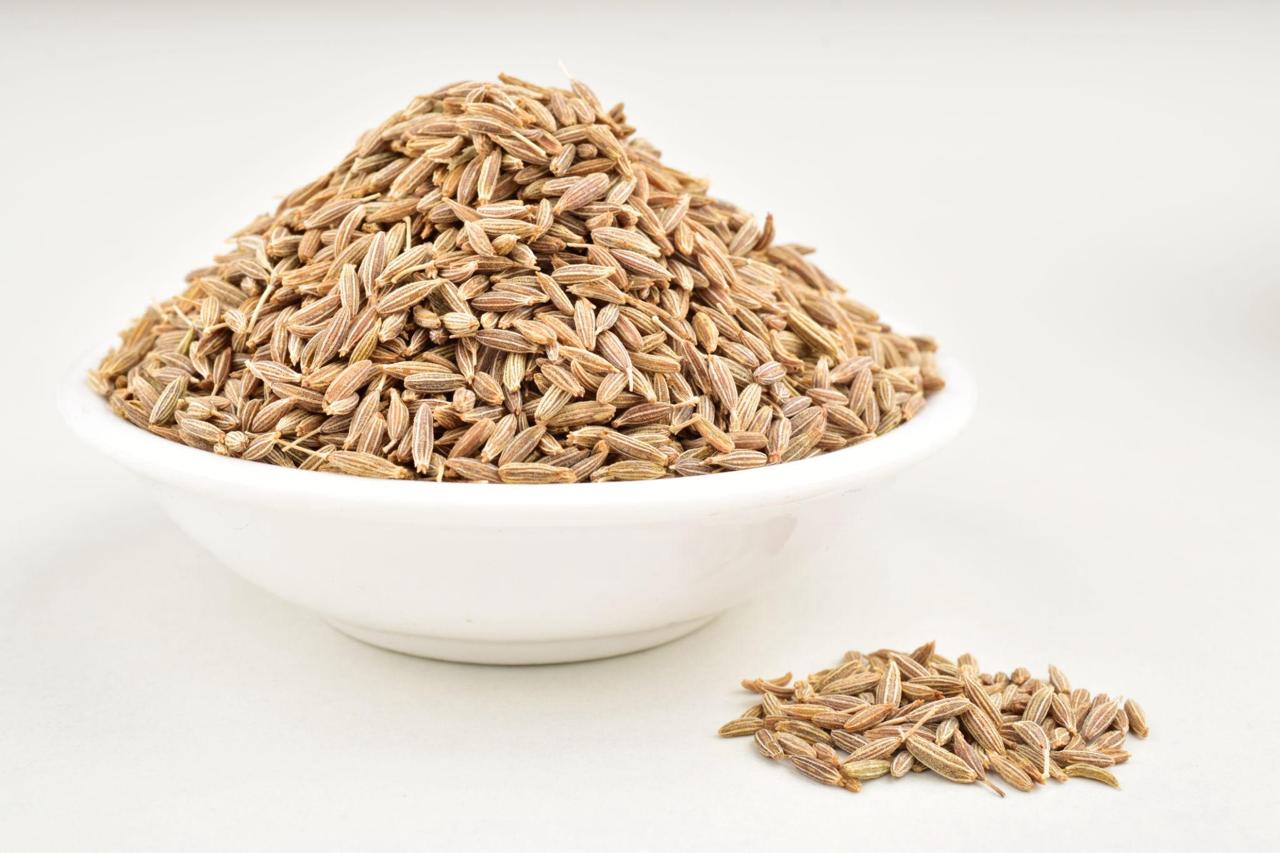
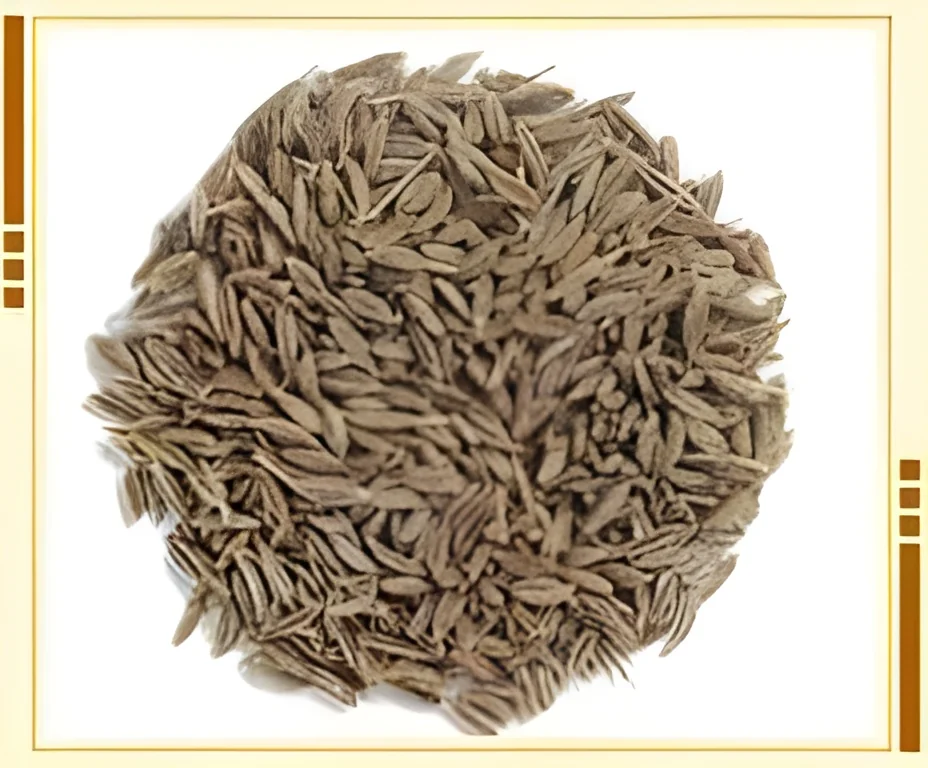
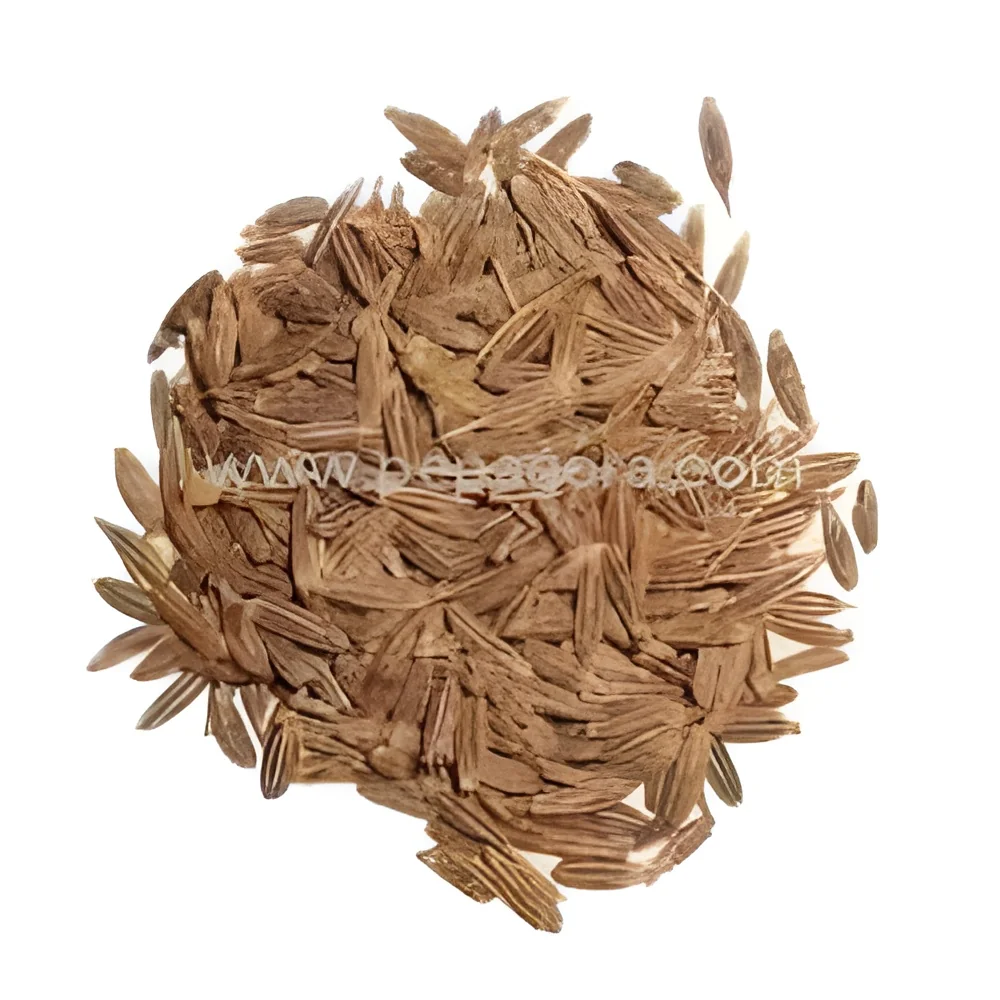
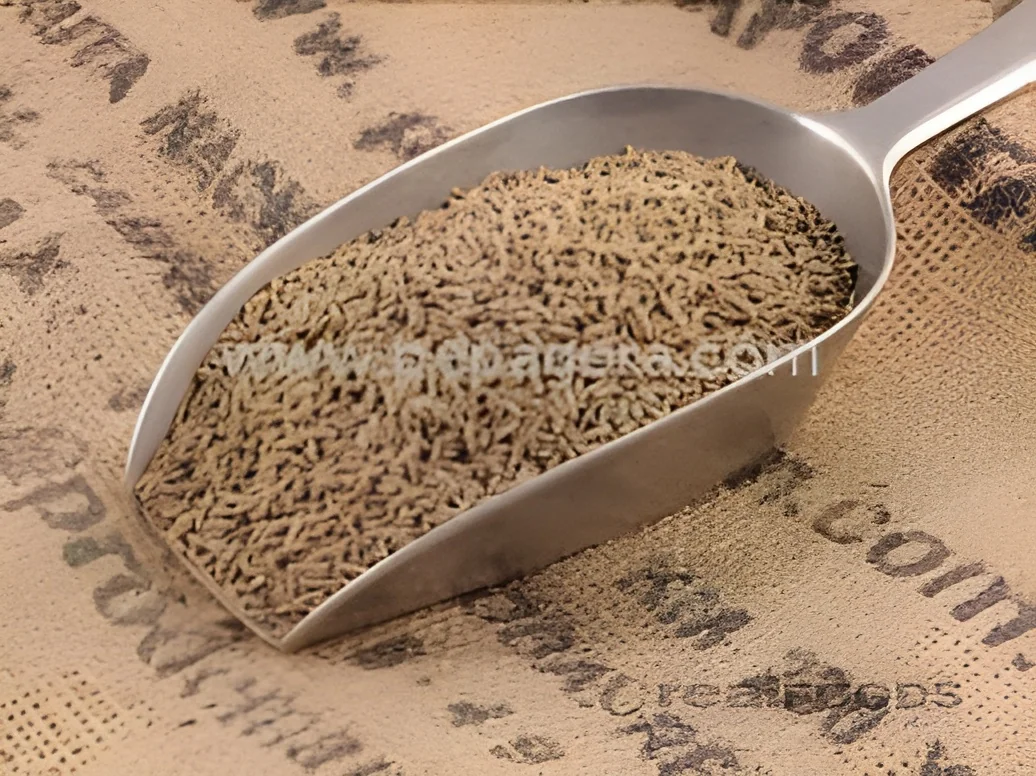
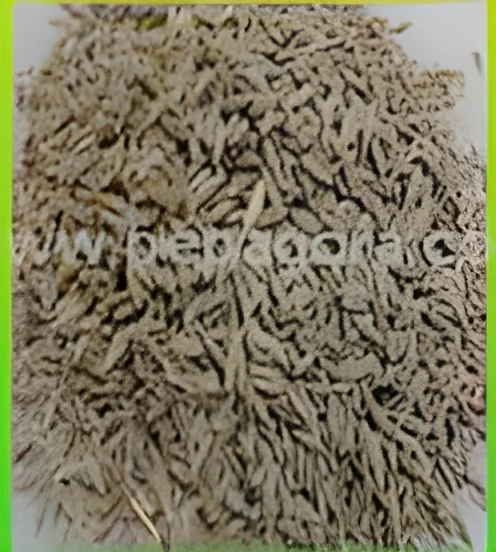
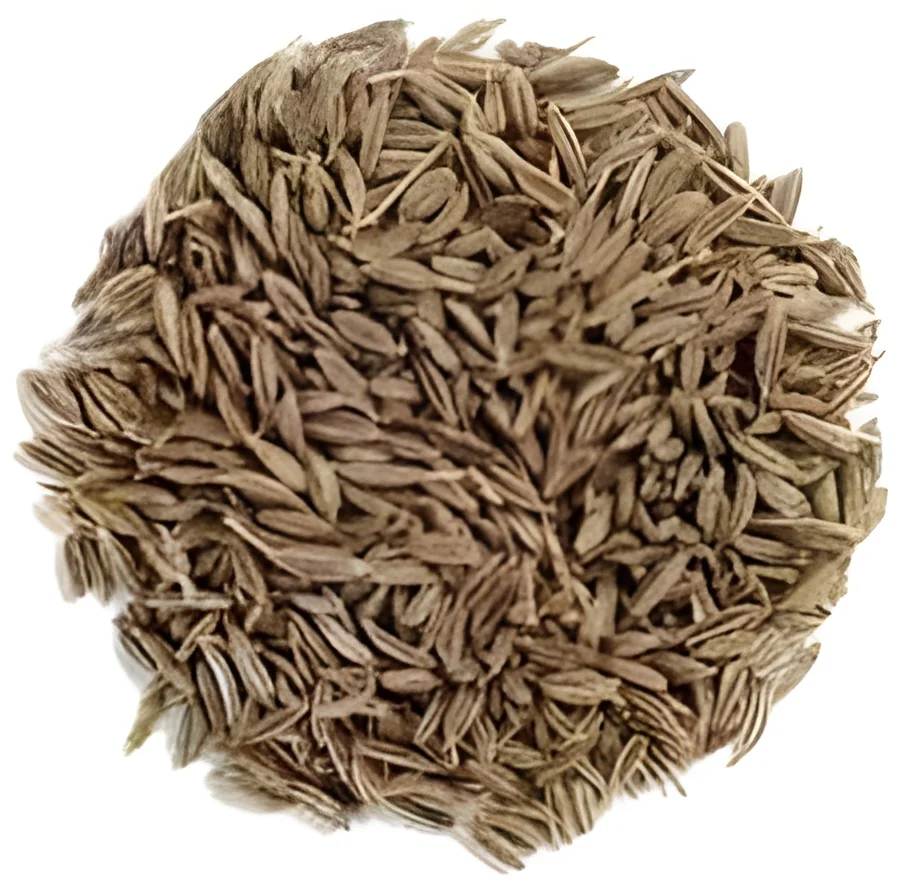
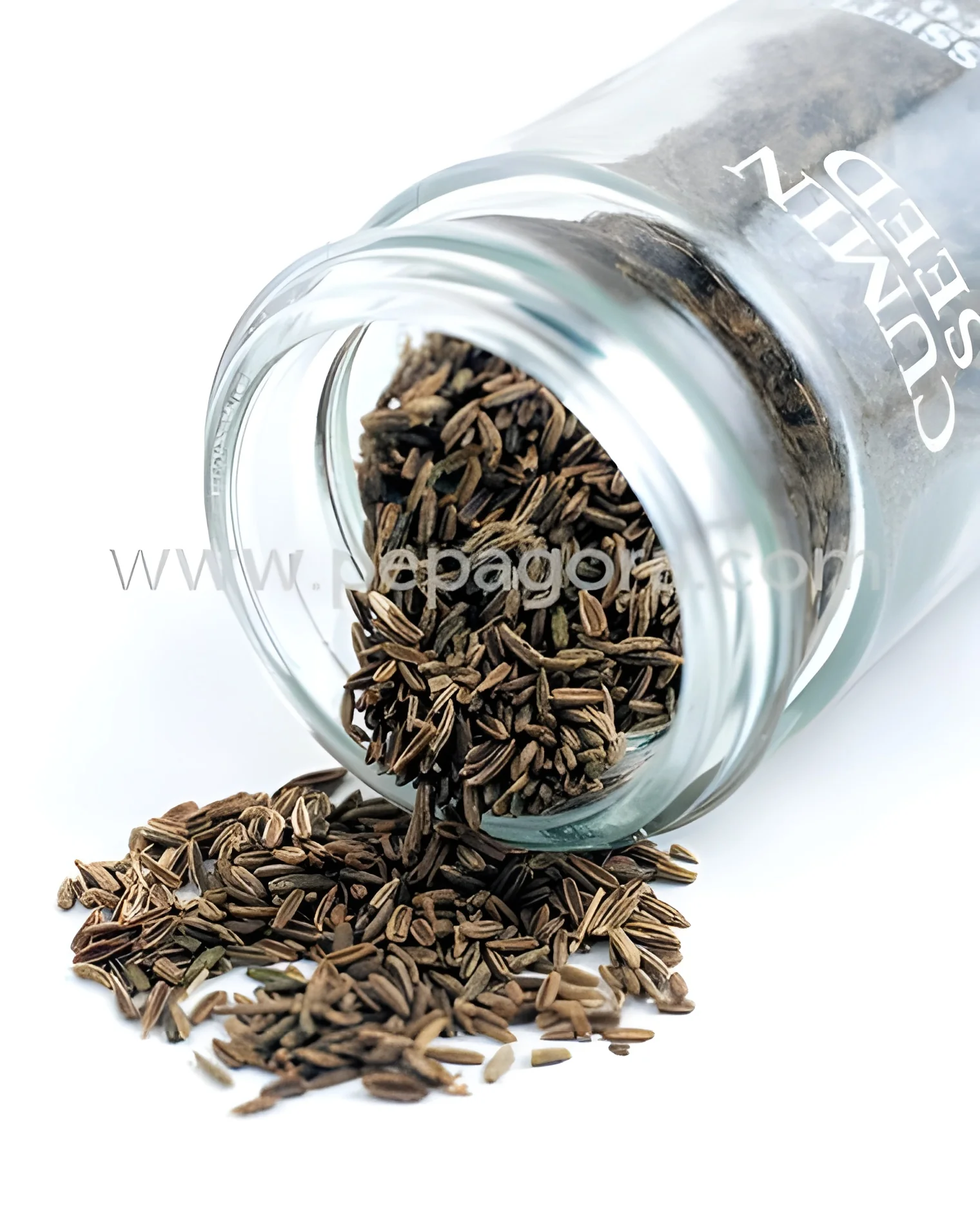
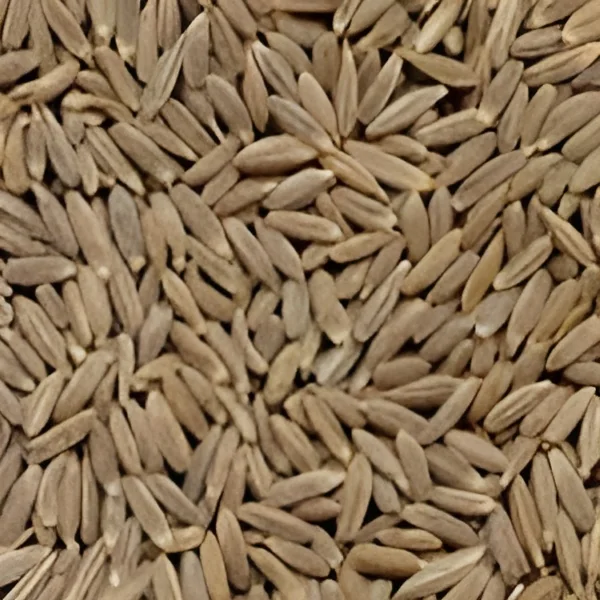
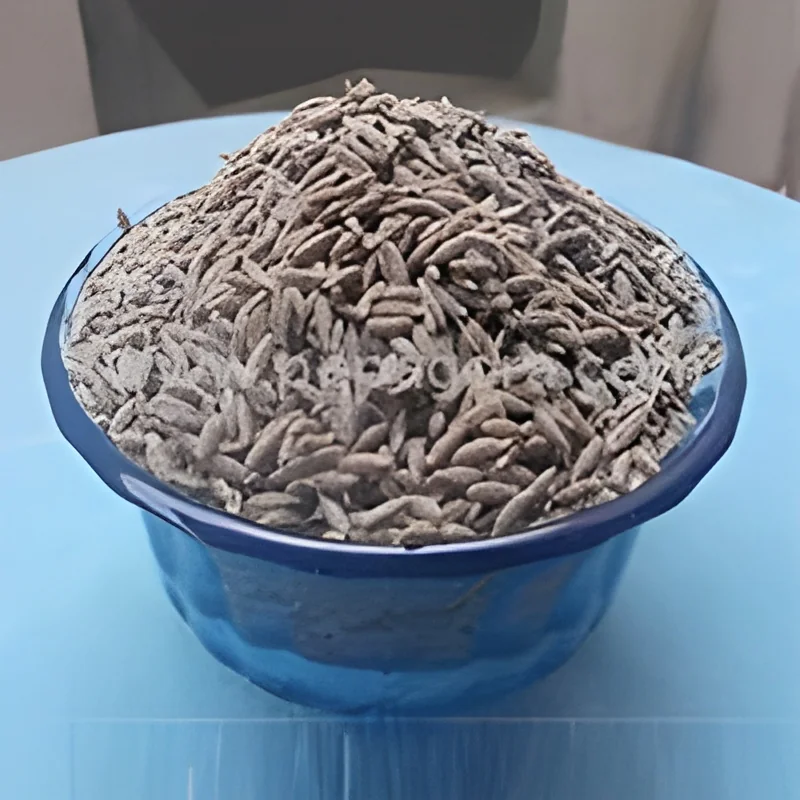
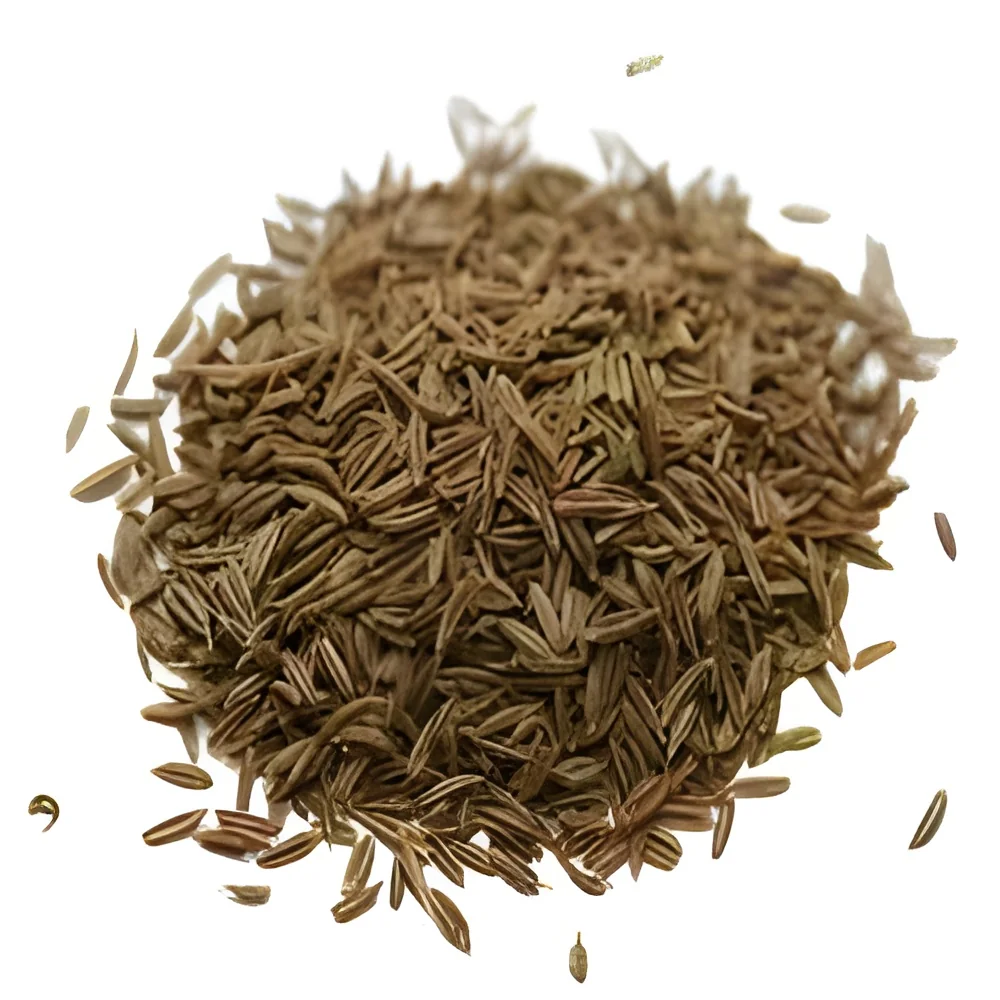
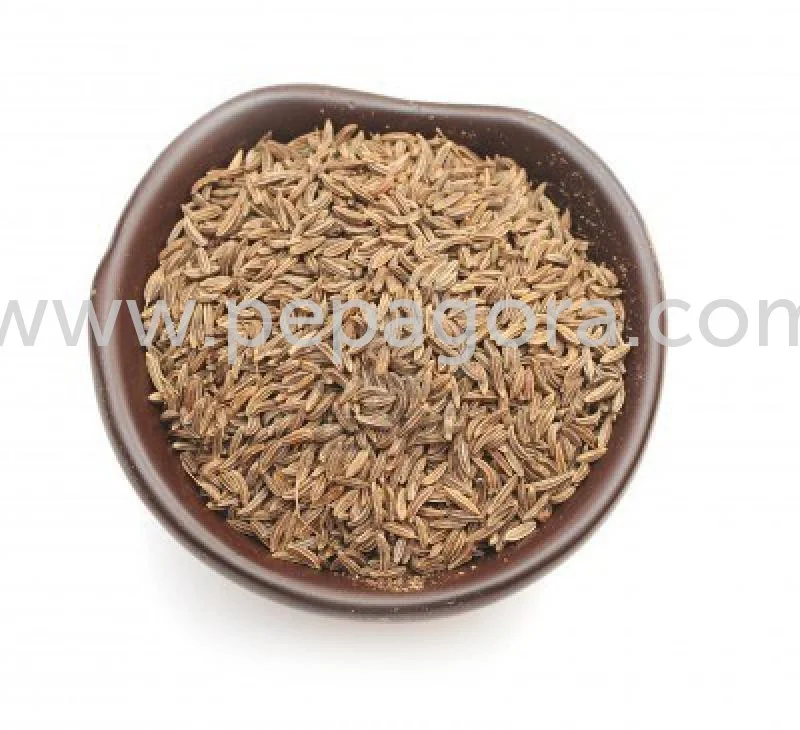
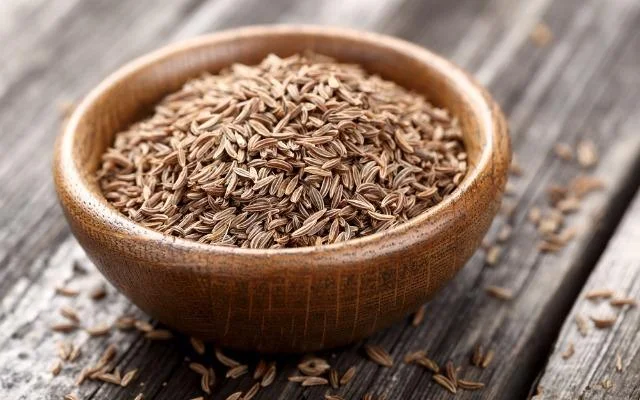
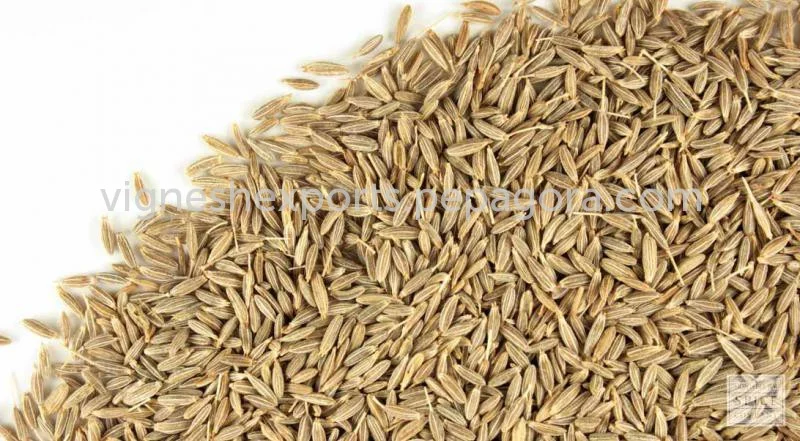
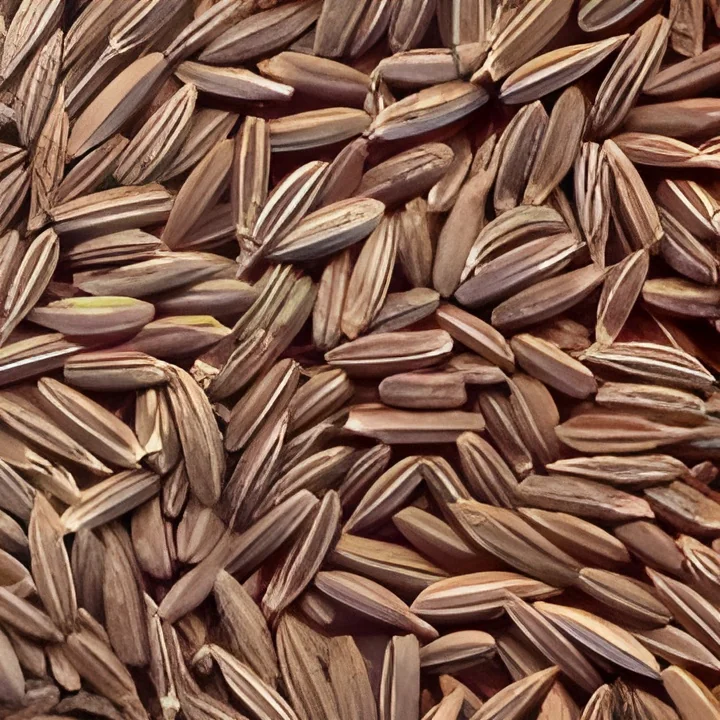
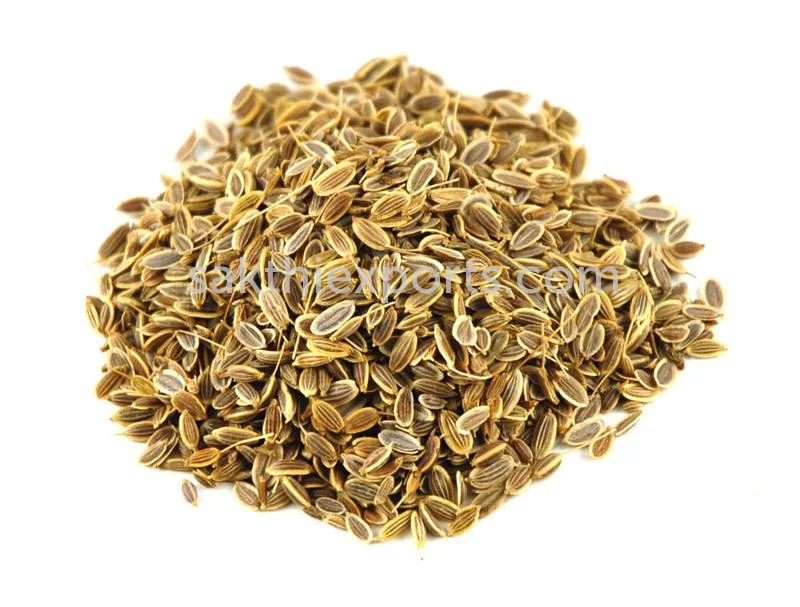
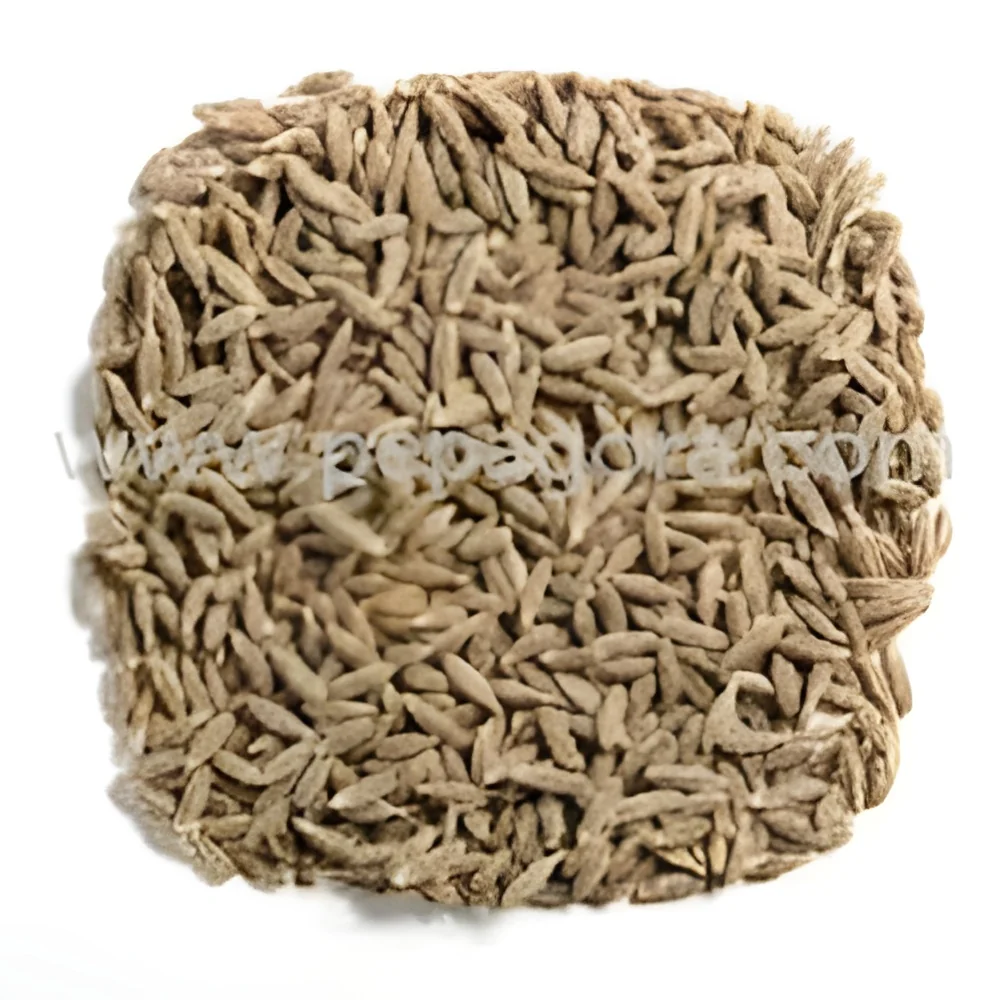
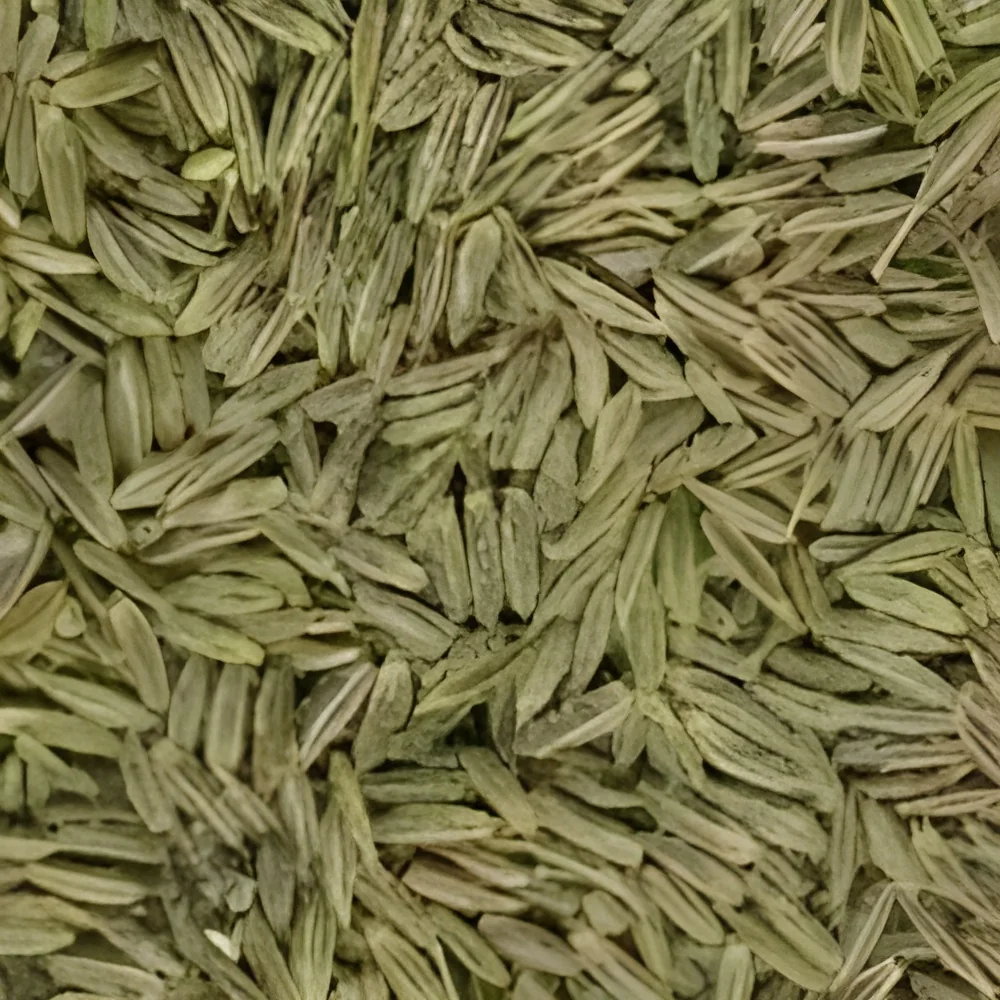
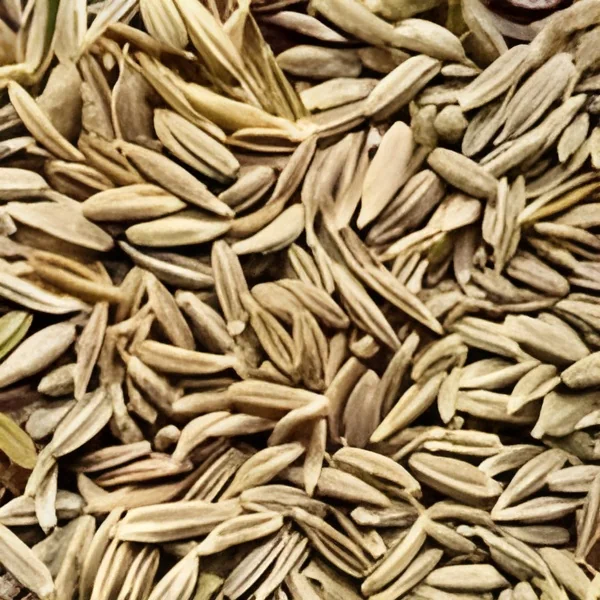
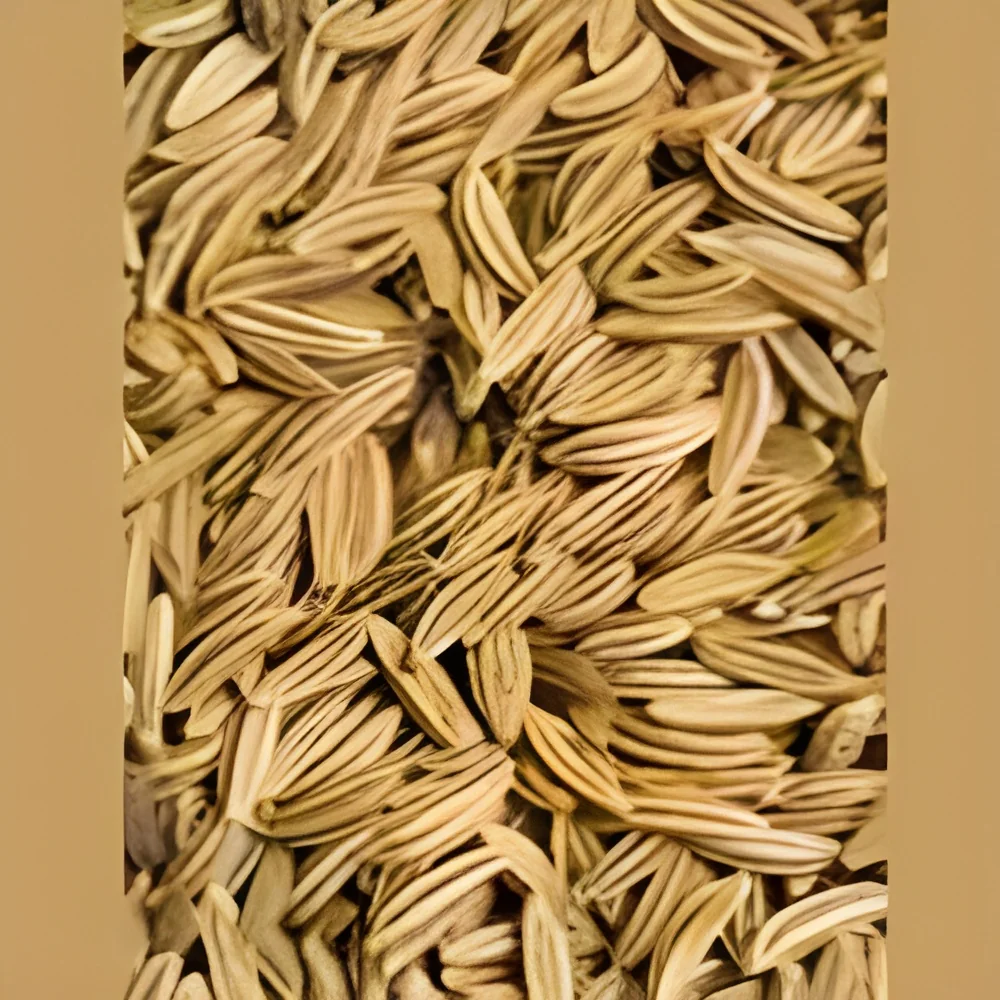
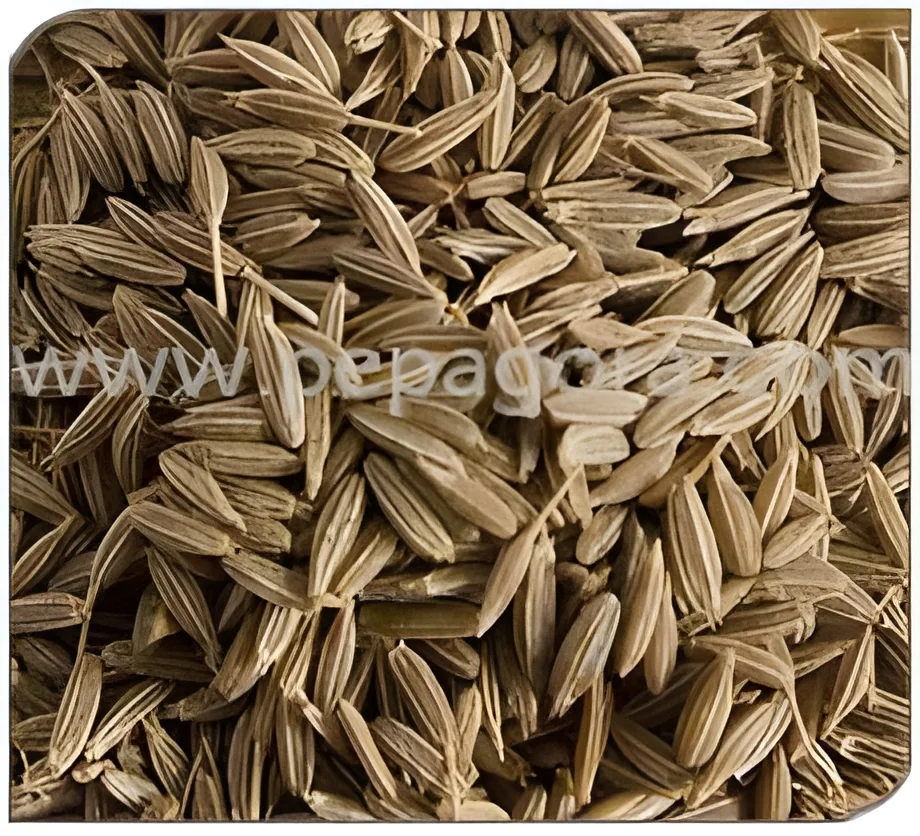
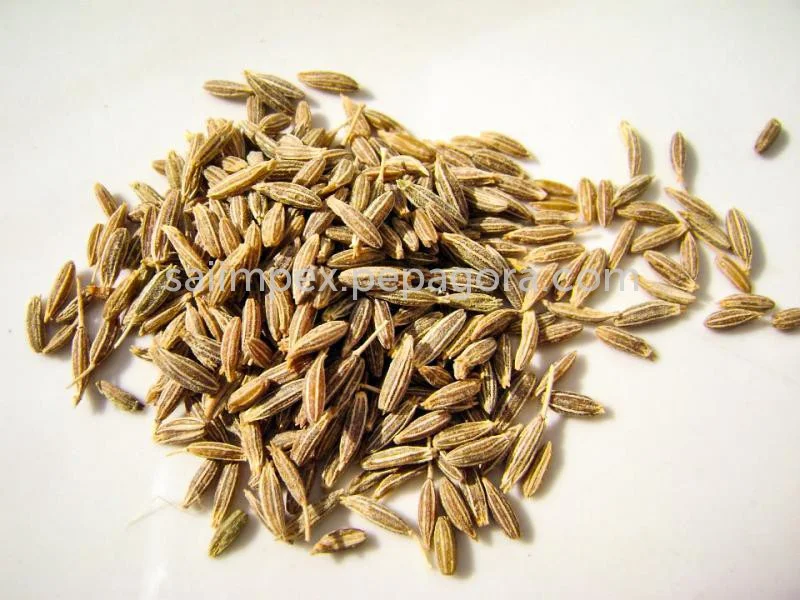
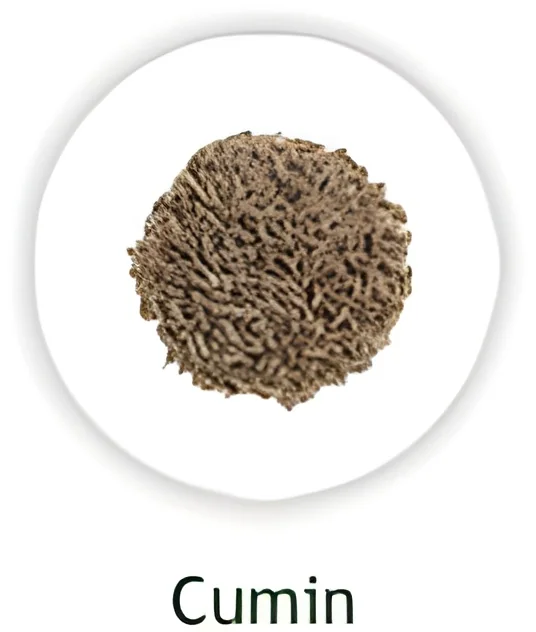
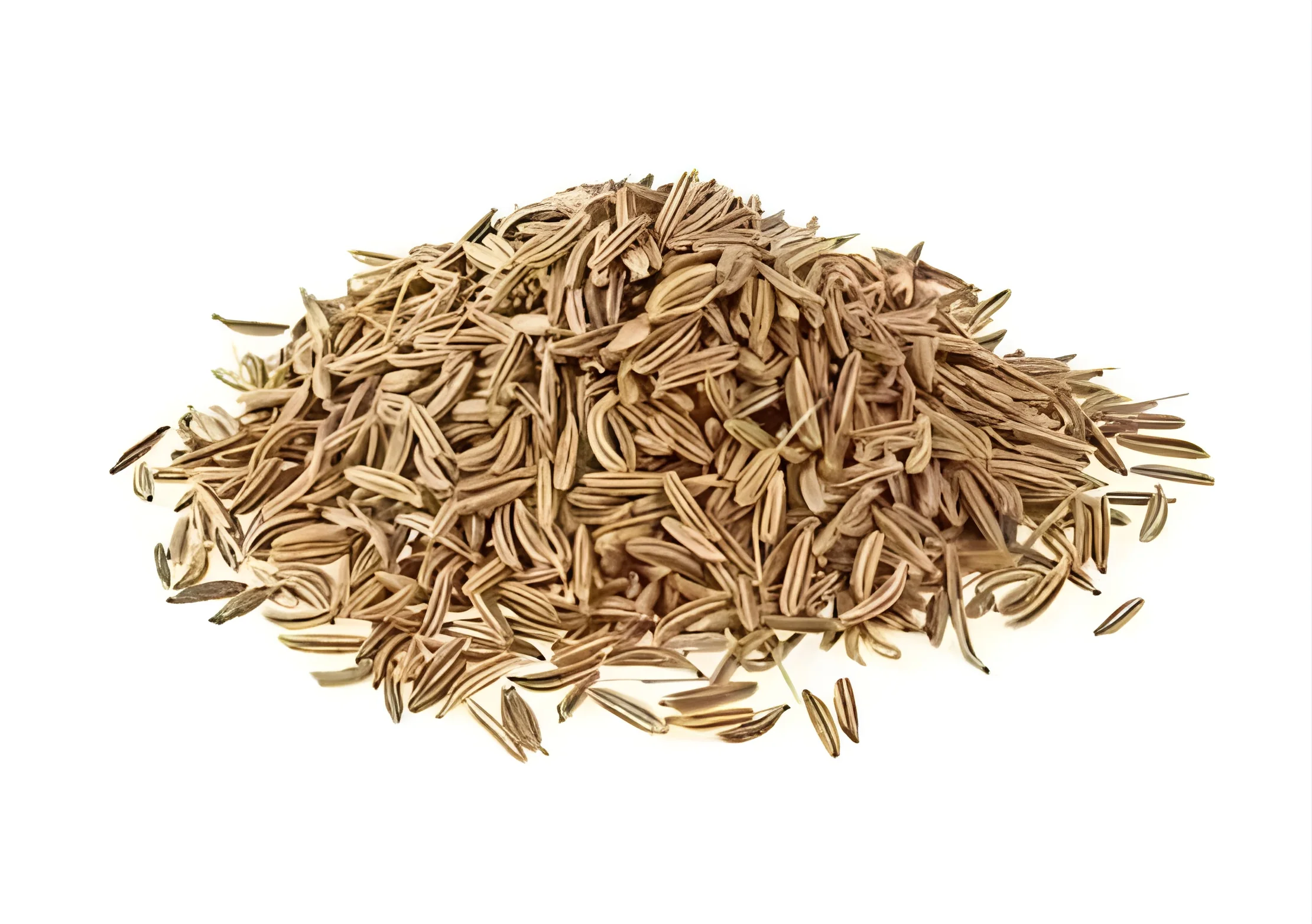
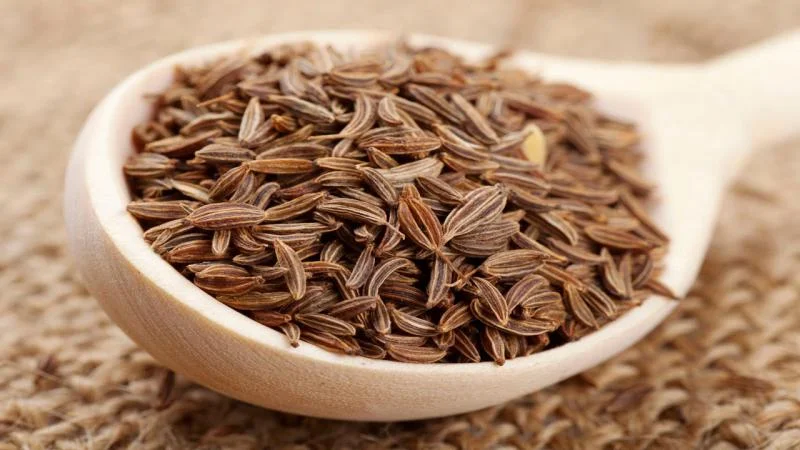
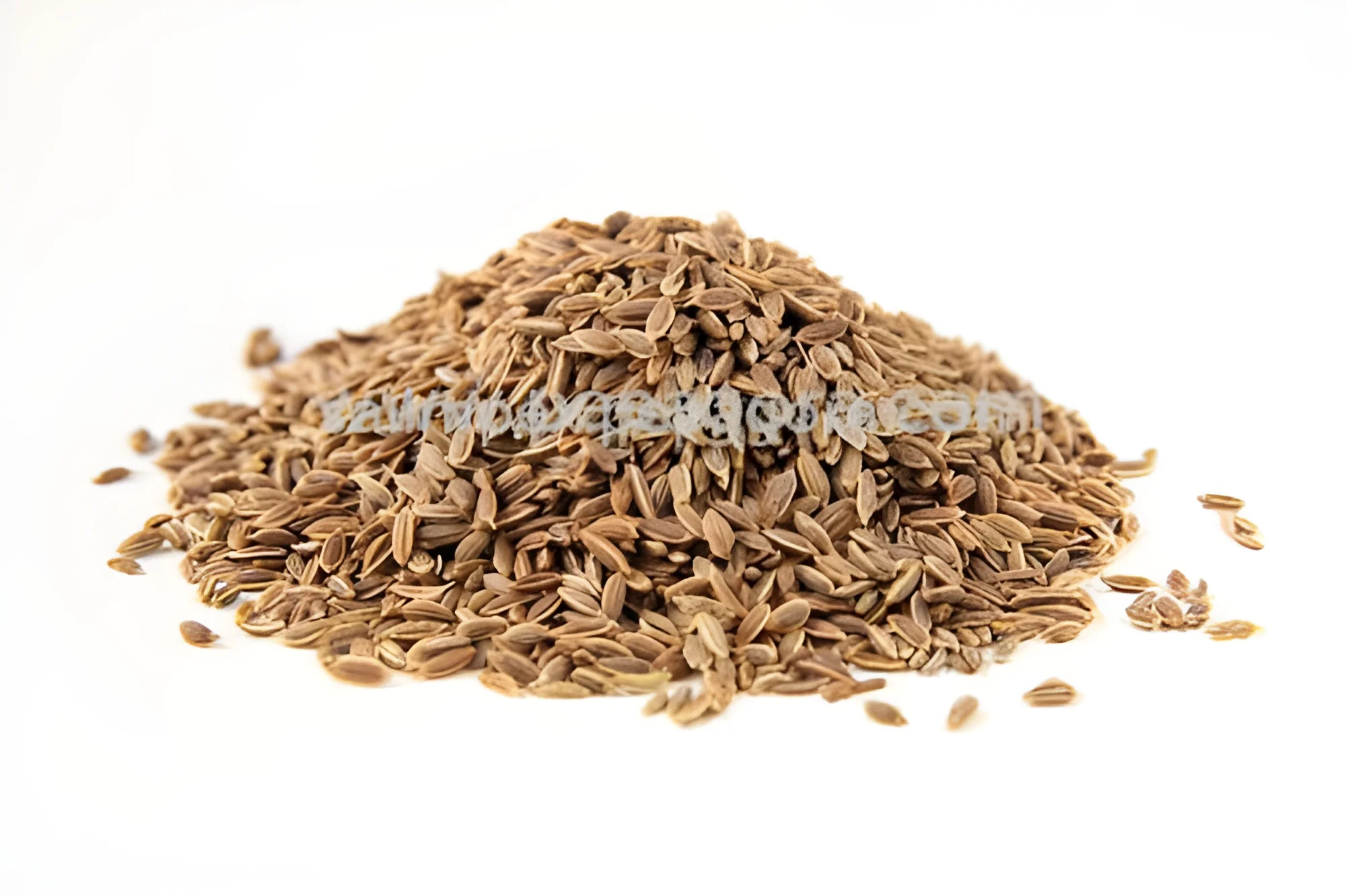
Cumin seeds are small, elongated seeds derived from the Cuminum cyminum plant, a member of the Apiaceae family. These seeds are known for their distinctive earthy flavor and aroma, which makes them a staple ingredient in various culinary traditions worldwide. Cumin seeds can be used whole or ground into a powder, allowing for versatility in food preparation and seasoning.
In the business context, cumin seeds find applications in the food industry, particularly in spice blends, sauces, and seasoning mixes. They are also used in the pharmaceutical and cosmetic industries due to their potential health benefits, including anti-inflammatory and antioxidant properties. The demand for cumin seeds continues to grow, driven by their popularity in global cuisines and increasing consumer interest in natural and organic products.
The cumin seed market is influenced by factors such as agricultural production, import-export dynamics, and changing dietary preferences. As a result, businesses involved in the sourcing and distribution of cumin seeds must stay informed about market trends and consumer demands to remain competitive.
Key Features and Specifications
Cumin seeds are characterized by several features that enhance their appeal in various industries. Understanding these specifications can help businesses make informed sourcing decisions.
Key specifications include:
1. Quality and Purity
- Cumin seeds should be free from contaminants and adulterants.
- Quality assessments may include moisture content and foreign matter percentage.
2. Flavor Profile
- The seeds possess a warm, earthy flavor with a slightly nutty taste.
- Flavor intensity can vary based on origin and processing methods.
3. Size and Appearance
- Typically, cumin seeds are about 4-5 mm in length.
- Uniformity in size is essential for consistent quality.
4. Packaging
- Cumin seeds are often packaged in bulk or retail sizes.
- Packaging materials should protect against moisture and light exposure.
5. Shelf Life
- Properly stored cumin seeds can last up to two years without losing flavor.
- Storage conditions should be cool and dry to maintain quality.
6. Origin
- Major producing countries include India, Iran, and Syria.
- Origin can impact flavor profile and market pricing.
7. Certifications
- Compliance with industry standards such as CE is essential for quality assurance.
- Certifications ensure adherence to safety and quality regulations.
Cumin seeds offer a robust profile that can meet diverse business needs and enhance product offerings.
Common Applications and Use Cases
Cumin seeds serve various industries, reflecting their versatility and importance in many sectors.
1. Food Industry: Cumin seeds are widely used in spice blends, curries, and marinades. They enhance the flavor of dishes across various cuisines, including Indian, Middle Eastern, and Mexican.
2. Pharmaceutical Industry: Due to their potential health benefits, cumin seeds are included in dietary supplements and herbal medicines. They are believed to aid in digestion and boost immunity.
3. Cosmetic Industry: Cumin extracts are utilized in skincare products for their antioxidant properties. They are valued for their ability to promote healthy skin and improve complexion.
4. Beverage Industry: Cumin seeds are used in herbal teas and health drinks for their distinctive flavor and health benefits. They add a unique twist to beverages, appealing to health-conscious consumers.
5. Aromatherapy: The essential oil derived from cumin seeds is used in aromatherapy for its calming effects. It is believed to alleviate stress and anxiety when used in diffusers or massage oils.
6. Culinary Arts: Cumin seeds are a favorite among chefs for seasoning and flavoring dishes. Their use in gourmet cooking has increased, making them a sought-after ingredient.
7. Organic Food Market: The demand for organic cumin seeds is rising as consumers seek healthier food options. Organic certification adds value and appeals to eco-conscious buyers.
Product Variants and Subcategories
Cumin seeds come in various forms, each catering to different market needs.
Whole Cumin Seeds
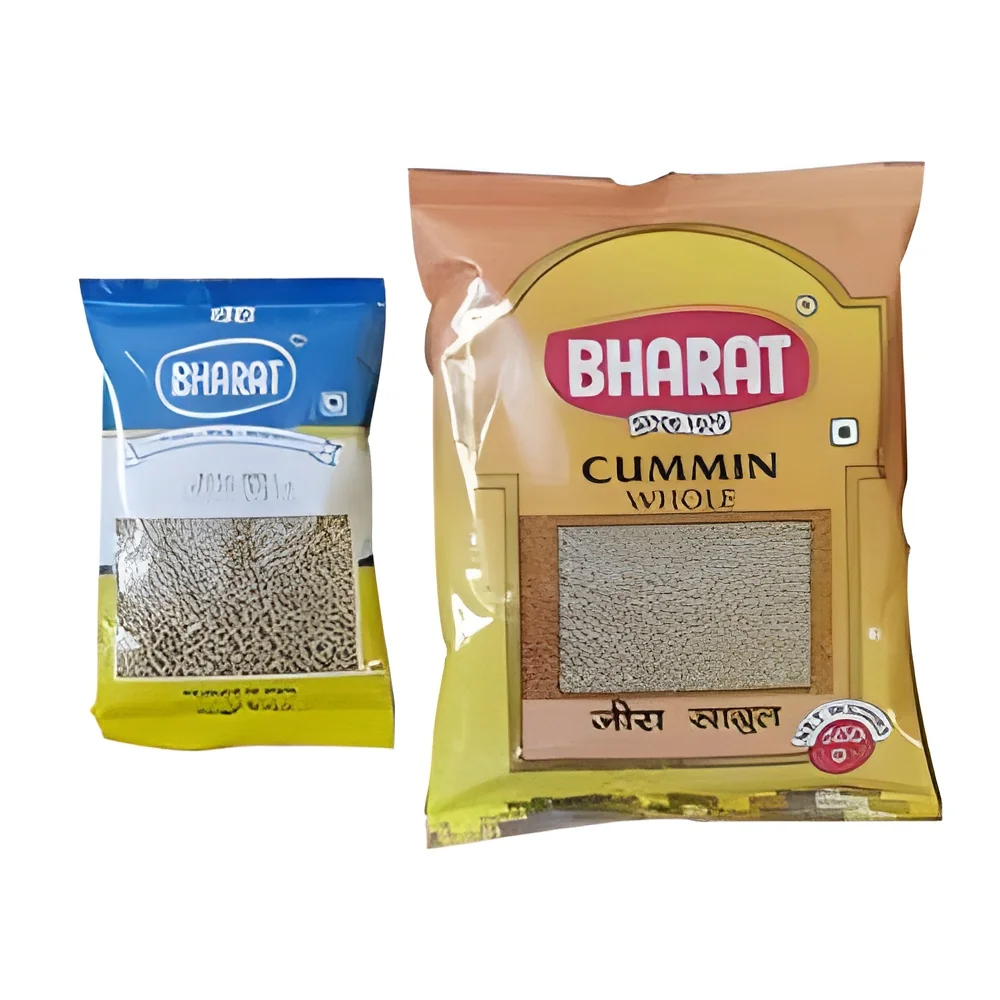
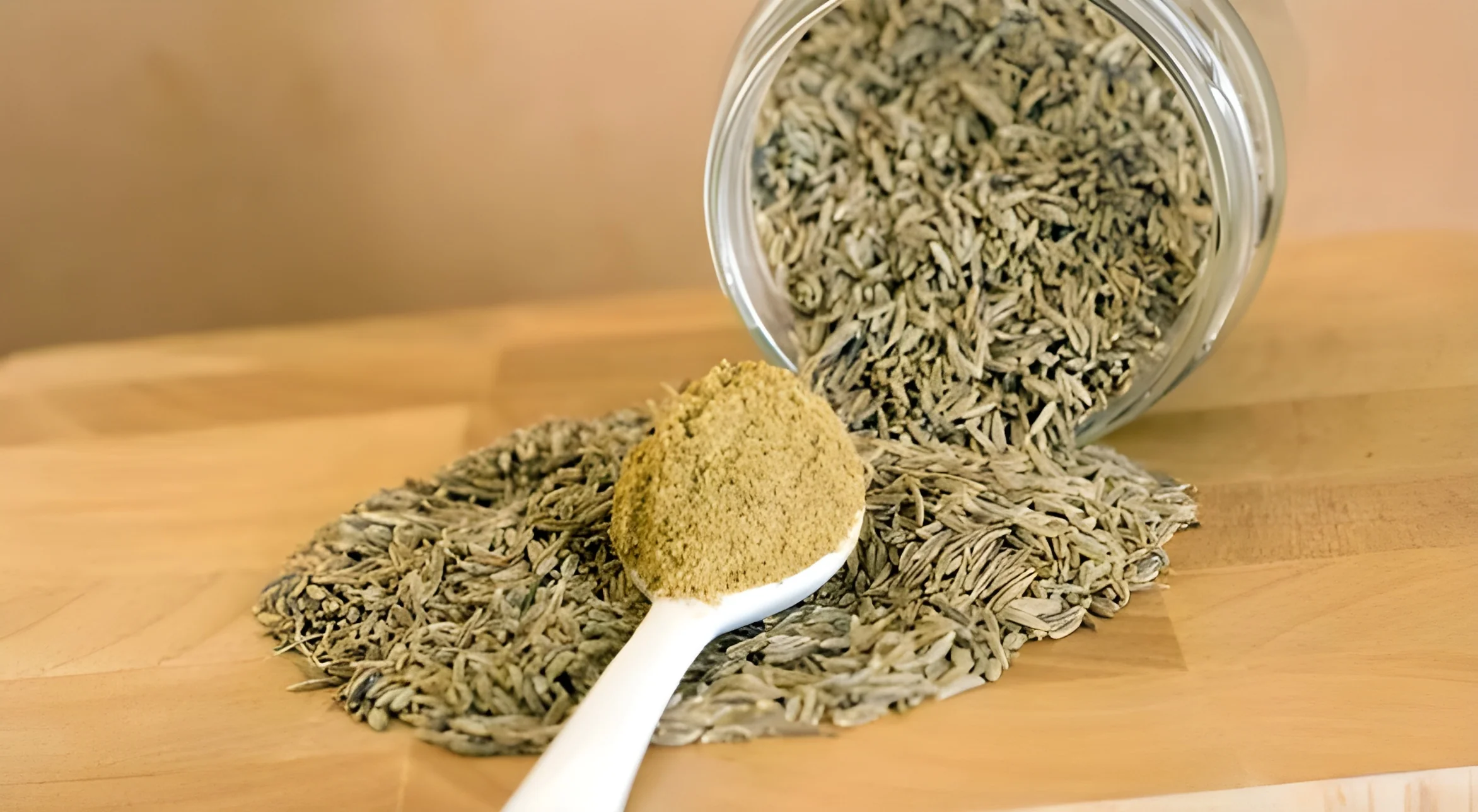
Whole cumin seeds are unground and preserve the essential oils and flavor until use. They are ideal for slow-cooked dishes and can be toasted to enhance their flavor further.
Ground Cumin
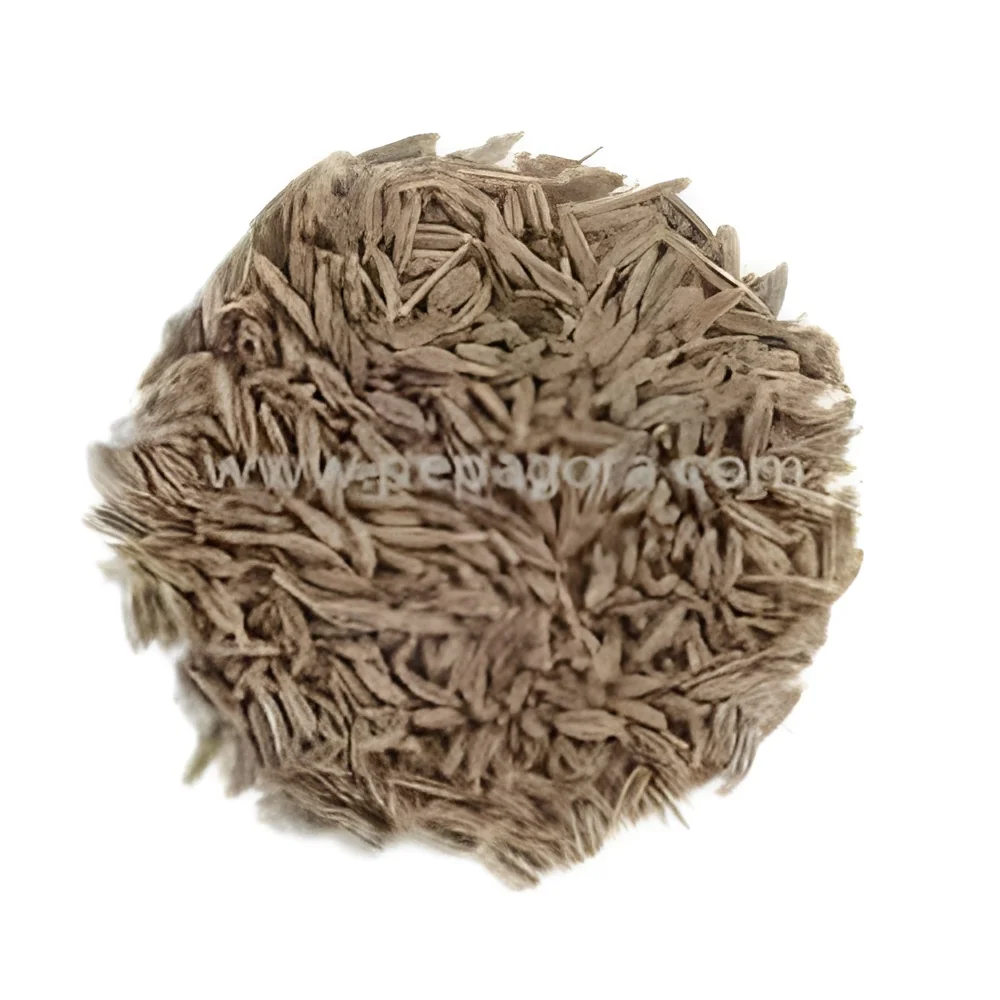
Ground cumin is produced by grinding whole seeds into a fine powder. It is convenient for quick seasoning and is commonly used in spice blends and marinades.
Black Cumin
Black cumin, or Nigella sativa, is a different variety known for its unique flavor profile and health benefits. It is used in traditional medicine and culinary applications.
Organic Cumin
Organic cumin seeds are cultivated without synthetic fertilizers or pesticides. They appeal to health-conscious consumers and businesses focused on organic products.
Benefits and Advantages
Cumin seeds offer several benefits that make them attractive to businesses and consumers alike.
1. Flavor Enhancement: Cumin seeds provide a rich, earthy flavor that can elevate the taste of various dishes, making them a popular choice among chefs and food manufacturers.
2. Health Benefits: Cumin seeds are known for their potential health properties, including aiding digestion and boosting immunity. This appeal attracts health-conscious consumers.
3. Versatility: Available in whole and ground forms, cumin seeds can be used in a wide range of applications, from cooking to cosmetics, making them a versatile ingredient.
4. Market Demand: The growing interest in ethnic cuisines and natural products ensures a steady demand for cumin seeds in global markets.
5. Long Shelf Life: When stored correctly, cumin seeds have a long shelf life, ensuring that businesses can manage inventory effectively without significant losses.
6. Organic Options: The availability of organic cumin seeds caters to the rising demand for natural and organic products, allowing businesses to reach a broader customer base.
Buying Guide for B2B Buyers
When sourcing cumin seeds, several factors should be considered to ensure quality and reliability.
1. Quality Assessment: Buyers should evaluate the quality of cumin seeds based on moisture content, purity, and flavor profile. High-quality seeds will have a strong aroma and a consistent size.
2. Supplier Verification: It is crucial to vet suppliers to ensure they adhere to quality standards and have a reliable track record. Requesting samples can help assess their products before placing large orders.
3. Pricing and MOQ: Understanding the pricing structure is essential for budgeting. Minimum order quantities may vary by supplier, so clarifying this upfront can prevent complications.
4. Delivery and Lead Times: Buyers should confirm delivery timelines and logistics capabilities. Reliable suppliers will provide clear lead times to ensure timely product availability.
5. Compliance Requirements: Ensuring that cumin seeds meet regional compliance and certification requirements is vital for avoiding legal issues and maintaining market access.
Compliance and Certifications
Compliance with relevant quality standards is essential for businesses sourcing cumin seeds.
ISO 9001 is a quality management standard that ensures suppliers have consistent processes and quality control measures in place.
HACCP (Hazard Analysis Critical Control Point) is critical for food safety, ensuring that cumin seeds are processed and handled in a way that minimizes risks to consumers.
CE certification denotes that products meet EU safety, health, and environmental protection requirements, which can be an important consideration for international buyers.
Safety and testing requirements must also be adhered to, ensuring that cumin seeds are free from contaminants and suitable for consumption.
Regionally, compliance with local agricultural and food safety regulations is necessary to ensure product integrity and marketability.
Why Source Cumin Seeds from Pepagora?
Pepagora provides a trusted platform for sourcing cumin seeds, offering several key advantages that benefit B2B buyers.
Verified Supplier Network: Pepagora connects buyers with a network of verified suppliers, ensuring that businesses can source high-quality cumin seeds from reliable sources. Each supplier undergoes a thorough vetting process to guarantee quality and compliance.
Streamlined RFQ Process: The platform's request-for-quotation (RFQ) system simplifies the sourcing process. Buyers can easily submit their requirements and receive competitive quotes from multiple suppliers, helping them make informed purchasing decisions.
Trade Assurance and Support: Pepagora offers trade assurance features that protect buyers throughout the transaction process. This support ensures that businesses can source cumin seeds with confidence, knowing their investments are secure.
Regional Coverage: With a strong presence in India, the GCC, and Southeast Asia, Pepagora provides access to a diverse range of cumin seed suppliers. This geographic reach allows buyers to tap into local markets and benefit from competitive pricing and availability.

 IN
IN