
 IN
Fenugreek Seeds
29 products available
What are Fenugreek Seeds?
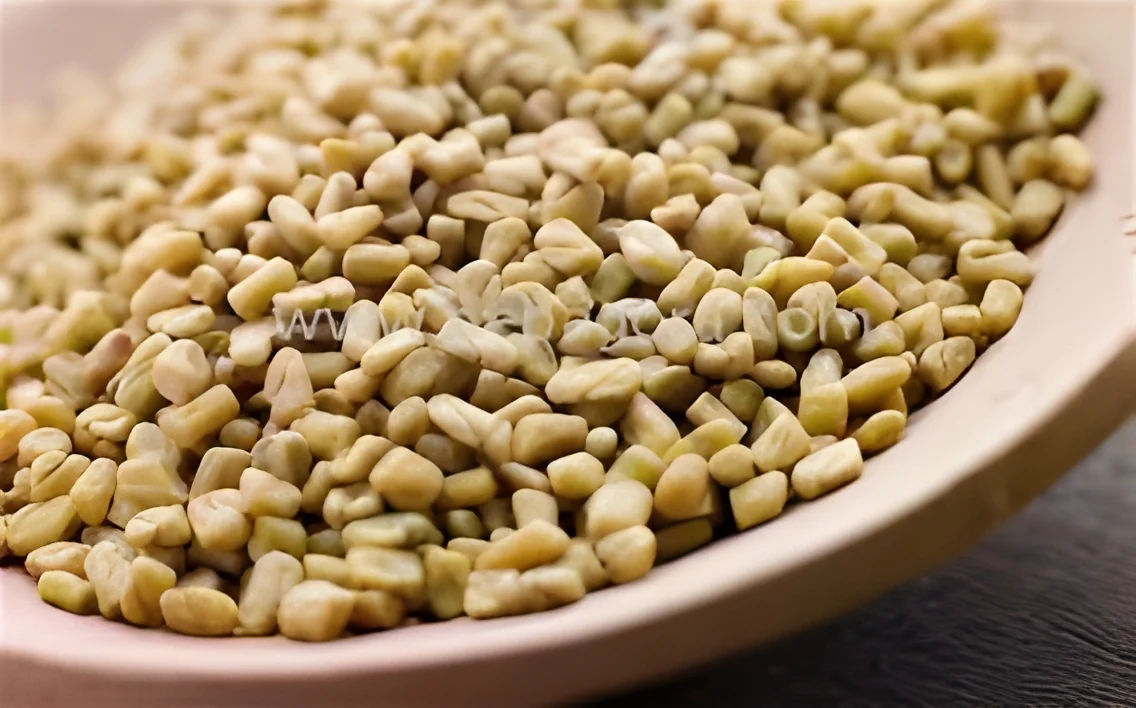
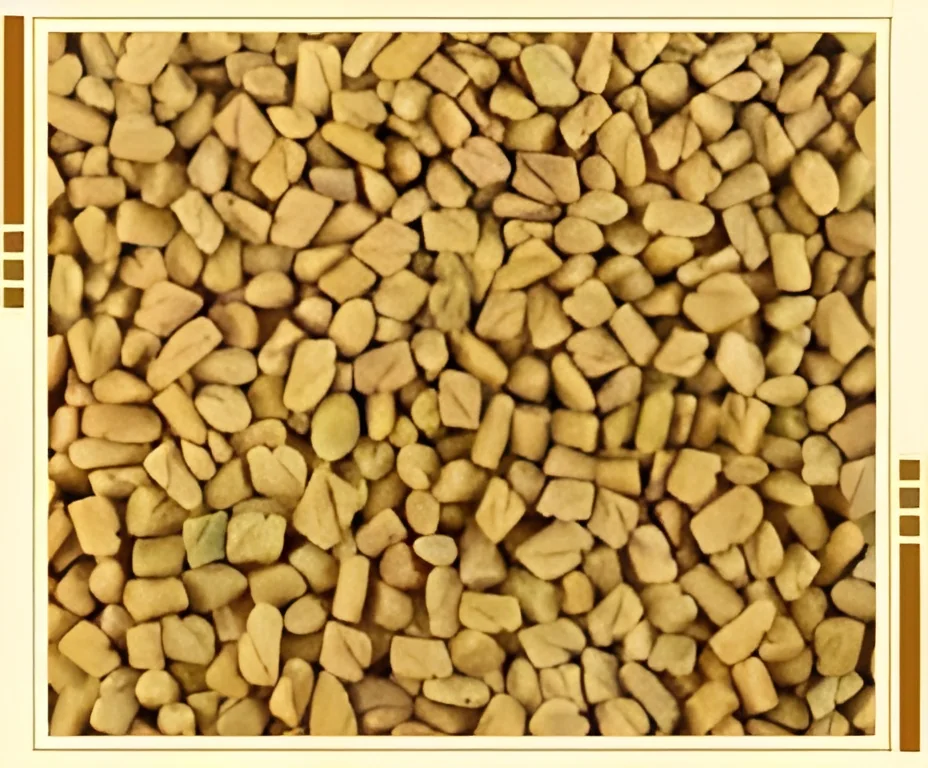
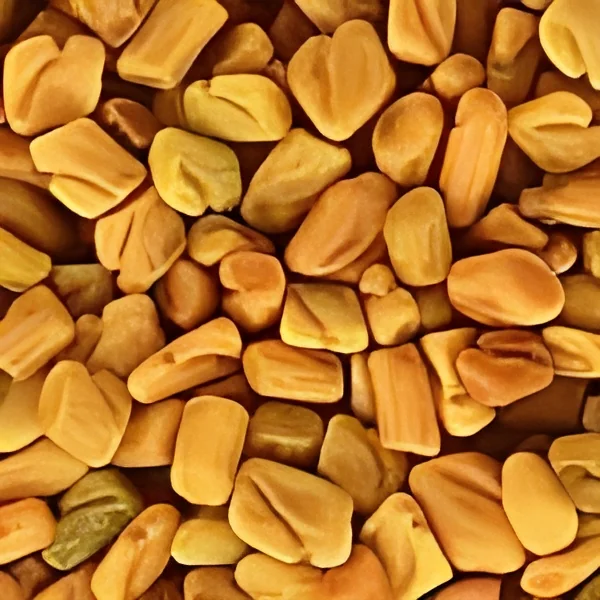
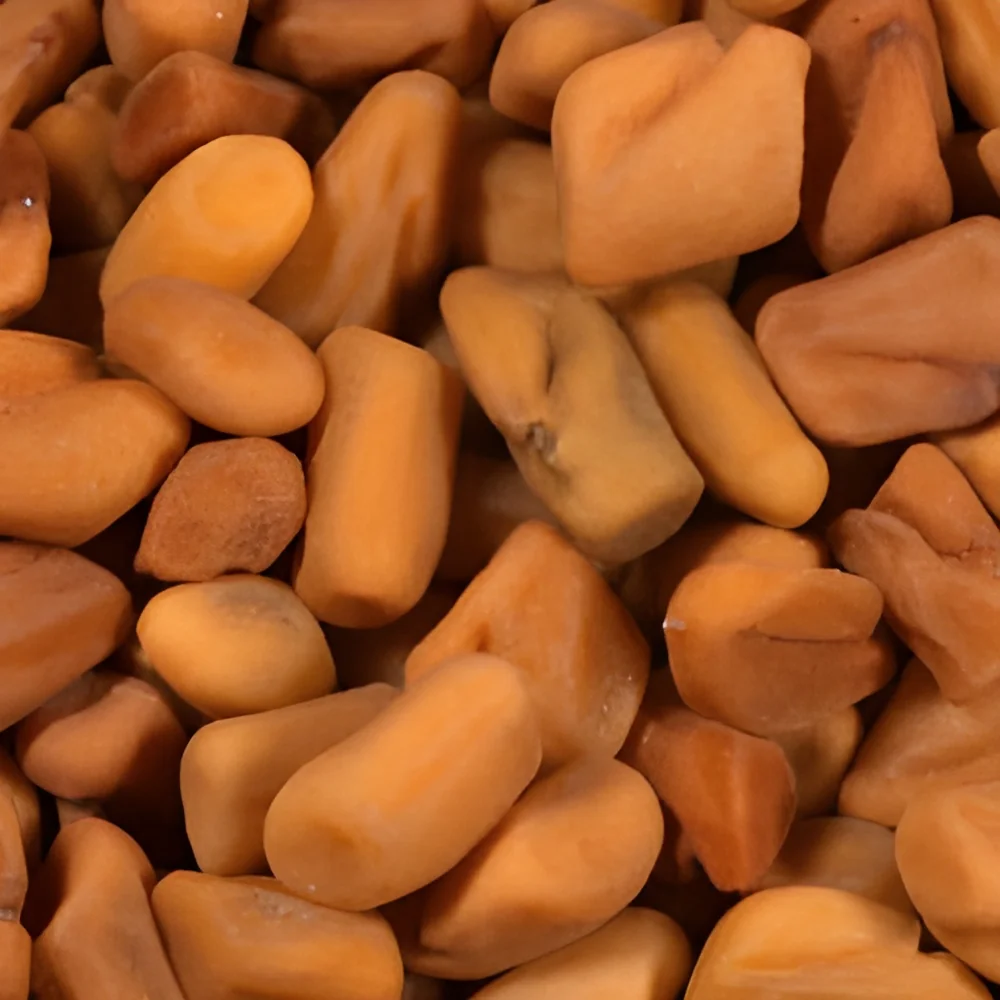
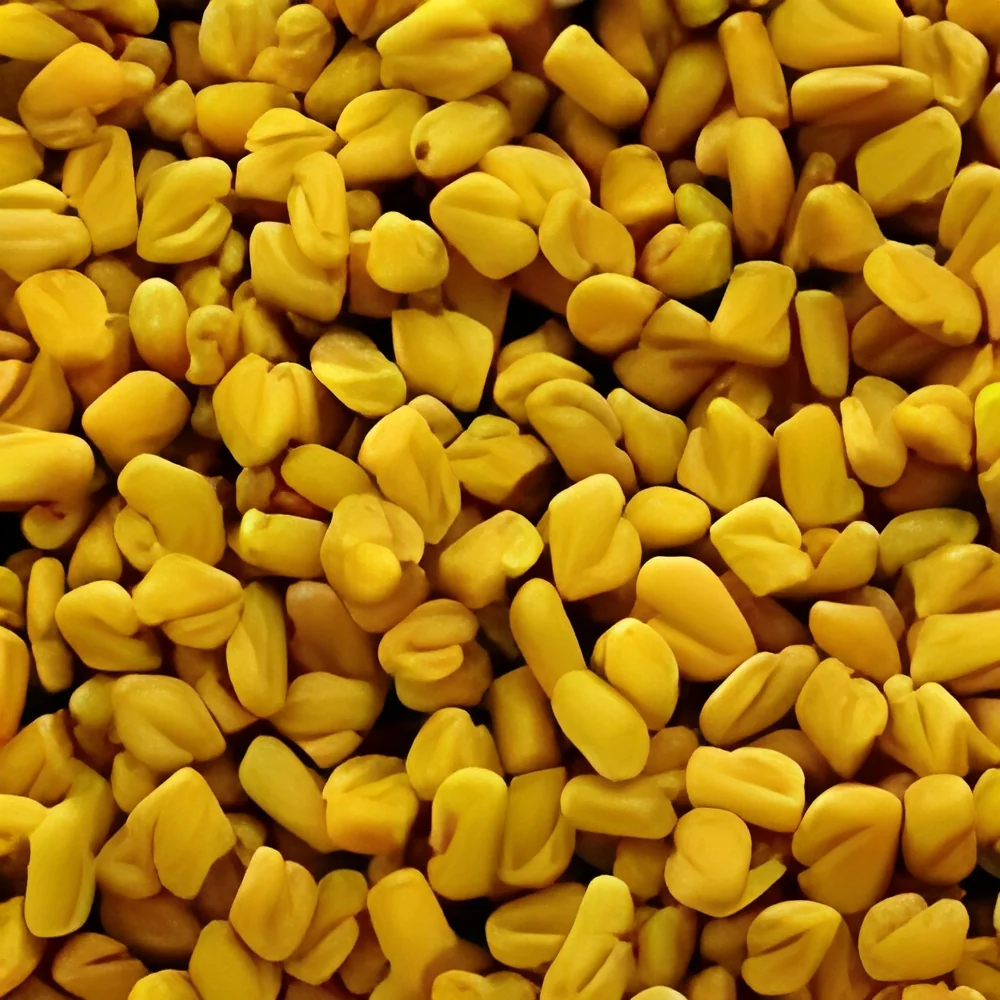
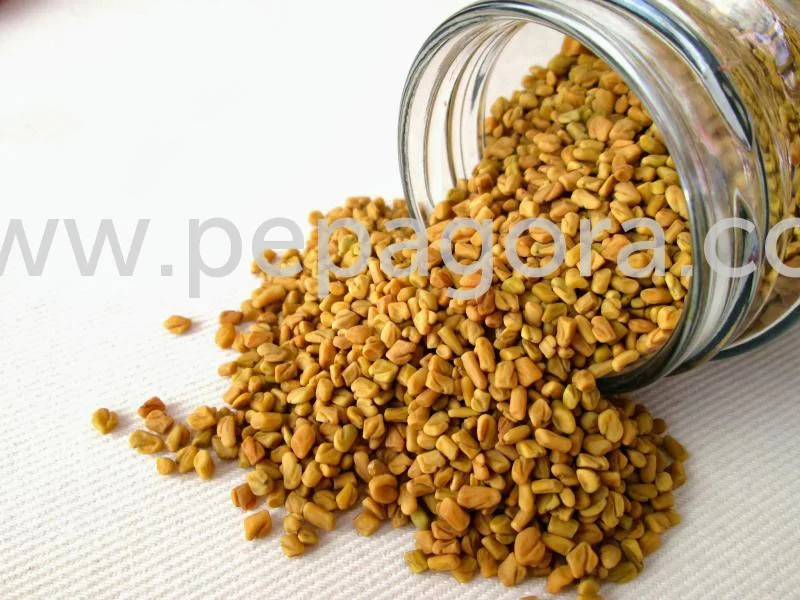
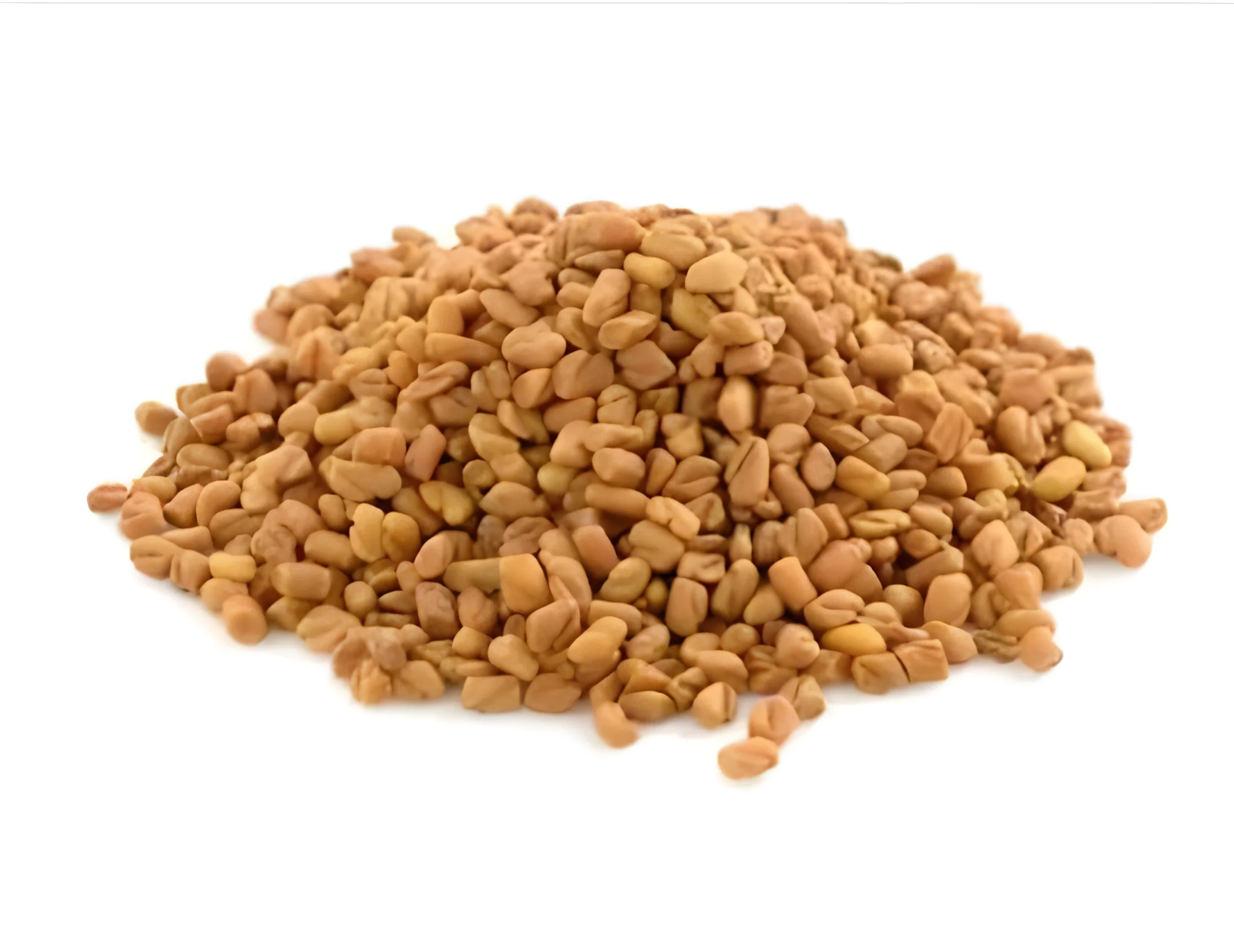
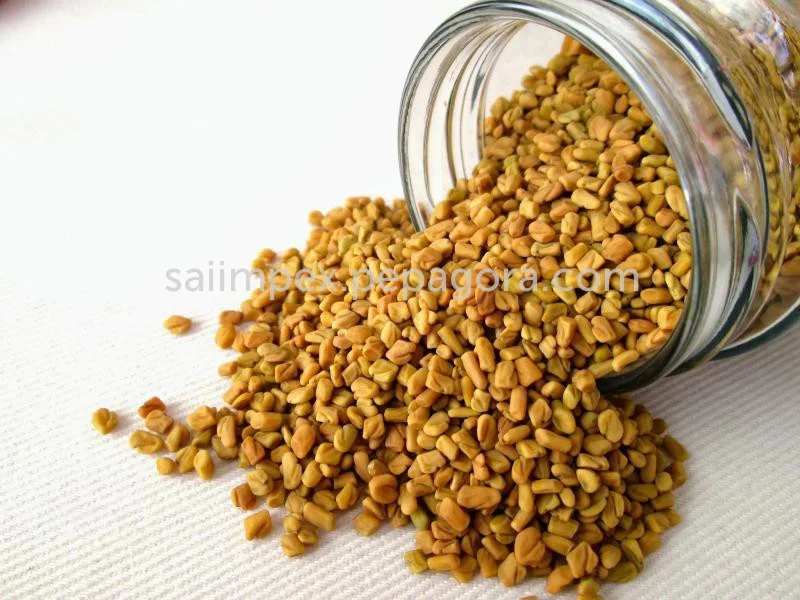
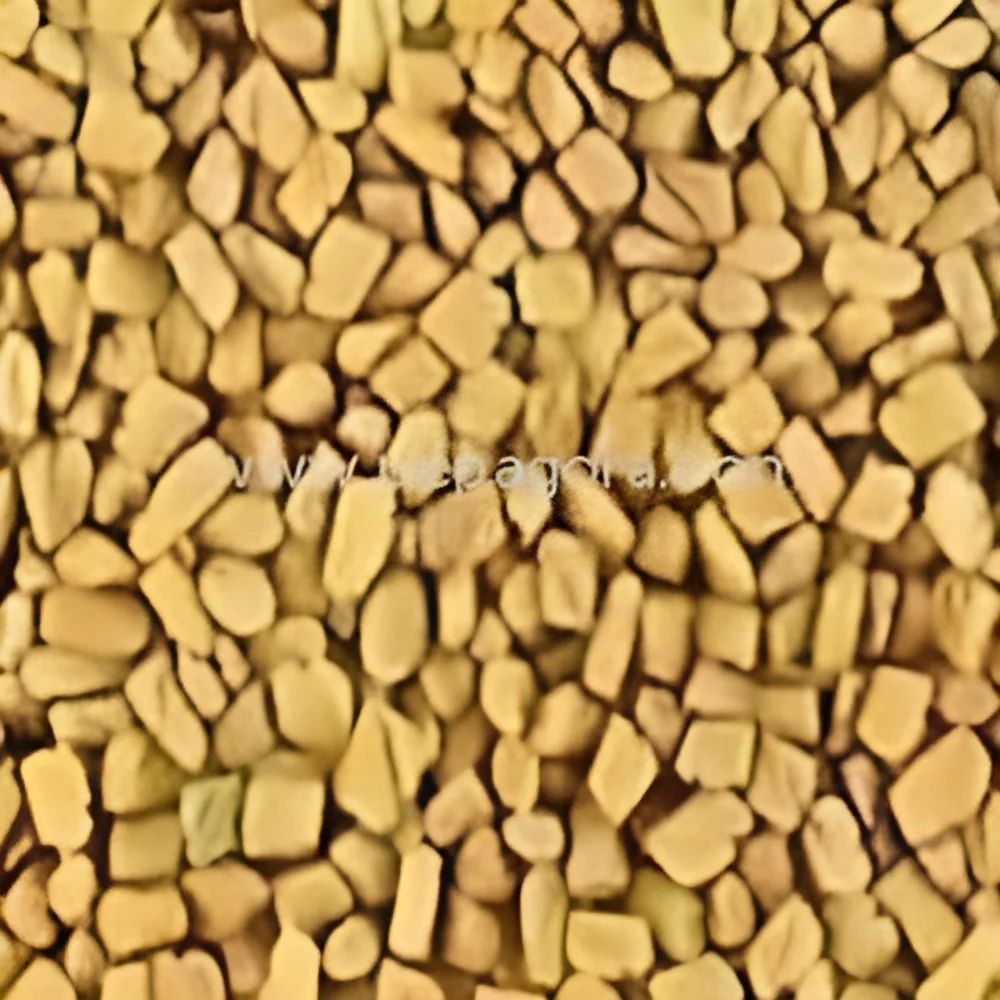
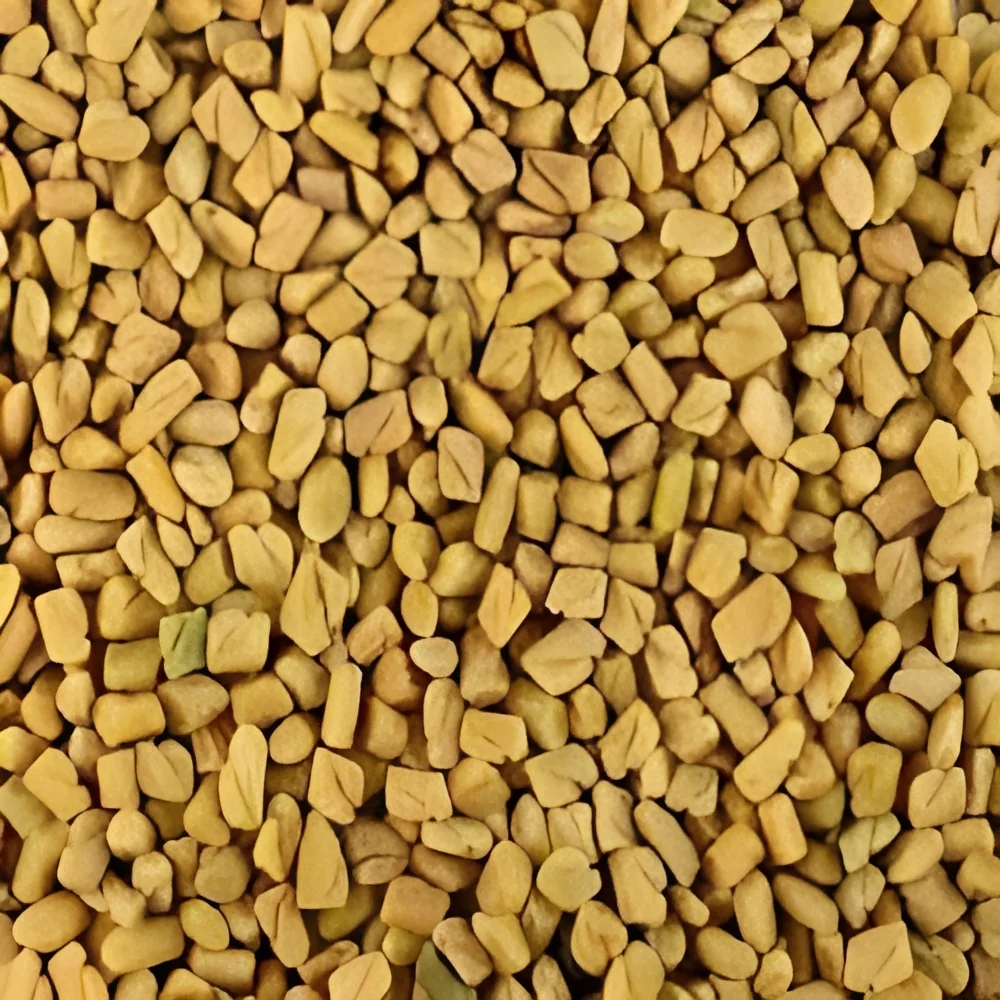
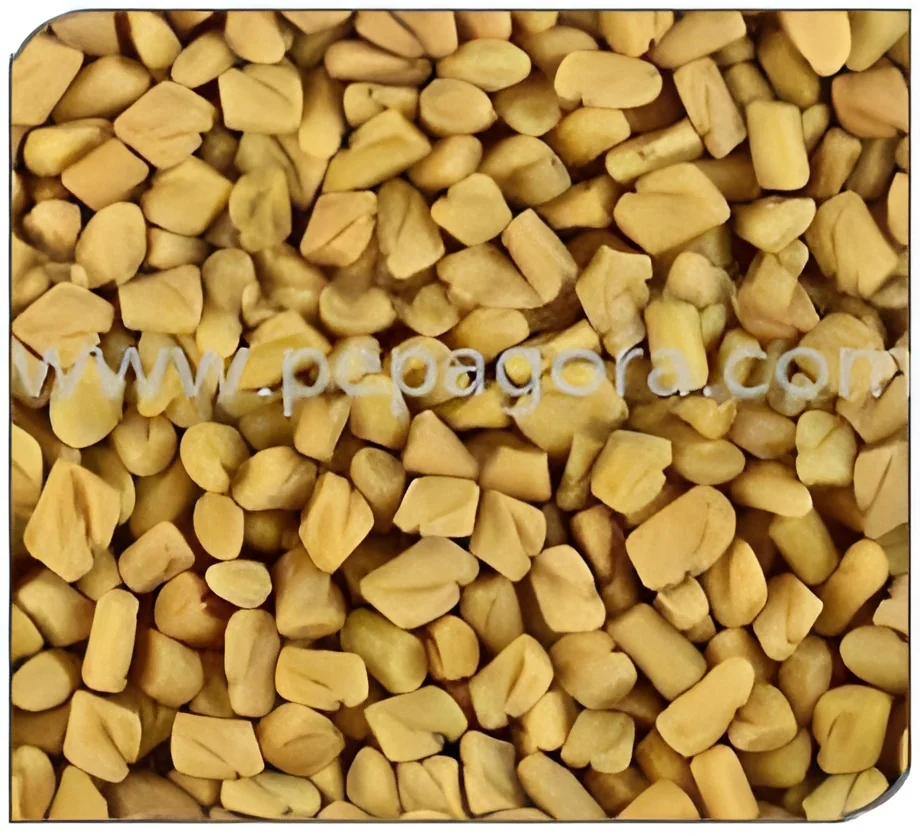
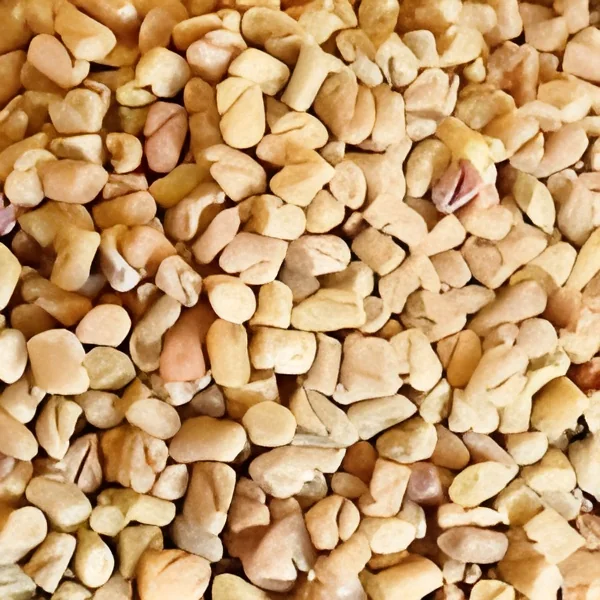
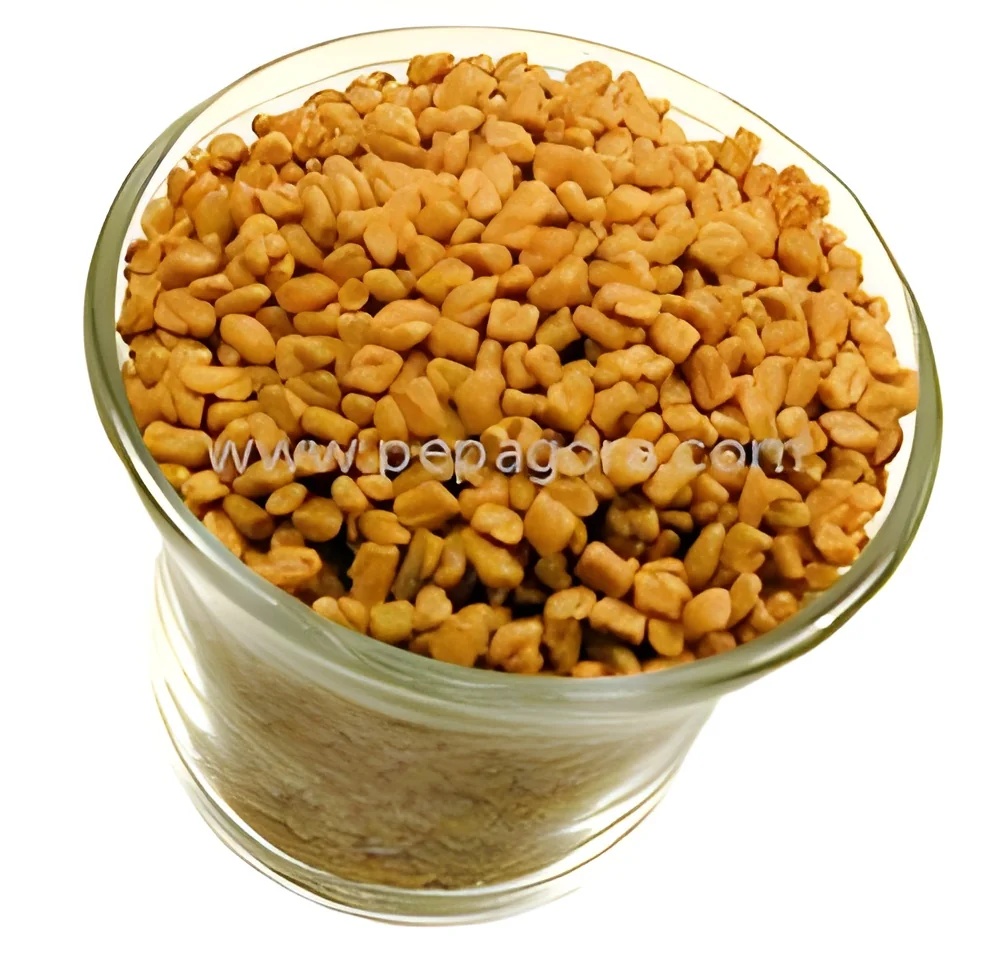
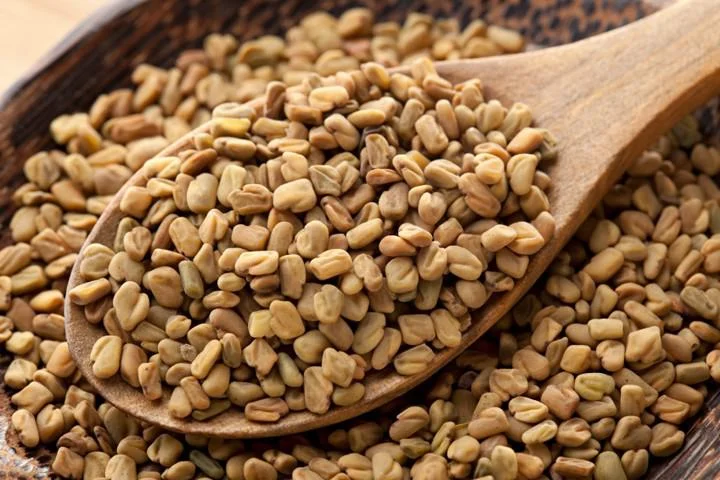
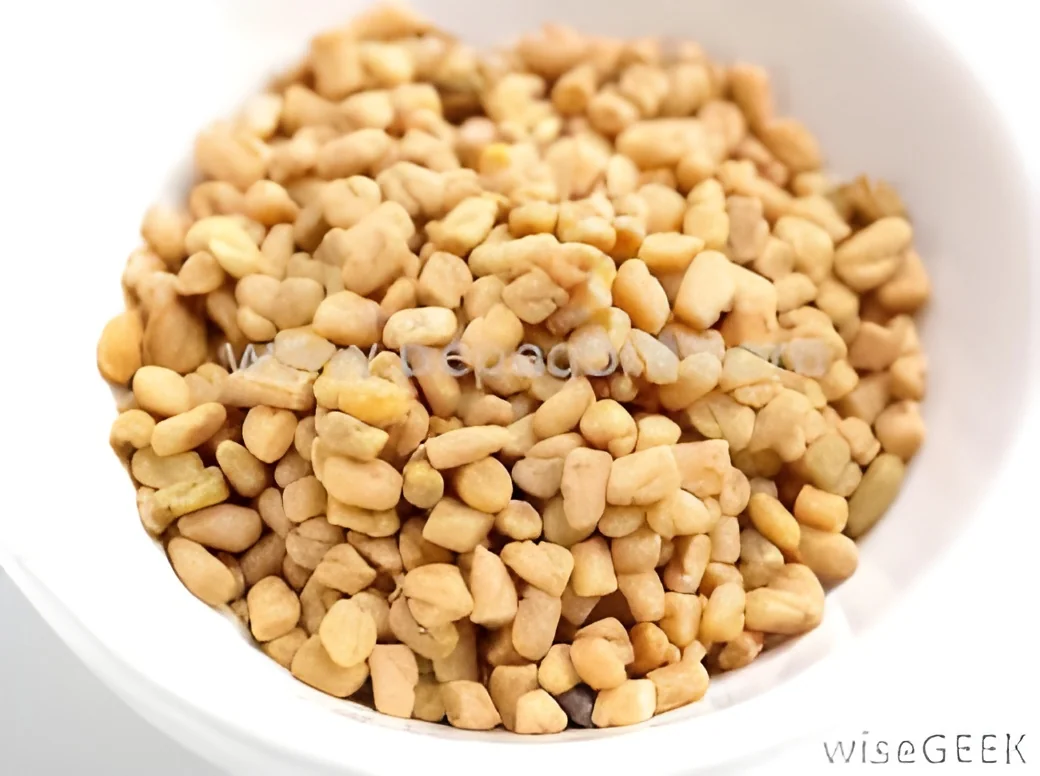
Fenugreek seeds, derived from the Trigonella foenum-graecum plant, are small, golden-brown seeds known for their distinctive flavor and aroma. These seeds have been used in traditional medicine, culinary practices, and as a dietary supplement. They contain various bioactive compounds, including alkaloids and flavonoids, which contribute to their health benefits and applications in different sectors.
The primary uses of fenugreek seeds include their incorporation into food products, herbal supplements, and natural remedies. In the culinary world, they are commonly used as a spice in Indian and Middle Eastern cuisine. In the health sector, fenugreek seeds are recognized for their potential to aid digestion, enhance lactation, and manage blood sugar levels. The market for fenugreek seeds continues to grow, driven by increasing health awareness and demand for natural products.
Key Features and Specifications
Fenugreek seeds offer various features that make them valuable in different industries. Understanding their specifications is essential for businesses looking to source high-quality seeds.
Key specifications include:
1. Origin
- Fenugreek seeds are primarily sourced from India and North Africa.
- Different regions may produce seeds with unique characteristics.
2. Color
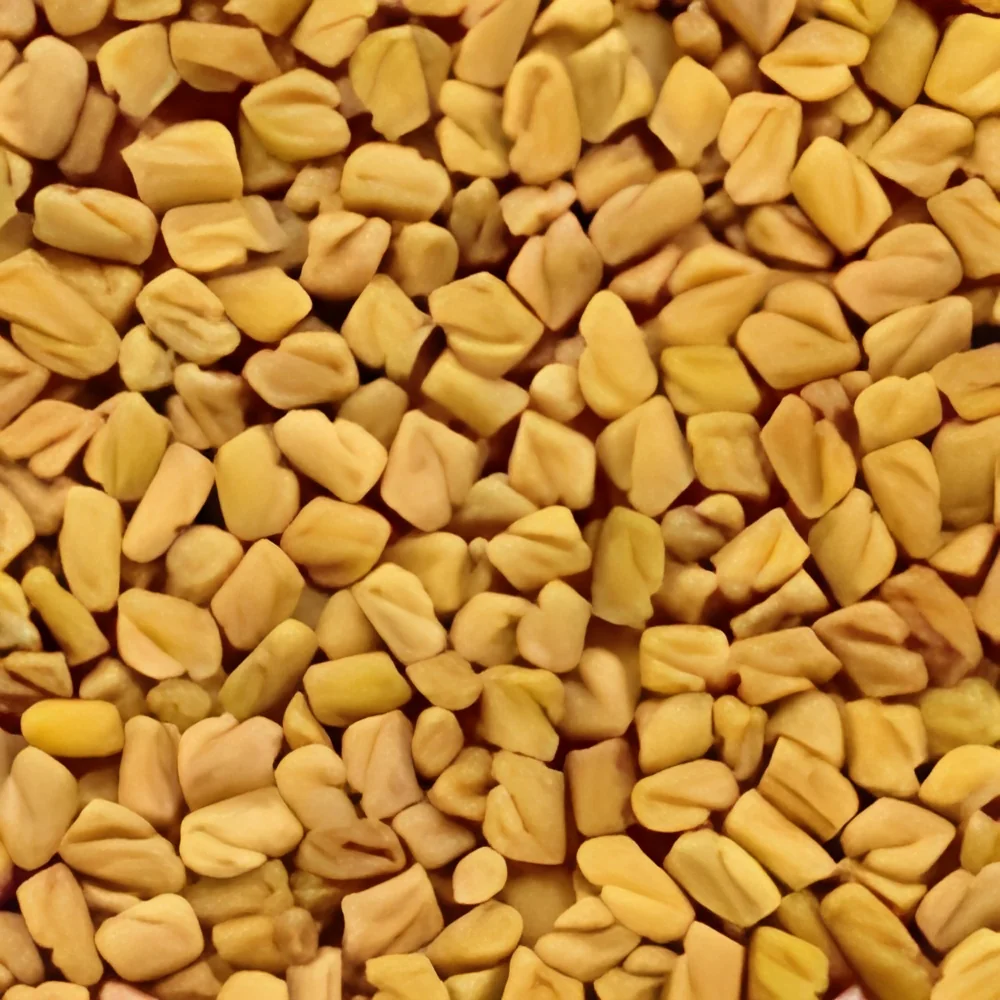
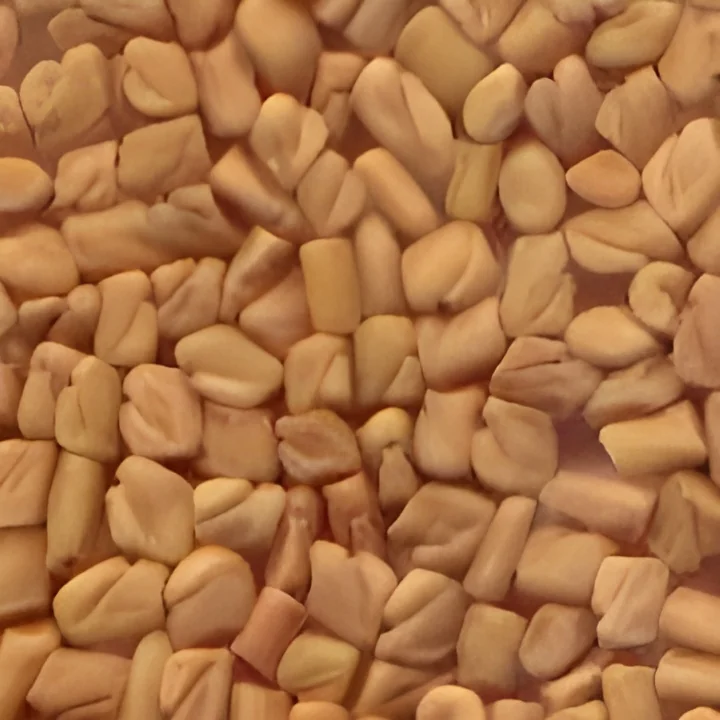
- The typical color of fenugreek seeds is golden brown.
- Color consistency can indicate quality and freshness.
3. Size
- Average seed size ranges from 2 to 4 mm.
- Uniformity in size is important for processing and packaging.
4. Moisture Content
- Ideal moisture content is between 8% to 12%.
- Proper moisture levels prevent spoilage and maintain quality.
5. Packaging
- Seeds are usually packaged in bulk or retail-sized bags.
- Packaging should ensure protection from moisture and contamination.
6. Shelf Life
- Shelf life can extend up to 24 months when stored properly.
- Conditions must be cool, dry, and dark to maximize longevity.
7. Nutritional Value
- Rich in dietary fiber, protein, and essential vitamins.
- Specific nutritional profiles can vary based on cultivation practices.
In summary, fenugreek seeds are characterized by their origin, size, color, and nutritional value. Businesses must consider these specifications when sourcing seeds to meet quality standards.
Common Applications and Use Cases
Fenugreek seeds are versatile and find applications across various industries.
1. Food Industry: Used as a spice in cooking, fenugreek seeds enhance the flavor of curries, pickles, and sauces. They are also incorporated into bakery products and health foods.
2. Nutraceuticals: These seeds are used in dietary supplements for their health benefits, including blood sugar regulation and digestive support. They are popular among health-conscious consumers.
3. Cosmetics: Fenugreek seeds are utilized in natural skincare products for their anti-inflammatory and antioxidant properties. They are often found in hair care formulations as well.
4. Pharmaceutical Industry: The seeds are explored for their medicinal properties and are included in traditional remedies for various ailments. They are also studied for potential therapeutic roles.
5. Animal Feed: Fenugreek seeds are included in livestock feed to enhance digestion and overall health. Their nutritional profile supports animal growth and productivity.
6. Organic Farming: Used as a cover crop, fenugreek can improve soil fertility and reduce weed growth. Its cultivation supports sustainable agricultural practices.
7. Natural Remedies: Traditionally, fenugreek seeds are used in herbal medicine to treat conditions such as diabetes and digestive issues. Their use in holistic health practices is gaining popularity.
Product Variants and Subcategories
Fenugreek seeds come in diverse forms, catering to various market needs.
Whole Fenugreek Seeds
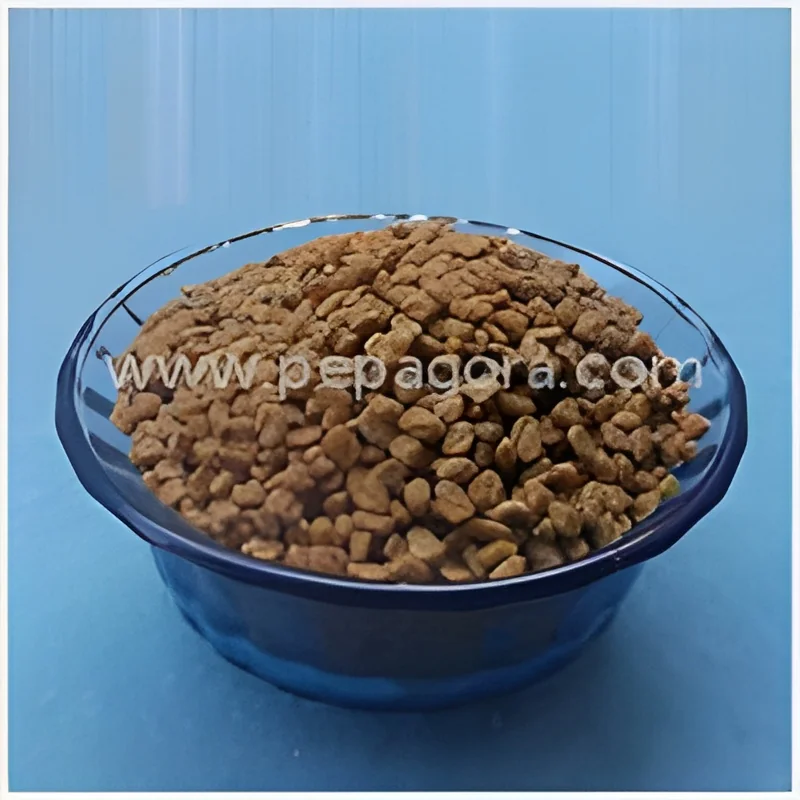
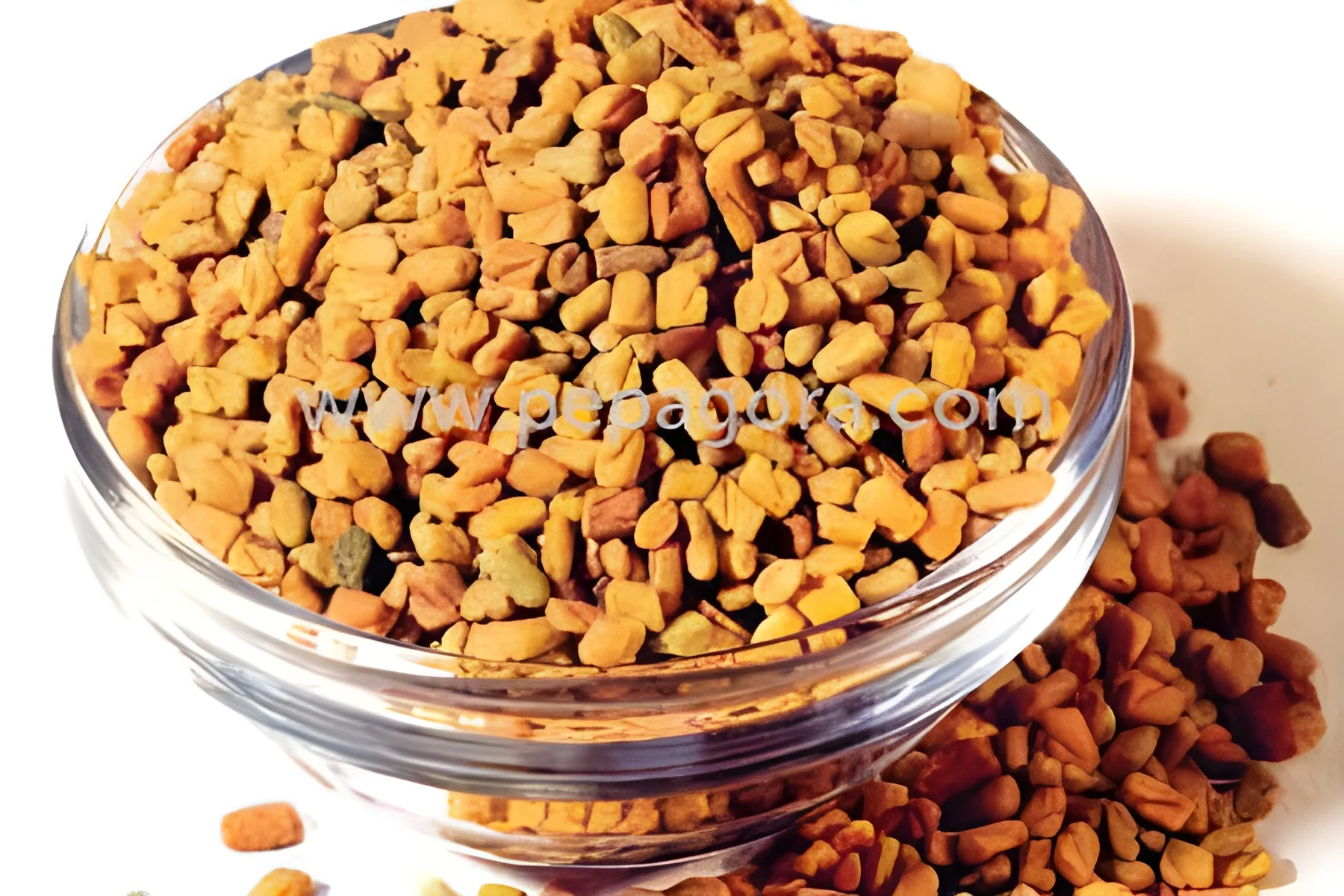
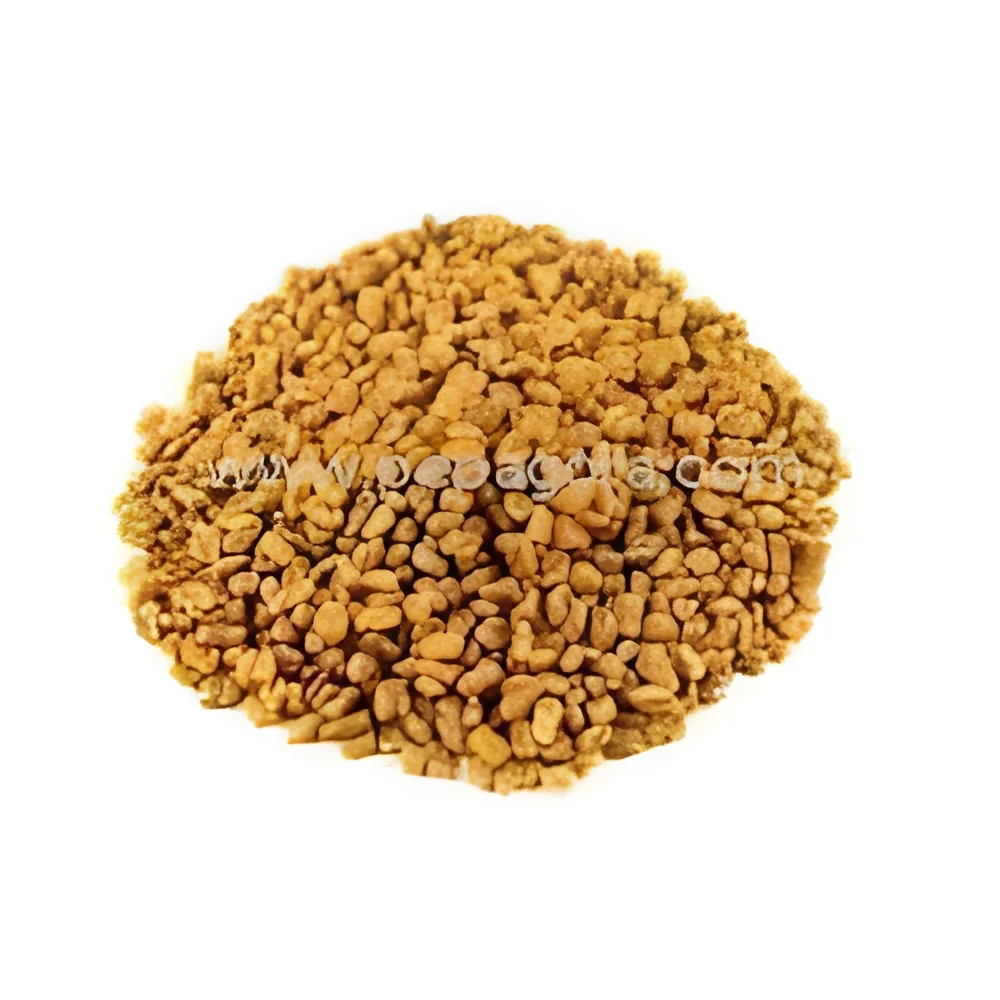
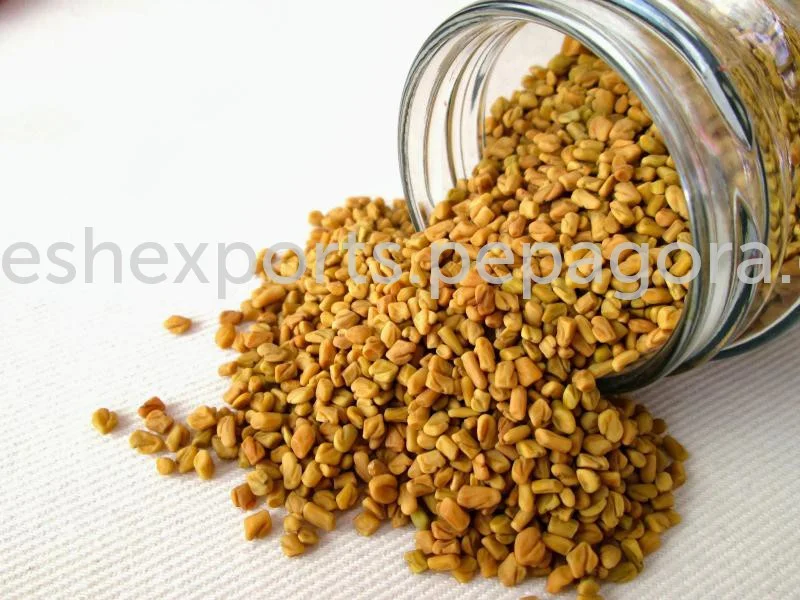
These are unprocessed seeds, commonly used in cooking and herbal applications. They retain their flavor and nutritional benefits, making them a favorite in culinary traditions.
Fenugreek Seed Powder
Ground from whole seeds, this variant is used as a spice and ingredient in supplements. It offers convenience for consumers looking for easy incorporation into recipes.
Fenugreek Extract
This concentrated form is used in nutraceuticals and herbal medicine. It provides the beneficial compounds of fenugreek in a more potent format.
Organic Fenugreek Seeds
Sourced from certified organic farms, these seeds meet specific agricultural standards. They appeal to health-conscious consumers seeking organic options.
Benefits and Advantages
Sourcing fenugreek seeds offers numerous benefits for businesses.
1. Health Benefits: Fenugreek seeds are known for their potential to support digestive health, regulate blood sugar levels, and promote lactation in nursing mothers.
2. Versatility: With applications in food, cosmetics, and pharmaceuticals, fenugreek seeds cater to diverse market needs, enhancing their appeal to various industries.
3. Natural Ingredient: As a natural product, fenugreek seeds align with the growing consumer demand for clean label and organic ingredients, promoting consumer trust.
4. Nutritional Value: Rich in essential nutrients, fenugreek seeds provide a health boost to food products, appealing to health-conscious consumers.
5. Cultural Significance: Widely used in traditional cuisines, fenugreek seeds resonate with consumers looking for authentic flavors, making them a staple in many households.
6. Sustainable Sourcing: Fenugreek cultivation can be integrated into sustainable agricultural practices, benefiting both the environment and farmers.
Buying Guide for B2B Buyers
When sourcing fenugreek seeds, businesses should consider several important factors.
1. Quality Assessment: Evaluate seeds based on color, size, and moisture content. High-quality seeds should be uniform and free from contaminants.
2. Supplier Verification: Conduct thorough background checks on suppliers. Look for certifications, customer reviews, and industry experience to ensure reliability.
3. Pricing and MOQ: Understand the price range and minimum order quantities. Compare offers from different suppliers to find the best value.
4. Delivery and Lead Times: Discuss logistics with suppliers to ensure timely delivery. Consider lead times based on the supplier's location and capacity.
5. Compliance Requirements: Be aware of any regulatory standards applicable to fenugreek seeds. Ensure that suppliers meet necessary compliance and quality certifications.
Compliance and Certifications
Fenugreek seeds are subject to various quality standards and certifications that ensure safety and reliability.
ISO 9001 is a quality management standard that ensures consistent product quality and customer satisfaction. Suppliers of fenugreek seeds often seek this certification to demonstrate their commitment to quality.
HACCP (Hazard Analysis Critical Control Point) is critical for food safety. Suppliers should implement HACCP principles to identify, evaluate, and control food safety hazards associated with fenugreek seeds.
CE certification indicates that products meet European health, safety, and environmental protection standards. While this is more common for manufactured goods, it can apply to certain agricultural products entering regulated markets.
Safety and testing requirements are essential to ensure that fenugreek seeds are free from contaminants and meet established quality standards. Regular testing for pesticide residues and microbial contamination is vital.
Regional compliance considerations may vary based on the market. Businesses must stay informed about local regulations governing the import and sale of fenugreek seeds.
Why Source Fenugreek Seeds from Pepagora?
Pepagora offers a trusted platform for sourcing fenugreek seeds, providing businesses with several key advantages.
Verified Supplier Network: Pepagora connects buyers with a network of verified suppliers. Each supplier undergoes a rigorous vetting process to ensure quality and reliability, giving buyers peace of mind.
Streamlined RFQ Process: The request for quotation (RFQ) process is designed to be efficient and straightforward. Buyers can easily submit their requirements and receive competitive quotes from multiple suppliers.
Trade Assurance and Support: Pepagora prioritizes buyer protection through trade assurance programs. This ensures that businesses can source fenugreek seeds with confidence, knowing that their transactions are secure.
Regional Coverage: With a focus on key markets such as India, the GCC, and Southeast Asia, Pepagora provides extensive geographic reach. This enables businesses to access high-quality fenugreek seeds from various regions, enhancing their sourcing options.

Frequently Asked Questions
What are Fenugreek Seeds?
Fenugreek seeds are small, golden-brown seeds derived from the fenugreek plant, <em>Trigonella foenum-graecum</em>. They are commonly used as a spice in cooking and have various medicinal properties, making them popular in traditional medicine.
What are the different types of Fenugreek Seeds?
Fenugreek seeds can be categorized mainly into two types: whole seeds and powdered form. Whole seeds are often used in cooking and pickling, while powdered fenugreek is used as a spice or supplement for its health benefits.
How do I choose the right Fenugreek Seeds?
When selecting fenugreek seeds, consider factors such as freshness, color, and aroma. Opt for seeds that are plump and have a strong, slightly bitter smell, as these are indicators of high quality.
What are the standard specifications for Fenugreek Seeds?
Standard specifications for fenugreek seeds typically include moisture content, purity, and foreign matter. The moisture content should ideally be below 12%, while purity should exceed 98% to ensure quality.
What is the price range for Fenugreek Seeds?
The price of fenugreek seeds can vary based on quality, quantity, and supplier. Generally, the price range for bulk purchases can be between INR 100 to INR 300 per kilogram.
What quality standards apply to Fenugreek Seeds?
Fenugreek seeds are subject to various quality standards, including those set by the Food Safety and Standards Authority of India (FSSAI). These standards ensure that the seeds are free from contaminants and meet the required purity levels.
Where can I find Fenugreek Seeds suppliers in India?
You can find fenugreek seeds suppliers in India through B2B marketplaces like Pepagora.com, trade shows, and agricultural supply companies. Searching online can also yield a variety of suppliers catering to different needs.
Can Fenugreek Seeds be customized?
Fenugreek seeds can be customized in terms of packaging and labeling based on the buyer's requirements. However, the actual seed characteristics, such as type and quality, generally remain consistent.
What is the typical minimum order quantity for Fenugreek Seeds?
The typical minimum order quantity (MOQ) for fenugreek seeds can range from 25 kg to 100 kg, depending on the supplier. It's advisable to confirm the MOQ directly with the supplier before placing an order.
What is the typical lead time for Fenugreek Seeds?
The typical lead time for delivering fenugreek seeds can vary from 7 to 21 days, depending on the supplier's location and stock availability. It's best to inquire about specific lead times when placing an order.
Why Businesses Trust Pepagora
Thousands of companies trust Pepagora to source smarter and sell faster
Expand Your Sales Globally

Source Smarter,Grow Faster
