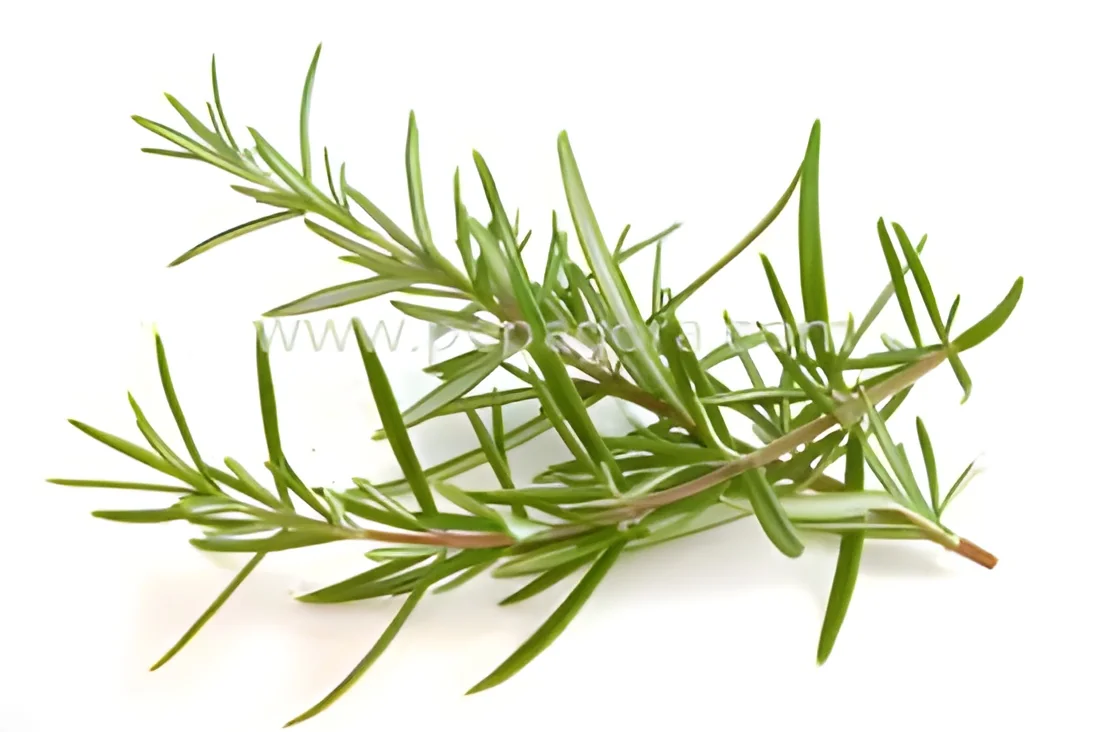
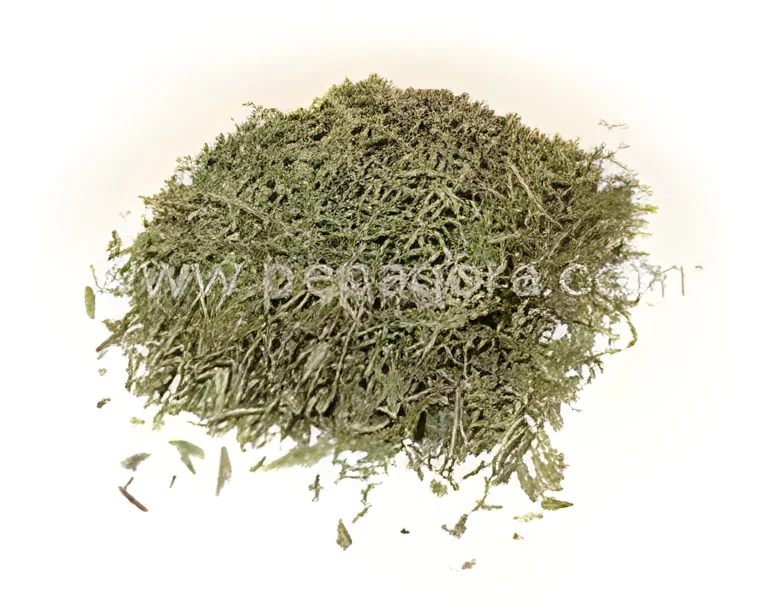
What are Thyme, Rosemary & Oregano?
Thyme, Rosemary, and Oregano are aromatic herbs widely used in culinary applications and food production. These herbs belong to the Lamiaceae family and are known for their distinctive flavors and fragrances. Thyme has a warm, earthy taste, while Rosemary is characterized by its pine-like aroma and flavor. Oregano, on the other hand, offers a robust, slightly bitter flavor that is often associated with Mediterranean cuisine.
These herbs are utilized across various sectors, including food and beverage, pharmaceuticals, and cosmetics. In the food industry, they enhance flavor profiles in sauces, marinades, and baked goods. The pharmaceutical industry uses these herbs for their potential health benefits, including anti-inflammatory and antibacterial properties. Furthermore, they are often incorporated into personal care products for their aromatic qualities.
The market for Thyme, Rosemary, and Oregano is growing due to increasing consumer demand for natural and organic products. The trend towards health-conscious eating and the popularity of gourmet cooking have further boosted the market for these herbs. As businesses look for sustainable and high-quality ingredients, Thyme, Rosemary, and Oregano remain relevant in both culinary and industrial applications.
Key Features and Specifications
Thyme, Rosemary, and Oregano possess several key features that make them desirable for various applications. Understanding these specifications is crucial for buyers looking to incorporate these herbs into their products.
Key specifications include:
1. Flavor Profile
- Each herb has a unique flavor that can enhance different dishes.
- Thyme offers an earthy taste, Rosemary provides a pine-like flavor, and Oregano has a robust taste.
2. Essential Oil Content
- These herbs contain essential oils that contribute to their aroma and potential health benefits.
- For example, Rosemary has a high concentration of cineole and camphor.
3. Drying Method
- Herbs can be available in fresh or dried forms.
- Dried herbs retain flavor but require proper storage to maintain quality.
4. Packaging Options
- Available in bulk or retail packaging.
- Options may include vacuum-sealed bags or glass jars for freshness.
5. Geographic Origin
- Sourced from various regions, with Mediterranean countries being prominent suppliers.
- Origin can affect flavor intensity and quality.
6. Shelf Life
- Generally, dried herbs have a longer shelf life compared to fresh ones.
- Proper storage conditions can extend usability.
7. Compliance Standards
- Should meet industry standards for food safety and quality.
- Common certifications include CE for compliance.
In summary, these herbs offer distinct flavors and essential oil properties that enhance food products and contribute to health benefits. Buyers should consider these specifications when sourcing for their businesses.
Common Applications and Use Cases
Thyme, Rosemary, and Oregano serve various industries with diverse applications.
1. Food and Beverage: These herbs are widely used in cooking to enhance flavor in dishes such as soups, stews, marinades, and sauces. They are also popular in the production of seasonings and spice blends.
2. Pharmaceuticals: The potential health benefits of these herbs make them valuable in the pharmaceutical industry. They are used in herbal supplements and remedies due to their anti-inflammatory and antioxidant properties.
3. Cosmetics: Thyme, Rosemary, and Oregano are often used in cosmetics for their aromatic qualities. They can be found in skincare products, perfumes, and hair care items.
4. Agriculture: These herbs can be utilized in organic farming practices as natural pest repellents and are often part of companion planting strategies.
5. Aromatherapy: The essential oils extracted from these herbs are popular in aromatherapy, providing relaxation and therapeutic benefits.
6. Home Care: Thyme and Rosemary are sometimes used in homemade cleaning products for their antibacterial properties.
7. Pet Care: These herbs can be incorporated into pet food or supplements due to their natural health benefits.
Product Variants and Subcategories
There is a variety of Thyme, Rosemary, and Oregano products available to suit different needs and preferences.
Fresh Thyme: This variant is popular in culinary applications due to its vibrant flavor. Fresh Thyme is often used in roasted dishes, marinades, and salads.
Dried Rosemary: Dried Rosemary retains its aromatic properties and is commonly used in spice blends, marinades, and baked goods. It is highly valued for its strong flavor.
Dried Oregano: This variant is widely used in Italian and Mediterranean cuisine. Dried Oregano adds a robust flavor to pizzas, pasta sauces, and marinades.
Essential Oil of Thyme: Extracted from the leaves, this oil is used in aromatherapy and natural health products for its potential antimicrobial properties.
Essential Oil of Rosemary: Known for its invigorating scent, Rosemary essential oil is used in various personal care products and as a natural remedy.
Essential Oil of Oregano: This oil is sought after for its health benefits and is often used in dietary supplements and holistic health practices.
Benefits and Advantages
Sourcing Thyme, Rosemary, and Oregano offers several key benefits for businesses.
1. Natural Flavor Enhancement: These herbs provide rich flavors that can elevate a product's taste, making them appealing to consumers.
2. Health Benefits: Thyme, Rosemary, and Oregano are associated with various health benefits, including antimicrobial and anti-inflammatory properties, which can enhance product value.
3. Versatility: Their applications span multiple industries, allowing businesses to use them in food, pharmaceuticals, cosmetics, and more.
4. Consumer Preference: Growing consumer demand for natural ingredients makes these herbs attractive for brands looking to meet market trends.
5. Sustainable Sourcing: Many suppliers focus on sustainable farming practices, ensuring that sourcing these herbs is environmentally friendly.
6. Cost-Effectiveness: Dried forms of these herbs typically have a longer shelf life, reducing waste and making them more cost-effective for businesses.
Buying Guide for B2B Buyers
When sourcing Thyme, Rosemary, and Oregano, several factors should be considered to ensure quality and reliability.
1. Quality Assessment: Evaluate the quality of herbs based on color, aroma, and texture. Freshness is key, especially for culinary uses.
2. Supplier Verification: Conduct thorough research on potential suppliers. Check their certifications, reputation, and reviews to ensure reliability.
3. Pricing and MOQ: Understand the pricing structure and minimum order quantities (MOQ). Compare quotes from different suppliers to find the best value.
4. Delivery and Lead Times: Discuss delivery options and lead times with suppliers. Timely delivery is crucial for maintaining production schedules.
5. Compliance Requirements: Ensure that the herbs meet local and international regulatory standards. This is essential for food safety and quality assurance.
Compliance and Certifications
Thyme, Rosemary, and Oregano must adhere to various compliance and certification standards to ensure safety and quality.
Relevant quality standards include ISO 9001, which outlines requirements for quality management systems in various industries. Adherence to HACCP (Hazard Analysis Critical Control Points) is also essential in food production, focusing on food safety.
Industry certifications, such as CE marking, indicate that the products meet European health, safety, and environmental protection standards.
Safety and testing requirements also play a vital role in compliance. Regular testing for pesticide residues and contaminants is necessary to ensure that the herbs are safe for consumption.
Regional compliance considerations may vary, so it is important for businesses to be aware of local regulations affecting the sourcing and use of these herbs.
Why Source Thyme, Rosemary & Oregano from Pepagora?
Pepagora provides a trusted platform for sourcing Thyme, Rosemary, and Oregano, offering several key advantages to buyers.
Verified Supplier Network: Pepagora connects buyers with a comprehensive network of verified suppliers. This ensures that businesses can source high-quality herbs from reputable sources.
Streamlined RFQ Process: The platform simplifies the request for quotation (RFQ) process, allowing buyers to easily compare offers and choose the best options for their needs.
Trade Assurance and Support: Pepagora offers trade assurance to protect buyers in their transactions. This builds trust and confidence in sourcing through the platform.
Regional Coverage: With a strong presence in India, the GCC, and Southeast Asia, Pepagora provides extensive geographic reach. This enables businesses to access a wide array of suppliers and products across different regions.
By sourcing Thyme, Rosemary, and Oregano through Pepagora, businesses can benefit from quality assurance, competitive pricing, and a reliable supply chain.

 IN
IN