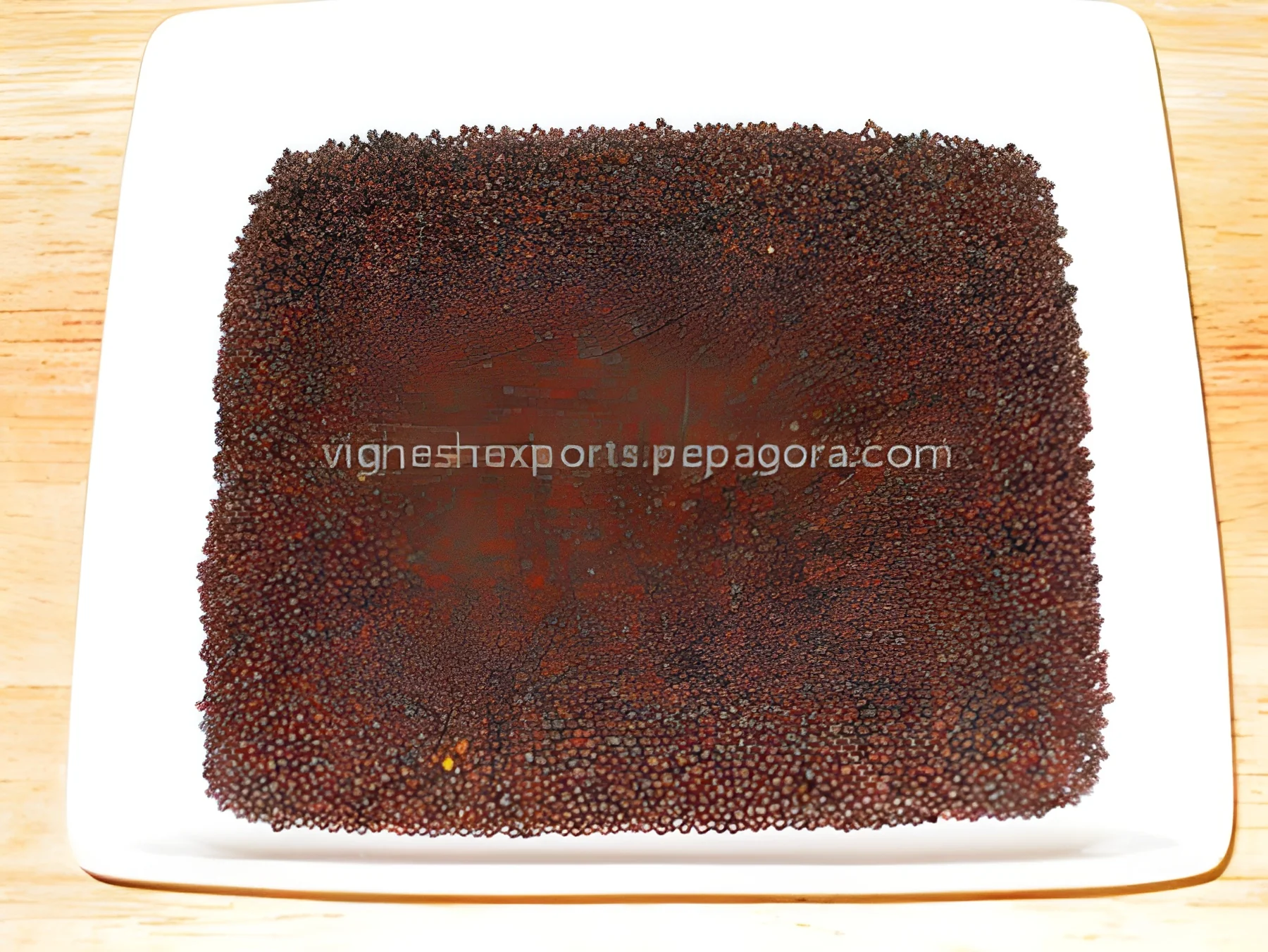
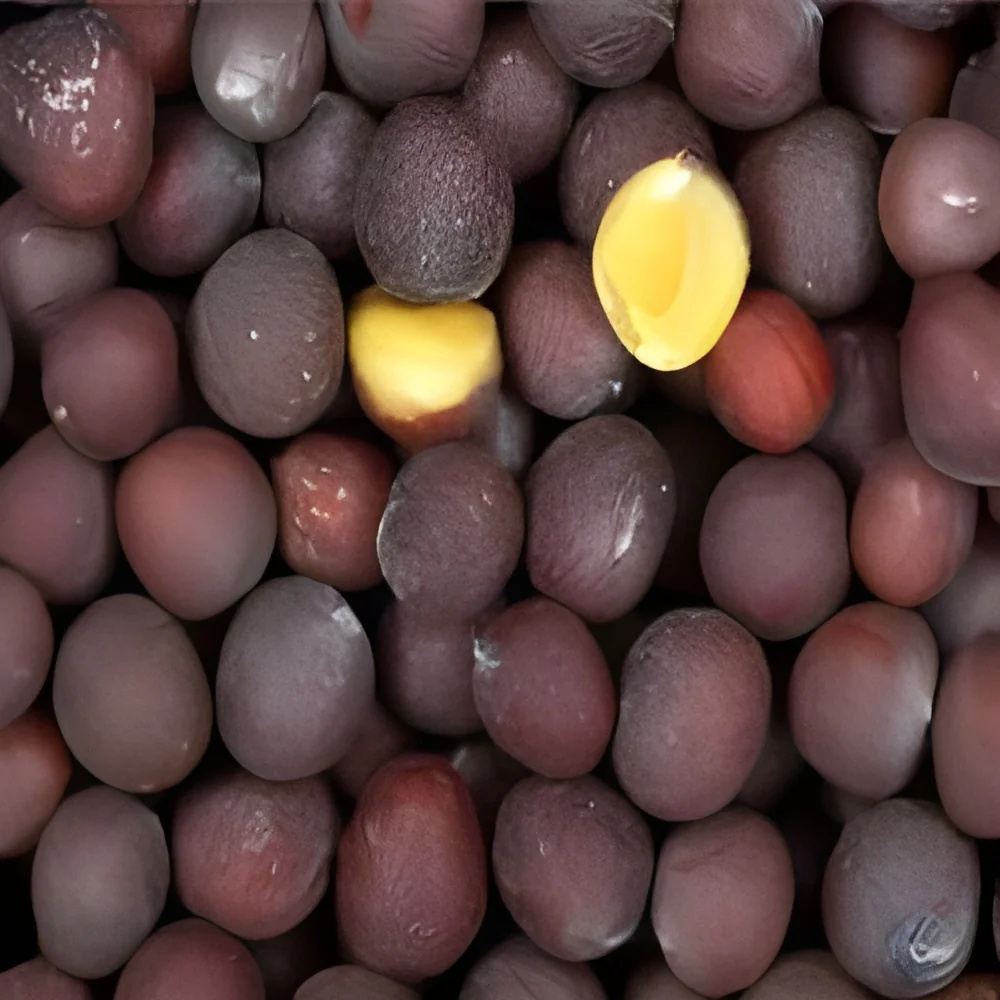
What are Mustard Seeds?
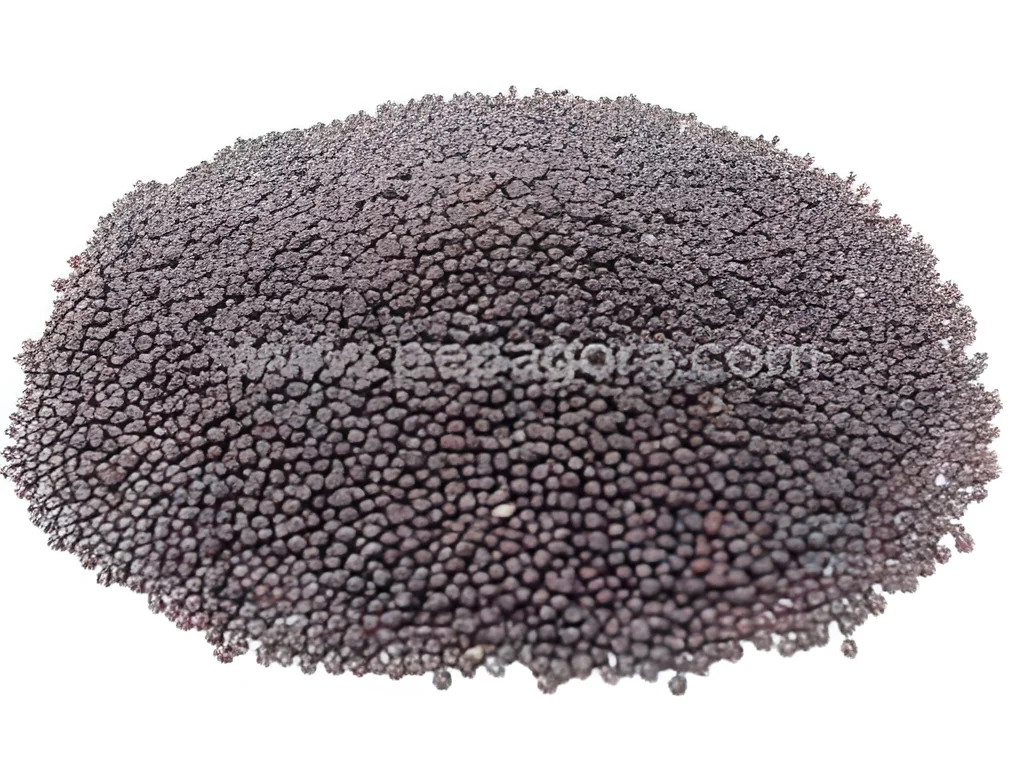
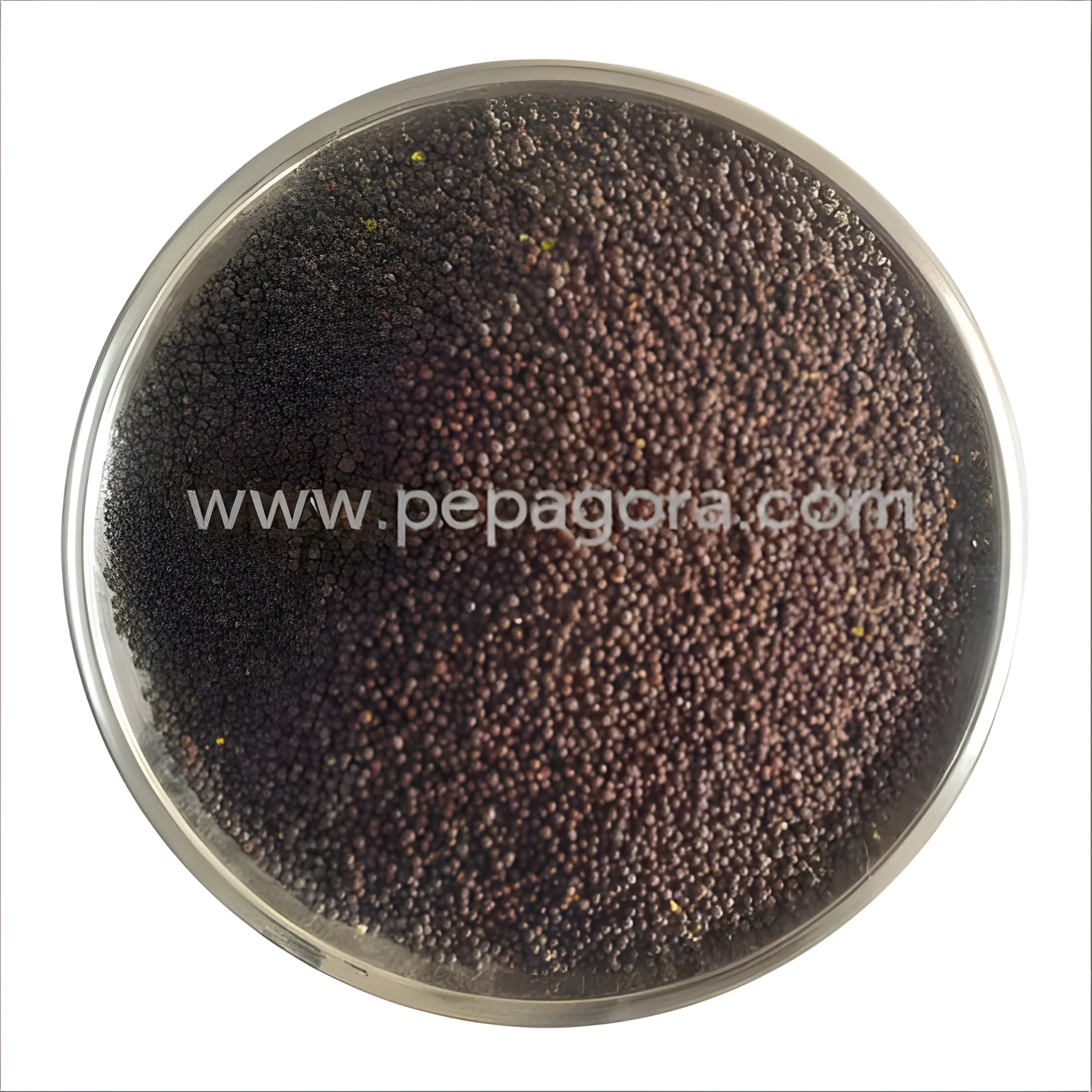
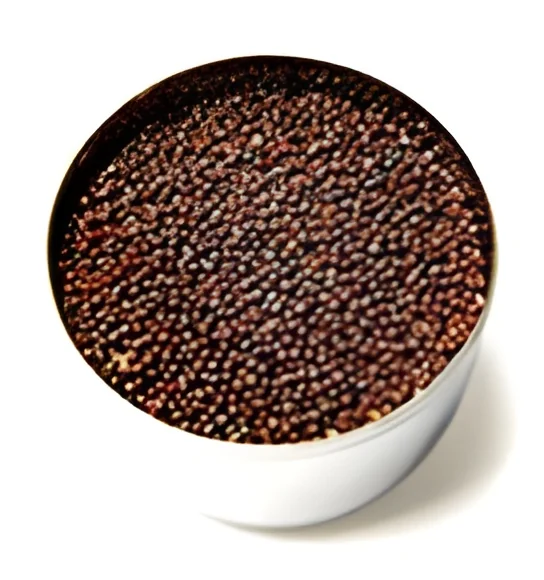
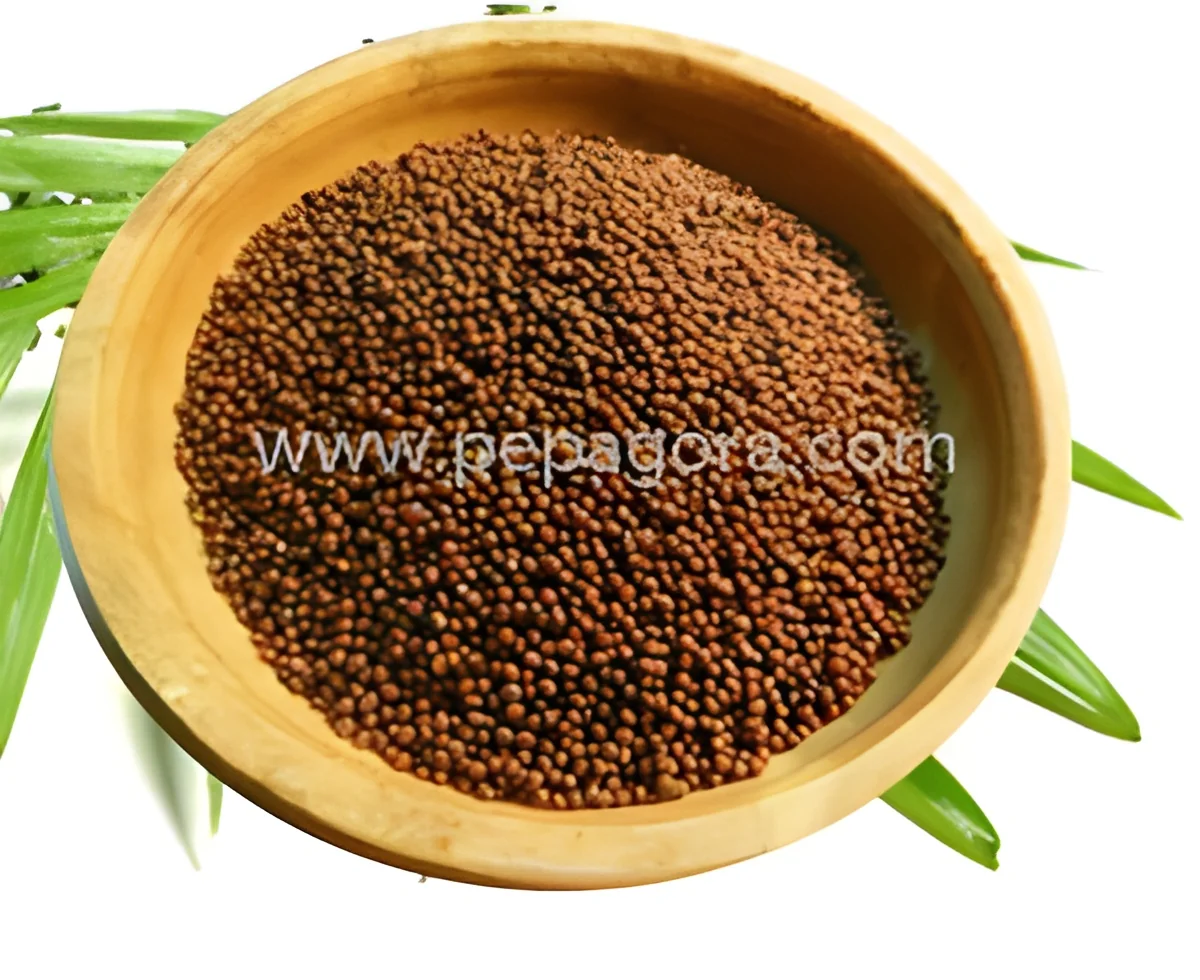
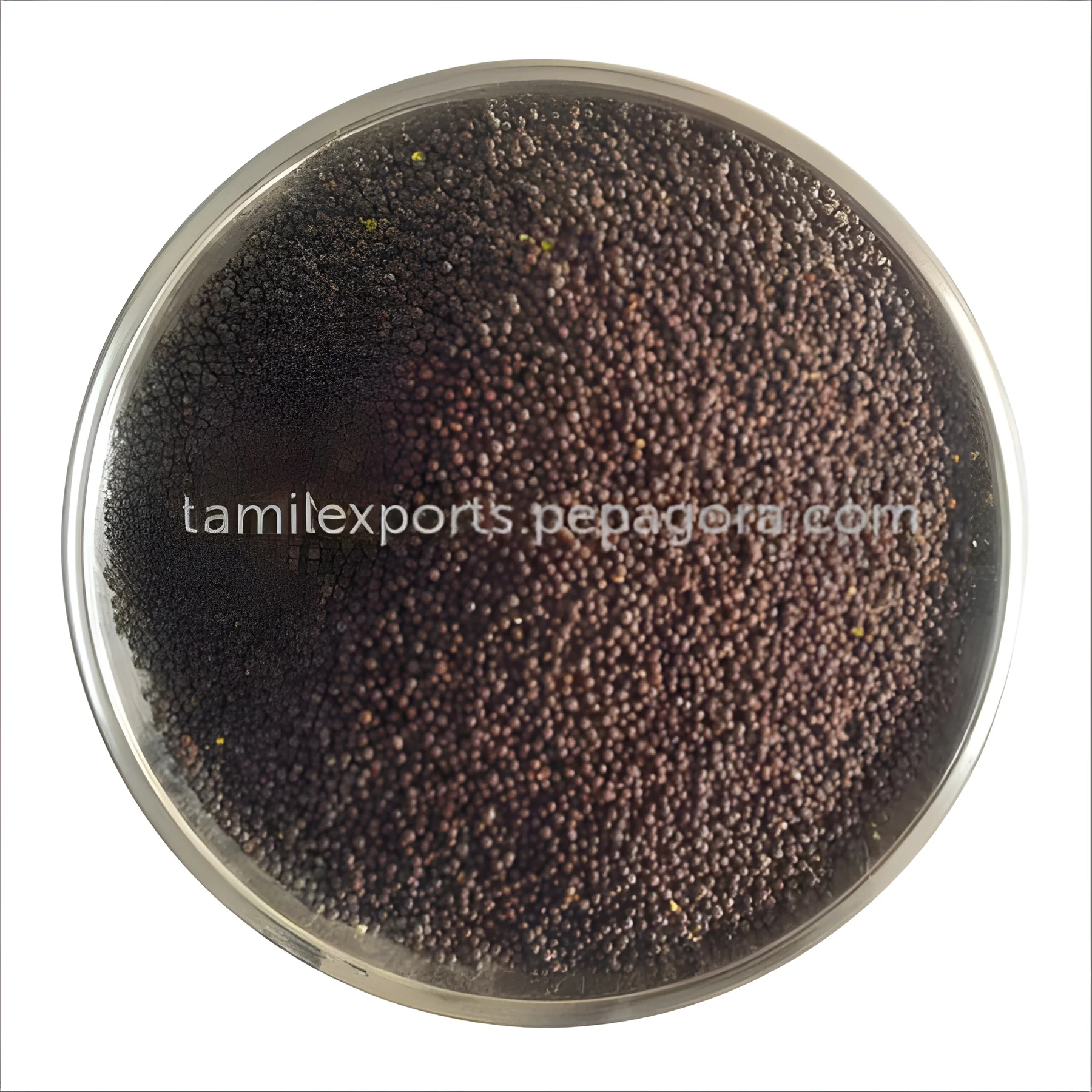
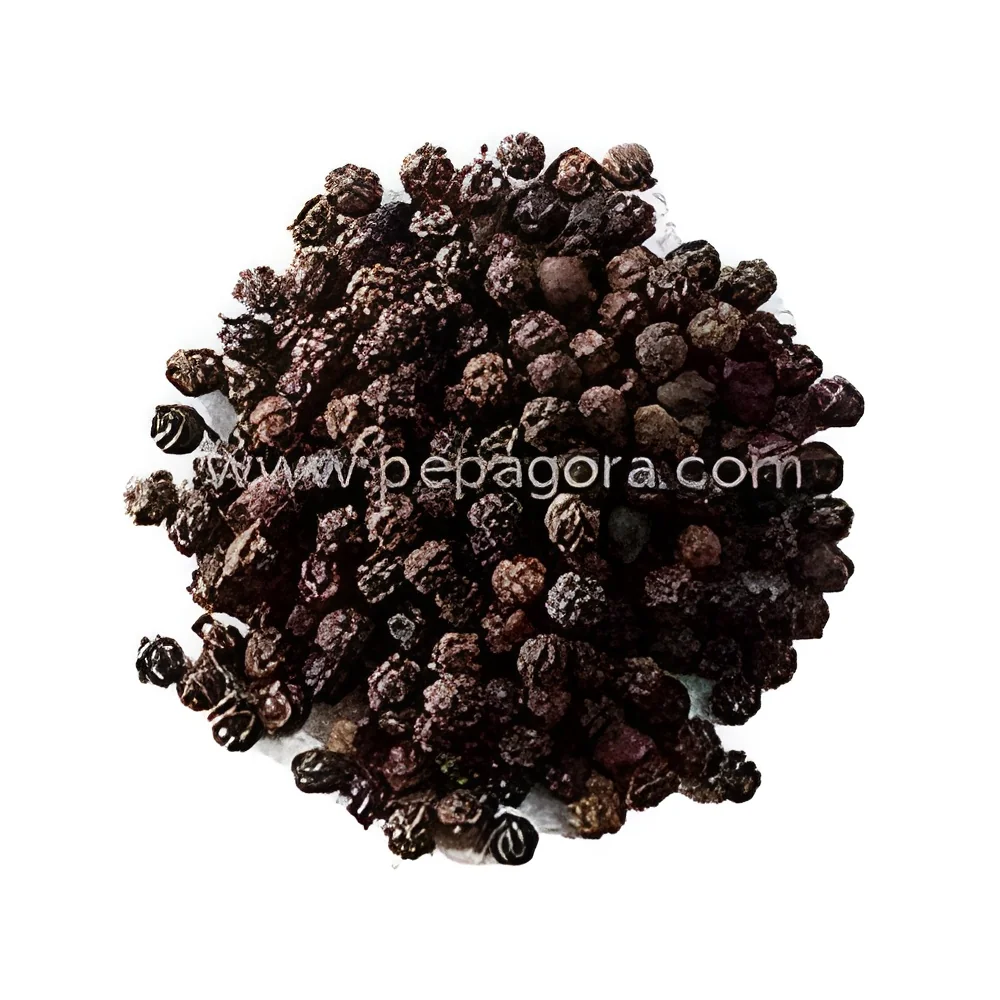
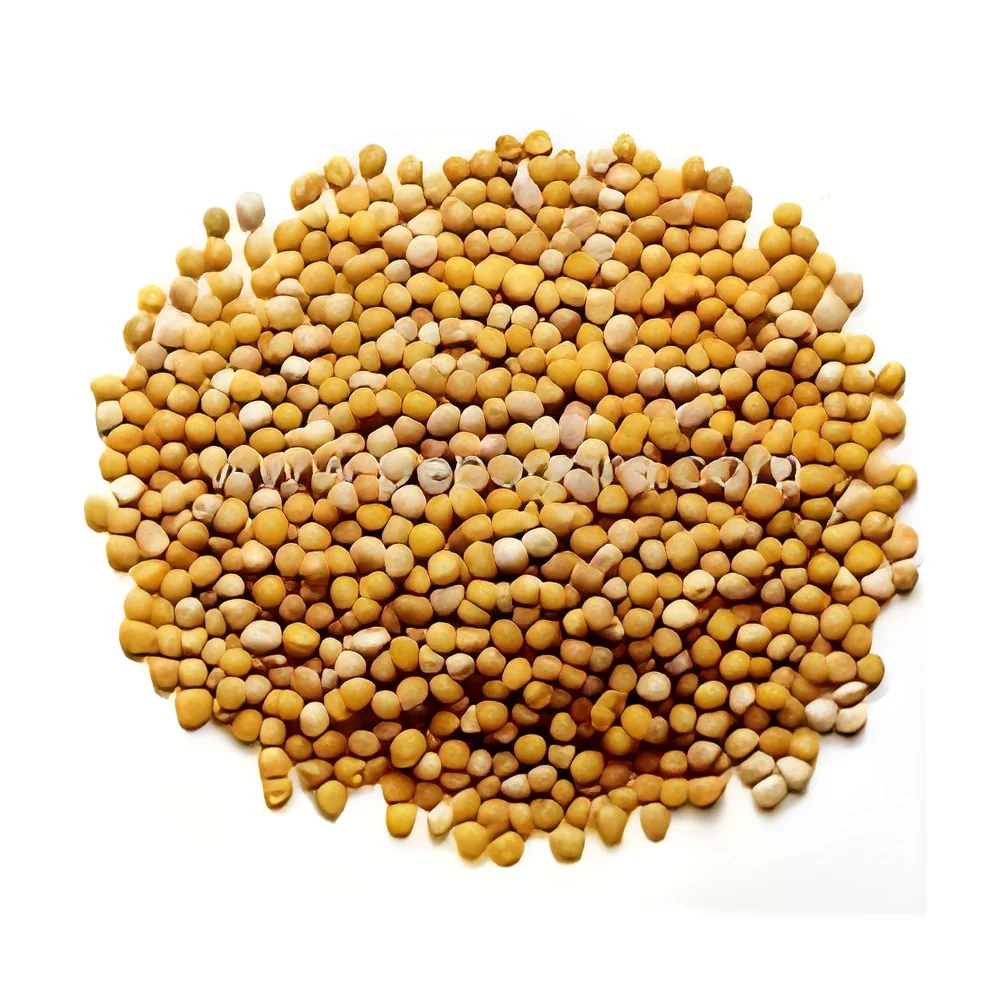
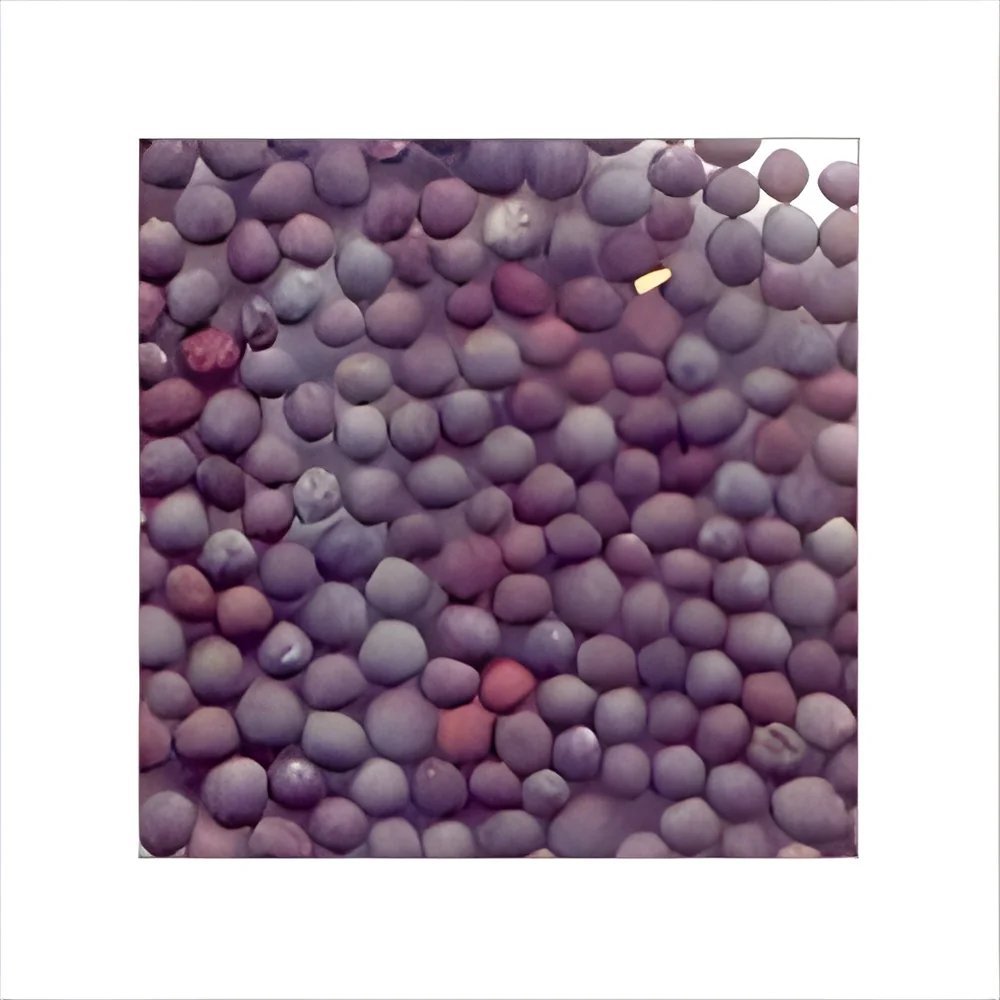
Mustard seeds are small round seeds that come from various species of mustard plants, primarily belonging to the Brassica family. These seeds are known for their distinct flavor and are commonly used as a spice in culinary applications. Mustard seeds can vary in color, including yellow, brown, and black, each offering a unique taste profile. They are rich in essential oils, proteins, and fatty acids, making them not only a flavorful addition to dishes but also a source of nutrition.
In the business context, mustard seeds are utilized across various industries, including food and beverage, pharmaceuticals, and cosmetics. In the food industry, they are used for flavoring and as a base for sauces and condiments. The pharmaceutical sector employs mustard seeds for their medicinal properties, while the cosmetics industry uses them in natural products for their skin benefits. The growing demand for organic and natural ingredients has also increased the relevance of mustard seeds in the market.
Key Features and Specifications
Mustard seeds are characterized by several key features that make them valuable in both culinary and industrial applications. These specifications provide insight into their quality and usability.
Key specifications include:
1. Color Variety
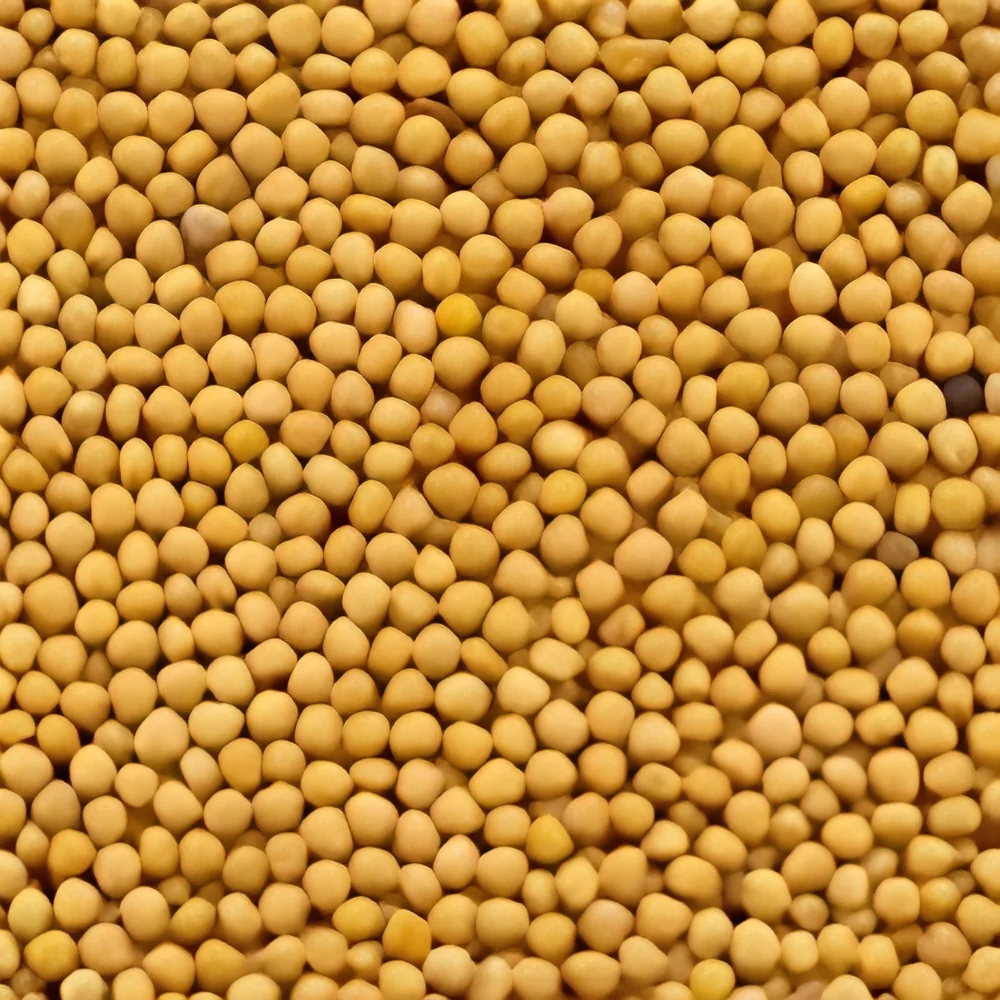
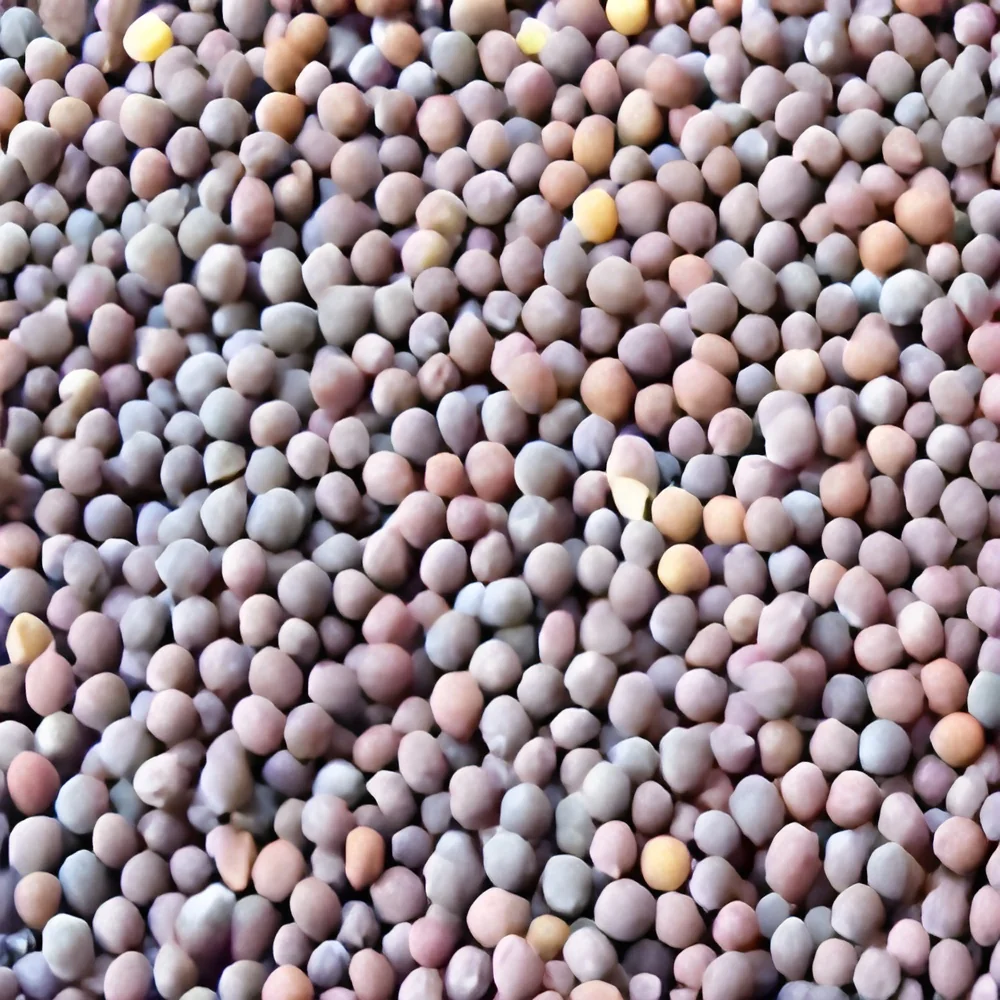
- Mustard seeds are available in various colors, including yellow, brown, and black.
- Each color has distinct flavor characteristics and culinary uses.
2. Size
- The average diameter of mustard seeds ranges from 1 to 2 mm.
- Size may impact grinding and extraction efficiency.
3. Oil Content
- Typically, mustard seeds contain 30% to 45% oil.
- Higher oil content is often preferred for oil extraction processes.
4. Moisture Content
- Standard moisture levels are maintained below 8%.
- Controlling moisture is crucial for storage and shelf life.
5. Purity Levels
- Purity standards often require a minimum of 95% seed content.
- Adherence to purity standards ensures quality and consistency.
6. Shelf Life
- Mustard seeds have a shelf life of approximately 1 to 2 years when stored correctly.
- Proper storage conditions help maintain freshness.
In summary, understanding the key specifications of mustard seeds is essential for businesses to ensure they meet quality standards and fulfill specific application requirements.
Common Applications and Use Cases
Mustard seeds serve various industries, showcasing their versatility and significance in multiple applications.
1. Food and Beverage: Mustard seeds are used to make various condiments, including mustard paste and pickles. They are also incorporated into dressings and marinades for enhanced flavor.
2. Pharmaceuticals: In the pharmaceutical industry, mustard seeds are used for their anti-inflammatory and antioxidant properties. They are included in various herbal formulations and remedies.
3. Cosmetics: Mustard seeds are utilized in skincare products for their nourishing properties. They are often found in scrubs and oils for their ability to hydrate and promote skin health.
4. Agriculture: Mustard seeds are used as a cover crop to improve soil health and prevent erosion. They are also employed in crop rotation to enhance soil fertility.
5. Biofuels: The oil extracted from mustard seeds can be processed into biodiesel, offering a renewable energy source. This application is gaining traction as industries seek sustainable energy solutions.
Product Variants and Subcategories
Mustard seeds come in a variety of types, each suited for different applications and preferences.
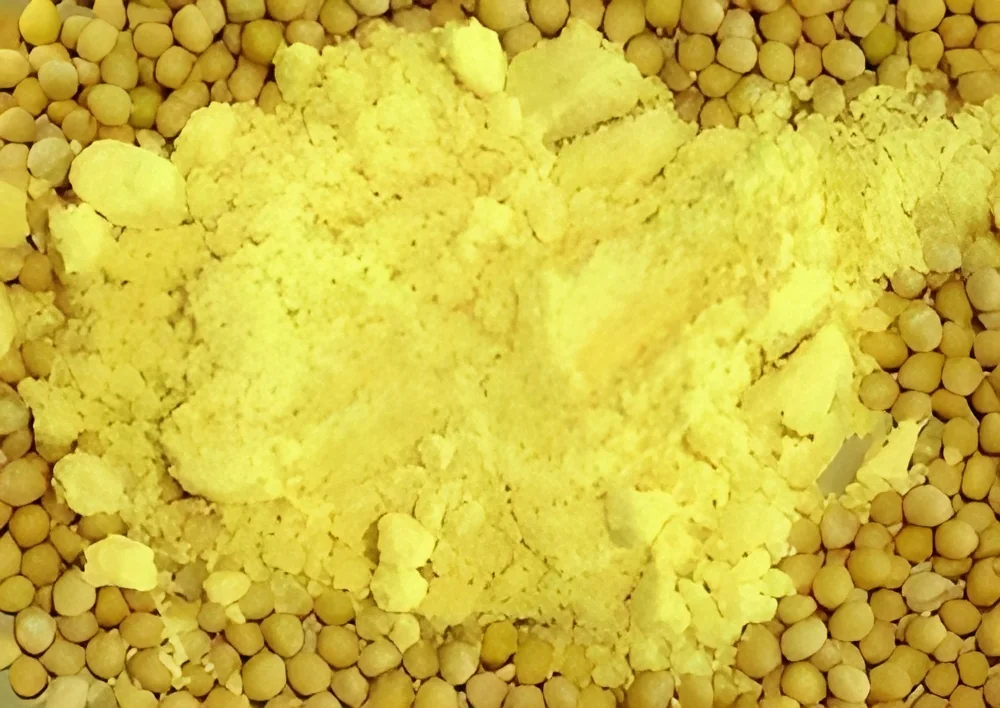
Yellow Mustard Seeds
These seeds are mild in flavor and commonly used in American cuisine. They are often found in prepared mustard products and are ideal for pickling due to their subtle taste.
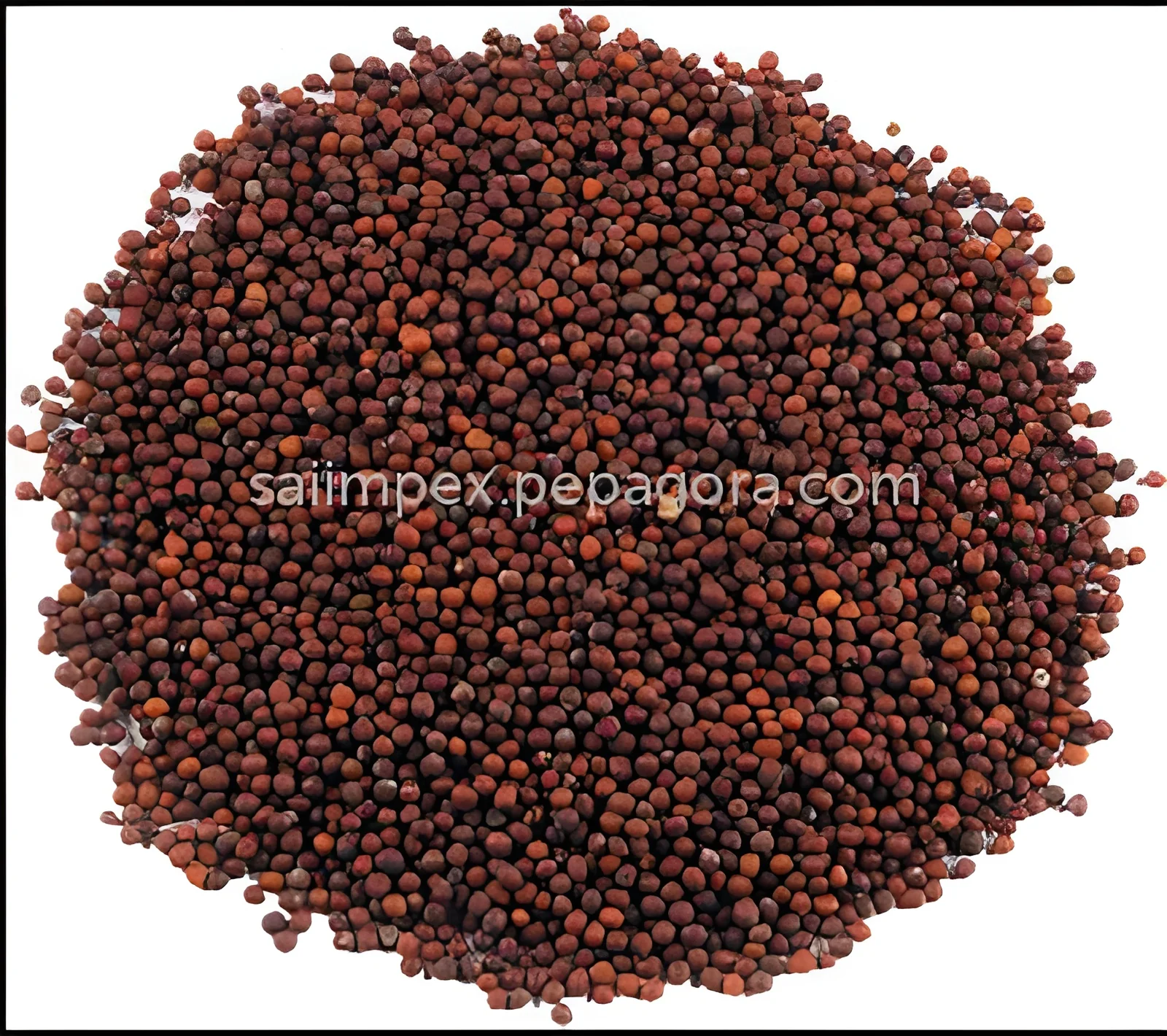
Brown Mustard Seeds
Brown mustard seeds have a spicier flavor compared to yellow seeds. They are frequently used in Indian cuisine and are essential for making curry powders and pastes.
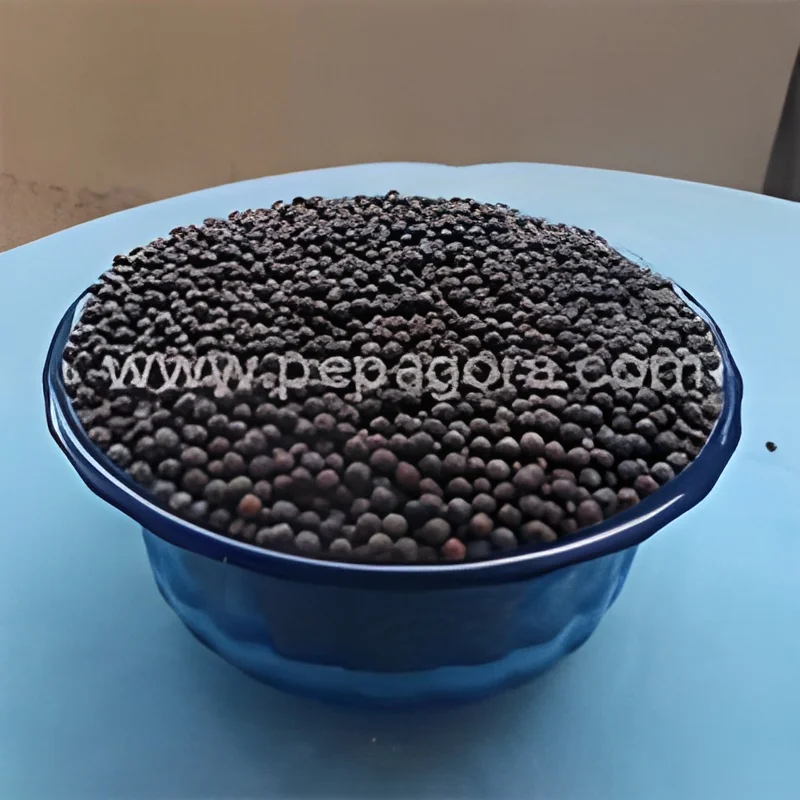
Black Mustard Seeds
Black mustard seeds possess a robust and pungent flavor, making them popular in Asian dishes. They are often used in tempering and as a seasoning in various recipes.
Benefits and Advantages
Sourcing mustard seeds offers numerous advantages for businesses looking to enhance their product offerings.
1. Nutritional Value: Mustard seeds are high in essential nutrients, including omega-3 fatty acids, which contribute to overall health and wellness.
2. Versatile Applications: The diverse uses of mustard seeds across multiple industries provide businesses with opportunities for innovation and product development.
3. Natural Flavor Enhancer: Mustard seeds are a natural way to enhance the flavor of foods without artificial additives, aligning with consumer demand for clean-label products.
4. Sustainable Sourcing: Mustard plants are often grown in sustainable farming practices, making the seeds an eco-friendly choice for businesses.
5. Cost-effectiveness: Mustard seeds are generally available at competitive prices, allowing businesses to maintain profitability while offering quality products.
Buying Guide for B2B Buyers
When sourcing mustard seeds, businesses should consider several crucial factors to ensure they select the right product for their needs.
1. Quality Assessment: Evaluate the quality of mustard seeds by checking for purity, freshness, and oil content. Request samples when possible to ensure they meet your standards.
2. Supplier Verification: Conduct thorough research on potential suppliers. Look for established companies with a track record of quality and reliability in the mustard seed market.
3. Pricing and MOQ: Understand the pricing structure and minimum order quantity (MOQ) requirements. Compare quotes from different suppliers to find the best deal.
4. Delivery and Lead Times: Discuss logistics with suppliers to ensure timely delivery. Confirm lead times and potential delays to avoid disruptions in your supply chain.
5. Compliance Requirements: Ensure that the mustard seeds comply with relevant food safety and quality standards. Verify certifications such as CE and adherence to local regulations.
Compliance and Certifications
Compliance and quality certifications are crucial for businesses sourcing mustard seeds. These standards ensure that products meet safety and quality requirements.
ISO 9001 is a widely recognized standard that focuses on quality management systems. Suppliers adhering to this standard demonstrate their commitment to consistent quality.
HACCP (Hazard Analysis Critical Control Point) is essential in the food industry. It ensures that suppliers implement safety measures to prevent contamination and ensure food safety.
CE certification indicates compliance with European health and safety regulations. This certification is vital for businesses looking to market their products in the European Union.
Safety and testing requirements are fundamental in ensuring that mustard seeds are free from harmful substances. Regular testing for pesticide residues and contaminants is necessary for compliance.
Regional compliance considerations may vary depending on the market. It is essential to stay informed about local regulations and standards to ensure successful sourcing.
Why Source Mustard Seeds from Pepagora?
Pepagora provides a trusted platform for sourcing mustard seeds with several key advantages that cater to B2B buyers.
Verified Supplier Network: Pepagora collaborates with a network of verified suppliers, ensuring that businesses can source high-quality mustard seeds with confidence. Each supplier undergoes a thorough vetting process.
Streamlined RFQ Process: The request for quotation (RFQ) process at Pepagora is designed to be efficient and user-friendly. Buyers can easily compare quotes from multiple suppliers, saving time and effort.
Trade Assurance and Support: Pepagora offers trade assurance to protect buyers throughout the procurement process. This includes support for any issues that may arise during transactions.
Regional Coverage: With a strong presence in India, the GCC, and Southeast Asia, Pepagora provides extensive regional coverage. This geographical reach ensures that businesses can access mustard seeds from reliable sources tailored to their market needs.

 IN
IN