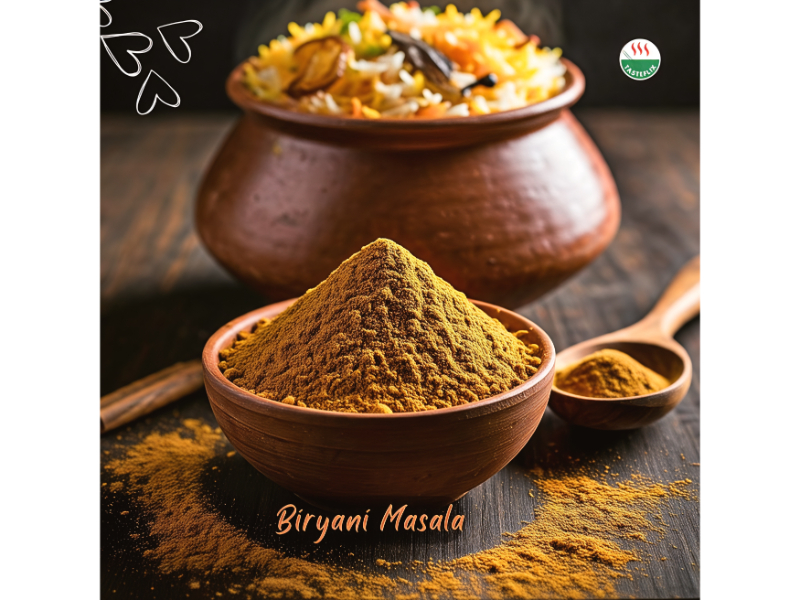
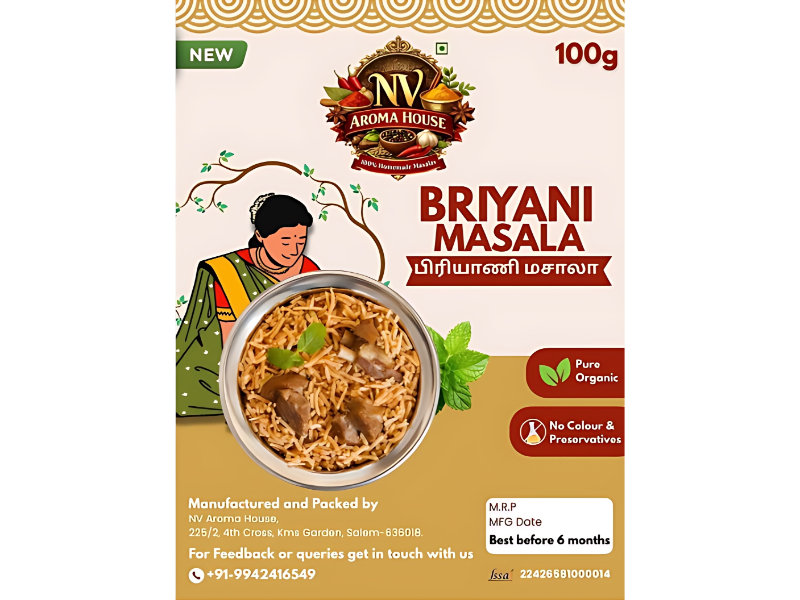
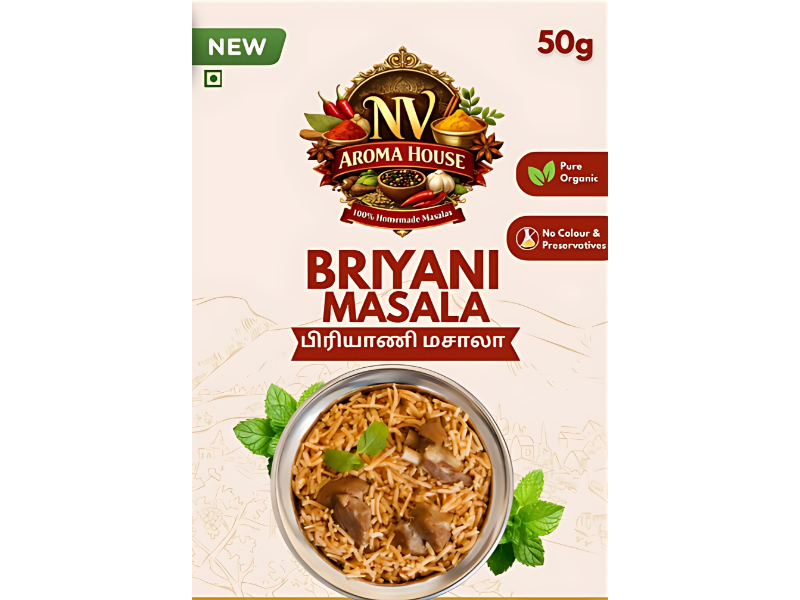
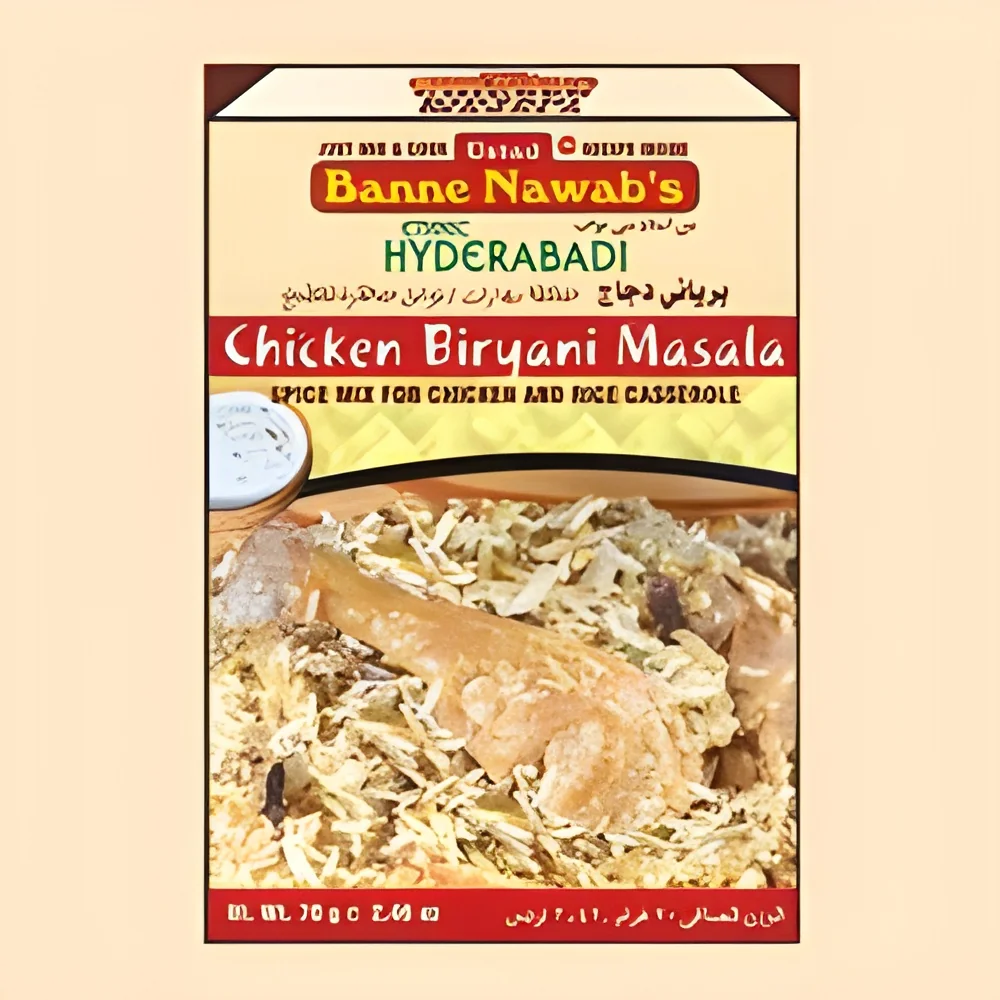
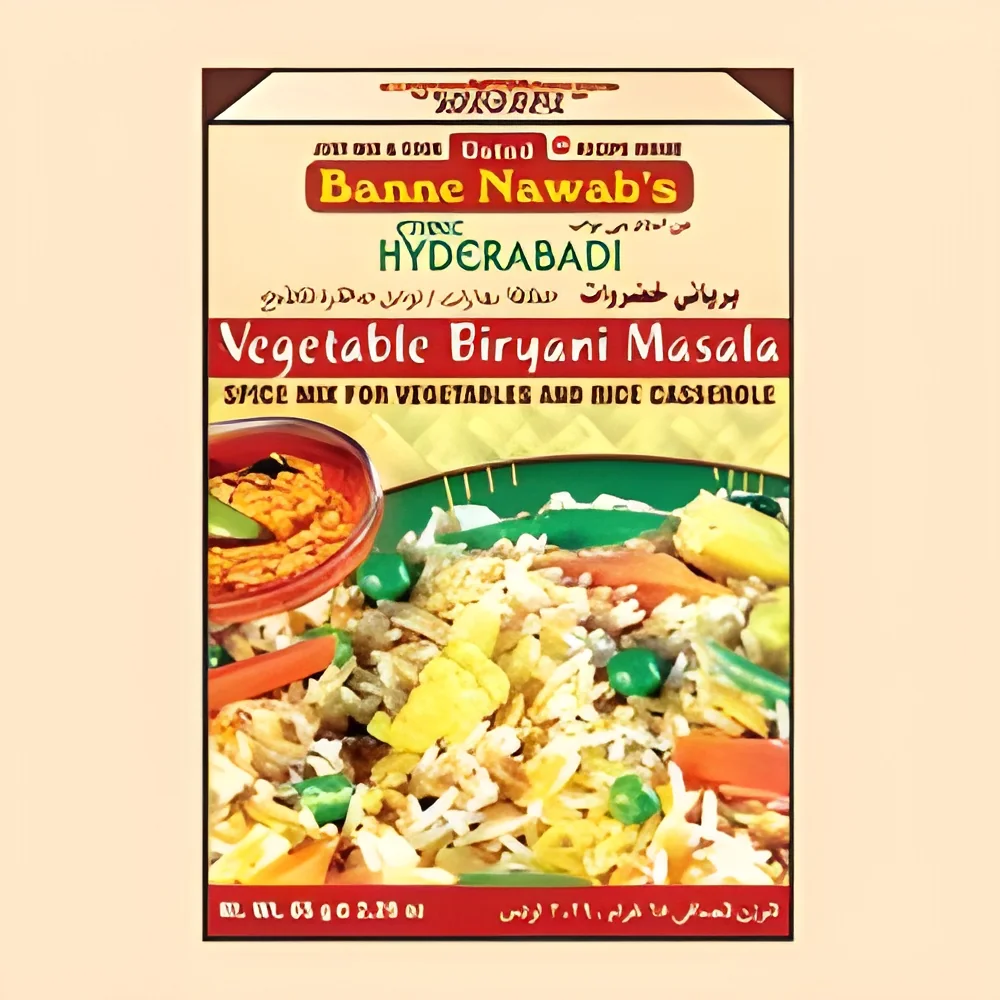
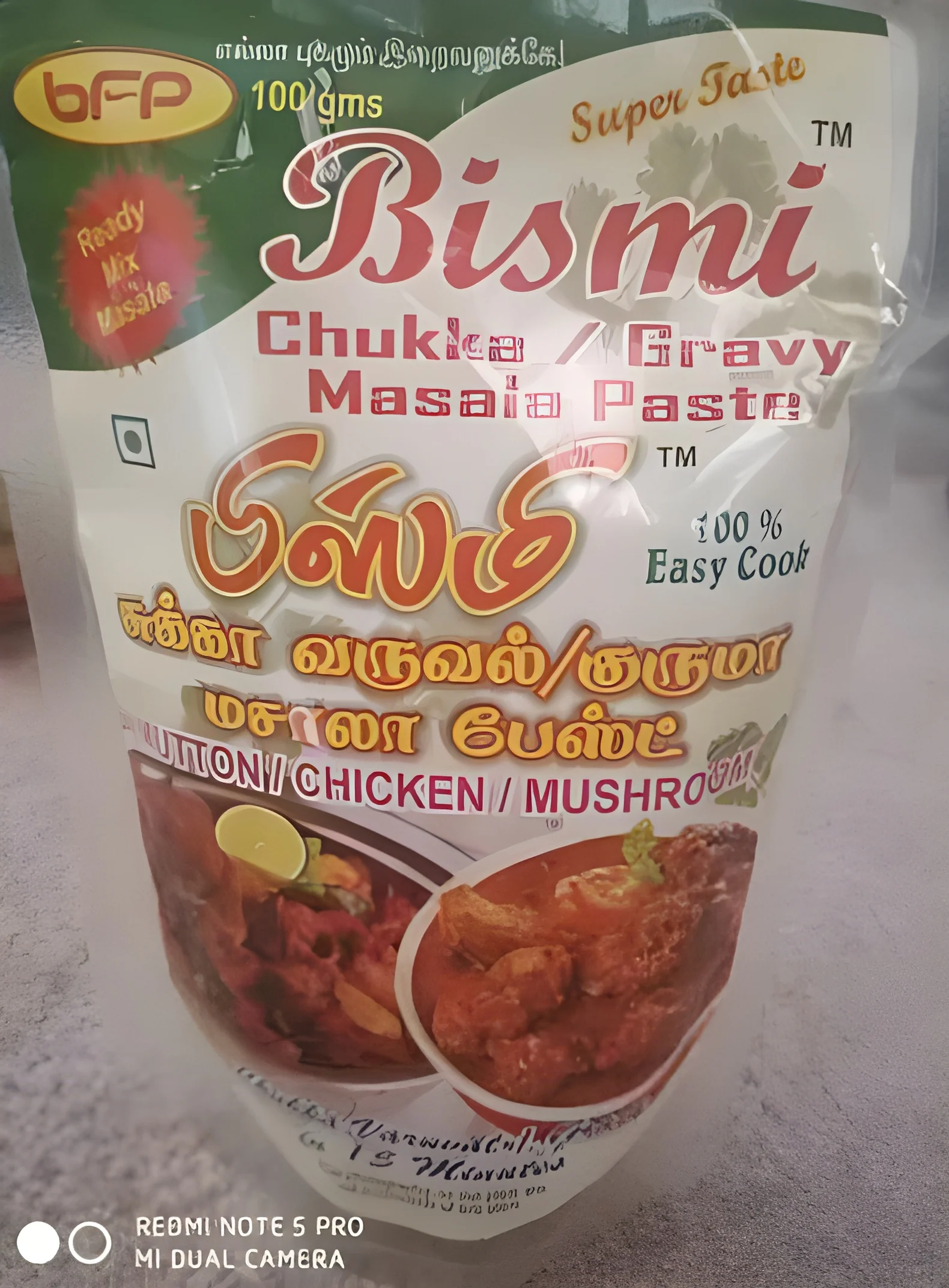
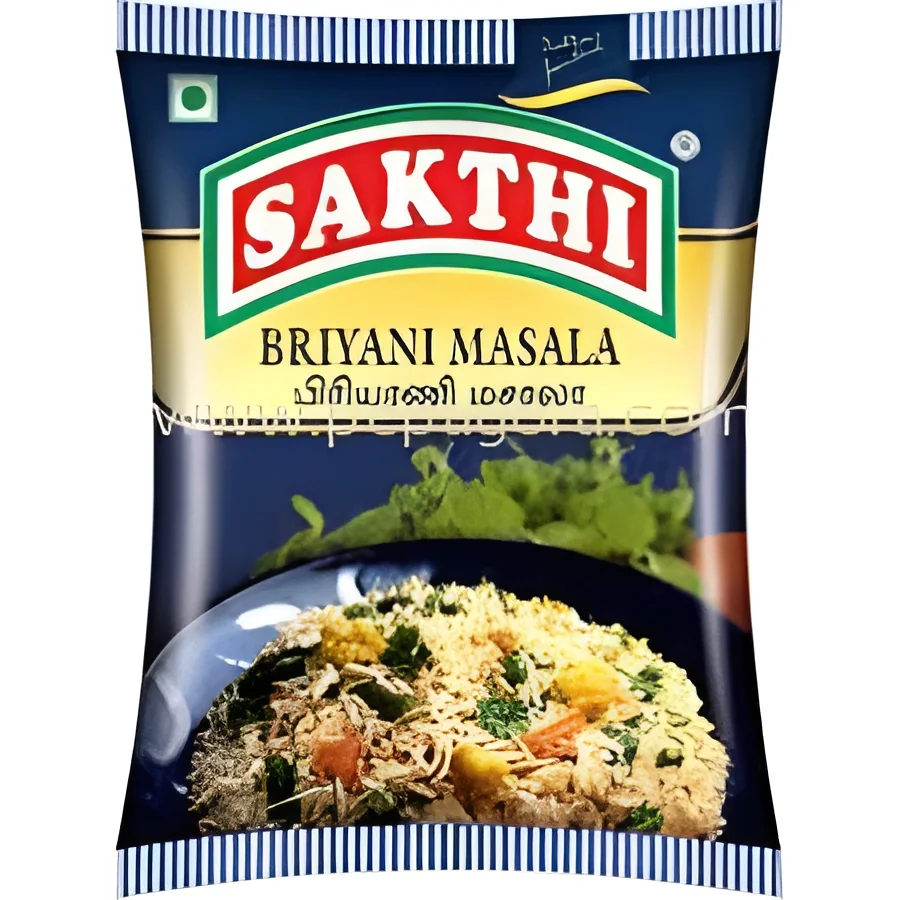
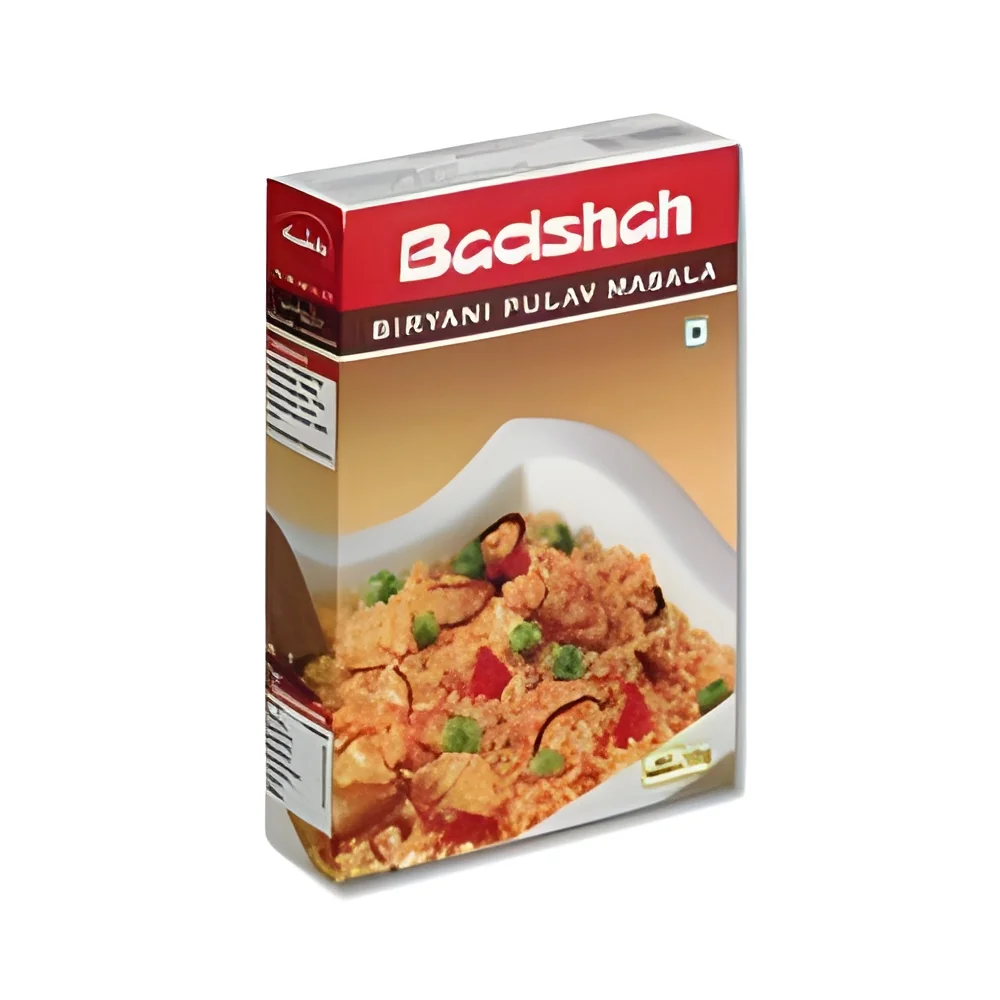
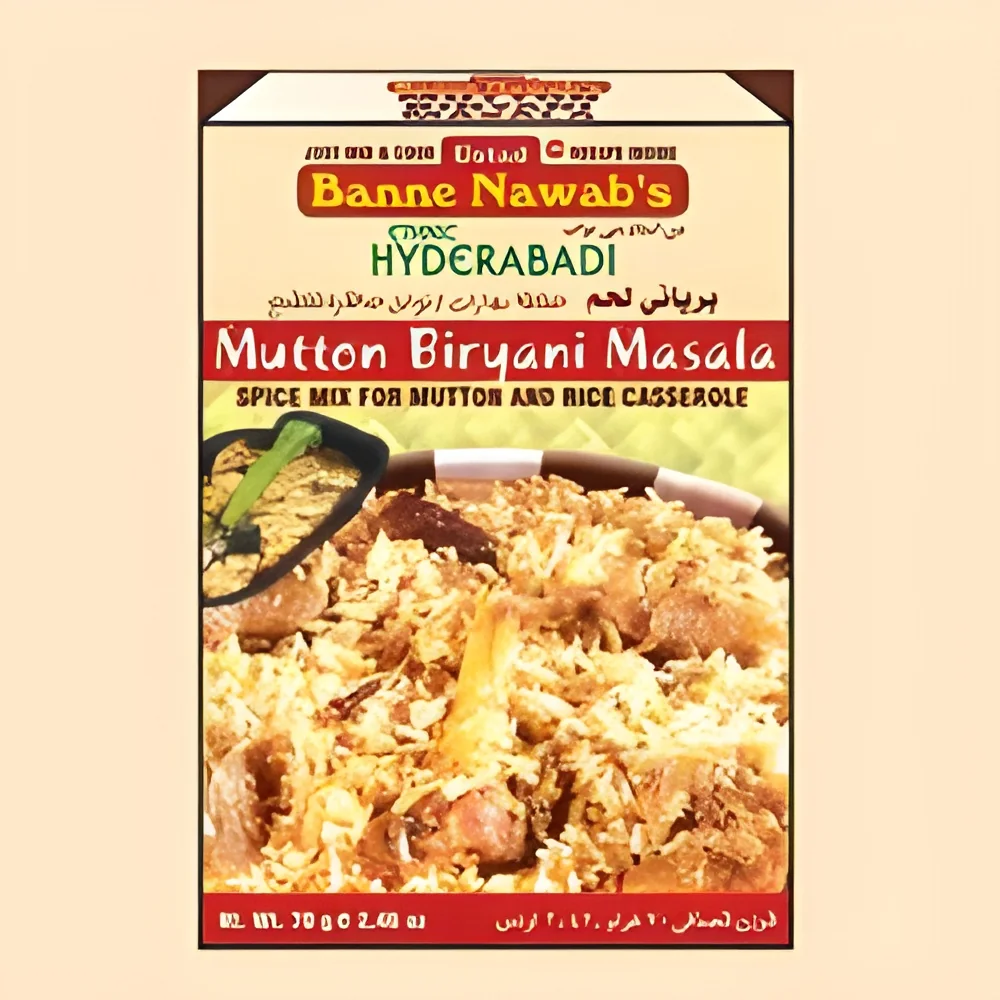
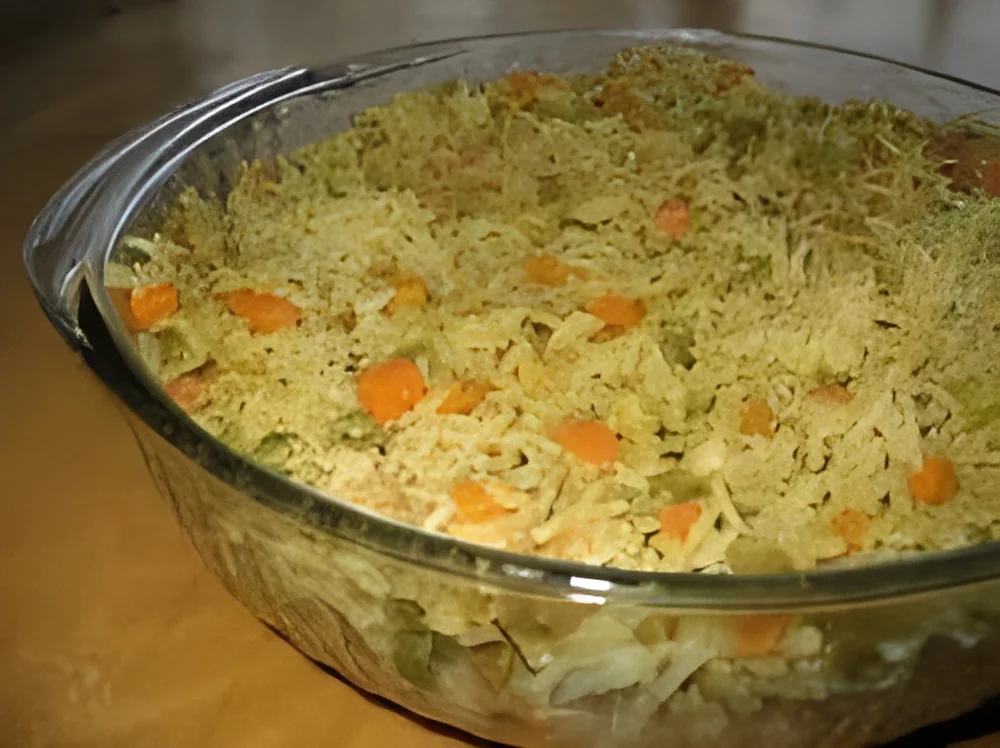
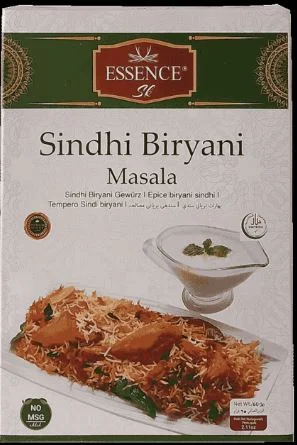
What are Biryani Masala?
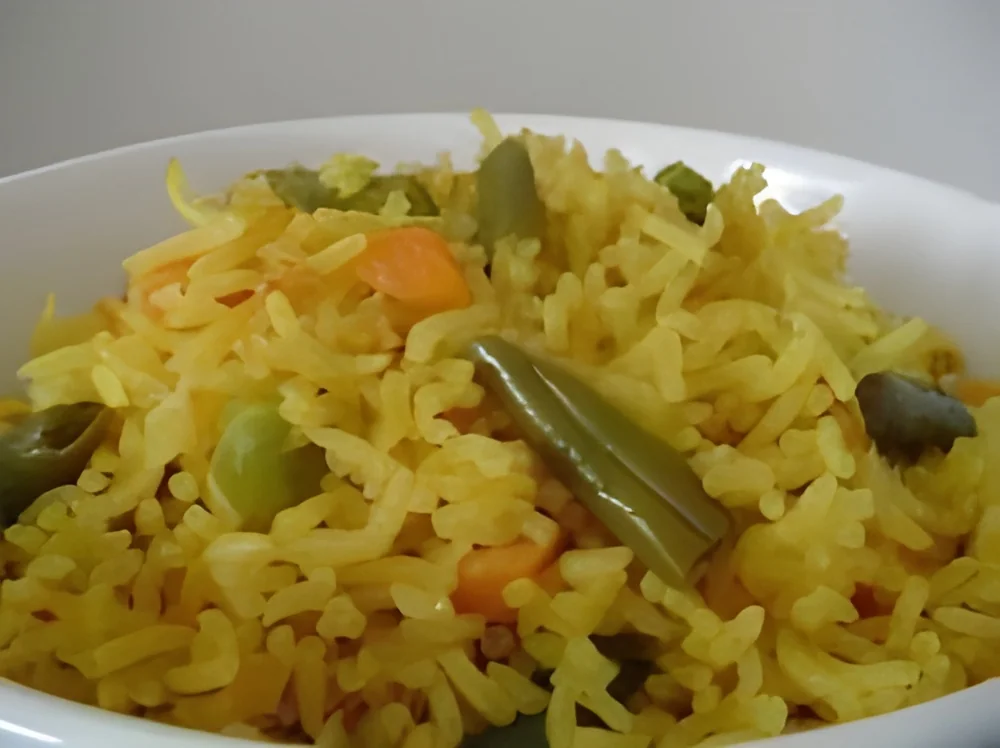
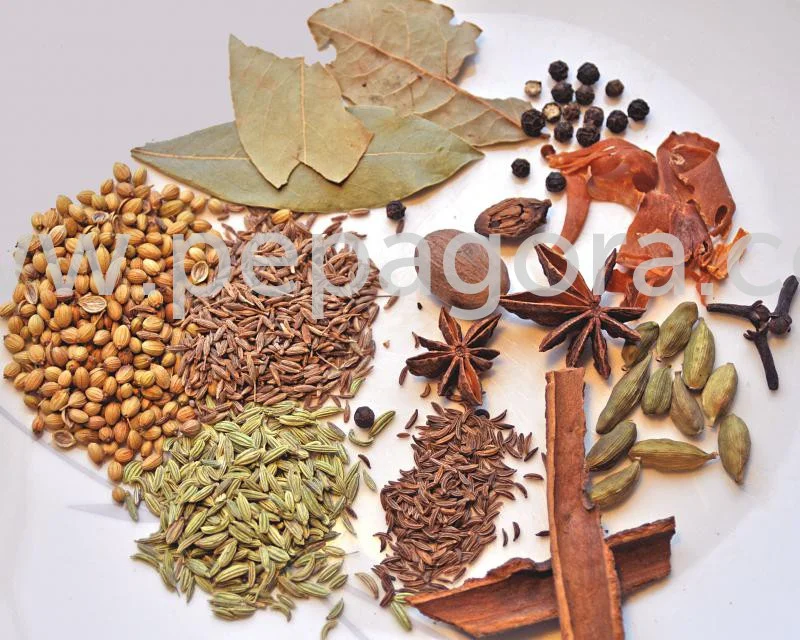
Biryani Masala is a specialized spice blend used to enhance the flavor and aroma of biryani, a popular rice dish originating from South Asia. This masala typically consists of a combination of spices such as cumin, coriander, cardamom, cloves, and cinnamon, among others. The blend varies by region and personal preference, allowing for unique flavors and heat levels. Biryani Masala is essential for achieving the authentic taste of biryani, making it a staple in both home kitchens and commercial kitchens.
This product is widely used in the food industry, particularly in restaurants, catering services, and packaged food manufacturers. Its primary application is in the preparation of biryani, but it can also be utilized in various rice dishes and curries. The demand for Biryani Masala has grown significantly due to the increasing popularity of ethnic cuisines and the rise of food delivery services. In the current market, there is a strong emphasis on quality and authenticity, making Biryani Masala a sought-after ingredient in the culinary landscape.
Key Features and Specifications
Biryani Masala boasts several key features that contribute to its appeal in the food industry. Its unique blend of spices not only enhances taste but also provides an aromatic experience that complements the richness of biryani. The specifications of Biryani Masala can vary depending on the manufacturer and intended use.
Key specifications include:
1. Flavor Profile
- A balanced mix of spices, providing a robust and aromatic flavor.
- Variations may include different levels of heat.
2. Packaging Options
- Available in bulk packaging for commercial use or retail-sized packs.
- Packaging designed to preserve freshness and flavor.
3. Shelf Life
- Typically ranges from 12 to 24 months when stored properly.
- Best stored in a cool, dry place to maintain potency.
4. Ingredients
- Made from natural spices without artificial additives or preservatives.
- May include ingredients like dried herbs and seasonings.
5. Nutritional Information
- Low in calories and fat, making it a healthy seasoning option.
- Often gluten-free and suitable for various dietary preferences.
6. Certifications
- CE certification ensuring quality standards are met.
- Compliance with food safety regulations.
7. Customization Options
- Ability to create custom blends based on client specifications.
- Options for organic or specialty spice blends.
In summary, Biryani Masala is a versatile and essential product in the culinary world, offering flavors and characteristics that cater to a variety of cooking needs.
Common Applications and Use Cases
Biryani Masala finds applications across multiple industries, catering to diverse culinary needs.
1. Restaurant Industry: Biryani Masala is a key ingredient in restaurants specializing in Indian and South Asian cuisine. It is used to create authentic biryani dishes that attract customers seeking traditional flavors.
2. Catering Services: Catering companies often use Biryani Masala to prepare large quantities of biryani for events. Its ease of use helps maintain consistent taste across different batches.
3. Packaged Food Manufacturers: Companies producing ready-to-eat meals incorporate Biryani Masala to enhance flavor and provide convenience for consumers looking for quick meal options.
4. Food Processing: Biryani Masala can be added to various processed foods, such as frozen meals or spice mixes, to create a unique flavor profile.
5. Home Cooking: Consumers purchasing Biryani Masala for home use appreciate its ability to simplify the cooking process while delivering authentic taste.
6. Export Markets: Biryani Masala is popular in international markets, catering to the diaspora and those interested in exploring Indian cuisine.
7. Food Trucks: Mobile food vendors often utilize Biryani Masala to differentiate their offerings and attract a diverse clientele.
Product Variants and Subcategories
Biryani Masala is available in various forms and blends, catering to different tastes and culinary needs.
Spicy Biryani Masala: This variant offers a higher heat level, making it suitable for those who enjoy a spicier biryani experience. It is ideal for restaurants or home cooks seeking to add a kick to their dishes.
Mild Biryani Masala: Designed for a more subtle flavor, this variant is perfect for families or individuals who prefer less heat. It maintains the aromatic qualities of the spice blend while being gentle on the palate.
Organic Biryani Masala: This variant is made from organically sourced spices, appealing to health-conscious consumers and those seeking natural ingredients without synthetic additives.
Instant Biryani Masala: This convenient option allows for quick preparation, ideal for busy professionals or families. It typically contains pre-measured spices that simplify the cooking process.
Regional Biryani Masala: Some manufacturers offer region-specific blends that reflect local culinary traditions, allowing consumers to choose a blend that aligns with their heritage or preference.
Benefits and Advantages
Biryani Masala offers numerous benefits that enhance its appeal to both consumers and businesses.
1. Flavor Enhancement: The rich combination of spices elevates the taste of biryani, making it more enjoyable for diners.
2. Convenience: Pre-mixed Biryani Masala simplifies the cooking process, saving time for chefs and home cooks.
3. Consistency: Using a standardized spice blend ensures a uniform flavor across different batches, essential for restaurants and caterers.
4. Versatility: Biryani Masala is not limited to biryani; it can enhance a variety of dishes, increasing its utility in the kitchen.
5. Quality Assurance: Certified products provide assurance of safety and quality, which is crucial in the food industry.
6. Customization: The ability to create custom blends allows businesses to differentiate their offerings and cater to specific market demands.
Buying Guide for B2B Buyers
When sourcing Biryani Masala, businesses should consider several key factors to ensure they make informed purchasing decisions.
1. Quality Assessment: Evaluate the quality of the spice blend by checking for certifications, ingredient sourcing, and freshness. Request samples to assess flavor and aroma.
2. Supplier Verification: Vet potential suppliers by checking their reputation, reliability, and compliance with food safety standards. Look for reviews or testimonials from other clients.
3. Pricing and MOQ: Understand the pricing structure and minimum order quantities (MOQ) to ensure it aligns with your budget and inventory needs.
4. Delivery and Lead Times: Discuss logistics with suppliers to ensure timely delivery of products, particularly for businesses with high turnover rates.
5. Compliance Requirements: Ensure that the Biryani Masala meets local and international food safety regulations. Familiarize yourself with any regional compliance standards that may apply.
Compliance and Certifications
Compliance with quality standards is crucial for Biryani Masala, ensuring it meets industry expectations for safety and quality. Many suppliers adhere to recognized standards such as ISO 9001, which guarantees a consistent quality management system. HACCP (Hazard Analysis and Critical Control Points) is also essential, focusing on food safety by identifying and controlling potential hazards in the production process.
In addition to these standards, Biryani Masala may carry certifications such as CE, indicating compliance with European safety regulations. Suppliers often conduct safety testing to ensure their products are free from contaminants and meet health guidelines. Regional compliance considerations should also be taken into account, as different markets may have varying requirements for food products, highlighting the importance of thorough supplier vetting.
Why Source Biryani Masala from Pepagora?
Pepagora offers a reliable platform for sourcing Biryani Masala, providing several key advantages for businesses in the food industry.
Verified Supplier Network: Pepagora maintains a network of verified suppliers, ensuring that buyers can connect with reputable manufacturers and distributors. This enhances trust and reliability in the sourcing process.
Streamlined RFQ Process: The platform features an efficient Request for Quotation (RFQ) system, allowing buyers to easily request quotes from multiple suppliers. This simplifies the procurement process and facilitates better pricing negotiations.
Trade Assurance and Support: Pepagora provides trade assurance, protecting buyers' interests throughout the purchasing journey. This support helps mitigate risks associated with sourcing from new suppliers.
Regional Coverage: With a strong presence in India, the GCC, and Southeast Asia, Pepagora offers extensive regional coverage, catering to businesses looking to source Biryani Masala in diverse markets. This geographic reach ensures that buyers can find the products they need, regardless of location.

 IN
IN