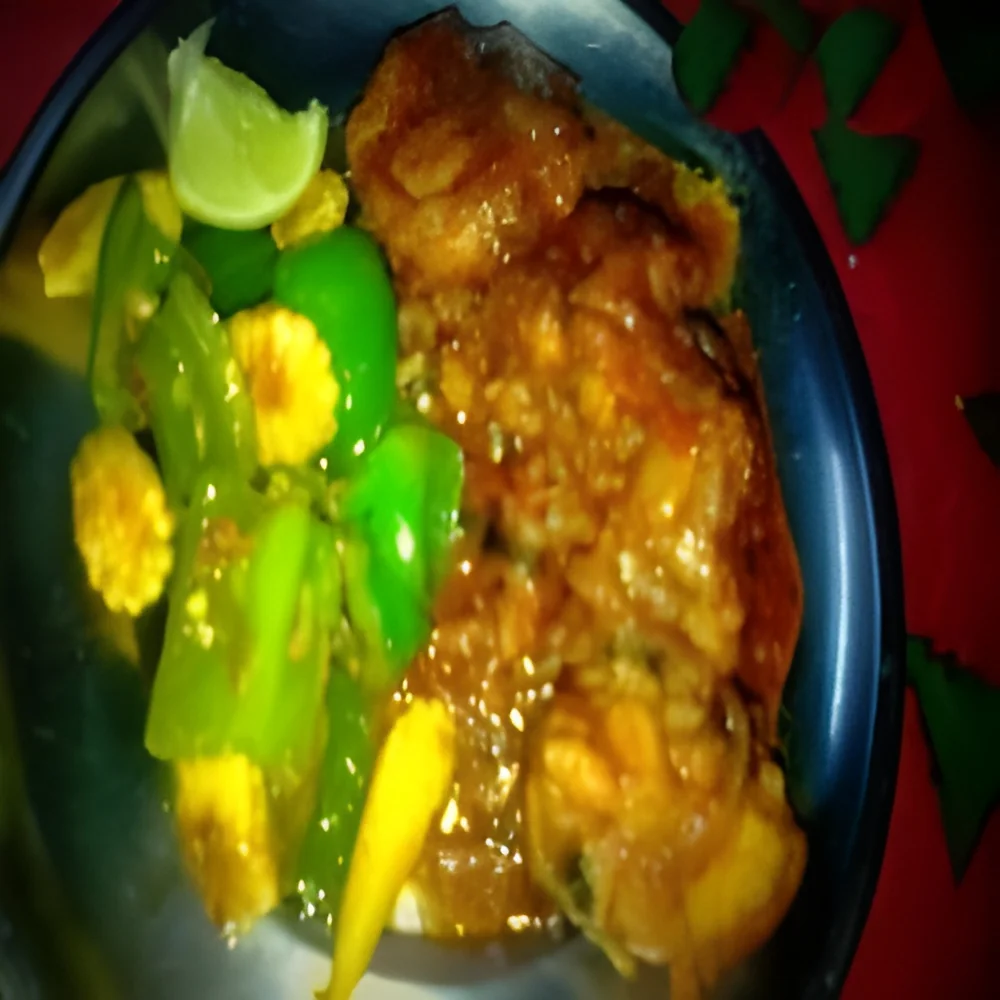
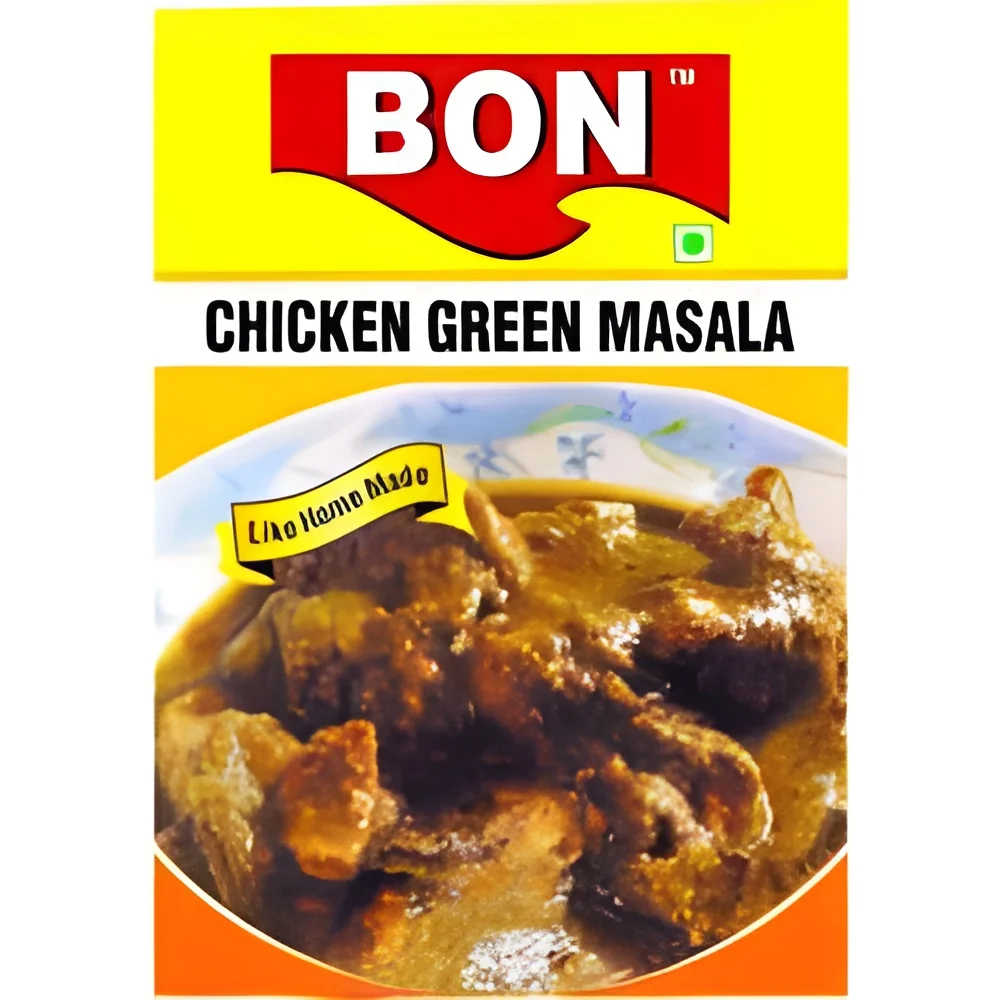
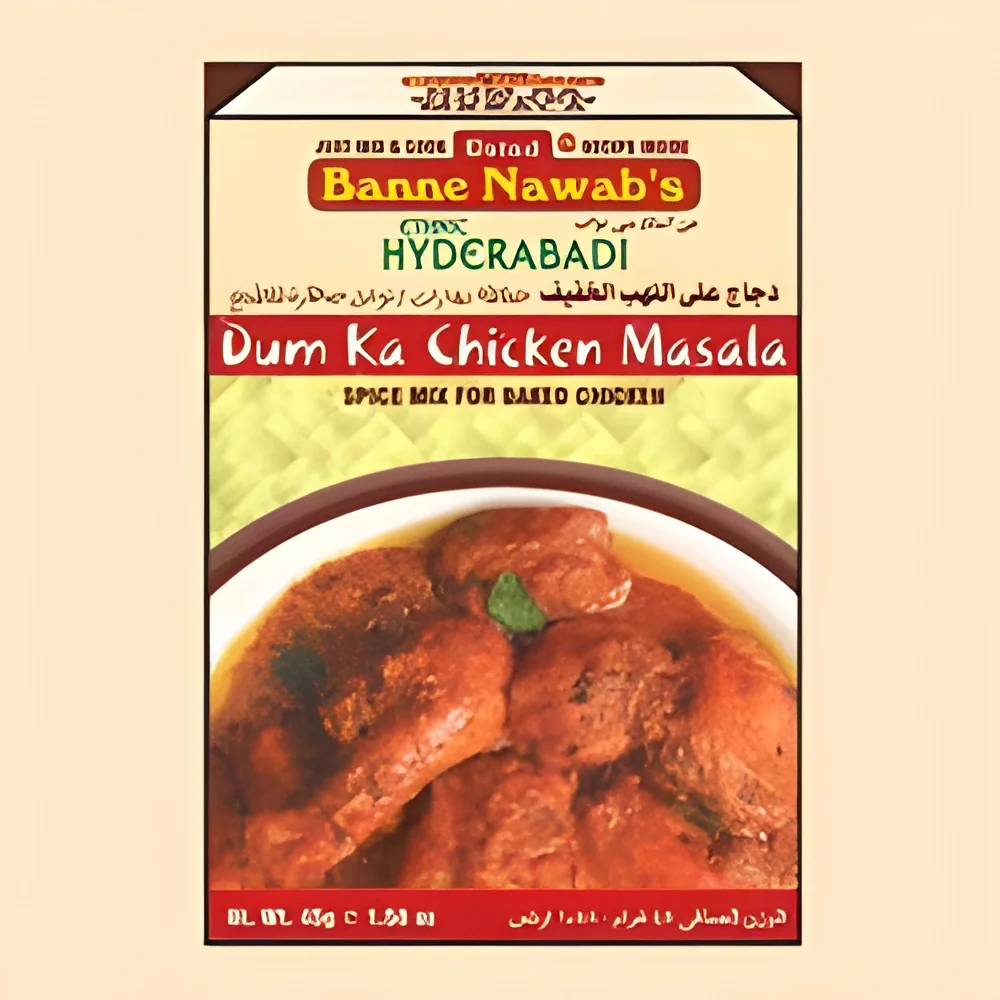
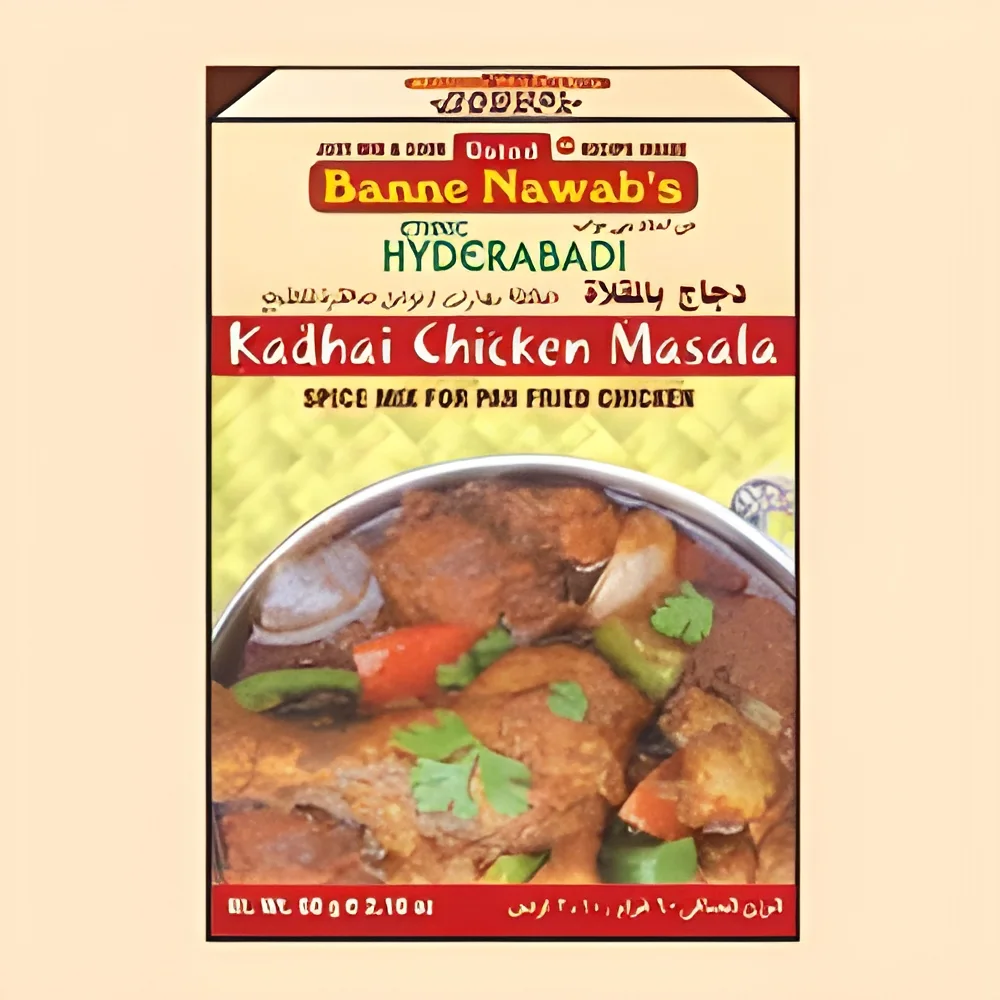
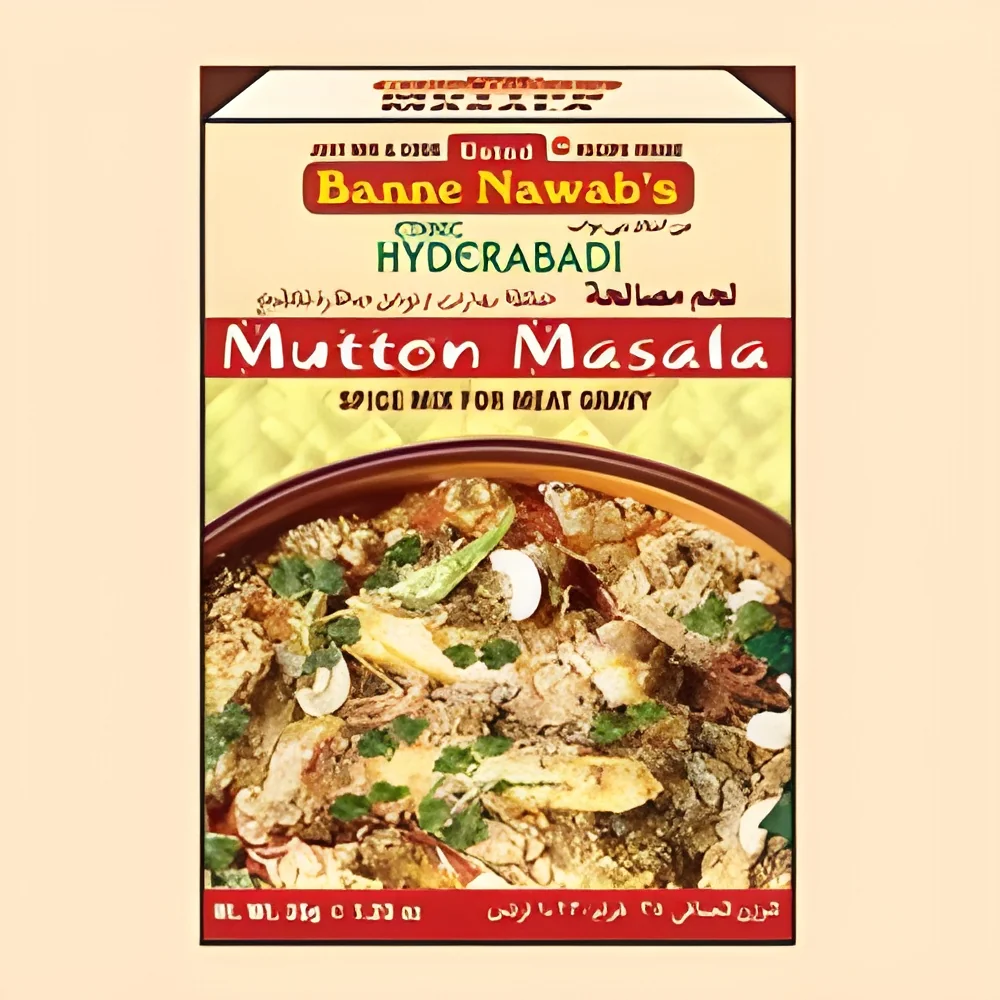
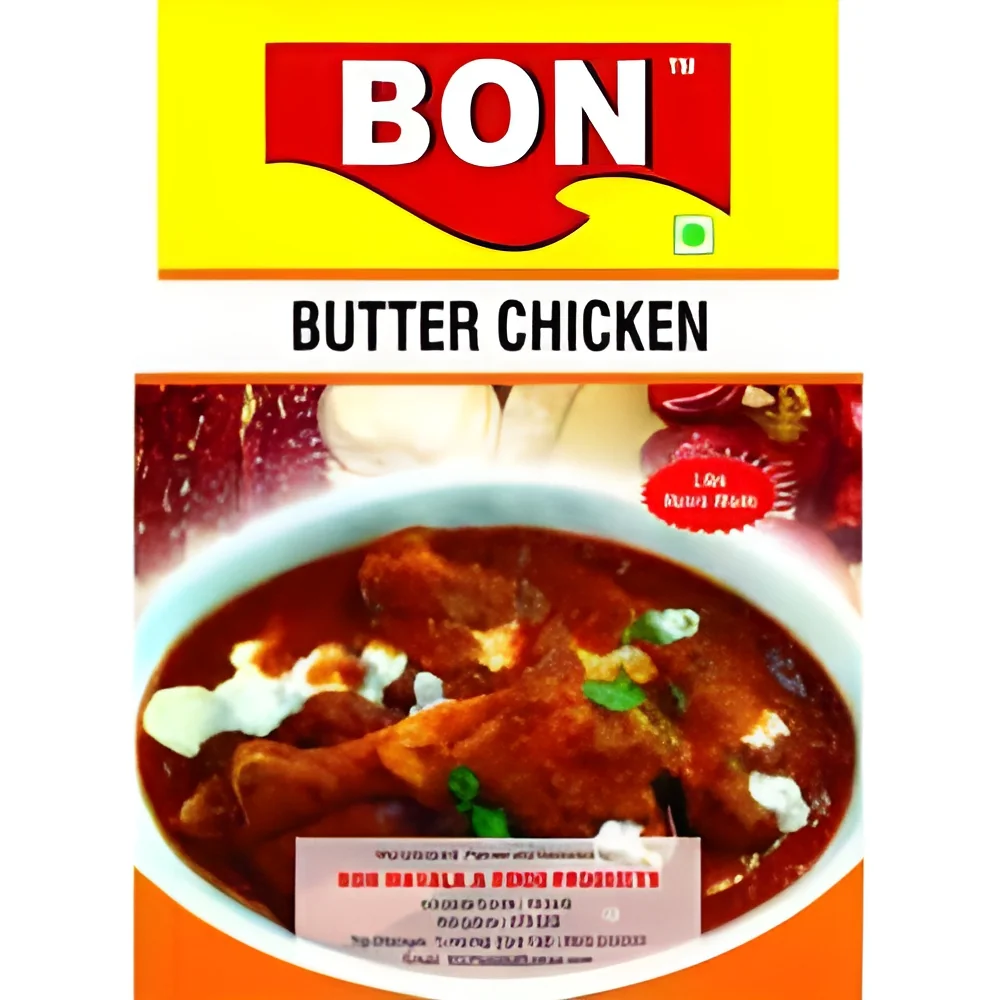
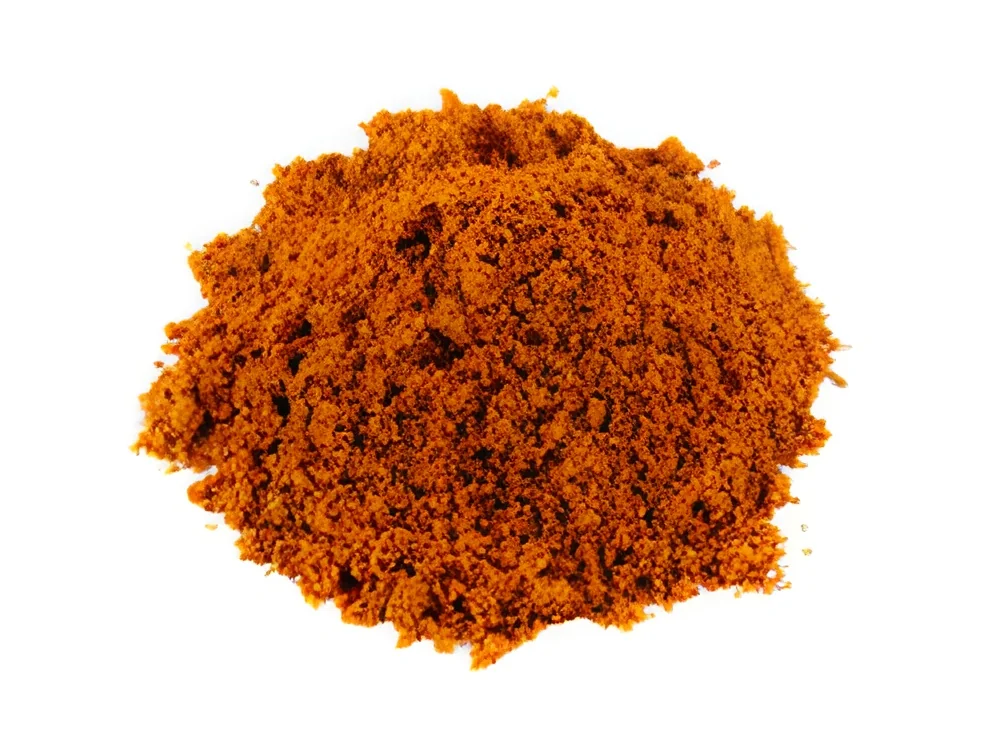
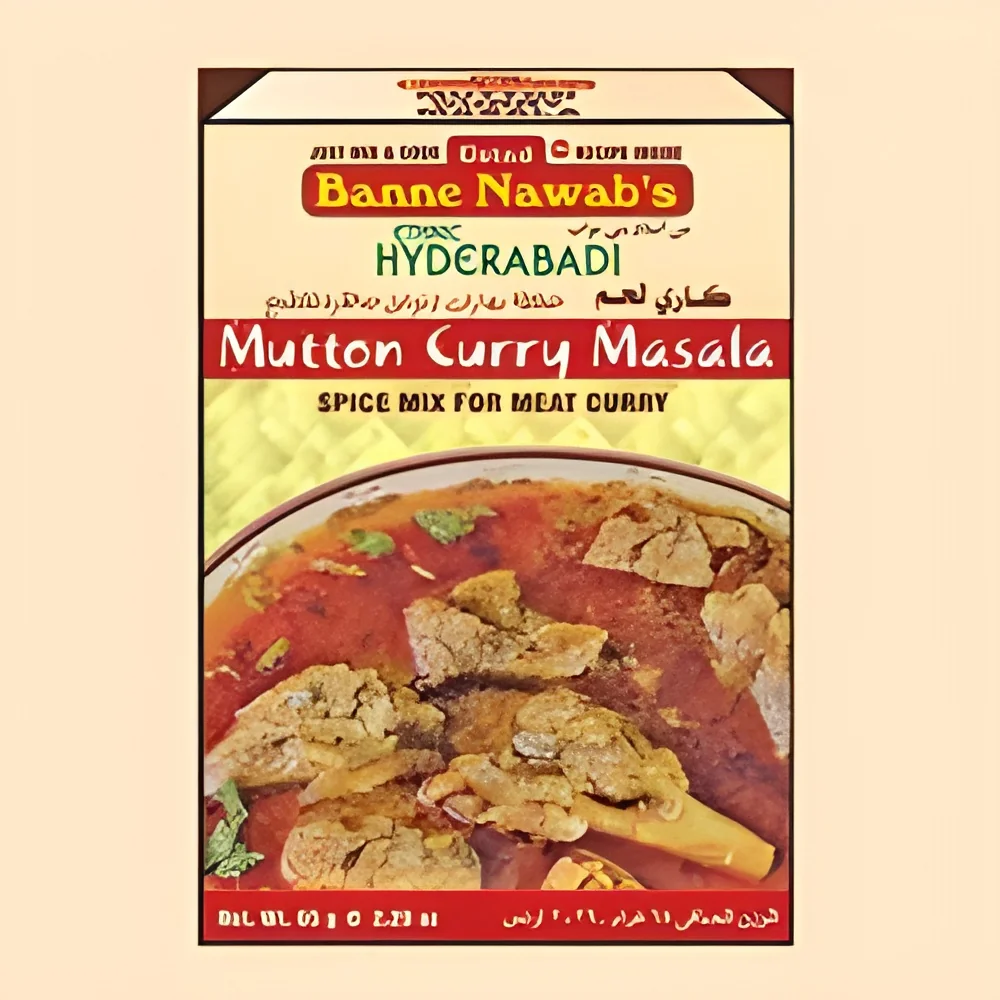
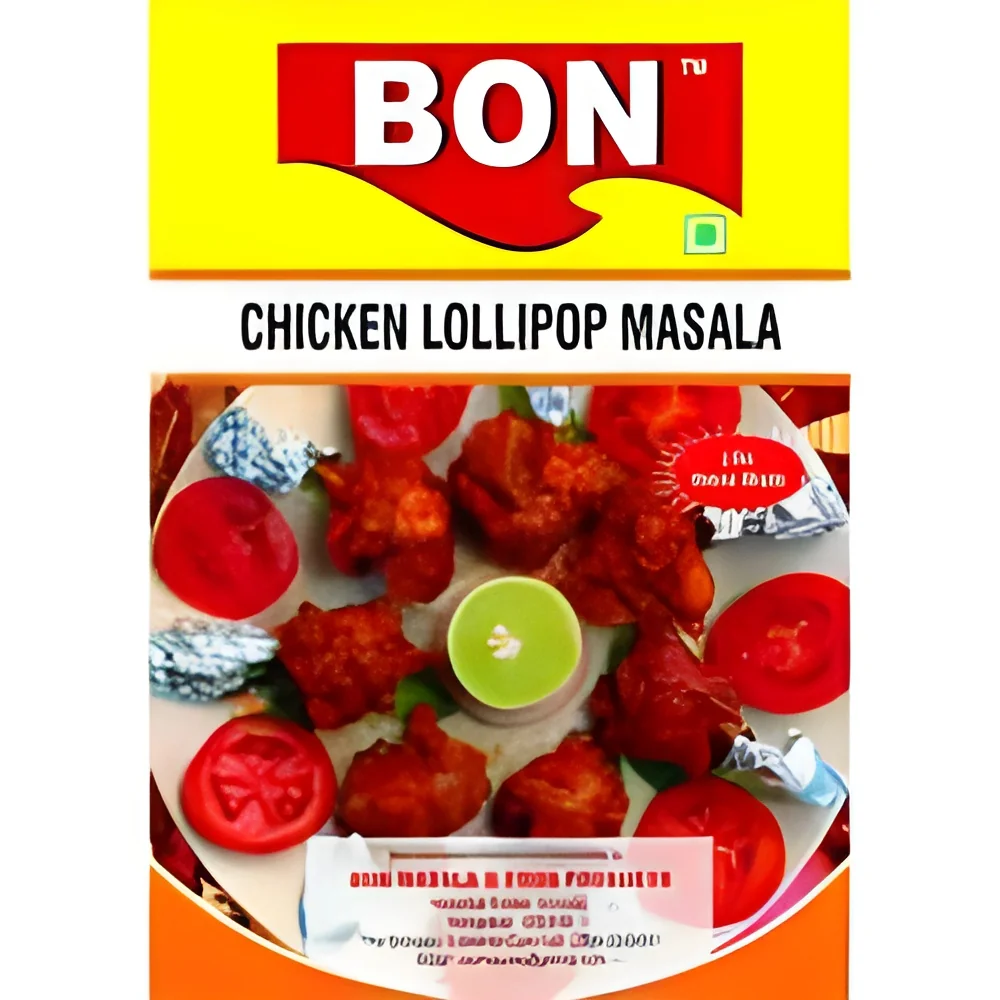
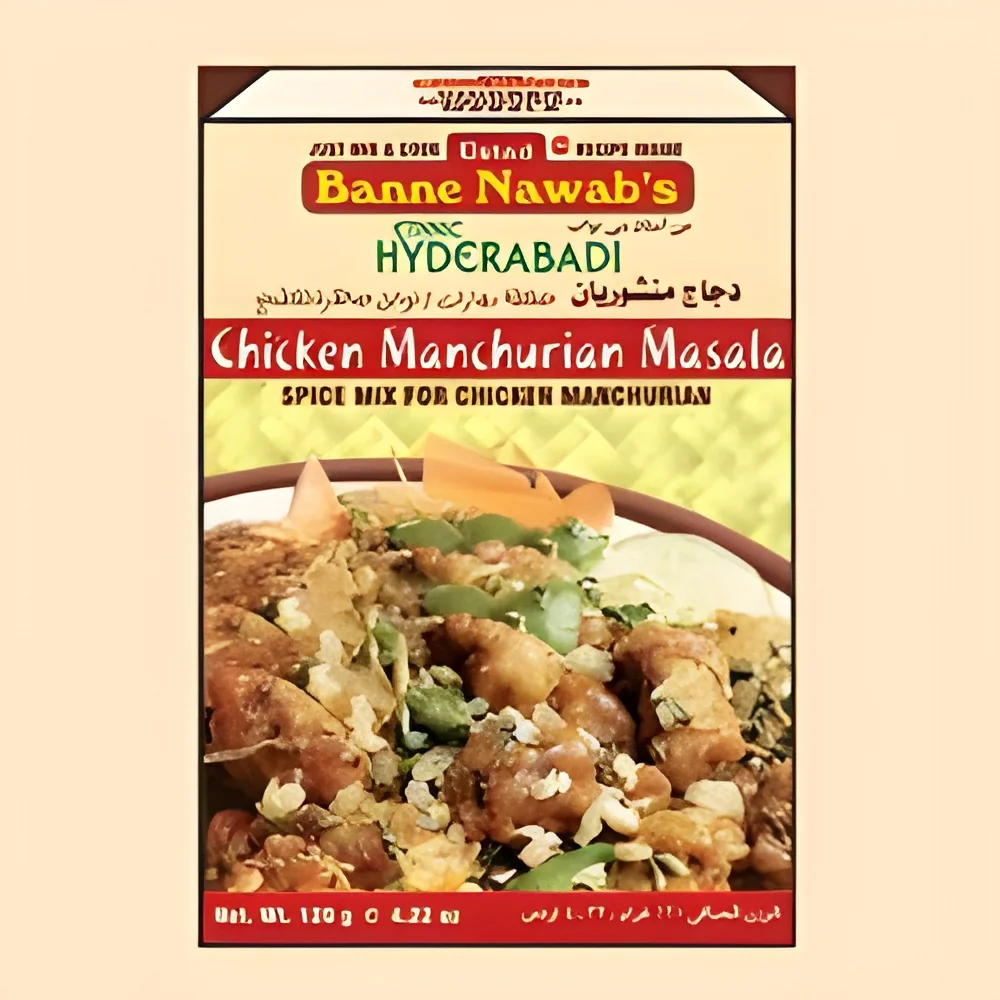
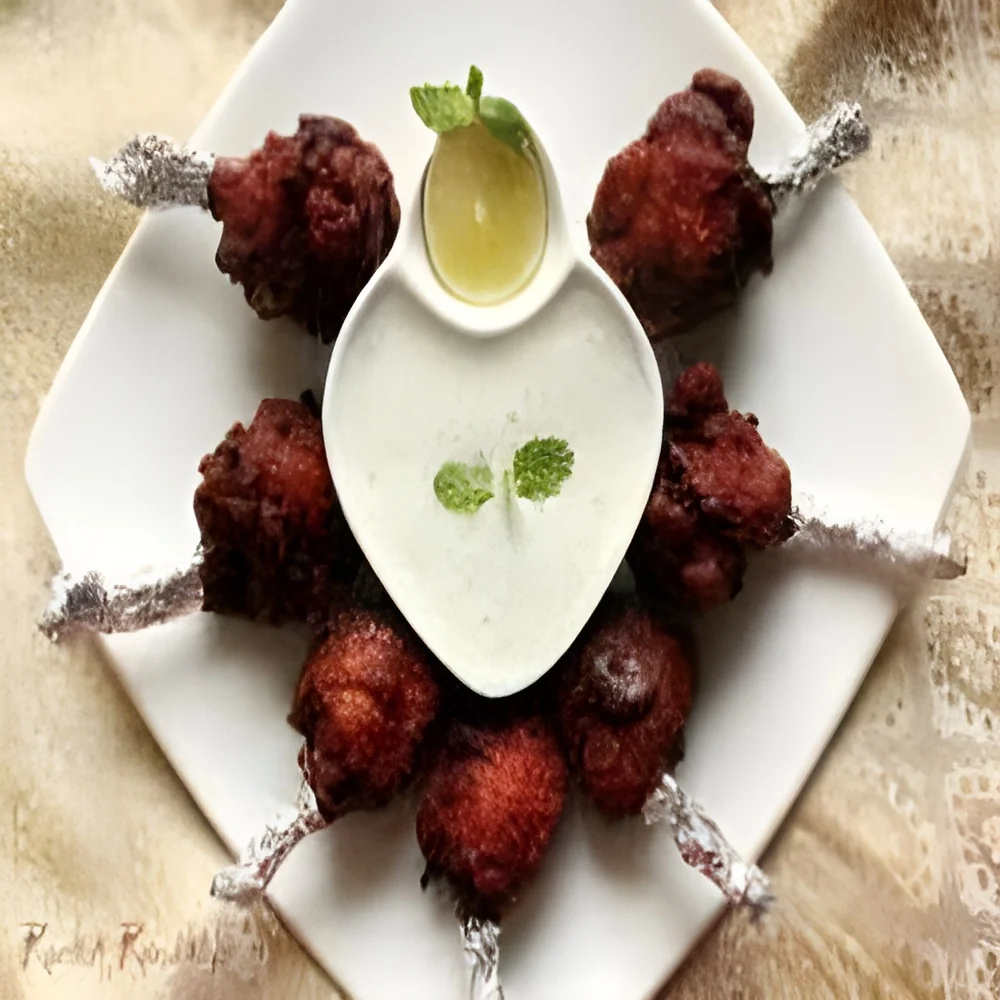
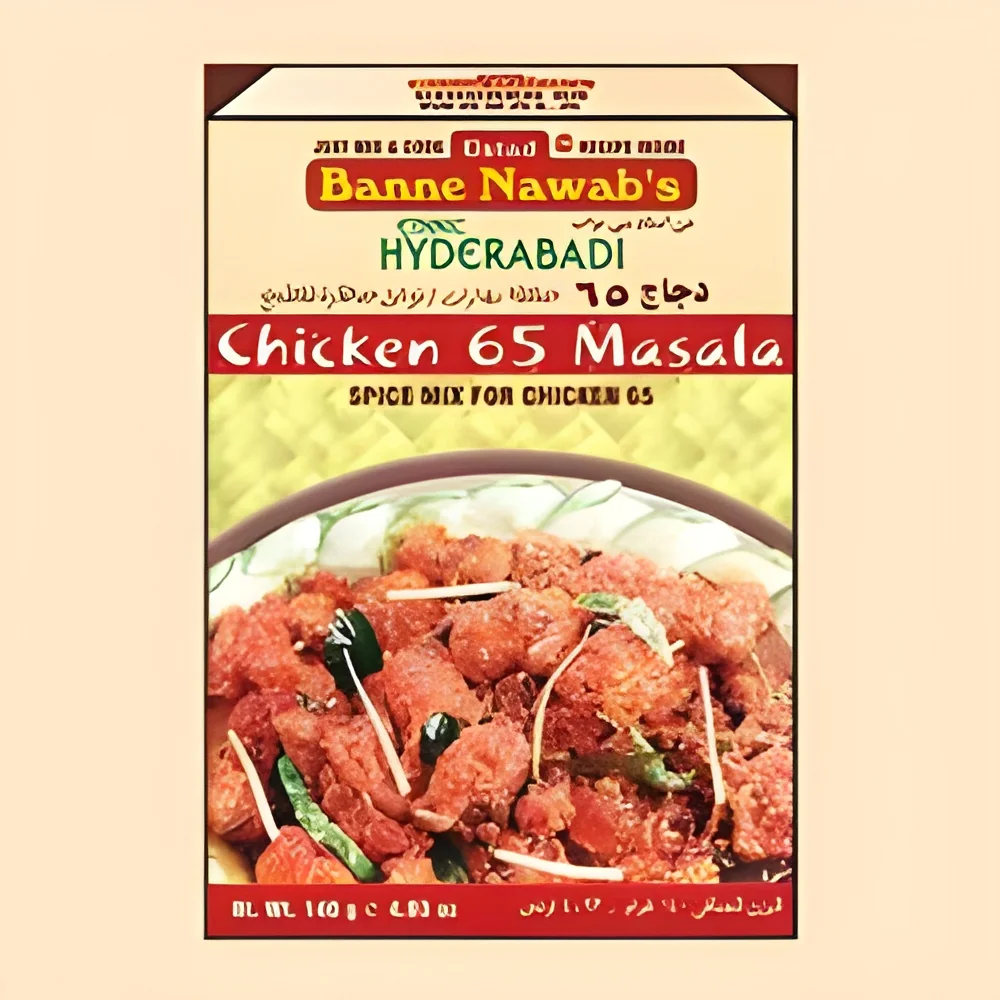
What are Meat & Chicken Masala?
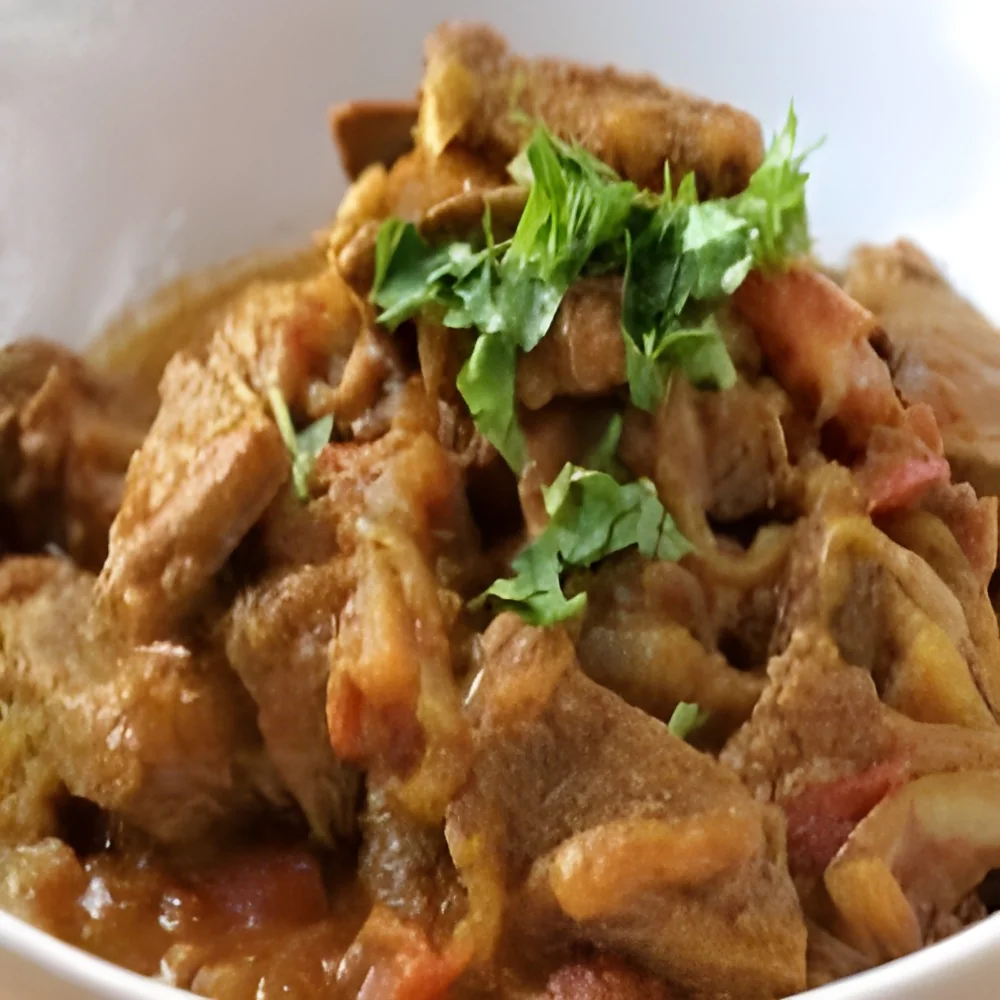
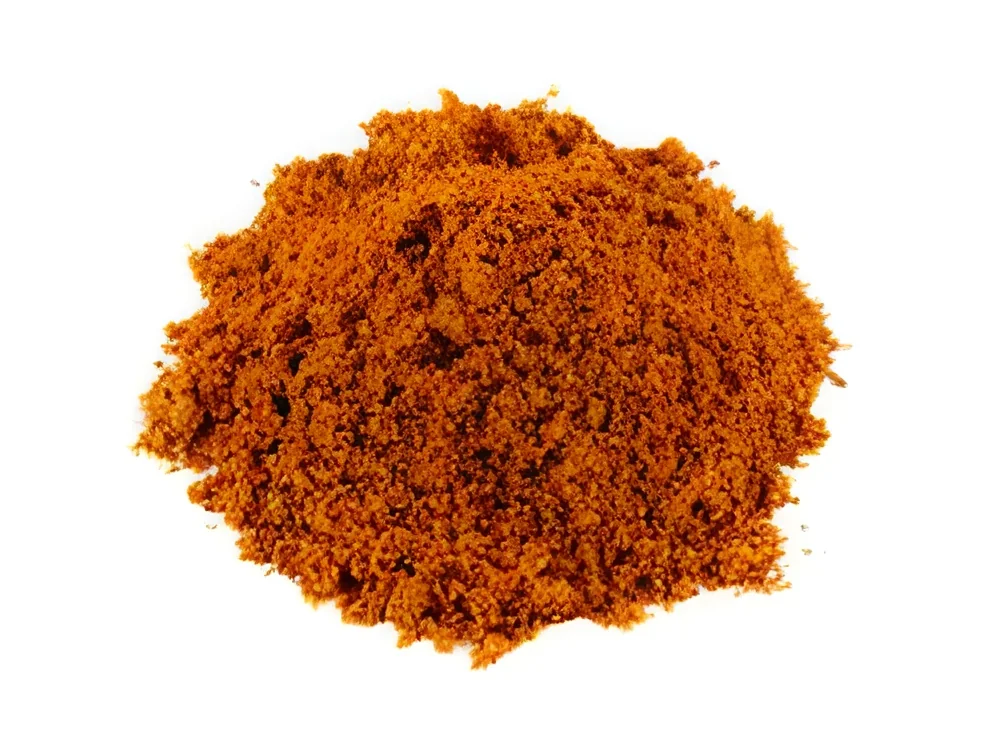
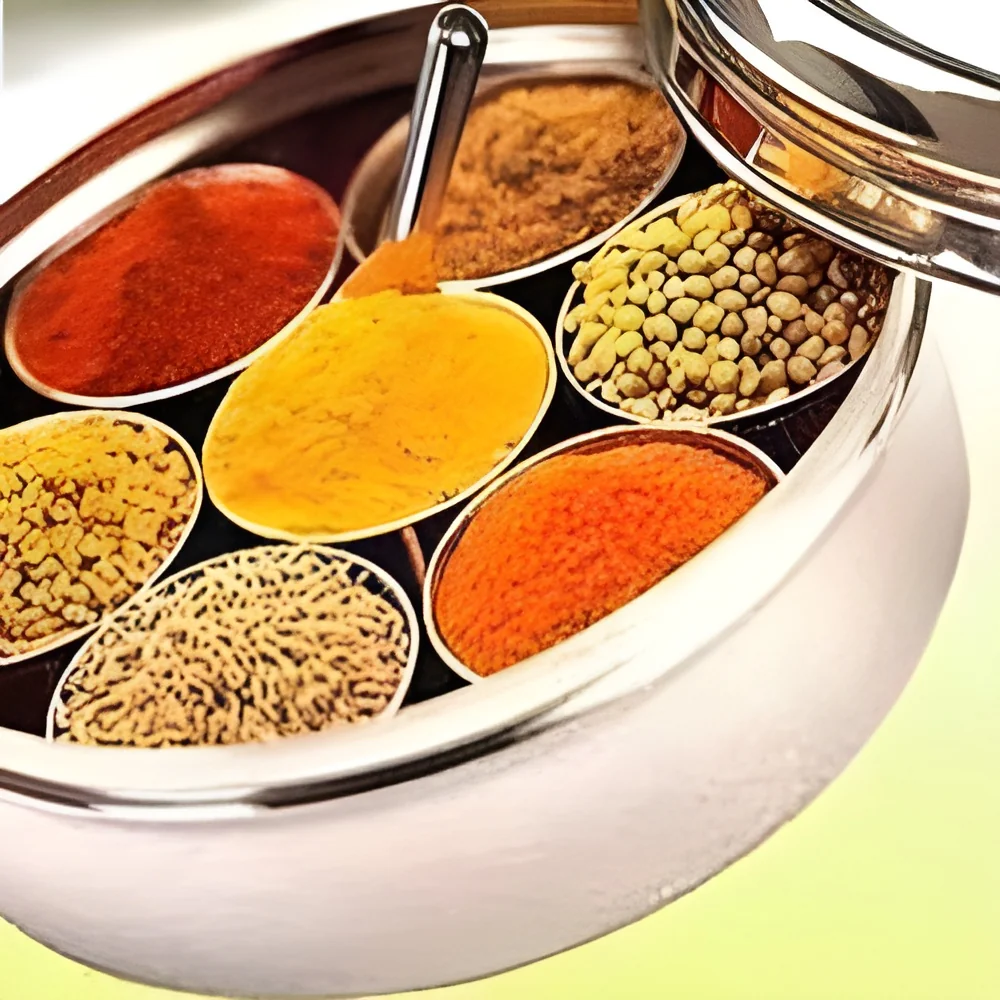
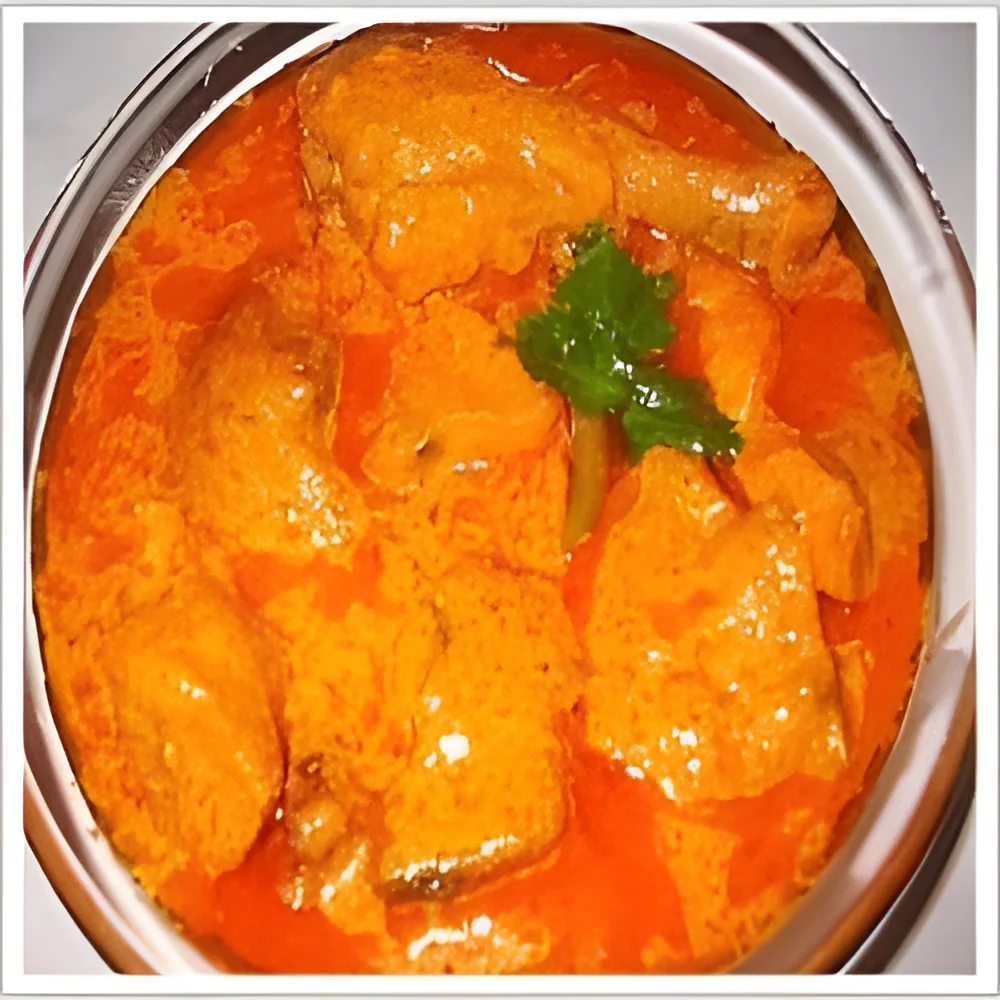
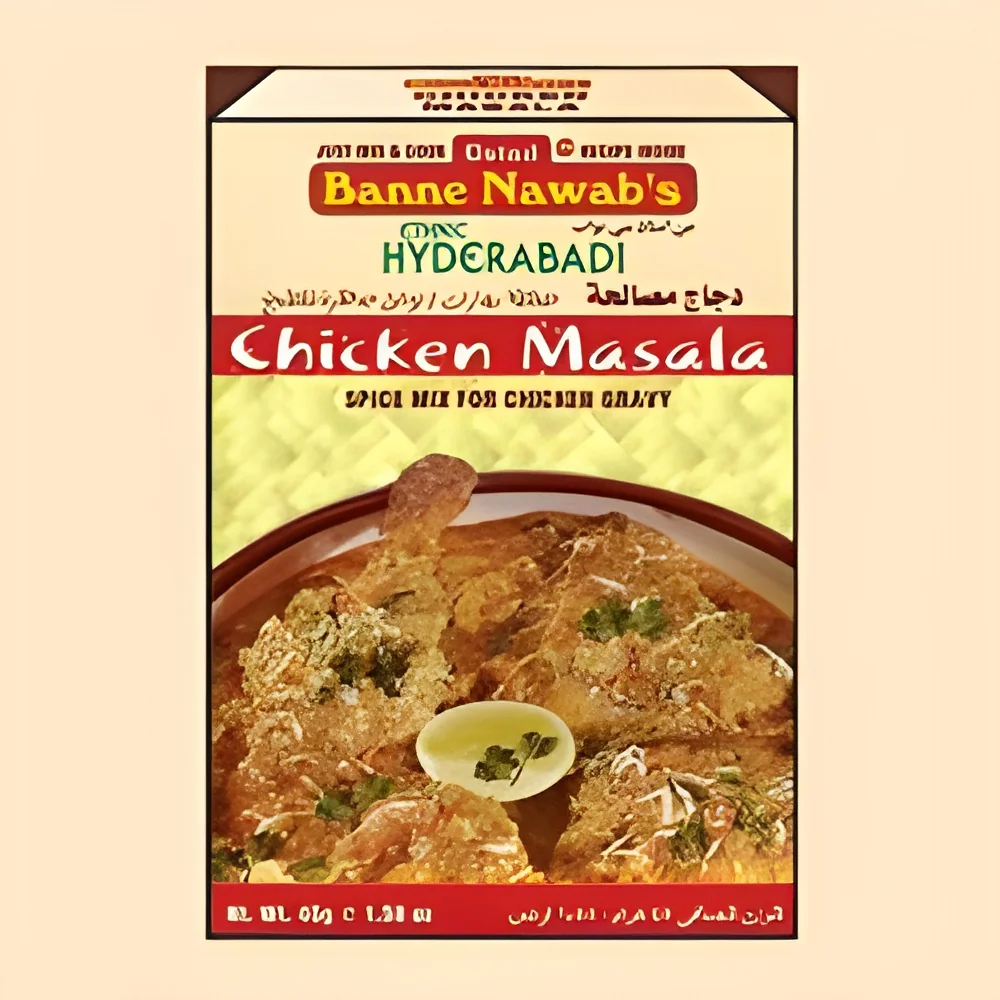
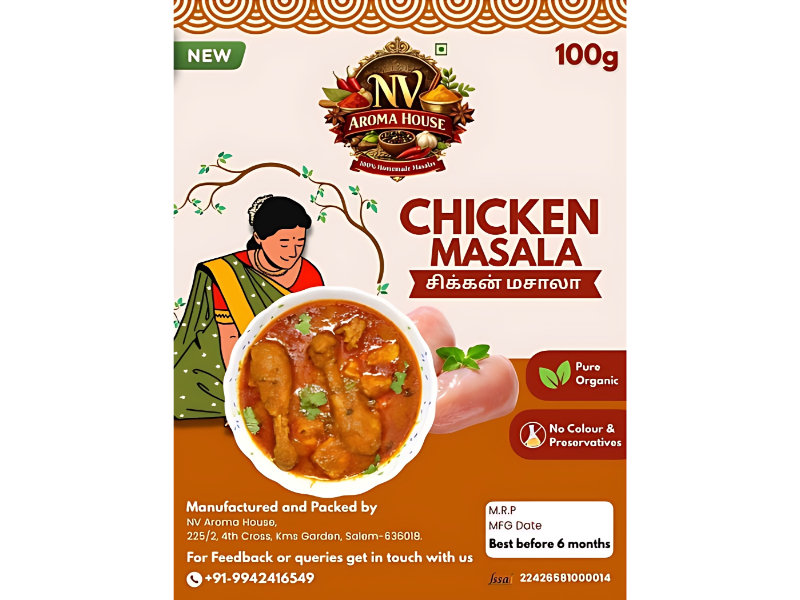
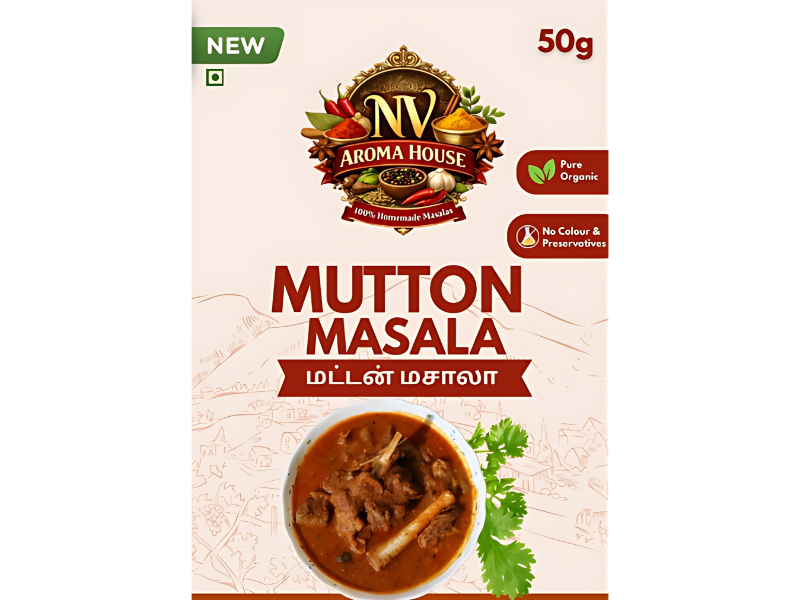
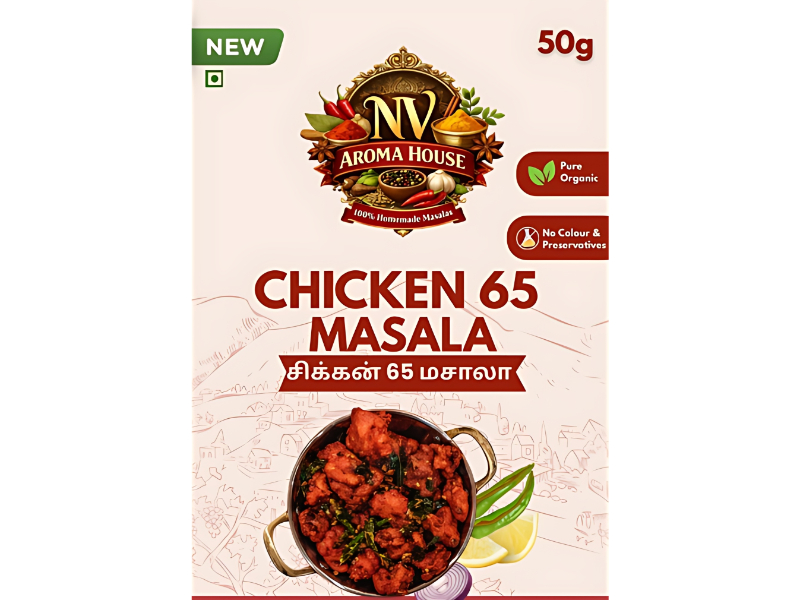
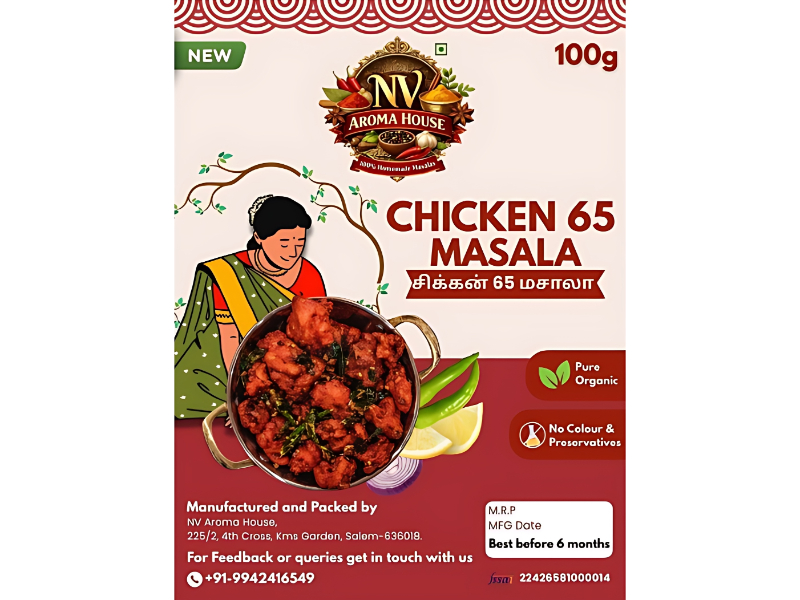
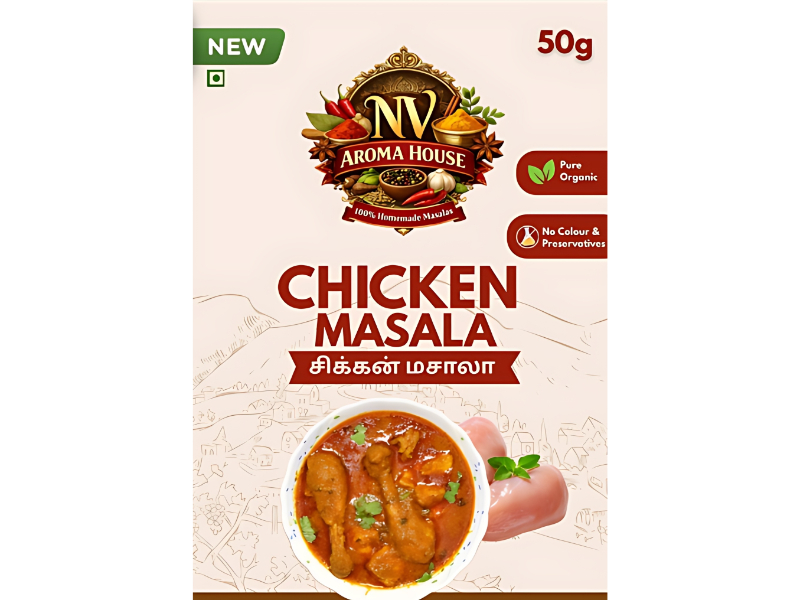
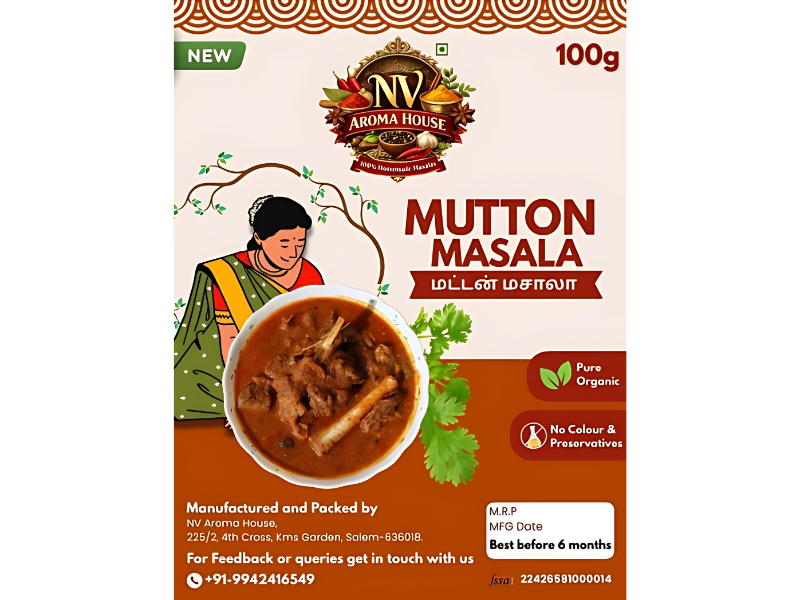
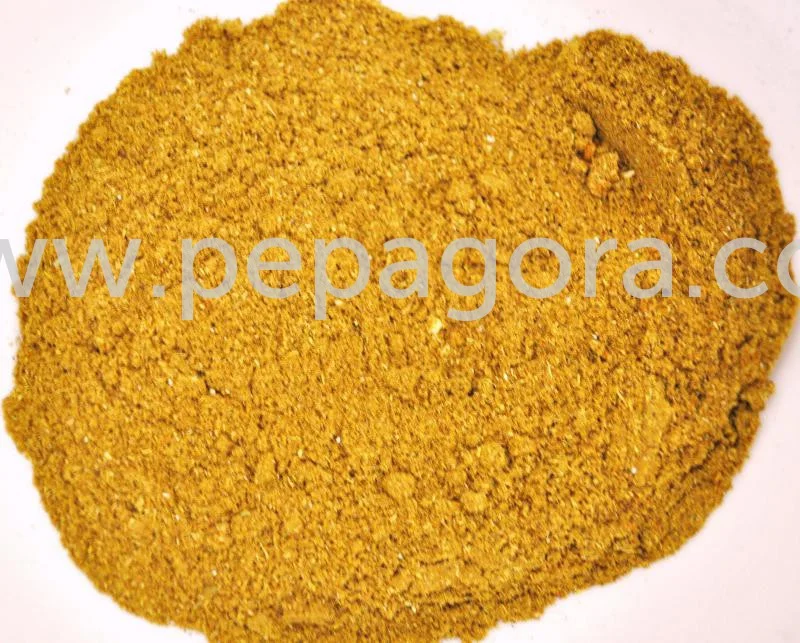
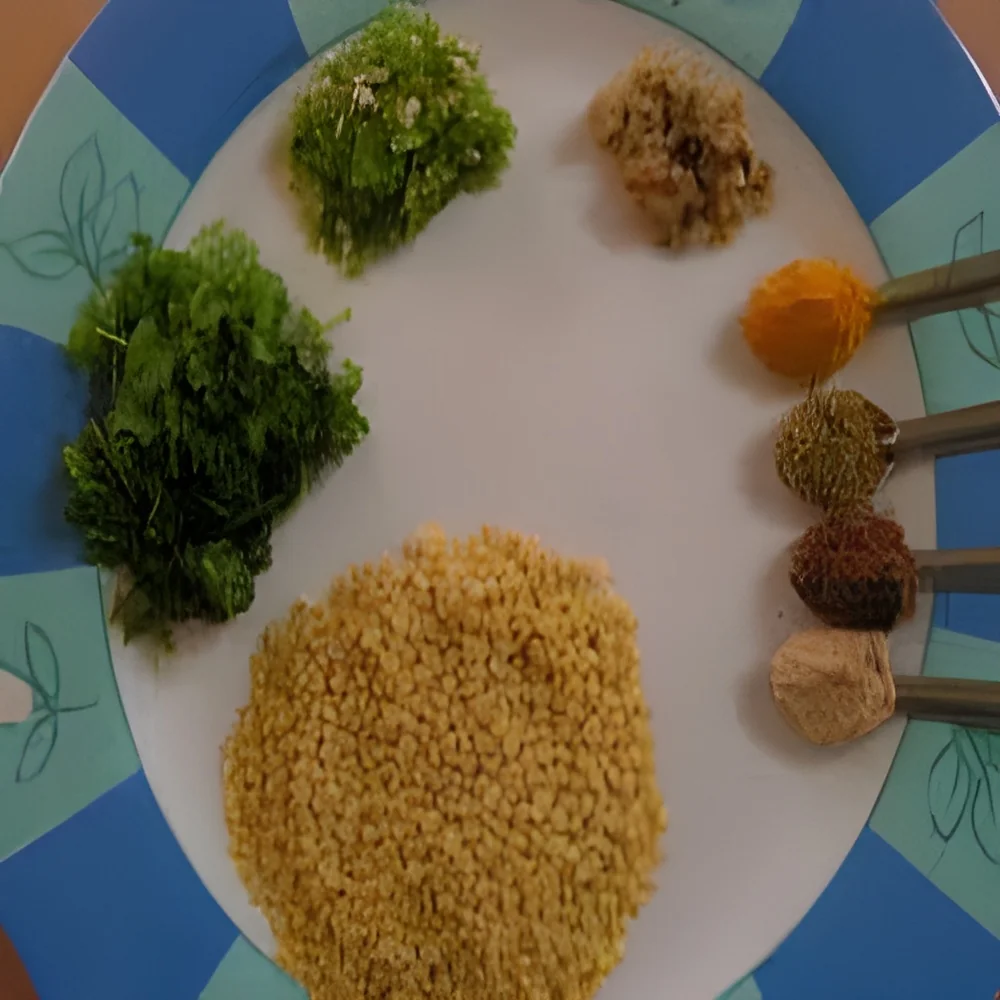
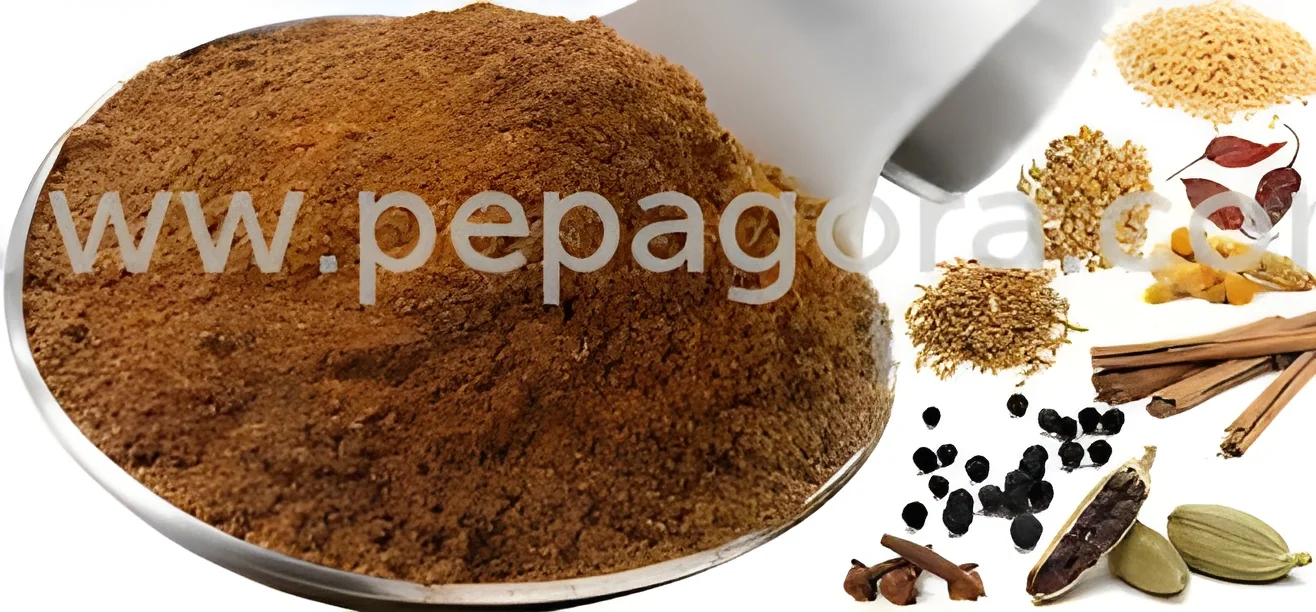
Meat and Chicken Masala is a blend of spices specifically formulated to enhance the flavor and aroma of meat and poultry dishes. This versatile spice mix typically includes ingredients such as cumin, coriander, turmeric, and various chili powders. The precise composition can vary by region, reflecting local culinary traditions and preferences.
These masalas are used primarily in the food processing industry, restaurants, and catering services to create consistent and flavorful meat and chicken dishes. By utilizing Meat and Chicken Masala, businesses can streamline preparation times while ensuring a rich and authentic taste in their offerings. The product is particularly relevant in the context of an increasingly competitive food market, where flavor and quality significantly impact consumer choices.
Key Features and Specifications
The key features and specifications of Meat and Chicken Masala play a vital role in its application and effectiveness in various culinary environments. Understanding these specifications can help businesses select the right product for their needs.
Key specifications include:
1. Flavor Profile
- A rich blend of spices designed to enhance the taste of meat and chicken.
- May include varying levels of heat and sweetness based on regional preferences.
2. Shelf Life
- Generally ranges from 12 to 24 months when stored properly.
- Ensures long-term usability for businesses.
3. Packaging Options
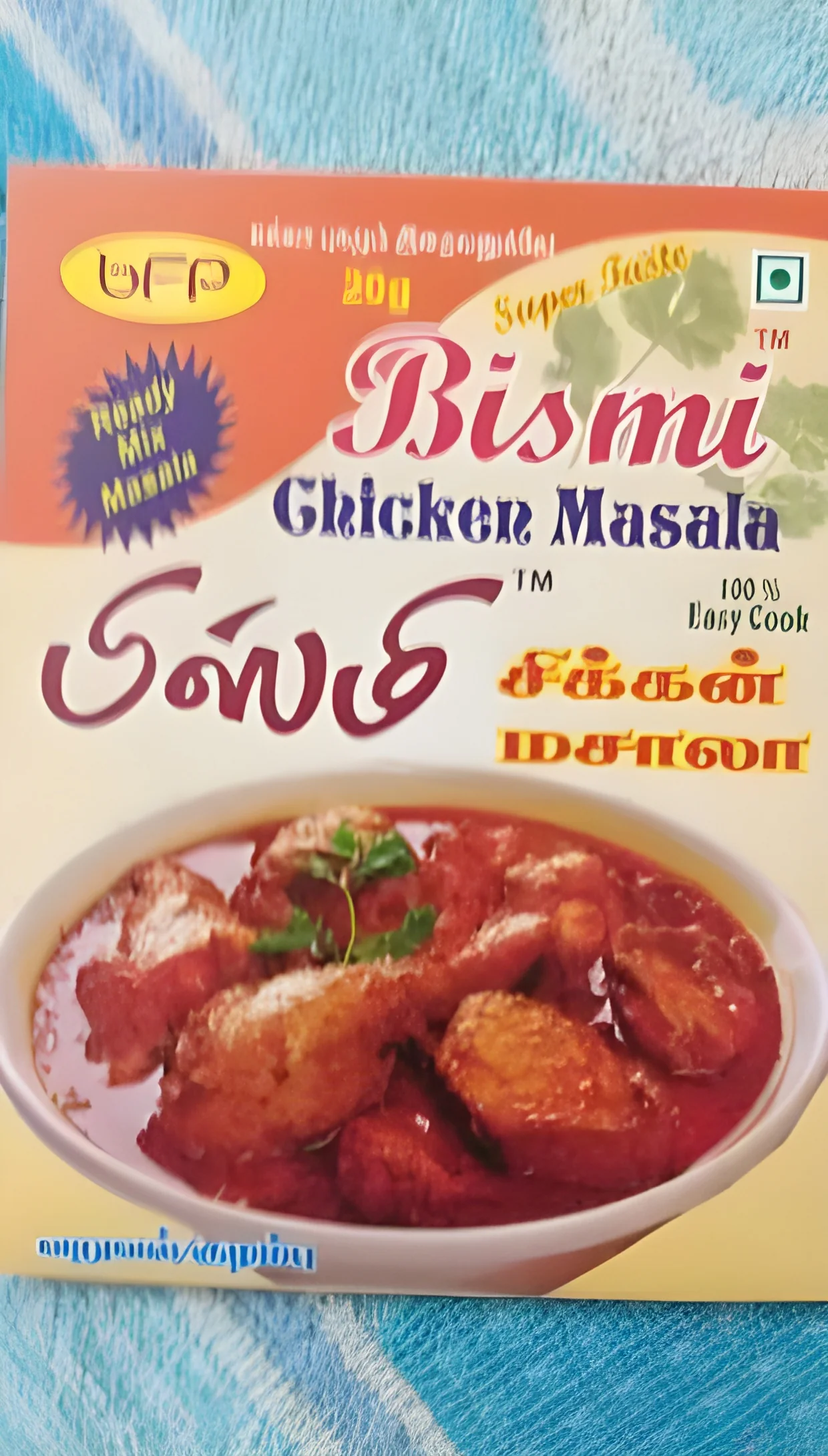
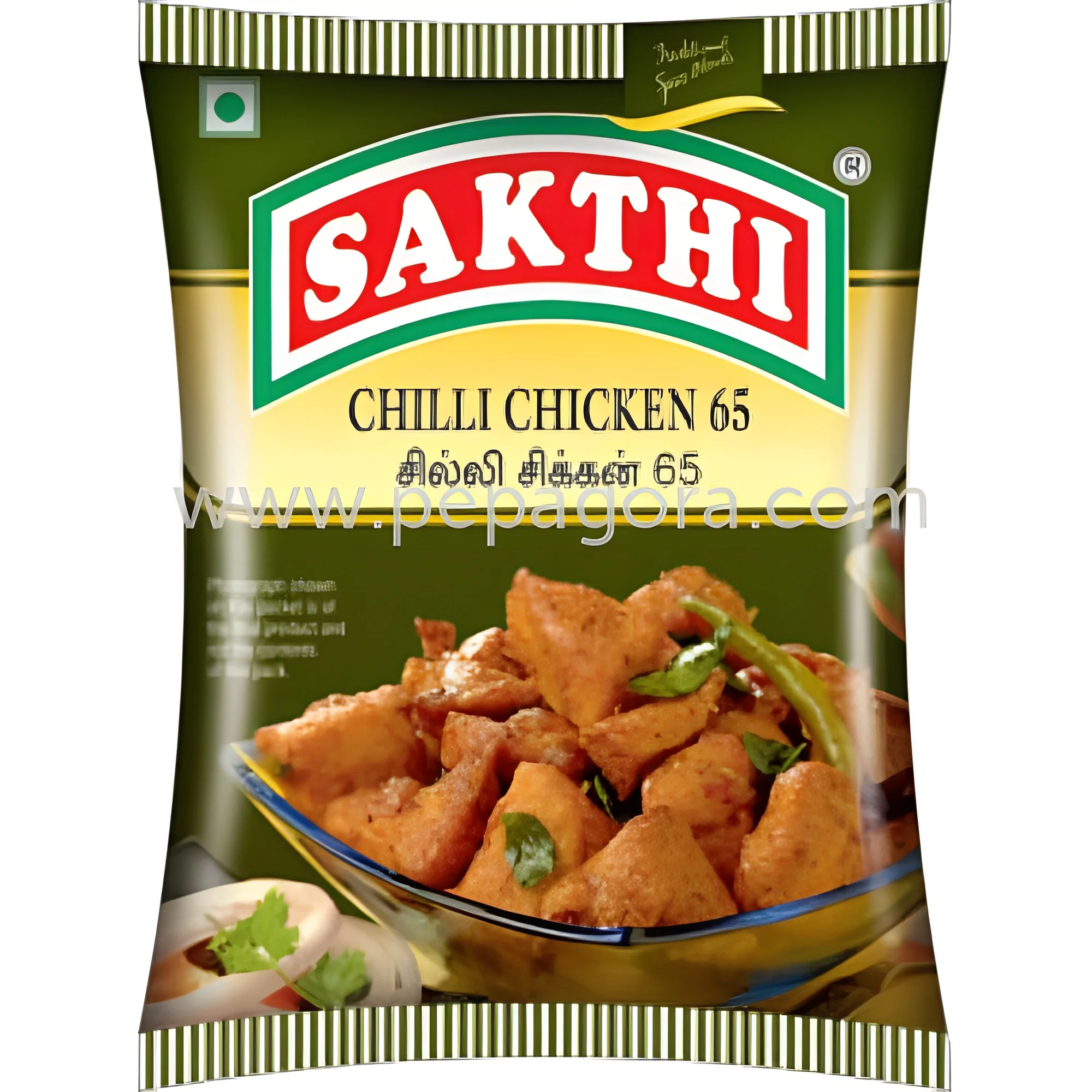
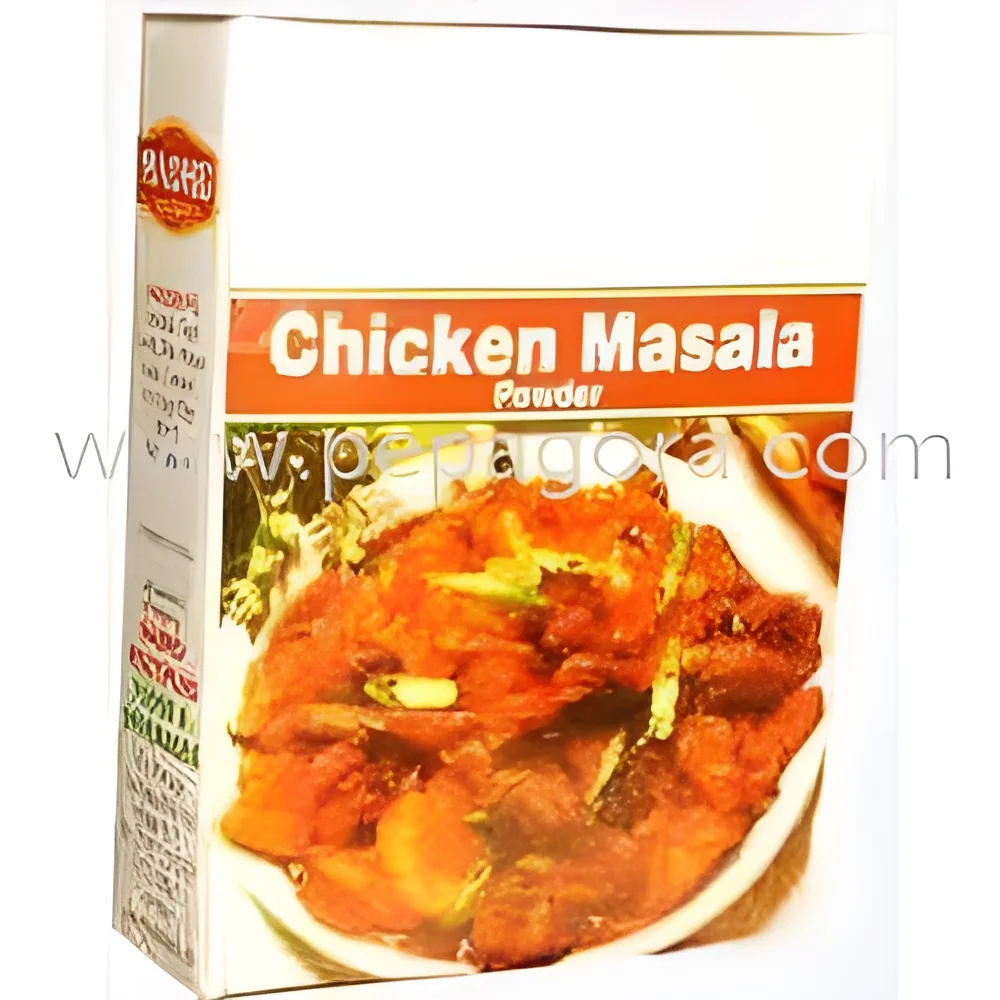
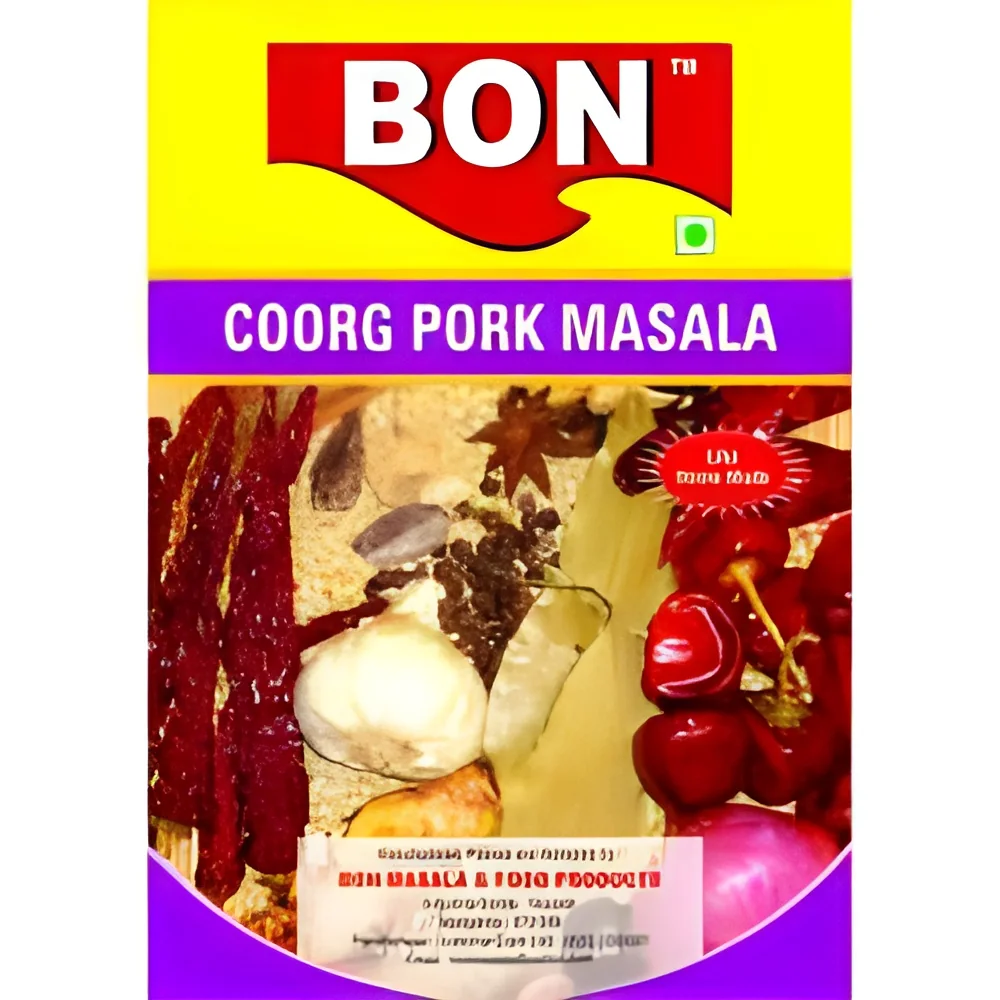
- Available in bulk packaging for large-scale operations as well as smaller retail packages.
- Facilitates easy storage and usage.
4. Compliance with Standards
- Meets industry standards for food safety and quality.
- Ensures the product is safe for consumption.
5. Customization Options
- Ability to tailor spice blends to meet specific flavor profiles or dietary requirements.
- Offers flexibility for restaurants and food manufacturers.
6. Origin of Ingredients
- Sourced from reputable suppliers ensuring high quality.
- Often features locally sourced spices to enhance authenticity.
7. Nutritional Information
- Contains no artificial preservatives or additives.
- Offers a natural flavor enhancement option for health-conscious consumers.
8. Storage Conditions
- Requires cool, dry storage to maintain flavor integrity.
- Recommended humidity control to prevent clumping.
In summary, Meat and Chicken Masala offers a comprehensive solution for businesses looking to enhance their meat and poultry dishes with a reliable and flavorful spice blend.
Common Applications and Use Cases
Meat and Chicken Masala serves various industries, each benefiting from its unique flavor profile and versatility.
1. Food Processing: Used in the production of ready-to-eat meals, enhancing taste while maintaining consistency across batches.
2. Restaurants: A key ingredient in the preparation of signature dishes, allowing chefs to create authentic flavors that attract customers.
3. Catering Services: Essential for event catering, enabling quick preparation of large quantities of flavorful meat and chicken dishes.
4. Food Retail: Found in packaged food products, providing consumers with convenient meal options that are rich in flavor.
5. Hospitality Industry: Utilized in hotels and resorts to deliver high-quality dining experiences, enhancing guest satisfaction.
6. Export Markets: Increasingly demanded in international markets, where authentic spice blends are sought after for home cooking.
7. Home Cooking: Popular among home cooks seeking to replicate restaurant-quality meals in their kitchens.
Product Variants and Subcategories
Meat and Chicken Masala comes in various forms, catering to different culinary needs and preferences.
Spicy Meat Masala
This variant is characterized by a higher heat level, ideal for those who enjoy bold flavors. It often includes additional chili powder and spices to enhance the fiery taste, making it perfect for spicy meat dishes.
Mild Chicken Masala
Designed for a more subtle flavor, this variant uses less heat and focuses on aromatic spices. It is suitable for family meals where a milder taste is preferred, ensuring that it appeals to a broader audience.
Garam Masala Blend
A traditional Indian spice mix, Garam Masala is often used in conjunction with Meat and Chicken Masala. It adds depth and complexity to dishes, making it a versatile addition for chefs looking to elevate their flavors.
Benefits and Advantages
Meat and Chicken Masala offers several key benefits that enhance its appeal for businesses.
1. Flavor Enhancement: Provides a rich and consistent taste that elevates meat and chicken dishes, making them more appealing to customers.
2. Time Efficiency: Reduces preparation time for chefs and food manufacturers, allowing for quicker meal service and production.
3. Versatility: Can be used across various culinary applications, from traditional recipes to modern fusion dishes, appealing to diverse consumer tastes.
4. Quality Assurance: Sourced from reputable suppliers and compliant with industry standards, ensuring safety and quality in food preparation.
5. Cost-Effective: Bulk purchasing options can lead to cost savings for businesses while maintaining high flavor standards.
6. Customization Potential: Flexibility to create unique blends allows businesses to differentiate their offerings in a competitive market.
Buying Guide for B2B Buyers
When sourcing Meat and Chicken Masala, buyers should consider several important factors to ensure they select the right product.
1. Quality Assessment: Evaluate the quality of the spices used in the blend. Look for suppliers who provide detailed information about sourcing and quality control measures.
2. Supplier Verification: It is crucial to vet suppliers for their reliability and reputation in the industry. Request samples and certifications to confirm their standards.
3. Pricing and MOQ: Understand the pricing structure and minimum order quantities (MOQ) required by suppliers. This can impact budgeting and procurement strategies.
4. Delivery and Lead Times: Coordinate with suppliers to determine delivery schedules and lead times. Timely delivery is essential for maintaining production schedules.
5. Compliance Requirements: Ensure that the product meets local and international food safety regulations. Check for necessary certifications to ensure compliance.
Compliance and Certifications
Compliance and certifications are critical aspects of sourcing Meat and Chicken Masala.
Products should adhere to relevant quality standards such as ISO 9001 for quality management systems, HACCP for food safety, and GDP for good distribution practices. These certifications ensure that the product is manufactured and handled in a manner that guarantees safety and quality.
Additionally, industry certifications like CE mark may be relevant, indicating compliance with European standards. Businesses should also consider safety and testing requirements to ensure that the product is free from contaminants and meets health regulations.
Regional compliance considerations may vary, so it is essential for buyers to understand the specific requirements in their market to ensure successful sourcing.
Why Source Meat & Chicken Masala from Pepagora?
Pepagora provides a trusted platform for sourcing Meat and Chicken Masala with several key advantages.
The verified supplier network ensures that businesses can connect with reputable suppliers who adhere to high-quality standards. Each supplier is thoroughly vetted, providing peace of mind when selecting a partner for spice sourcing.
The streamlined RFQ process simplifies the quotation system, allowing buyers to receive competitive pricing and tailored offers quickly. This efficiency can significantly enhance procurement operations.
Trade assurance and support from Pepagora ensures buyer protection throughout the transaction process. This service builds trust and facilitates smoother business relationships.
Lastly, Pepagora's regional coverage extends across India, the Gulf Cooperation Council (GCC), and Southeast Asia. This wide geographical reach enables businesses to access quality Meat and Chicken Masala, catering to diverse markets and culinary needs.

 IN
IN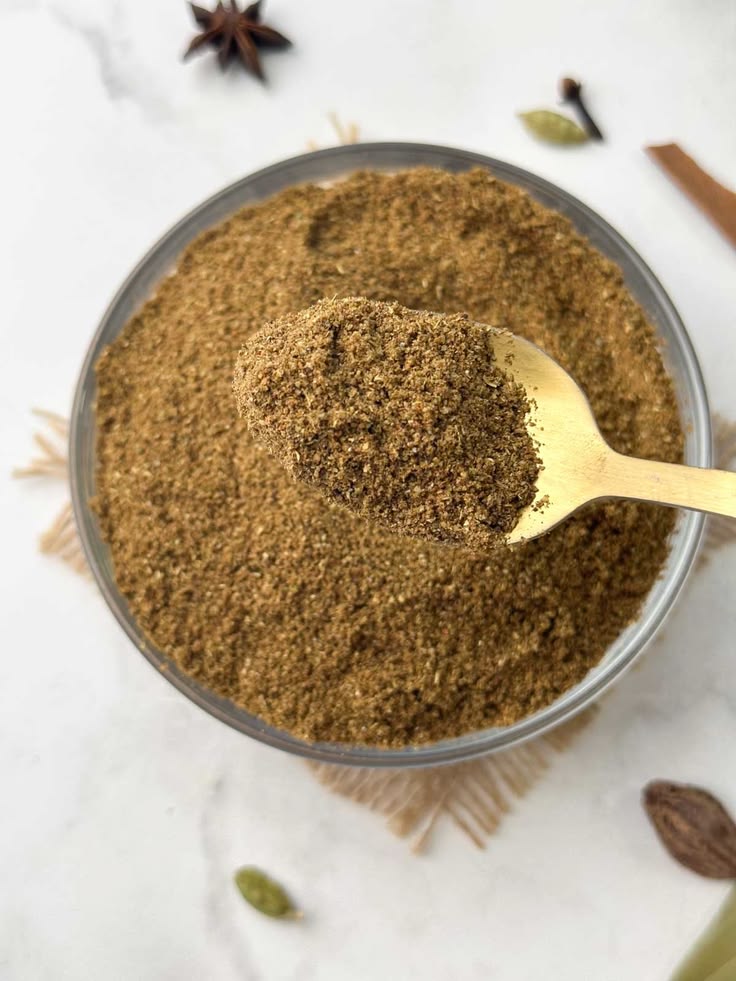



.webp)