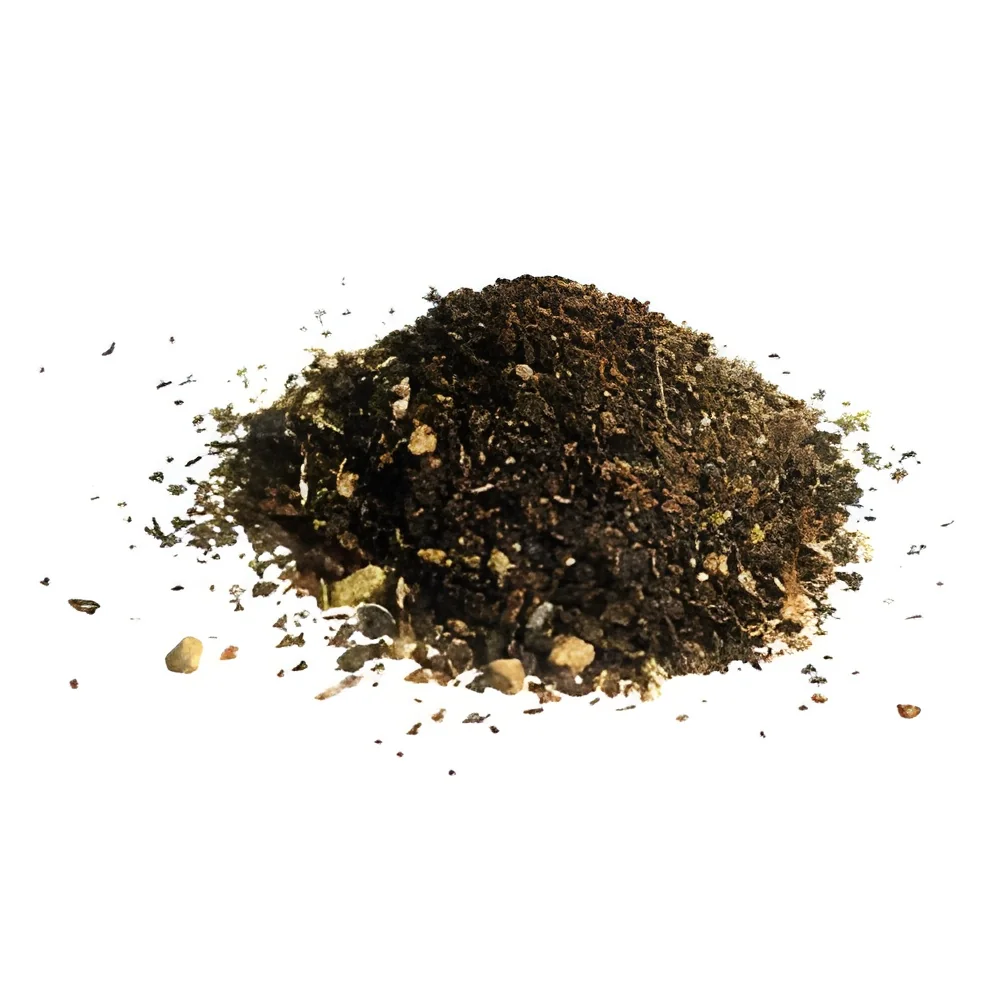
What are Tea Masala?
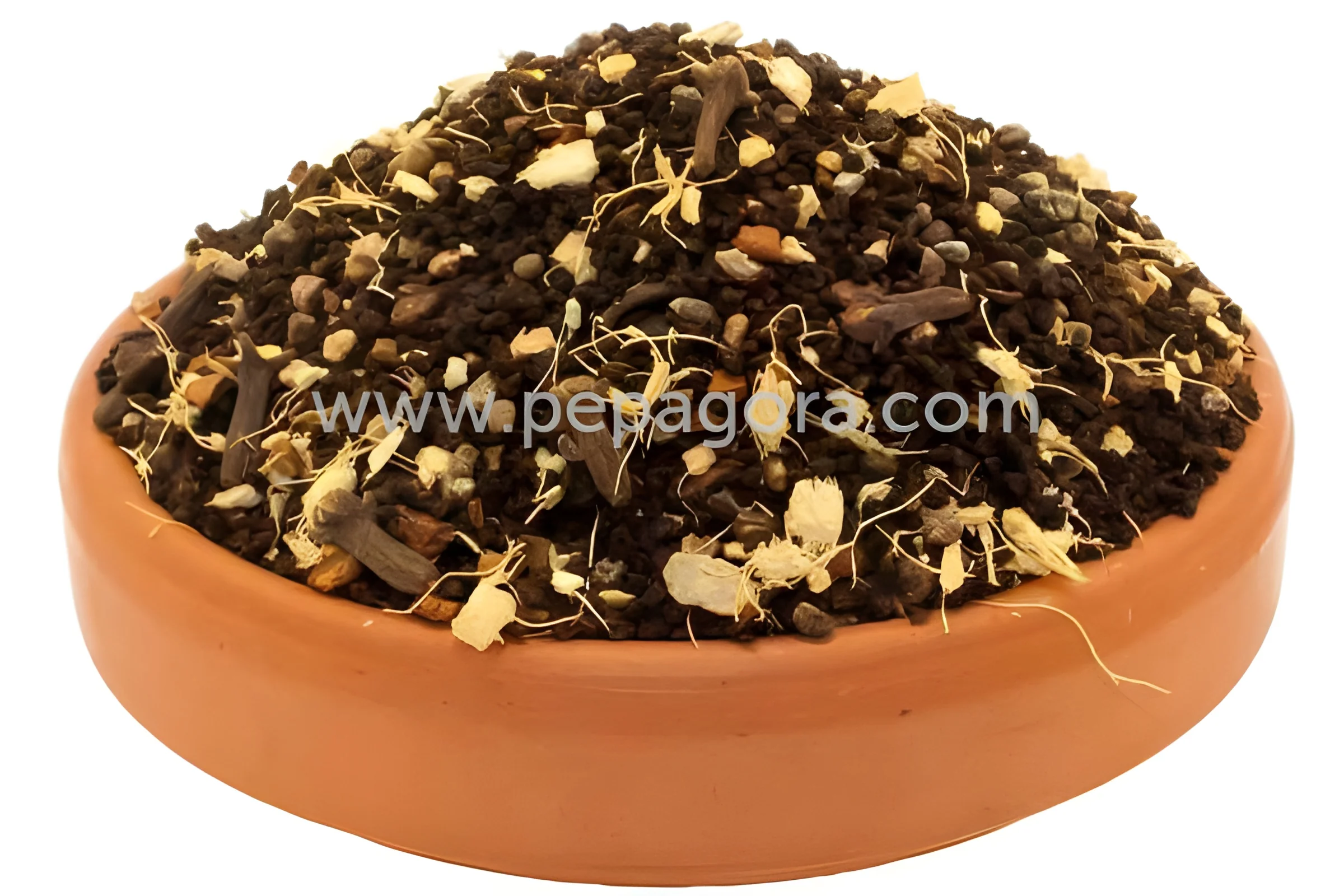
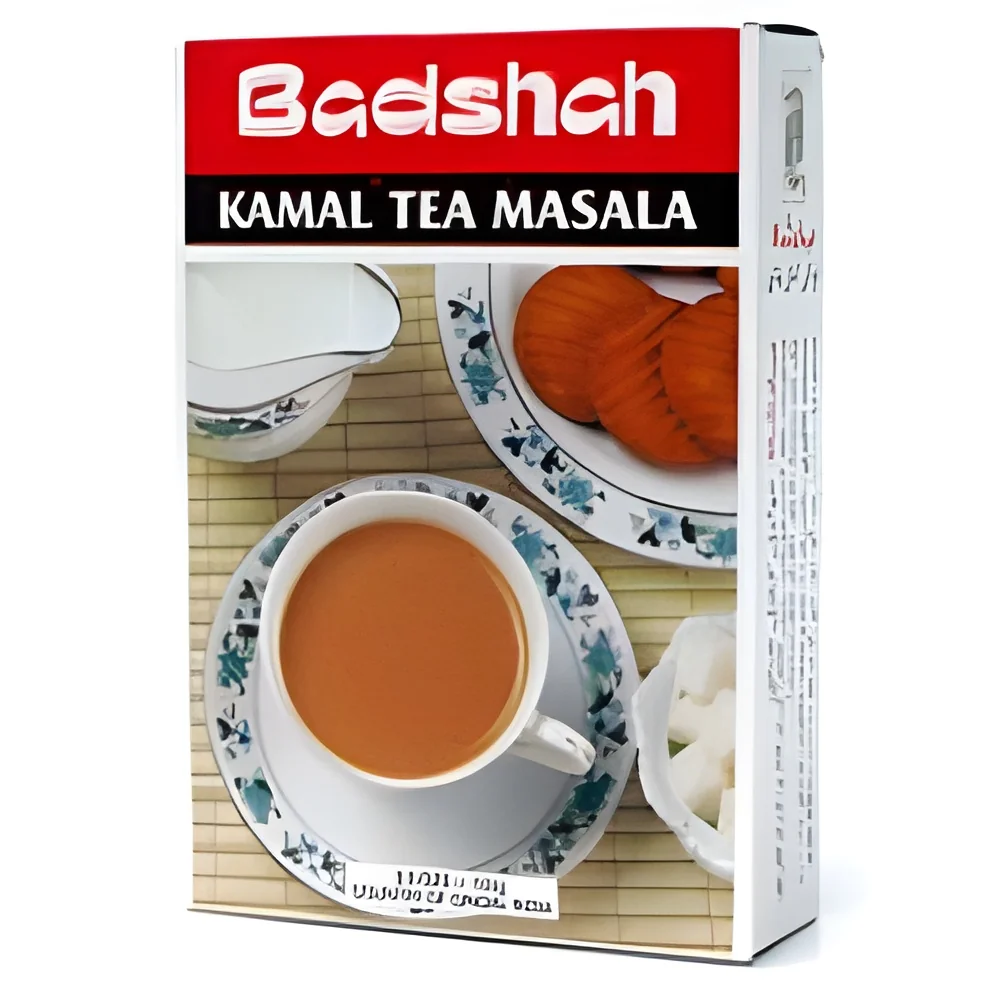
Tea Masala is a blend of spices that enhances the flavor and aroma of tea. It typically includes ingredients such as cardamom, ginger, cloves, and black pepper, which are finely ground and mixed to create a unique flavor profile. The primary purpose of Tea Masala is to add warmth and depth to the beverage, making it a popular choice among tea drinkers, especially in regions like India where chai is a staple.
In business applications, Tea Masala is often used in cafes, restaurants, and food processing units where tea is served. It can also be marketed as a packaged product for consumers who wish to prepare spiced tea at home. The growing demand for specialty teas and artisanal beverages has contributed to the increasing relevance of Tea Masala in the beverage industry, creating opportunities for suppliers and manufacturers.
With the rise in consumer interest for authentic and flavorful beverages, the Tea Masala market continues to expand. This growth is supported by the trend toward natural and health-focused products, as many spices in Tea Masala are believed to have health benefits. As a result, businesses involved in the food and beverage sector can find significant opportunities in sourcing and offering high-quality Tea Masala.
Key Features and Specifications
Tea Masala is characterized by its unique flavor profile and quality ingredients. Businesses looking to source this product should be aware of its key specifications, which can influence their purchasing decisions.
Key specifications include:
1. Flavor Profile
- A combination of sweet, spicy, and aromatic elements
- Varies based on the blend of spices used
2. Ingredient Quality
- Made from natural, high-quality spices
- Free from artificial additives and preservatives
3. Packaging Options
- Available in bulk, retail packs, or customized packaging
- Ensures freshness and quality during transit
4. Shelf Life
- Typically has a shelf life of 12 to 24 months when stored properly
- Best when kept in a cool, dry place away from direct sunlight
5. Minimum Order Quantity (MOQ)
- Varies by supplier, typically ranging from 10 kg to 100 kg
- Important for businesses to consider when placing orders
6. Compliance Standards
- Should meet food safety regulations and industry standards
- Certification such as CE may be required
7. Customization Options
- Possibility of creating proprietary blends for specific customer needs
- Tailored spice levels and ingredient combinations available
In summary, understanding these specifications helps businesses make informed decisions when sourcing Tea Masala to ensure quality and consistency in their offerings.
Common Applications and Use Cases
Tea Masala serves various industries with its versatile applications.
1. Cafes and Restaurants: Many food establishments use Tea Masala to create signature chai recipes, enhancing the customer experience with unique flavors.
2. Food Processing Units: Manufacturers often incorporate Tea Masala into ready-to-drink beverages or packaged tea products, catering to consumer preferences for spiced tea.
3. Retail and E-commerce: Companies that sell packaged Tea Masala can target home consumers looking for convenient ways to enjoy spiced tea without the hassle of blending spices themselves.
4. Catering Services: Many catering companies utilize Tea Masala in their beverage offerings, especially for events that require traditional and flavorful tea options.
5. Herbal and Functional Beverage Brands: Businesses focused on health-conscious products may use Tea Masala for its perceived health benefits, appealing to wellness-oriented consumers.
6. Hospitality Industry: Hotels and resorts often feature Tea Masala in their beverage menus, providing guests with local flavor experiences.
7. Export Markets: There is a growing demand for authentic Indian spices, including Tea Masala, in international markets, opening opportunities for exporters.
Product Variants and Subcategories
Tea Masala offers a variety of blends to cater to different tastes and preferences.
Traditional Masala Blend: This variant typically includes classic spices like cardamom, ginger, and cinnamon, making it ideal for traditional chai preparation. It is popular among consumers seeking authentic flavor.
Ginger Tea Masala: Focused on the warming properties of ginger, this variant is perfect for those who enjoy a spicier kick in their tea. It is often marketed as a health-boosting option.
Cardamom Tea Masala: Highlighting the aromatic qualities of cardamom, this blend is favored for its sweet and floral notes. It appeals to consumers looking for a lighter flavor profile.
Spicy Tea Masala: This variant includes additional spices such as black pepper and cloves for an intense flavor experience. It is targeted toward those who prefer a robust and spicy tea.
Herbal Tea Masala: Blending traditional spices with herbal ingredients, this variant aims at health-conscious consumers seeking functional benefits from their tea experience.
Benefits and Advantages
Sourcing Tea Masala provides numerous benefits for businesses in the food and beverage sector.
1. Enhanced Flavor: Tea Masala significantly improves the taste of tea, making it more appealing to consumers who enjoy spiced beverages.
2. Diverse Offerings: Incorporating Tea Masala allows businesses to diversify their product range and attract a broader customer base.
3. Health Benefits: Many spices in Tea Masala are known for their potential health advantages, appealing to health-conscious consumers.
4. Authentic Experiences: Providing traditional spiced tea helps businesses connect with cultural heritage, enhancing the overall customer experience.
5. Customization Potential: The ability to create unique blends allows businesses to differentiate themselves in a competitive market.
6. Growing Market Demand: The increasing popularity of specialty teas creates opportunities for businesses to capitalize on the trend of artisanal and flavorful beverages.
Buying Guide for B2B Buyers
When sourcing Tea Masala, businesses should consider several key factors to ensure they make informed purchasing decisions.
1. Quality Assessment: Evaluate the quality of spices used in the blend. Look for suppliers who provide samples and detailed ingredient information to assess taste and freshness.
2. Supplier Verification: Conduct thorough research to verify suppliers' credentials. Look for established businesses with a good reputation in the industry and positive customer feedback.
3. Pricing and MOQ: Understand the pricing structure and minimum order quantities. This can impact overall costs and inventory management for businesses.
4. Delivery and Lead Times: Consider the logistical aspects, including lead times for delivery. Reliable suppliers should provide clear timelines to ensure timely stock replenishment.
5. Compliance Requirements: Ensure that the Tea Masala meets local and international food safety regulations. Suppliers should have necessary certifications to guarantee compliance.
Compliance and Certifications
Compliance and certifications are essential aspects of sourcing Tea Masala. Businesses should be aware of relevant quality standards such as ISO 9001 and HACCP, which ensure that products meet safety and quality criteria.
Industry certifications like CE indicate that the product complies with European health, safety, and environmental protection standards. It is crucial for suppliers to maintain these certifications to build trust with buyers.
Safety and testing requirements must also be considered. Regular testing for contaminants and adherence to safety protocols are important to ensure the integrity of the product.
Regional compliance considerations may vary. Businesses should stay informed about local regulations and standards in their target markets to avoid potential legal issues.
Why Source Tea Masala from Pepagora?
Pepagora provides a trusted platform for sourcing Tea Masala with several key advantages.
Verified Supplier Network: Pepagora offers an extensive network of verified suppliers, ensuring that buyers can find reliable sources of high-quality Tea Masala. This verification process helps eliminate risks associated with sourcing from unproven vendors.
Streamlined RFQ Process: The platform features a user-friendly Request for Quotation (RFQ) process, allowing buyers to easily request quotes from multiple suppliers. This simplifies the procurement process and encourages competitive pricing.
Trade Assurance and Support: Pepagora emphasizes buyer protection through trade assurance programs. This support provides peace of mind to businesses when making purchases, knowing that they are backed by reliable guarantees.
Regional Coverage: With a strong presence in regions like India, the GCC, and Southeast Asia, Pepagora facilitates access to a diverse range of Tea Masala suppliers. This geographic reach allows businesses to tap into local markets and benefit from regional specialties.

 IN
IN