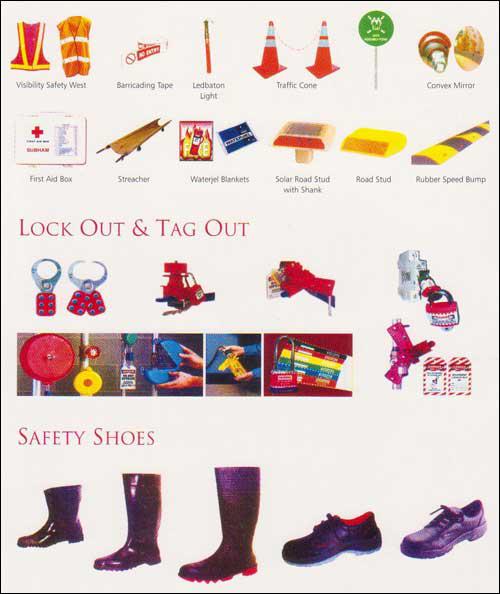
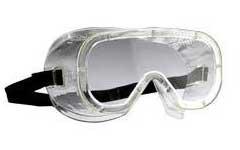
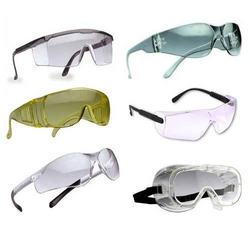
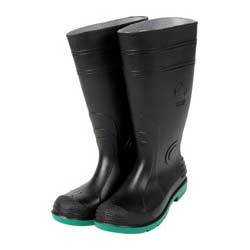
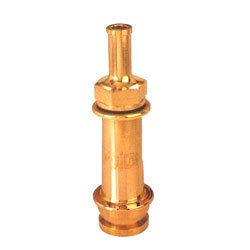
𝗪𝗵𝗮𝘁 𝗮𝗿𝗲 𝗪𝗼𝗿𝗸𝘀𝗵𝗼𝗽 𝗦𝗮𝗳𝗲𝘁𝘆 𝗘𝗾𝘂𝗶𝗽𝗺𝗲𝗻𝘁?
Workshop safety equipment encompasses a range of protective gear and tools designed to ensure safety in industrial and workshop environments. This equipment includes items such as personal protective equipment (PPE), safety signage, emergency response tools, and fire safety equipment. The primary goal is to minimize risks associated with workplace hazards, thereby safeguarding the health and well-being of workers.
The primary uses of workshop safety equipment are to prevent accidents and injuries in settings where machinery, chemicals, and other hazards are present. Businesses in manufacturing, construction, automotive, and other industrial sectors rely on this equipment to maintain safe working conditions. By implementing adequate safety measures, companies not only comply with regulatory requirements but also foster a culture of safety that can lead to increased productivity and employee morale.
In today's market, there is a growing emphasis on workplace safety due to stricter regulations and heightened awareness of occupational hazards. Industries are increasingly investing in advanced safety equipment to protect their workforce. With the rise of technology, the market is seeing innovations in safety gear that improve functionality and comfort, making it essential for businesses to stay updated on trends and developments in workshop safety equipment.
𝗞𝗲𝘆 𝗙𝗲𝗮𝘁𝘂𝗿𝗲𝘀 𝗮𝗻𝗱 𝗦𝗽𝗲𝗰𝗶𝗳𝗶𝗰𝗮𝘁𝗶𝗼𝗻𝘀
Workshop safety equipment is characterized by several key features that ensure effective protection and usability in various work environments. Understanding these specifications is crucial for businesses to select appropriate equipment that meets their specific safety needs.
Key specifications include:
1. Material Durability
- High-quality materials such as reinforced fabrics, steel, and impact-resistant plastics.
- Designed to withstand wear, tear, and exposure to hazardous substances.
2. Compliance Standards
- Equipment must meet local and international safety standards, such as CE marking.
- Ensures reliability and safety in compliance with industry regulations.
3. Comfort and Ergonomics
- Equipment should be designed for user comfort to encourage consistent use.
- Adjustable features, breathable materials, and lightweight construction are essential.
4. Visibility Features
- High-visibility colors and reflective strips enhance safety in low-light conditions.
- Important for workers operating in areas with moving machinery.
5. Size and Fit Options
- Availability of various sizes to accommodate different body types.
- Ensures that safety gear fits properly for maximum effectiveness.
6. Maintenance Requirements
- Easy to clean and maintain to ensure long-term usability.
- Some equipment may require specific care to maintain safety performance.
7. Versatility
- Multi-functional equipment that can be used across different applications.
- Adaptable to various environmental conditions and hazards.
In summary, the key features and specifications of workshop safety equipment are critical in determining its effectiveness and suitability for specific industrial applications.
𝗖𝗼𝗺𝗺𝗼𝗻 𝗔𝗽𝗽𝗹𝗶𝗰𝗮𝘁𝗶𝗼𝗻𝘀 𝗮𝗻𝗱 𝗨𝘀𝗲 𝗖𝗮𝘀𝗲𝘀
Workshop safety equipment is vital across numerous industries, where safety is paramount. Its applications vary depending on the specific hazards present in different work environments.
1. Manufacturing: In manufacturing settings, safety equipment protects workers from machinery hazards and chemical exposure. Personal protective equipment such as helmets, gloves, and goggles is commonly used.
2. Construction: The construction industry demands robust safety measures to prevent falls and injuries. Equipment like harnesses, hard hats, and reflective vests are essential for worker safety on-site.
3. Automotive: Automotive workshops require specialized safety gear to protect against chemical spills and sharp objects. Safety gloves, eye protection, and proper footwear are critical components.
4. Warehousing: In warehouses, safety equipment is necessary to prevent injuries from heavy lifting and moving machinery. Forklift safety training gear and anti-slip footwear are commonly used.
5. Laboratories: Laboratory safety equipment protects workers from exposure to hazardous substances. Items like lab coats, safety goggles, and fume hoods are vital in ensuring a safe working environment.
6. Oil and Gas: The oil and gas industry faces unique hazards, making safety equipment indispensable. Fire-resistant clothing, helmets, and gas detection devices are critical for worker safety.
7. Food Processing: In food processing facilities, hygiene and safety are paramount. Equipment must meet food safety standards, including gloves, masks, and safety footwear.
𝗣𝗿𝗼𝗱𝘂𝗰𝘁 𝗩𝗮𝗿𝗶𝗮𝗻𝘁𝘀 𝗮𝗻𝗱 𝗦𝘂𝗯𝗰𝗮𝘁𝗲𝗴𝗼𝗿𝗶𝗲𝘀
Workshop safety equipment comes in a variety of forms to cater to specific needs and applications. This diversity allows businesses to select the most appropriate safety gear based on their operational requirements.
Personal Protective Equipment (PPE)
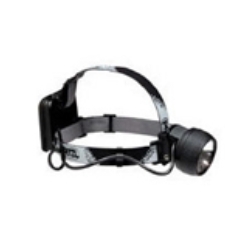
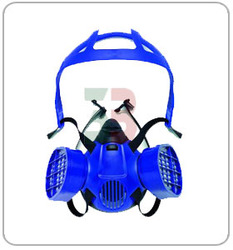
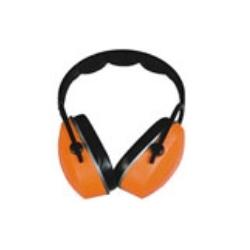
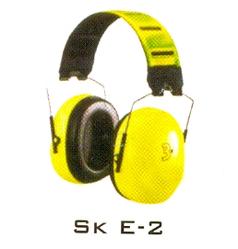
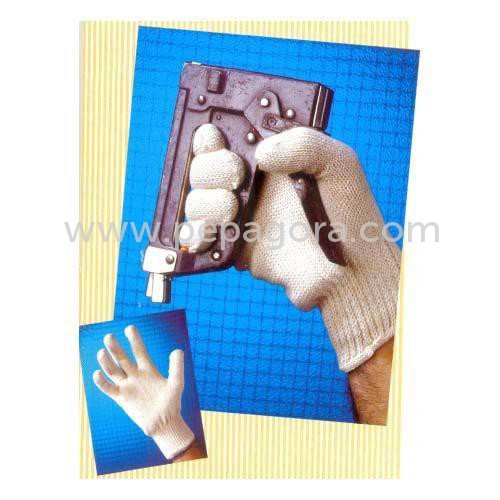
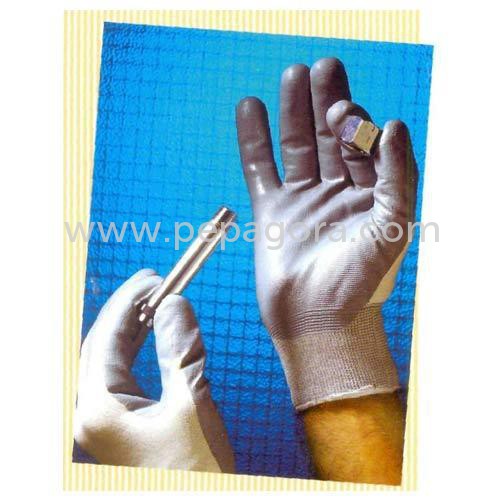
PPE includes items such as helmets, gloves, masks, and protective clothing. These items are designed to protect workers from physical hazards, chemical exposure, and other workplace dangers.
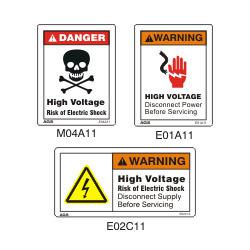
Safety Signage
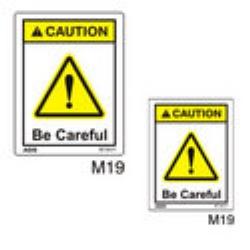
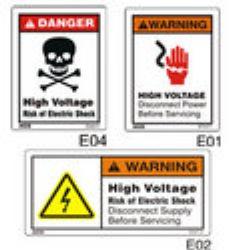
Safety signs provide essential information and warnings about potential hazards. They guide workers on safe practices and emergency procedures, ensuring a safer work environment.
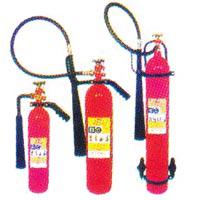
Fire Safety Equipment
Fire safety gear includes extinguishers, fire blankets, and alarms. This equipment is critical for preventing and responding to fire hazards in workshops and industrial settings.
First Aid Kits
First aid kits are essential for immediate response to workplace injuries. They contain medical supplies and equipment necessary for treating minor injuries and stabilizing serious cases until professional help arrives.
Ergonomic Tools
Ergonomic tools are designed to reduce strain and enhance comfort during tasks. This equipment helps prevent musculoskeletal disorders among workers engaged in repetitive or strenuous activities.
𝗕𝗲𝗻𝗲𝗳𝗶𝘁𝘀 𝗮𝗻𝗱 𝗔𝗱𝘃𝗮𝗻𝘁𝗮𝗴𝗲𝘀
Investing in workshop safety equipment offers numerous advantages that contribute to a safer and more efficient work environment. These benefits extend beyond compliance with regulations.
1. Enhanced Worker Safety: The primary advantage is the reduction of workplace accidents and injuries. Proper safety equipment significantly lowers the risk of harm to employees.
2. Improved Productivity: A safe work environment fosters higher productivity levels. Employees are more focused and efficient when they feel secure in their surroundings.
3. Regulatory Compliance: Adhering to safety standards and regulations helps businesses avoid legal penalties and enhances their reputation in the industry.
4. Cost Savings: By preventing accidents and injuries, companies can save on medical costs, insurance premiums, and potential litigation expenses.
5. Employee Morale: Providing adequate safety equipment demonstrates a commitment to employee well-being, boosting morale and job satisfaction.
6. Reduced Downtime: Fewer accidents lead to less downtime. This continuity is crucial for maintaining operational efficiency and meeting production targets.
𝗕𝘂𝘆𝗶𝗻𝗴 𝗚𝘂𝗶𝗱𝗲 𝗳𝗼𝗿 𝗕𝟮𝗕 𝗕𝘂𝘆𝗲𝗿𝘀
When sourcing workshop safety equipment, B2B buyers should consider several important factors to ensure they select the right products for their needs.
1. Quality Assessment: Evaluate the quality of materials and construction. High-quality safety equipment should meet applicable safety standards and pass rigorous testing.
2. Supplier Verification: It is essential to vet suppliers to ensure they have a reputation for reliability and quality. Look for certifications and customer reviews that attest to their credibility.
3. Pricing and MOQ: Understand the pricing structure and minimum order quantities. Compare quotes from multiple suppliers to get the best value while ensuring quality.
4. Delivery and Lead Times: Consider logistics and delivery timelines. Ensure suppliers can meet your project's deadlines to avoid disruptions.
5. Compliance Requirements: Familiarize yourself with industry-specific compliance regulations. Ensure that the equipment you purchase meets all necessary safety and health standards.
𝗖𝗼𝗺𝗽𝗹𝗶𝗮𝗻𝗰𝗲 𝗮𝗻𝗱 𝗖𝗲𝗿𝘁𝗶𝗳𝗶𝗰𝗮𝘁𝗶𝗼𝗻𝘀
Compliance and certifications play a crucial role in ensuring that workshop safety equipment meets safety and quality standards. Key aspects include adherence to relevant quality standards such as ISO 9001, which focuses on quality management systems and continuous improvement.
Additionally, industry certifications such as CE marking indicate that products meet European safety, health, and environmental protection standards. This certification is essential for gaining access to the European market and signifies a commitment to quality and safety.
Safety and testing requirements vary by product and industry. Manufacturers must conduct thorough testing to ensure their equipment performs as intended under various conditions. Regional compliance considerations also come into play, as different regions may have specific regulations that must be adhered to.
𝗪𝗵𝘆 𝗦𝗼𝘂𝗿𝗰𝗲 𝗪𝗼𝗿𝗸𝘀𝗵𝗼𝗽 𝗦𝗮𝗳𝗲𝘁𝘆 𝗘𝗾𝘂𝗶𝗽𝗺𝗲𝗻𝘁 𝗳𝗿𝗼𝗺 𝗣𝗲𝗽𝗮𝗴𝗼𝗿𝗮?
Pepagora provides a trusted platform for sourcing workshop safety equipment, offering several key advantages that streamline the purchasing process for B2B buyers.
Verified Supplier Network: Pepagora offers a network of verified suppliers that ensures buyers have access to quality products from reputable manufacturers. This verification process helps mitigate risks associated with sourcing.
Streamlined RFQ Process: The request for quotation (RFQ) system simplifies the procurement process. Buyers can easily request quotes from multiple suppliers, facilitating comparison and informed decision-making.
Trade Assurance and Support: Pepagora provides trade assurance to protect buyers' investments. This includes support throughout the purchasing process, ensuring that buyers receive the products and services they expect.
Regional Coverage: With a strong presence in India, the GCC, and Southeast Asia, Pepagora offers extensive regional coverage. This geographic reach ensures that businesses can connect with suppliers that are best suited to their logistical needs, enhancing efficiency and reducing costs.

 IN
IN

 India
India