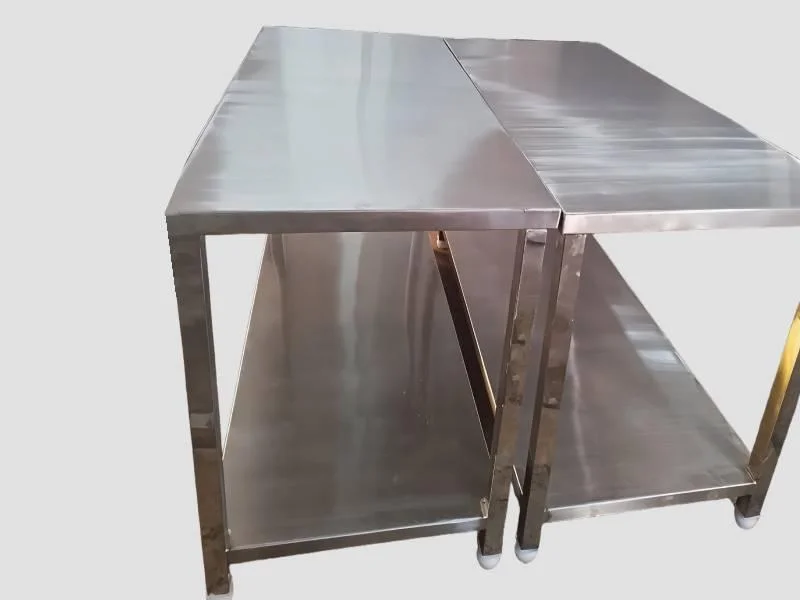
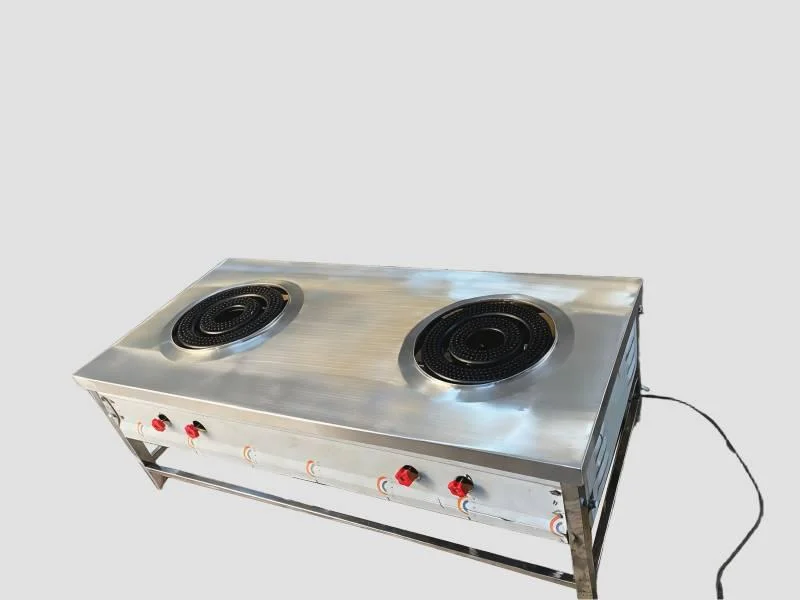
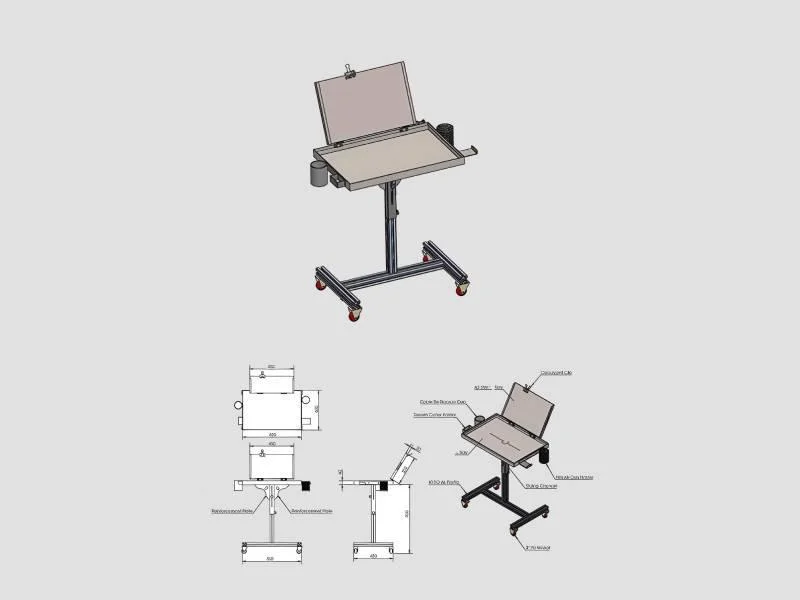
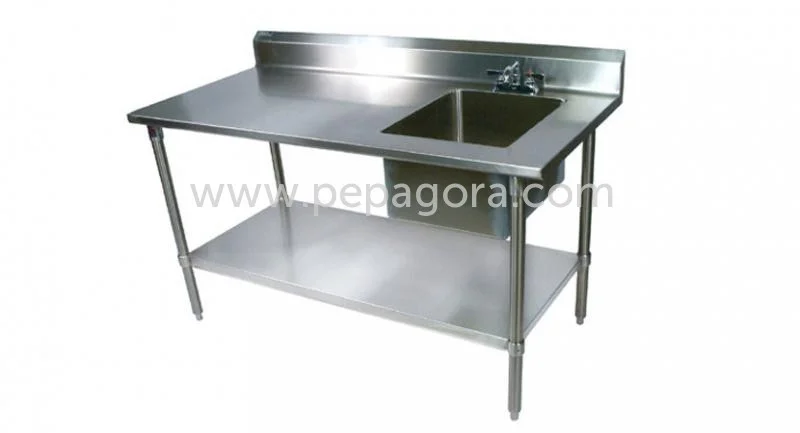
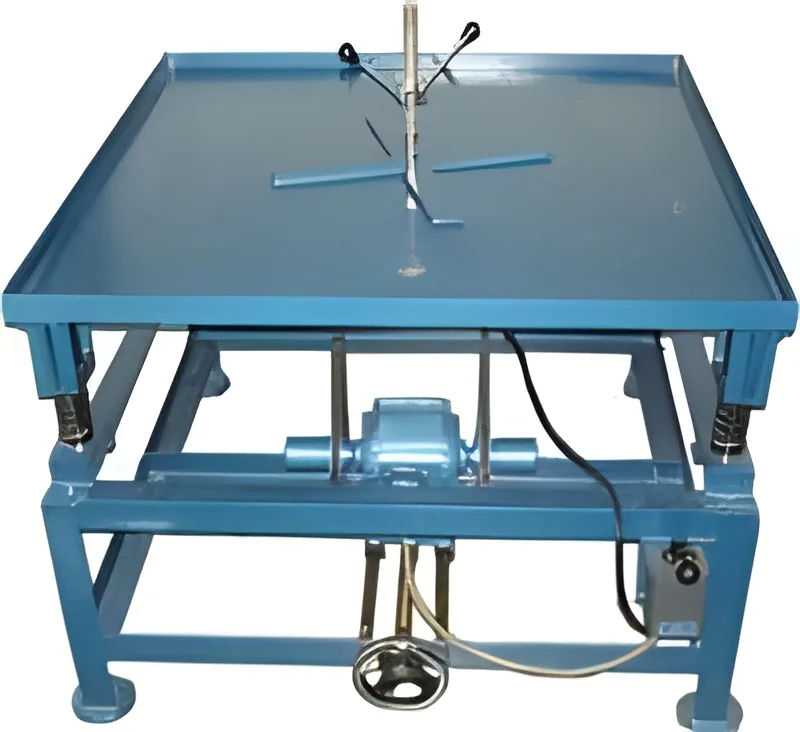
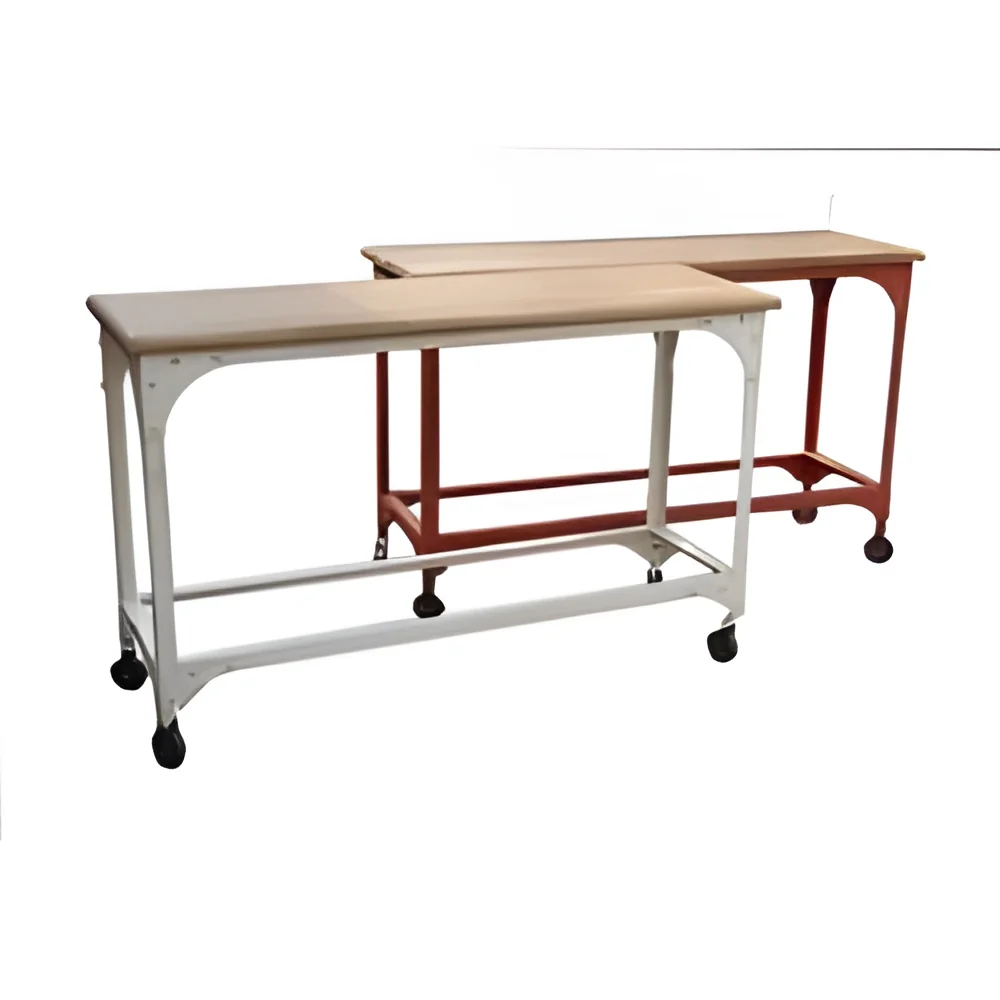
What are Workbenches & Tool Tables?
Workbenches and tool tables are essential components in various industrial and commercial settings. They are sturdy surfaces designed to facilitate a range of tasks, from assembly and manufacturing to tool organization and maintenance. Typically constructed from durable materials, these work surfaces provide the stability and support necessary for efficient workflows.
These products are commonly used in workshops, garages, factories, and laboratories. Their primary applications include assembling products, repairing tools, conducting experiments, and organizing equipment. Businesses leverage workbenches and tool tables to enhance productivity, streamline processes, and improve workspace organization. In the current market, the demand for ergonomic and space-efficient solutions continues to drive innovation in this segment, making it highly relevant across numerous industries.
Key Features and Specifications
Workbenches and tool tables are designed with specific features that cater to various industrial needs. Understanding these specifications is crucial for selecting the right product that fits your requirements.
Key specifications include:
1. Load Capacity
- This specification indicates the maximum weight the workbench or tool table can support.
- Typical ranges are from 300 to 1,500 pounds, depending on the design and materials used.
2. Surface Material
- The work surface can be made from wood, metal, or composite materials.
- Each material offers different durability and resistance to wear and tear.
3. Dimensions
- Standard dimensions vary but often include widths of 30 to 72 inches and depths of 24 to 36 inches.
- Height can be adjustable or fixed, typically ranging from 30 to 40 inches.
4. Storage Solutions
- Many workbenches come with integrated drawers, shelves, or pegboards.
- These features help organize tools and components for easy access.
5. Mobility
- Some models include wheels for easy transport, while others are stationary.
- Mobility features allow flexibility in workspace arrangement.
6. Customization Options
- Many suppliers offer customization options for size, color, and additional features.
- Custom solutions can meet specific industry needs.
7. Safety Features
- Some workbenches are equipped with anti-slip surfaces or rounded edges.
- Safety features are crucial in preventing accidents during heavy use.
In summary, selecting workbenches and tool tables requires a thorough understanding of their features and specifications to ensure they meet operational needs.
Common Applications and Use Cases
Workbenches and tool tables find application across a broad range of industries, each with unique requirements.
1. Manufacturing: In manufacturing settings, workbenches are used for assembling products and managing workflows. They enhance efficiency and organization on the production line.
2. Automotive: Automotive workshops utilize tool tables for vehicle repairs and maintenance. These surfaces provide the necessary space and stability for handling tools and parts.
3. Electronics: In electronics, workbenches are essential for assembling and testing components. They often feature specialized storage for small parts and tools.
4. Laboratories: Labs use tool tables for conducting experiments and organizing equipment. Their design promotes cleanliness and accessibility.
5. Construction: In construction, portable workbenches are employed for on-site tasks. Their durability and mobility make them ideal for various job sites.
6. Warehousing: Tool tables in warehouses facilitate inventory management and packing processes. They provide a solid surface for organizing goods.
7. DIY and Home Improvement: Home improvement enthusiasts use workbenches for various projects. These tables support woodworking, repairs, and crafting activities.
Product Variants and Subcategories
Workbenches and tool tables come in various designs to cater to specific needs.
Heavy-Duty Workbenches
These benches are built to support significant weight and are ideal for industrial environments. They often feature reinforced frames and robust surfaces for durability.
Mobile Workbenches
Designed for flexibility, mobile workbenches come with wheels for easy transport. They are suitable for workshops that require adaptability in layout and space management.
Adjustable Height Workbenches
These benches allow users to modify the height to suit different tasks. This feature promotes ergonomic use and is beneficial in settings where multiple users operate the same bench.
Workbench Stations
These are comprehensive setups that include additional storage and tool organization features. Workstation benches are ideal for specialized applications such as electronics assembly.
Benefits and Advantages
Workbenches and tool tables offer numerous benefits that enhance workplace efficiency and safety.
1. Improved Organization: They provide designated spaces for tools and materials, reducing clutter and increasing productivity.
2. Enhanced Ergonomics: Many designs focus on ergonomic principles, helping to reduce strain and fatigue during prolonged use.
3. Increased Productivity: A well-organized workspace enables faster completion of tasks, contributing to overall business efficiency.
4. Versatility: Workbenches can be adapted for various tasks across different industries, making them a valuable investment.
5. Durability: High-quality materials ensure long-lasting use, reducing the need for frequent replacements.
6. Safety: Many designs incorporate features that prevent accidents, contributing to a safer work environment.
Buying Guide for B2B Buyers
When sourcing workbenches and tool tables, buyers should consider several crucial factors to ensure they make informed decisions.
1. Quality Assessment: Evaluate the materials and construction quality. Look for certifications that indicate compliance with industry standards.
2. Supplier Verification: Research potential suppliers to ensure they have a reliable track record. Check for reviews, ratings, and previous client references.
3. Pricing and MOQ: Understand the pricing structure and minimum order quantities. Compare offers from different suppliers to find the best value.
4. Delivery and Lead Times: Consider the logistics involved in delivery. Confirm lead times to ensure timely receipt of products.
5. Compliance Requirements: Be aware of any regulatory compliance necessary for specific industries. Ensure that products meet relevant safety and quality standards.
Compliance and Certifications
Compliance and certifications are vital in ensuring that workbenches and tool tables meet industry standards.
Common quality standards include ISO 9001, which addresses quality management systems, ensuring consistent quality in products. Other relevant certifications may include HACCP for food safety and GDP for good distribution practices.
CE certification is essential for products sold in European markets, indicating compliance with health, safety, and environmental protection standards.
Safety and testing requirements often pertain to load capacity and material durability, ensuring that products can withstand rigorous use.
Regional compliance considerations may vary, so it is important for buyers to verify local regulations applicable to their industry.
Why Source Workbenches & Tool Tables from Pepagora?
Pepagora provides a trusted platform for sourcing workbenches and tool tables, facilitating access to high-quality products.
Verified Supplier Network: Pepagora connects buyers with a network of verified suppliers. This ensures that all suppliers meet strict quality and reliability standards.
Streamlined RFQ Process: The platform simplifies the request for quotation process, allowing buyers to receive and compare offers efficiently. This helps in making quick and informed purchasing decisions.
Trade Assurance and Support: Pepagora offers buyer protection through trade assurance policies, safeguarding purchases against discrepancies and ensuring satisfaction.
Regional Coverage: With a strong presence in India, the GCC, and Southeast Asia, Pepagora provides extensive regional coverage. This allows buyers to access local suppliers while benefiting from competitive pricing and support.
By choosing Pepagora, businesses can secure the right workbenches and tool tables to enhance their operations effectively.

 IN
IN

 India
India