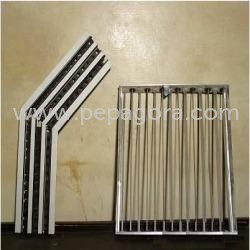
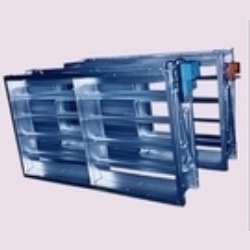
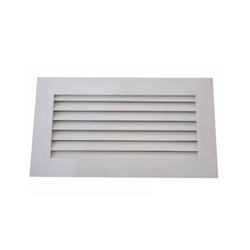
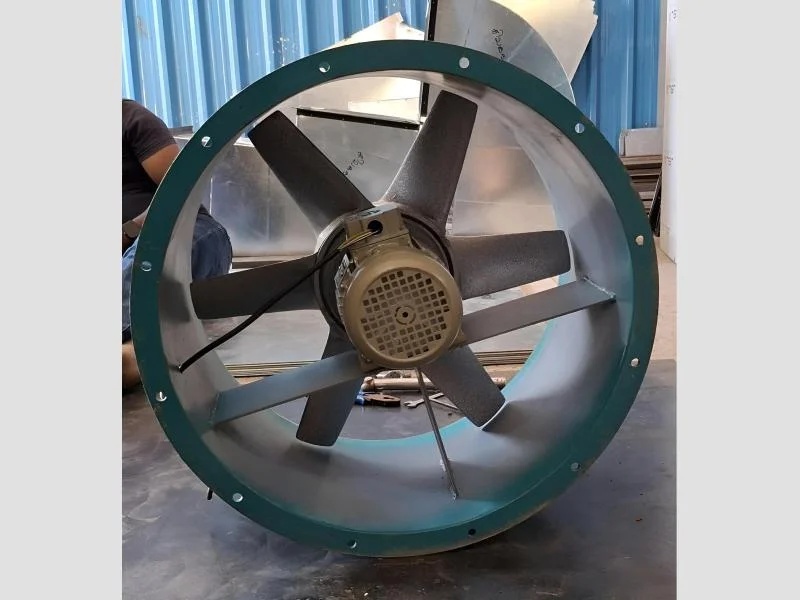
𝗪𝗵𝗮𝘁 𝗮𝗿𝗲 𝗩𝗲𝗻𝘁𝗶𝗹𝗮𝘁𝗶𝗼𝗻 𝗦𝘆𝘀𝘁𝗲𝗺𝘀?
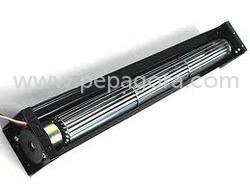
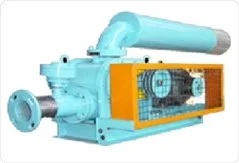
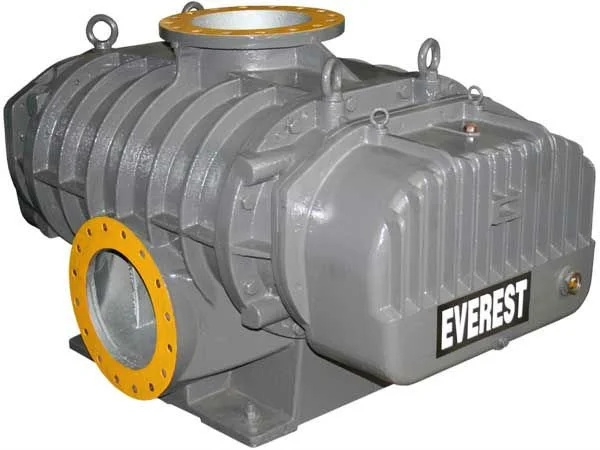
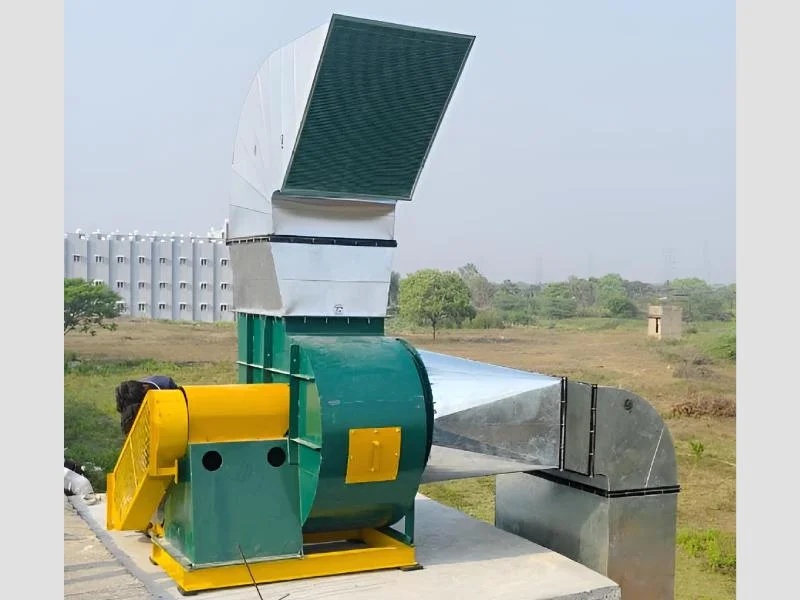
Ventilation systems are integral components in various industries, designed to ensure a continuous flow of fresh air while removing contaminants from indoor environments. These systems can be mechanical or natural, depending on the method of air circulation. Mechanical systems use fans and ducts, while natural systems rely on air movement through windows, vents, and other openings. The primary function of ventilation is to maintain air quality and thermal comfort, which is crucial for both human health and productivity.
In industrial settings, ventilation systems are employed to control temperature, reduce humidity, and manage indoor air pollutants. They find applications in manufacturing plants, warehouses, laboratories, and food processing facilities. Proper ventilation helps in compliance with health and safety regulations, making it essential for operational efficiency. The market for ventilation systems is growing, driven by increasing awareness regarding indoor air quality and stringent regulations across various sectors.
𝗞𝗲𝘆 𝗙𝗲𝗮𝘁𝘂𝗿𝗲𝘀 𝗮𝗻𝗱 𝗦𝗽𝗲𝗰𝗶𝗳𝗶𝗰𝗮𝘁𝗶𝗼𝗻𝘀
Ventilation systems come with a variety of features and specifications tailored to meet specific industrial needs. Understanding these specifications is crucial for selecting the right system for your business.
Key specifications include:
1. Airflow Rate
- Measurement of the volume of air moved by the system
- Typically measured in cubic feet per minute (CFM)
2. Energy Efficiency
- Rating that indicates the system's energy consumption
- Higher efficiency ratings lead to lower operational costs
3. Noise Level
- Measurement of sound produced by the system during operation
- Usually measured in decibels (dB)
4. Filtration System
- Type of filters used to remove particulates and contaminants from the air
- Different filter ratings such as HEPA or MERV
5. Control Options
- Availability of automated controls and sensors
- Options for manual or programmable settings
6. Ductwork Compatibility
- Suitability for existing ductwork or need for new installation
- Consideration of duct size and material
7. Temperature Control Features
- Ability to maintain desired temperature levels
- Options for heating or cooling capabilities
8. Humidity Control
- Systems designed to regulate moisture levels in the air
- Important for processes sensitive to humidity changes
In summary, understanding these features and specifications helps businesses select ventilation systems that align with their operational requirements.
𝗖𝗼𝗺𝗺𝗼𝗻 𝗔𝗽𝗽𝗹𝗶𝗰𝗮𝘁𝗶𝗼𝗻𝘀 𝗮𝗻𝗱 𝗨𝘀𝗲 𝗖𝗮𝘀𝗲𝘀
Ventilation systems play a pivotal role in a variety of industrial applications.
1. Manufacturing: In manufacturing facilities, ventilation systems remove harmful fumes and dust particles generated during production processes. They help maintain a safe working environment and comply with health regulations.
2. Food Processing: In food processing plants, proper ventilation is essential for maintaining hygiene and preventing the growth of mold and bacteria. These systems ensure the air quality meets food safety standards.
3. Warehousing: Warehouses often require ventilation systems to manage temperature and humidity levels, especially when storing sensitive products. They help protect inventory and improve working conditions for staff.
4. Chemical Processing: In chemical plants, ventilation systems are critical for controlling toxic vapors and gases. They ensure that workers are not exposed to hazardous substances.
5. Laboratories: Laboratories need precise ventilation to maintain air quality and prevent contamination of experiments. Specialized systems help in controlling airflow and filtration.
𝗣𝗿𝗼𝗱𝘂𝗰𝘁 𝗩𝗮𝗿𝗶𝗮𝗻𝘁𝘀 𝗮𝗻𝗱 𝗦𝘂𝗯𝗰𝗮𝘁𝗲𝗴𝗼𝗿𝗶𝗲𝘀
Ventilation systems come in a range of variants to cater to different industrial needs.
Exhaust Ventilation Systems
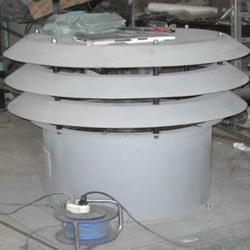
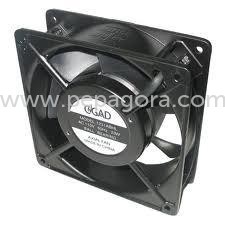
These systems are designed to expel stale air and contaminants from a facility. They are often used in kitchens, laboratories, and manufacturing plants to ensure a safe and comfortable environment.
Supply Ventilation Systems
Supply ventilation systems bring in fresh air from outside to replace stale indoor air. They are commonly used in offices and commercial buildings to enhance air quality and comfort.
Balanced Ventilation Systems
These systems combine both exhaust and supply ventilation to maintain a balanced airflow. They are ideal for environments where both air quality and energy efficiency are priorities.
𝗕𝗲𝗻𝗲𝗳𝗶𝘁𝘀 𝗮𝗻𝗱 𝗔𝗱𝘃𝗮𝗻𝘁𝗮𝗴𝗲𝘀
Investing in ventilation systems offers numerous benefits to businesses.
1. Improved Air Quality: Ventilation systems significantly enhance indoor air quality by removing pollutants and providing fresh air.
2. Enhanced Comfort: By regulating temperature and humidity, these systems create a more comfortable working environment for employees.
3. Compliance with Regulations: Proper ventilation helps businesses meet health and safety standards, reducing the risk of penalties.
4. Energy Efficiency: Modern ventilation systems are designed to operate efficiently, lowering energy costs over time.
5. Increased Productivity: A well-ventilated environment contributes to employee well-being and productivity, leading to better overall performance.
6. Reduced Maintenance Costs: Effective ventilation can minimize the build-up of dust and contaminants, leading to lower maintenance needs for equipment and facilities.
𝗕𝘂𝘆𝗶𝗻𝗴 𝗚𝘂𝗶𝗱𝗲 𝗳𝗼𝗿 𝗕𝟮𝗕 𝗕𝘂𝘆𝗲𝗿𝘀
When looking to purchase ventilation systems, it is important for buyers to consider several factors to ensure a successful acquisition.
1. Quality Assessment: Evaluate the quality of the system by checking certifications and compliance with industry standards. Look for systems that meet recognized quality benchmarks.
2. Supplier Verification: Vet suppliers by reviewing their history, customer feedback, and certifications. A reliable supplier will have a proven track record of delivering high-quality products.
3. Pricing and MOQ: Understand the pricing structure and minimum order quantities (MOQ) required by suppliers. This helps in budgeting and planning your purchase effectively.
4. Delivery and Lead Times: Discuss logistics with suppliers to understand delivery schedules and lead times. Timely delivery is crucial to maintain project timelines.
5. Compliance Requirements: Ensure that the chosen ventilation system complies with local and international regulations. This includes safety standards and environmental regulations.
𝗖𝗼𝗺𝗽𝗹𝗶𝗮𝗻𝗰𝗲 𝗮𝗻𝗱 𝗖𝗲𝗿𝘁𝗶𝗳𝗶𝗰𝗮𝘁𝗶𝗼𝗻𝘀
Ventilation systems are subject to various quality and safety standards that ensure their efficiency and reliability.
ISO 9001 is a widely recognized standard that outlines quality management principles. Compliance with this standard indicates that the manufacturer consistently meets customer and regulatory requirements.
CE certification is essential for ventilation systems sold in Europe, indicating that the product meets health, safety, and environmental protection standards.
Safety and testing requirements are also critical, with products undergoing rigorous assessments to ensure they operate safely under expected conditions.
Regional compliance considerations may vary based on local laws and regulations, making it important for buyers to be aware of these factors when sourcing systems.
𝗪𝗵𝘆 𝗦𝗼𝘂𝗿𝗰𝗲 𝗩𝗲𝗻𝘁𝗶𝗹𝗮𝘁𝗶𝗼𝗻 𝗦𝘆𝘀𝘁𝗲𝗺𝘀 𝗳𝗿𝗼𝗺 𝗣𝗲𝗽𝗮𝗴𝗼𝗿𝗮?
Pepagora offers a trusted platform for sourcing ventilation systems, providing several key advantages for businesses.
Verified Supplier Network: Pepagora ensures that all suppliers are thoroughly vetted for quality and reliability. This gives buyers the confidence that they are working with trustworthy partners.
Streamlined RFQ Process: The request for quotation process is simplified, allowing buyers to easily compare offers and select the best option based on their specific needs.
Trade Assurance and Support: Buyers are protected through trade assurance, ensuring that financial transactions are secure and that support is available throughout the purchasing process.
Regional Coverage: With extensive reach into markets such as India, the GCC, and Southeast Asia, Pepagora connects businesses with suppliers that can meet their ventilation system needs effectively and efficiently.

 IN
IN
 India
India