
 IN
Vat Dyes
13 products available
What are Vat Dyes?
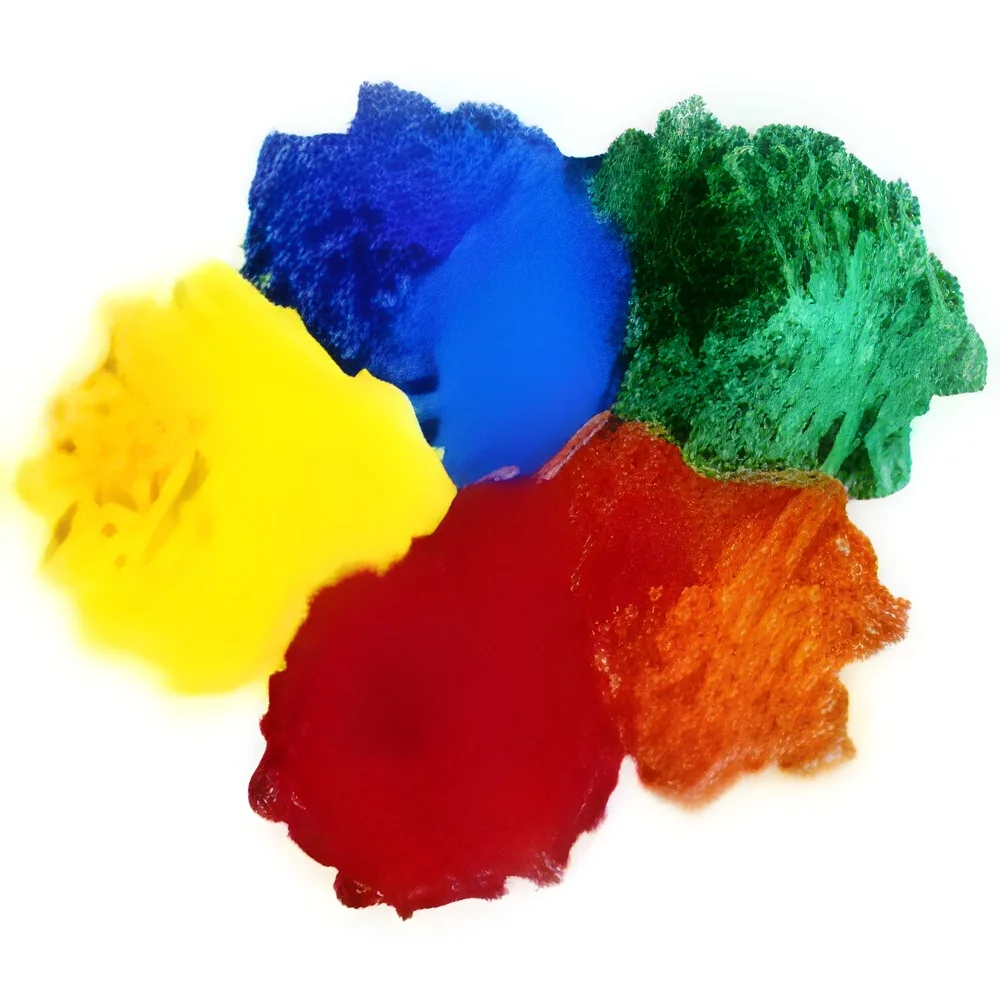
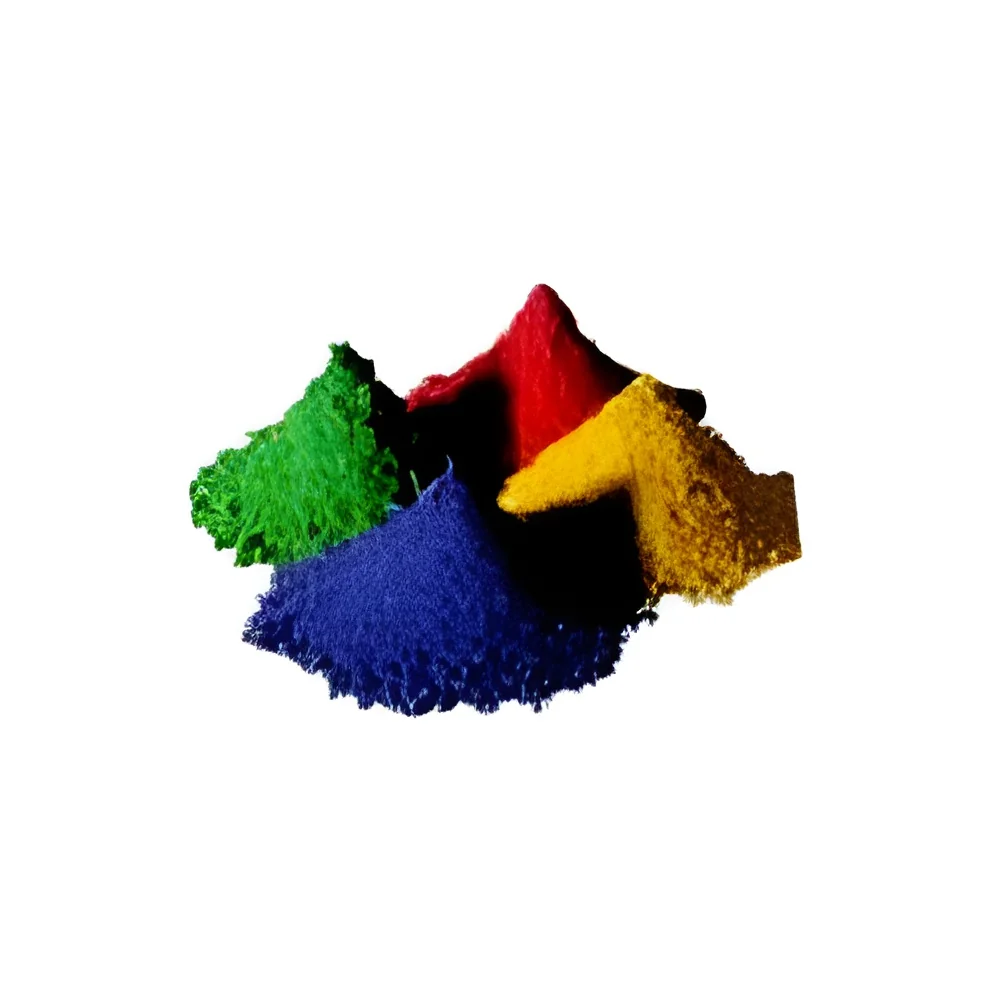
Vat dyes are a unique category of colorants used primarily for dyeing textiles. They are known for their excellent lightfastness and washfastness properties. Vat dyes are traditionally insoluble in water and require a reduction process to become soluble, allowing them to penetrate the fabric fibers. Once the dyeing process is complete, the dye is oxidized back to its insoluble state, trapping the color within the material.
These dyes find extensive applications in various sectors, particularly in the textile industry. They are favored for dyeing cotton, wool, and other natural fibers, providing vibrant colors and durability. Businesses in fashion, home textiles, and industrial fabric production rely on vat dyes for their performance and color range. The increasing demand for high-quality, long-lasting dyes has positioned vat dyes as a staple in the global dye market, making them significant for manufacturers looking to enhance their product offerings.
Key Features and Specifications
Vat dyes come with distinct features and specifications that cater to different industrial needs. Understanding these specifications is essential for businesses to select the right dyes for their applications.
Key specifications include:
1. Color Range
- Wide variety of shades available
- Can be mixed to achieve custom colors
2. Lightfastness
- High resistance to fading from light exposure
- Rated on a scale from 1 to 8, with 8 being the highest
3. Washfastness
- Excellent durability against washing
- Typically rated from 1 to 5, with 5 indicating the highest level of wash resistance
4. Application Method
- Requires reduction to become soluble
- Can be applied using various techniques, including batch dyeing and continuous dyeing
5. Fiber Compatibility
- Primarily used on cotton and other cellulosic fibers
- Can be used for blends with synthetic fibers
6. Environmental Impact
- Generally considered more environmentally friendly compared to some synthetic dyes
- Requires adherence to safety and handling protocols
In summary, vat dyes are characterized by their exceptional performance, making them a preferred choice for numerous textile applications.
Common Applications and Use Cases
Vat dyes are utilized in several industries due to their versatility and superior properties.
1. Textile Industry: Vat dyes are extensively used for dyeing cotton and other natural fibers, providing vibrant colors and high durability for clothing and upholstery.
2. Home Furnishings: These dyes are ideal for dyeing curtains, table linens, and bed linens, where colorfastness is crucial for longevity and aesthetic appeal.
3. Industrial Fabrics: Used in the production of durable industrial textiles, vat dyes ensure that products like workwear and safety gear maintain their color even under harsh conditions.
4. Fashion Industry: Designers and manufacturers leverage vat dyes to create high-quality garments that stand out in the market due to their rich colors and long-lasting properties.
5. Sportswear: The moisture-wicking properties of vat-dyed fabrics make them suitable for high-performance athletic wear, ensuring that colors remain vibrant through repeated wash cycles.
6. Leather Goods: Some vat dyes are specifically formulated for leather, providing a range of colors while ensuring that the material remains supple and durable.
Product Variants and Subcategories
Vat dyes are available in various forms to meet different customer needs. Each variant is designed for specific applications and offers unique features.
[Variant 1 Name]
This variant is tailored for cotton fabrics, providing a wide range of colors with excellent washfastness. It is suitable for both home textiles and fashion applications.
[Variant 2 Name]
Designed for use with wool, this variant enhances the natural fibers while offering vibrant hues. It is ideal for high-quality garments and specialty textiles.
[Variant 3 Name]
This variant caters to blends, allowing manufacturers to achieve desirable colors on mixed fiber fabrics. It ensures compatibility and performance across different materials.
Benefits and Advantages
Choosing vat dyes presents several advantages for businesses in the textile industry.
1. Exceptional Colorfastness: Vat dyes provide superior resistance to fading, ensuring that dyed products maintain their vibrancy over time.
2. Versatile Applications: Suitable for a wide range of fibers and applications, vat dyes can be used across various segments of the textile market.
3. High Durability: The robust nature of vat dyes ensures that products withstand repeated wash cycles without significant color loss.
4. Environmentally Friendly: Many vat dyes are considered safer for the environment compared to synthetic alternatives, making them a responsible choice for manufacturers.
5. Custom Color Mixing: The ability to mix vat dyes allows businesses to create unique shades tailored to specific market demands.
6. Cost-Effective: While the initial setup may require additional steps, the long-term benefits and durability of vat-dyed fabrics can lead to cost savings for manufacturers.
Buying Guide for B2B Buyers
When sourcing vat dyes, businesses must consider several key factors to ensure they select the right products for their needs.
1. Quality Assessment: Evaluate the quality of dyes by examining their lightfastness, washfastness, and overall performance ratings. Request samples to conduct tests on fabric compatibility.
2. Supplier Verification: Vet potential suppliers thoroughly by checking their reputation, certifications, and customer reviews. A reliable supplier will ensure consistent quality and timely delivery.
3. Pricing and MOQ: Understand the pricing structure of vat dyes and inquire about minimum order quantities (MOQ). Compare quotes from different suppliers to find the best value.
4. Delivery and Lead Times: Discuss delivery schedules and lead times with suppliers to ensure that the dyes can be delivered when needed for production.
5. Compliance Requirements: Ensure that the vat dyes meet relevant regulatory and safety standards. Familiarize yourself with any specific compliance needs for your industry.
Compliance and Certifications
Vat dyes must adhere to specific quality standards and industry certifications to ensure safety and performance. Relevant standards, such as ISO 9001, ensure that manufacturing processes meet international quality management requirements.
Certifications like CE indicate compliance with European safety standards, which are crucial for businesses operating in or exporting to Europe. Safety and testing requirements often include assessments for harmful substances, ensuring that the dyes are safe for use in textiles.
Additionally, regional compliance considerations may vary. Businesses should stay informed about local regulations governing dye use and environmental impact to ensure full compliance.
Why Source Vat Dyes from Pepagora?
Pepagora offers a trusted platform for sourcing vat dyes, providing several key advantages to businesses.
Verified Supplier Network: Pepagora connects buyers with a network of verified suppliers, ensuring that quality and reliability are prioritized. This network is essential for businesses looking to establish long-term relationships with reputable manufacturers.
Streamlined RFQ Process: The request for quotation (RFQ) process on Pepagora is designed to be efficient, allowing buyers to receive competitive quotes from multiple suppliers quickly. This process helps businesses make informed decisions based on pricing and quality.
Trade Assurance and Support: Pepagora provides trade assurance to protect buyers throughout the sourcing process. This support ensures that any issues can be addressed promptly, giving buyers peace of mind.
Regional Coverage: With a strong presence in India, the GCC, and Southeast Asia, Pepagora offers extensive regional coverage. This geographic reach enables businesses to access a diverse range of vat dye suppliers tailored to their specific market needs.

 India
 India
Frequently Asked Questions
What are Vat Dyes?
Vat dyes are a class of colorants that are used primarily for dyeing cotton and other cellulosic fibers. They are characterized by their ability to be insoluble in water but can be made soluble through a reduction process before application. Once applied, they are oxidized back to their insoluble form, resulting in a durable color fastness.
What are the different types of Vat Dyes?
There are several types of vat dyes, including indigo, which is the most well-known, and other synthetic vat dyes like reactive vat dyes. They can be categorized based on their chemical structure and application methods. Each type offers different characteristics in terms of color range and application techniques.
How do I choose the right Vat Dyes?
Choosing the right vat dyes involves considering factors such as the type of fabric you are dyeing, the desired color fastness, and the dyeing process you plan to use. It is also important to evaluate the compatibility of the dye with other chemicals and processes in your production line. Consulting with suppliers and reviewing product specifications can aid in making an informed decision.
What are the standard specifications for Vat Dyes?
Standard specifications for vat dyes typically include color strength, solubility, pH levels, and fastness properties such as light, wash, and rub fastness. These specifications ensure that the dyes perform well during the dyeing process and maintain color integrity in the final product. Manufacturers often provide detailed technical data sheets for their products.
What is the price range for Vat Dyes?
The price range for vat dyes can vary significantly based on factors such as the type of dye, supplier, and quantity purchased. Generally, vat dyes can range from a few hundred to several thousand Indian Rupees per kilogram. Bulk purchases often lead to better pricing options.
What quality standards apply to Vat Dyes?
Vat dyes are subject to various quality standards that ensure their effectiveness and safety for use in textiles. Common standards include ISO and ASTM specifications, which cover aspects like color fastness, toxicity, and environmental impact. Suppliers should provide certifications to confirm compliance with these standards.
Where can I find Vat Dyes suppliers in India?
You can find vat dyes suppliers in India through various B2B marketplaces, trade shows, and industry directories. Websites like Pepagora.com offer a comprehensive list of manufacturers and suppliers where you can compare products and prices. Additionally, local textile fairs can also be a good source for finding reputable suppliers.
Can Vat Dyes be customized?
Yes, vat dyes can often be customized to meet specific requirements such as color shade, formulation, and application needs. Many manufacturers offer customization options to cater to the unique demands of their clients. It is advisable to discuss your specific needs with suppliers to explore available customization options.
What is the typical minimum order quantity for Vat Dyes?
The minimum order quantity (MOQ) for vat dyes can vary widely among suppliers and may range from 5 to 100 kilograms or more. Factors influencing MOQ include the dye type, supplier policies, and production capabilities. It's best to check with individual suppliers for their specific MOQ requirements.
What is the typical lead time for Vat Dyes?
The typical lead time for vat dyes can vary based on the supplier and the specifics of the order, but it generally ranges from 1 to 4 weeks. Factors such as customization, stock availability, and shipping logistics can influence lead times. It's advisable to confirm lead times with suppliers during the ordering process.
Why Businesses Trust Pepagora
Thousands of companies trust Pepagora to source smarter and sell faster
Expand Your Sales Globally

Source Smarter,Grow Faster
