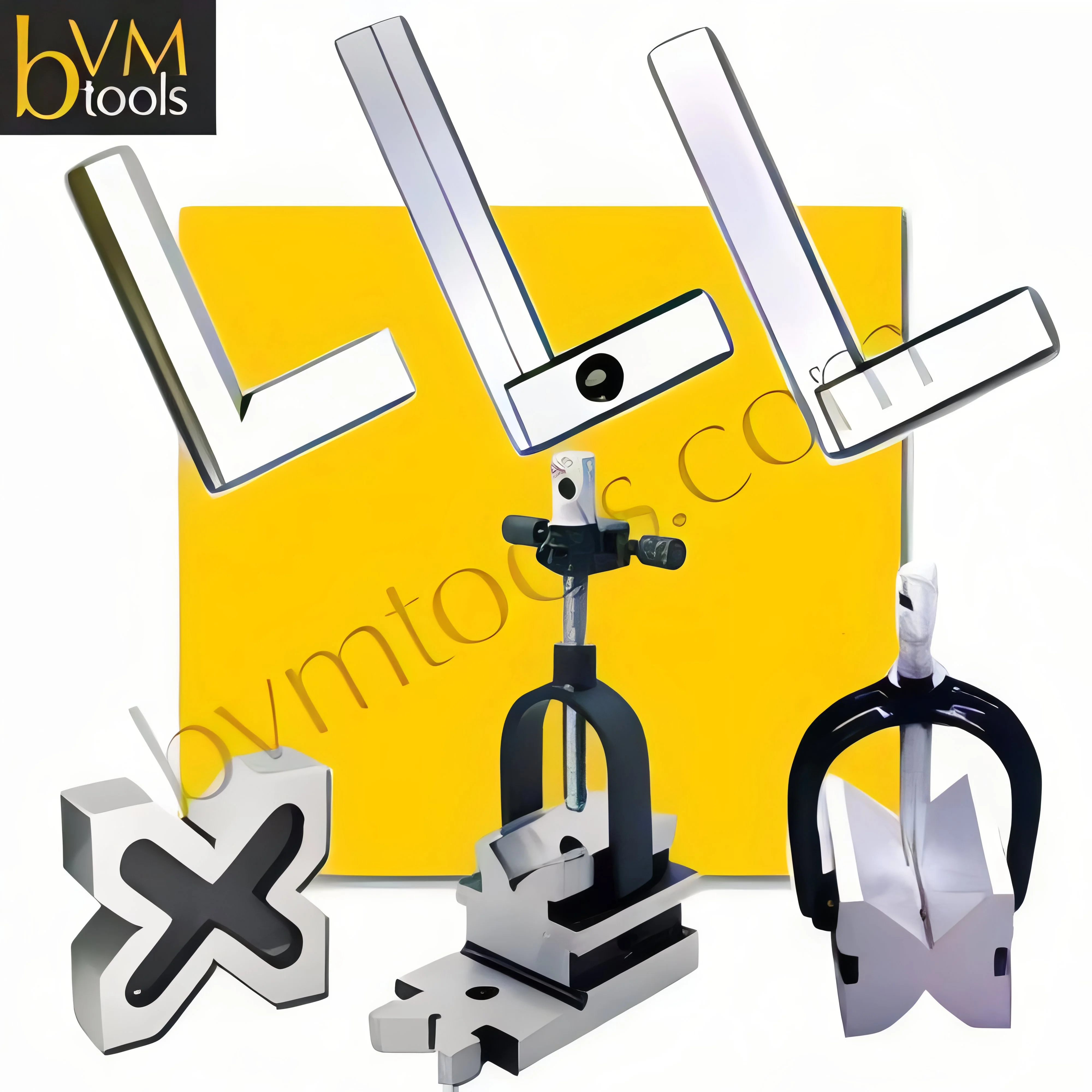
What are Try Squares?
Try squares are essential tools used in various industries for accurately measuring and marking right angles. They consist of a flat, straight edge and a perpendicular arm, allowing users to create precise angles and ensure straight lines in their work. Commonly made from materials such as steel, aluminum, or wood, try squares come in various sizes to accommodate different projects and applications.
The primary uses of try squares include woodworking, metalworking, and construction, where accuracy is crucial. Professionals use these tools to check the squareness of joints, mark out lines, and ensure that materials are aligned correctly before cutting or assembling. In industries such as carpentry and machining, the try square ensures high-quality craftsmanship and reduces material waste. The growing emphasis on precision in these sectors highlights the importance of this tool in maintaining industry standards and enhancing productivity.
Key Features and Specifications
Try squares are built with specific features and specifications that cater to various applications. Understanding these aspects helps buyers choose the right tool for their needs.
Key specifications include:
1. Material
- Commonly manufactured from steel, aluminum, or hardwood
- Each material offers different durability and weight characteristics
2. Size
- Available in various lengths, typically ranging from 6 inches to 24 inches
- Larger sizes may be used for bigger projects or industrial purposes
3. Accuracy
- Designed to ensure an accuracy level of up to 0.01 inches
- Essential for precision tasks in carpentry and metalwork
4. Edge Type
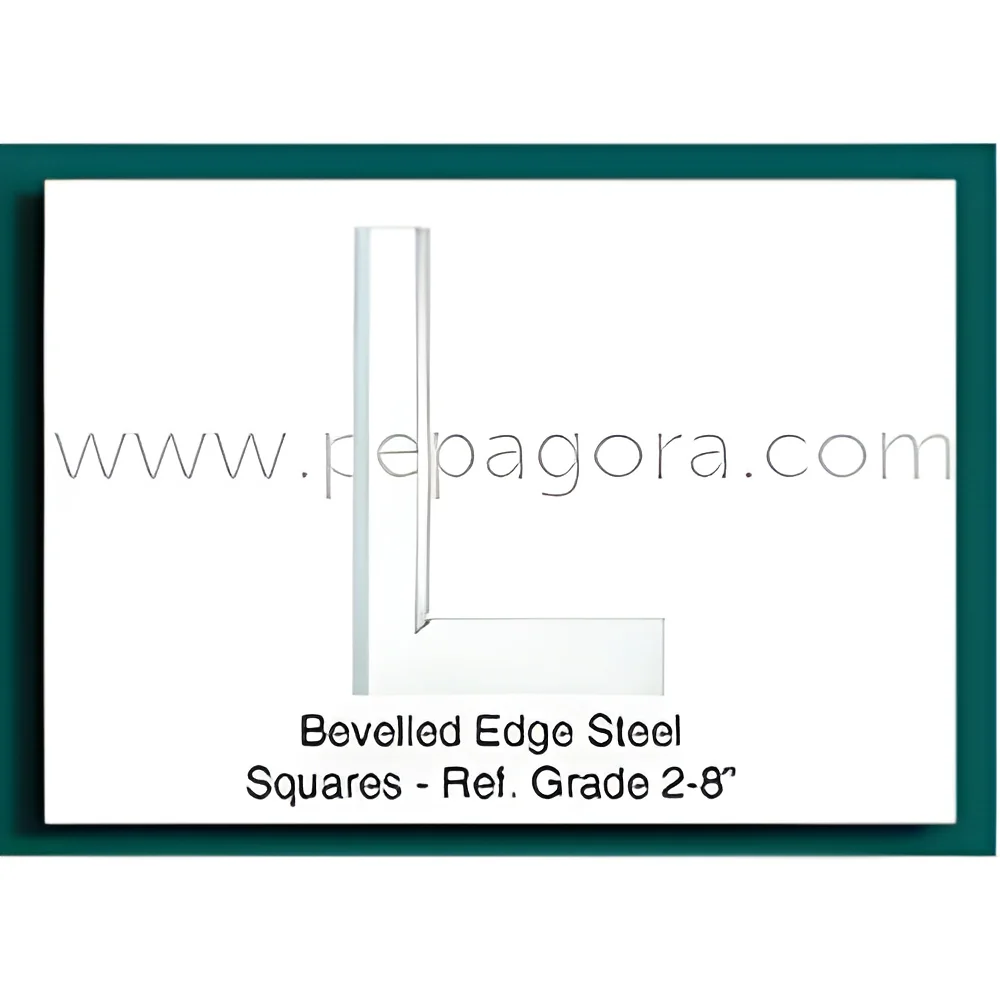
- Can feature a beveled edge or a flat edge
- Beveled edges assist in marking lines, while flat edges are ideal for measuring
5. Weight
- Varies depending on material and size, typically between 0.5 to 2 pounds
- Heavier models offer stability, while lighter models are more portable
6. Calibration
- Some models come with calibration markings for additional measurements
- Useful for ensuring consistent results in repetitive tasks
7. Handle Design
- Ergonomically designed for comfortable grip and control
- Some models feature molded handles for enhanced usability
In summary, try squares are versatile tools with various specifications tailored to meet the demands of different industries.
Common Applications and Use Cases
Try squares find applications across multiple industries, each benefiting from their precision and reliability.
1. Woodworking: In woodworking, try squares are used to check the squareness of joints and ensure that cuts are made accurately. This helps create strong, durable furniture and structures.
2. Metalworking: Metalworkers utilize try squares for layout work and to verify angles when fabricating metal parts. Precision in this field is critical for the functionality of the final product.
3. Construction: Contractors and builders rely on try squares to ensure that framing is square and walls are aligned correctly. This is essential for structural integrity in buildings.
4. Manufacturing: In manufacturing, try squares are used for quality control, ensuring that components are manufactured to specified angles and dimensions.
5. Engineering: Engineers employ try squares to assist in design and layout tasks, ensuring that prototypes and models are built accurately.
6. DIY Projects: Hobbyists and DIY enthusiasts use try squares for home improvement tasks, ensuring that their projects meet professional standards.
7. Education: In educational settings, try squares are used to teach students about measurement, angles, and the importance of precision in trades.
Product Variants and Subcategories
Try squares come in various forms, catering to different user needs and preferences.
Standard Try Square: This variant is the most common, designed for general use. It features a metal blade and a wooden or plastic handle, making it ideal for both professionals and hobbyists.
Framing Square: Often larger than standard try squares, framing squares are used in construction and woodworking to lay out large projects. They provide precise measurements for framing walls and roofs.
Combination Square: This versatile tool combines a try square with a ruler and a level. It’s useful for measuring angles and checking levels, making it a favorite among carpenters and metalworkers alike.
Benefits and Advantages
The use of try squares offers several benefits that enhance productivity and accuracy in various tasks.
1. Precision: Try squares provide accurate measurements, ensuring that all angles are correct. This leads to higher quality work and minimizes errors.
2. Versatility: These tools can be used across multiple industries, making them a valuable addition to any toolkit.
3. Durability: Try squares made from high-quality materials are built to last, providing long-term reliability for users.
4. Ease of Use: Most try squares are designed for simple operation, allowing users to quickly measure and mark angles without extensive training.
5. Portability: Many models are lightweight and easy to carry, making them convenient for on-site work.
6. Cost-Effectiveness: Investing in a quality try square can save money in the long run by reducing material waste and the need for rework.
Buying Guide for B2B Buyers
When sourcing try squares, businesses should consider several key factors to ensure they make an informed purchase.
1. Quality Assessment: Evaluate the materials and construction of the try squares. Look for reputable brands known for their quality, and check for user reviews and testimonials.
2. Supplier Verification: Vet suppliers by checking their credentials, certifications, and previous customer feedback. A reliable supplier will provide assurance of product quality and consistency.
3. Pricing and MOQ: Understand the pricing structure, including the minimum order quantity (MOQ). Some suppliers may offer discounts for bulk purchases, so it's essential to compare quotes.
4. Delivery and Lead Times: Consider the logistics involved in sourcing try squares. Ensure that the supplier can meet your delivery requirements and provides clear lead times.
5. Compliance Requirements: Be aware of any industry regulations or standards that apply to try squares. Ensure that the products meet necessary compliance certifications for safety and quality.
Compliance and Certifications
Compliance and certifications are crucial for ensuring that try squares meet industry standards and safety regulations. Relevant quality standards, such as ISO 9001, provide guidelines for maintaining consistent quality in manufacturing processes.
Many try squares come with certifications such as CE, indicating compliance with European safety standards. This certification assures buyers that the product meets essential health and safety requirements.
Additionally, safety and testing requirements should be considered, especially in industries where precision tools are critical. Manufacturers may conduct rigorous testing to ensure accuracy and durability.
Regional compliance considerations may also apply, depending on where the products are being sold or used. It's essential for buyers to verify that the try squares comply with local regulations to avoid potential legal issues.
Why Source Try Squares from Pepagora?
Pepagora provides a trusted platform for sourcing try squares, offering numerous advantages to B2B buyers.
Verified Supplier Network: Pepagora boasts a comprehensive network of verified suppliers, ensuring that buyers can find reliable sources for high-quality try squares. This reduces the risk of purchasing substandard products.
Streamlined RFQ Process: The platform features an efficient request for quotation (RFQ) system that simplifies the buying process. Buyers can easily compare quotes from multiple suppliers, saving time and effort.
Trade Assurance and Support: Pepagora offers trade assurance, providing buyers with protection against potential issues. This support fosters confidence in transactions and encourages secure purchases.
Regional Coverage: With a strong presence in regions such as India, the GCC, and Southeast Asia, Pepagora connects buyers with local suppliers, facilitating easier logistics and quicker delivery times. This geographic reach enhances accessibility for businesses seeking quality tools.

 IN
IN
 India
India