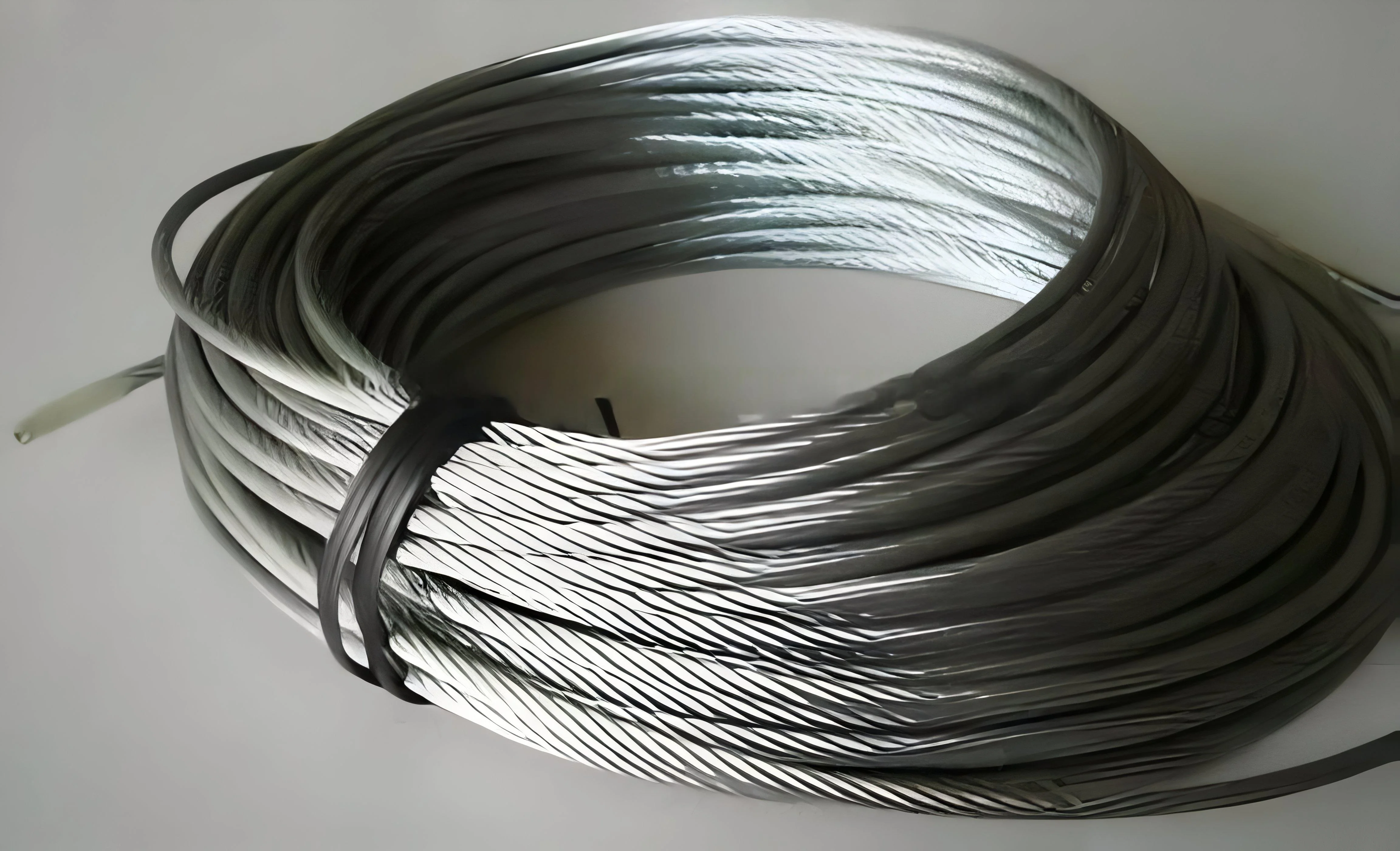
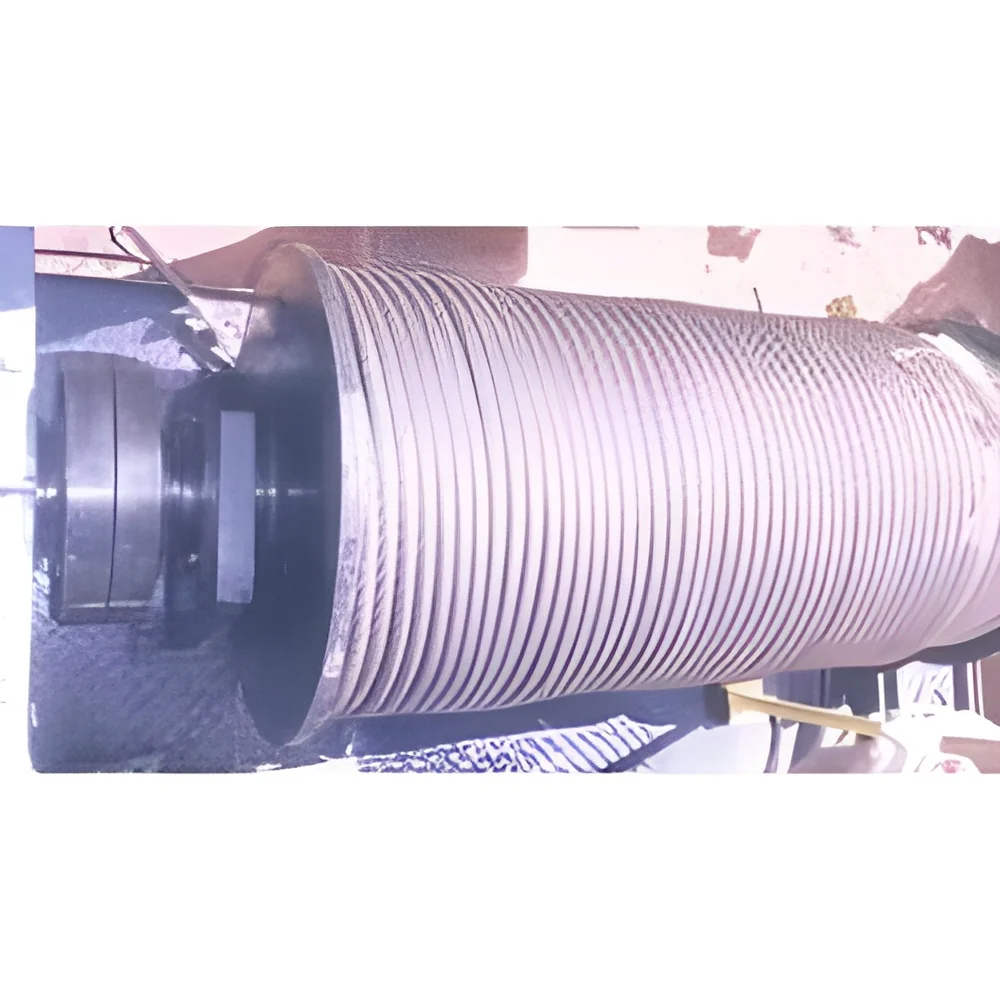
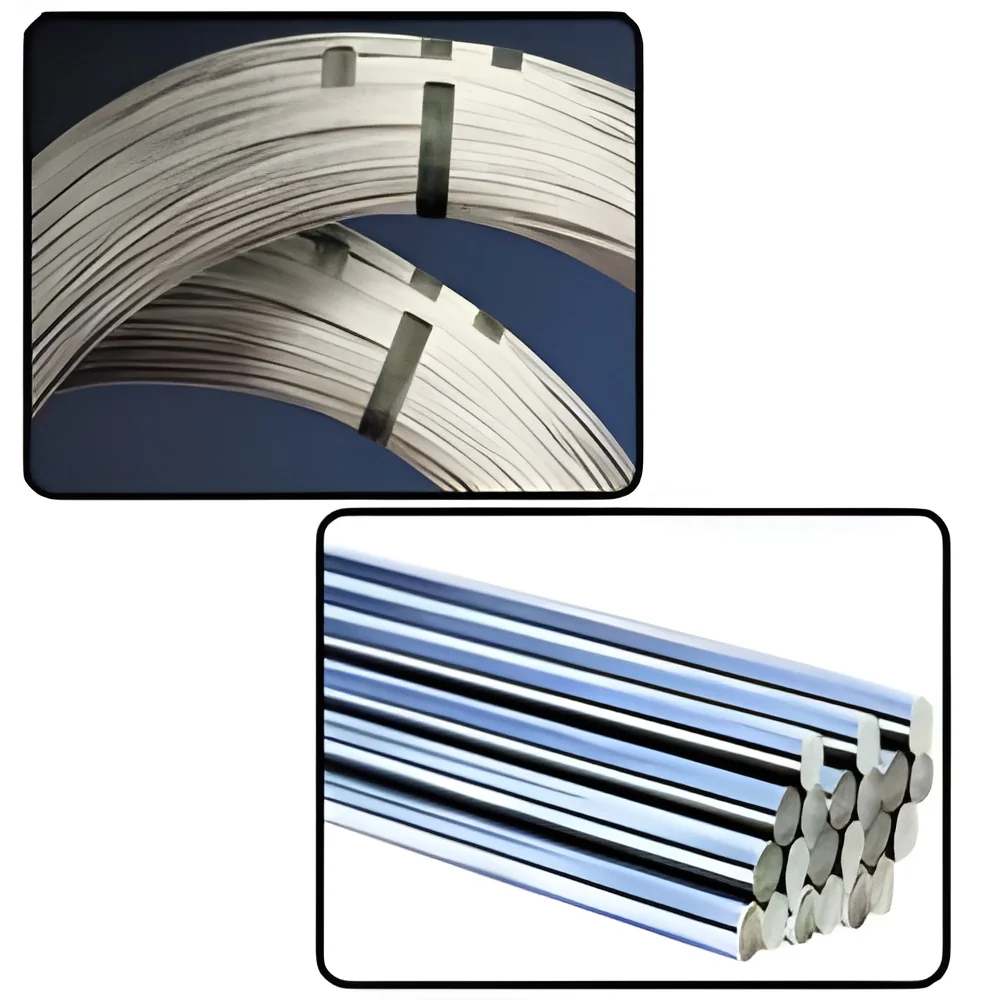
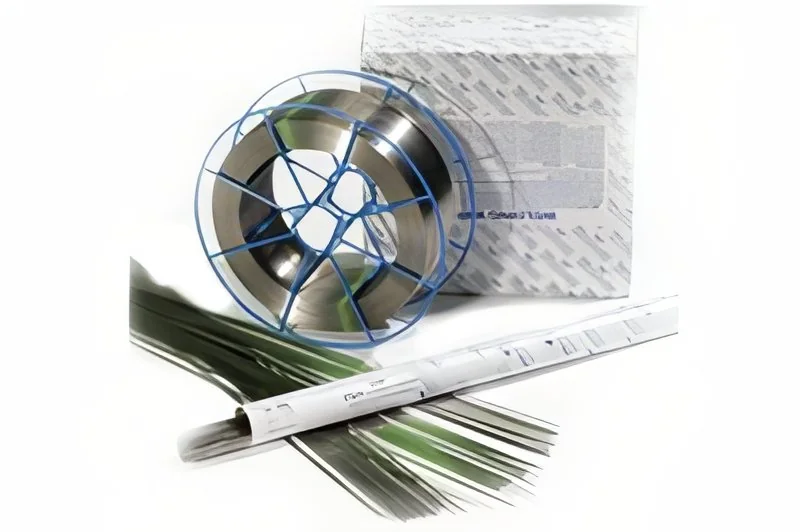
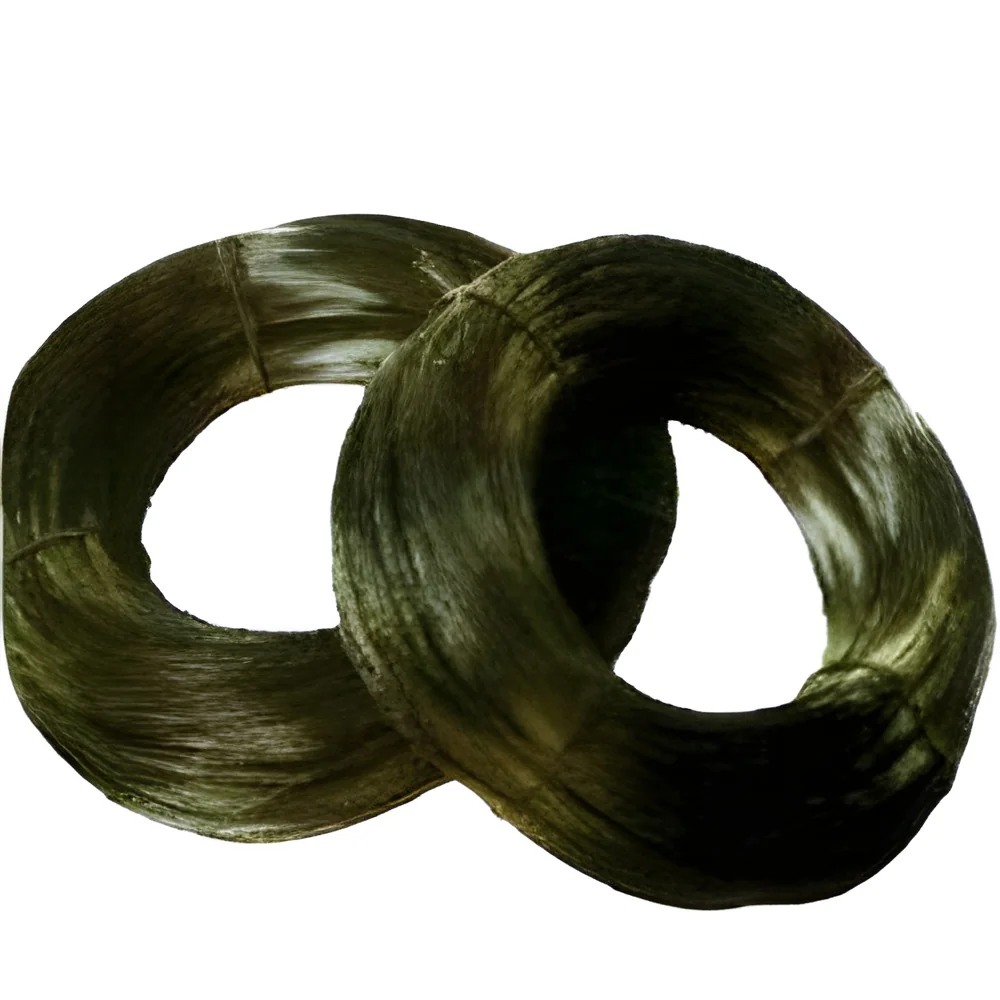
What are Stainless Steel Wires?
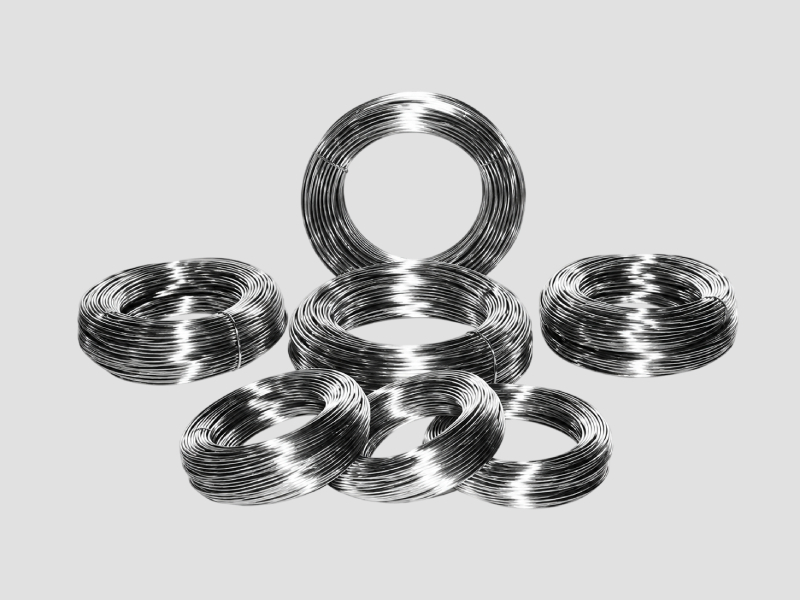
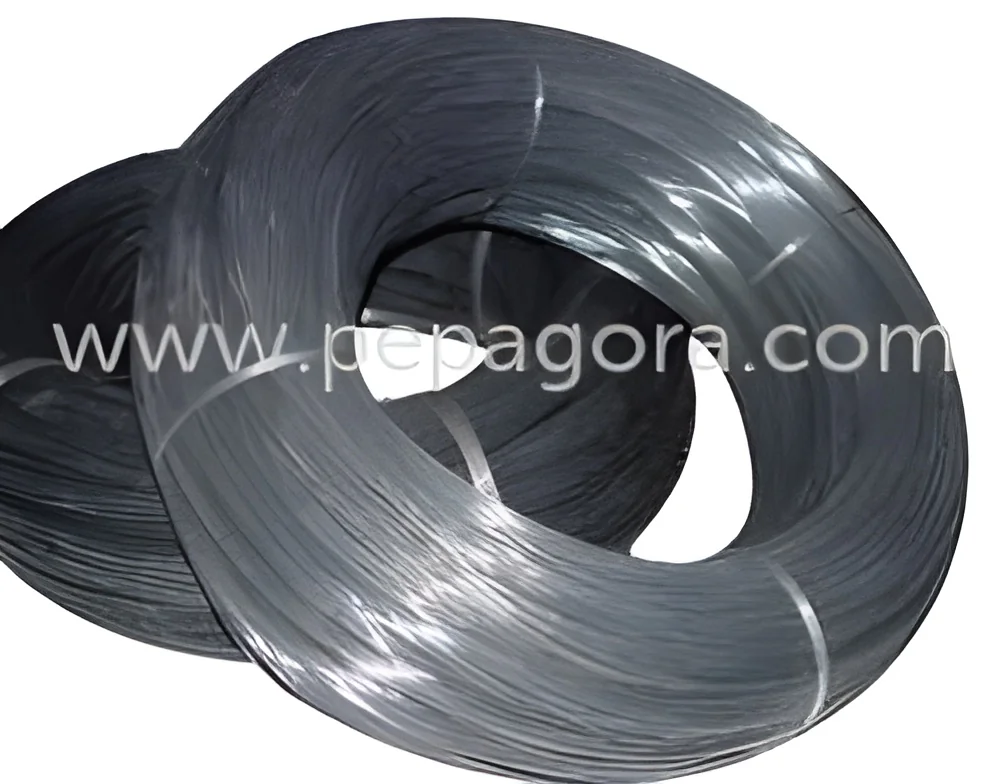
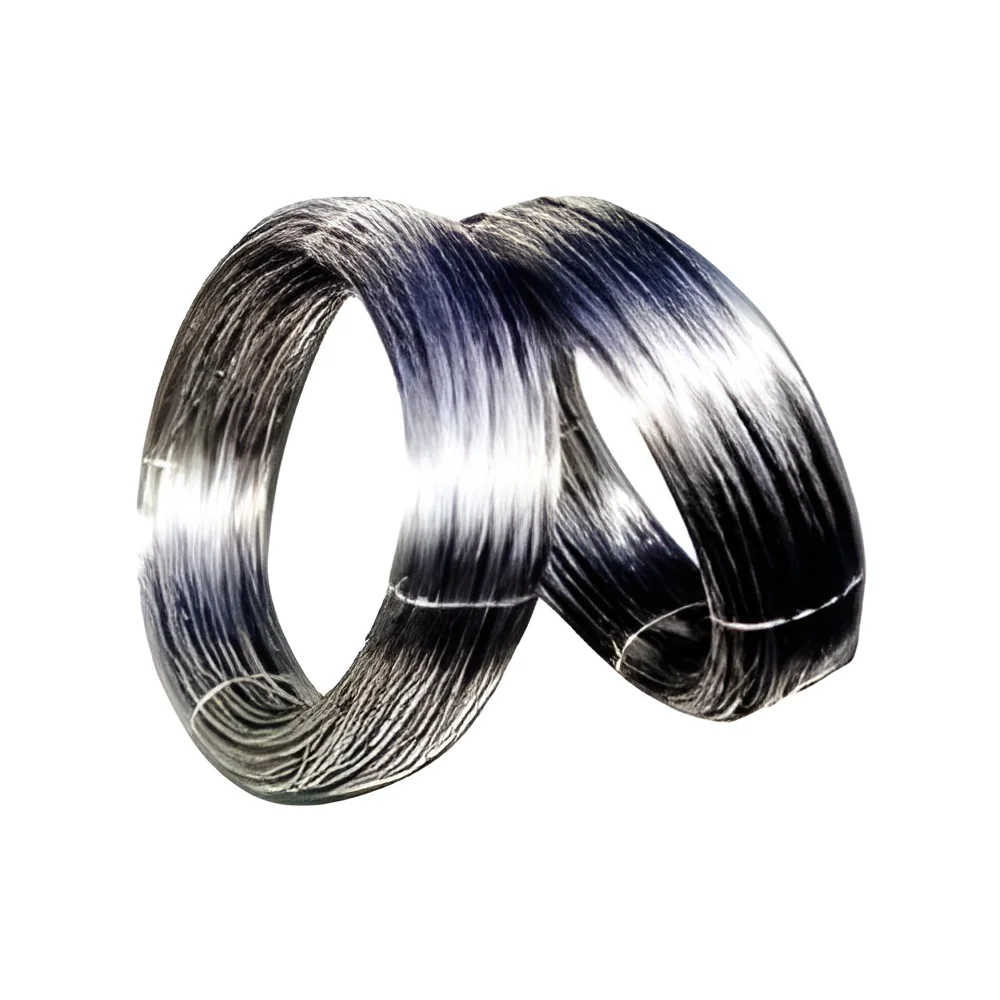
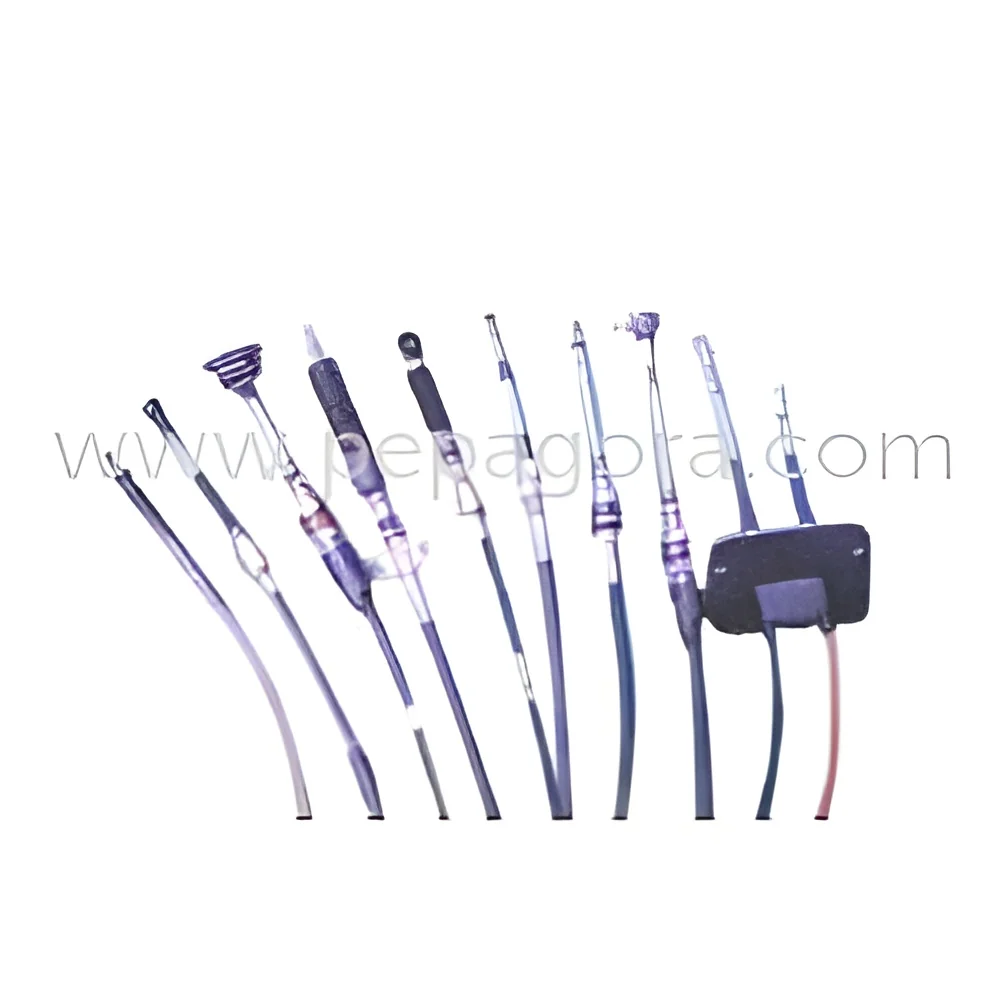
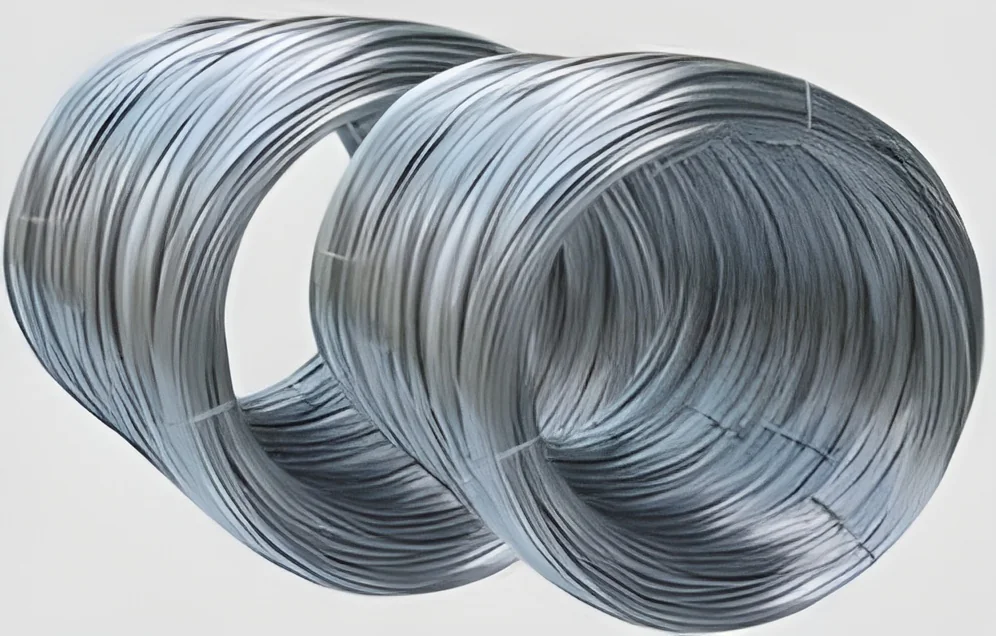
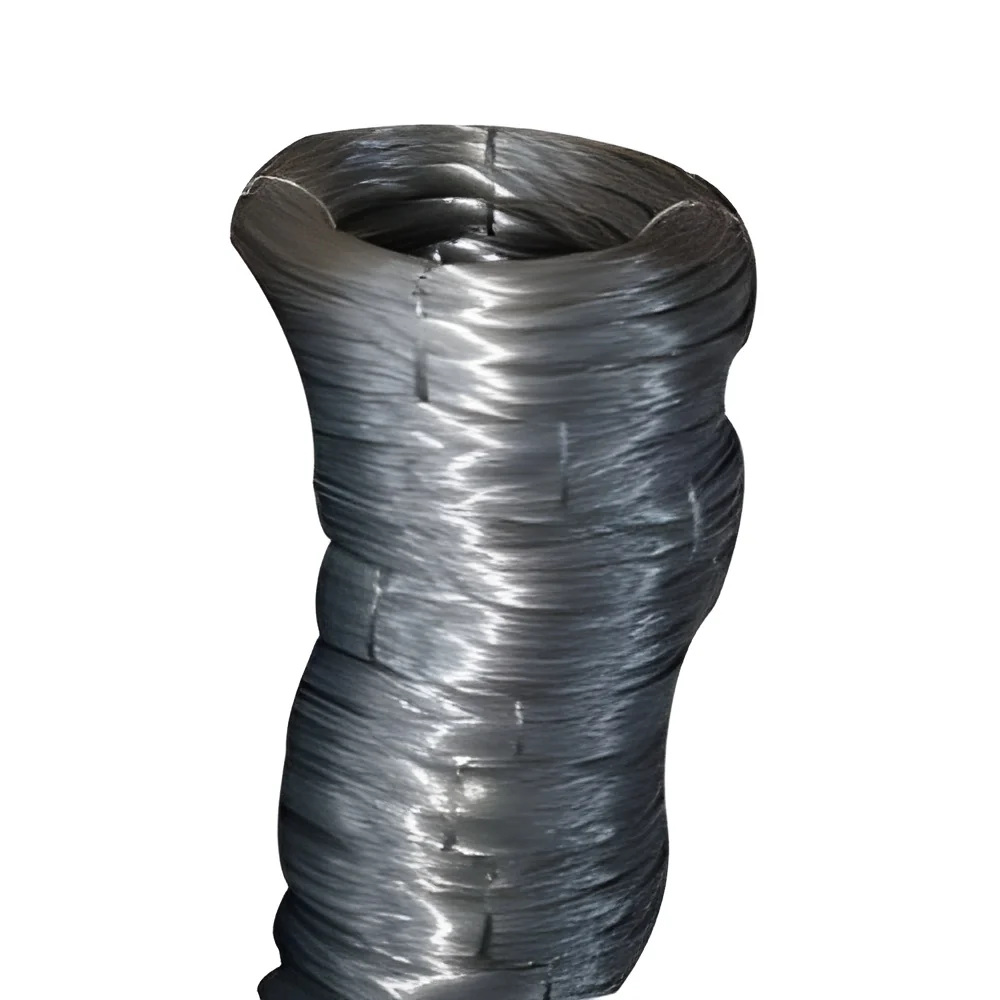
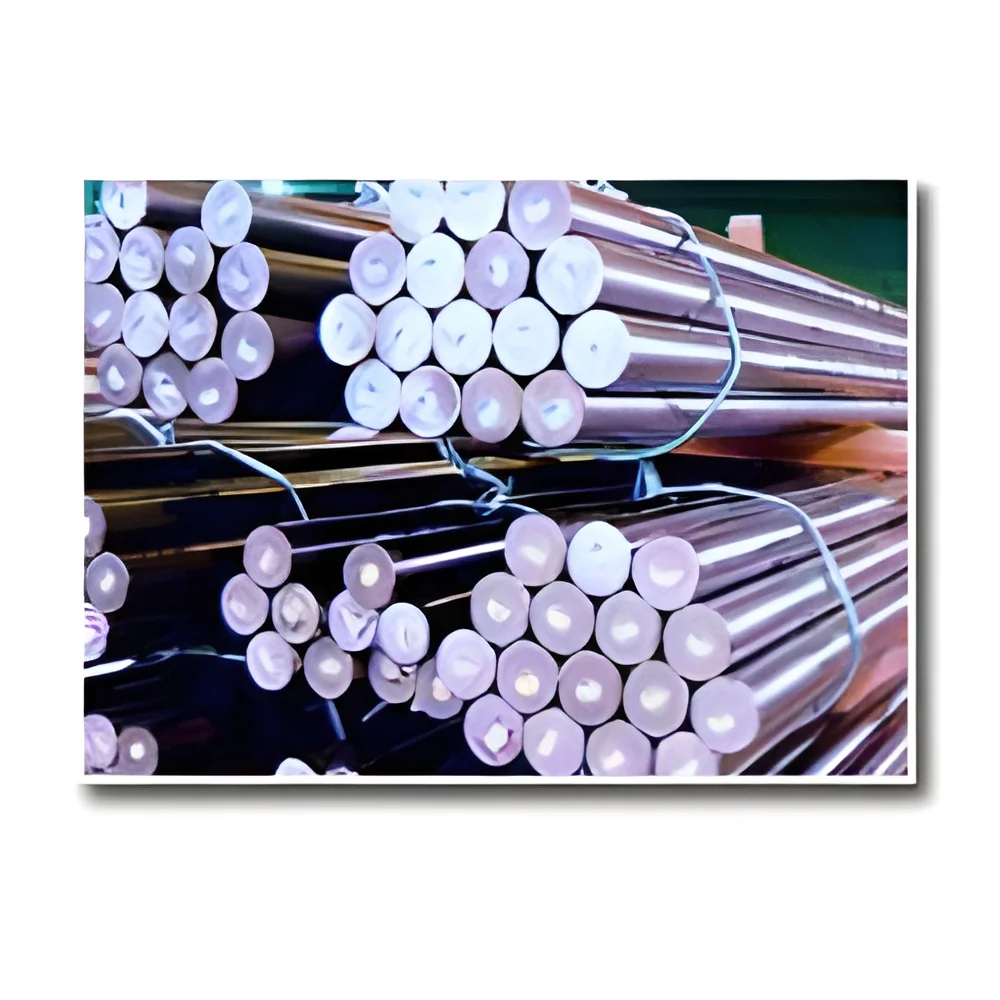
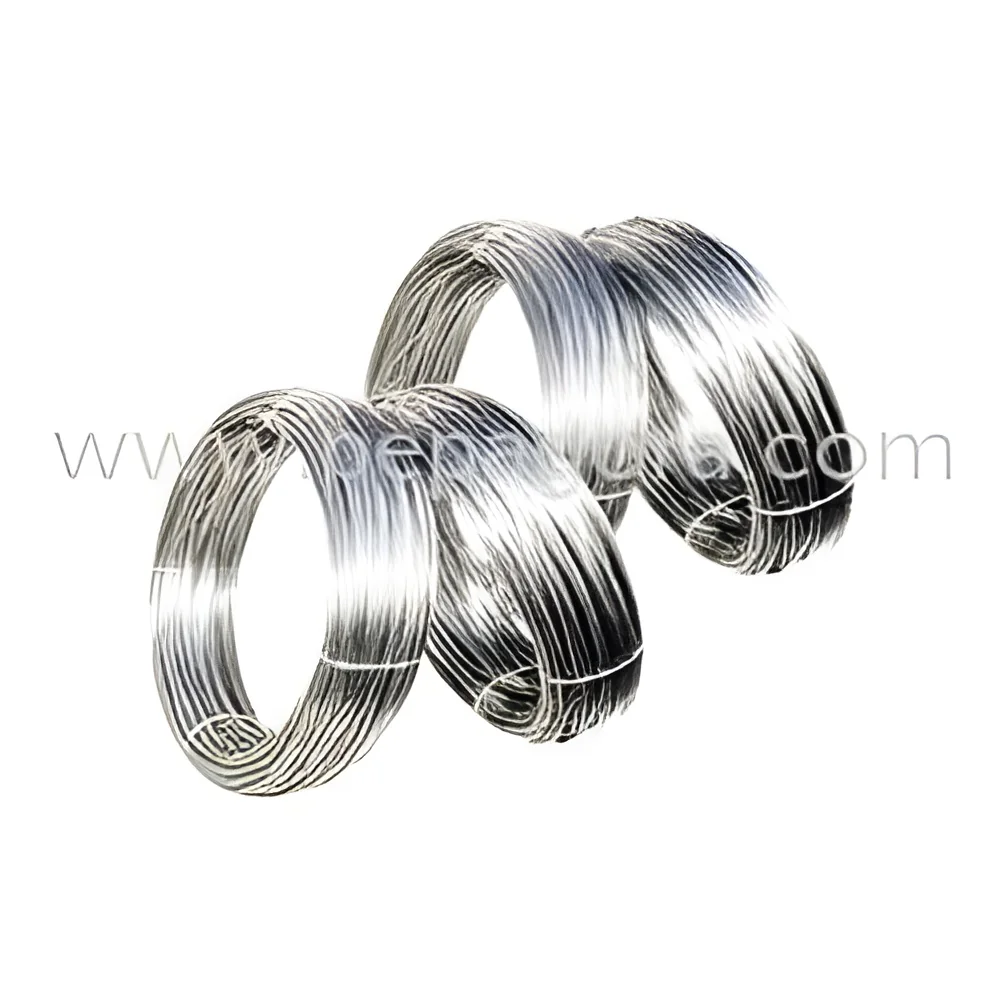
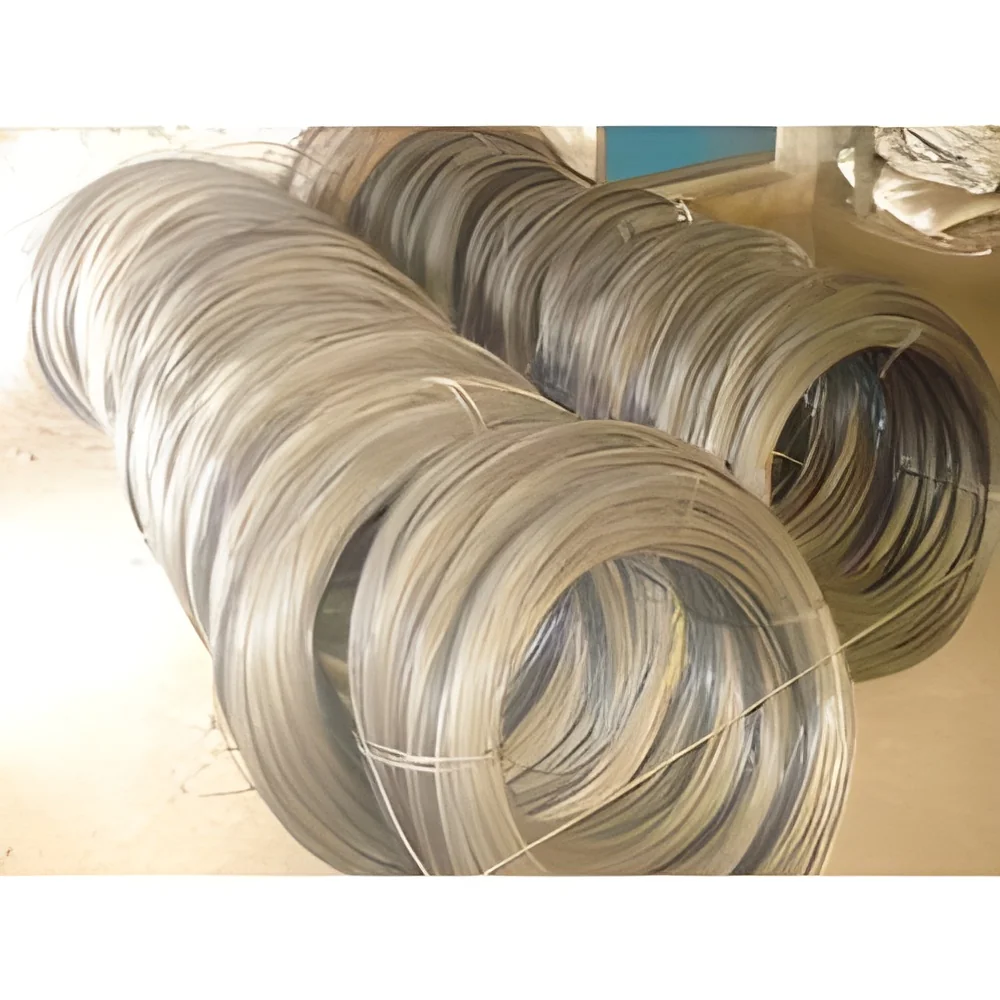
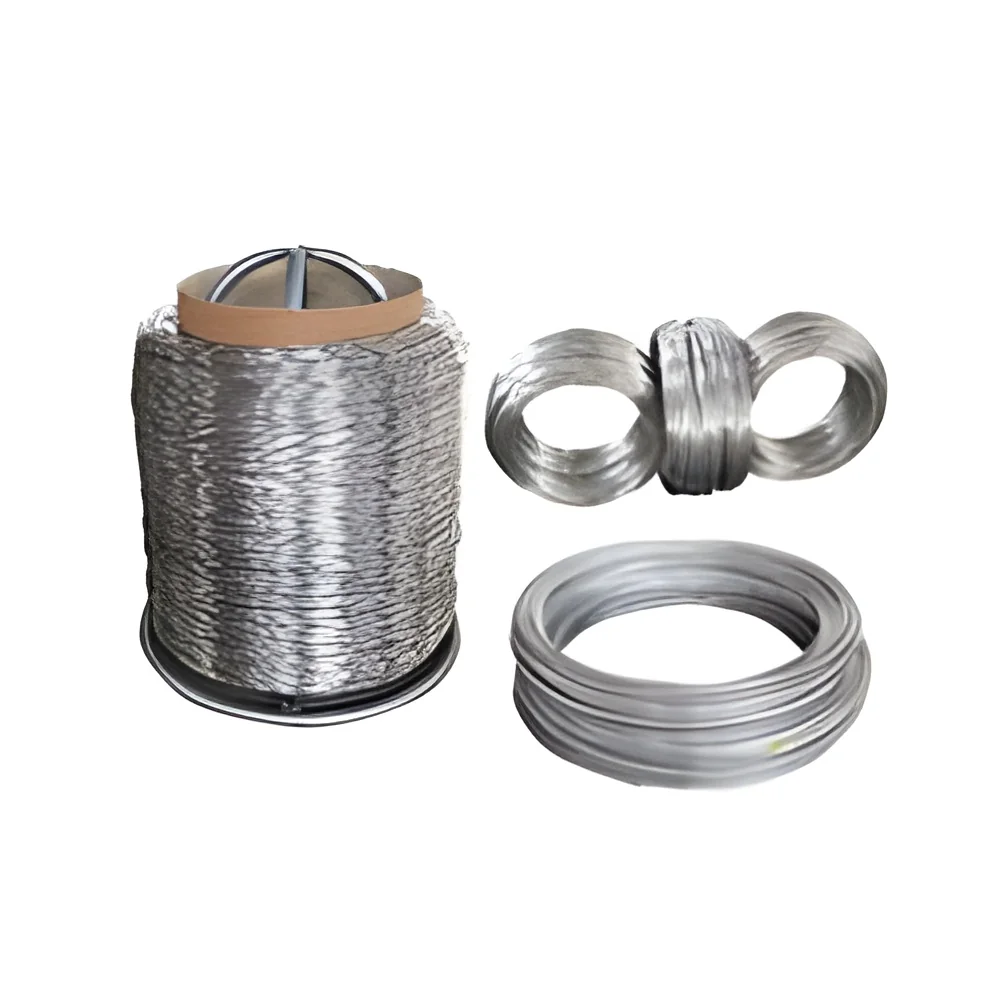
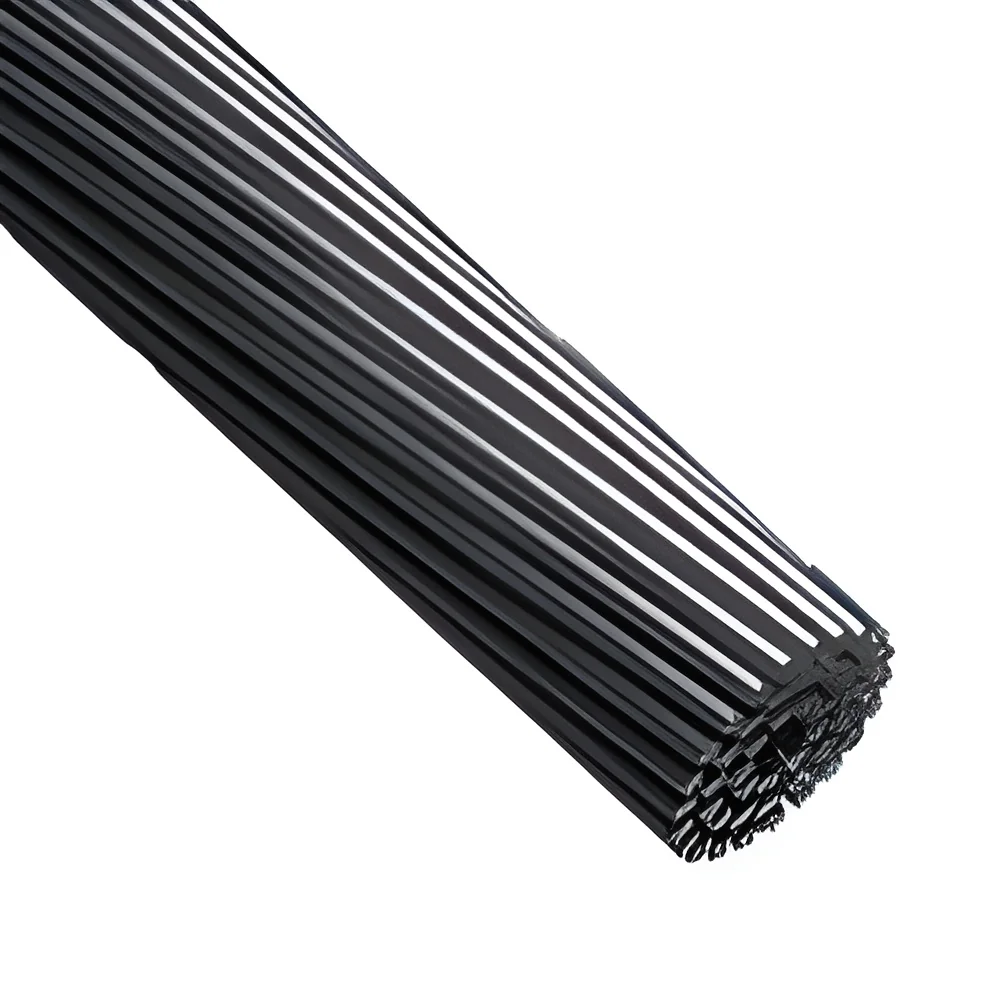
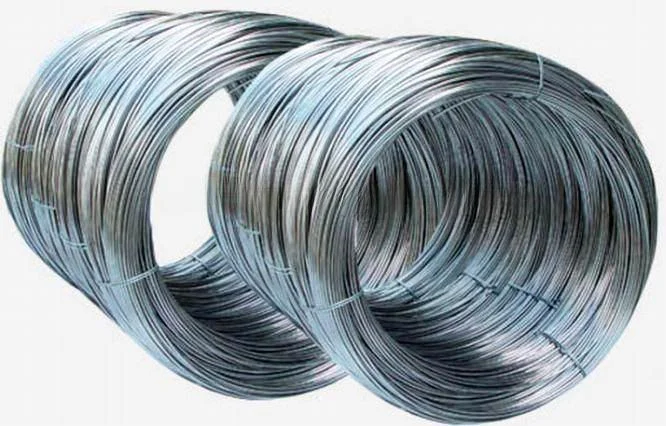
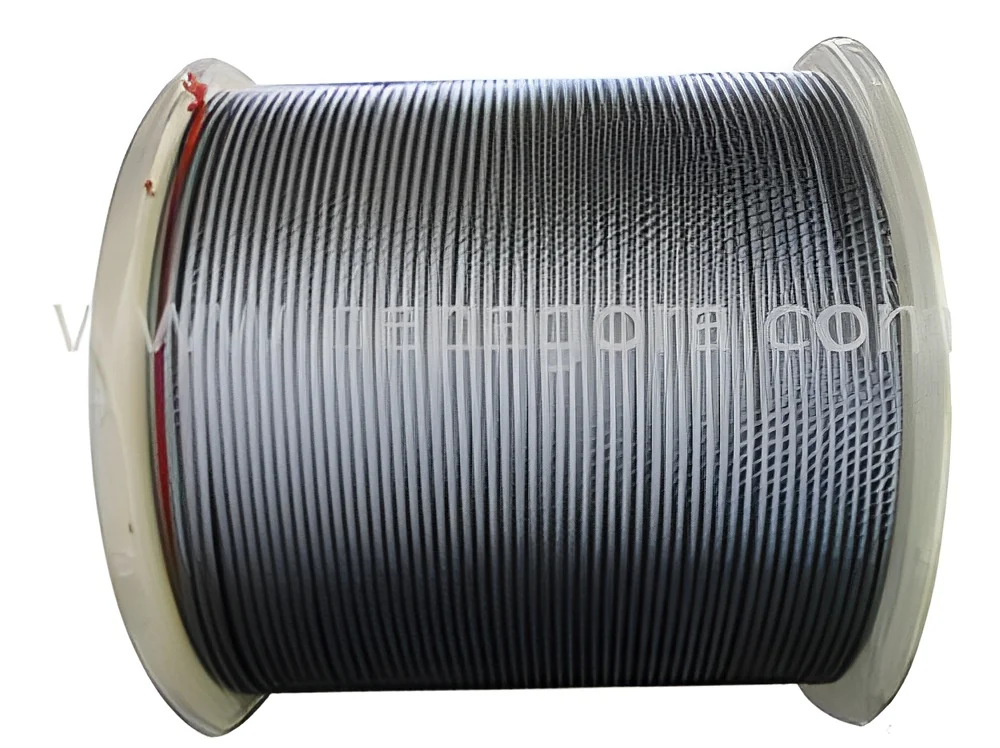
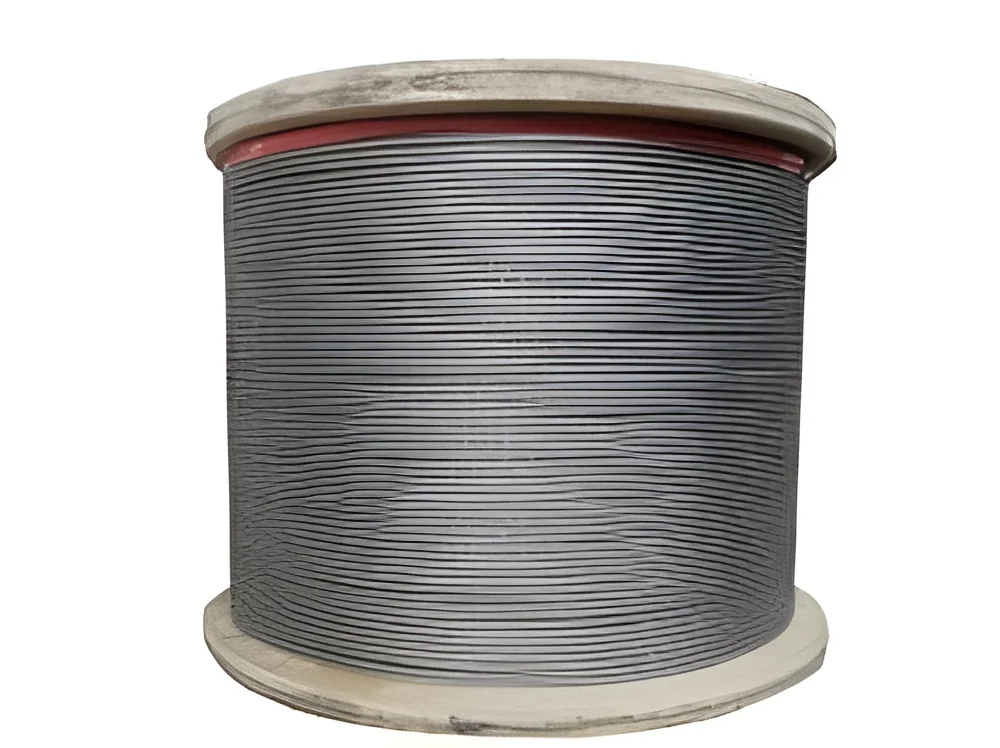
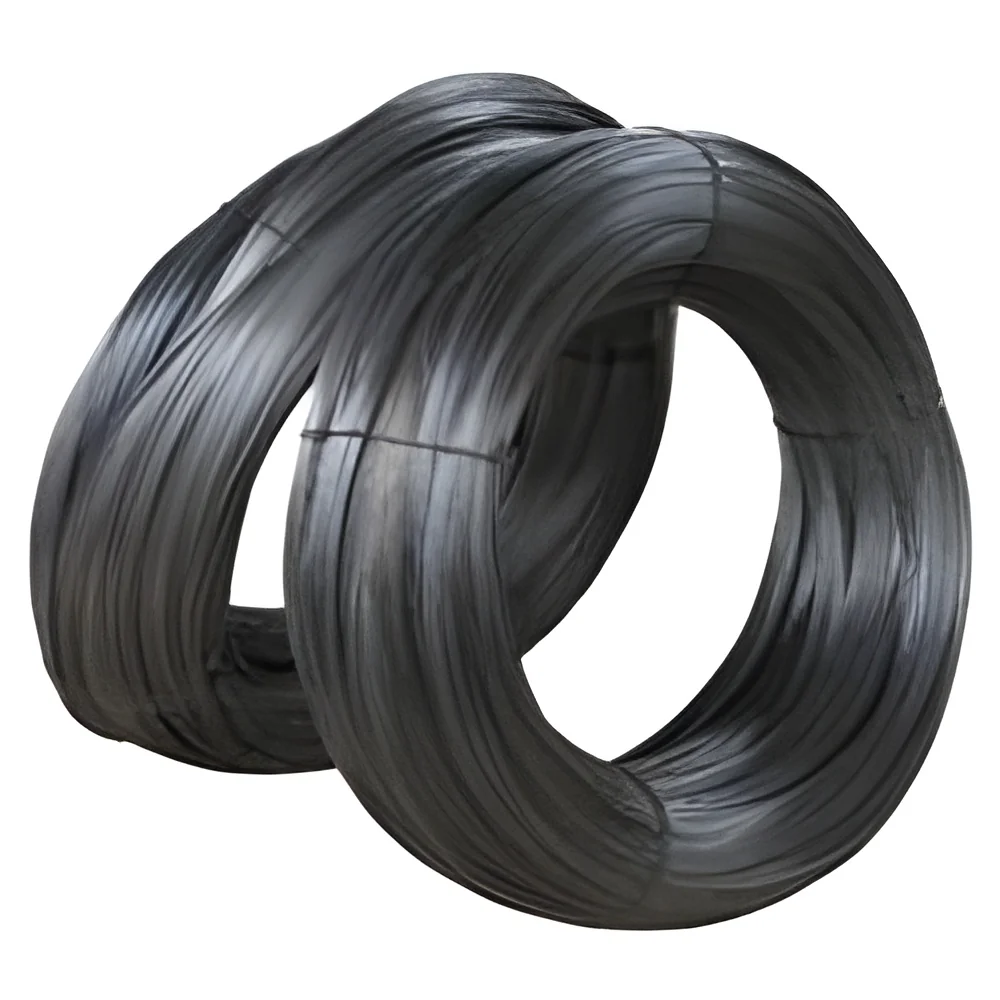
Stainless steel wires are versatile metallic strands made from an alloy of iron, chromium, and other elements, designed to provide strength and corrosion resistance. The unique properties of these wires make them suitable for various applications across multiple industries. They are produced through a drawing process that reduces the diameter of the wire while increasing its tensile strength, resulting in a durable and reliable product.
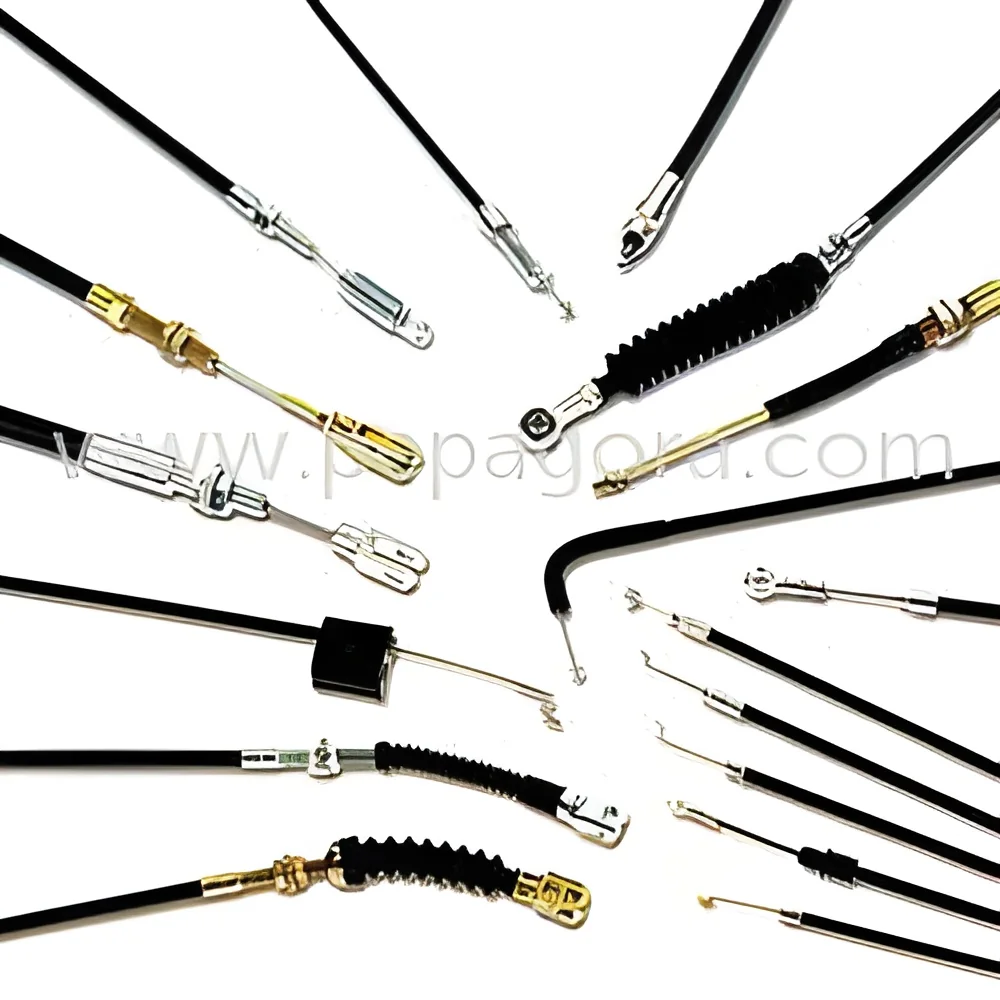
These wires find extensive use in several business applications, including manufacturing, construction, and automotive industries. Common applications include wire ropes, springs, and mesh products. Industries rely on stainless steel wires for their ability to withstand harsh environments and their structural integrity. The growing demand for high-quality, durable materials in various sectors continues to drive the market for stainless steel wires, making them a critical component in many industrial processes.
Key Features and Specifications
Stainless steel wires offer a range of features that contribute to their popularity in industrial applications. Understanding the specifications can help businesses make informed decisions when sourcing these materials.
Key specifications include:
1. Material Composition
- Typically made from 304 or 316 stainless steel
- Offers different levels of corrosion resistance
2. Diameter Range
- Commonly available in diameters from 0.1 mm to 10 mm
- Custom sizes may be available upon request
3. Tensile Strength
- Ranges from 500 MPa to 2000 MPa
- Ensures reliable performance under stress
4. Surface Finish
- Available in various finishes, including bright, matte, and coated
- Surface treatment options can enhance corrosion resistance
5. Elongation Percentage
- Generally between 10% to 40%
- Indicates the wire's ability to stretch without breaking
6. Electrical Conductivity
- Varies based on alloy composition
- Important for applications requiring electrical properties
7. Thermal Conductivity
- Generally low compared to other metals
- Suitable for applications involving heat resistance
8. Compliance Standards
- Adherence to international standards such as CE certification
- Ensures quality and safety in production
In summary, the specifications of stainless steel wires highlight their adaptability and reliability for various applications, making them an essential choice for businesses.
Common Applications and Use Cases
Stainless steel wires serve multiple industries with diverse applications.
1. Automotive: Used for manufacturing components such as springs, cables, and wire harnesses that require durability and resistance to corrosion.
2. Construction: Essential for reinforcing concrete structures, creating wire meshes, and supporting frameworks to enhance stability.
3. Aerospace: Employed in manufacturing aircraft components, where high strength-to-weight ratios and resistance to extreme conditions are critical.
4. Medical Devices: Utilized in the production of surgical instruments and implants, ensuring hygiene and reliability in healthcare applications.
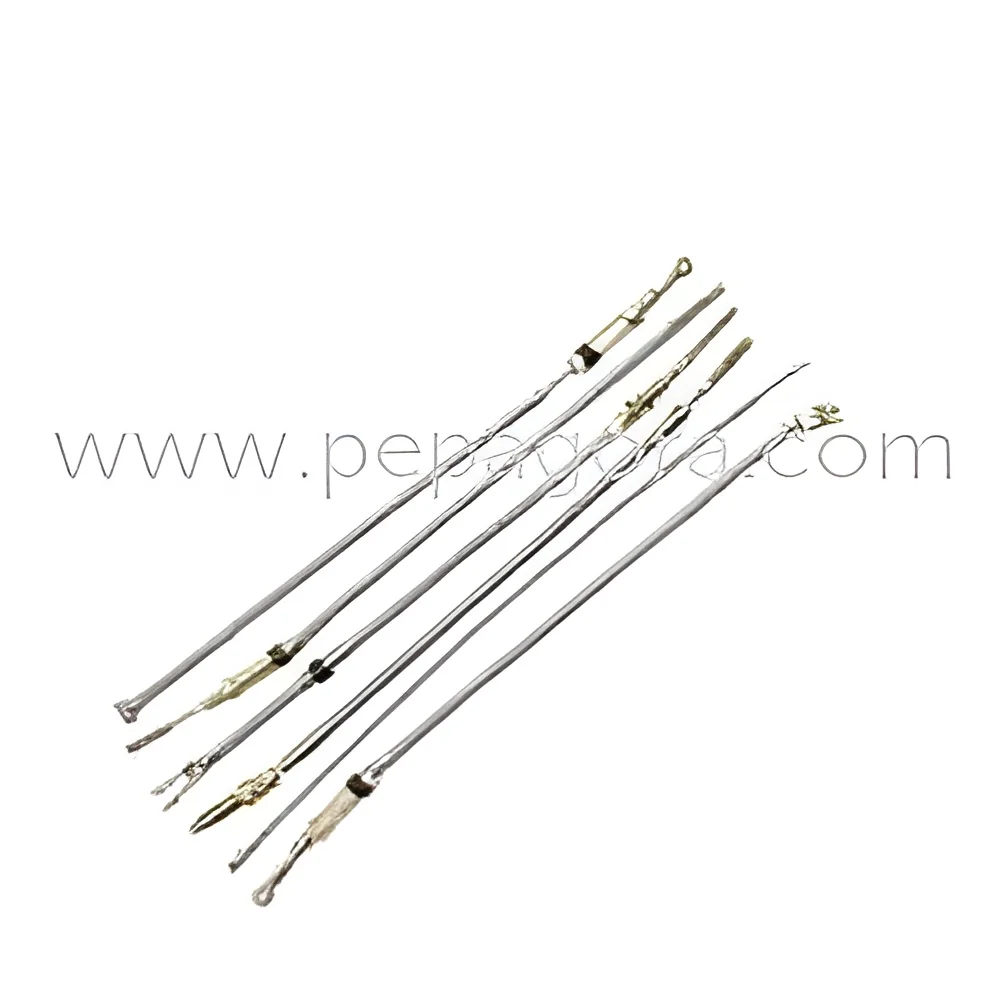
5. Electrical: Commonly used in wiring and connectors due to their excellent conductivity and resistance to corrosion.
6. Marine: Ideal for marine applications where exposure to saltwater is prevalent, offering long-lasting durability.
7. Food Processing: Used in equipment and tools that require hygiene, corrosion resistance, and easy cleaning.
Product Variants and Subcategories
Stainless steel wires come in various forms, each tailored to specific applications and industries.
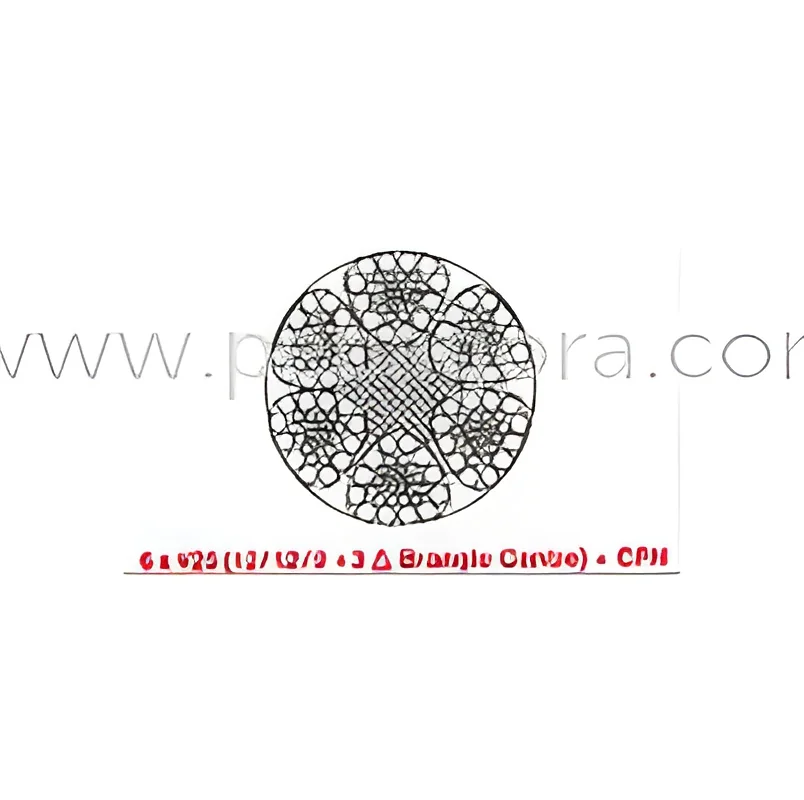
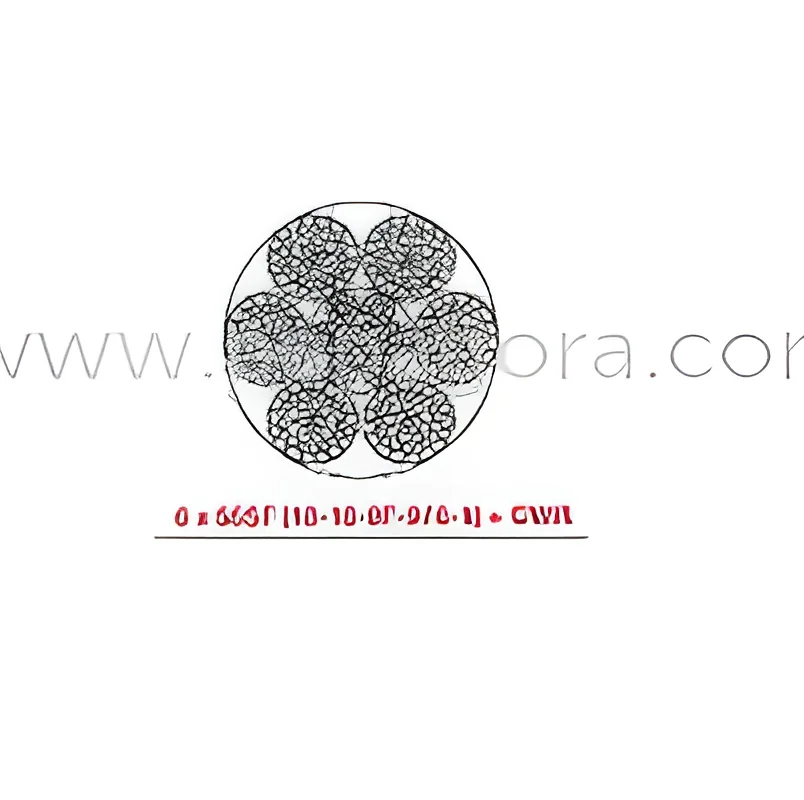
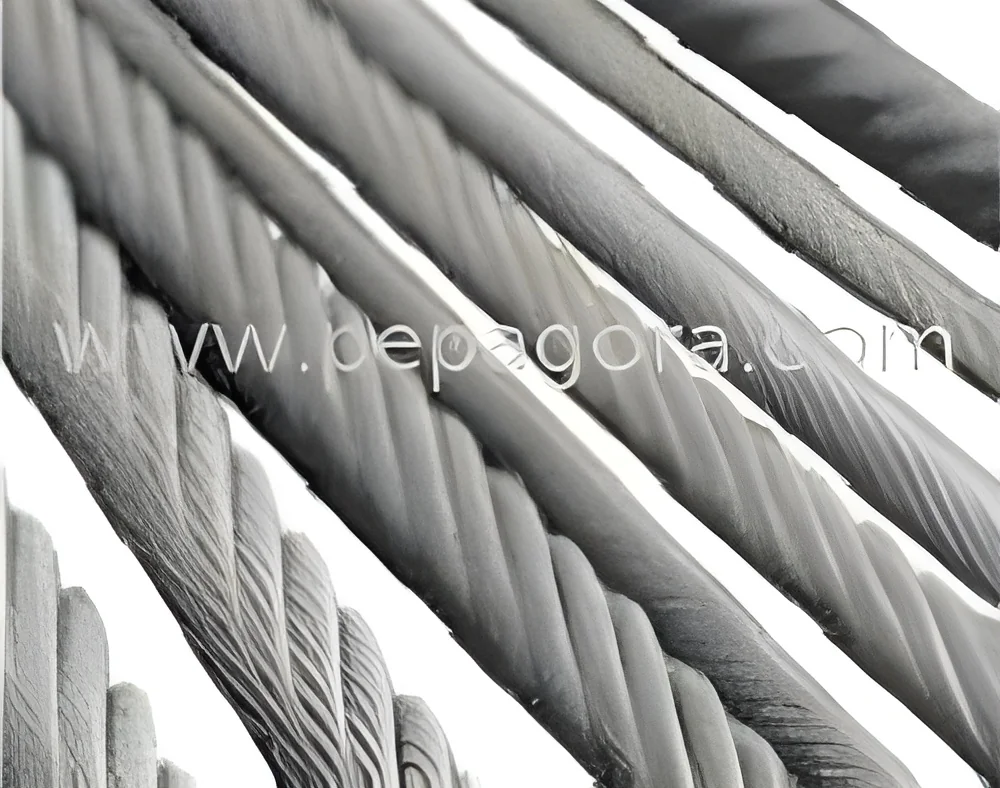
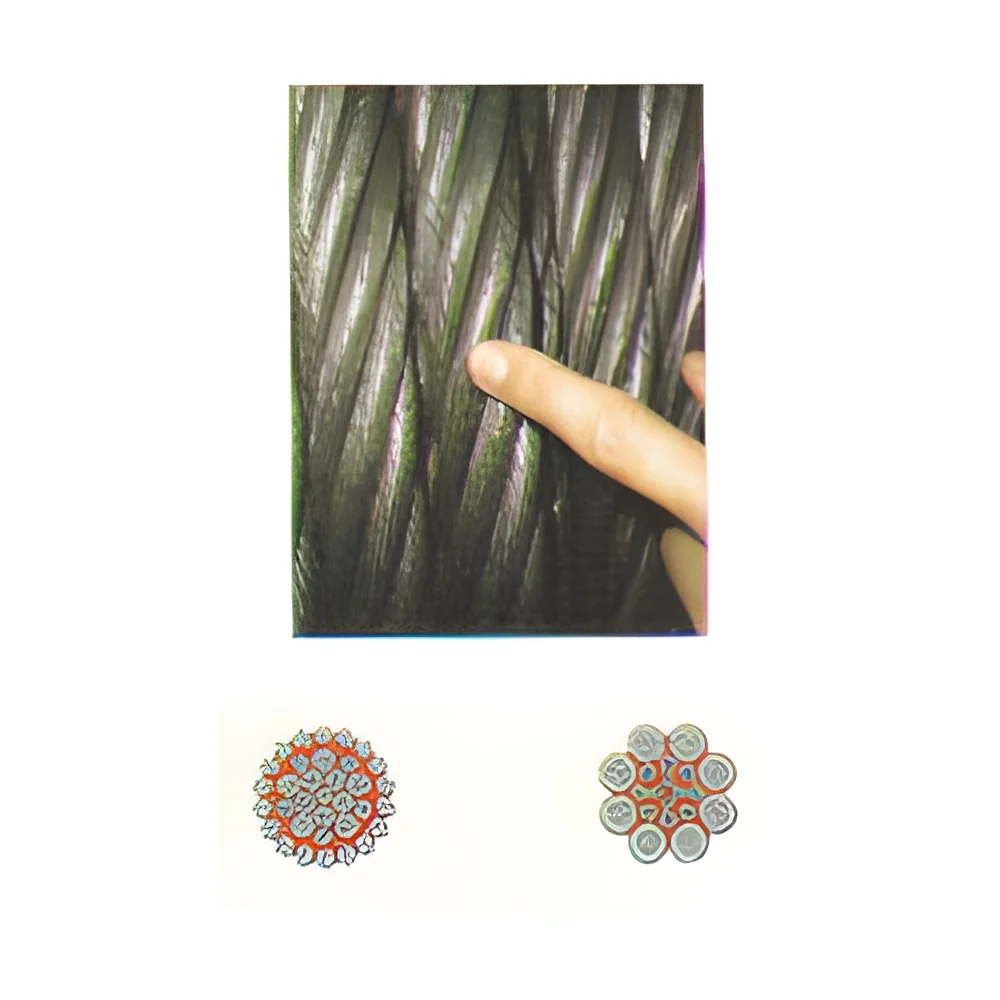
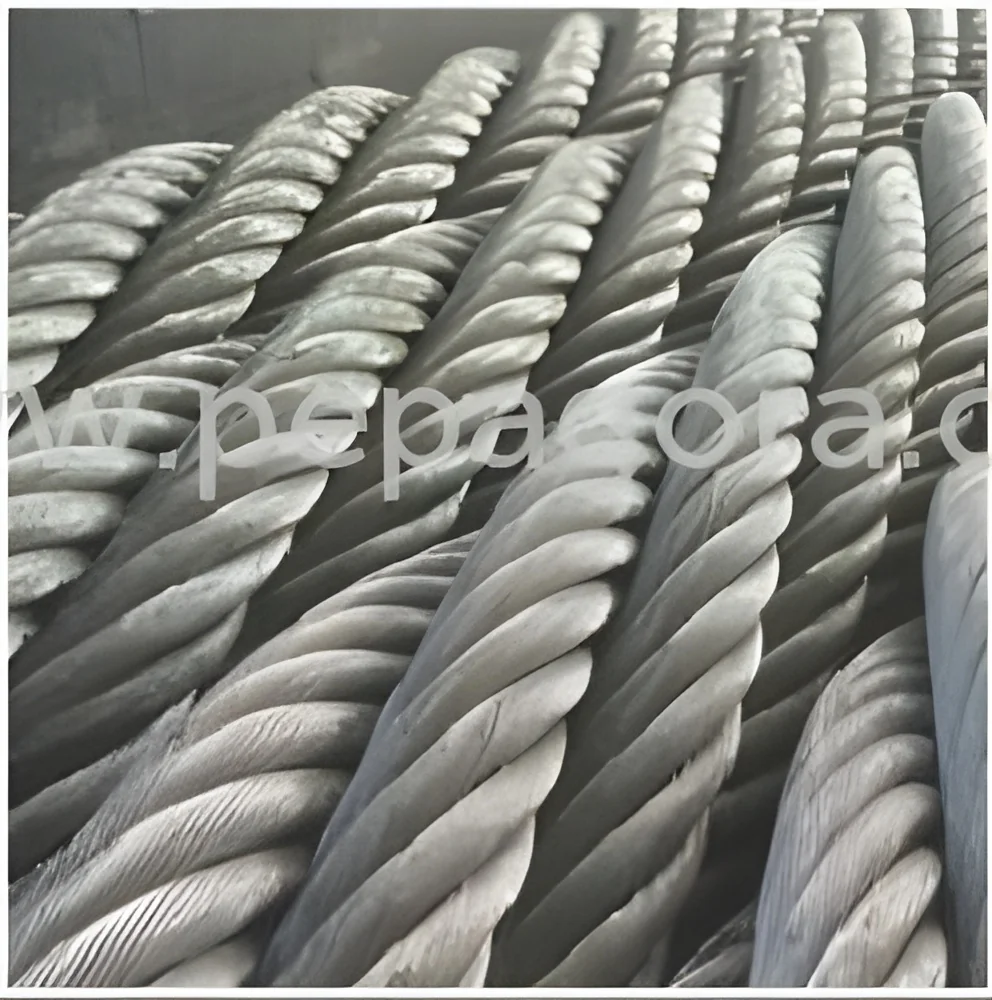
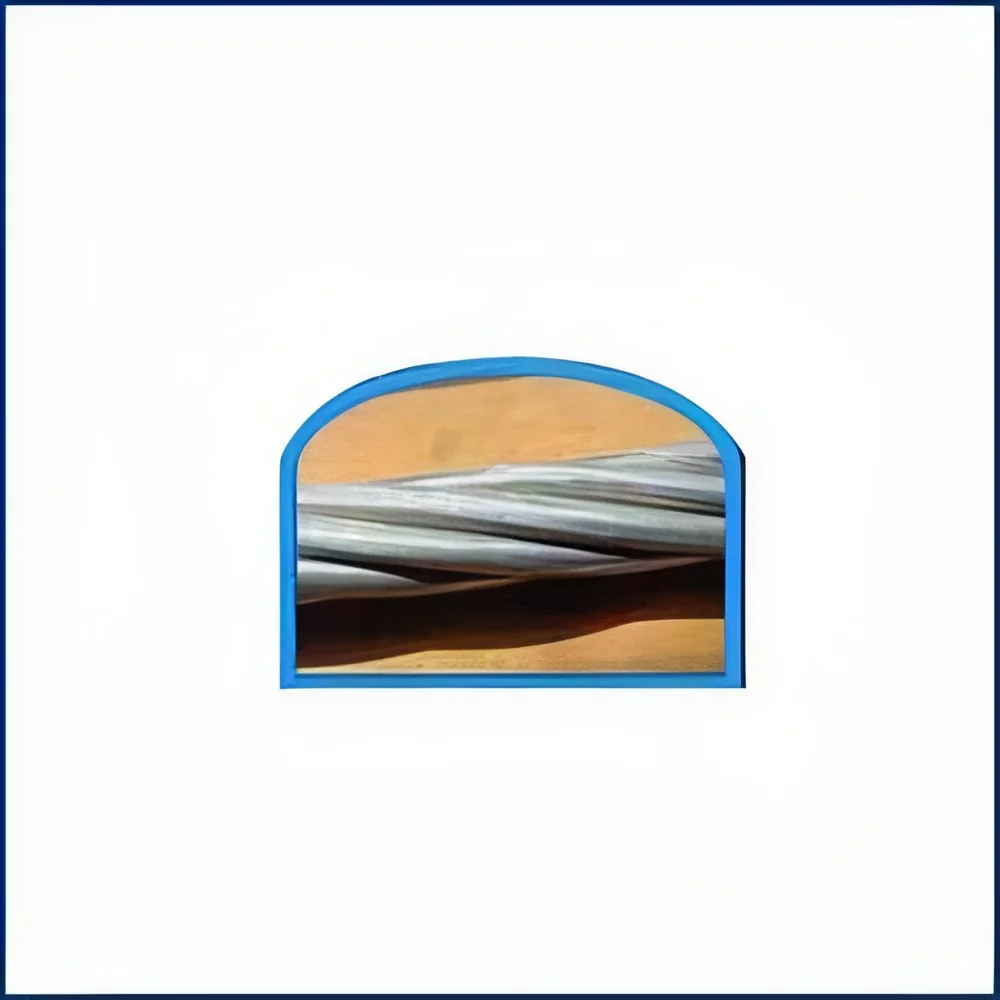
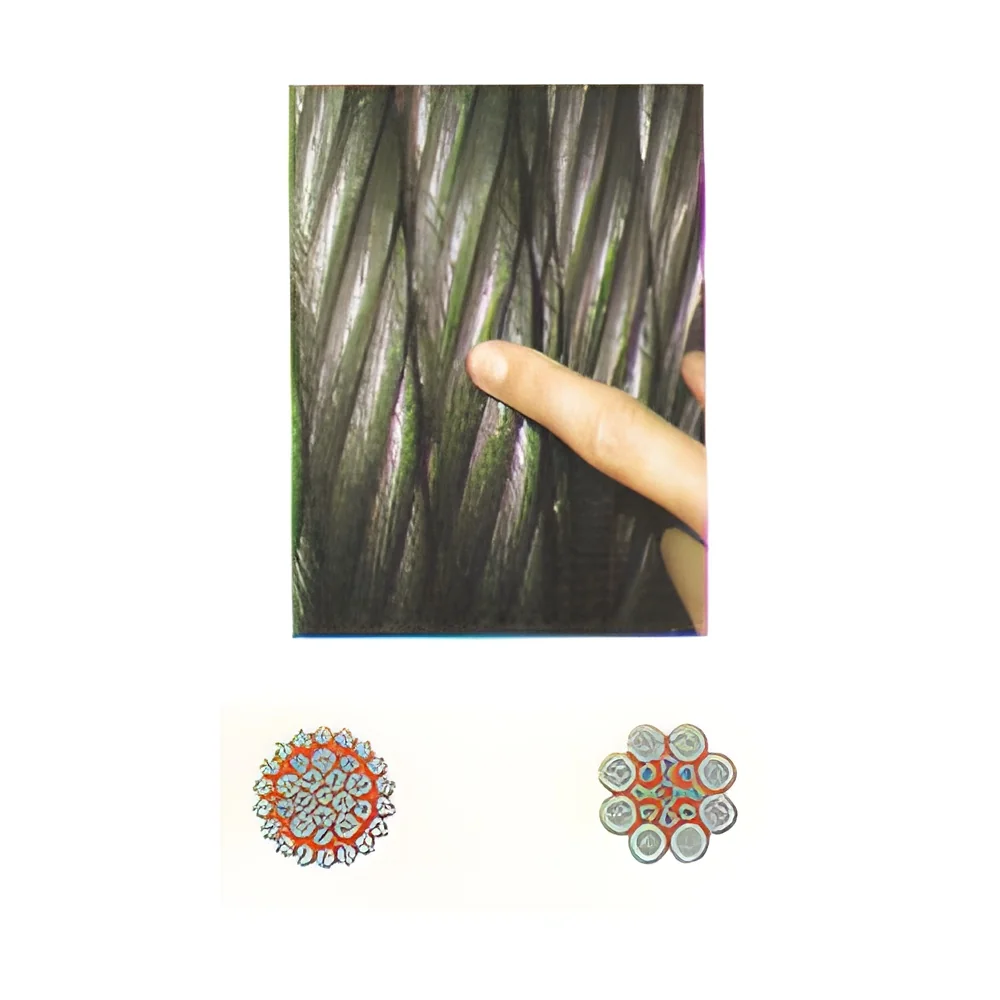
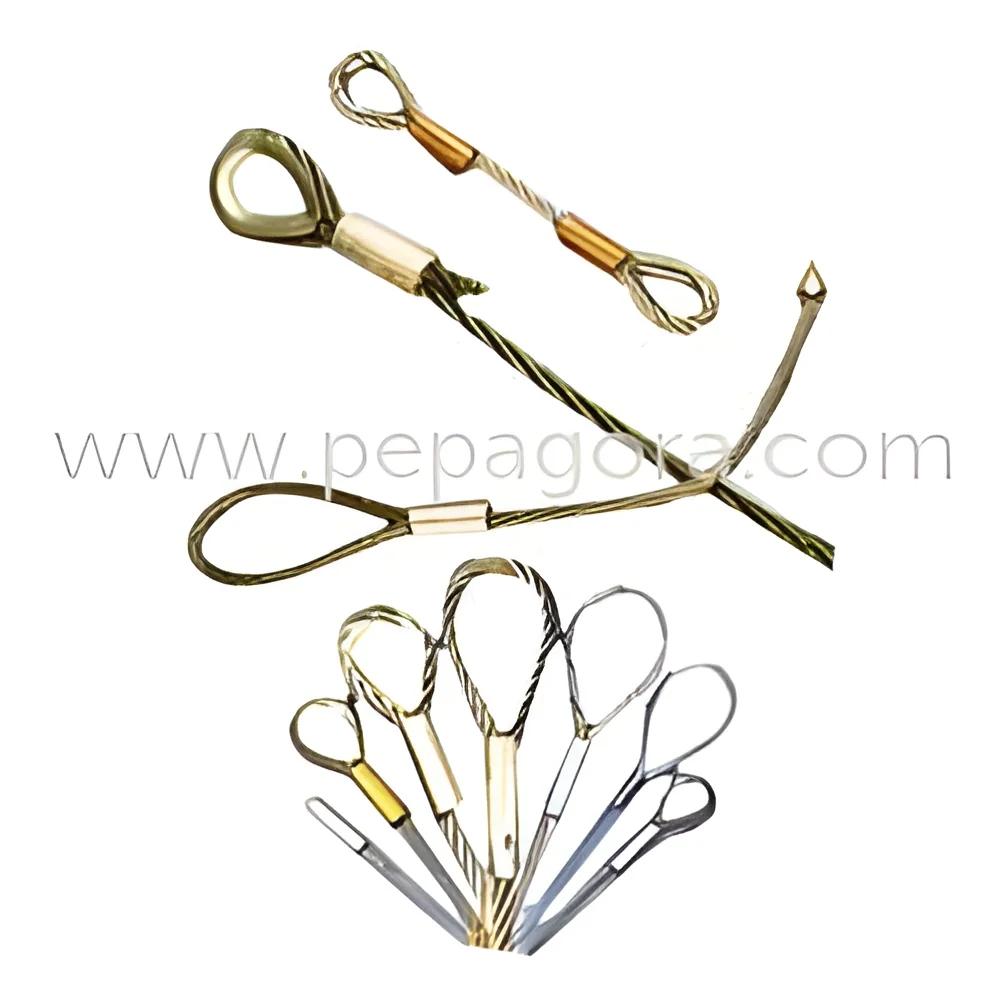
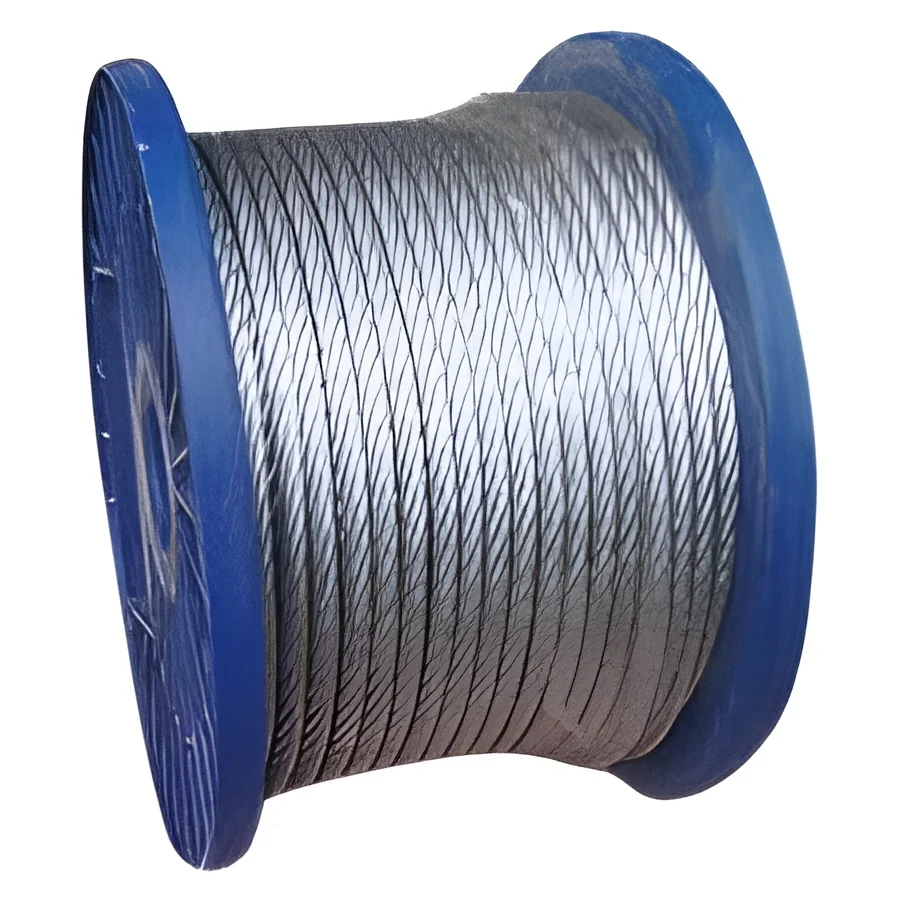
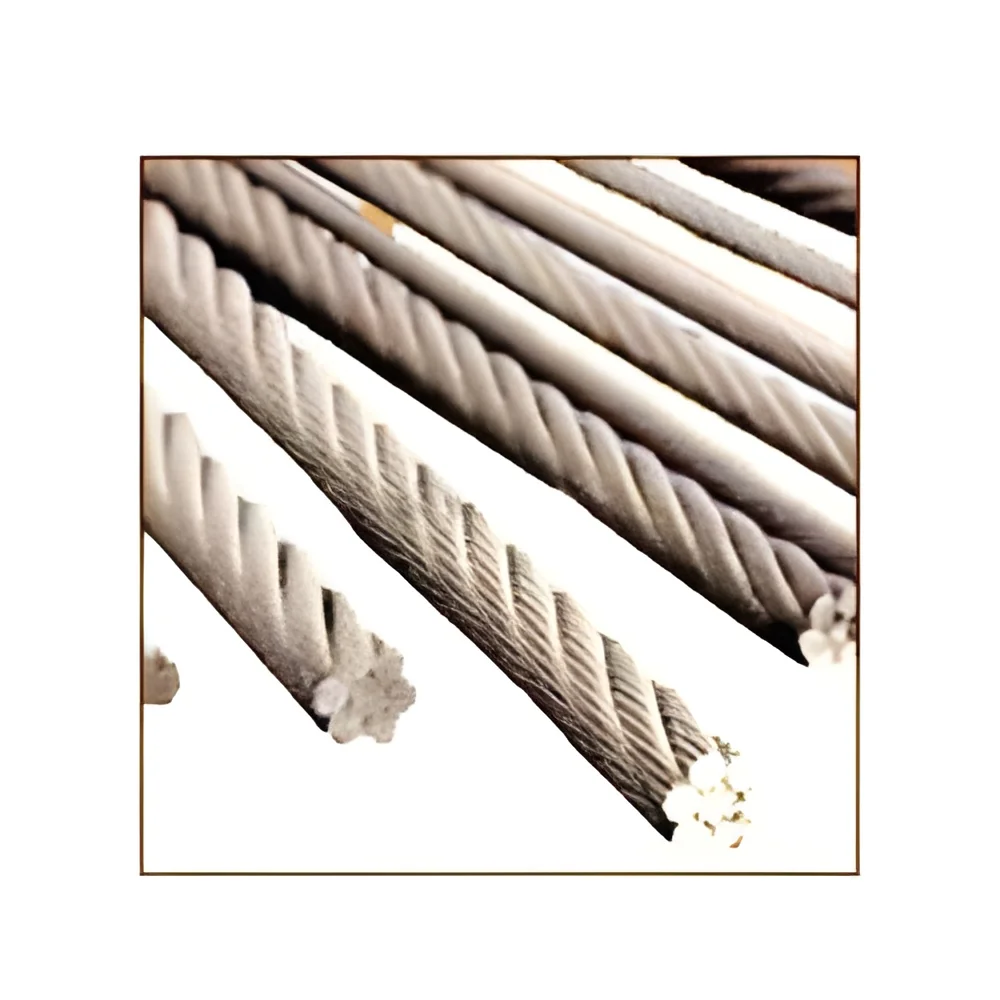
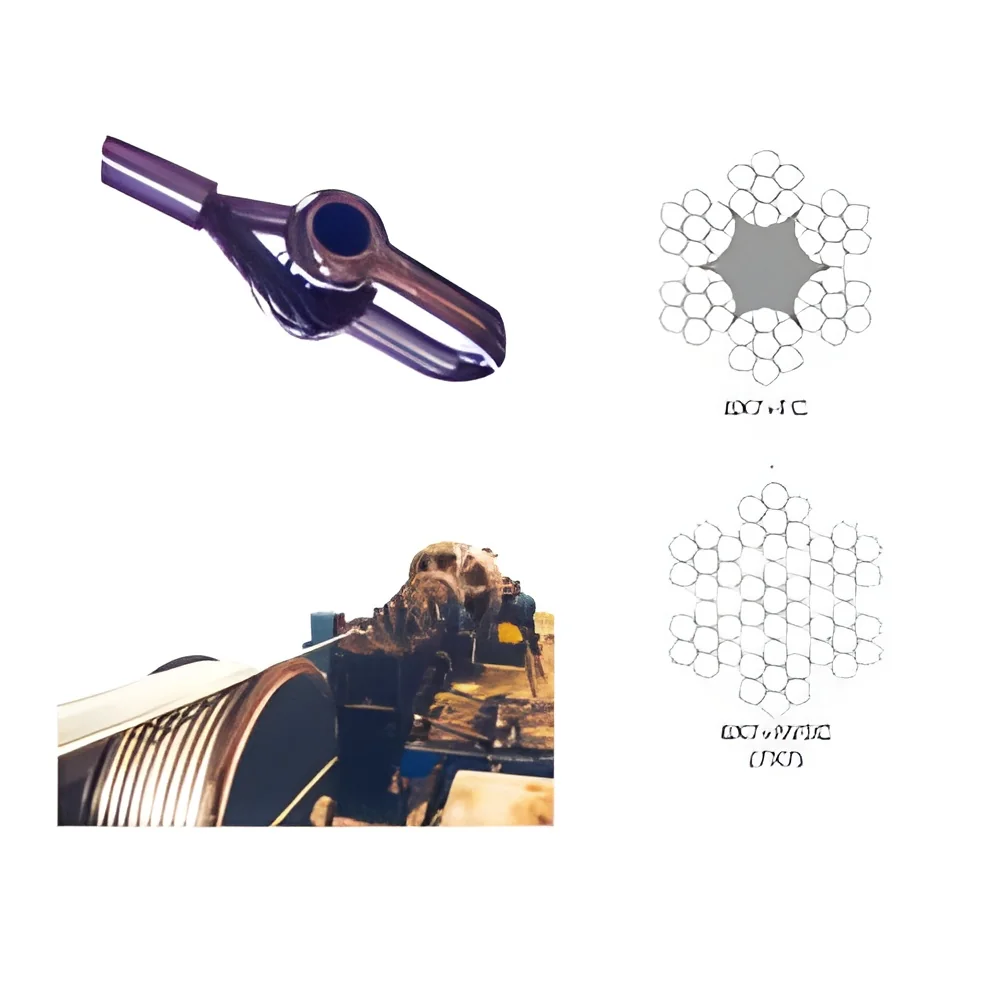
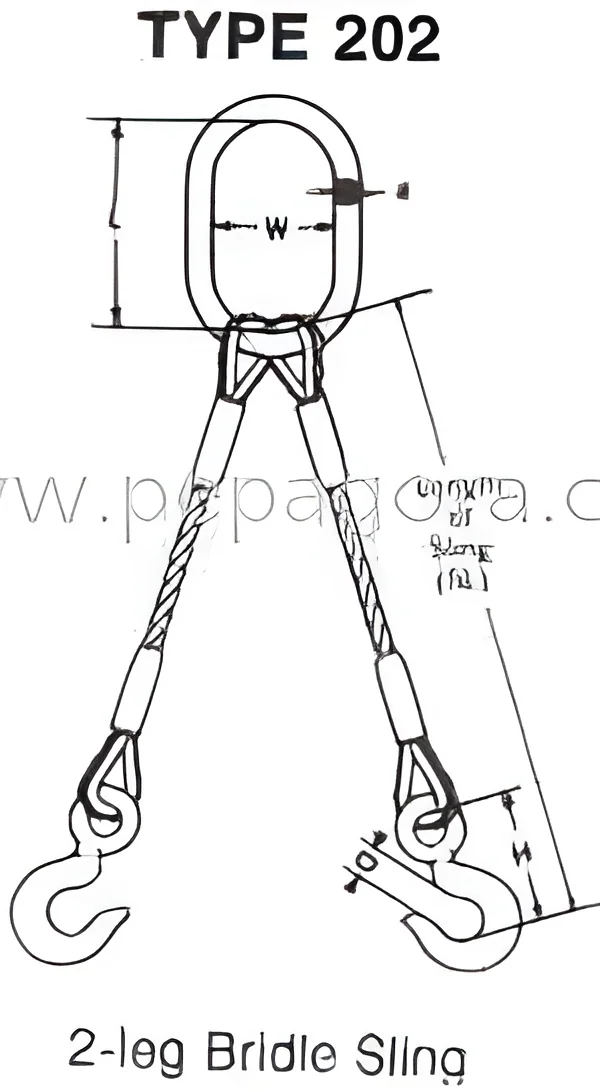
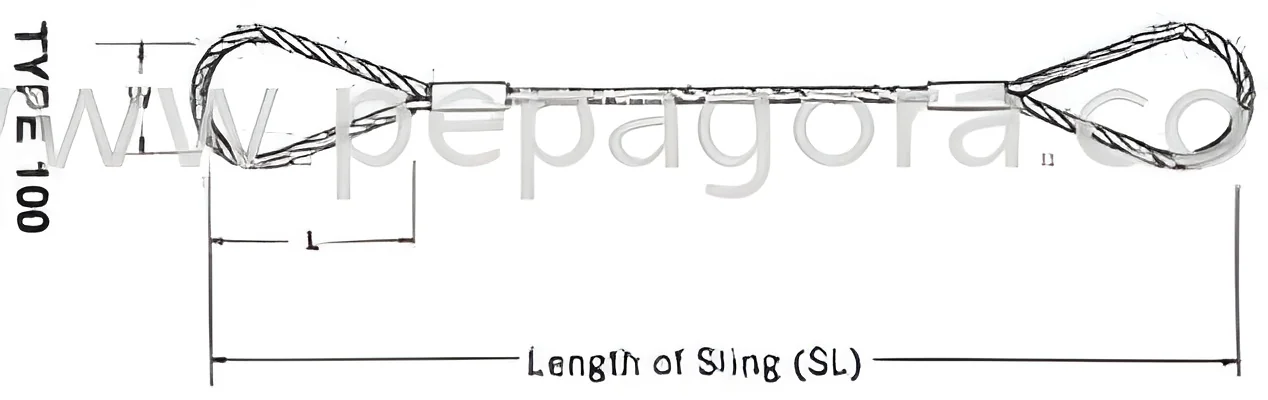
Wire Rope: A type of stainless steel wire designed for lifting and rigging applications. It features multiple strands twisted together to enhance strength and flexibility.
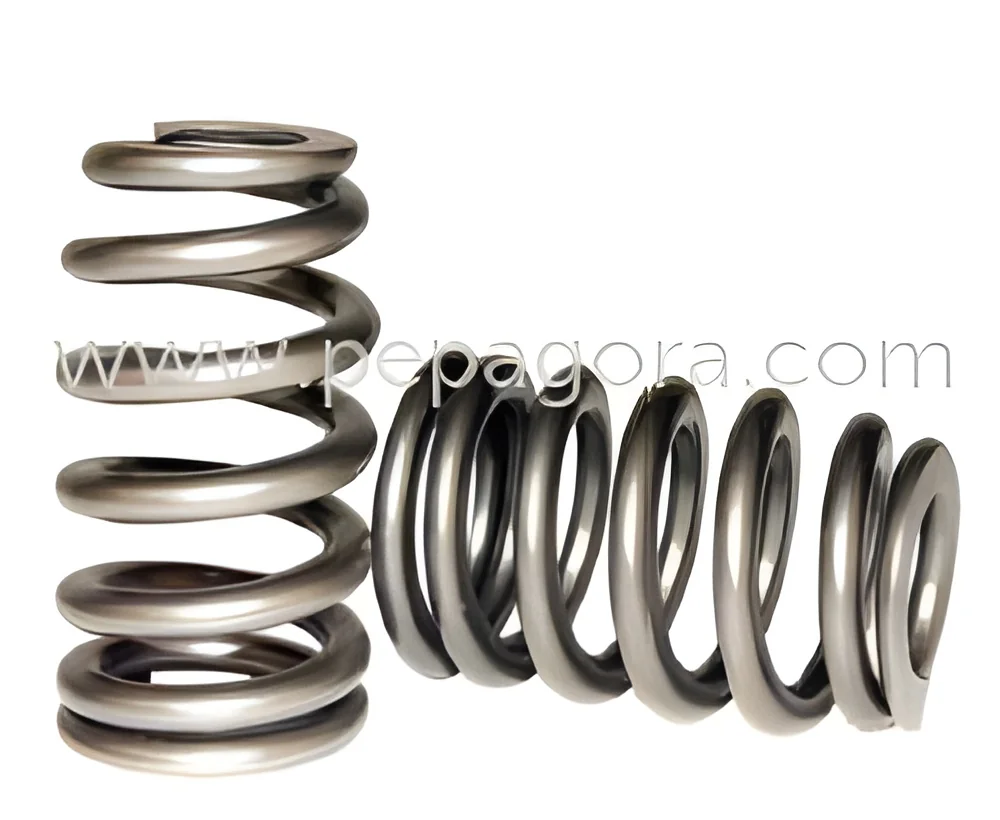
Spring Wire: Specifically engineered for use in spring manufacturing, this variant is known for its high tensile strength and resistance to fatigue.
Welded Wire: Used in construction and fencing, these wires are welded at intersections to form a grid pattern, providing structural support.
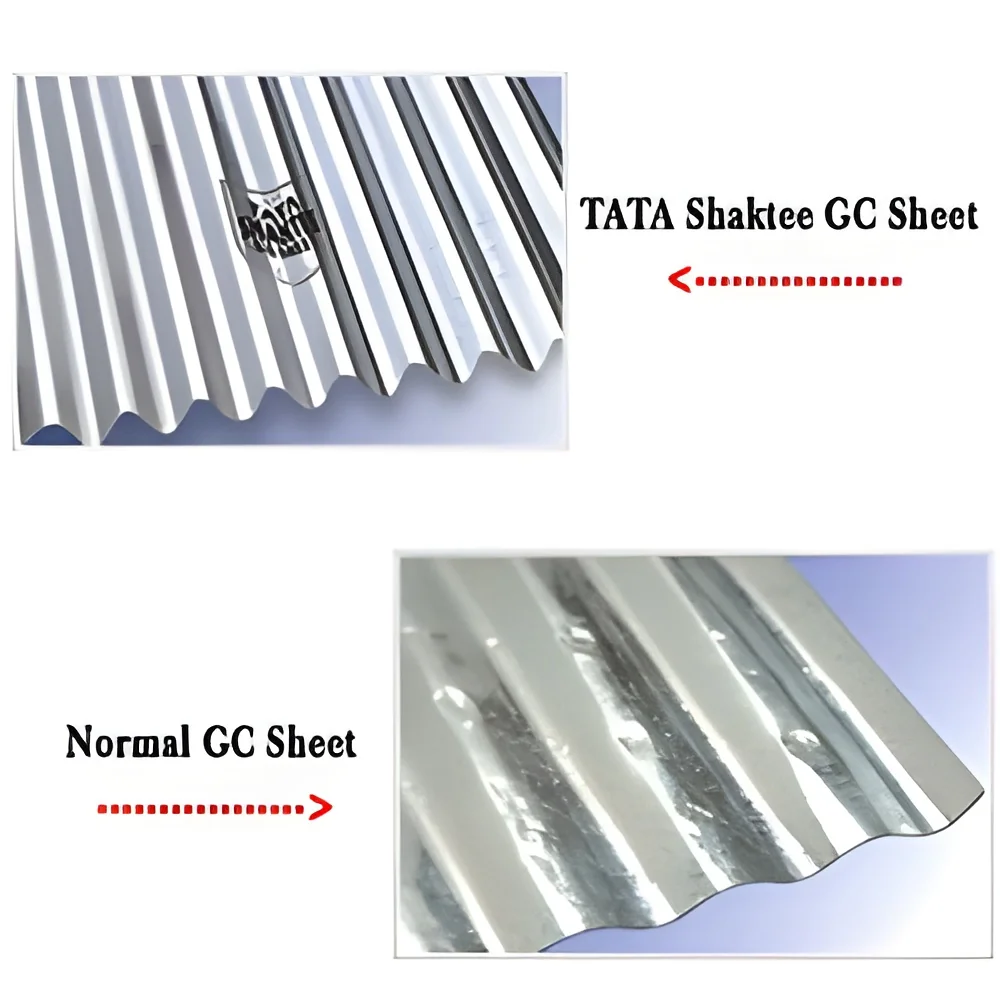
Galvanized Wire: Coated with zinc to enhance corrosion resistance, this wire is ideal for outdoor applications where it is exposed to the elements.
Benefits and Advantages
Stainless steel wires provide numerous advantages that make them a preferred choice across various industries.
1. Corrosion Resistance: The chromium content in stainless steel helps prevent rust and corrosion, extending the lifespan of products made from these wires.
2. High Strength: Stainless steel wires possess high tensile strength, allowing them to withstand significant stress and loads without deformation.
3. Versatility: Available in various diameters and compositions, these wires can be tailored for specific industrial needs.
4. Low Maintenance: Due to their resistance to corrosion and wear, stainless steel wires require minimal maintenance, reducing long-term costs.
5. Aesthetic Appeal: The shiny surface of stainless steel wires is visually appealing, making them suitable for applications where appearance matters.
6. Recyclability: Stainless steel is 100% recyclable, aligning with sustainable practices and reducing environmental impact.
Buying Guide for B2B Buyers
When sourcing stainless steel wires, several key factors should be considered to ensure the best choice for your business needs.
1. Quality Assessment: Evaluate the quality of the wires based on material composition, tensile strength, and compliance with industry standards. Request samples if necessary.
2. Supplier Verification: Conduct thorough research on suppliers, checking their reputation, certifications, and customer reviews to ensure reliability.
3. Pricing and MOQ: Understand the pricing structure and minimum order quantities (MOQ) required by suppliers. Compare quotes from multiple sources to find the best value.
4. Delivery and Lead Times: Discuss logistics with suppliers to determine delivery schedules and lead times, ensuring timely availability of materials.
5. Compliance Requirements: Verify that the stainless steel wires meet relevant regulatory and safety standards applicable to your industry. This may include certifications like CE.
Compliance and Certifications
Compliance with industry standards and certifications is critical for stainless steel wires to ensure quality and safety. ISO 9001 is a well-recognized quality management standard that underscores a supplier's commitment to providing consistent products. Additionally, HACCP guidelines may be relevant for food processing applications, ensuring that materials do not contaminate food products.
The CE certification is essential for products sold within the European market, indicating compliance with safety and environmental protection standards. Safety testing is also crucial to verify the performance of stainless steel wires in various applications, particularly in critical sectors like aerospace and medical devices.
Regional compliance considerations may vary, so it is essential for businesses to be aware of specific regulations and standards that apply in their target markets.
Why Source Stainless Steel Wires from Pepagora?
Pepagora offers a reliable platform for sourcing stainless steel wires, providing several key advantages that can benefit your business.
Verified Supplier Network: Pepagora ensures that all suppliers within its network are thoroughly vetted and verified for quality and reliability. This gives buyers confidence in the materials they source.
Streamlined RFQ Process: The platform features an efficient request for quotation (RFQ) system that simplifies the procurement process. Buyers can quickly obtain quotes from multiple suppliers, enhancing decision-making.
Trade Assurance and Support: Pepagora provides trade assurance, giving buyers protection throughout the purchasing process. This includes support for resolving disputes and ensuring timely delivery.
Regional Coverage: With a strong presence in India, the GCC, and Southeast Asia, Pepagora caters to a wide geographical area, making it easier for businesses across these regions to find suitable suppliers for their stainless steel wires.

 IN
IN