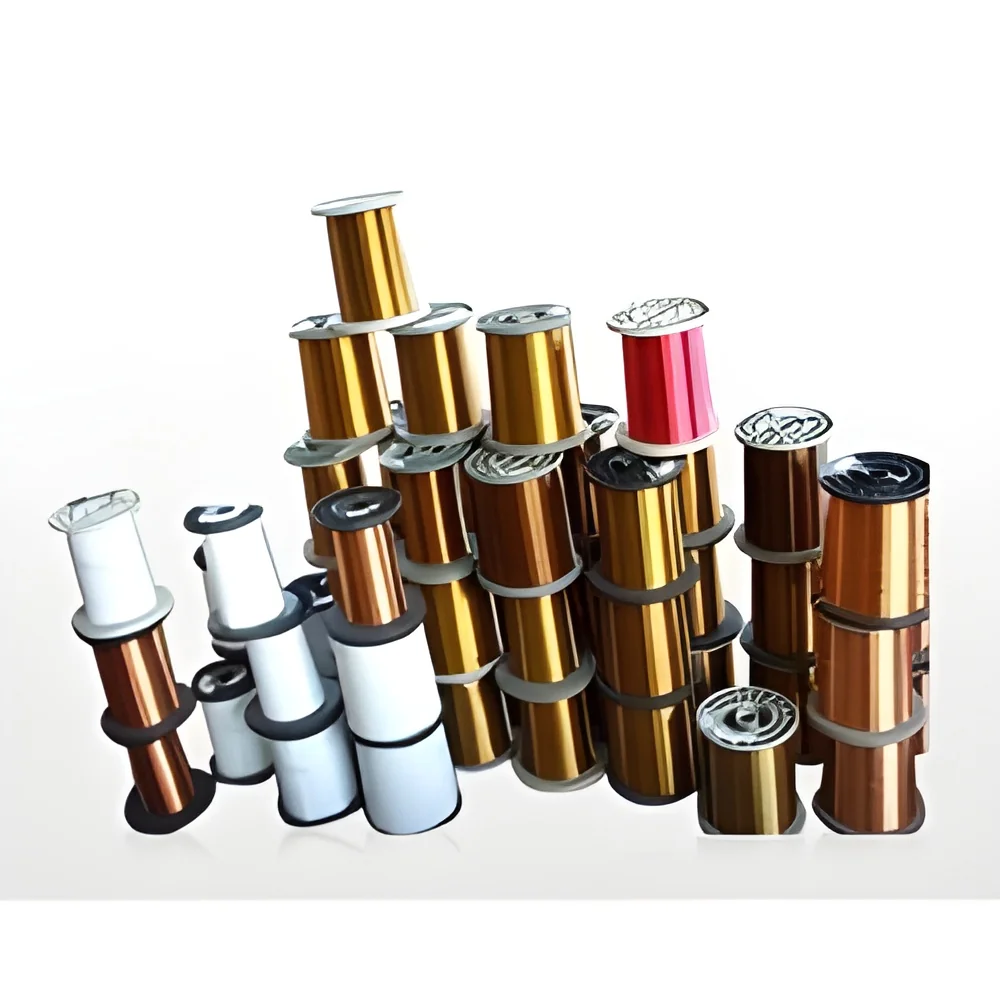
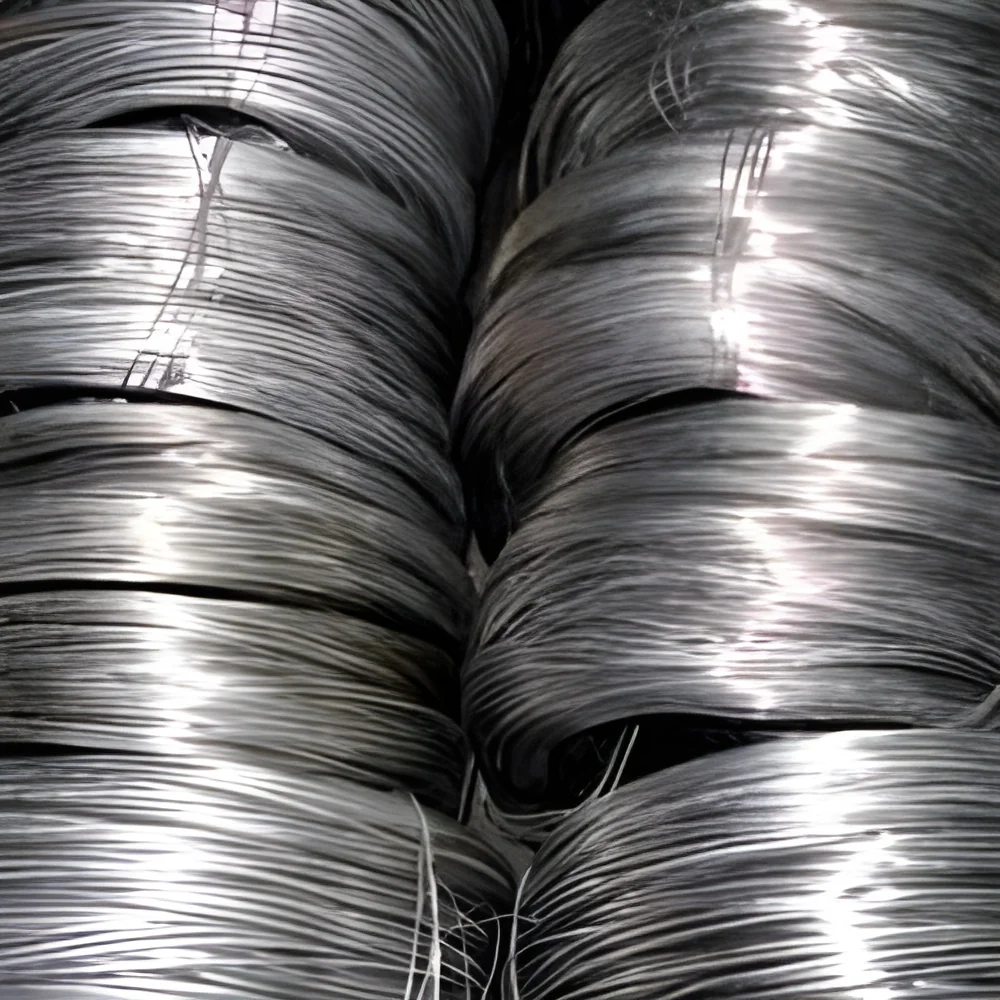
What are Aluminum Wires?
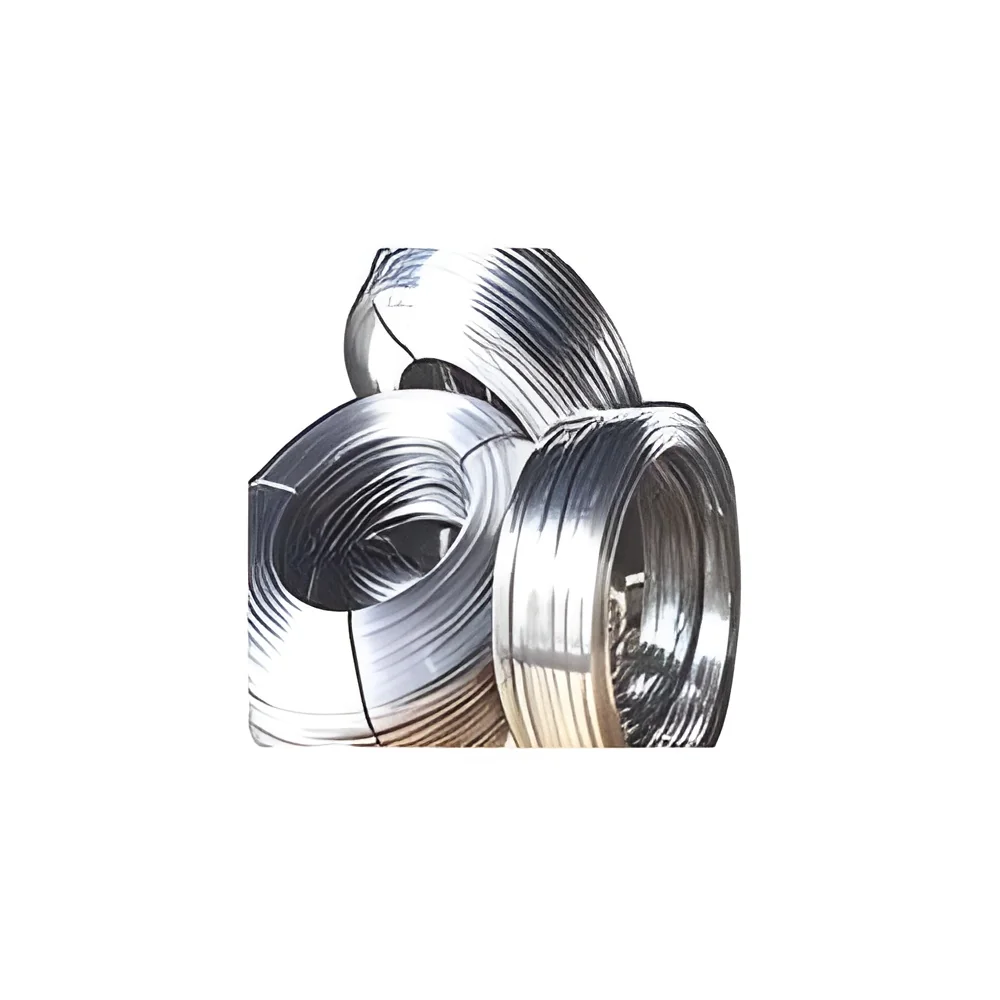
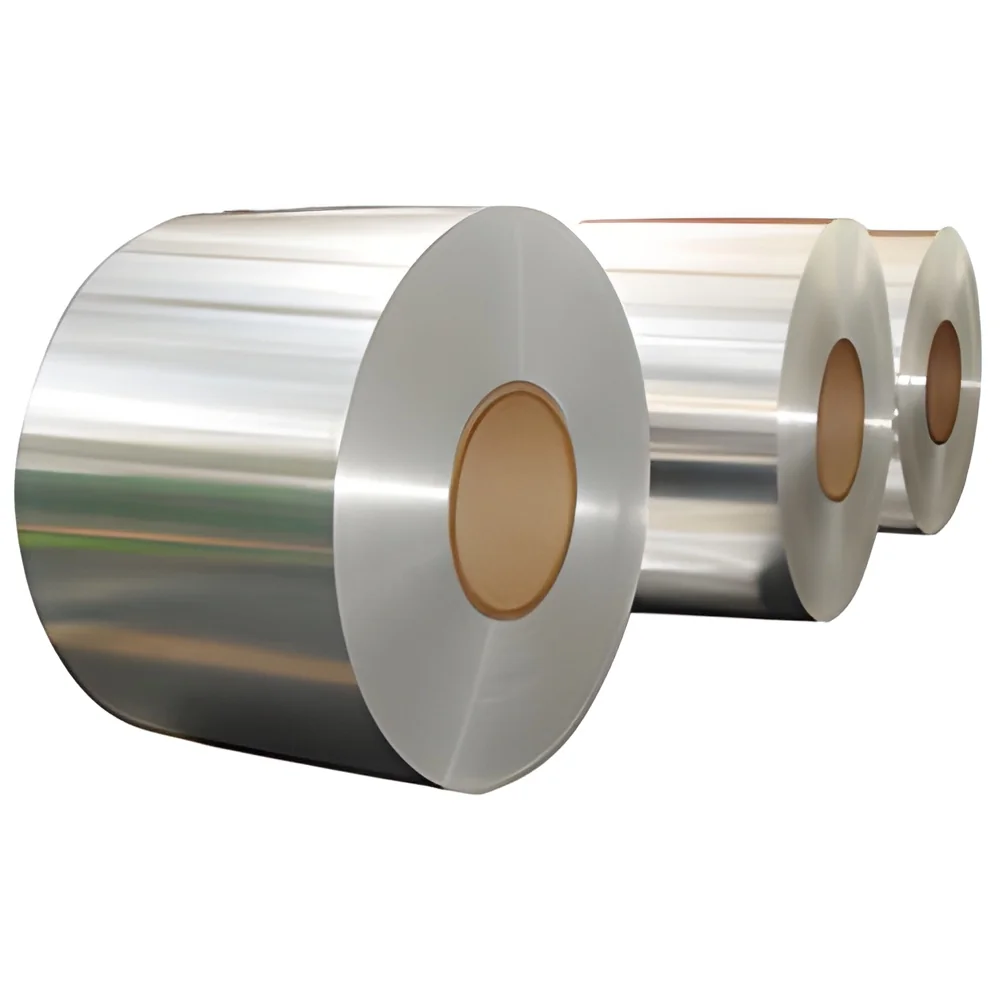
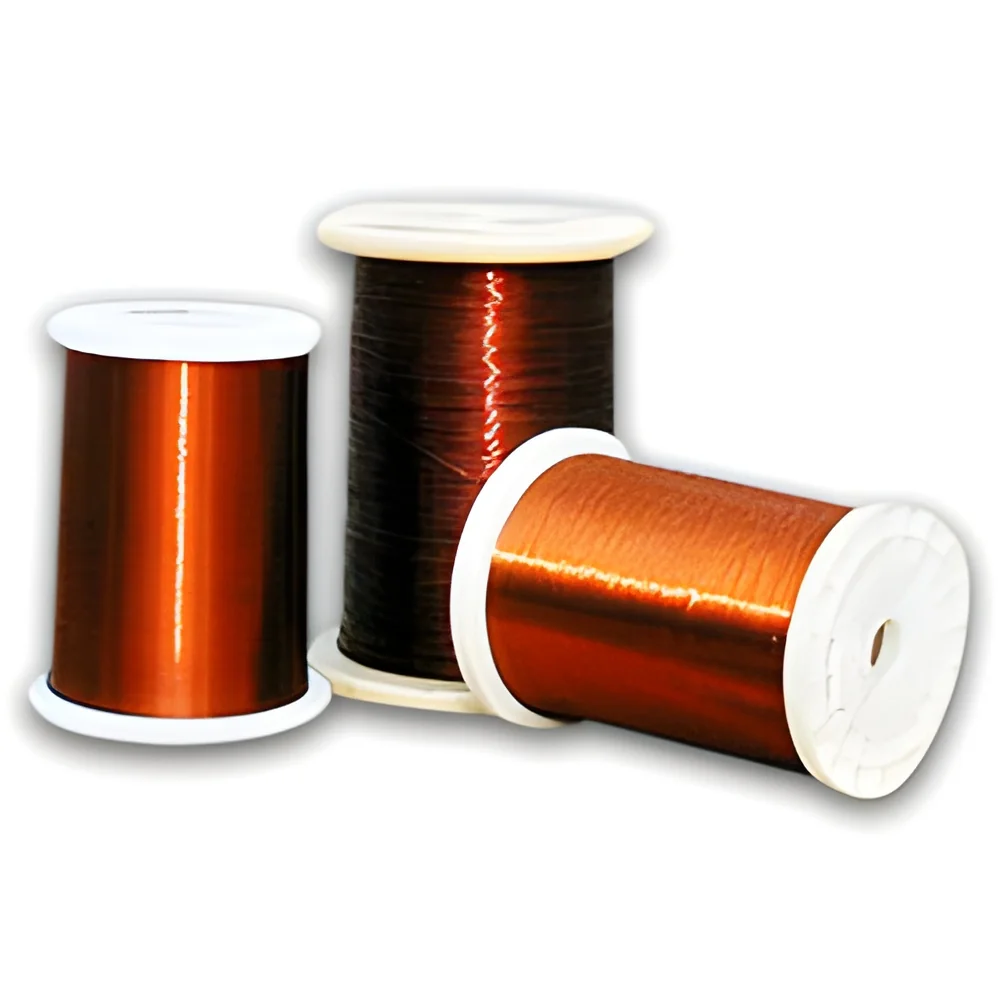
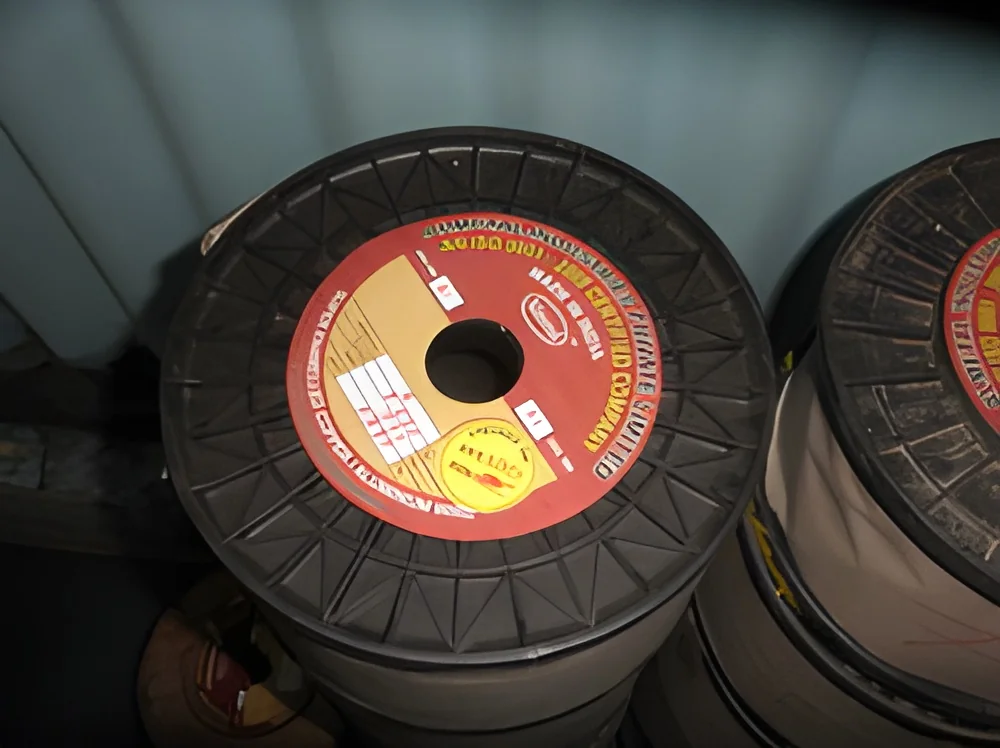
Aluminum wires are conductive materials made primarily from aluminum, known for their lightweight and high conductivity properties. These wires are commonly used in electrical applications due to their excellent electrical and thermal conductivity, making them a popular choice in various industries. Aluminum wires are an ideal alternative to copper wires, especially where weight and cost are critical factors.
In business applications, aluminum wires are utilized for power transmission, electrical wiring, and as components in electronic devices. Industries such as construction, telecommunications, and automotive frequently use aluminum wires for their lightweight characteristics and cost-effectiveness. Given the growing demand for energy-efficient solutions, aluminum wires are becoming increasingly relevant in the market as companies seek to reduce weight and improve performance in their electrical systems.
Key Features and Specifications
Aluminum wires come with several key features and specifications that make them suitable for various applications. Understanding these specifications helps businesses select the right product for their needs.
Key specifications include:
1. Conductivity
- High electrical conductivity, typically around 61% of copper's conductivity.
- Suitable for long-distance power transmission.
2. Weight
- Lightweight compared to copper, making it easier to handle and install.
- Reduces overall project weight, particularly in construction applications.
3. Corrosion Resistance
- Naturally resistant to corrosion due to the formation of a protective oxide layer.
- Extends the lifespan of installations in outdoor or humid environments.
4. Flexibility
- Offers good flexibility, which allows for easy bending and manipulation.
- Ideal for applications where routing through tight spaces is required.
5. Temperature Tolerance
- Can operate effectively in a wide range of temperatures (specific ranges not defined).
- Suitable for various environmental conditions.
6. Cost Efficiency
- Generally more cost-effective than copper, reducing overall project costs.
- Provides a competitive advantage in large-scale electrical projects.
In summary, aluminum wires combine essential features that enhance their usability in numerous industries while offering cost savings.
Common Applications and Use Cases
Aluminum wires are utilized across a wide range of industries, each benefiting from the properties of aluminum as a conductive material.
1. Construction: Aluminum wires are commonly used in building electrical systems, including residential and commercial wiring, due to their lightweight and cost-effective nature.
2. Telecommunications: These wires serve in telephone lines, cable networks, and other communication systems, providing reliable connectivity with reduced weight.
3. Automotive: Aluminum wires are found in various automotive applications, including wiring harnesses, where weight reduction is crucial for fuel efficiency.
4. Power Generation: In the energy sector, aluminum wires are used for power transmission and distribution, ensuring efficient delivery over long distances.
5. Aerospace: The aerospace industry employs aluminum wires in aircraft systems, benefiting from their lightweight properties to enhance fuel efficiency.
6. Electrical Appliances: Many household and industrial electrical appliances use aluminum wires for internal wiring, balancing performance with cost.
7. Renewable Energy: Aluminum wires are increasingly used in solar panel connections and wind turbine systems, promoting energy efficiency and sustainability.
Product Variants and Subcategories
Aluminum wires are available in various forms and configurations to suit different applications.
Stranded Aluminum Wires
Stranded aluminum wires consist of multiple smaller aluminum strands twisted together. This design enhances flexibility, making them ideal for applications requiring bending or twisting, such as in electrical panels and wiring harnesses.
Solid Aluminum Wires
Solid aluminum wires are made from a single piece of aluminum. They are typically used in applications requiring direct connections, such as in residential wiring and power distribution systems, where rigidity is beneficial.
Tinned Aluminum Wires
Tinned aluminum wires are coated with a thin layer of tin to improve corrosion resistance. They are often used in marine and outdoor applications where exposure to moisture is a concern.
Benefits and Advantages
The use of aluminum wires offers several advantages for businesses and industries.
1. Cost Savings: Aluminum wires are generally less expensive than copper wires, providing significant cost savings for large-scale projects.
2. Lightweight Design: The lightweight nature of aluminum wires reduces transportation costs and simplifies installation processes.
3. High Conductivity: Aluminum wires deliver excellent electrical conductivity, making them suitable for efficient power transmission.
4. Corrosion Resistance: The natural resistance to corrosion increases the longevity of installations, reducing maintenance costs.
5. Flexibility: The inherent flexibility of aluminum wires allows for easier installation in complex environments.
6. Energy Efficiency: By utilizing aluminum wires, businesses can improve the energy efficiency of their electrical systems, contributing to sustainability goals.
Buying Guide for B2B Buyers
When sourcing aluminum wires, it is essential for B2B buyers to consider several key factors to ensure they make informed decisions.
1. Quality Assessment: Evaluate the quality of aluminum wires by reviewing certifications and compliance with industry standards. Look for wires that meet specific electrical conductivity and durability requirements.
2. Supplier Verification: Vet suppliers by checking their reputation, customer reviews, and reliability in delivering products on time. This helps ensure a smooth procurement process.
3. Pricing and MOQ: Understand the pricing structure and minimum order quantities (MOQs) set by suppliers. This information is crucial for budgeting and planning.
4. Delivery and Lead Times: Inquire about delivery timelines and lead times to ensure that your supply chain remains uninterrupted. Timely delivery is vital for maintaining project schedules.
5. Compliance Requirements: Ensure that the aluminum wires comply with relevant regulations and standards, such as CE certification, which may vary by region.
Compliance and Certifications
Aluminum wires must adhere to various quality standards and certifications to guarantee their reliability and safety in applications.
ISO 9001 is a quality management standard that ensures manufacturers maintain high-quality processes in production. Compliance with ISO 9001 indicates a commitment to quality and continuous improvement in manufacturing practices.
CE certification signifies that the product meets European safety, health, and environmental protection standards. This certification is essential for products sold in the European market, ensuring that they are safe for use.
Safety and testing requirements for aluminum wires include rigorous testing for conductivity, tensile strength, and corrosion resistance. These tests help verify that the wires meet industry standards for performance.
Regional compliance considerations may vary depending on local regulations. Buyers should be aware of any specific compliance requirements that apply to their region or industry to ensure that their products are acceptable for use.
Why Source Aluminum Wires from Pepagora?
Pepagora provides a trusted platform for sourcing aluminum wires, offering several key advantages for businesses looking to procure quality products.
Verified Supplier Network: Pepagora connects buyers with a network of verified suppliers. This ensures that businesses can find reliable and reputable sources for aluminum wires, minimizing the risk of subpar products.
Streamlined RFQ Process: The platform features a streamlined request-for-quotation (RFQ) process, allowing buyers to easily compare prices and terms from multiple suppliers. This simplifies decision-making and enhances procurement efficiency.
Trade Assurance and Support: Pepagora offers trade assurance, protecting buyers against potential issues during the purchasing process. This added layer of support provides peace of mind for businesses investing in aluminum wires.
Regional Coverage: With a strong presence in regions such as India, the GCC, and Southeast Asia, Pepagora enables businesses to access a wide range of suppliers and products tailored to their local market needs. This geographic reach enhances connectivity and supply chain efficiency.

 IN
IN