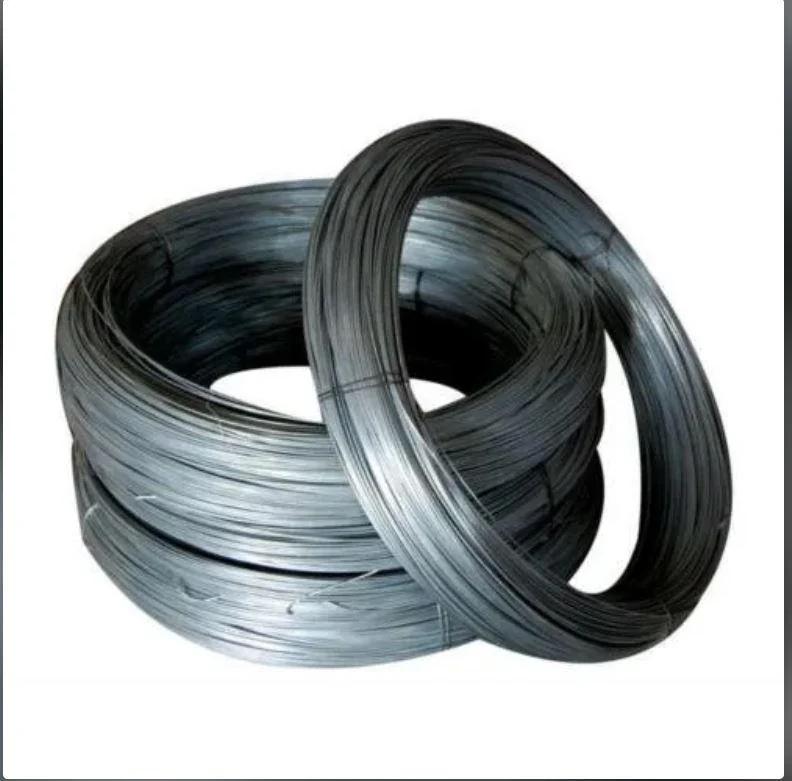
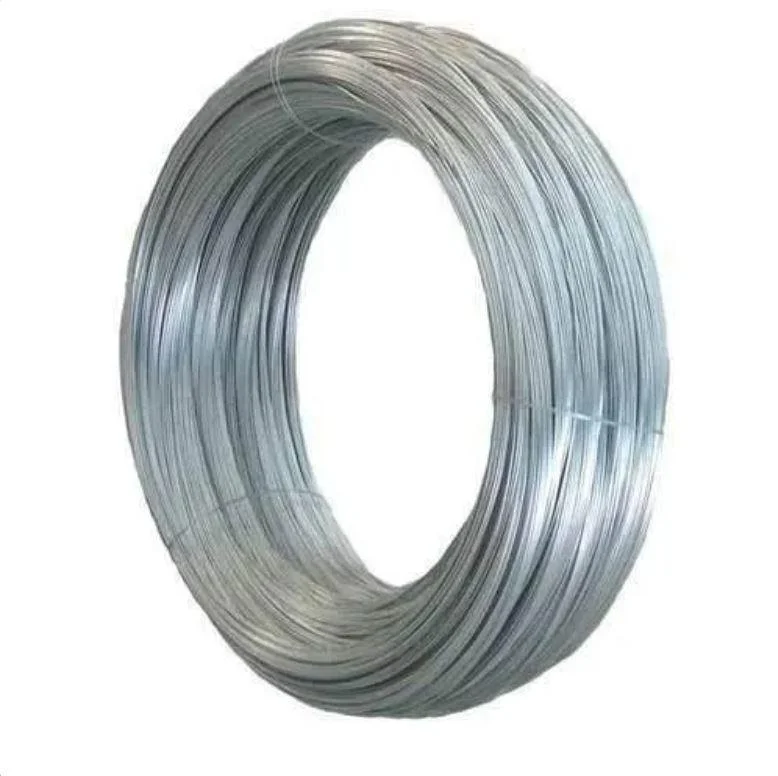
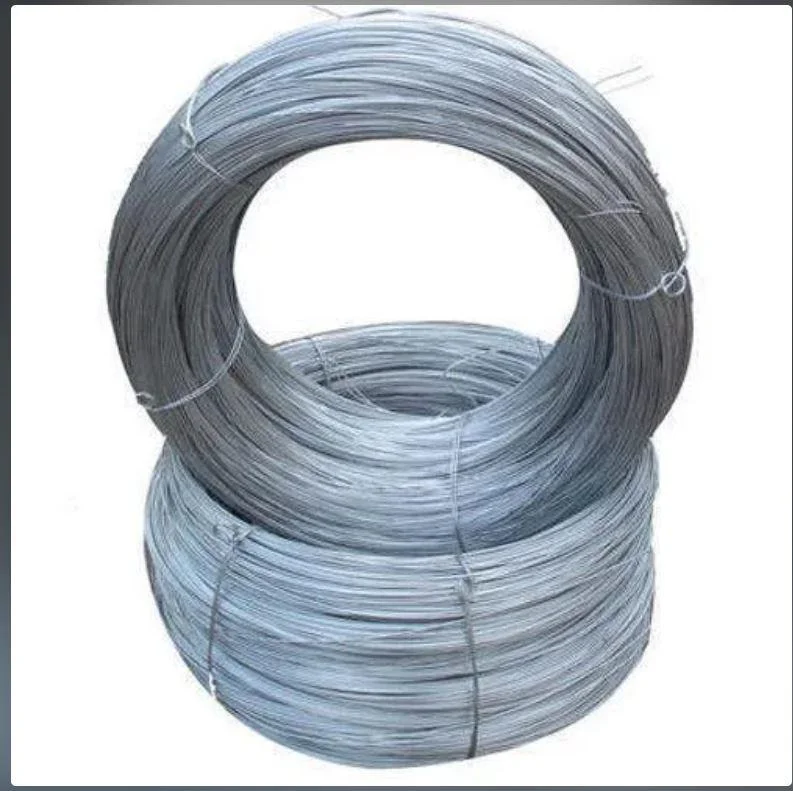
What are Galvanized Wires?
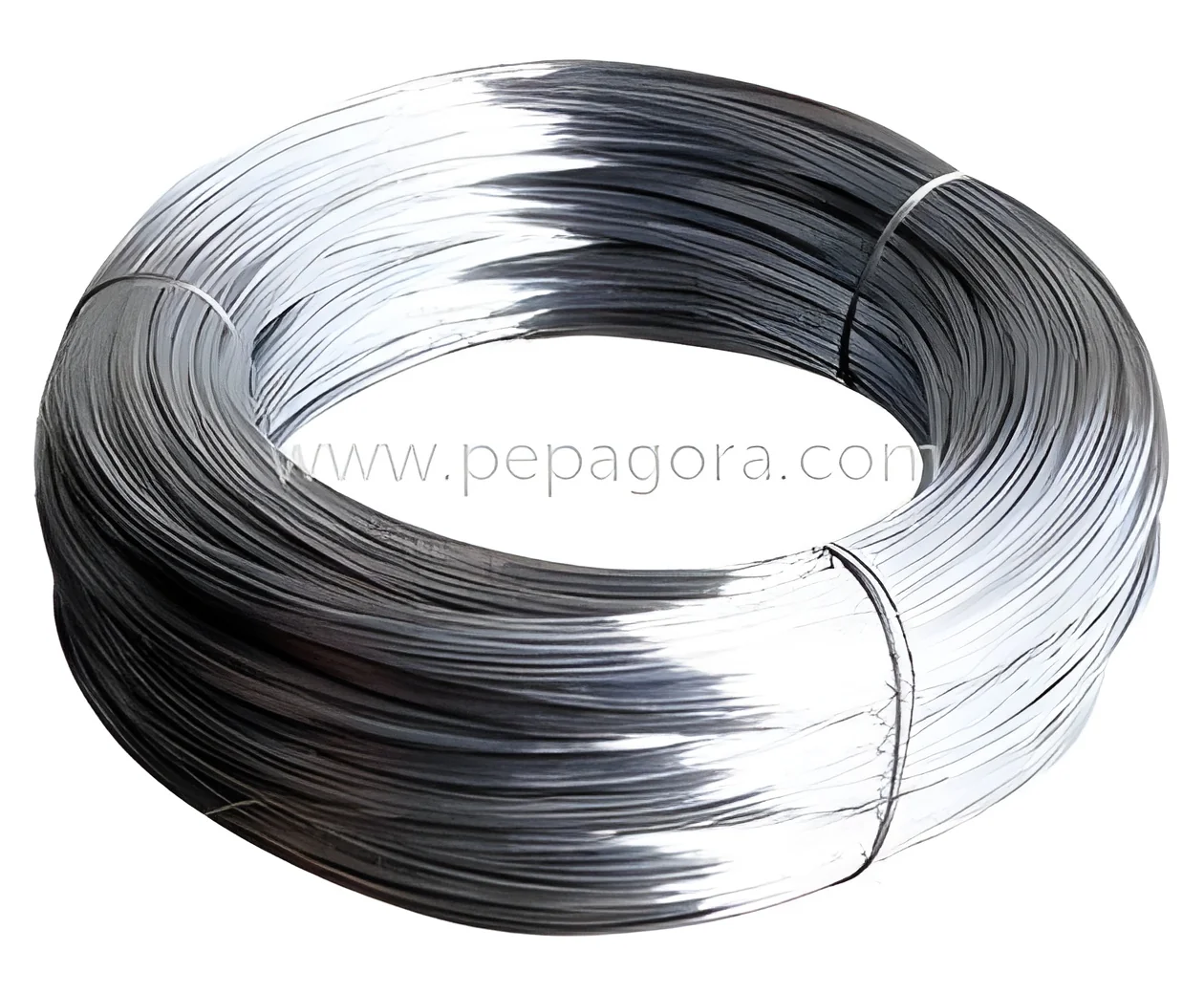
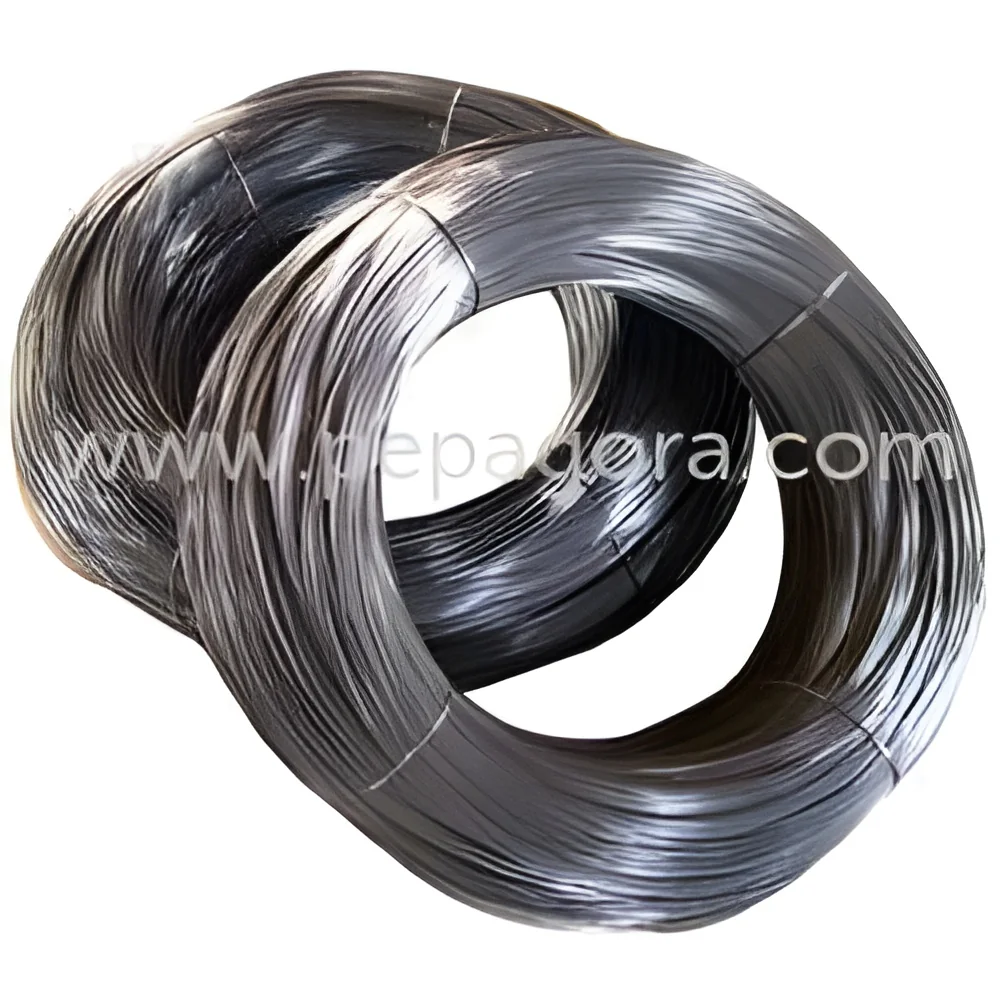
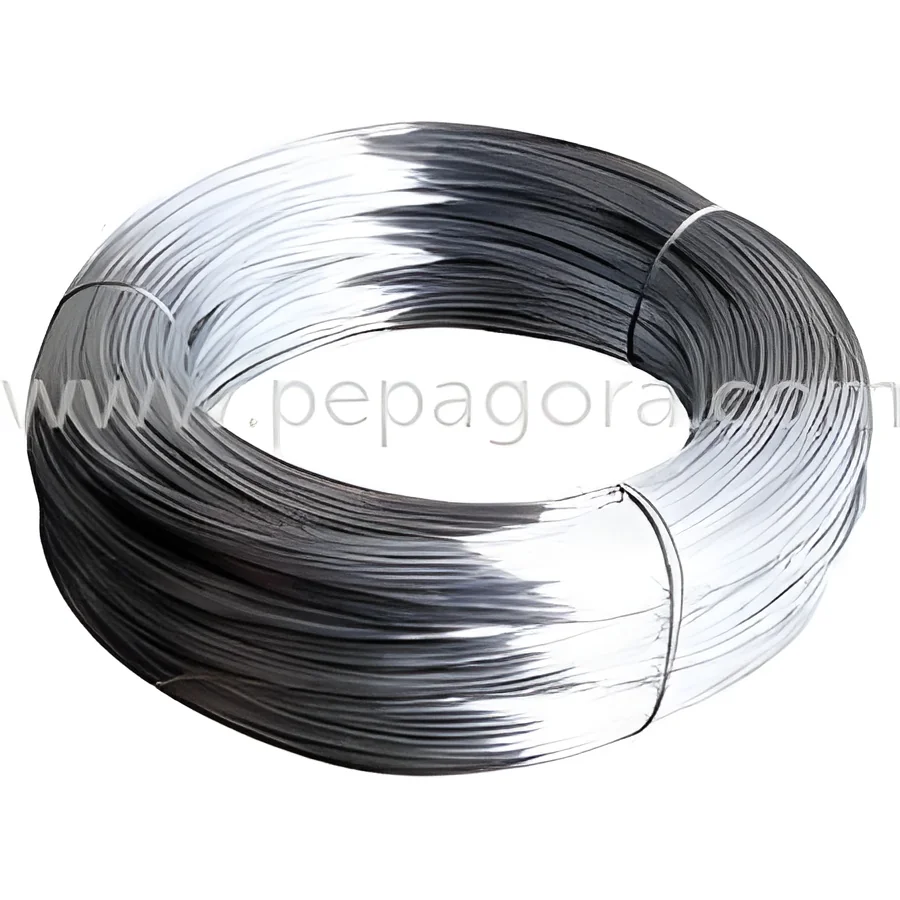
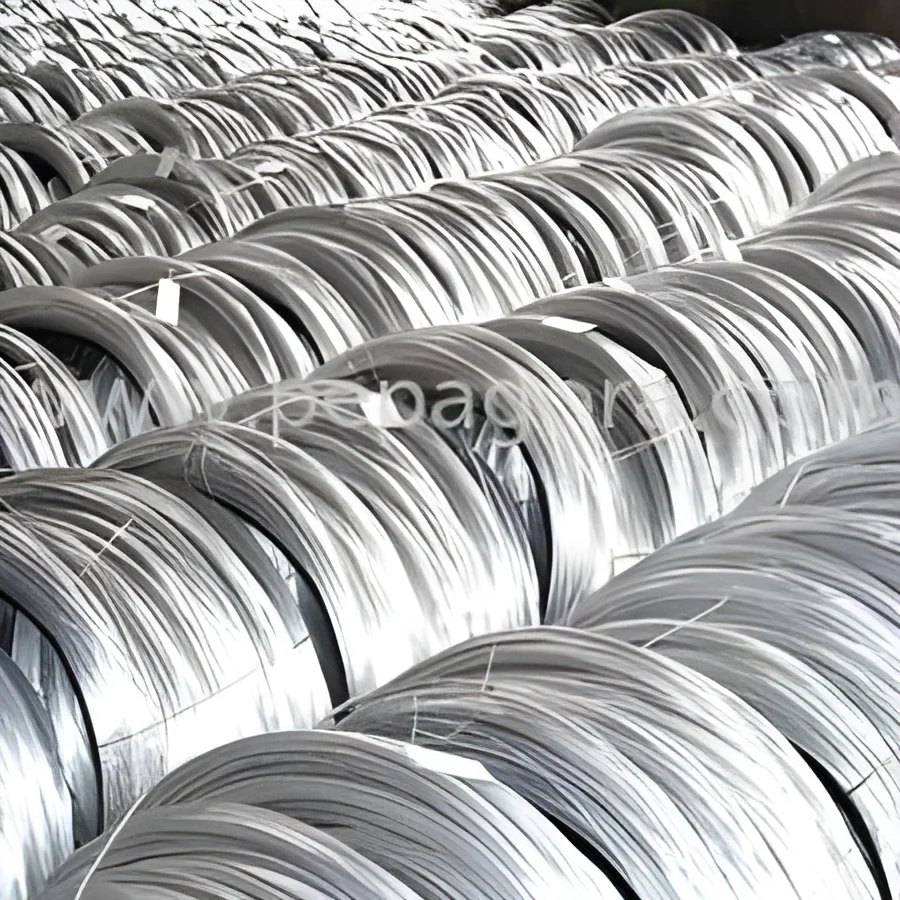
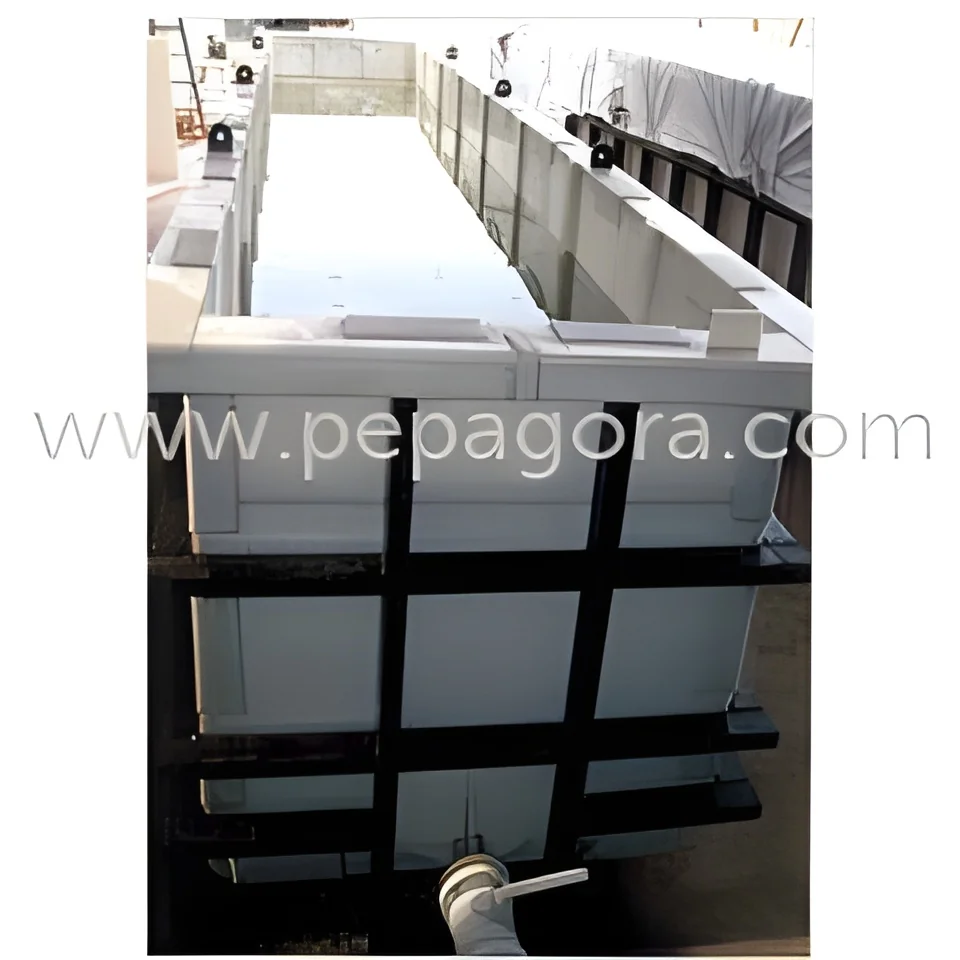
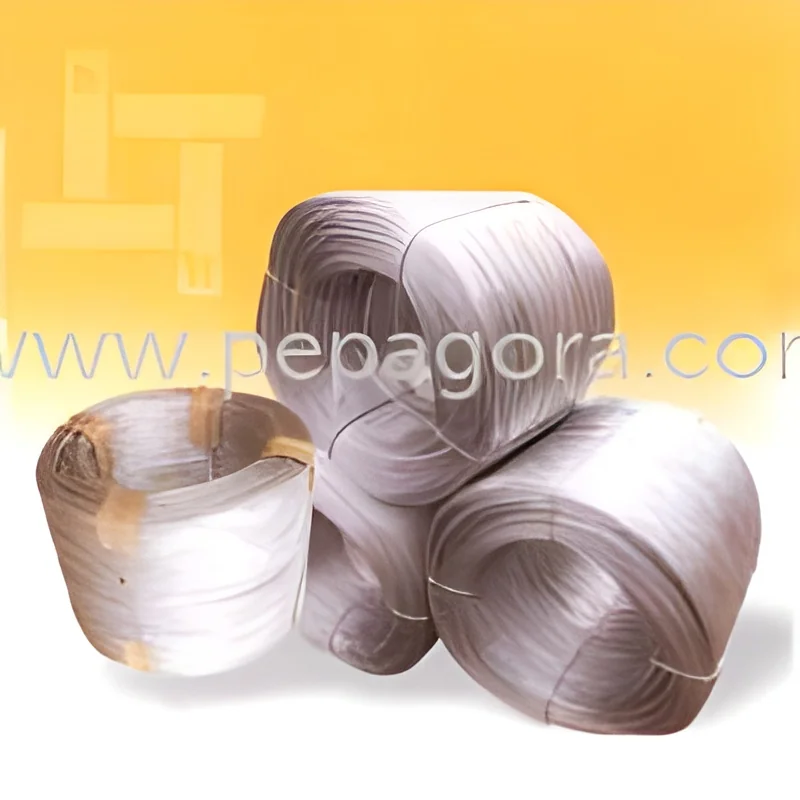
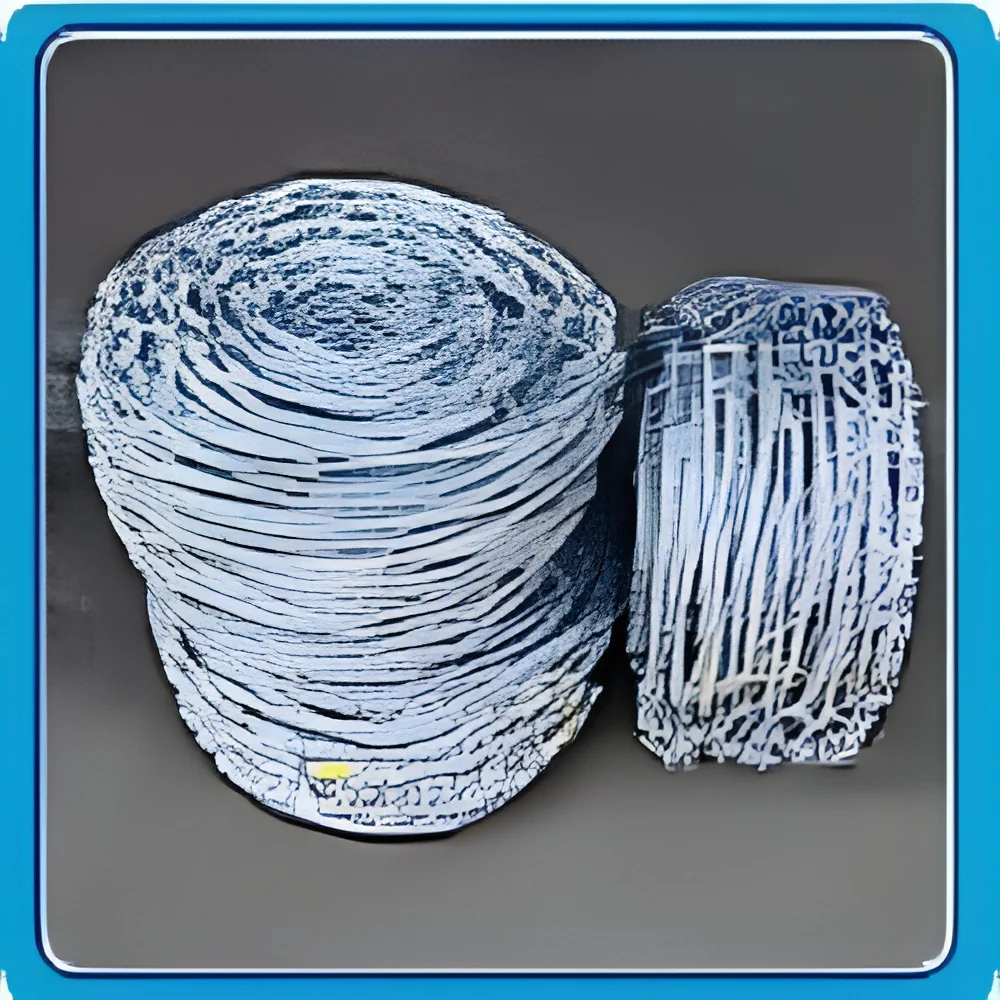
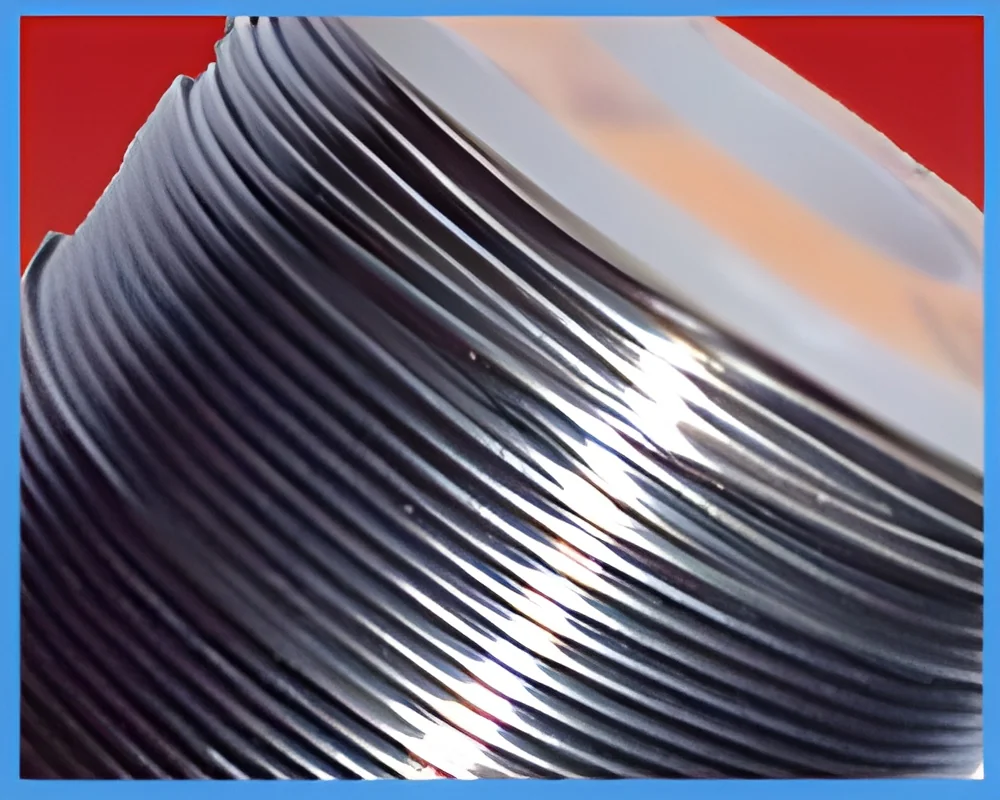
Galvanized wires are steel wires that have been coated with a layer of zinc to protect them from corrosion. This coating process enhances the wire's durability and longevity, making it suitable for various applications where exposure to moisture and other corrosive elements is a concern. The galvanization process can be performed through hot-dipping or electroplating, each method providing different levels of protection and finish.
These wires are widely used in construction, agriculture, and manufacturing industries. Common applications include fencing, wire mesh, and binding materials, where strength and resistance to rust are essential. In the context of the market, galvanized wires play a vital role in several sectors, contributing to the overall efficiency and effectiveness of operations. The demand for these wires is driven by their versatility and the growing need for reliable materials that can withstand harsh environmental conditions.
Key Features and Specifications
Galvanized wires come with specific features and technical specifications that make them suitable for various applications. Understanding these specifications is crucial for B2B buyers looking to source the right products.
Key specifications include:
1. Material Composition
- Made primarily from carbon steel and coated with zinc
- Varies in thickness, typically ranging from 0.5 mm to 5 mm
2. Coating Thickness
- The thickness of the zinc layer can vary, providing different levels of corrosion resistance
- Common thicknesses include 40 microns, 60 microns, and 80 microns
3. Tensile Strength
- Measures the maximum amount of tensile stress a wire can withstand before failure
- Typically ranges from 350 MPa to 1000 MPa depending on the wire diameter
4. Corrosion Resistance
- The zinc coating provides excellent protection against rust and degradation
- Can withstand exposure to moisture, chemicals, and environmental elements
5. Flexibility
- Varies by diameter and coating, influencing the wire's ability to bend without breaking
- Generally, thinner wires offer more flexibility
6. Surface Finish
- Available in various finishes, including smooth and twisted
- The finish affects the wire's appearance and application suitability
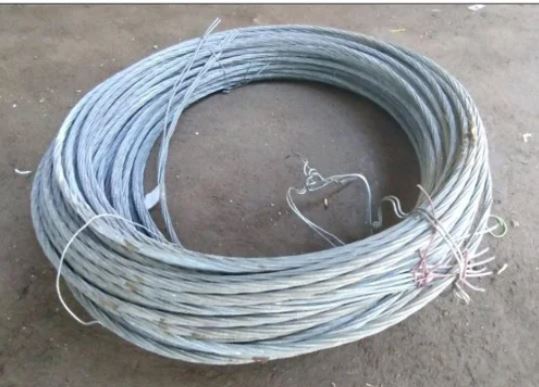
7. Lengths and Packaging
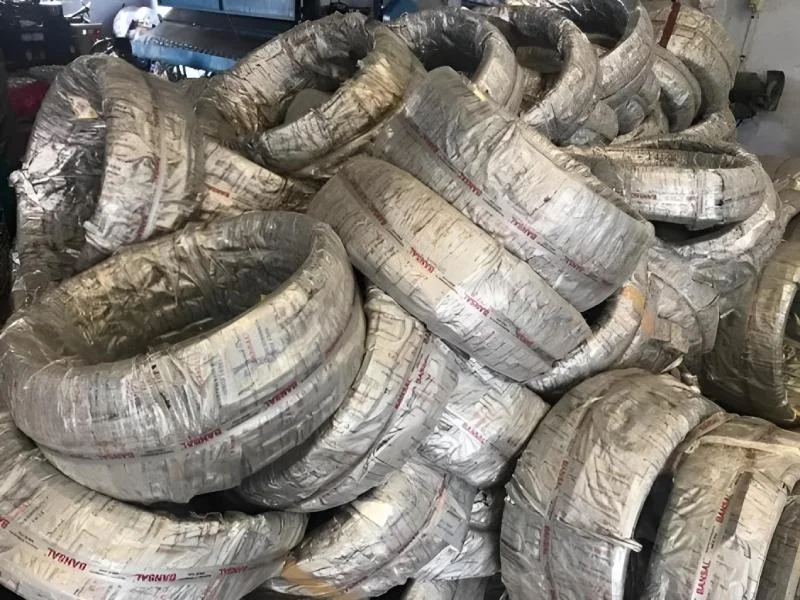
- Standard lengths typically range from 100 meters to 1000 meters per roll
- Packaging options vary for ease of transport and storage
Understanding these specifications helps buyers select the right galvanized wires for their specific needs.
Common Applications and Use Cases
Galvanized wires are utilized across a broad spectrum of industries due to their robustness and corrosion resistance.
1. Agriculture: Used for fencing, trellising, and securing crops. They provide reliable support for plants and livestock containment.
2. Construction: Essential for reinforcing concrete, tying rebar, and creating wire mesh for various structural applications. Their strength ensures structural integrity.
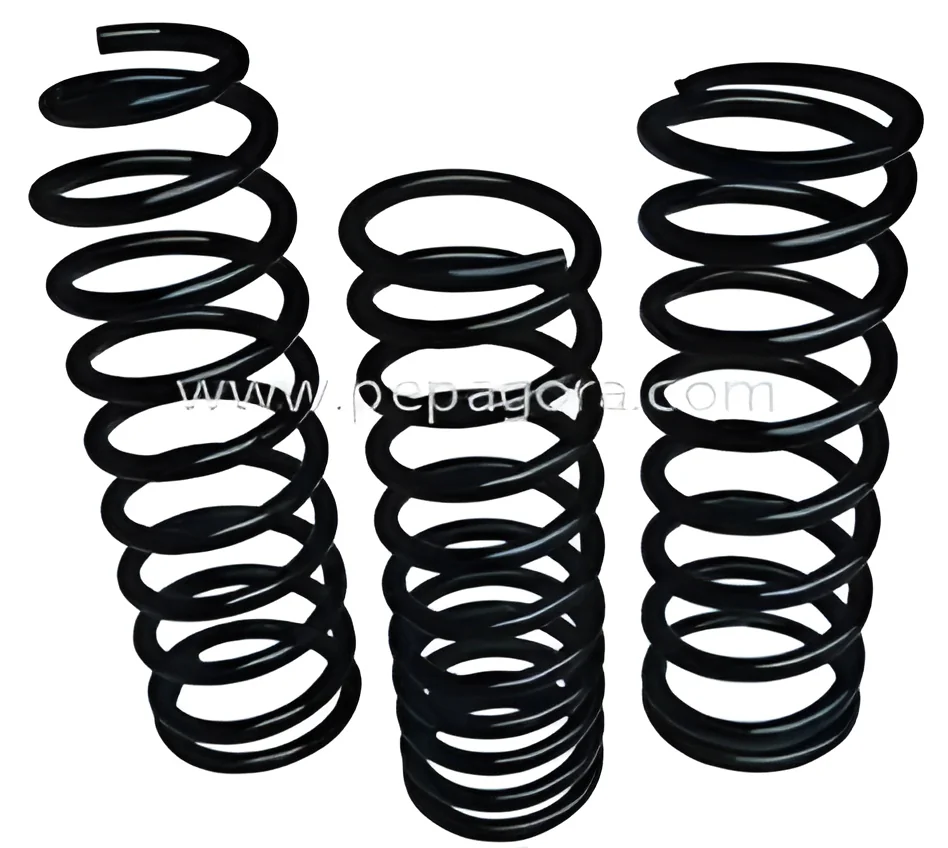
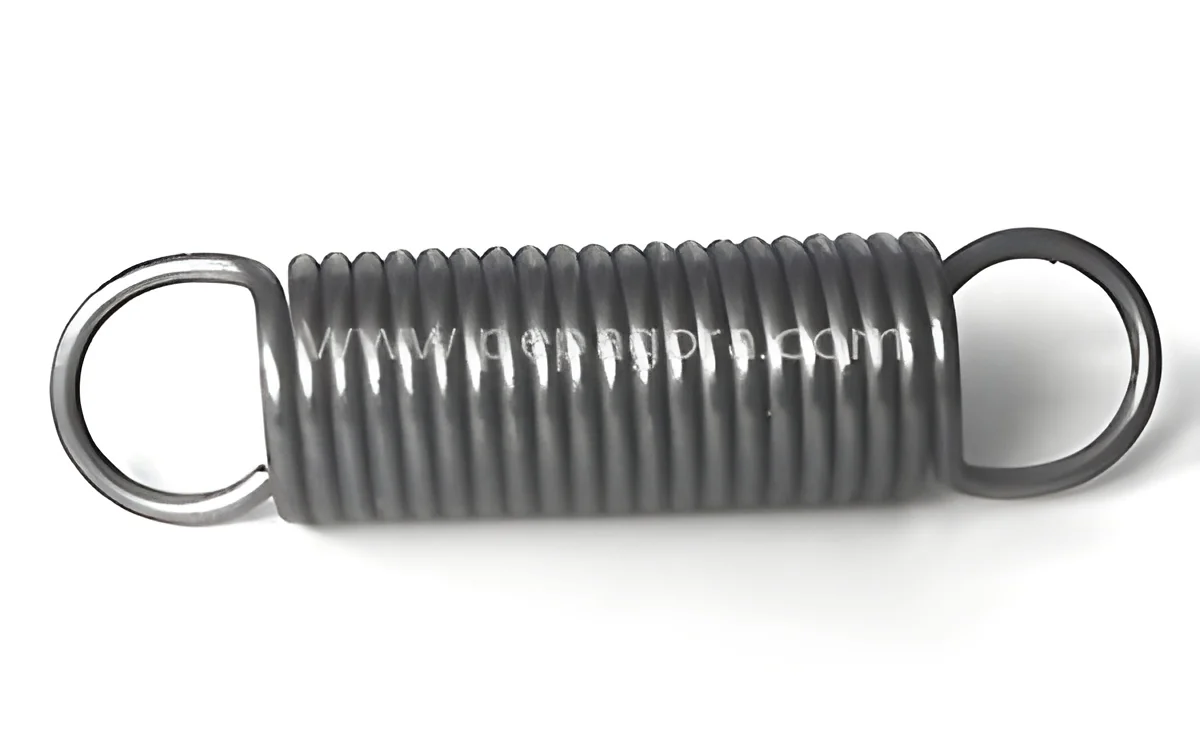
3. Manufacturing: Used in creating products such as springs, fasteners, and wire ropes. The durability of galvanized wires enhances product longevity.
4. Automotive: Utilized in the production of automotive components that require strong, corrosion-resistant materials. This includes wire harnesses and structural reinforcements.
5. Telecommunications: Employed in overhead and underground cabling support systems. The wires provide necessary strength to support heavy cables.
6. Fencing: Commonly used for residential and commercial fencing solutions. Their resistance to the elements makes them ideal for outdoor applications.
7. Electrical: Used in electrical grounding systems to ensure safety and reliability. The corrosion resistance contributes to long-lasting performance.
Product Variants and Subcategories
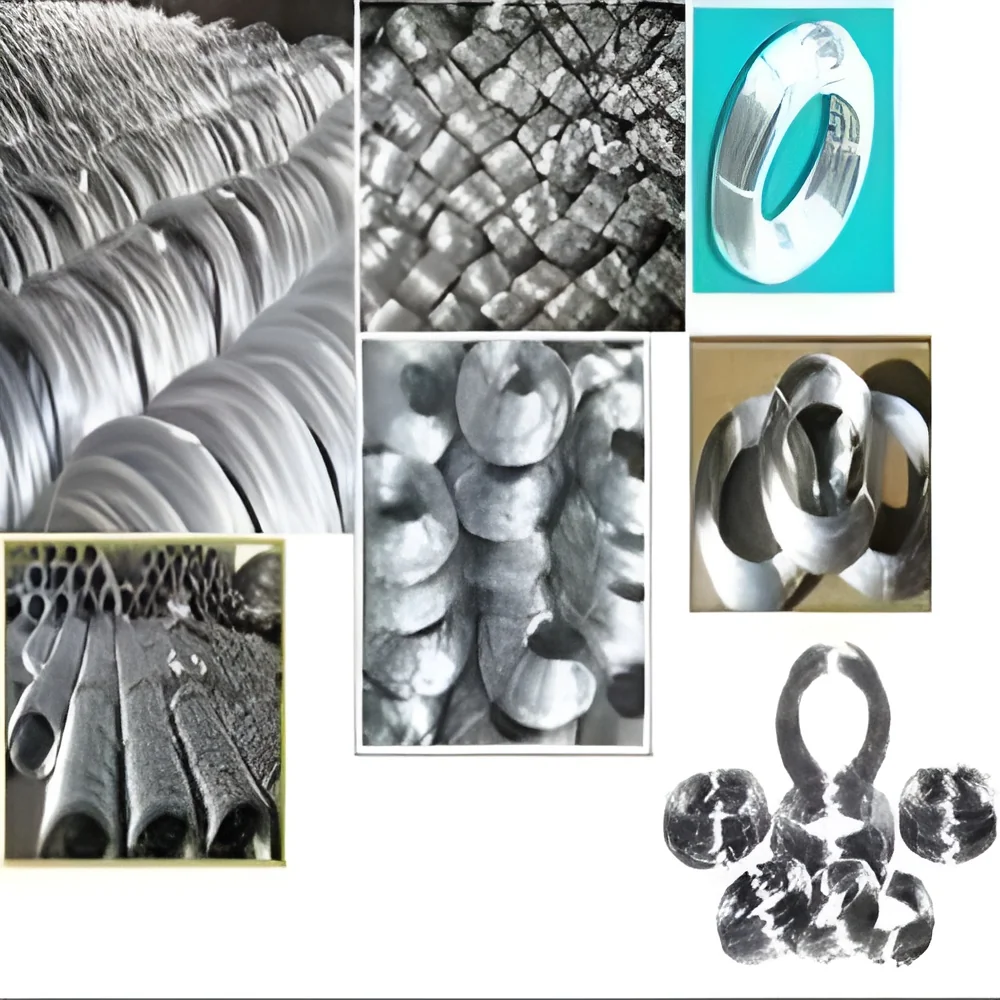
Galvanized wires come in various forms to cater to different market needs and industry applications.
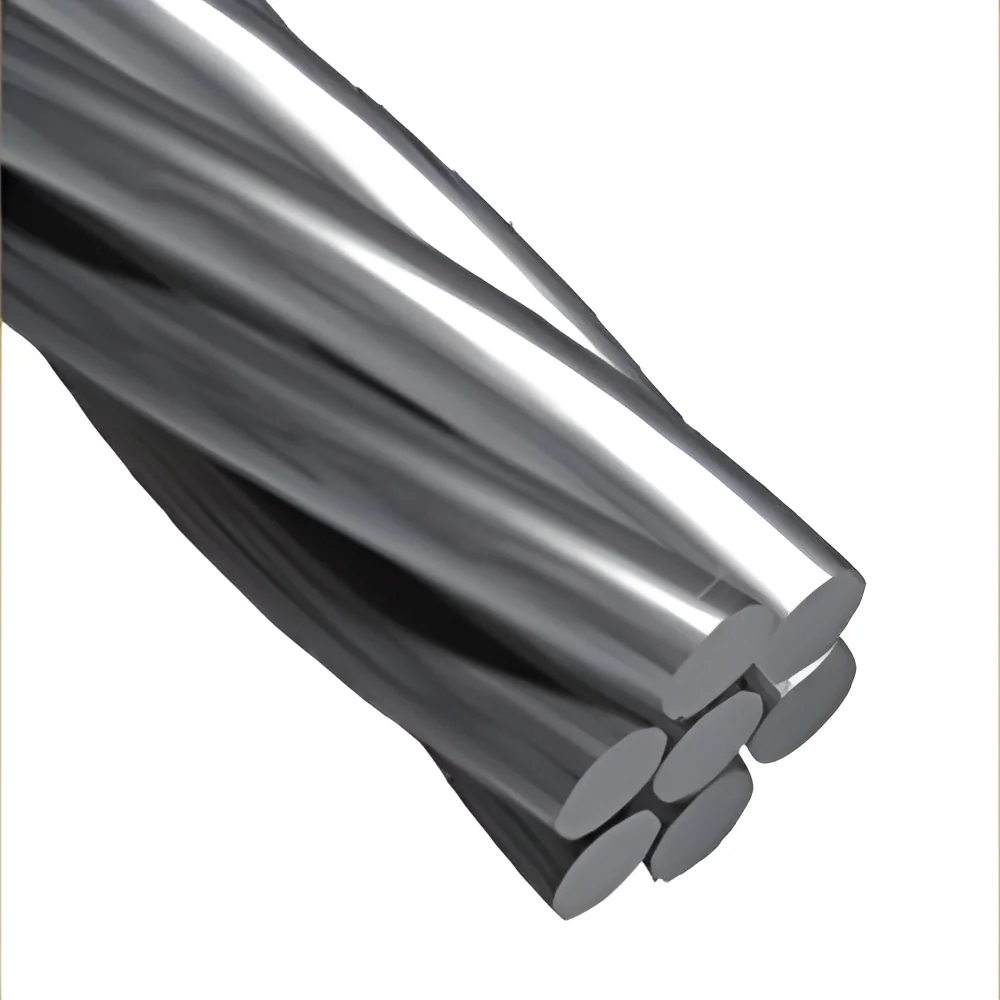
Twisted Galvanized Wire
This variant is characterized by its twisted structure, providing added strength and flexibility. It is commonly used for making fencing and wire mesh due to its robust nature.
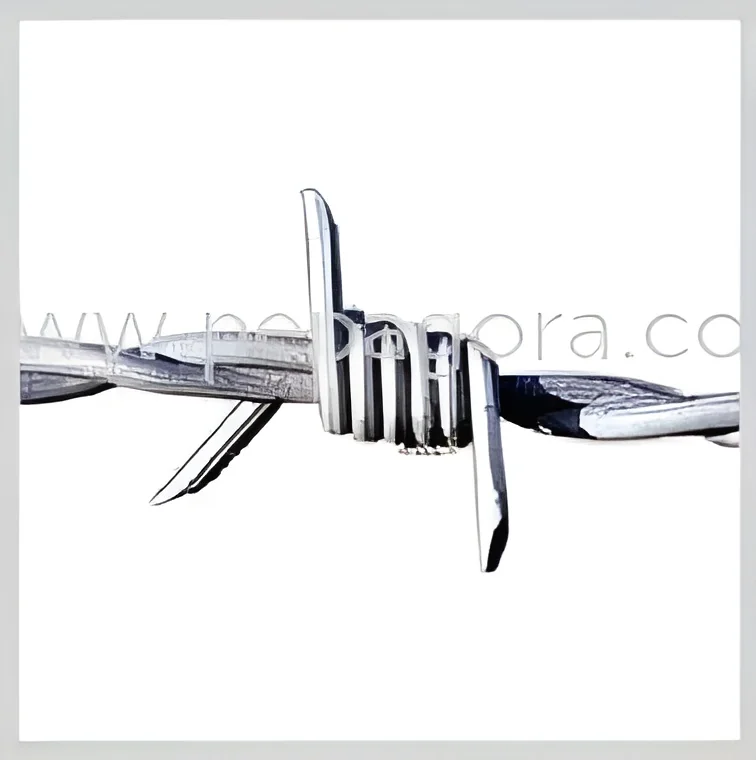
Barbed Wire
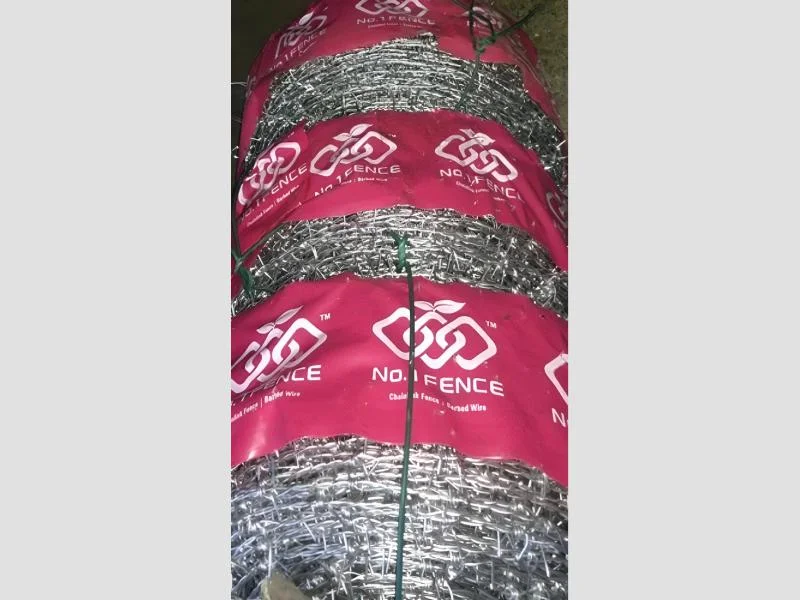
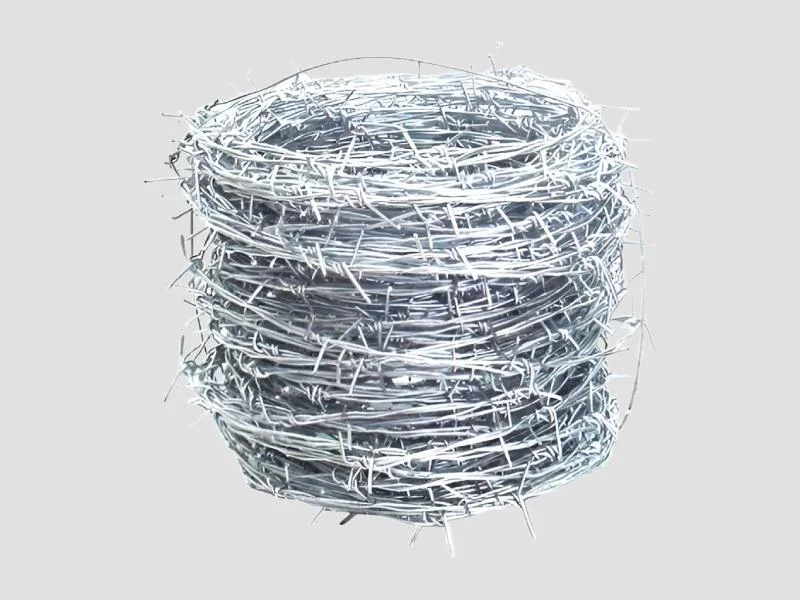
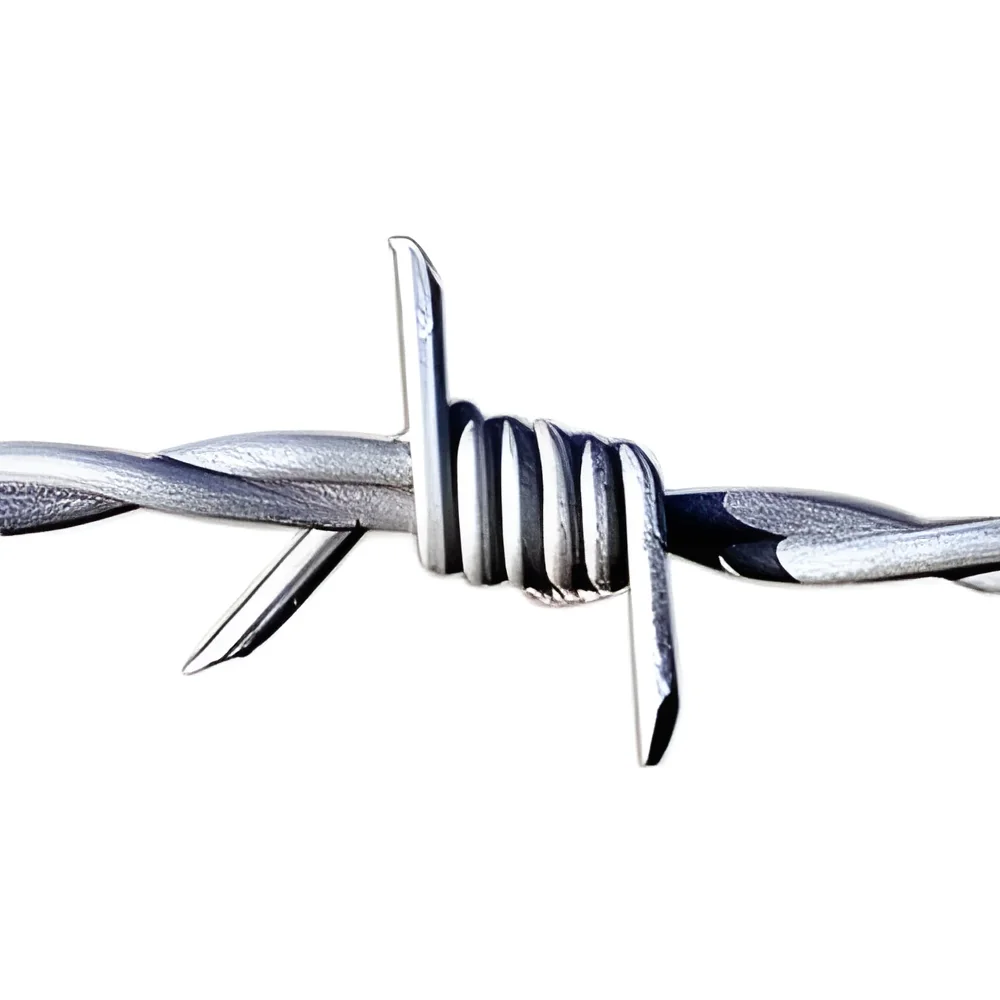
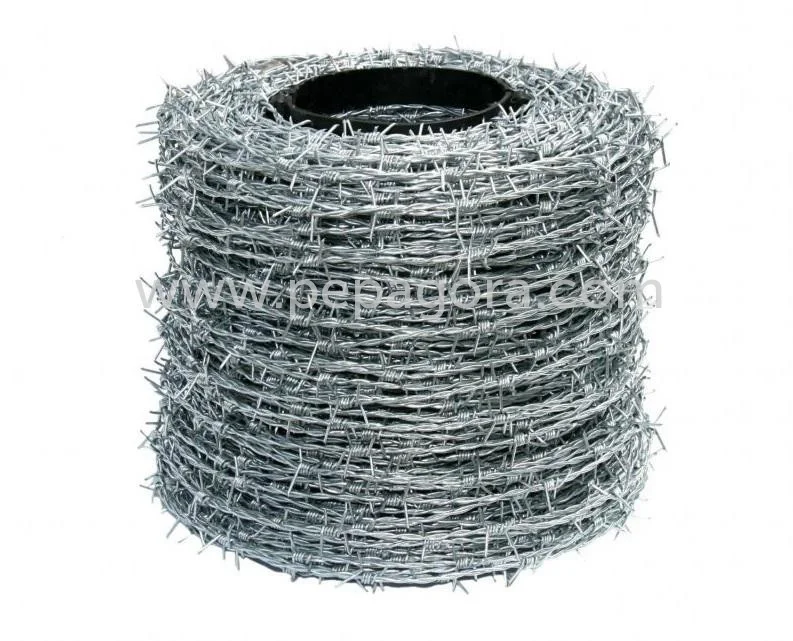
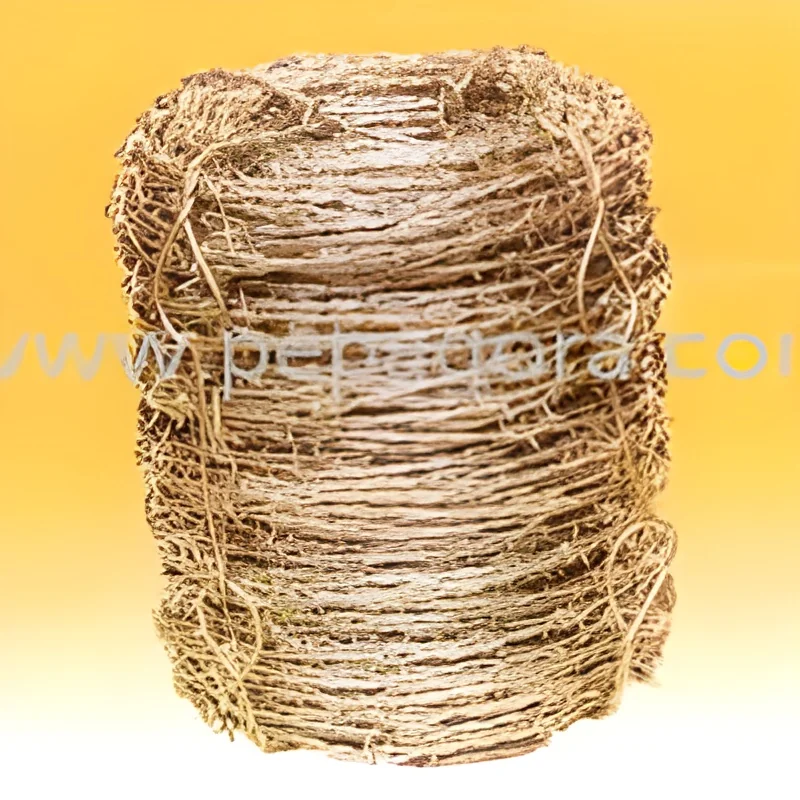
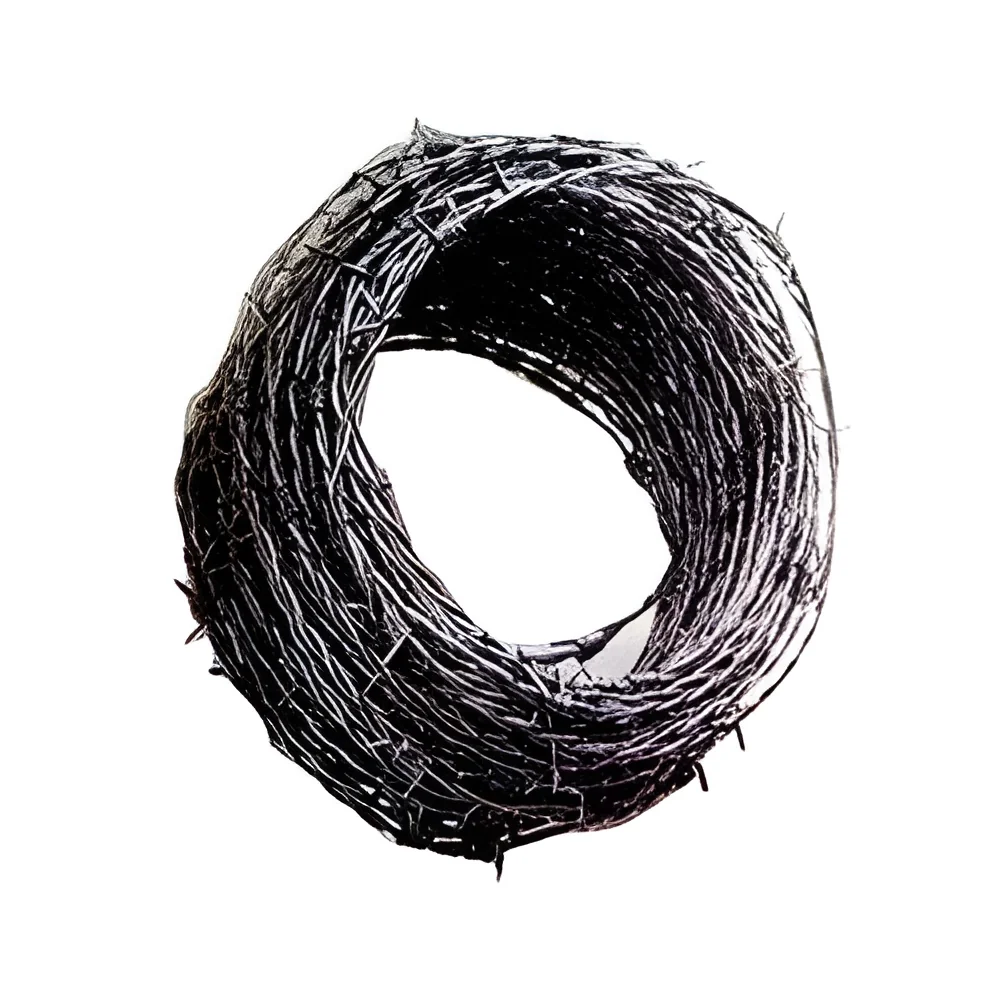
Barbed galvanized wire features sharp edges at regular intervals, making it ideal for securing perimeters and preventing unauthorized access. It is widely used in agricultural fencing and security applications.
Smooth Galvanized Wire
This type of wire is smooth and flexible, making it suitable for tying and binding purposes. It is often used in construction and manufacturing for securing materials.
Coated Galvanized Wire
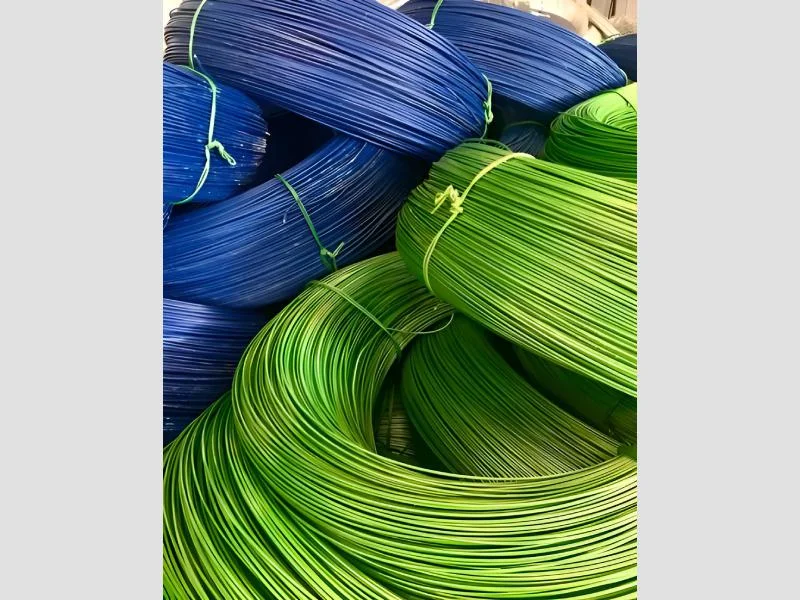
This variant has an additional coating over the zinc layer, offering enhanced protection against environmental factors. It is commonly used in applications where additional corrosion resistance is essential.
Benefits and Advantages
The use of galvanized wires offers several benefits that make them a preferred choice for many industries.
1. Durability: Galvanized wires are highly resistant to corrosion, ensuring a longer lifespan compared to non-galvanized alternatives.
2. Cost-Effectiveness: The longevity of galvanized wires reduces the need for frequent replacements, leading to overall cost savings.
3. Versatility: They can be used in a wide variety of applications across different industries, making them a flexible solution.
4. Strength: The inherent strength of galvanized wires supports heavy loads, making them suitable for demanding applications.
5. Low Maintenance: The protective zinc coating requires minimal upkeep, allowing for hassle-free use.
6. Eco-Friendly: Galvanized wires can be recycled, contributing to sustainable practices in manufacturing and construction.
Buying Guide for B2B Buyers
When sourcing galvanized wires, it is essential for B2B buyers to consider several key factors to ensure they make informed purchasing decisions.
1. Quality Assessment: Evaluate the quality of the wire based on its tensile strength, coating thickness, and overall durability. Request certifications and test reports from suppliers to validate quality.
2. Supplier Verification: Ensure that suppliers have a good reputation and are verified to minimize risks. Check for customer reviews and industry references.
3. Pricing and MOQ: Understand the pricing structure and minimum order quantities (MOQ) required by suppliers. This helps in budgeting and ensures that the purchase aligns with project needs.
4. Delivery and Lead Times: Discuss logistics and lead times with suppliers to ensure timely delivery of products. Establishing clear timelines is crucial for project planning.
5. Compliance Requirements: Be aware of any industry-specific regulations and compliance standards that may apply to the galvanized wires. Ensure that suppliers meet these requirements to avoid penalties.
Compliance and Certifications
Galvanized wires must meet various compliance and certification standards to ensure quality and safety in their applications.
ISO 9001 is a key quality management standard that applies to manufacturers, ensuring that they consistently produce products that meet customer and regulatory requirements. Compliance with this standard reflects a commitment to quality and continuous improvement.
CE certification indicates that the product meets European safety, health, and environmental protection standards. This certification is essential for products sold within the European Union, increasing marketability and consumer trust.
Safety and testing requirements are critical to ensure that galvanized wires perform reliably in their intended applications. Regular testing for tensile strength, corrosion resistance, and other parameters is necessary to maintain compliance.
Additionally, regional compliance considerations may come into play, particularly when exporting products. Understanding the specific regulations in different regions can help in navigating the complexities of international trade.
Why Source Galvanized Wires from Pepagora?
Pepagora offers a trusted platform for sourcing galvanized wires with several key advantages that cater to B2B buyers.
Verified Supplier Network: Pepagora’s extensive network of verified suppliers ensures that buyers have access to high-quality products. Each supplier undergoes a thorough vetting process, providing peace of mind in sourcing decisions.
Streamlined RFQ Process: The Request for Quotation (RFQ) process is designed to be simple and efficient. Buyers can easily submit their requirements and receive competitive quotes from multiple suppliers, facilitating informed decision-making.
Trade Assurance and Support: Pepagora provides trade assurance to protect buyers throughout the transaction process. The platform offers support for any issues that may arise, ensuring a smooth purchasing experience.
Regional Coverage: With a strong presence in India, the GCC, and Southeast Asia, Pepagora provides geographic coverage that enables buyers to access local suppliers and products. This regional focus enhances logistics and reduces lead times, making it easier to meet project deadlines.

 IN
IN