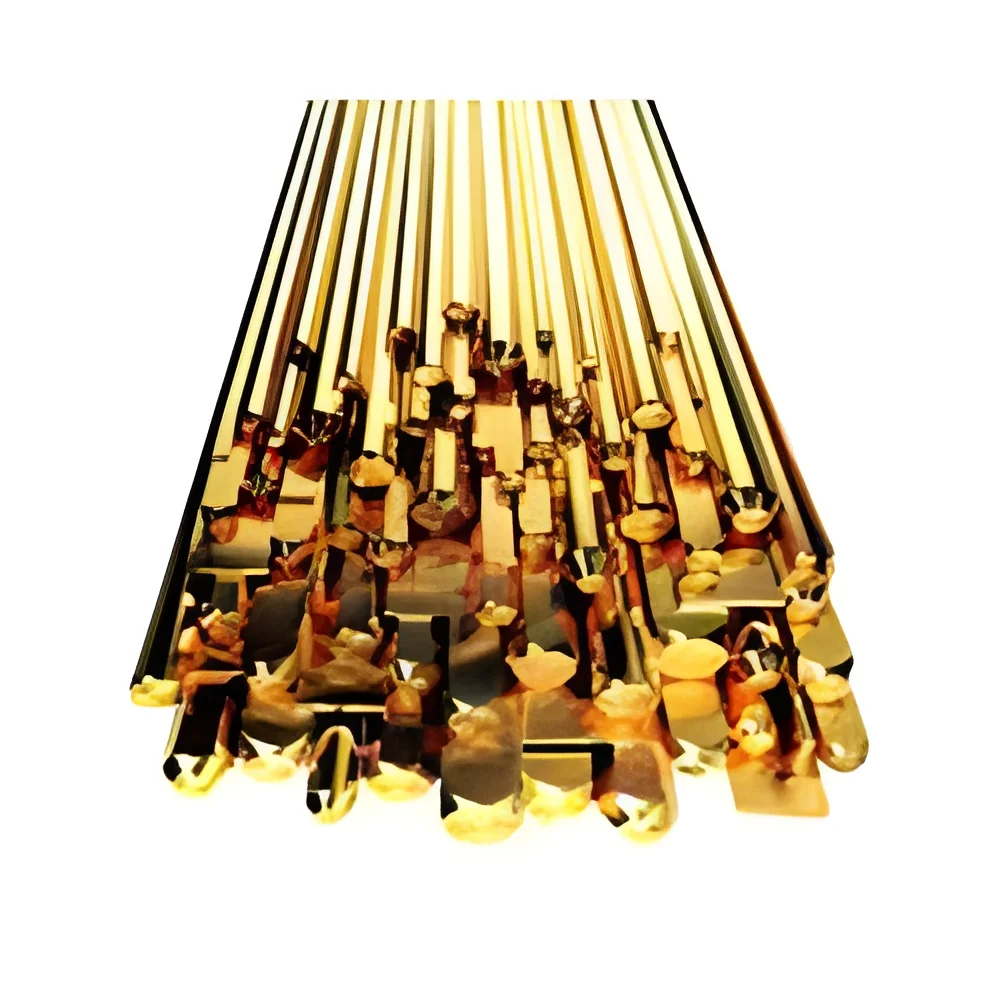
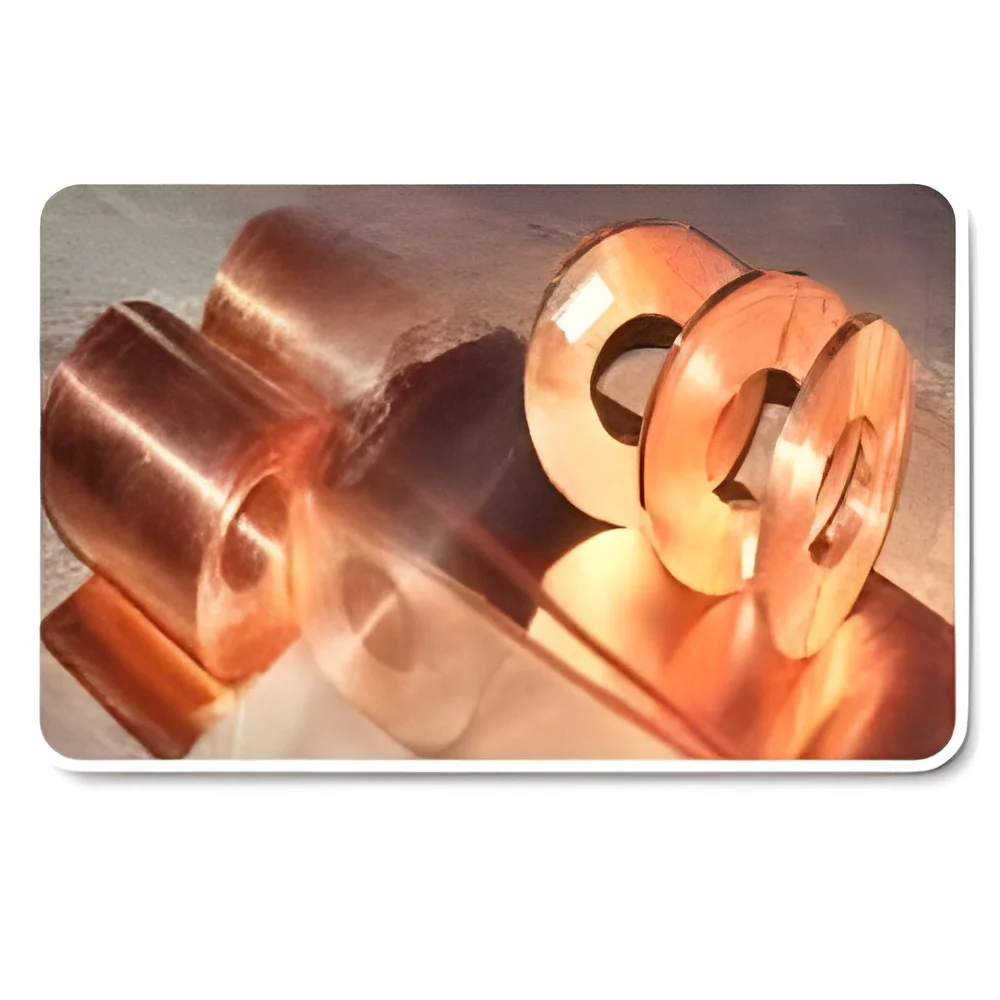
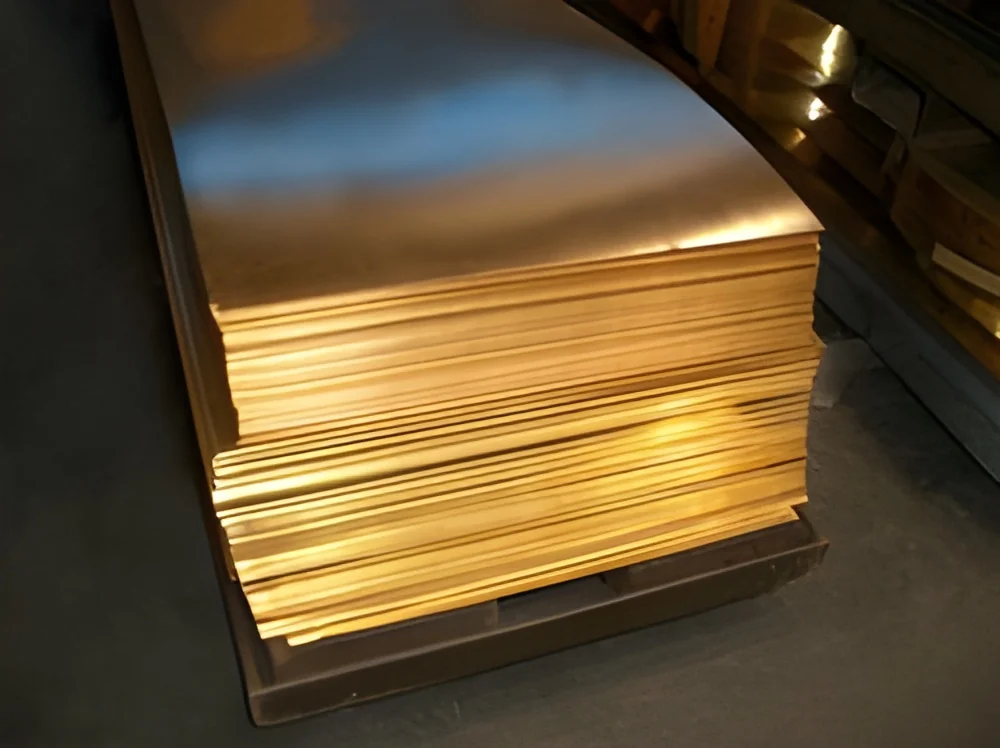
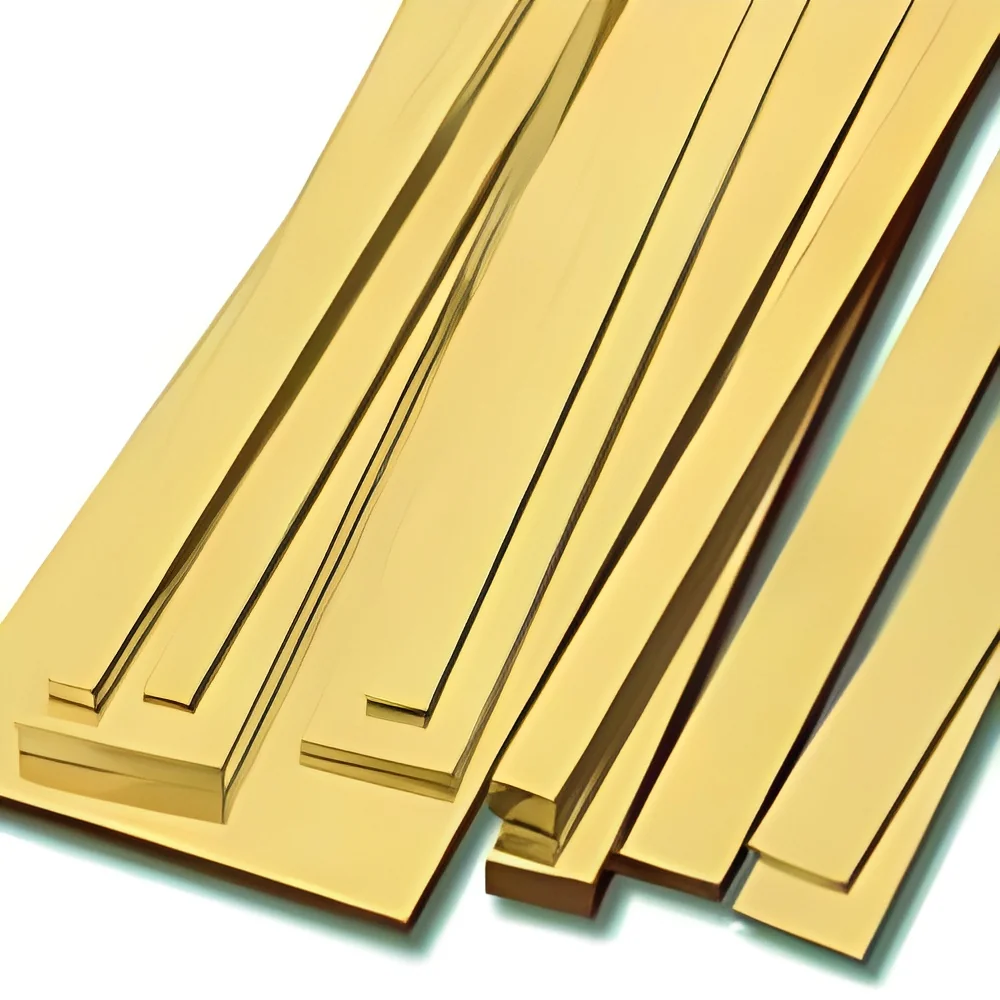
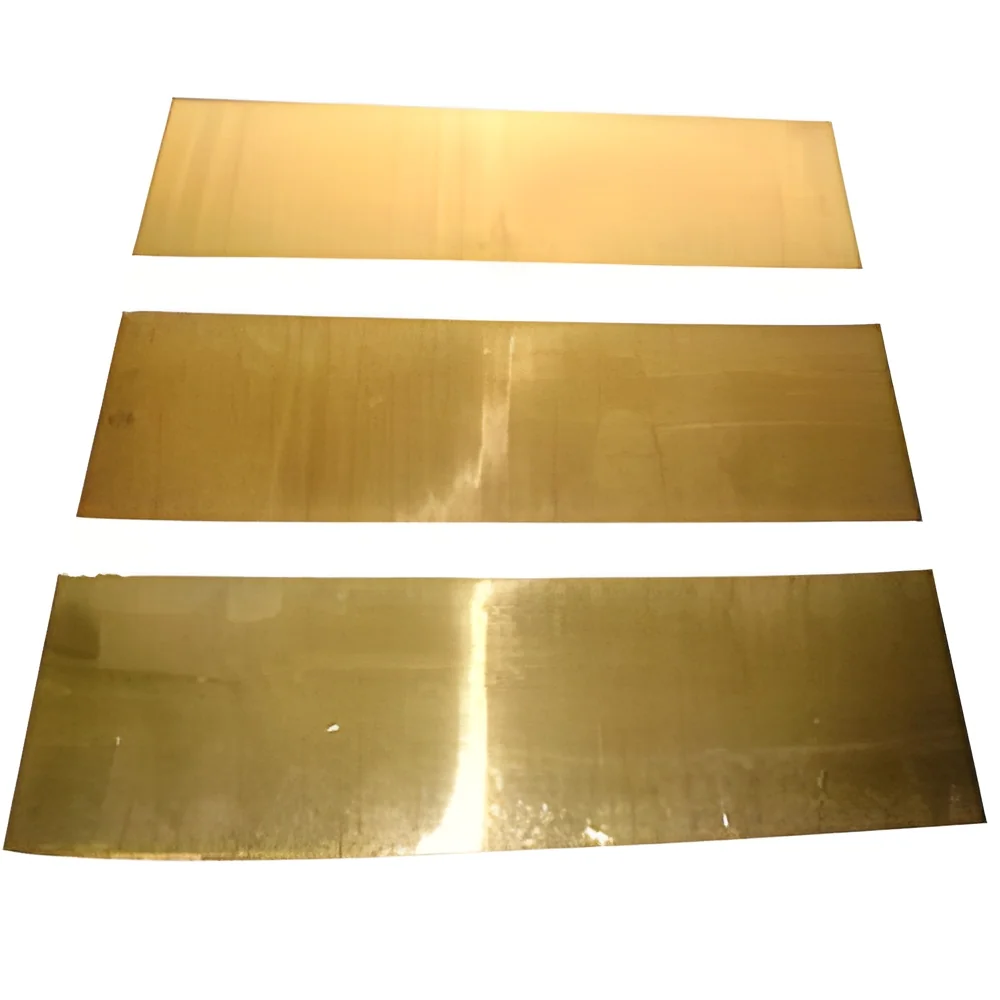
What are Brass Sheets?
Brass sheets are flat metal products made primarily from copper and zinc. They are known for their excellent corrosion resistance, high thermal conductivity, and impressive malleability. Brass is an alloy that combines the properties of both metals, resulting in a material that is durable and versatile for various applications. The sheets can be easily machined, welded, and formed, making them a popular choice in many industries.
In terms of business applications, brass sheets are commonly used in manufacturing components for electronics, plumbing fittings, automotive parts, and decorative items. Their aesthetic appeal, combined with functional characteristics, makes them suitable for both industrial and artistic purposes. The market for brass sheets continues to grow, driven by demand across sectors such as construction, automotive, and consumer electronics.
The relevance of brass sheets in various industries is significant. They are often favored for their ability to withstand harsh environments while maintaining structural integrity. As industries evolve and seek materials that are both functional and sustainable, brass sheets remain a reliable choice in the global market.
Key Features and Specifications
Brass sheets feature several key characteristics that enhance their utility across various applications. Understanding these specifications is essential for B2B buyers looking to source quality materials.
Key specifications include:
1. Composition
- Typically composed of 60-70% copper and 30-40% zinc.
- Variations in composition can lead to different mechanical properties.
2. Thickness
- Available in a range of thicknesses from 0.5 mm to 6 mm.
- Thickness affects the sheet's strength and application suitability.
3. Finish
- Common finishes include matte, polished, and brushed.
- The finish can impact aesthetic appeal and corrosion resistance.
4. Width and Length
- Standard sheet widths range from 1000 mm to 1500 mm.
- Lengths can vary, commonly available in 2000 mm or custom sizes.
5. Mechanical Properties
- Tensile strength typically ranges from 300 MPa to 600 MPa.
- Hardness values usually fall between 120 and 240 HV.
6. Corrosion Resistance
- Brass exhibits good resistance to atmospheric corrosion.
- Specific formulations may enhance resistance to specific chemicals.
7. Thermal Conductivity
- Brass sheets have high thermal conductivity, typically around 120 W/m·K.
- This property is beneficial for heat exchangers and electrical applications.
In summary, understanding the features and specifications of brass sheets is crucial for selecting the right material for specific applications.
Common Applications and Use Cases
Brass sheets are utilized in a wide range of industries due to their favorable properties.
1. Electronics: Brass sheets are used for electrical connectors and components due to their excellent conductivity and durability.
2. Plumbing: They are commonly employed in the production of fittings, valves, and pipes, taking advantage of their corrosion resistance.
3. Automotive: Brass sheets are used for various parts, including radiators and trim, owing to their strength and aesthetic appeal.
4. Construction: Brass sheets serve in architectural applications, such as door hardware and decorative elements in buildings.
5. Musical Instruments: The alloy's tonal qualities make it ideal for manufacturing musical instruments like trumpets and saxophones.
6. Decorative Items: Brass is often used in jewelry and decorative art pieces, where its color and finish can enhance visual appeal.
7. Marine Applications: Due to their corrosion resistance, brass sheets are suitable for components in marine environments, such as fittings and fasteners.
Product Variants and Subcategories
Brass sheets come in various forms, catering to different needs and applications.
Standard Brass Sheets
These sheets are commonly used across multiple industries. They provide excellent machinability and aesthetic quality, making them suitable for both functional and decorative applications.
Lead-Free Brass Sheets
These variants are manufactured without lead, making them more environmentally friendly. They are preferred in plumbing and food-related applications, ensuring compliance with health standards.
Alloyed Brass Sheets
These sheets include additional elements like aluminum or nickel, enhancing specific properties such as strength or corrosion resistance. They are used in specialized applications, including marine and aerospace industries.
Benefits and Advantages
Brass sheets offer several advantages that make them a preferred choice for many applications.
1. Durability: Brass is known for its strength and resistance to wear, making it suitable for long-lasting components.
2. Corrosion Resistance: The alloy's ability to withstand corrosion extends the lifespan of products made from brass sheets.
3. Aesthetic Appeal: Brass has a distinctive golden hue, adding an attractive finish to products, especially in decorative applications.
4. Machinability: Brass sheets can be easily cut, shaped, and formed, allowing for efficient manufacturing processes.
5. Thermal Conductivity: High thermal conductivity makes brass sheets ideal for heat exchangers and electrical applications, promoting performance and efficiency.
6. Versatility: Brass sheets can be used in a wide range of industries, from electronics to construction, showcasing their adaptability.
Buying Guide for B2B Buyers
When sourcing brass sheets, it is essential for buyers to consider various factors to ensure the best selection.
1. Quality Assessment: Buyers should evaluate the quality of brass sheets based on their mechanical properties and surface finish. Look for certifications or quality standards that the supplier adheres to.
2. Supplier Verification: It is crucial to vet suppliers thoroughly. Check their reputation, past performance, and compliance with industry standards to ensure reliable sourcing.
3. Pricing and MOQ: Understand the pricing structures and minimum order quantities. This can impact budgeting and inventory management for businesses.
4. Delivery and Lead Times: Confirm the expected lead times for delivery. Timely access to materials is vital for minimizing production delays.
5. Compliance Requirements: Ensure that the brass sheets meet any relevant compliance and regulatory requirements. This is particularly important in sectors like plumbing and food service.
Compliance and Certifications
Brass sheets must adhere to specific quality standards and industry certifications to ensure safety and performance. Common standards include ISO 9001, which focuses on quality management systems, ensuring consistent product quality.
Additionally, industry certifications such as CE mark signify compliance with European health, safety, and environmental protection standards. This is crucial for buyers in markets where regulatory compliance is mandatory.
Safety and testing requirements are also essential. Brass sheets should undergo inspections to verify their mechanical properties and corrosion resistance.
Regional compliance considerations may vary, so it is important to be aware of local regulations affecting brass sheet usage in specific industries.
Why Source Brass Sheets from Pepagora?
Pepagora provides a trusted platform for sourcing brass sheets, offering several key advantages to B2B buyers.
Verified Supplier Network: Pepagora ensures that all suppliers are thoroughly vetted, providing buyers with a list of reliable partners. This minimizes risks and enhances the buying experience.
Streamlined RFQ Process: The platform features an efficient request for quotation process that allows buyers to compare offers quickly. This simplifies sourcing and helps in making informed decisions.
Trade Assurance and Support: Pepagora provides trade assurance to protect buyers. This support includes assistance with disputes and quality issues, giving buyers peace of mind in their purchases.
Regional Coverage: Pepagora has a broad geographic reach, serving markets in India, the GCC, and Southeast Asia. This extensive coverage allows buyers to access a diverse range of suppliers and products, meeting their specific needs effectively.

 IN
IN