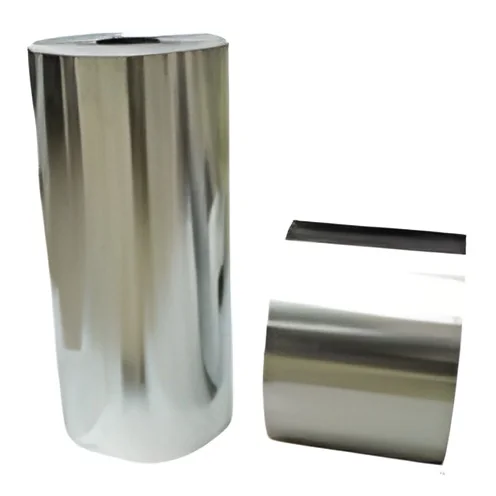
What are Aluminum Sheets?
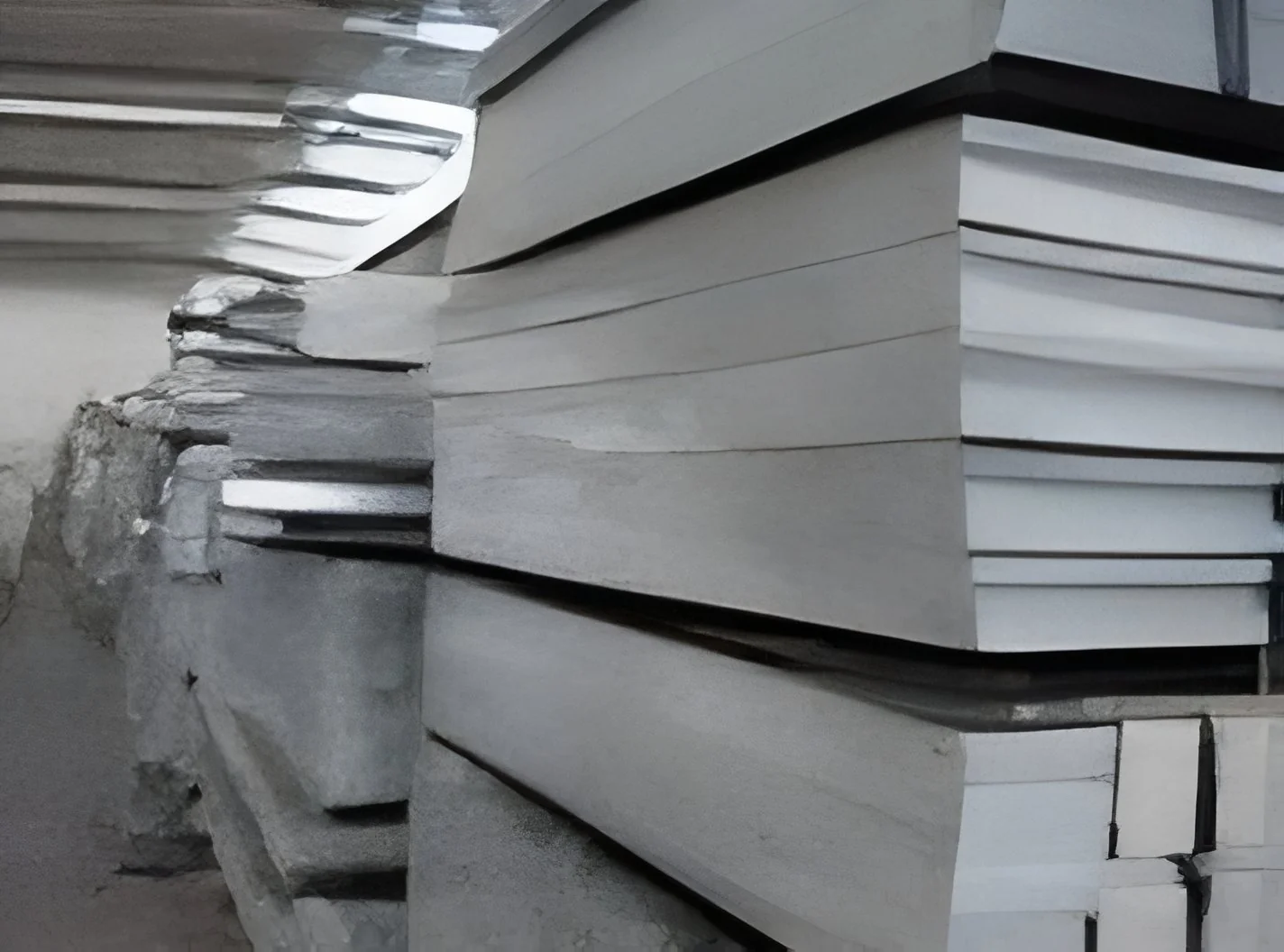
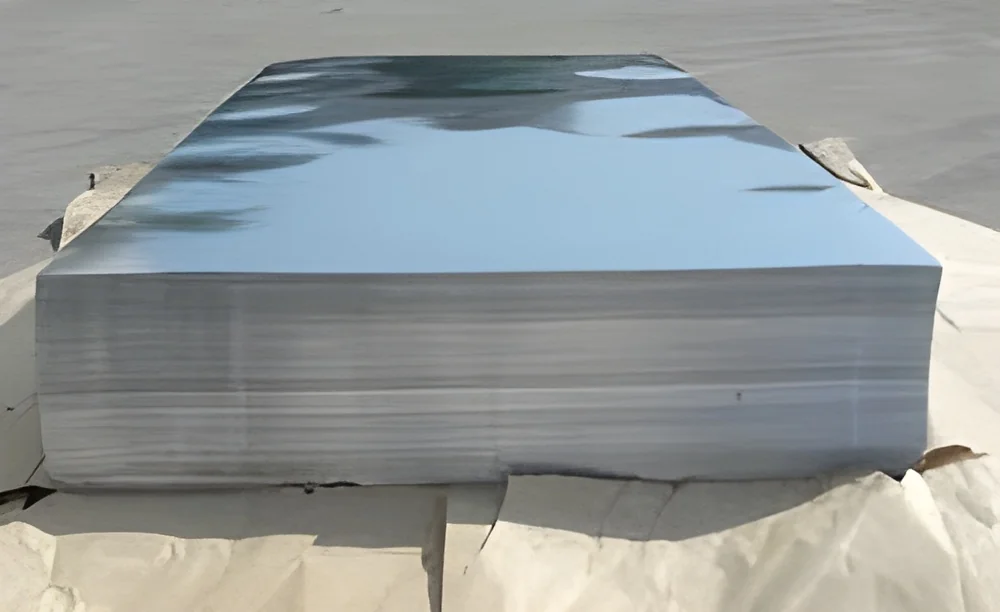
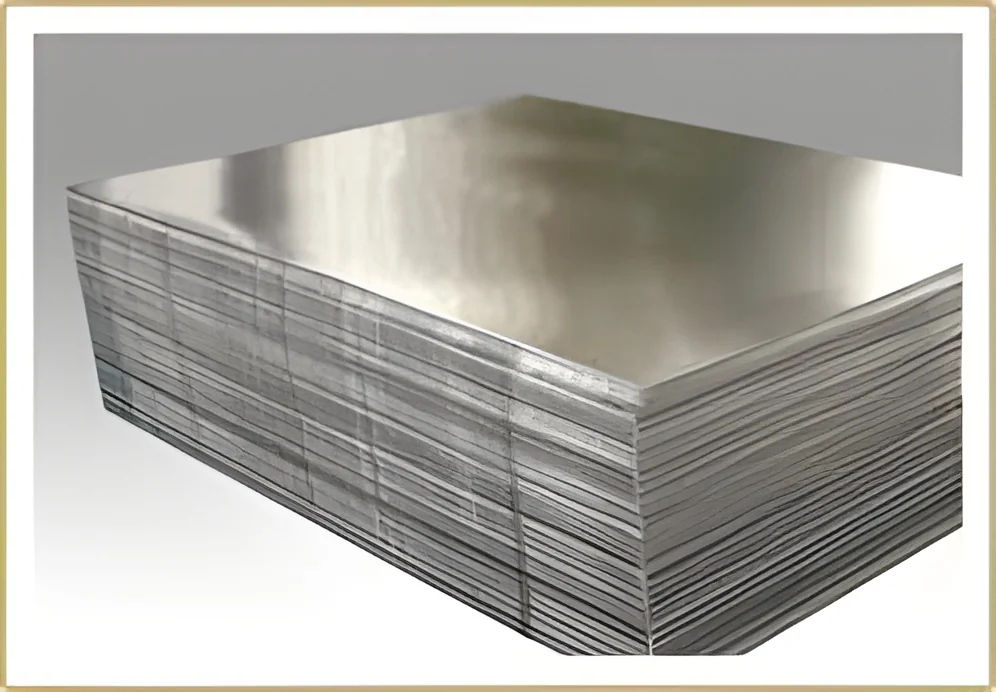
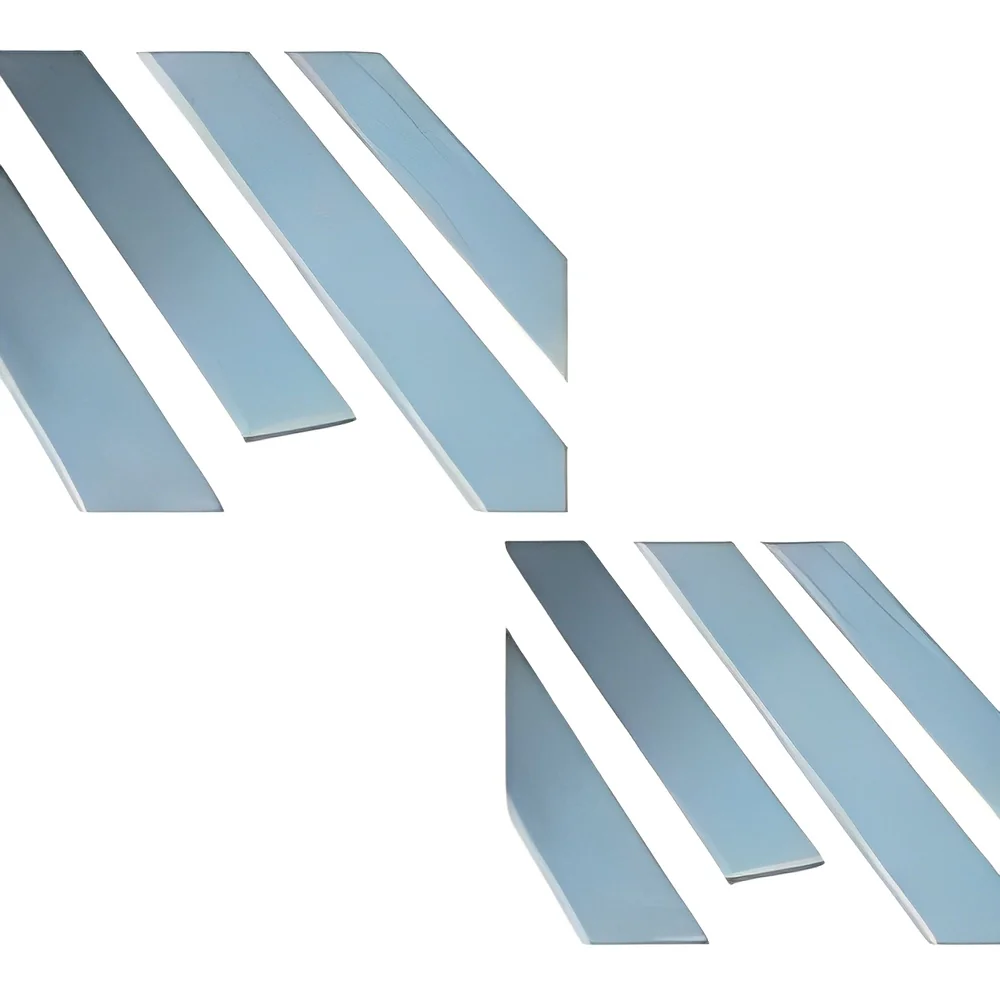
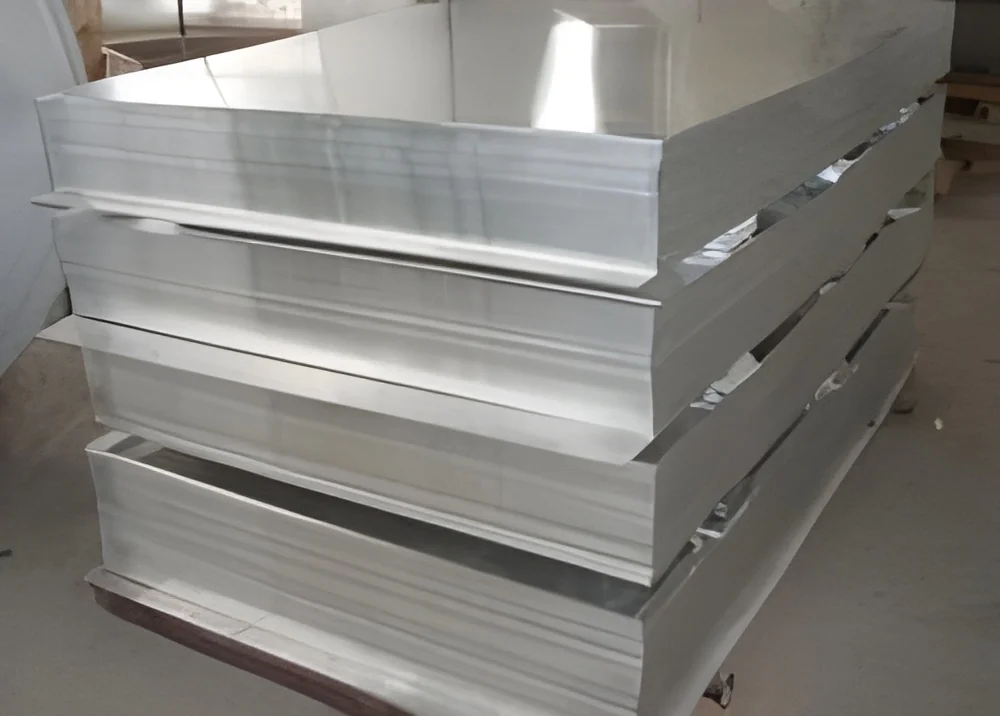
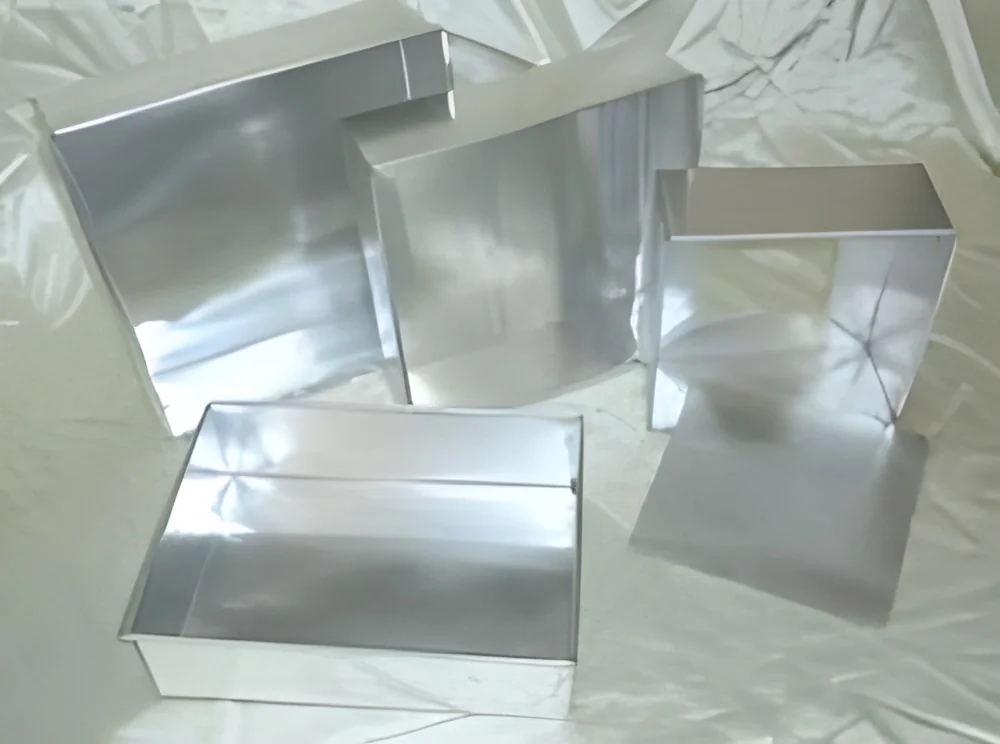
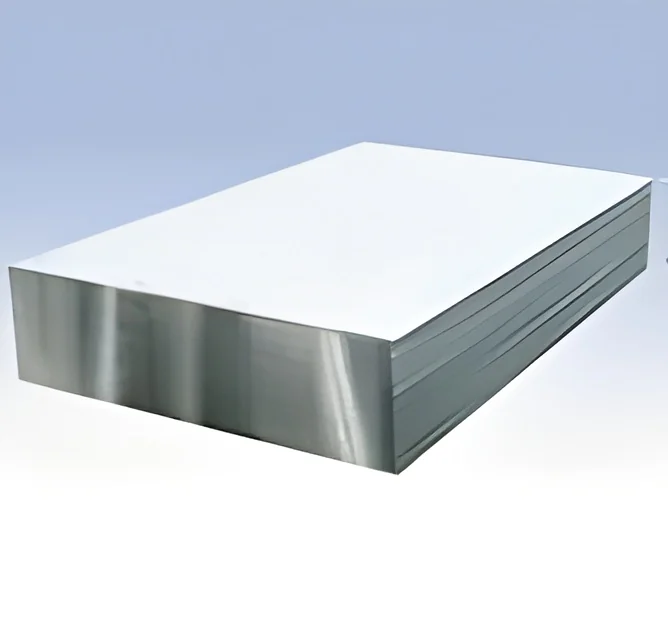
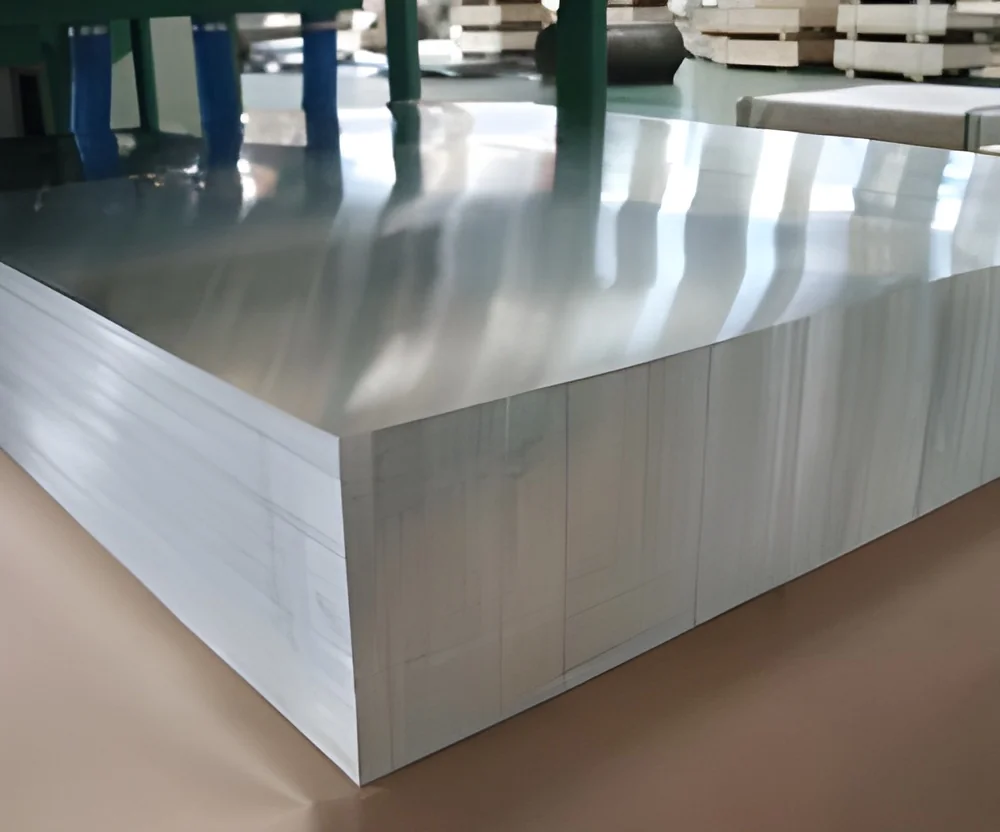
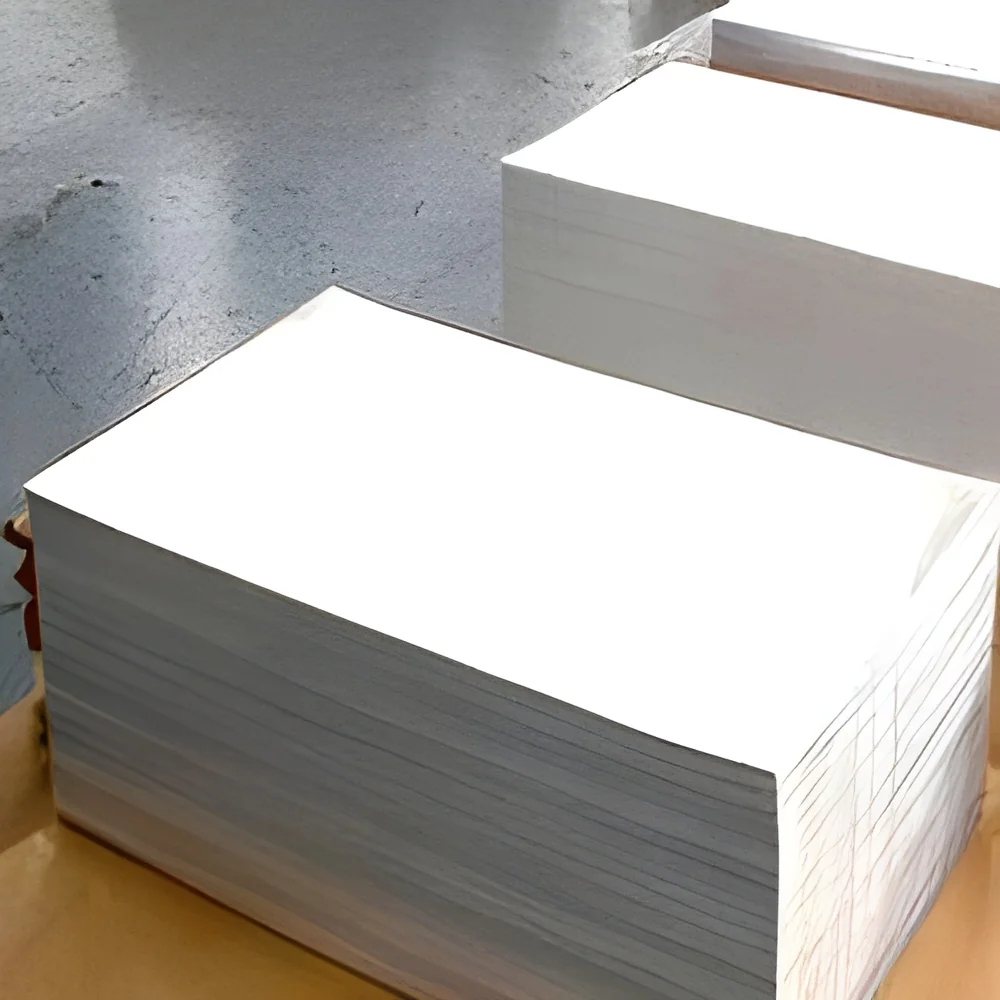
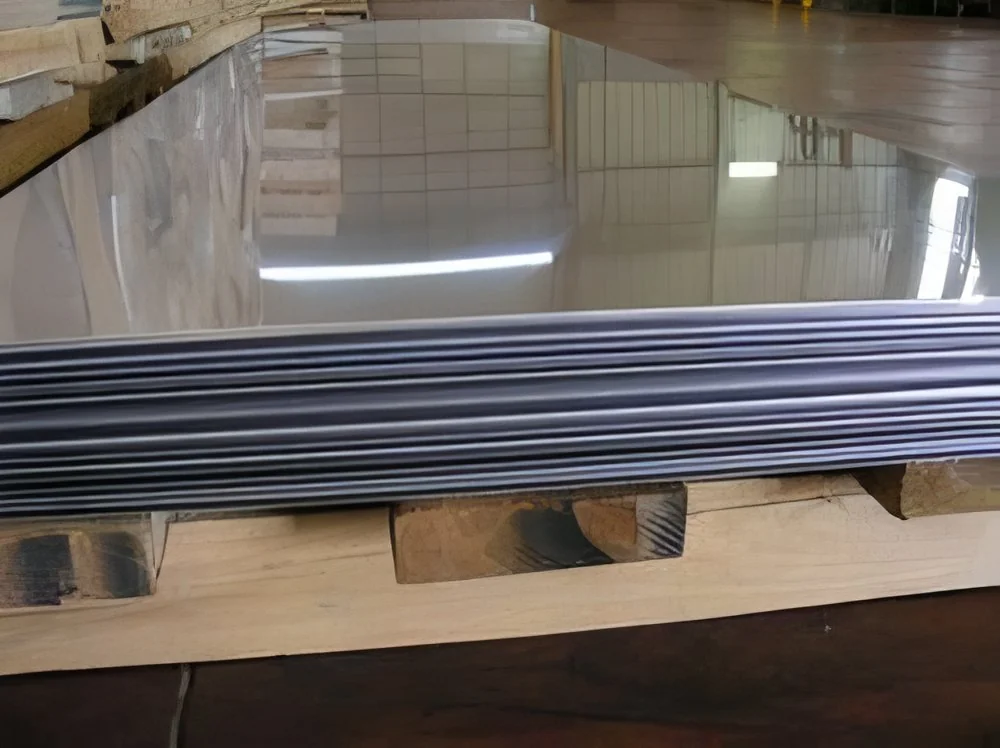
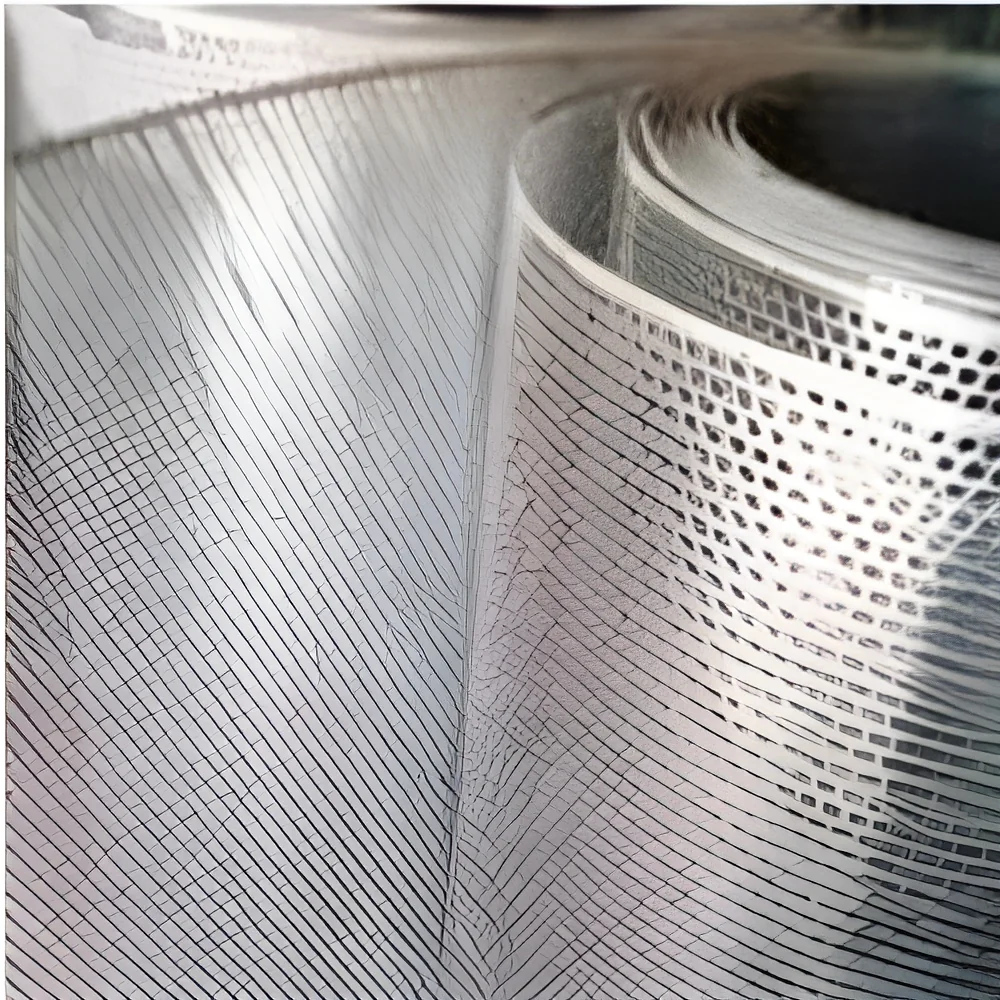
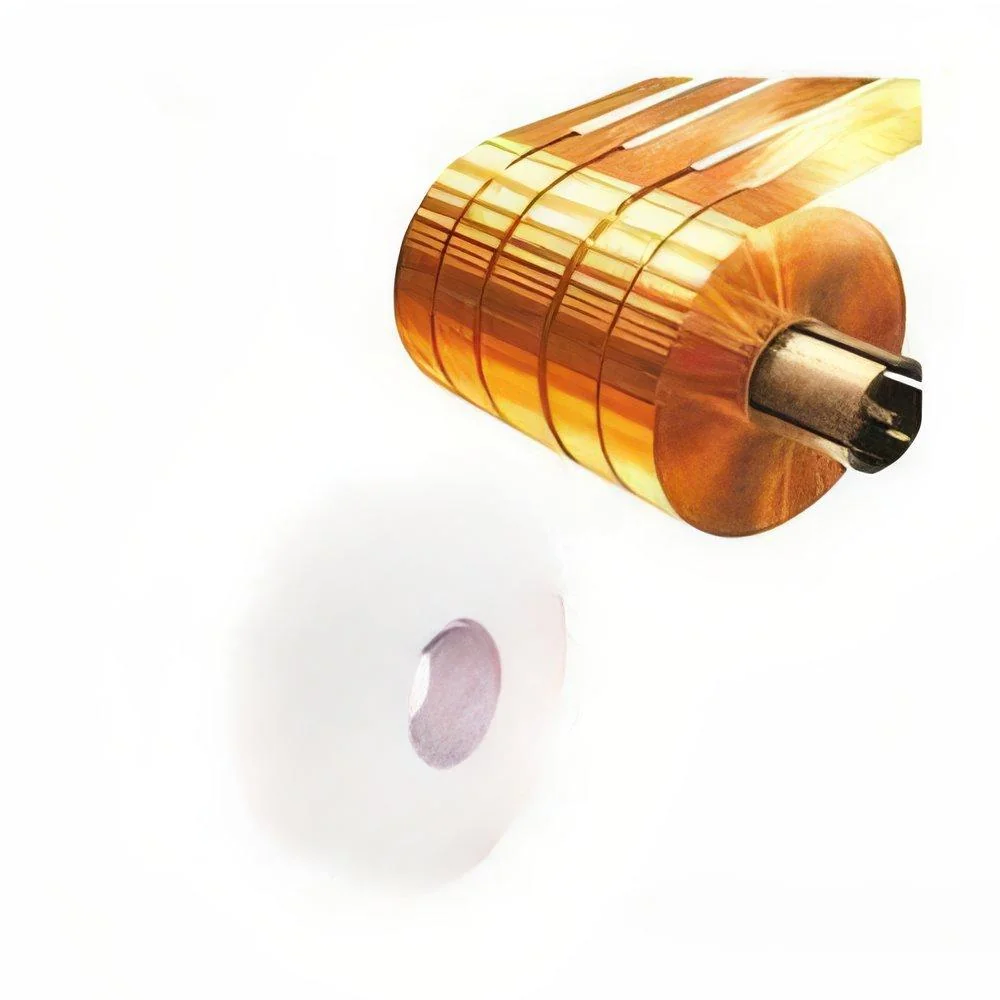
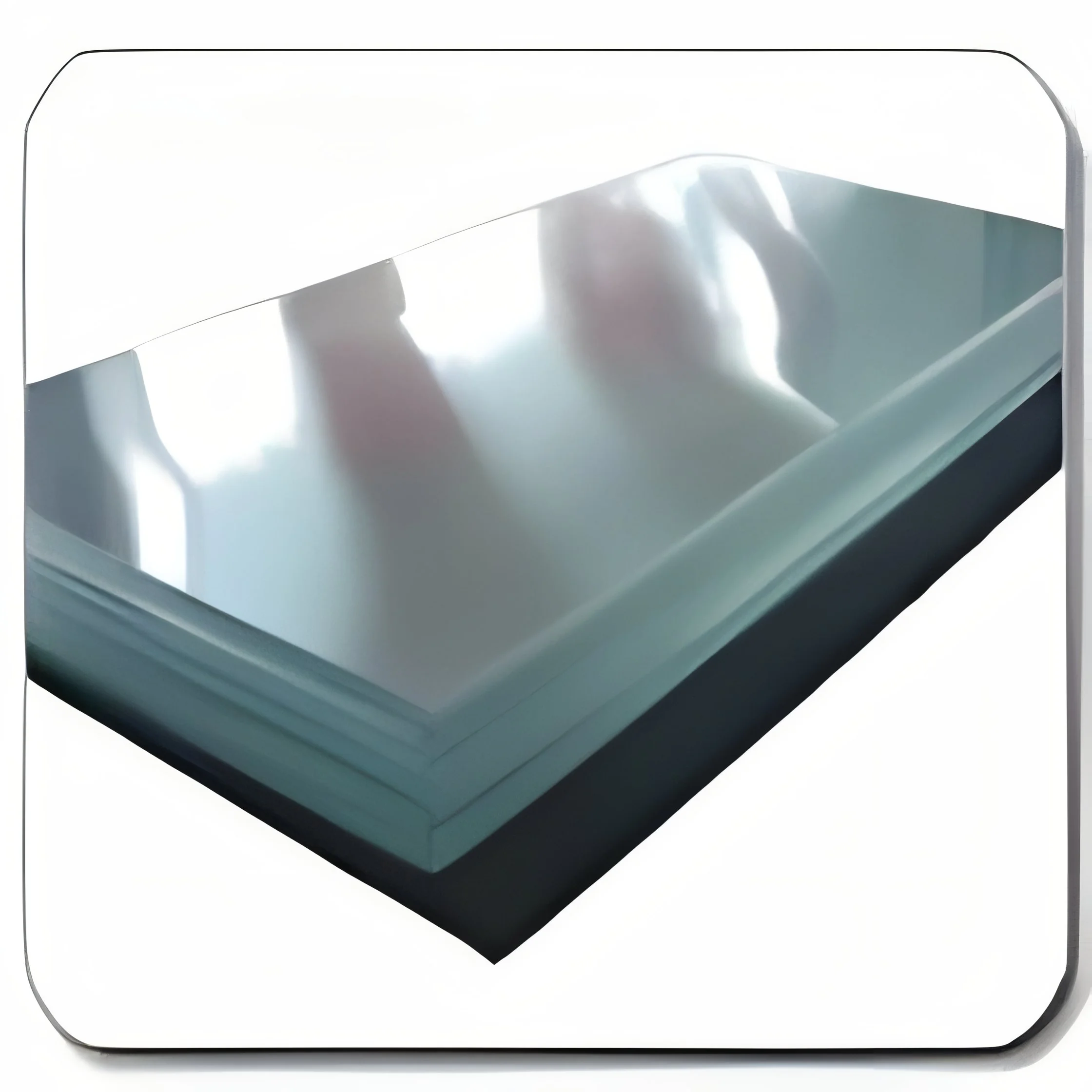
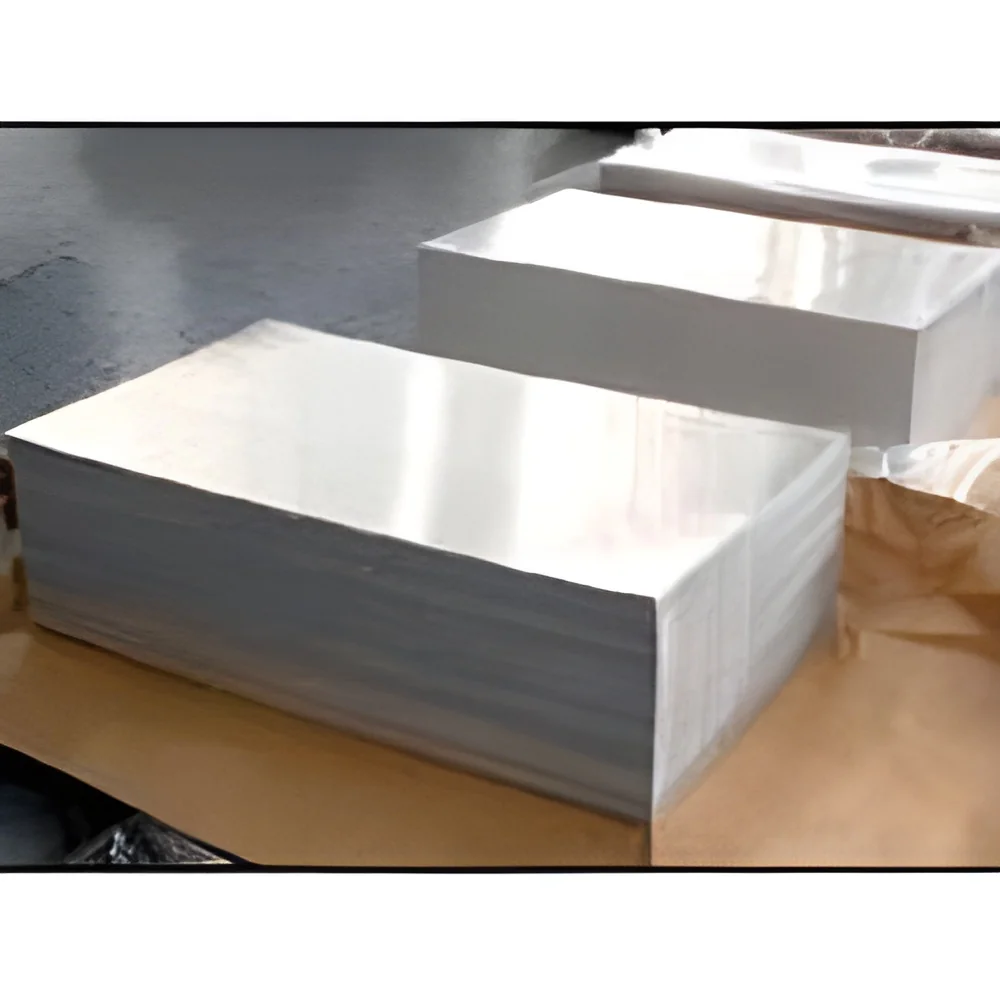
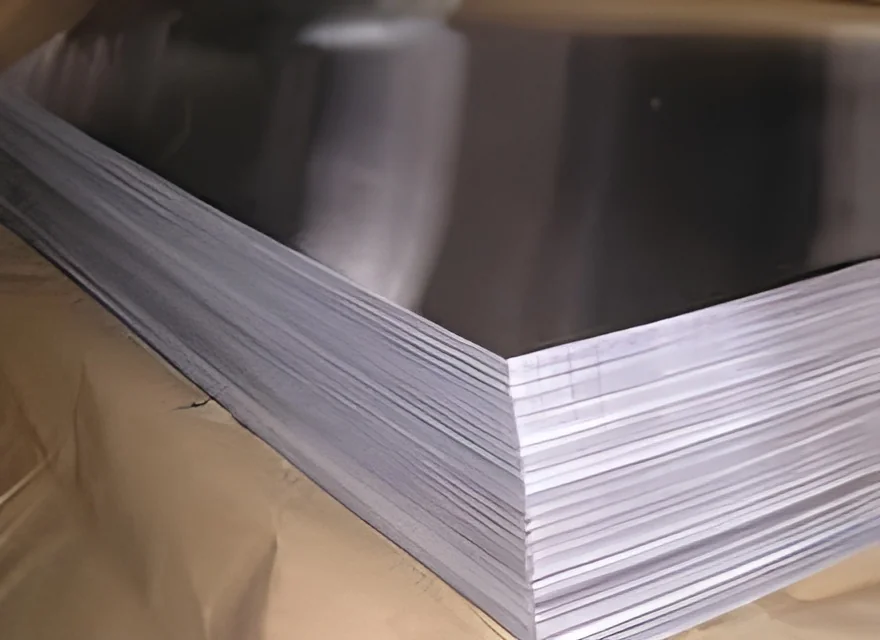
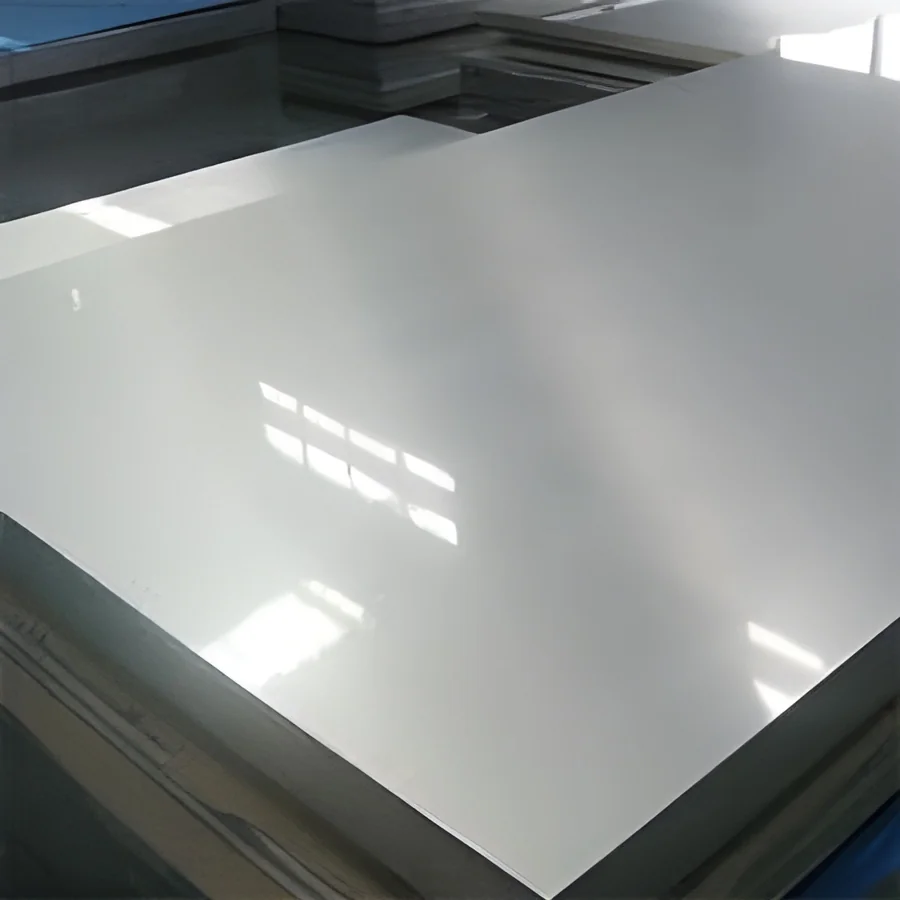
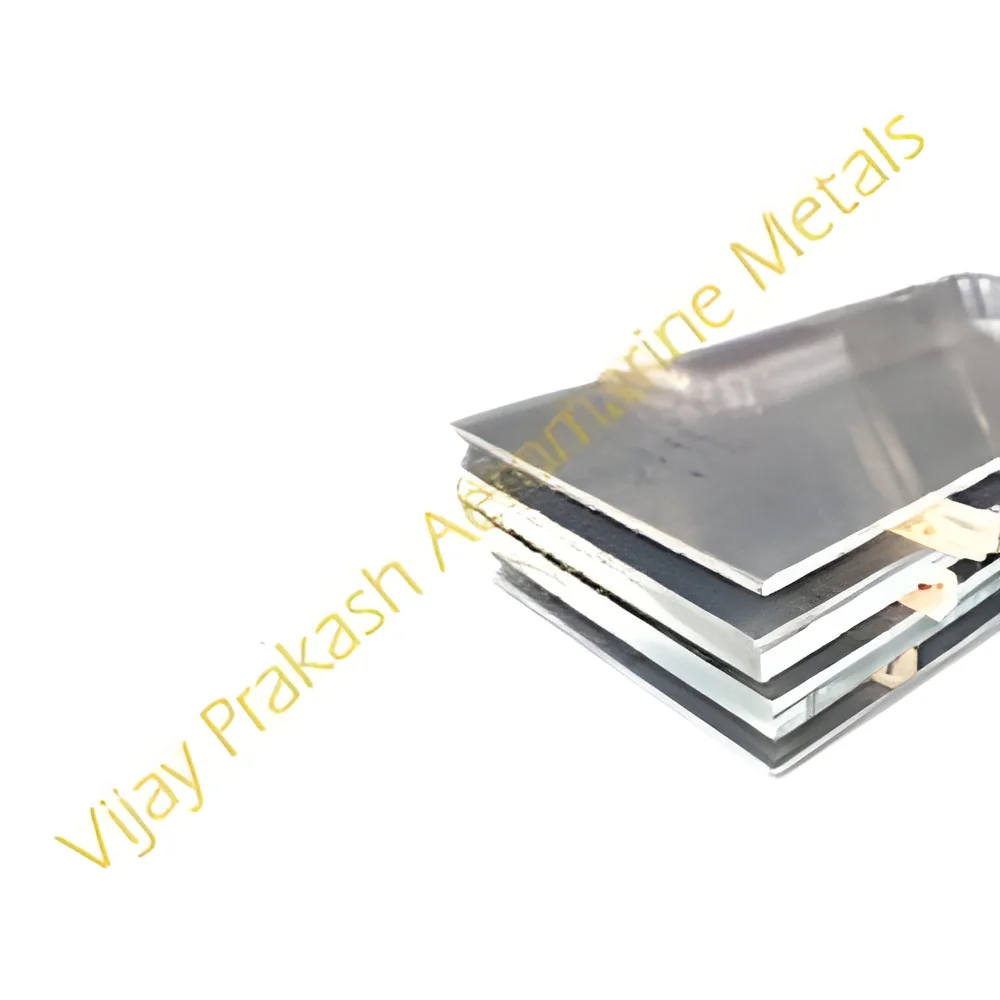
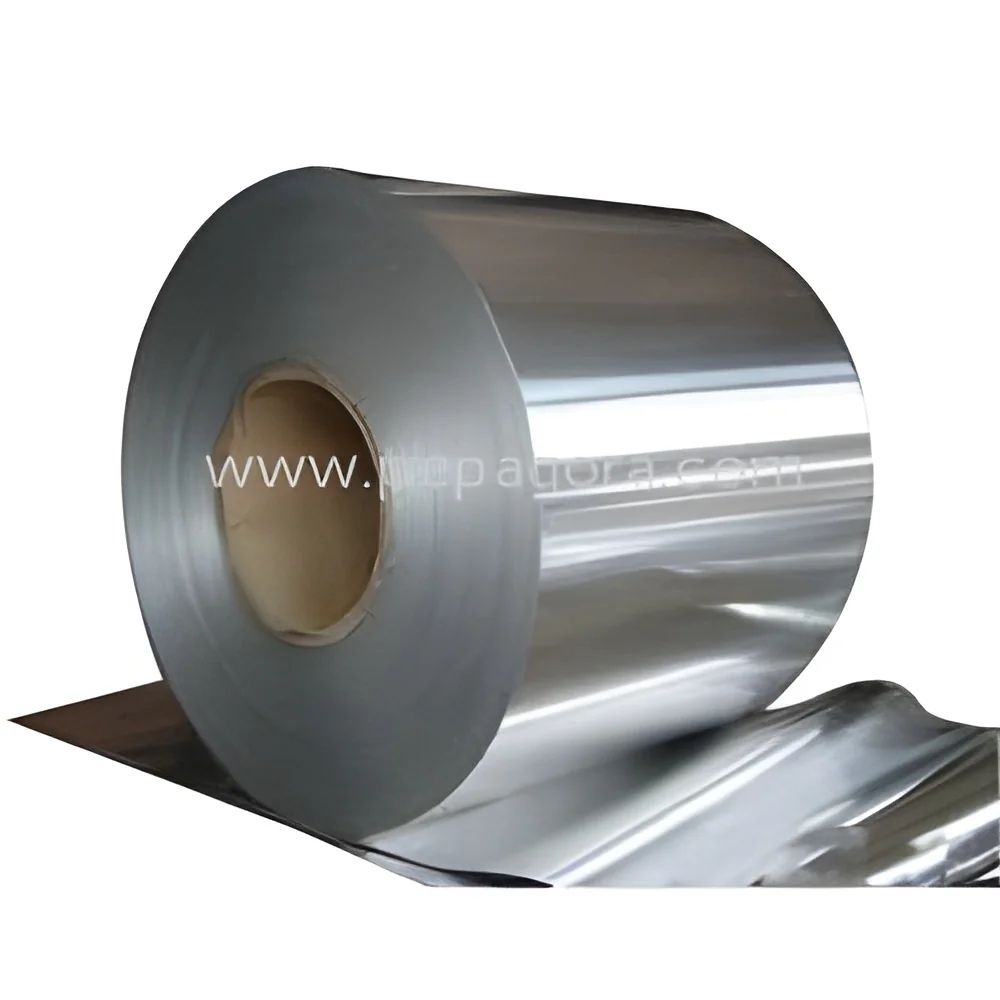
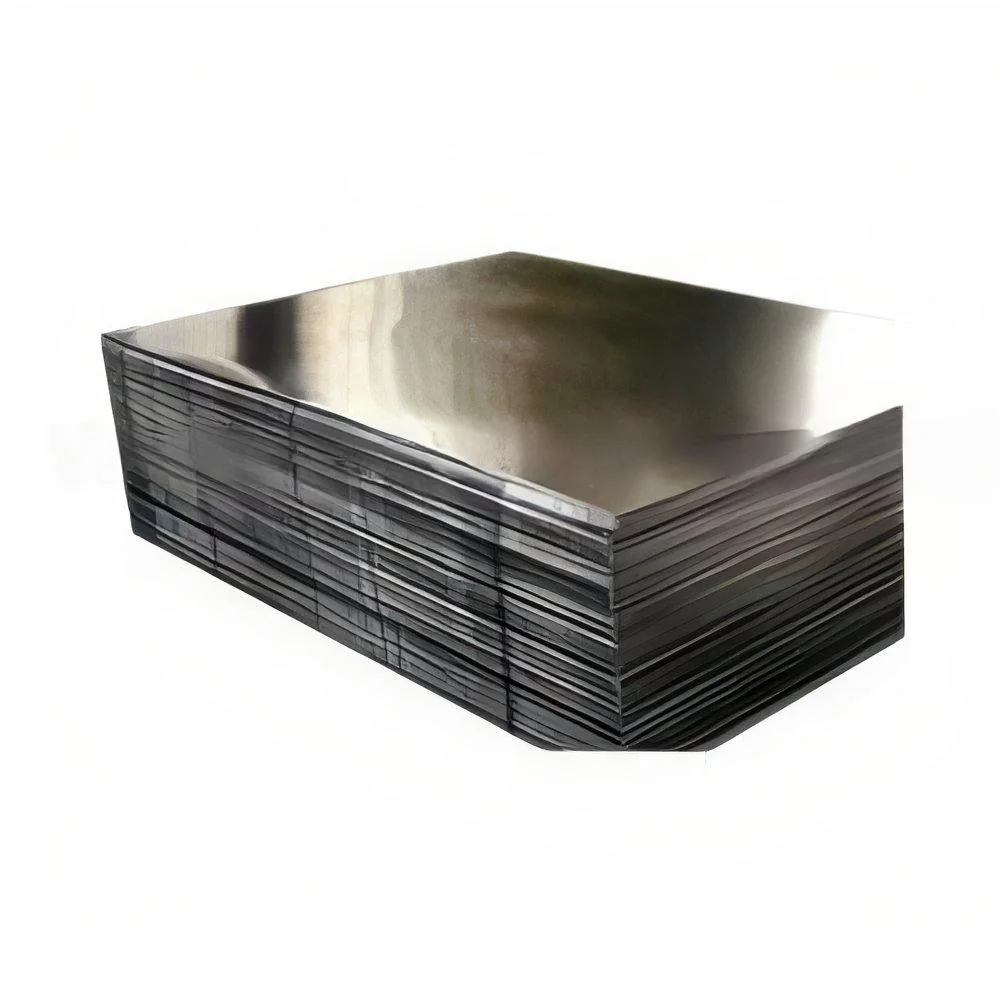
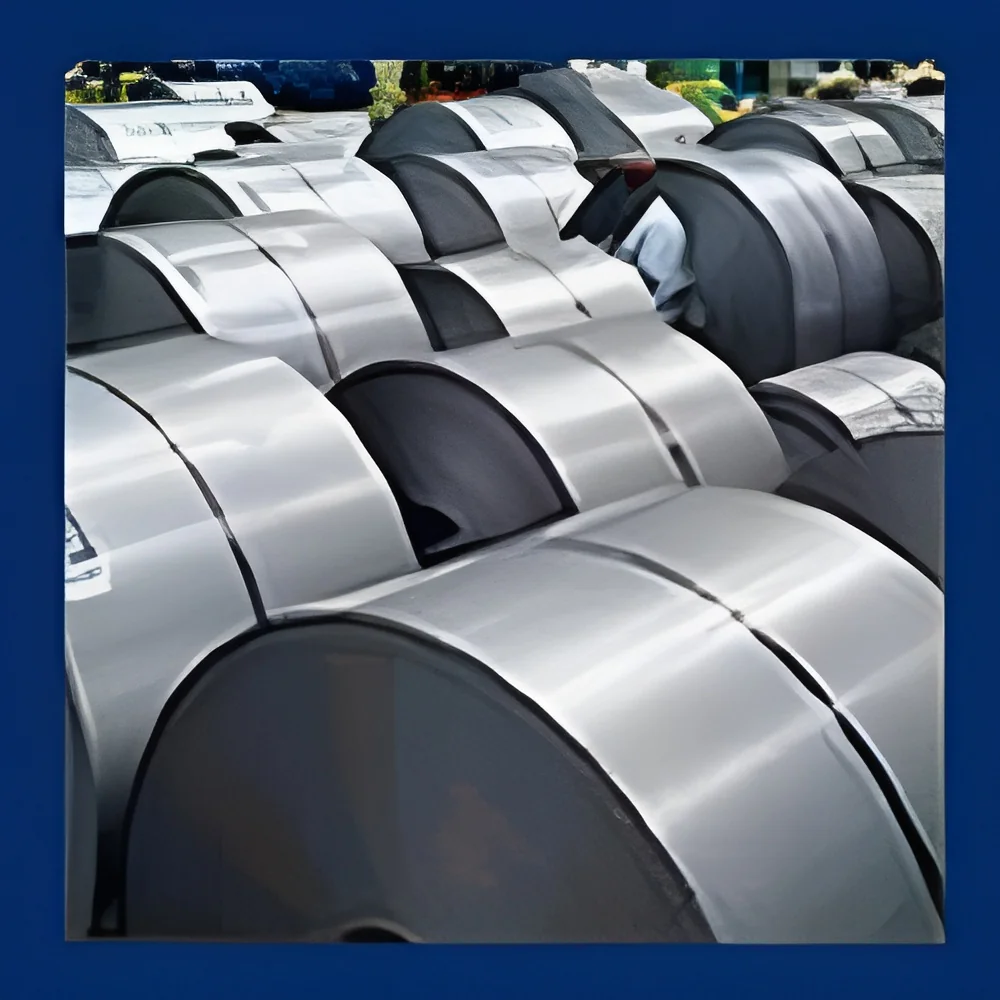
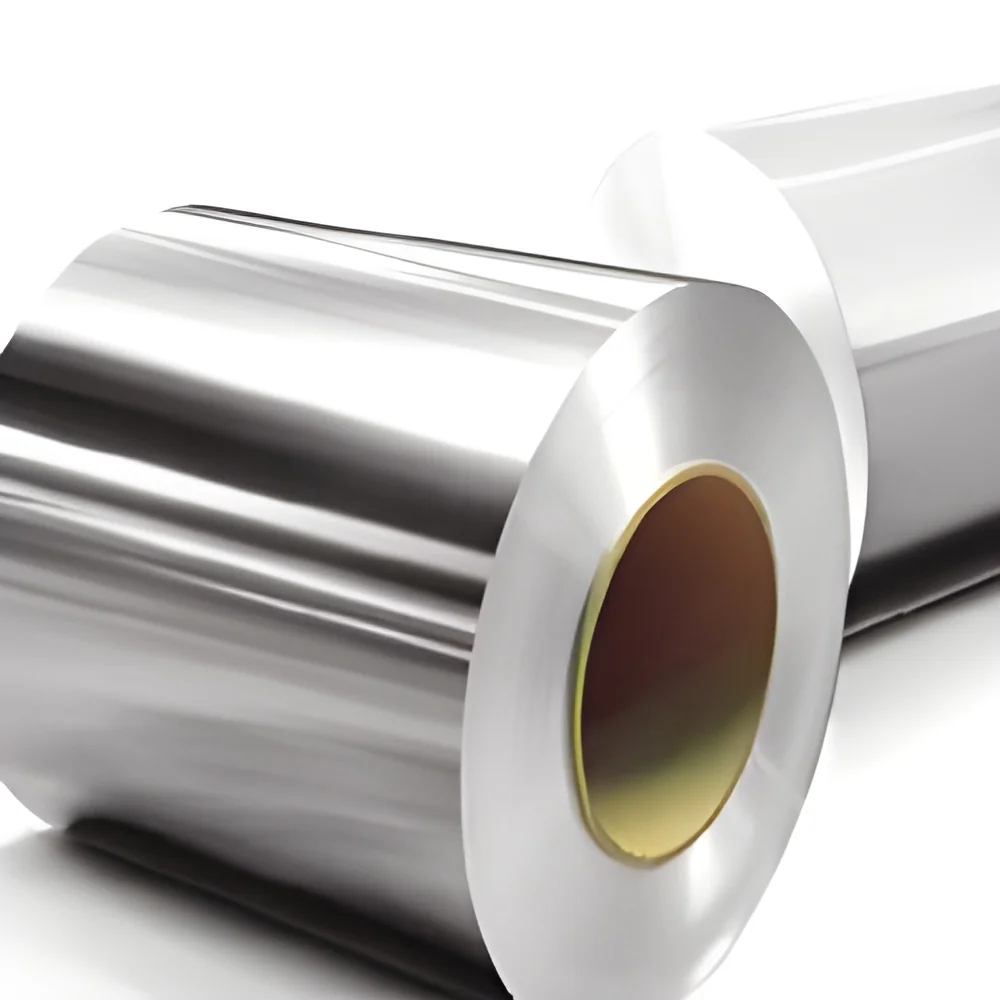
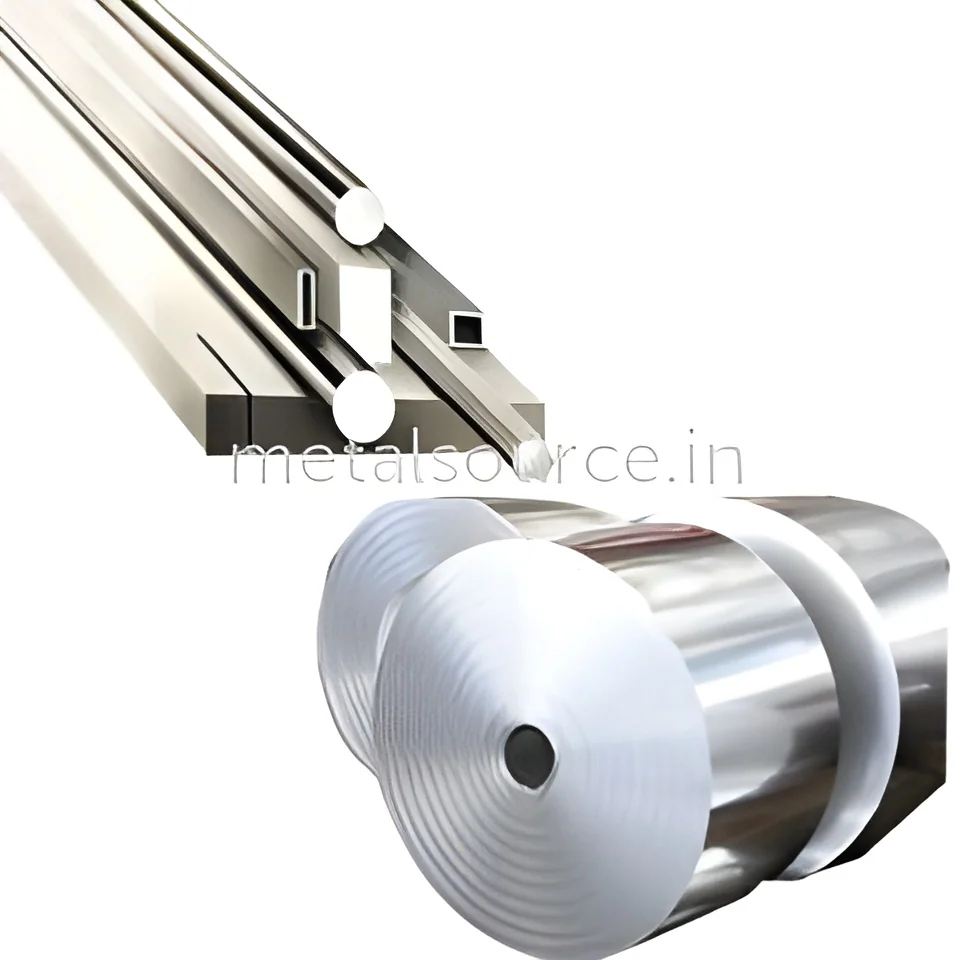
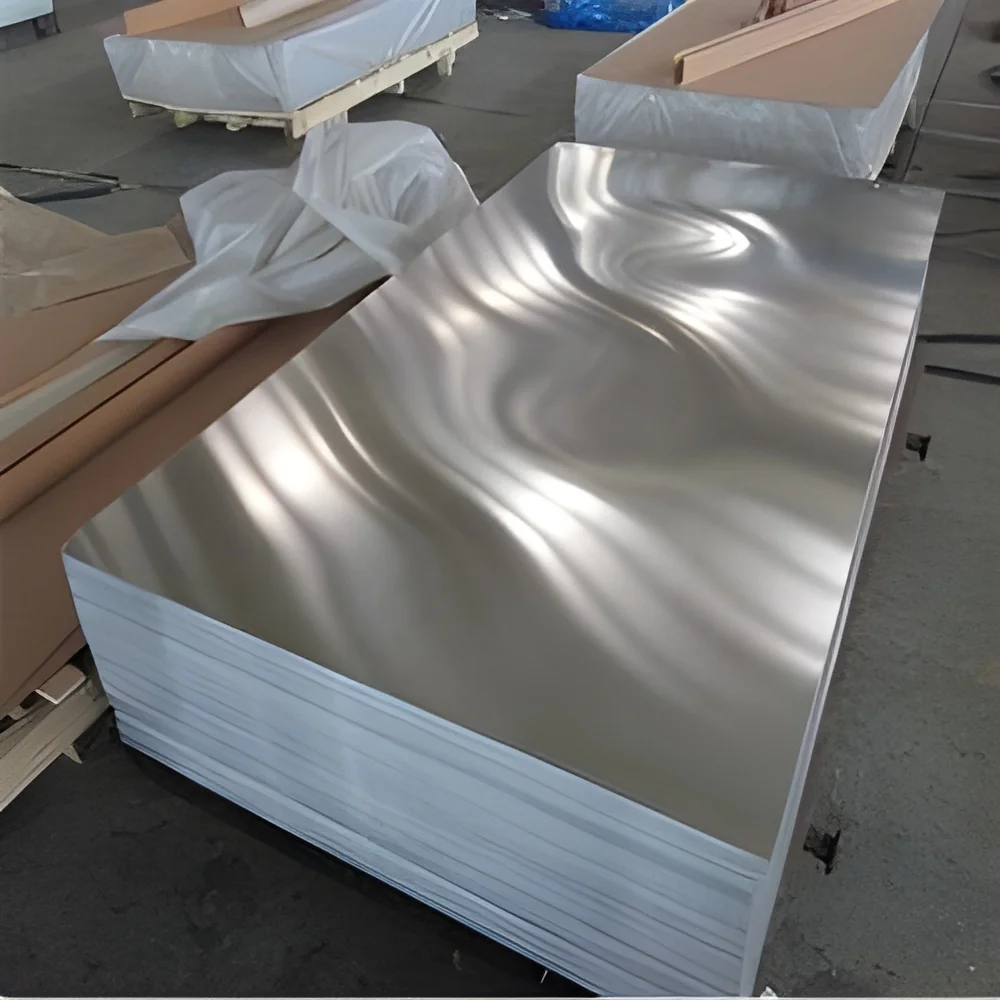
Aluminum sheets are flat pieces of aluminum that have been processed into thin panels. They are known for their lightweight, durability, and corrosion resistance. Aluminum sheets can be easily formed and fabricated, making them a versatile material in various industrial applications. The manufacturing process typically involves rolling aluminum ingots into sheets of varying thicknesses.
These sheets are primarily used across numerous industries such as construction, automotive, aerospace, and packaging. In construction, they serve as cladding and roofing materials, while in the automotive sector, they are used to produce lightweight vehicle parts. The aerospace industry utilizes aluminum sheets for aircraft components due to their strength-to-weight ratio. The demand for aluminum sheets continues to grow as industries seek materials that enhance efficiency and reduce weight.
Key Features and Specifications
Aluminum sheets offer a range of specifications and features that make them suitable for various applications. Understanding these specifications is essential for selecting the right product for specific needs.
Key specifications include:
1. Thickness
- Aluminum sheets are available in various thicknesses, typically ranging from 0.2 mm to 6.0 mm.
2. Width
- Standard widths can vary, but they often range from 1000 mm to 2000 mm.
3. Length
- Common lengths for aluminum sheets are between 2000 mm and 6000 mm, with custom lengths available upon request.
4. Alloy Types
- Various alloy compositions exist, including 1050, 1100, 2024, and 6061, each offering different properties and applications.
5. Surface Finish
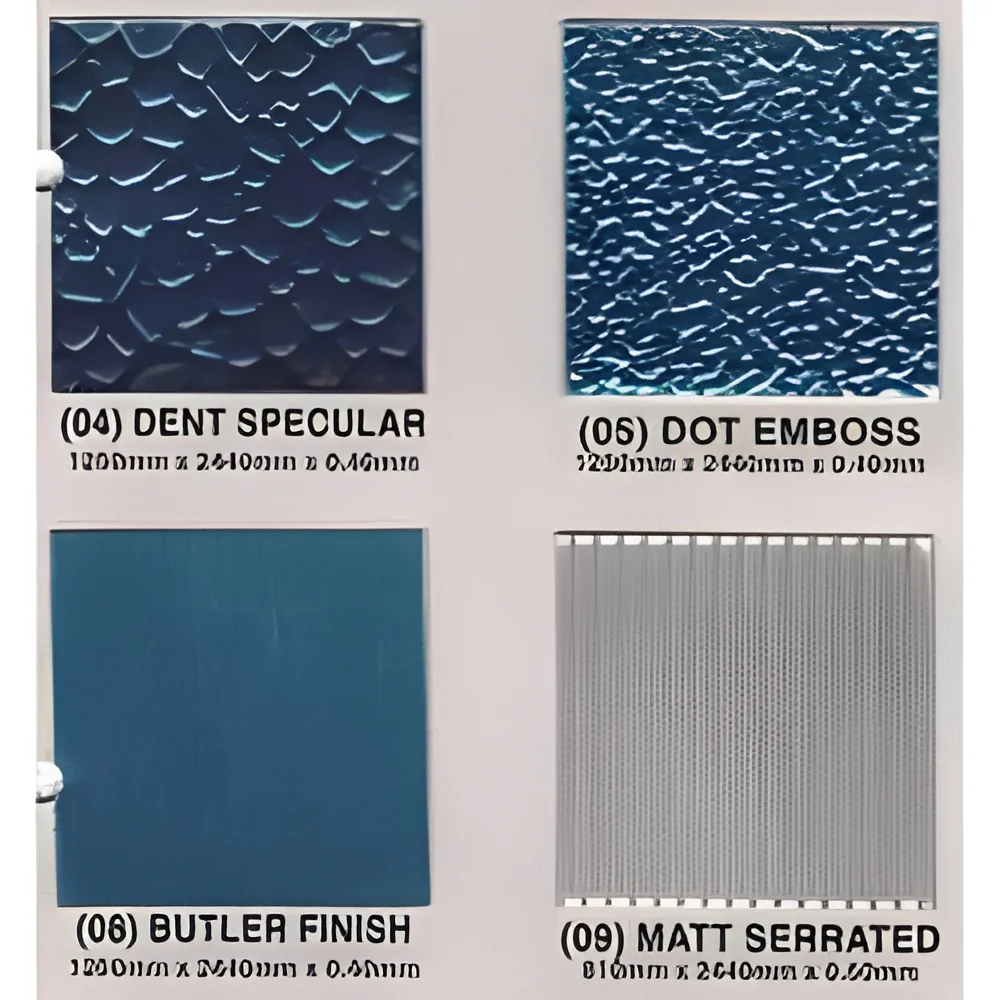
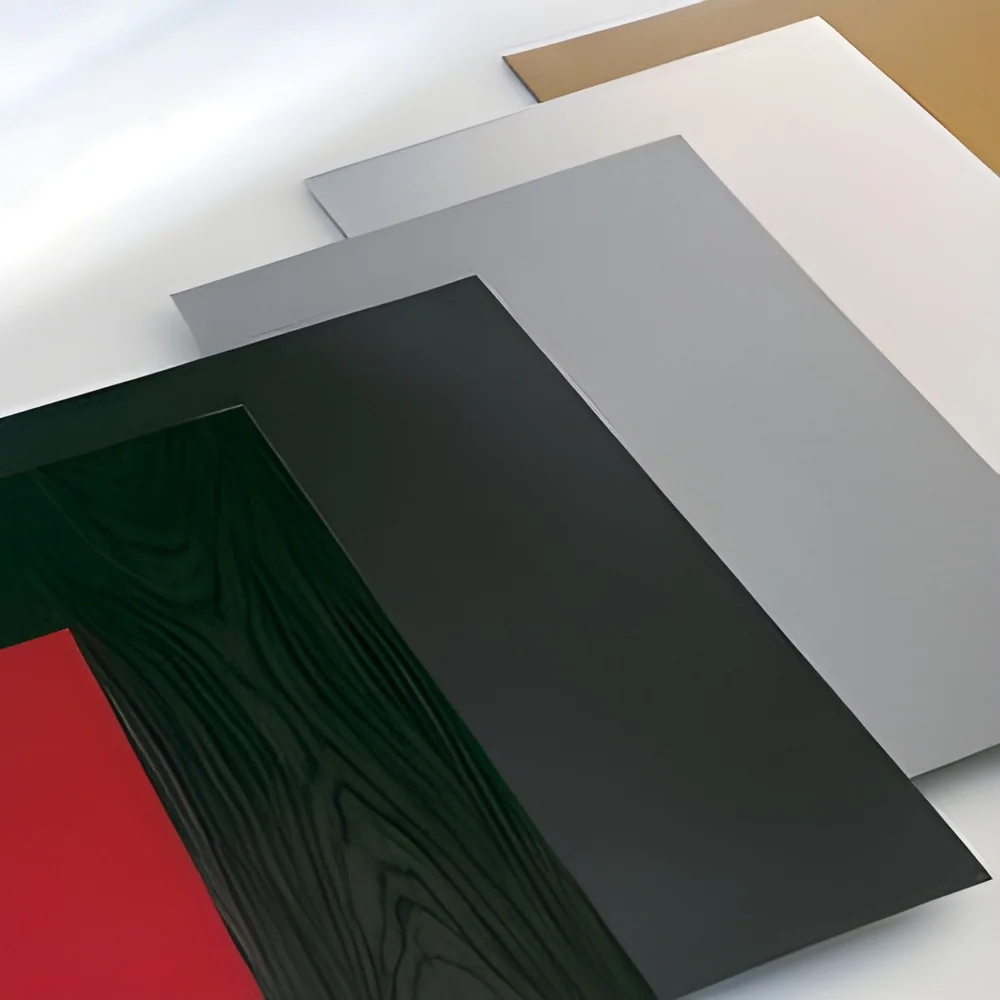
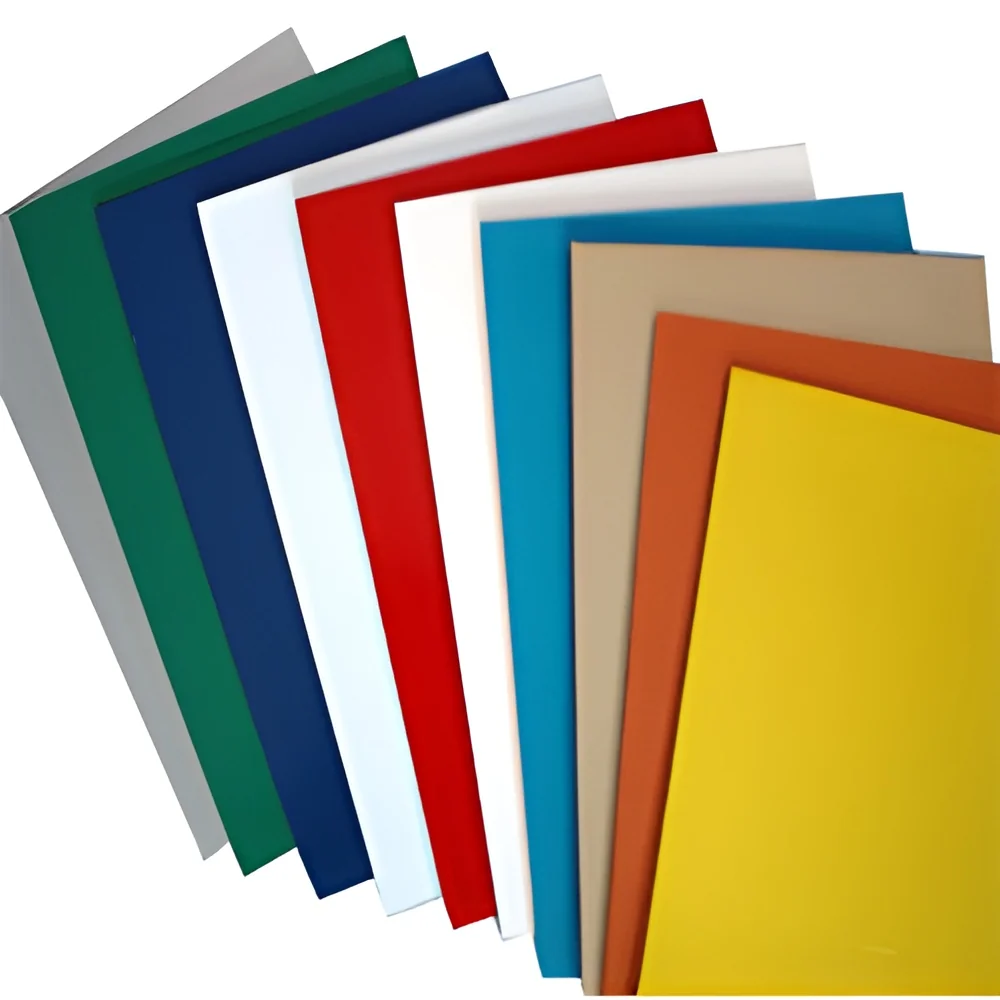
- Surface finishes can include mill finish, anodized, or painted, enhancing aesthetics and corrosion resistance.
6. Weight
- The weight of aluminum sheets typically ranges from 2.70 g/cm³, making them lightweight compared to other metals.
7. Mechanical Properties
- Yield strength and tensile strength values can vary based on alloy types, providing flexibility for different applications.
8. Corrosion Resistance
- Aluminum sheets exhibit excellent corrosion resistance, especially when treated with coatings or anodization.
Aluminum sheets are a reliable choice for various applications due to their diverse specifications and features.
Common Applications and Use Cases
Aluminum sheets are utilized in numerous industries, each with specific applications that leverage their unique properties.
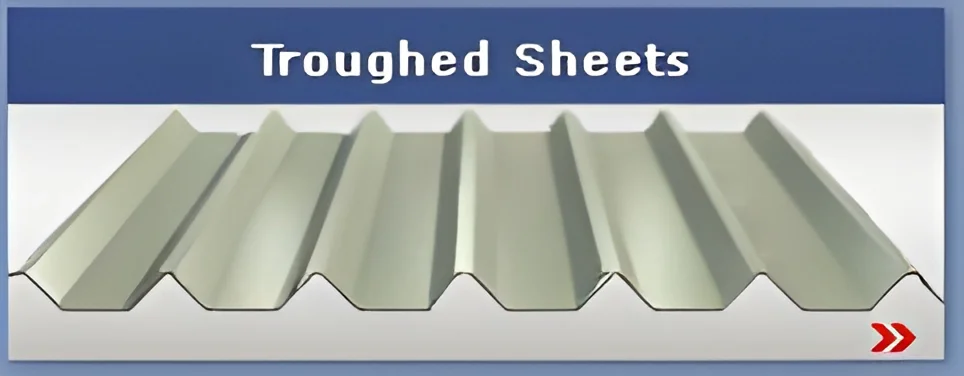
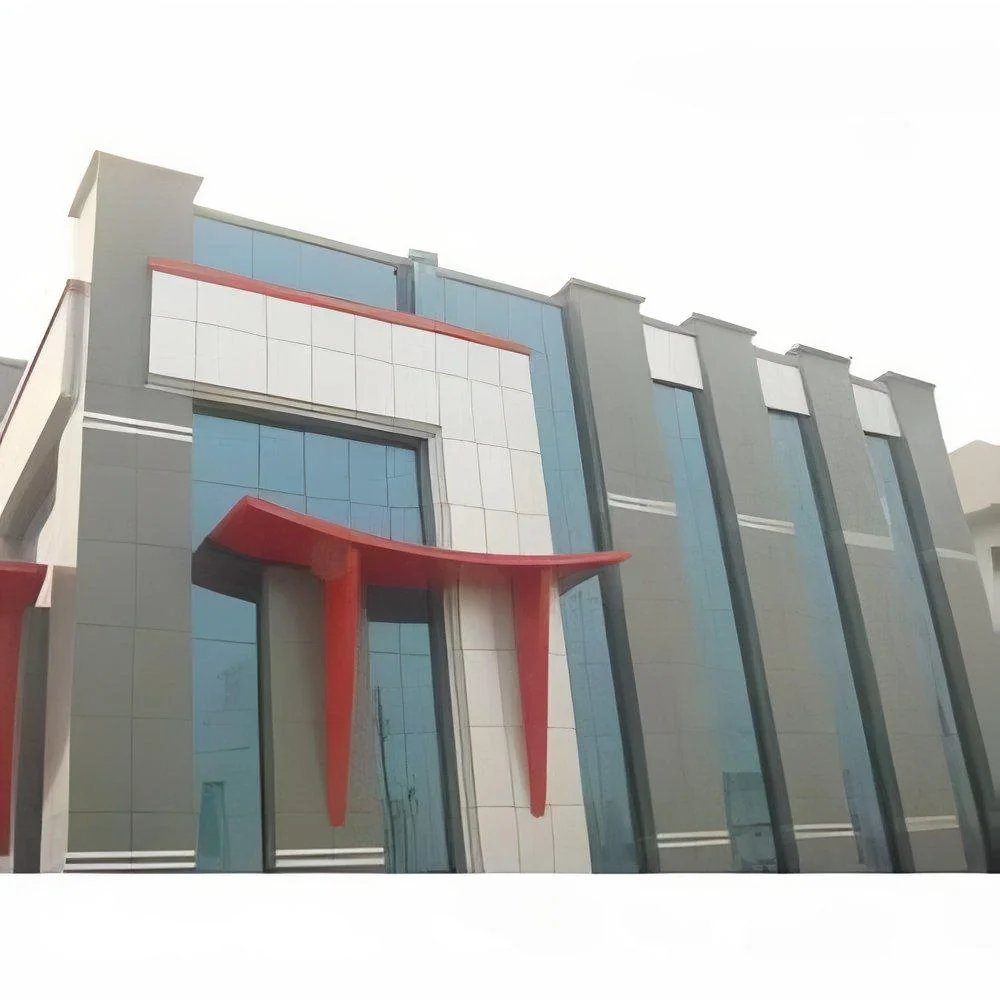
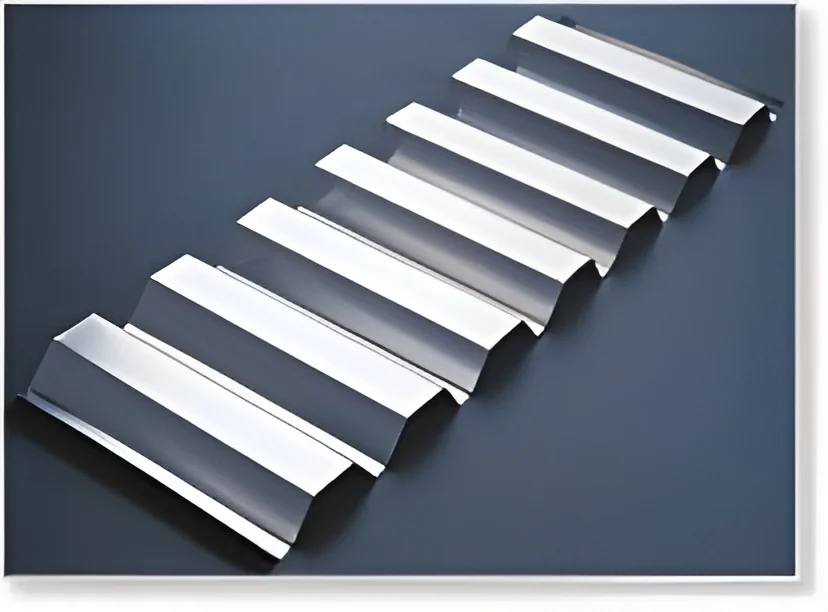
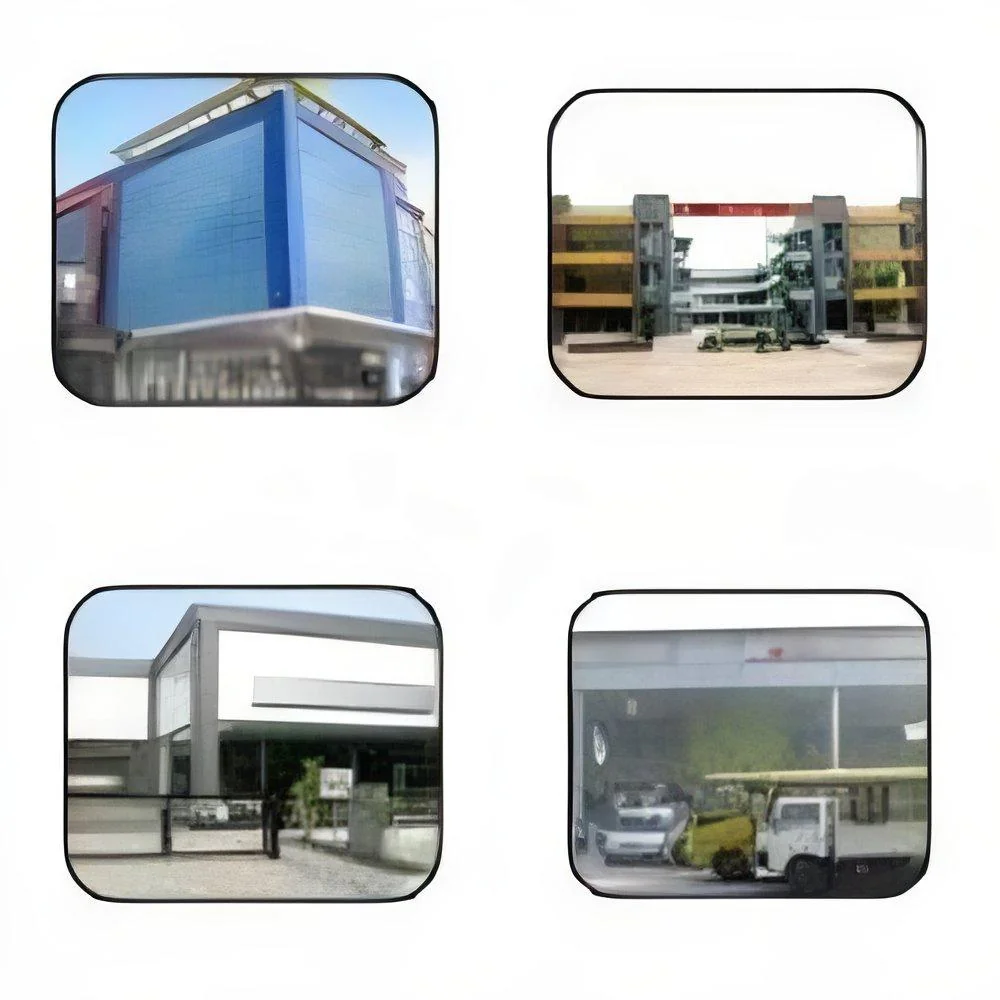
1. Construction: Aluminum sheets are widely used for roofing, facade cladding, and interior wall panels due to their lightweight and durable nature.
2. Automotive: In the automotive industry, aluminum sheets are used to manufacture body panels, engine components, and heat exchangers, contributing to fuel efficiency.
3. Aerospace: Aerospace manufacturers use aluminum sheets for fuselage skins, wing structures, and other critical components, benefiting from their strength-to-weight ratio.
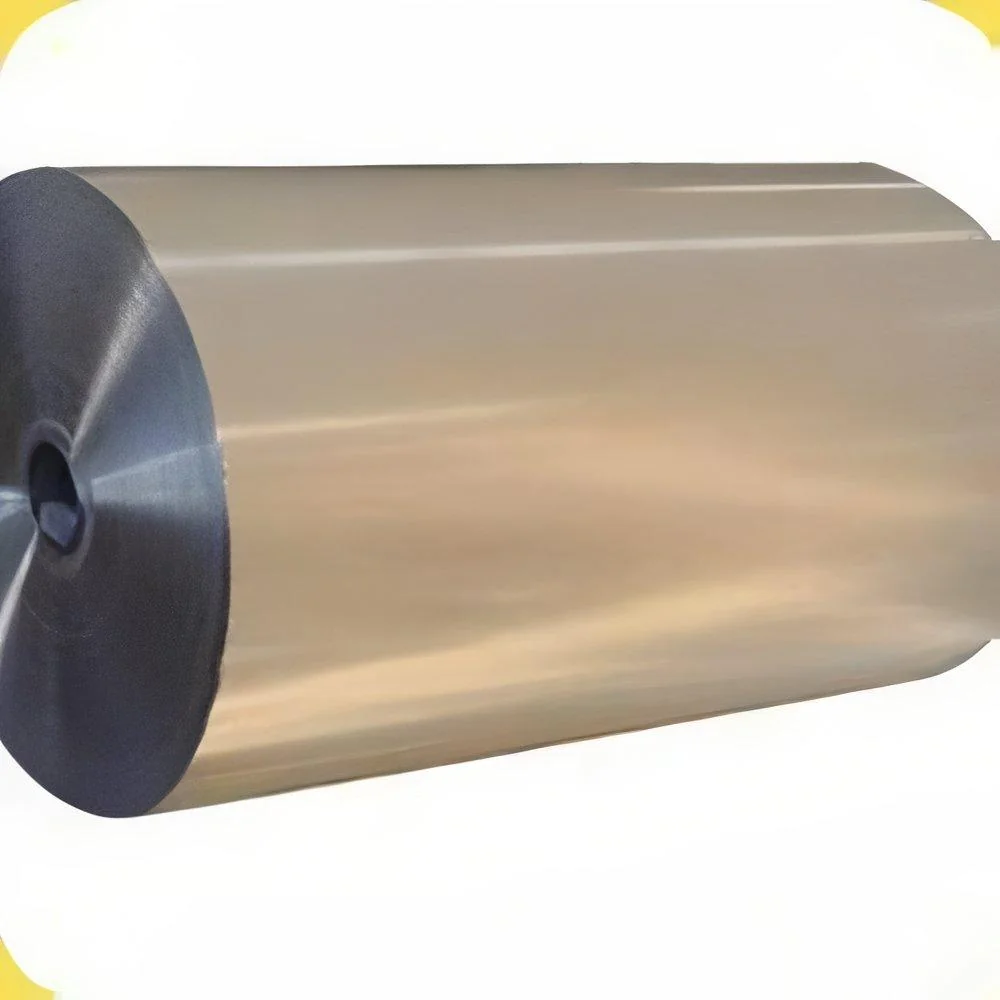
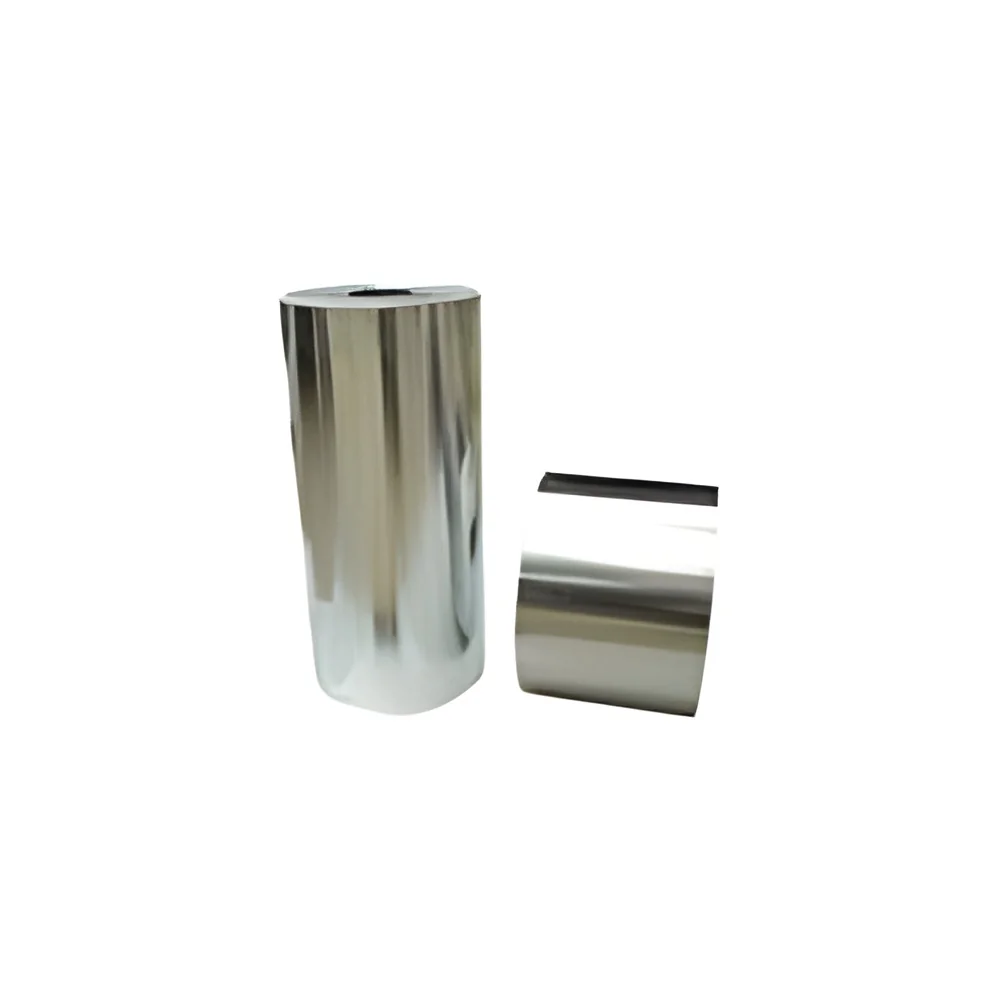
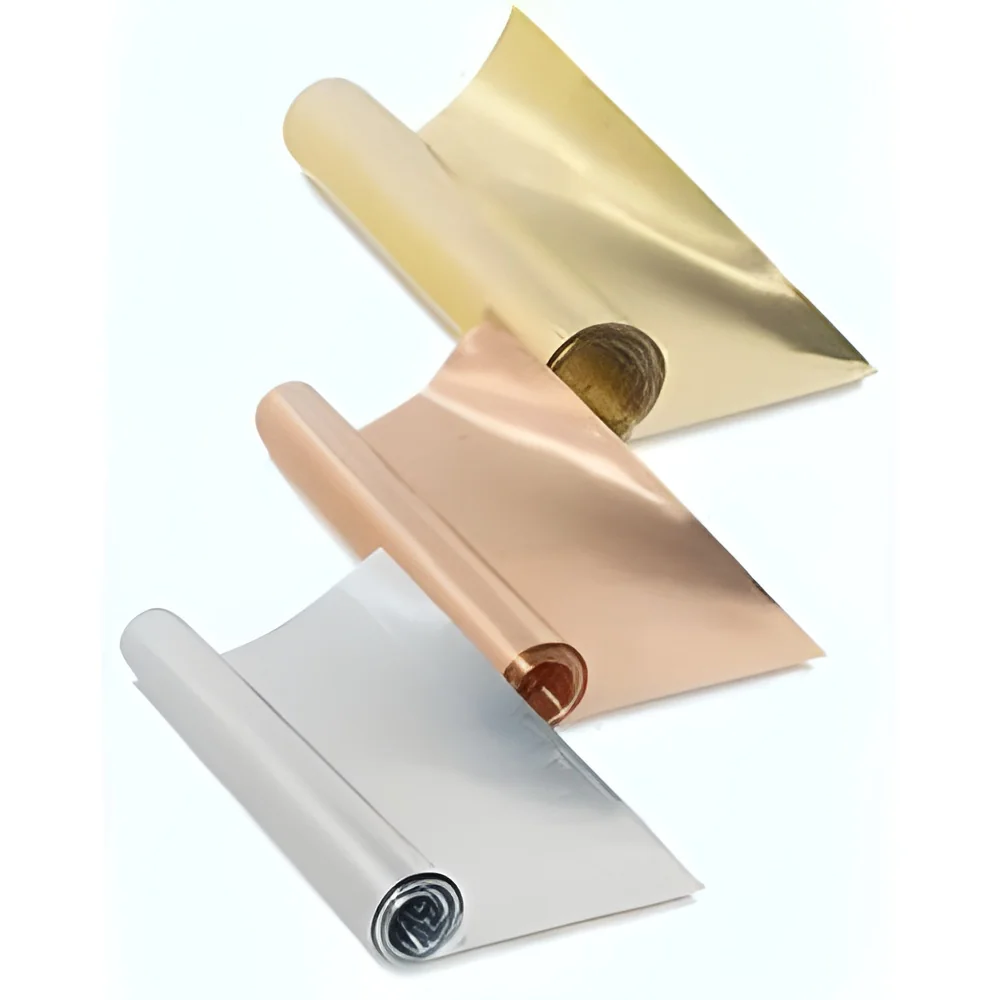
4. Packaging: Aluminum sheets are employed in packaging materials, including containers and foils, thanks to their barrier properties against moisture and light.
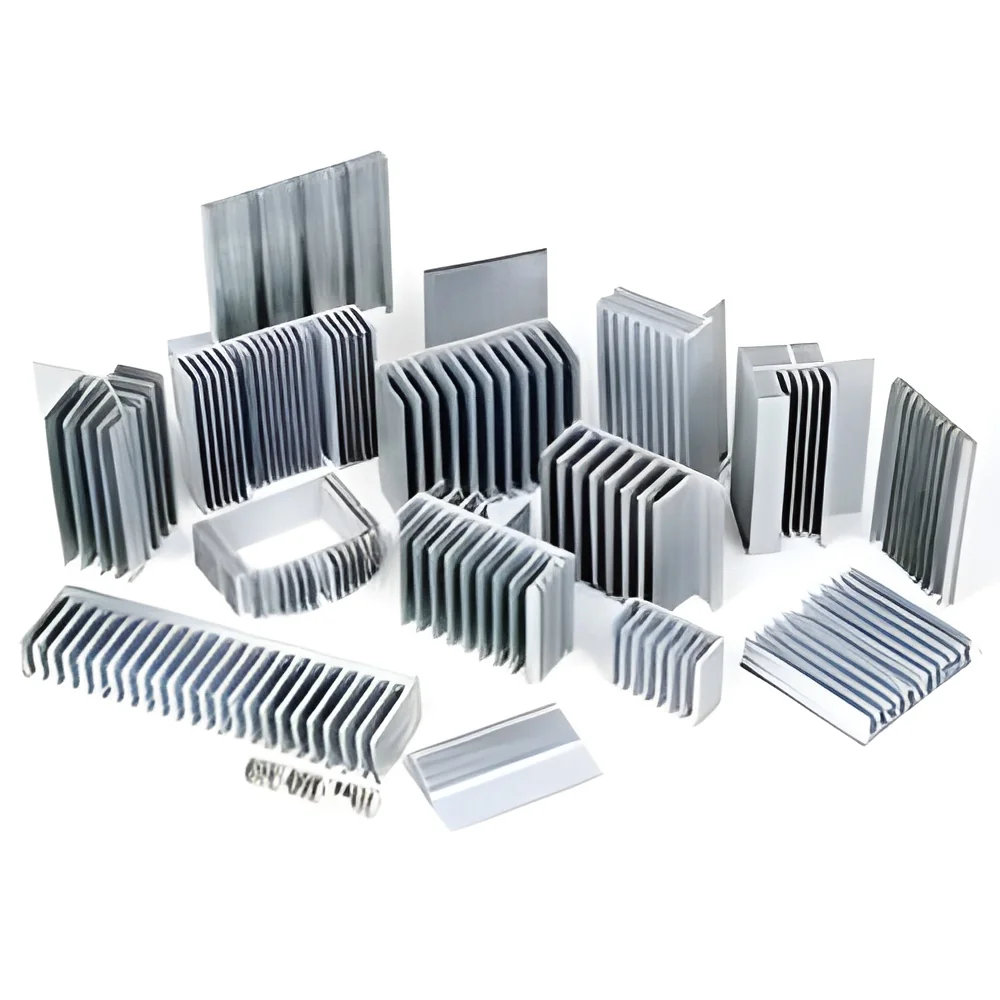
5. Electrical: Aluminum sheets are utilized in electrical applications for housings and heat sinks, owing to their excellent conductivity.
6. Marine: The marine industry uses aluminum sheets for boat hulls and other components, benefiting from their resistance to corrosion in saltwater environments.
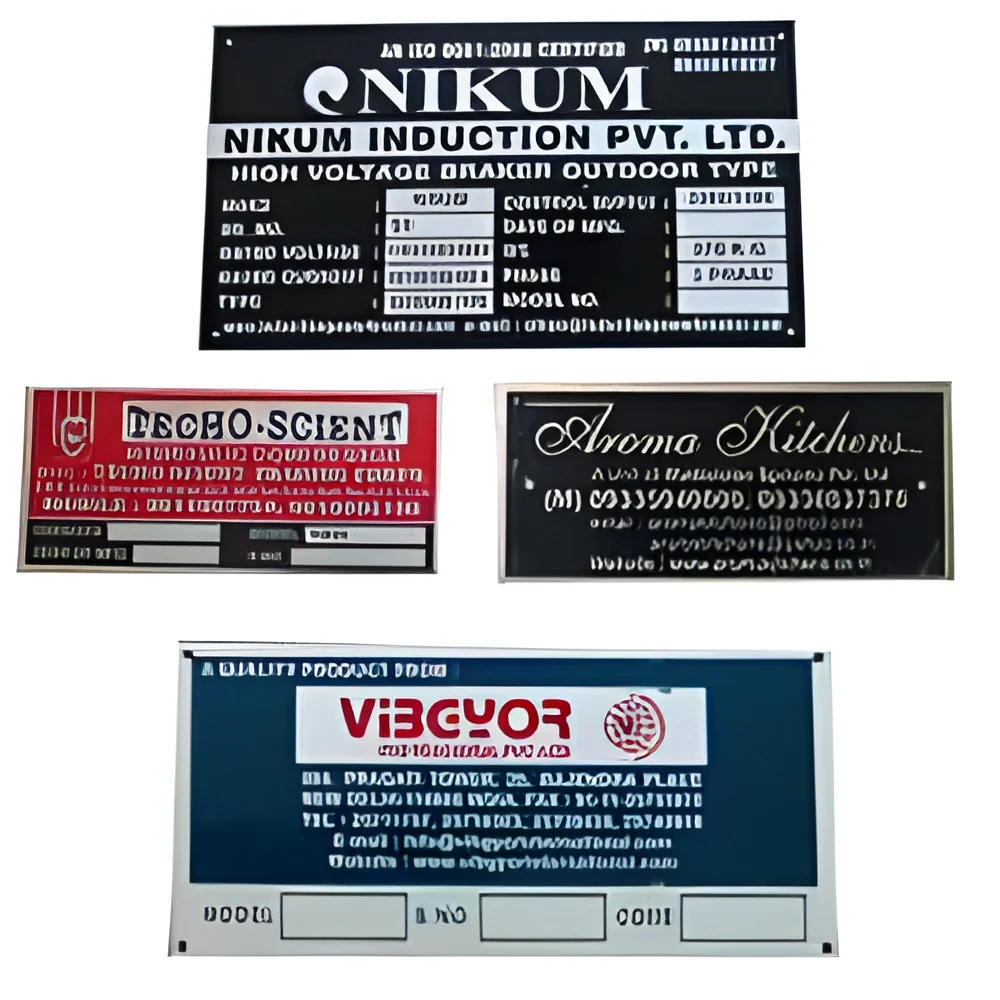
7. Signage: Aluminum sheets are commonly used for outdoor signage due to their durability and ability to withstand various weather conditions.
Product Variants and Subcategories
Aluminum sheets come in various forms to cater to diverse industrial needs.
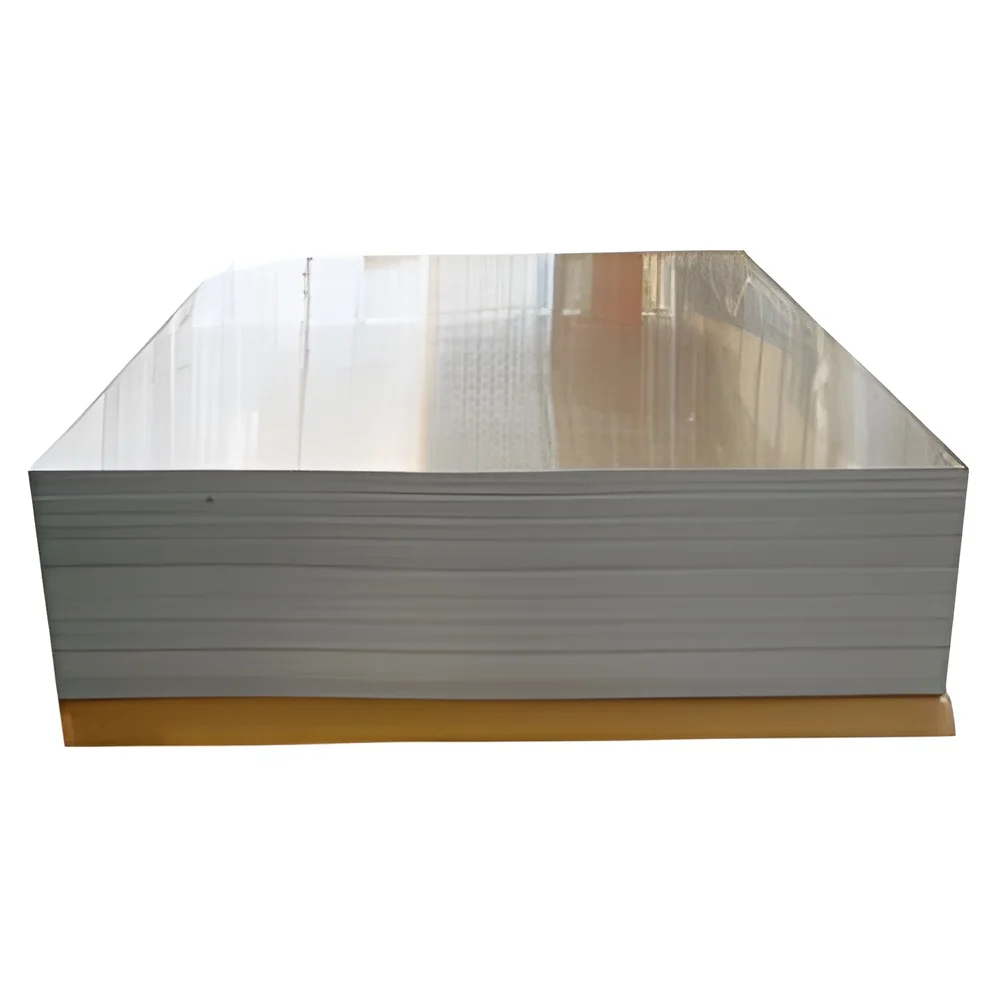
Standard Aluminum Sheets
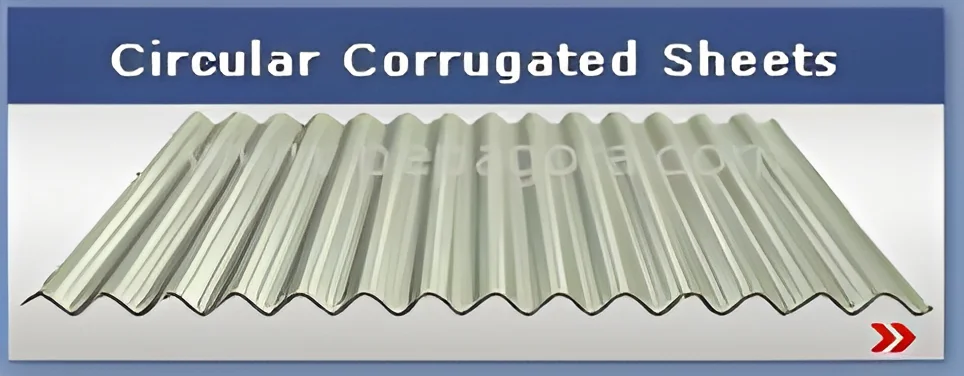
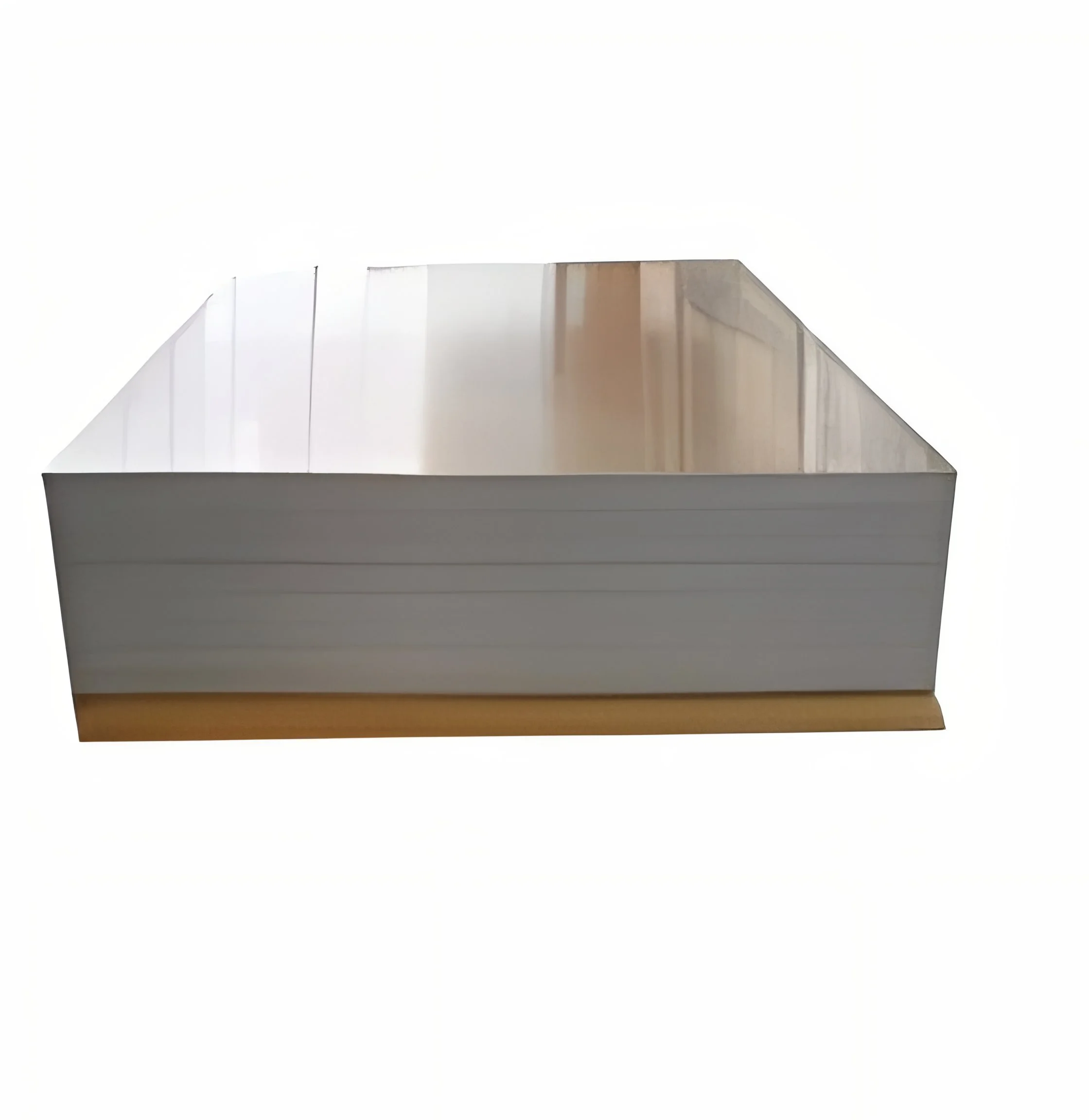
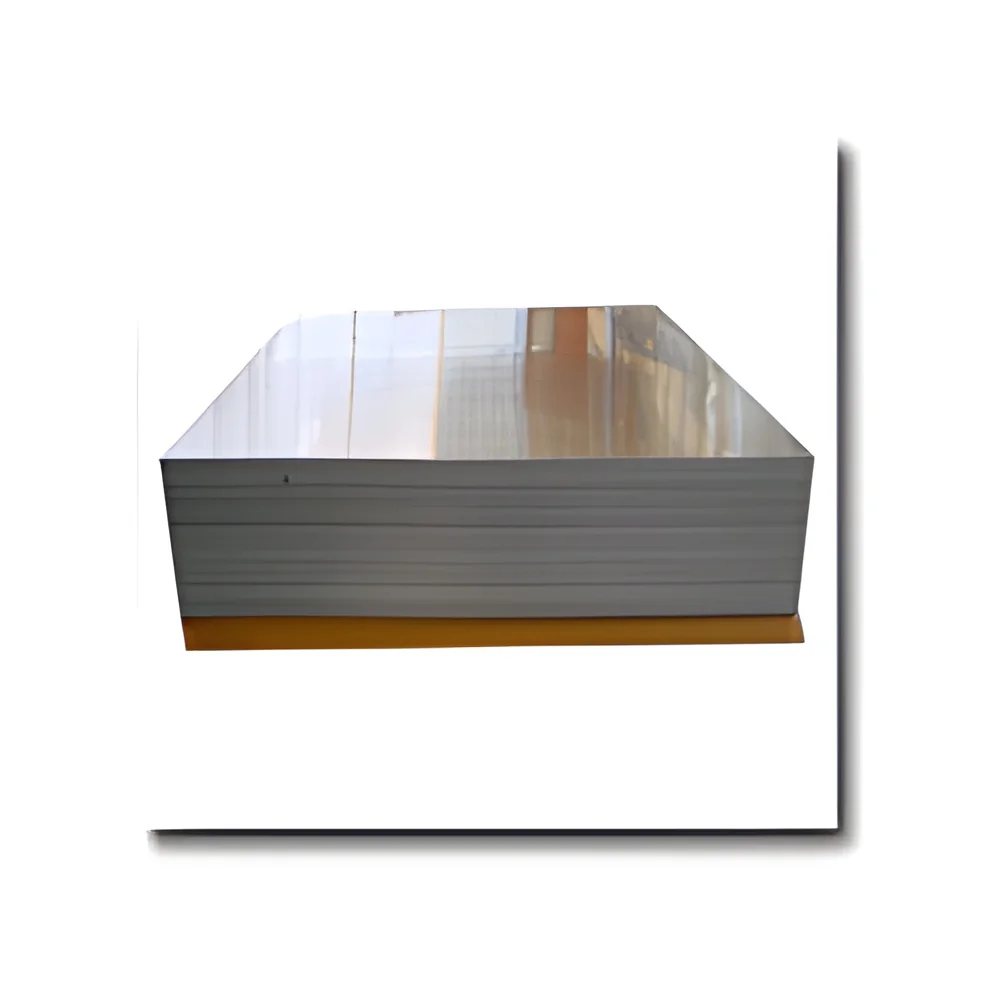
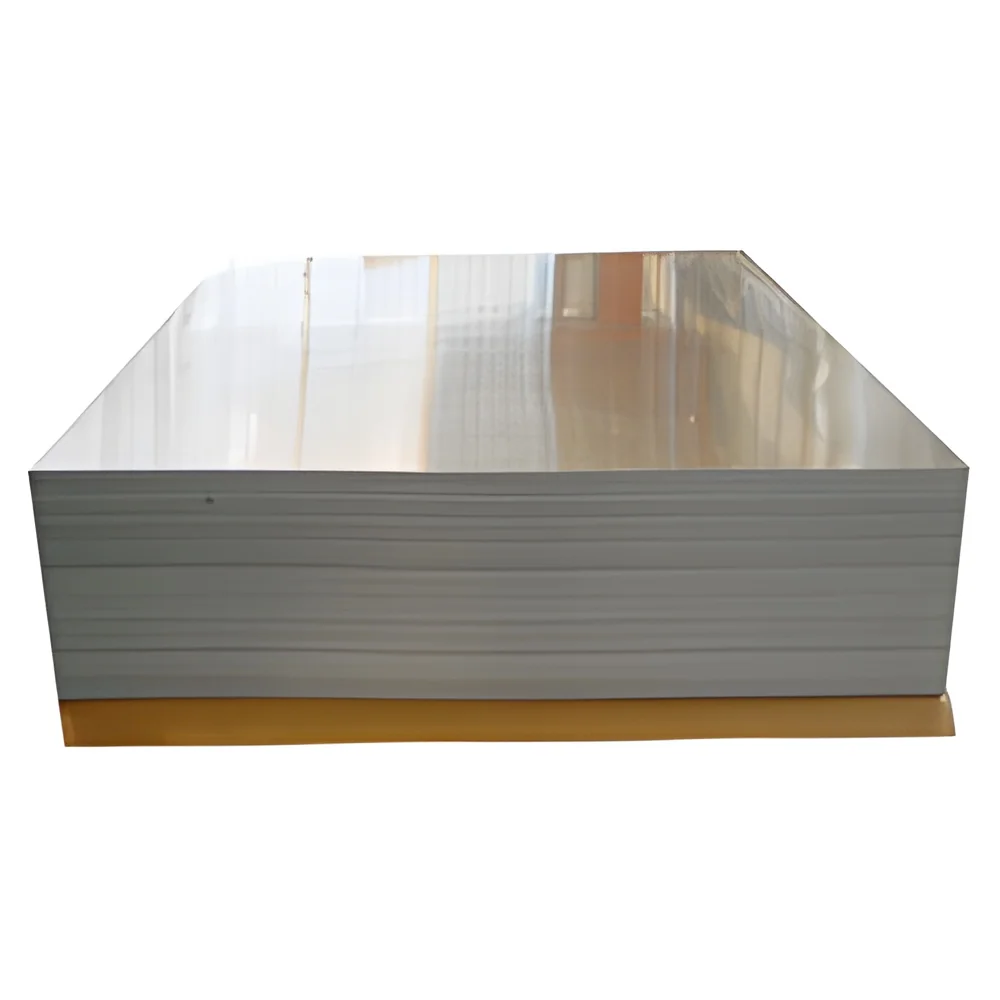
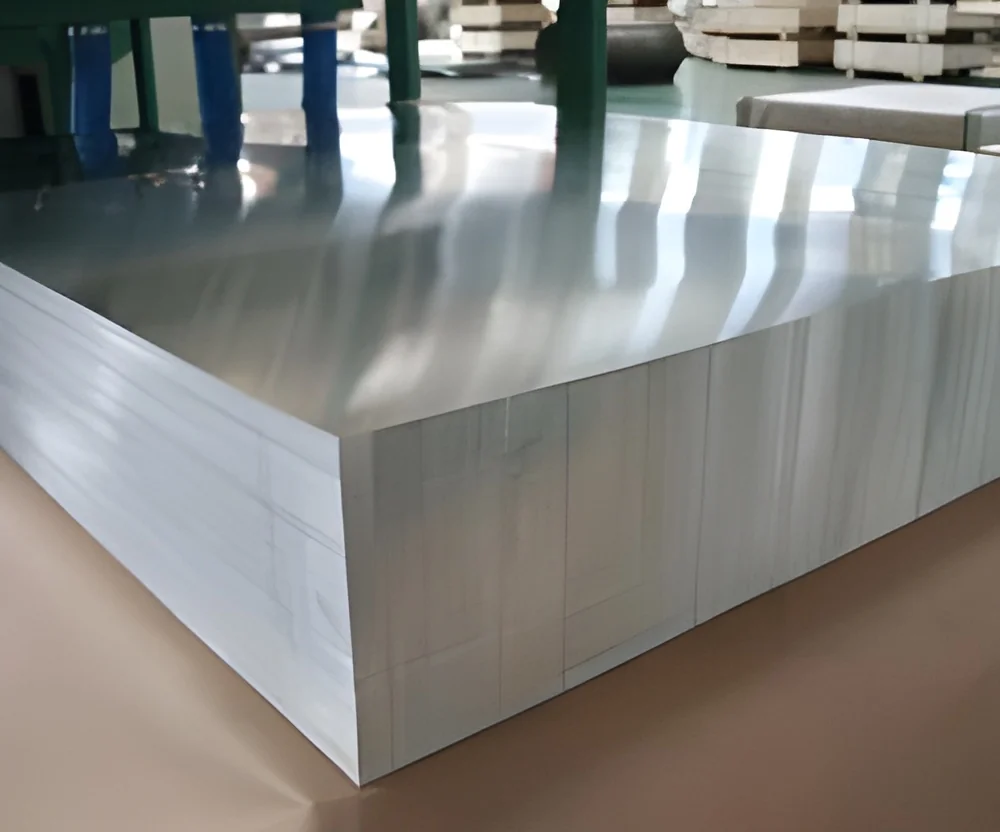
These sheets are the most common type, available in different thicknesses and finishes. They are suitable for a wide range of applications, from construction to automotive.
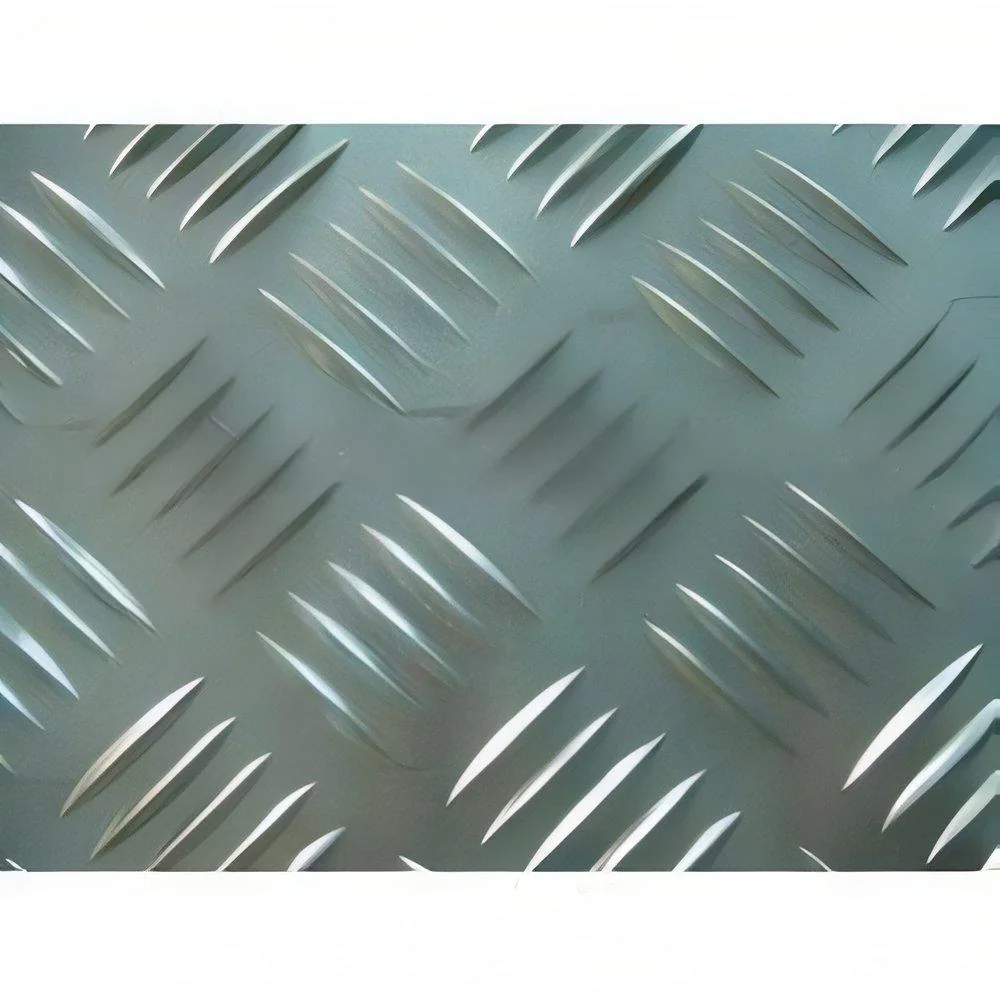
Aluminum Tread Plates
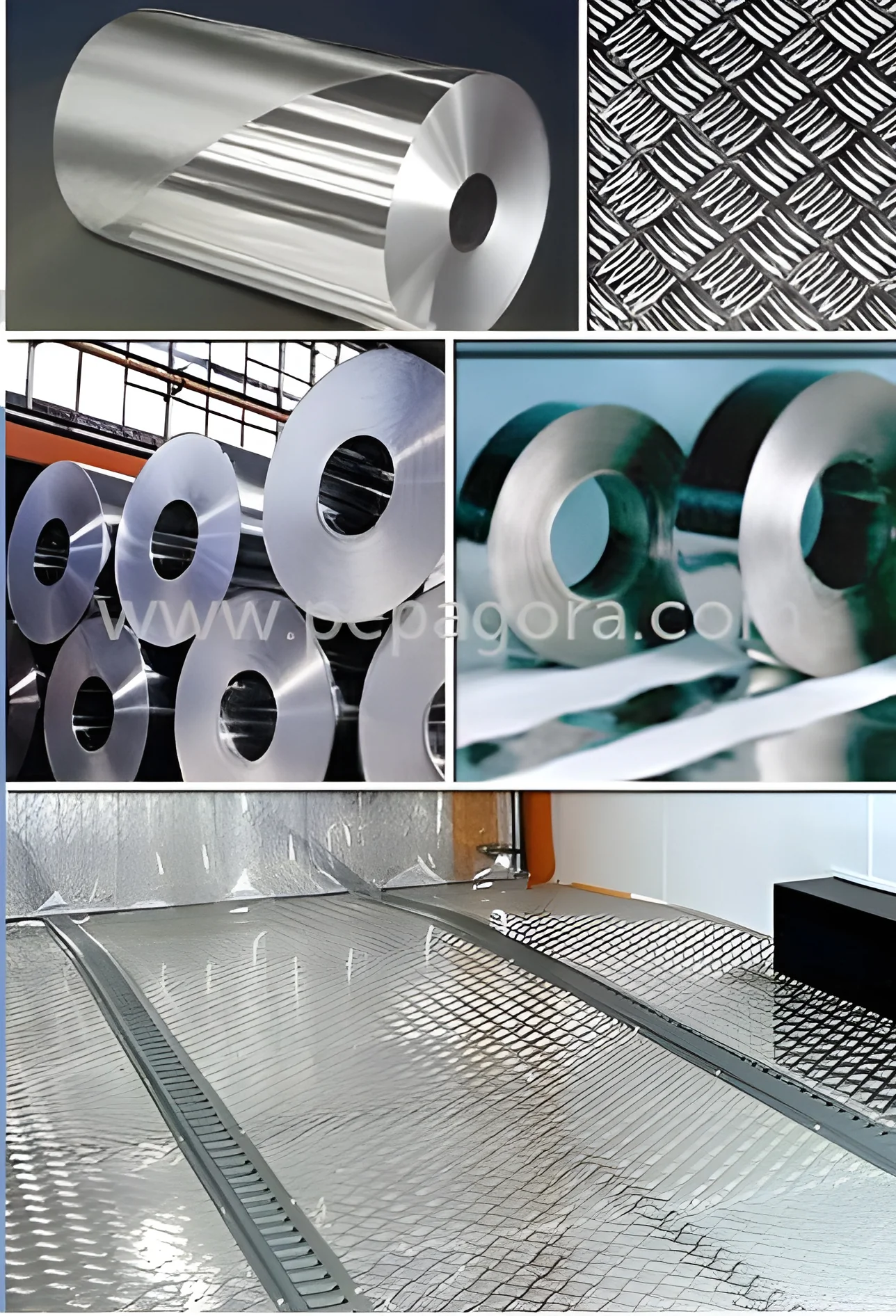
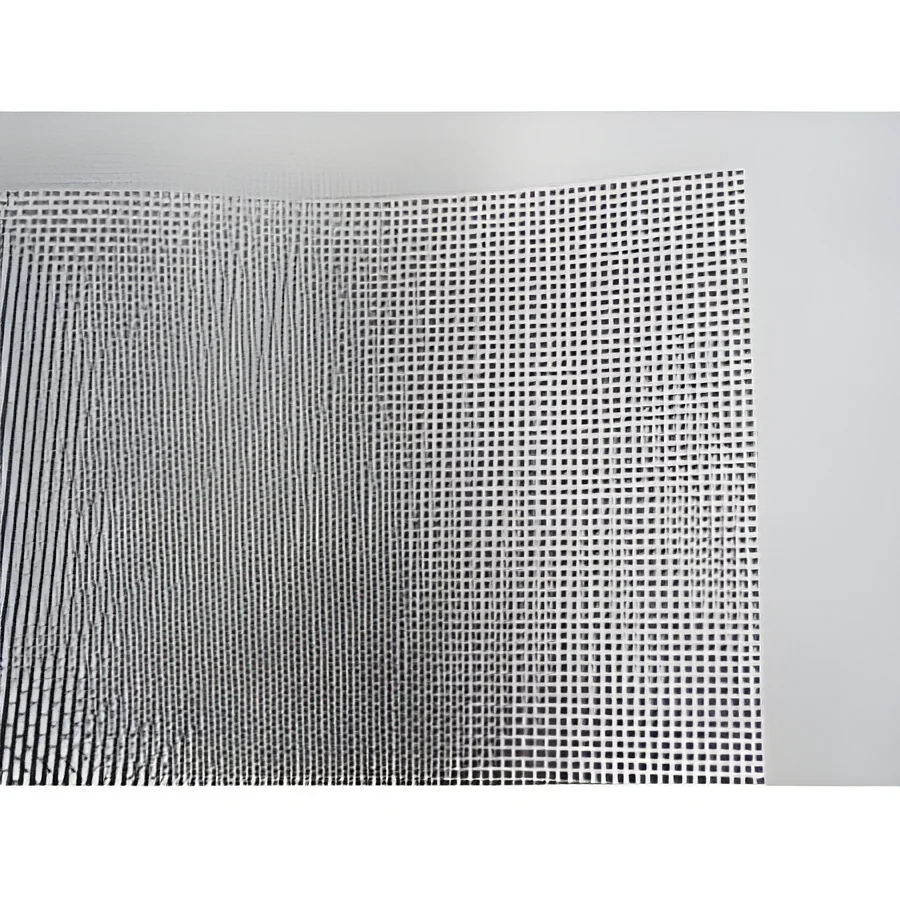
Featuring a raised pattern, tread plates provide enhanced slip resistance. They are often used in flooring applications, truck beds, and staircases.
Anodized Aluminum Sheets
These sheets undergo an anodizing process to improve corrosion resistance and surface durability. They are widely used in architectural applications.
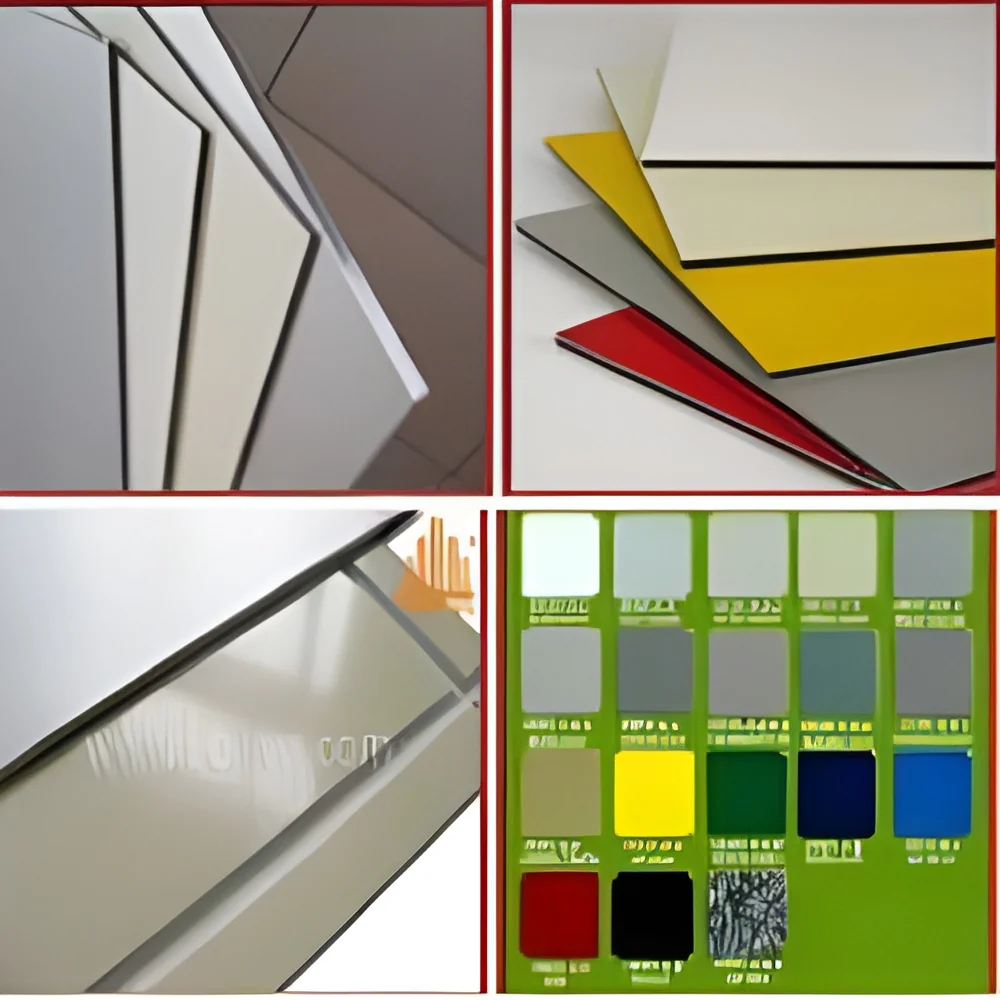
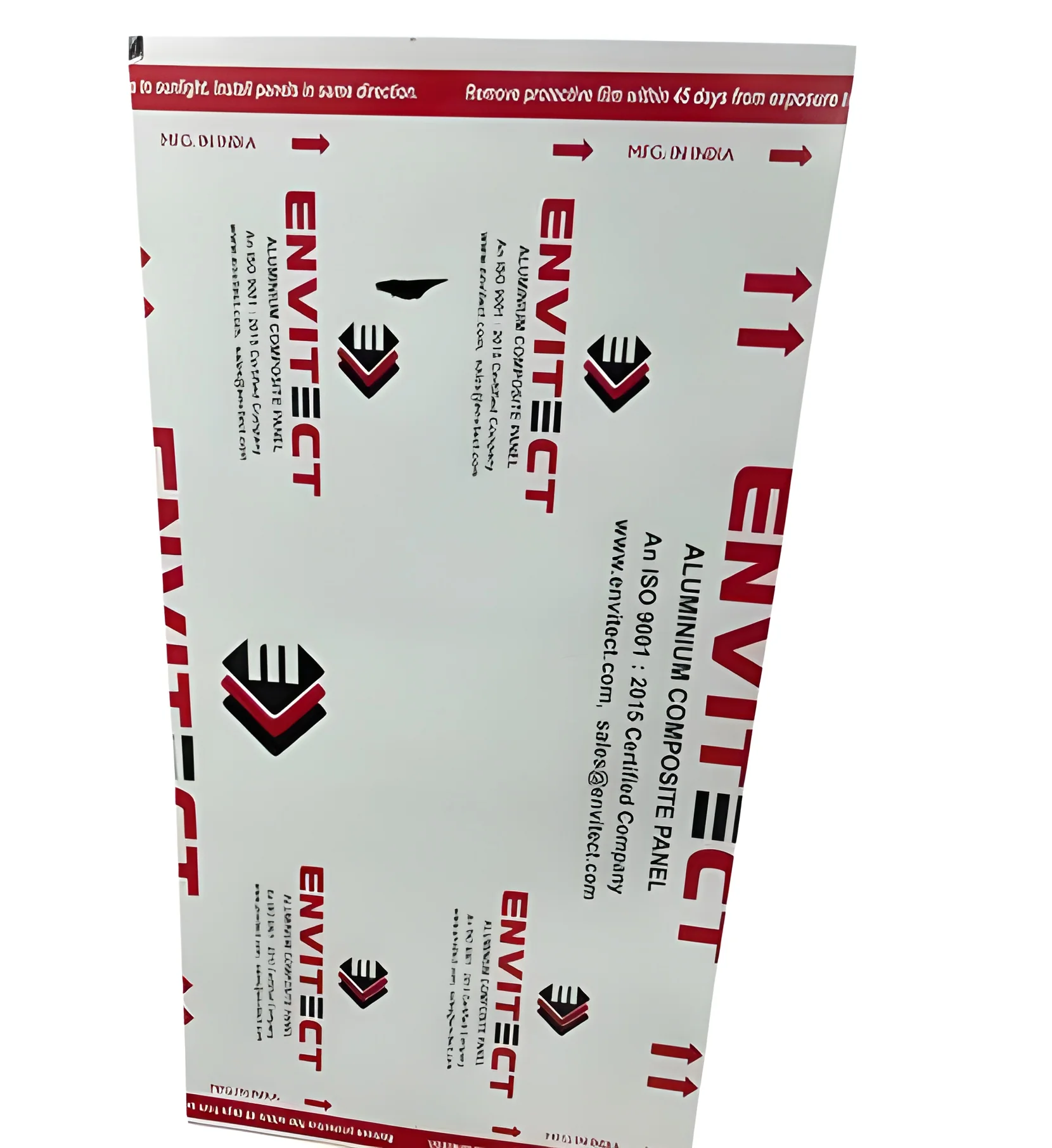
Aluminum Composite Panels
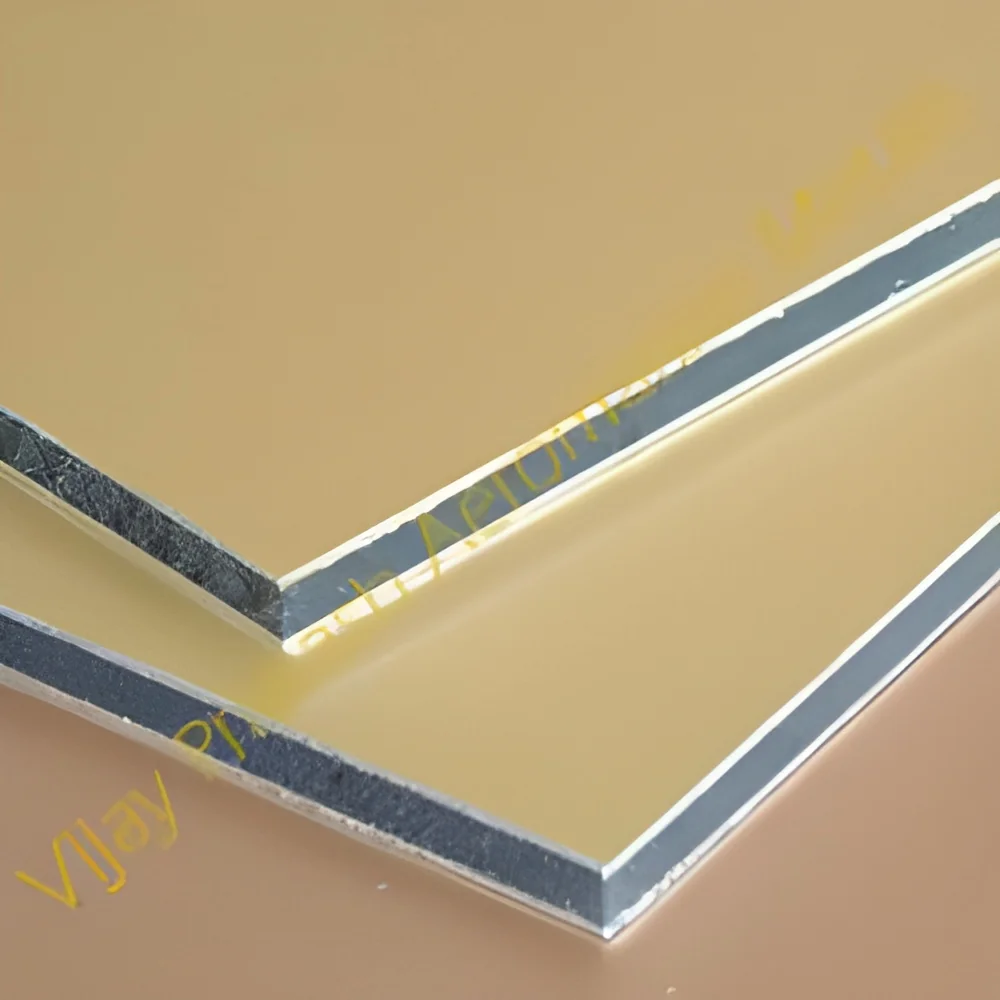
Comprising two layers of aluminum enclosing a non-aluminum core, these panels offer lightweight construction and excellent insulation properties.
Benefits and Advantages
Aluminum sheets present numerous advantages that make them a preferred choice in many industries.
1. Lightweight: Aluminum sheets are significantly lighter than steel, making them easier to handle, transport, and install.
2. Corrosion Resistant: Their natural oxide layer provides excellent resistance to rust and corrosion, enhancing durability in various environments.
3. Versatile: Aluminum sheets can be easily fabricated, making them suitable for diverse applications and designs.
4. Cost-Effective: Due to their longevity and low maintenance requirements, aluminum sheets often result in lower overall costs for projects.
5. Recyclable: Aluminum is highly recyclable, making it an environmentally friendly choice for sustainable practices.
6. Aesthetic Appeal: Aluminum sheets can be finished in various ways, allowing for a range of aesthetic options that enhance the visual appeal of products.
Buying Guide for B2B Buyers
When sourcing Aluminum Sheets, it is essential to consider several factors to ensure the right choice for your business needs.
1. Quality Assessment: Look for sheets that meet industry standards for thickness, alloy composition, and surface finish. Ensure that the products have undergone quality testing.
2. Supplier Verification: Vet potential suppliers by checking their reputation, certifications, and customer reviews. A reliable supplier can ensure consistent quality and timely delivery.
3. Pricing and MOQ: Understand the pricing structure and minimum order quantities (MOQ) to align with your budget and project requirements. Compare quotes from multiple suppliers.
4. Delivery and Lead Times: Confirm the supplier's ability to meet your required delivery schedules. Timeliness is crucial for maintaining project timelines.
5. Compliance Requirements: Ensure that the aluminum sheets comply with relevant regulations and standards, such as CE certification or any specific industry requirements.
Compliance and Certifications
Aluminum sheets must adhere to various quality standards and certifications to ensure their reliability and safety in industrial applications.
ISO 9001 is a widely recognized standard that outlines quality management principles. Suppliers of aluminum sheets should ideally comply with this standard to ensure consistent quality and customer satisfaction.
CE certification indicates that the aluminum sheets meet European safety and environmental requirements. This certification is crucial for products intended for the European market.
Safety and testing requirements include assessments for mechanical properties, corrosion resistance, and surface finish quality. These evaluations help ensure that the sheets perform adequately in their intended applications.
Regional compliance considerations may vary. It is essential to be aware of specific regulations in different markets, such as those in the United States, Europe, or Asia.
Why Source Aluminum Sheets from Pepagora?
Pepagora offers a trusted platform for sourcing Aluminum Sheets, providing significant advantages for B2B buyers.
Verified Supplier Network: Pepagora connects buyers with a network of verified suppliers, ensuring that they can find reputable sources for high-quality aluminum sheets.
Streamlined RFQ Process: The platform features an efficient Request for Quotation (RFQ) system that simplifies the process of obtaining quotes from various suppliers, saving time and effort.
Trade Assurance and Support: Pepagora provides buyer protection through trade assurance, ensuring that transactions are secure and that buyers receive the products they expect.
Regional Coverage: With a presence in India, the GCC, and Southeast Asia, Pepagora offers extensive geographic reach, making it easier for businesses to source aluminum sheets from reliable suppliers in their region.

 IN
IN