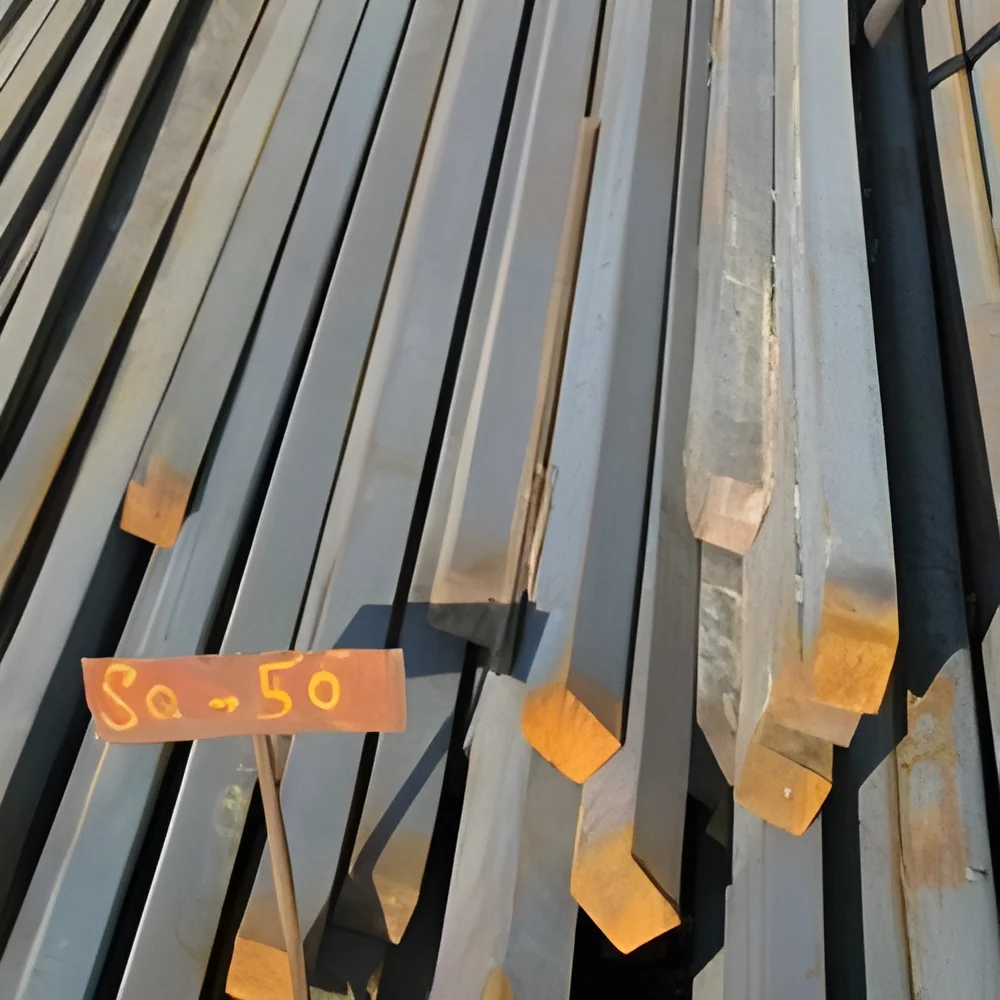
What are Mild Steel Rods?
Mild steel rods are versatile and widely used materials in various industrial applications. They are composed primarily of iron with a small amount of carbon, typically less than 0.3%. This low carbon content gives mild steel its characteristic ductility and malleability, making it easy to work with during manufacturing processes. Mild steel rods are available in different shapes and sizes, catering to a variety of construction and engineering needs.
These rods find extensive use in several sectors, including construction, automotive, and manufacturing. Common applications include structural frameworks, reinforcing bars in concrete, and components in machinery. Their strength and flexibility make them suitable for both load-bearing applications and intricate designs. The market for mild steel rods is robust, driven by ongoing infrastructure development and industrial growth.
Key Features and Specifications
Mild steel rods are recognized for their unique properties and specifications that make them suitable for a wide range of applications. The following features highlight the key attributes of these rods.
Key specifications include:
1. Diameter Range
- Common diameters range from 6 mm to 50 mm
- Custom sizes may be available upon request
2. Length Variability
- Standard lengths typically range from 6 meters to 12 meters
- Custom lengths can be provided as per client requirements
3. Tensile Strength
- Usually ranges from 370 MPa to 700 MPa
- Varies based on the specific grade of mild steel
4. Yield Strength
- Generally falls between 250 MPa to 450 MPa
- Important for ensuring structural integrity in applications
5. Elongation Percentage
- Typically ranges from 20% to 30%
- Indicates the ductility and workability of the material
6. Surface Finish
- Available in various finishes such as black, galvanized, or painted
- Surface treatments can enhance corrosion resistance
7. Chemical Composition
- Primarily consists of iron and carbon, with trace amounts of manganese, silicon, and sulfur
- The exact chemical makeup can affect the material's performance
8. Welding Capability
- Excellent weldability due to low carbon content
- Suitable for various welding techniques including MIG and TIG
The combination of these features makes mild steel rods a preferred choice in multiple applications across different industries.
Common Applications and Use Cases
Mild steel rods are utilized in numerous industries due to their versatility and strength.
1. Construction: In the construction industry, mild steel rods are commonly used as reinforcement bars (rebar) in concrete structures, ensuring strength and stability.
2. Automotive: These rods are used in the manufacturing of vehicle frames and components, contributing to the overall structural integrity and safety of automobiles.
3. Manufacturing: In manufacturing, mild steel rods serve as raw materials for producing various products, including machinery parts and tools.
4. Agriculture: Mild steel rods are employed in agricultural equipment, such as fencing and supports for structures like greenhouses.
5. Furniture: These rods are often used in furniture manufacturing, especially for frames and supports due to their durability and ease of fabrication.
6. Energy Sector: In the energy sector, they are utilized in the construction of pipelines and support structures for renewable energy installations.
7. Transportation: Mild steel rods find applications in railways and other transportation infrastructure, providing essential support and stability.
Product Variants and Subcategories
Mild steel rods come in various forms to meet specific application requirements.
Round Mild Steel Rods: These are the most common type used in construction and manufacturing. Their circular cross-section provides strength and versatility in applications ranging from rebar to automotive components.
Square Mild Steel Rods: Square rods are often used in fabrication and construction. They provide excellent load-bearing capacity and are easy to cut and weld.
Flat Mild Steel Bars: These flat bars are typically used in structural applications, including beams and frames. They can be easily machined and shaped for various uses.
Benefits and Advantages
Mild steel rods offer numerous benefits that make them a go-to choice for many industries.
1. Cost-Effectiveness: Mild steel rods are generally less expensive compared to other materials, making them a budget-friendly option for large projects.
2. High Strength-to-Weight Ratio: These rods provide excellent strength while maintaining a relatively low weight, contributing to efficient designs.
3. Ductility: The ductile nature of mild steel allows for easy bending, shaping, and welding, which facilitates manufacturing and construction processes.
4. Versatility: Mild steel rods can be used in various applications, from construction to automotive, due to their adaptable properties.
5. Availability: These rods are widely available in the market, ensuring easy sourcing for businesses.
6. Recycling Potential: Mild steel is recyclable, making it an environmentally friendly choice for sustainable construction practices.
Buying Guide for B2B Buyers
When sourcing mild steel rods, buyers should consider several important factors to ensure they acquire the right product for their needs.
1. Quality Assessment: Evaluate the quality of the rods based on industry standards. Look for certifications and testing results to ensure they meet required specifications.
2. Supplier Verification: Vet suppliers thoroughly to confirm their reliability and reputation. Check for customer reviews and previous project references.
3. Pricing and MOQ: Understand the pricing structure and minimum order quantities (MOQ) required by suppliers to negotiate effectively.
4. Delivery and Lead Times: Discuss logistics and delivery timelines with suppliers to ensure that the materials arrive on schedule.
5. Compliance Requirements: Ensure that the products comply with relevant regulations and standards in your industry to avoid any legal issues.
Compliance and Certifications
Mild steel rods must adhere to various quality standards and certifications to ensure safety and performance across industries.
ISO 9001 is a widely recognized standard that ensures consistent quality management systems, which is crucial for manufacturers of mild steel rods. Compliance with this standard indicates that the supplier maintains high-quality processes throughout production.
The CE mark signifies that the product meets European safety, health, and environmental protection requirements. This certification is important for companies exporting mild steel rods to European markets.
Safety and testing requirements are essential to verify the mechanical properties of mild steel rods. Regular testing ensures that the rods can withstand the stresses and demands of their intended applications.
Regional compliance considerations may vary, and it is important for suppliers to stay updated with local regulations to ensure that their products meet necessary legal standards.
Why Source Mild Steel Rods from Pepagora?
Pepagora stands out as a trusted platform for sourcing mild steel rods, offering several key advantages for businesses.
Verified Supplier Network: Pepagora features a robust network of verified suppliers, ensuring that buyers have access to reliable and quality products.
Streamlined RFQ Process: The platform simplifies the request for quotation (RFQ) process, allowing buyers to easily compare offers from multiple suppliers and make informed decisions.
Trade Assurance and Support: Pepagora provides trade assurance, offering buyers protection and support throughout the procurement process, which enhances confidence in transactions.
Regional Coverage: With a strong presence in India, the GCC, and Southeast Asia, Pepagora connects buyers with suppliers across these regions, facilitating easier access to quality mild steel rods.

 IN
IN