What are Copper Ingots?
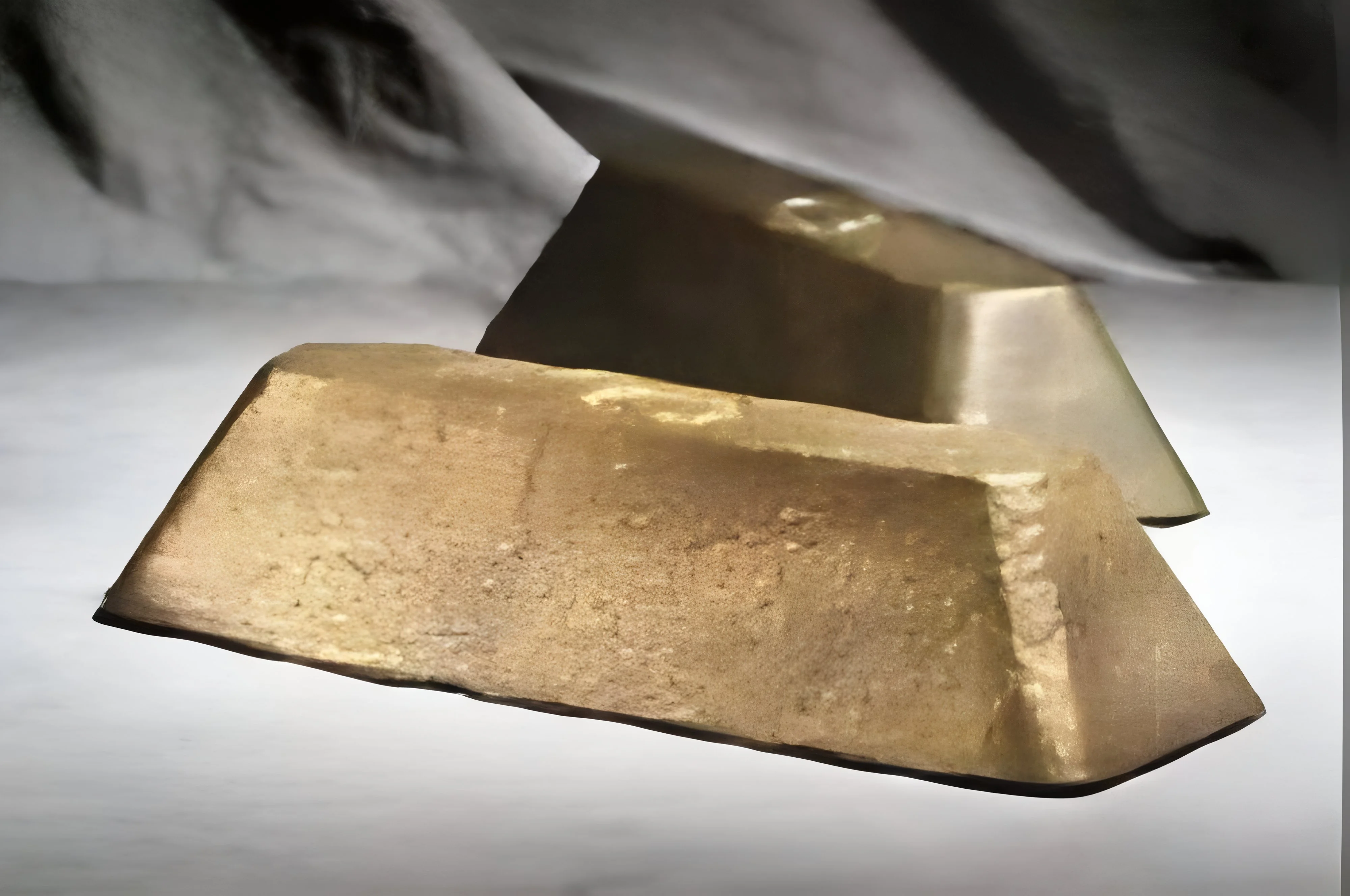
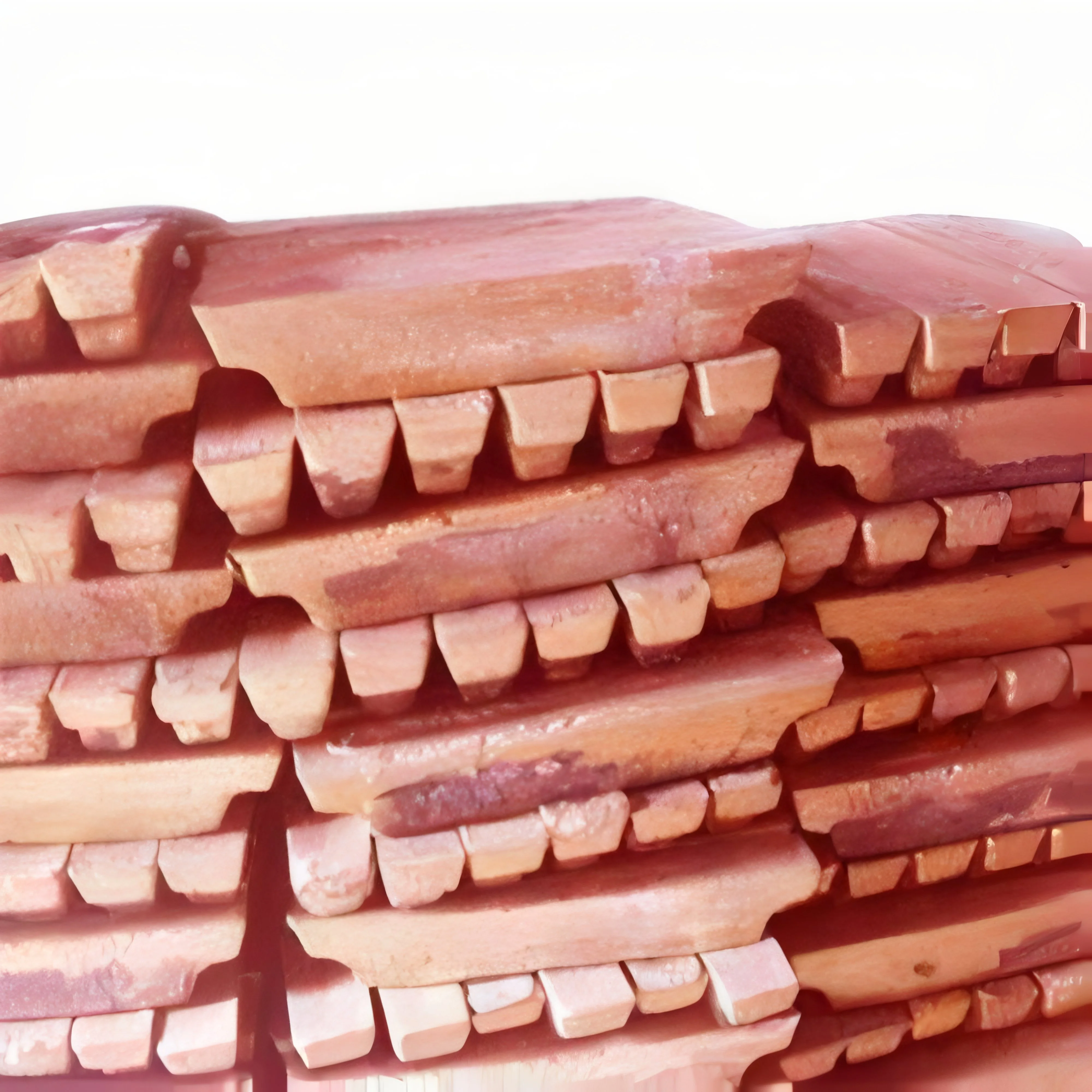
Copper Ingots are solid blocks of copper that are produced through the melting and refining of copper ore. These ingots are typically cast into standardized shapes for ease of handling and transport. They serve as a fundamental raw material in various industries due to copper's excellent electrical and thermal conductivity, resistance to corrosion, and malleability. The production of Copper Ingots involves advanced smelting processes that ensure high purity levels, making them suitable for numerous applications.
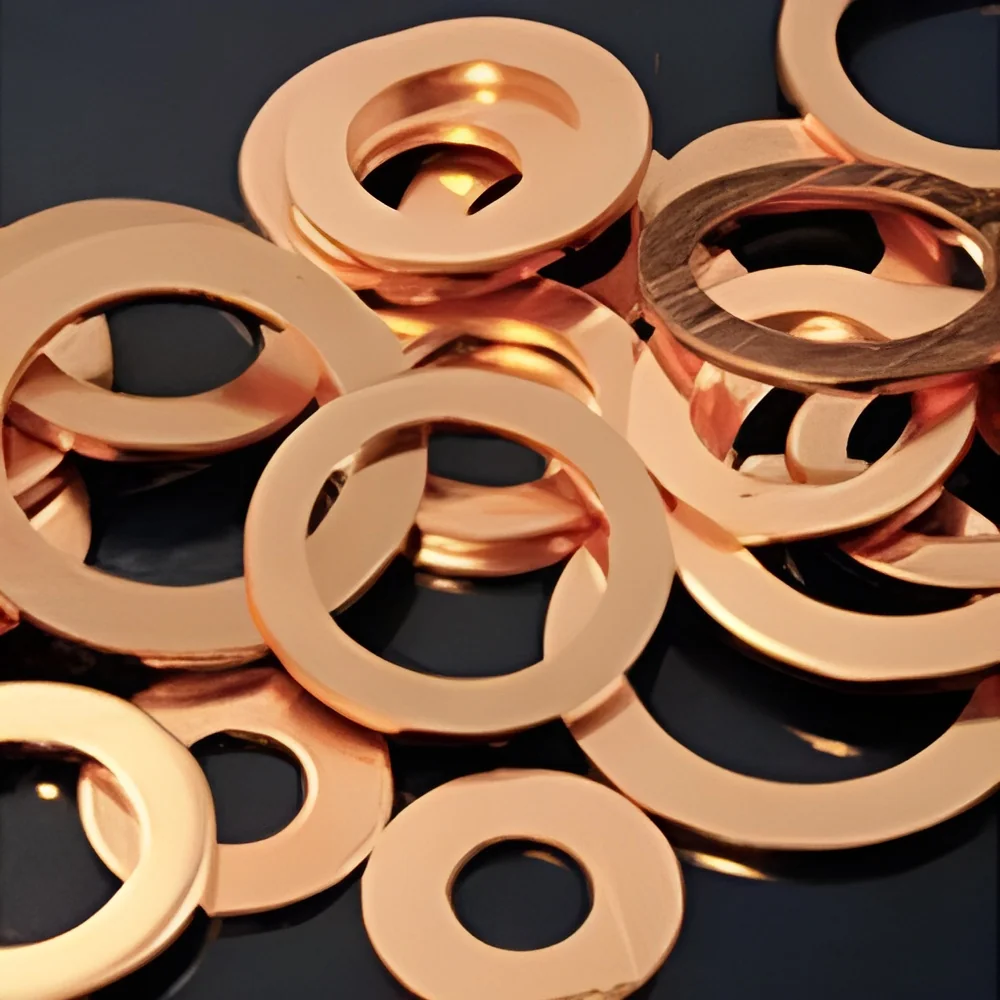
Primarily, Copper Ingots are used in electrical applications, construction, and manufacturing processes. Industries utilize these ingots for fabricating wiring, cables, and components that require reliable conductivity. Additionally, Copper Ingots are integral in producing alloys, plumbing fixtures, and architectural elements. Their relevance is underscored by the growing demand for copper in renewable energy technologies and electronic devices, positioning the copper market as a critical segment within the global economy.
Key Features and Specifications
Copper Ingots are characterized by their high purity and outstanding physical properties, making them a preferred choice in various applications. The following specifications outline essential features of Copper Ingots.
Key specifications include:
1. Purity Level
- Copper Ingots typically exhibit a purity level of 99.9% or higher.
- This high purity ensures optimal electrical and thermal conductivity.
2. Weight
- Standard ingots usually weigh between 1 kg to 5 kg; however, larger sizes may be available.
- This range allows flexibility in handling and processing.
3. Dimensions
- Common dimensions include lengths of 100 mm to 300 mm and widths of 50 mm to 100 mm.
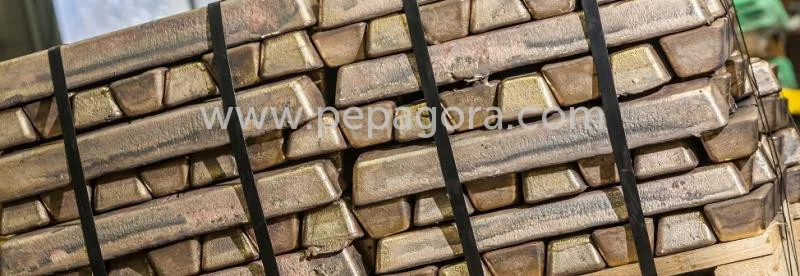
- These dimensions facilitate uniform stacking and transport.
4. Surface Finish
- The surface is generally smooth or slightly rough depending on the casting method used.
- A smooth finish is preferred for applications requiring minimal resistance.
5. Alloy Composition
- Copper Ingots can be produced with various alloying elements if specified, such as tin or zinc for different applications.
- This versatility allows customization based on end-user requirements.
6. Melting Point
- The melting point of copper is approximately 1,085 degrees Celsius.
- Understanding the melting point aids in applications involving high temperatures.
7. Electrical Conductivity
- Copper Ingots exhibit excellent electrical conductivity, around 58% IACS (International Annealed Copper Standard).
- This feature is crucial for electrical components and wiring.
8. Mechanical Properties
- Copper has good ductility and tensile strength, making it suitable for forming and shaping.
- These properties enhance its usability in various industrial applications.
In summary, Copper Ingots possess a range of specifications that cater to diverse industrial needs, making them an essential material in the manufacturing sector.
Common Applications and Use Cases
Copper Ingots find extensive use across multiple industries due to their versatile properties.
1. Electrical Industry: Copper Ingots are primarily used for manufacturing electrical wires and cables due to their excellent conductivity. They are also vital in producing electric motors and transformers.
2. Construction Industry: In construction, Copper Ingots are utilized for plumbing systems, roofing materials, and architectural features. Their resistance to corrosion makes them suitable for long-lasting applications.
3. Automotive Industry: Copper is used in various automotive components, including electrical connectors and wiring harnesses, ensuring reliable performance in vehicles.
4. Electronics Industry: The electronics sector relies on Copper Ingots for producing circuit boards and electronic components, where conductivity is essential.
5. Renewable Energy: With the rise of green technology, Copper Ingots are increasingly used in solar panels and wind turbines, highlighting their relevance in sustainable energy solutions.
6. Manufacturing: Copper Ingots are also employed in the production of brass and bronze alloys, which are essential in creating a range of industrial products.
7. Aerospace Industry: The aerospace sector utilizes copper for its lightweight and high-strength properties, particularly in electrical systems and components.
Product Variants and Subcategories
Copper Ingots come in various forms, catering to specific industrial needs.
High Purity Copper Ingots: These ingots are produced with a purity level of 99.99%, making them ideal for electrical and electronic applications where conductivity is paramount.
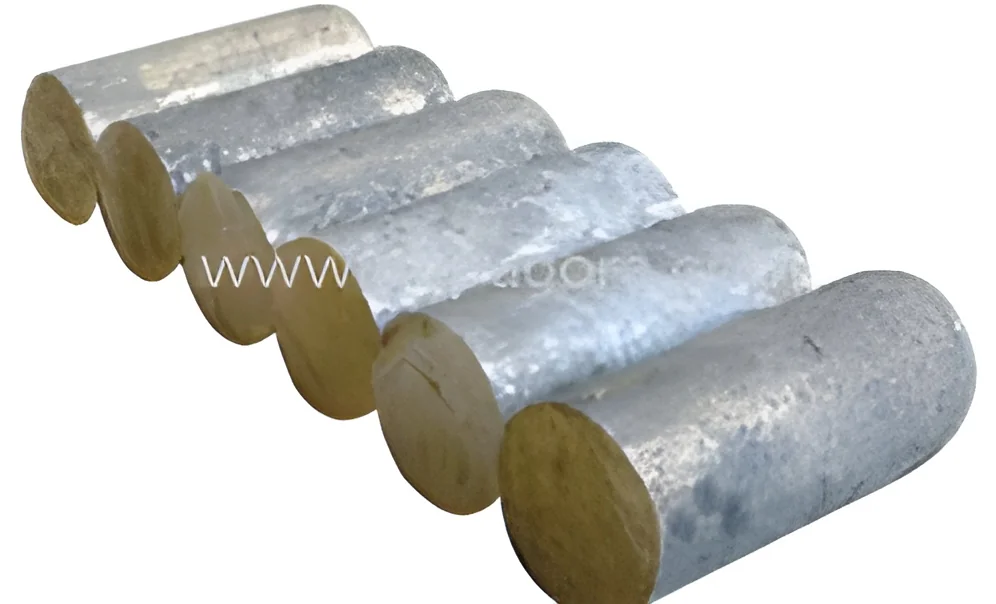
Alloyed Copper Ingots: Some ingots are alloyed with other metals such as tin or nickel to enhance specific properties, making them suitable for specialized applications in industries like automotive and aerospace.
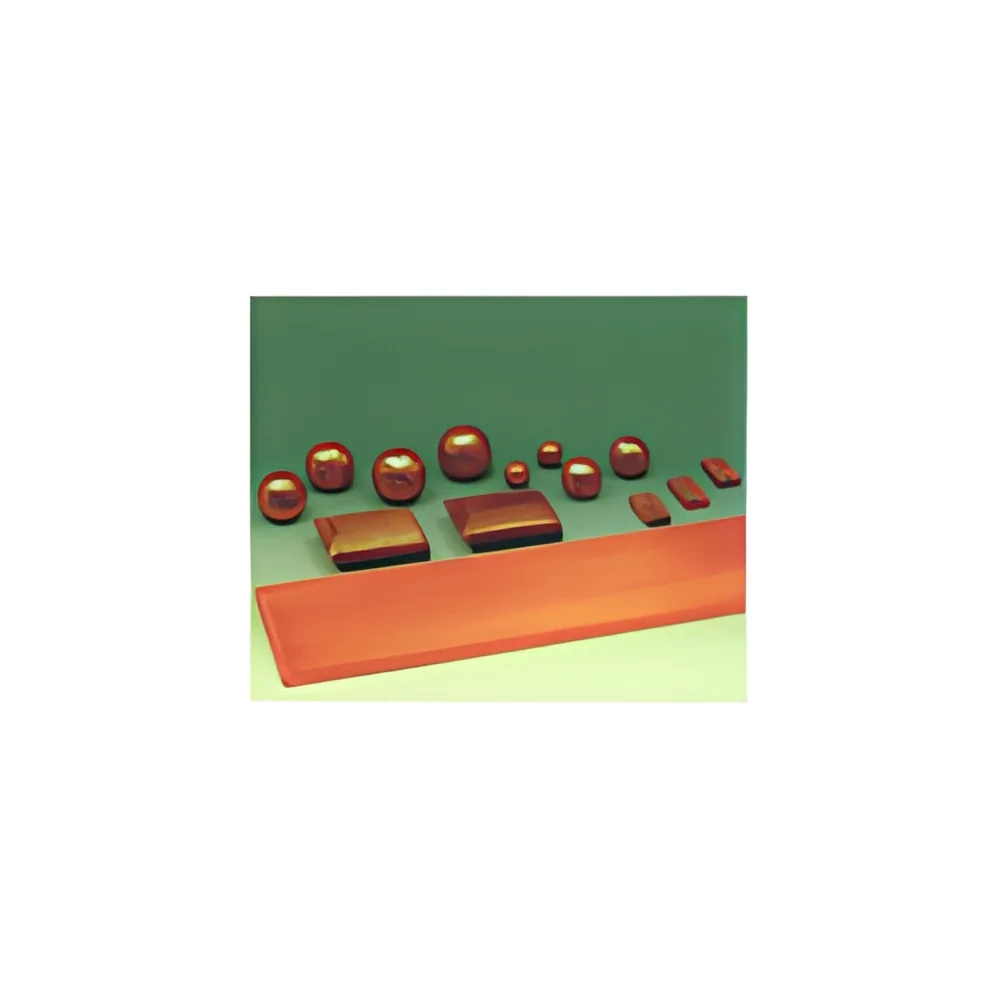
Copper Rods: While not traditional ingots, these are extruded versions of copper, often derived from ingots, used primarily in electrical wiring.
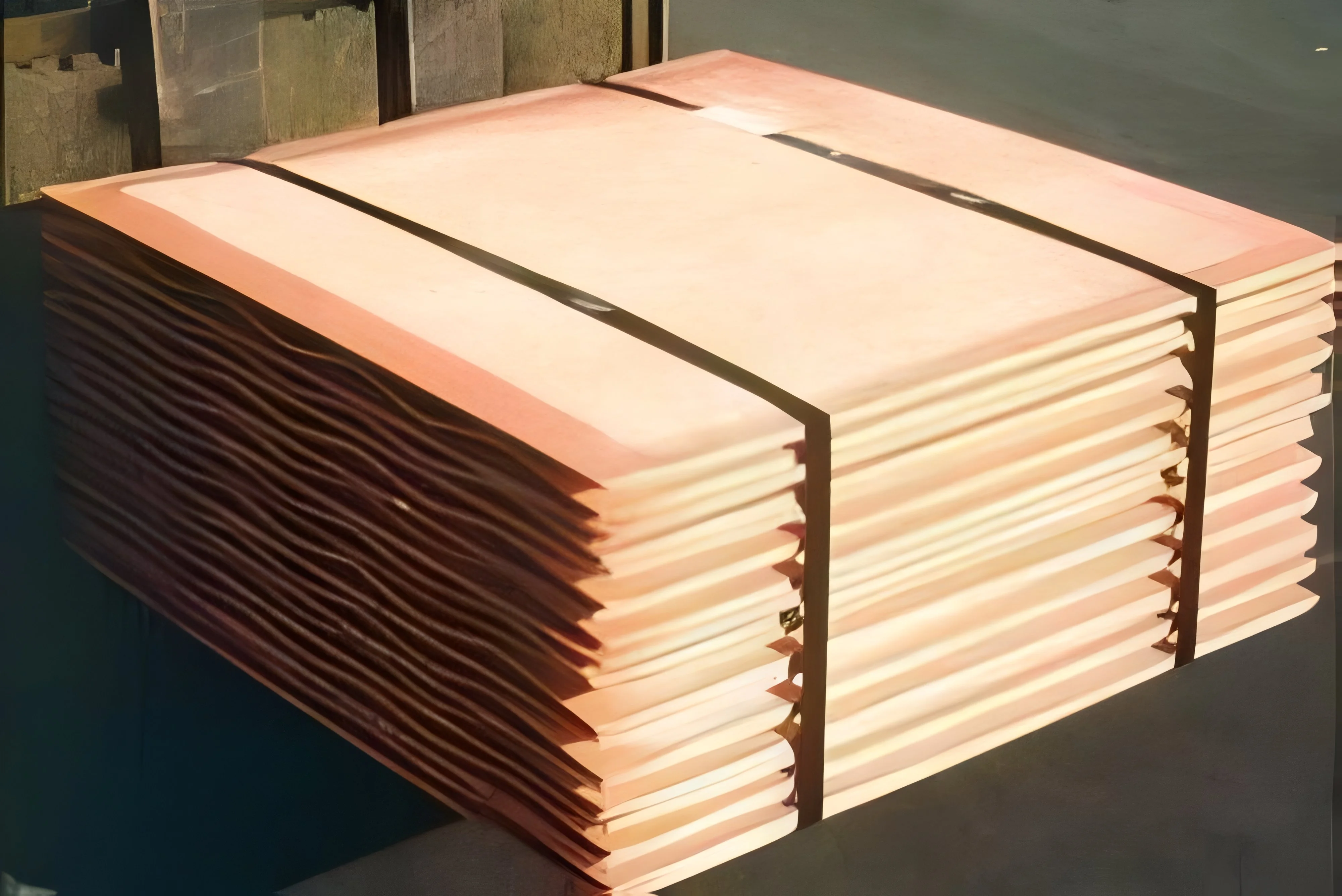
Copper Sheets: Similar to rods, sheets are produced from ingots and are used in applications requiring flat copper materials for stamping and forming.
Benefits and Advantages
Copper Ingots offer numerous benefits that make them a favored choice in industrial applications.
1. High Conductivity: Copper Ingots provide exceptional electrical and thermal conductivity, essential for electrical applications.
2. Corrosion Resistance: Copper is naturally resistant to corrosion, ensuring longevity in various environments.
3. Malleability: The malleable nature of copper allows for easy shaping and forming, making it versatile for different manufacturing processes.
4. Recyclability: Copper is 100% recyclable without loss of quality, making it an environmentally friendly choice.
5. Strength: Copper Ingots exhibit good tensile strength, providing durability in demanding applications.
6. Availability: With a widespread supply chain, Copper Ingots are readily available, facilitating quick procurement for businesses.
Buying Guide for B2B Buyers
When seeking Copper Ingots, it is essential to consider several factors to ensure a successful purchase.
1. Quality Assessment: Verify the purity levels and physical properties of the Copper Ingots to ensure they meet your specific application requirements.
2. Supplier Verification: Vet suppliers through certifications and industry reputation to ensure they provide reliable products.
3. Pricing and MOQ: Understand the pricing structure and minimum order quantities, as these can vary significantly among suppliers.
4. Delivery and Lead Times: Assess the logistics capabilities of suppliers, including their lead times, to align with your project schedules.
5. Compliance Requirements: Ensure that the Copper Ingots comply with relevant industry standards and local regulations to avoid any operational issues.
Compliance and Certifications
Copper Ingots must adhere to various quality standards and certifications to ensure safety and reliability.
Relevant quality standards include ISO 9001, which ensures that manufacturers maintain consistent quality management systems. Compliance with these standards is crucial for ensuring the integrity of the copper material.
Industry certifications such as CE mark indicate that the Copper Ingots meet European safety, health, and environmental protection requirements. This certification is particularly important for businesses operating within the European market.
Furthermore, safety and testing requirements are integral to the manufacturing process, ensuring that the ingots are free from impurities and defects. Regular testing for mechanical properties, conductivity, and other relevant metrics is essential.
Regional compliance considerations may vary, so it is important to be aware of local regulations regarding material sourcing and environmental impact, especially for businesses operating in multiple regions.
Why Source Copper Ingots from Pepagora?
Pepagora provides a trusted platform for sourcing Copper Ingots with several key advantages that benefit B2B buyers.
Verified Supplier Network: Pepagora connects buyers with a network of verified suppliers, ensuring that businesses can source high-quality Copper Ingots with confidence. This network is built on transparency and trust, providing buyers with peace of mind.
Streamlined RFQ Process: The platform's Request for Quotation (RFQ) process simplifies procurement. Buyers can quickly submit their requirements and receive competitive quotations from multiple suppliers, saving time and effort in sourcing.
Trade Assurance and Support: Pepagora offers trade assurance, protecting buyers throughout the purchasing process. This includes support for resolving disputes and ensuring that orders meet specified standards.
Regional Coverage: With a broad geographic reach, Pepagora serves buyers in India, the Gulf Cooperation Council (GCC), and Southeast Asia. This regional coverage facilitates access to local suppliers and fosters timely deliveries, enhancing overall supply chain efficiency.

 IN
IN