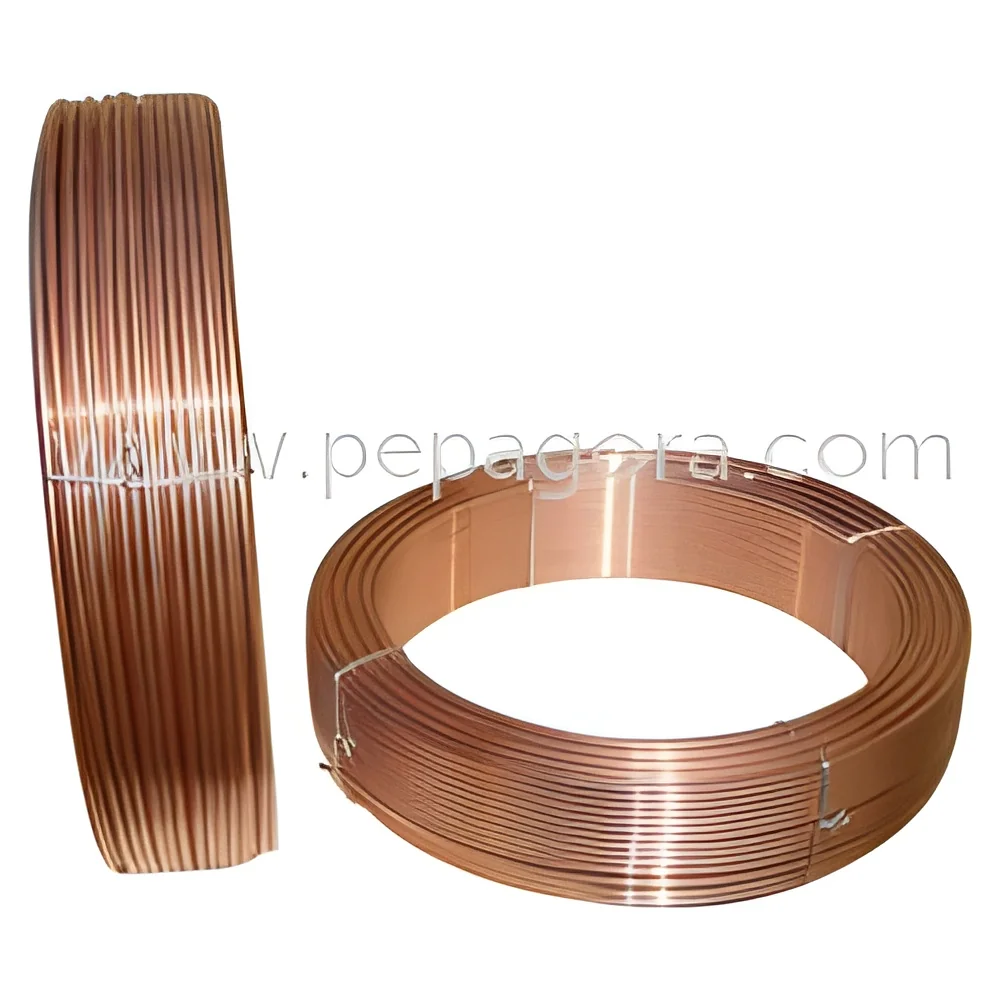
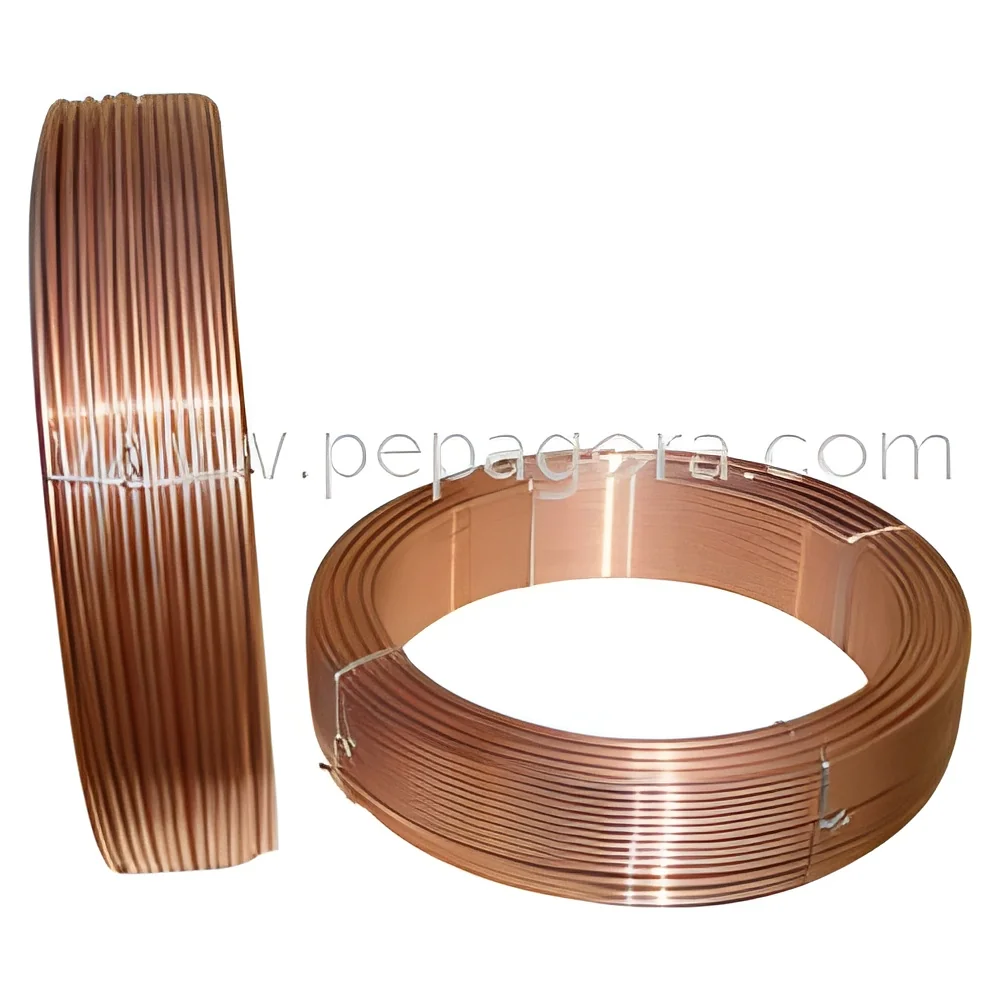
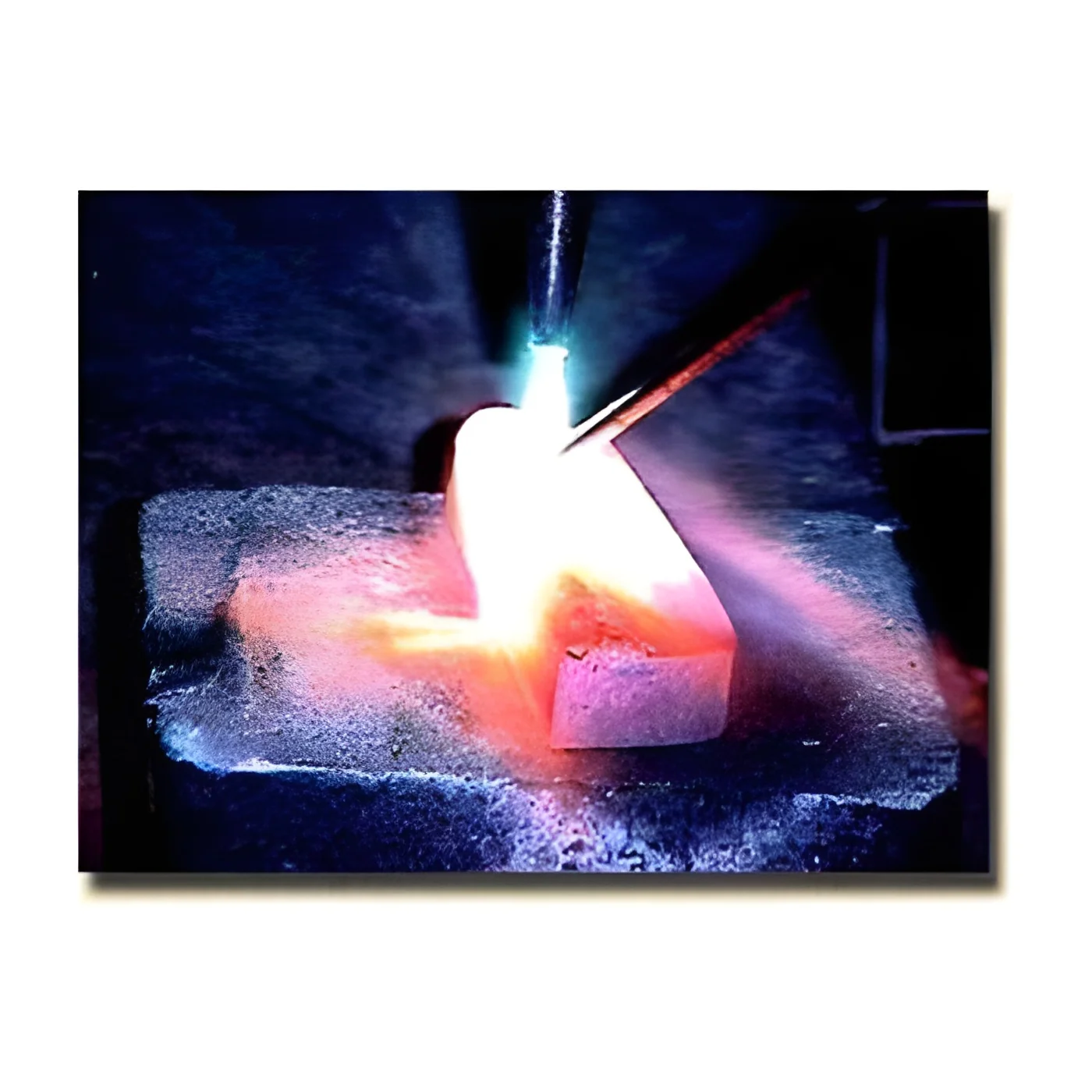
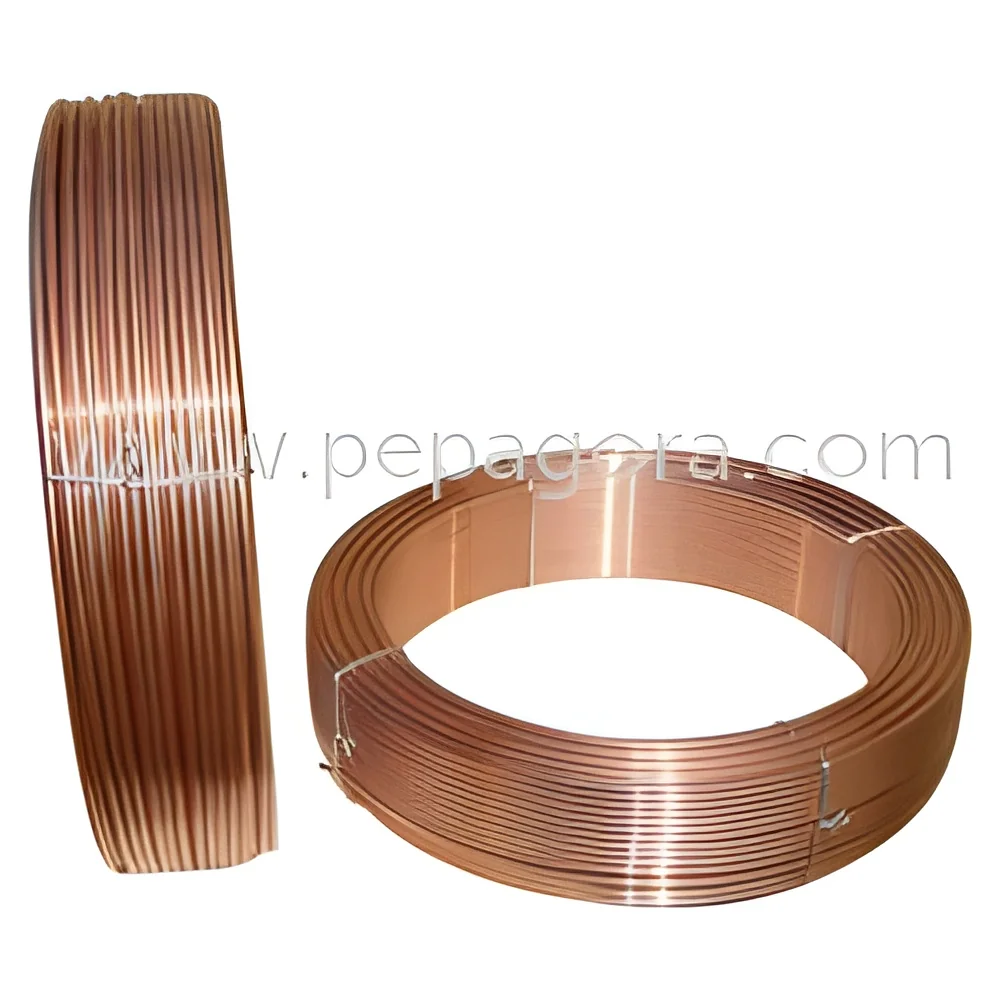
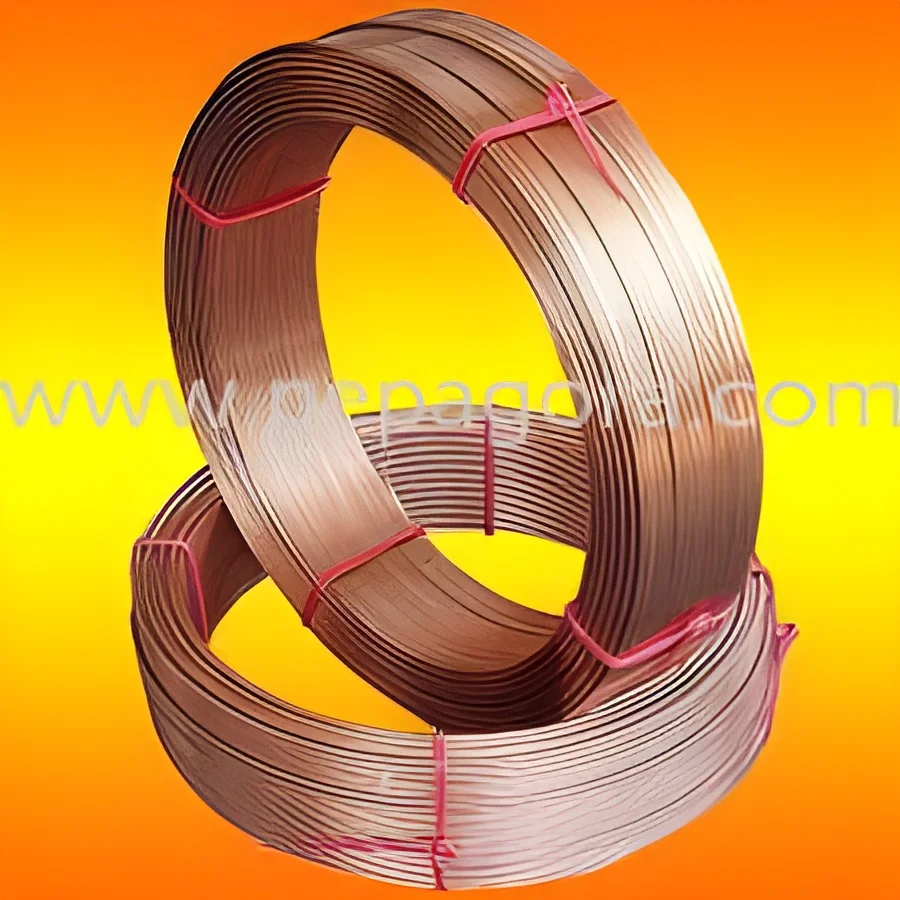
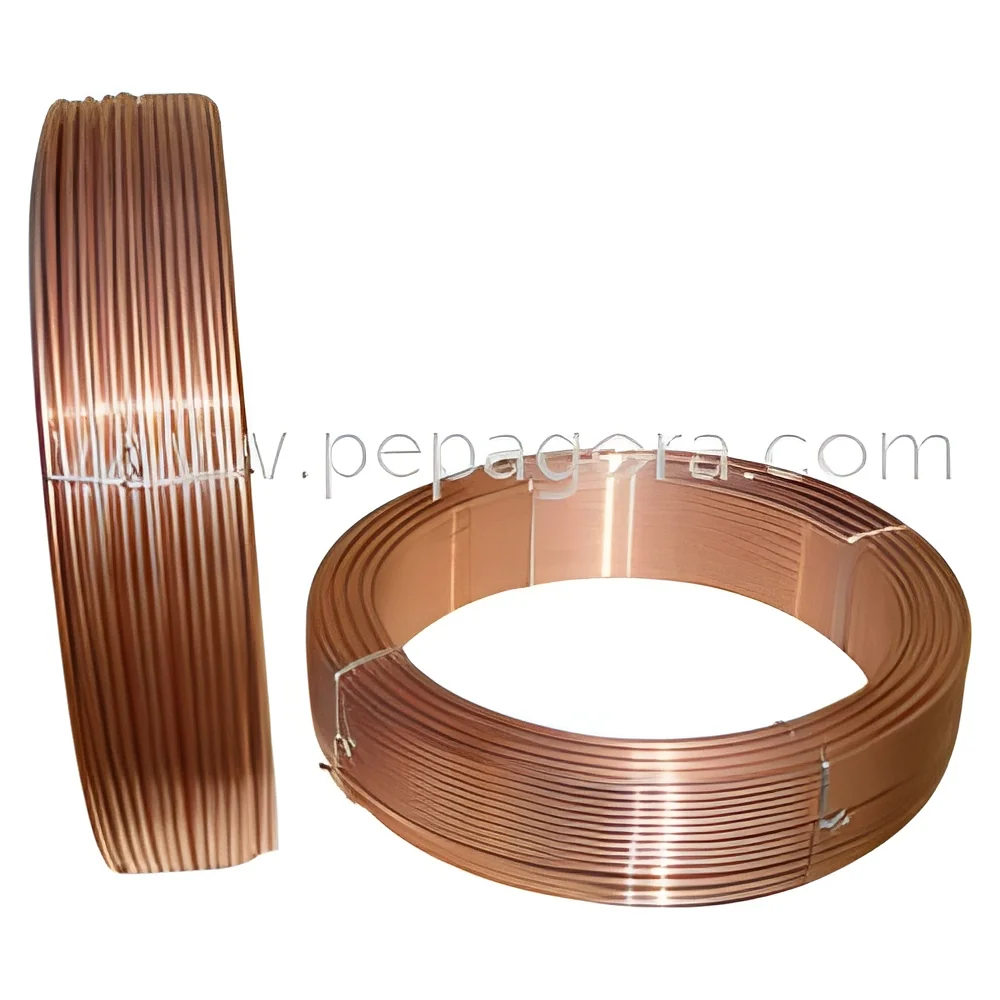
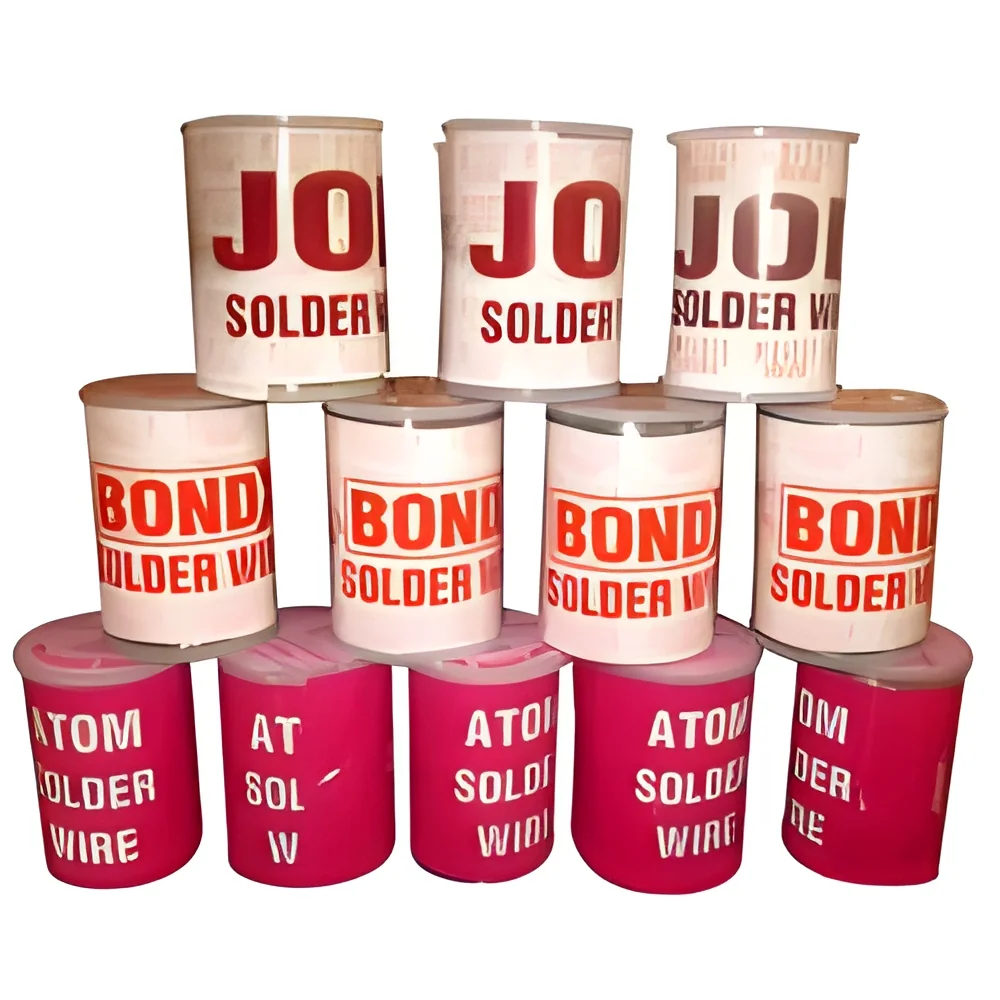
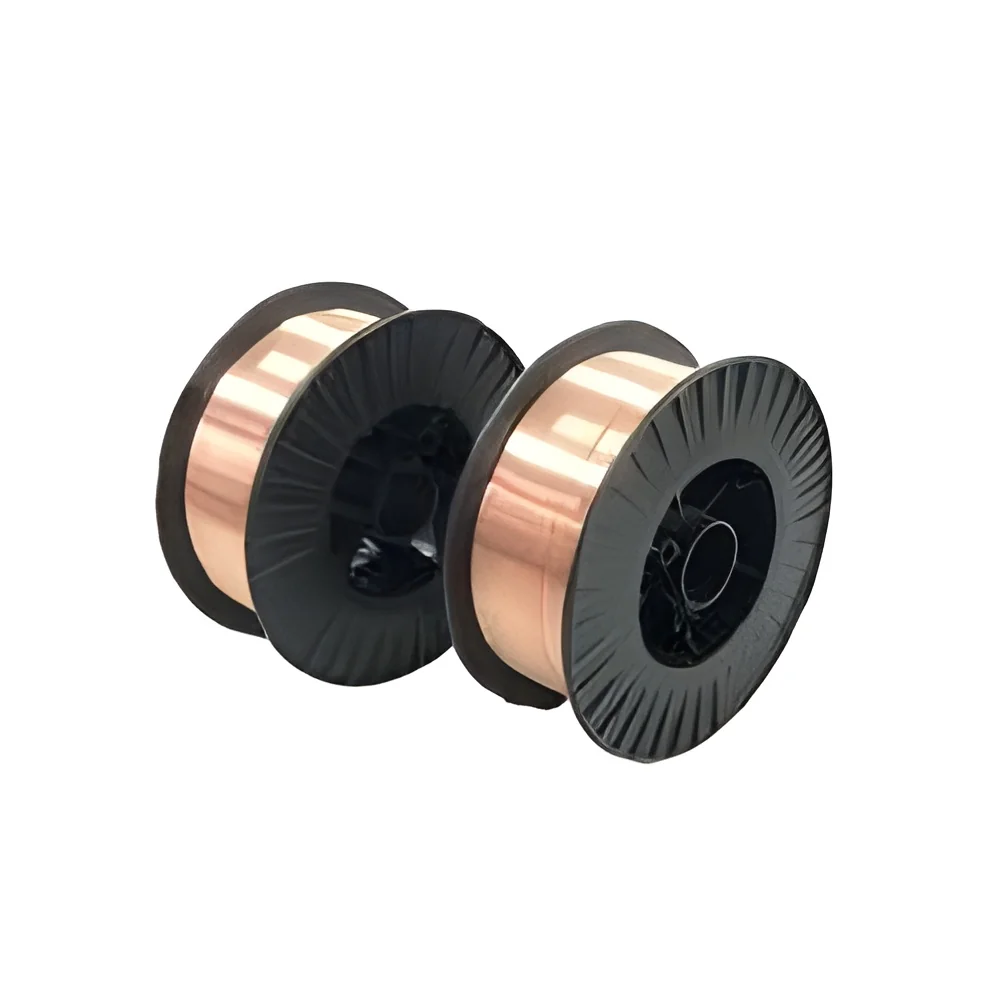
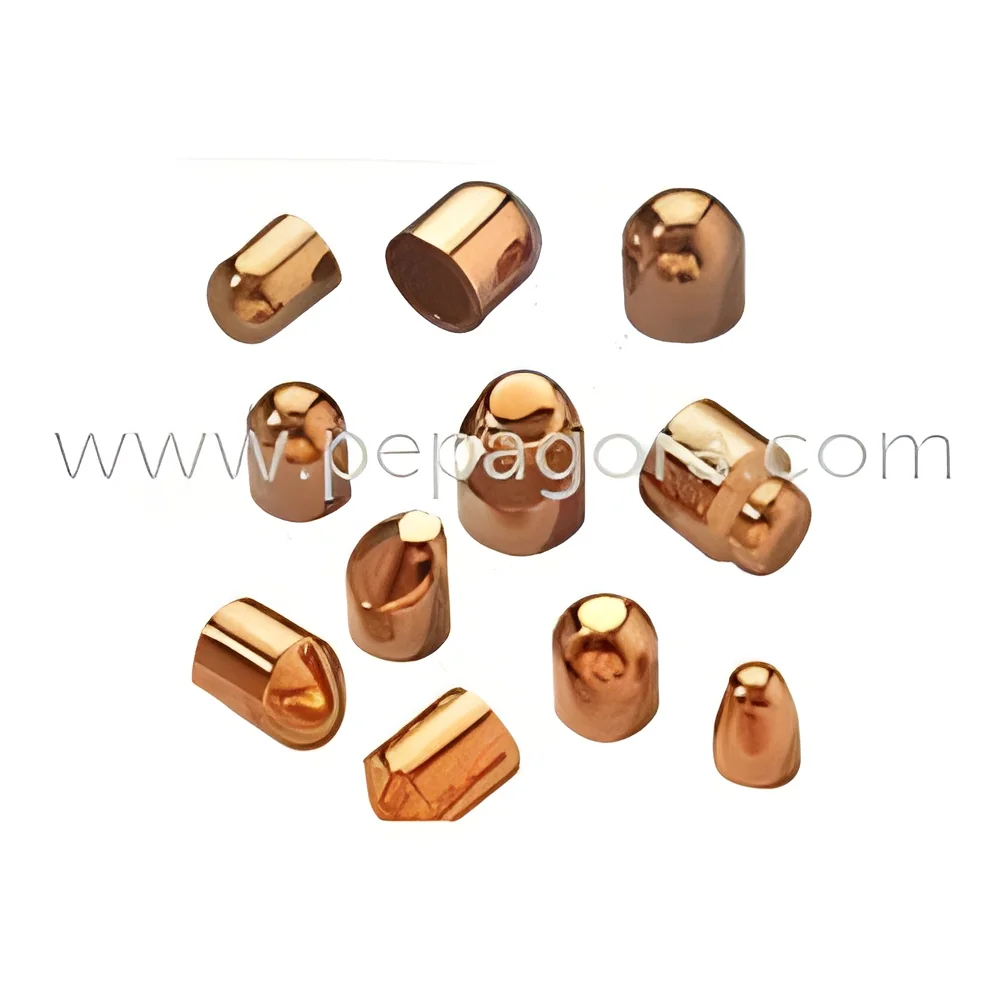
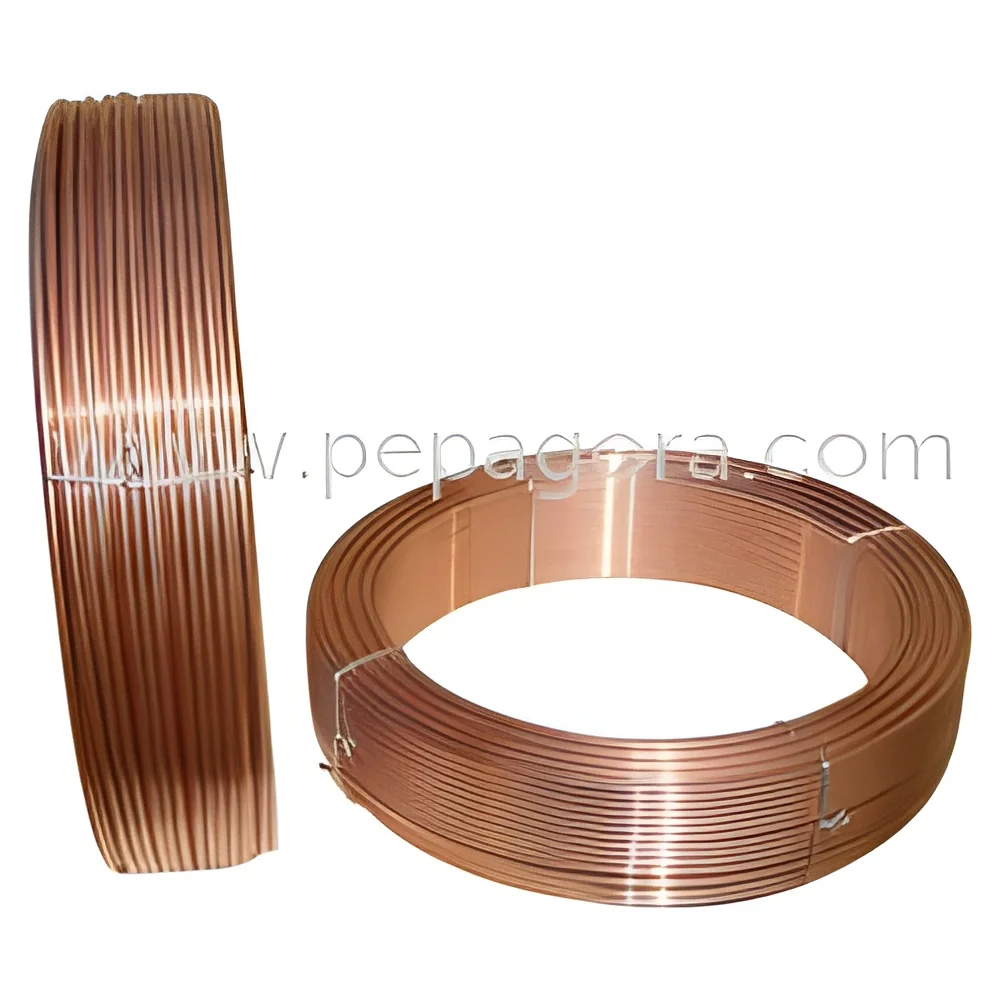
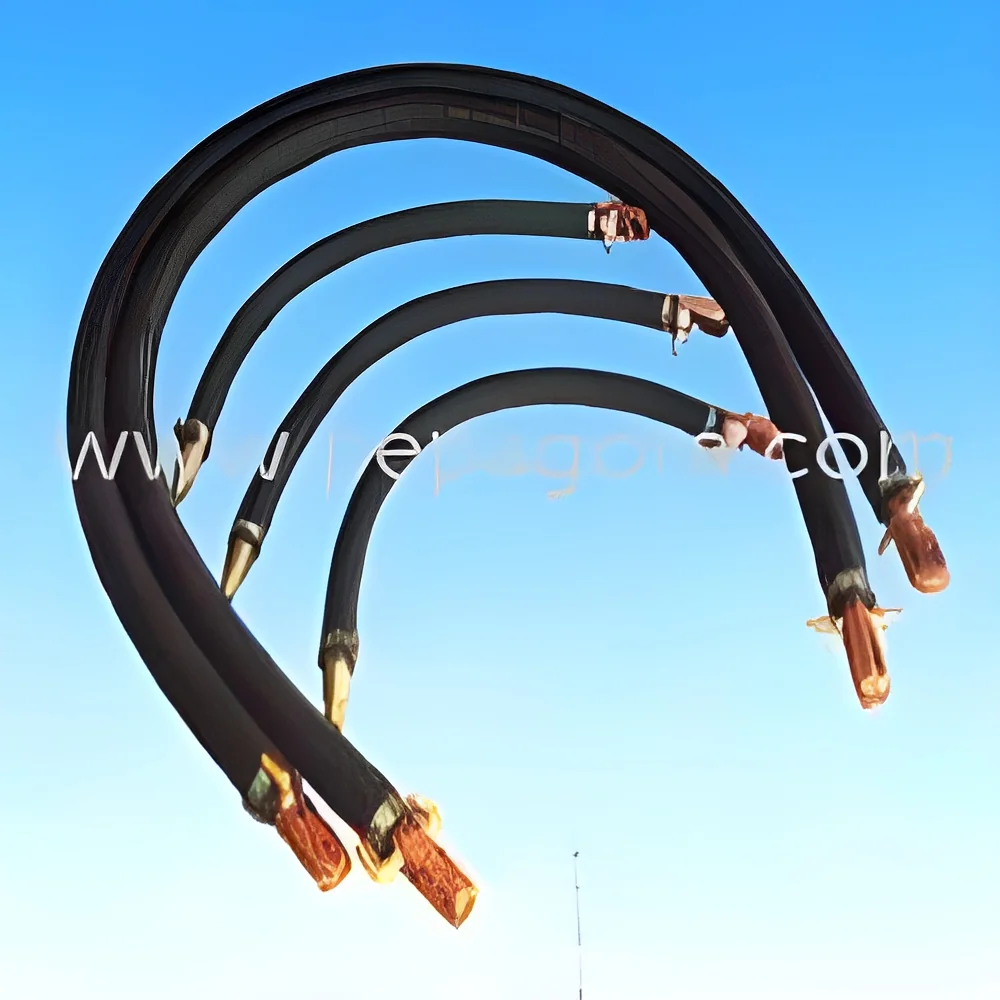
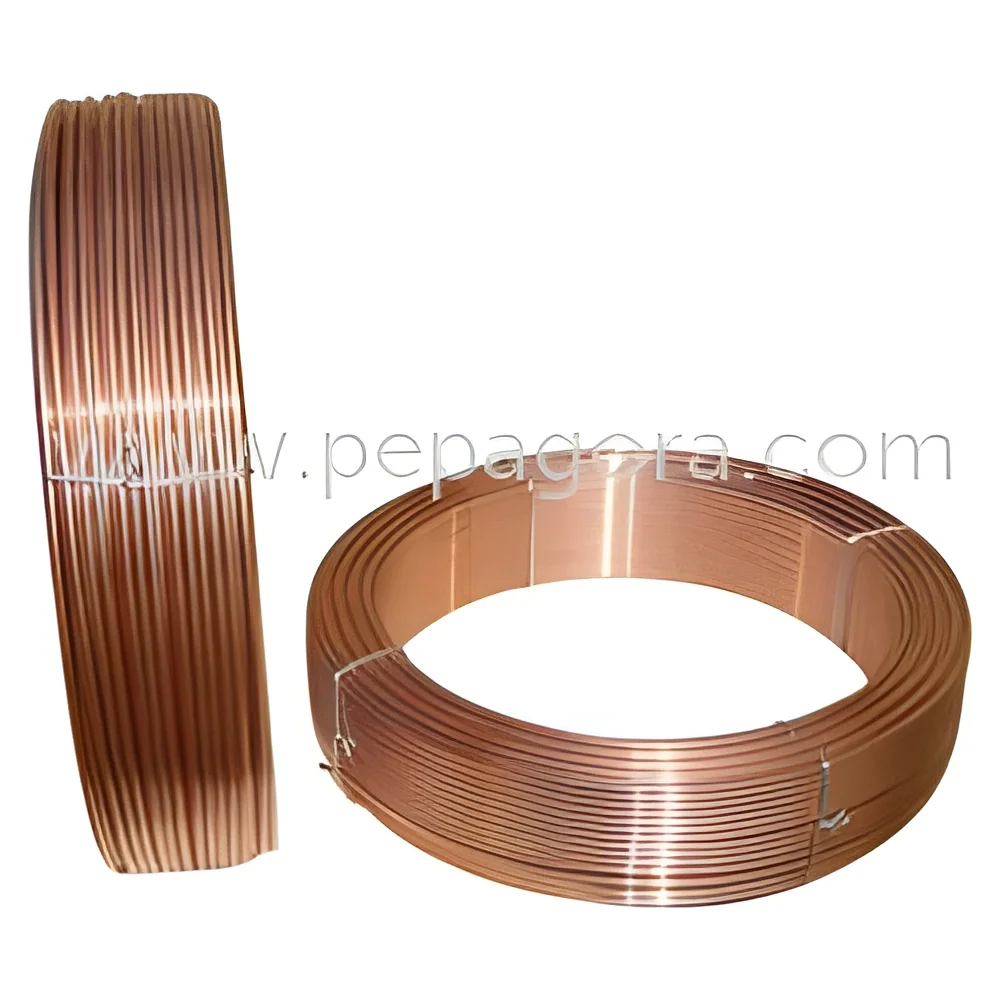
What are Welding Wires?
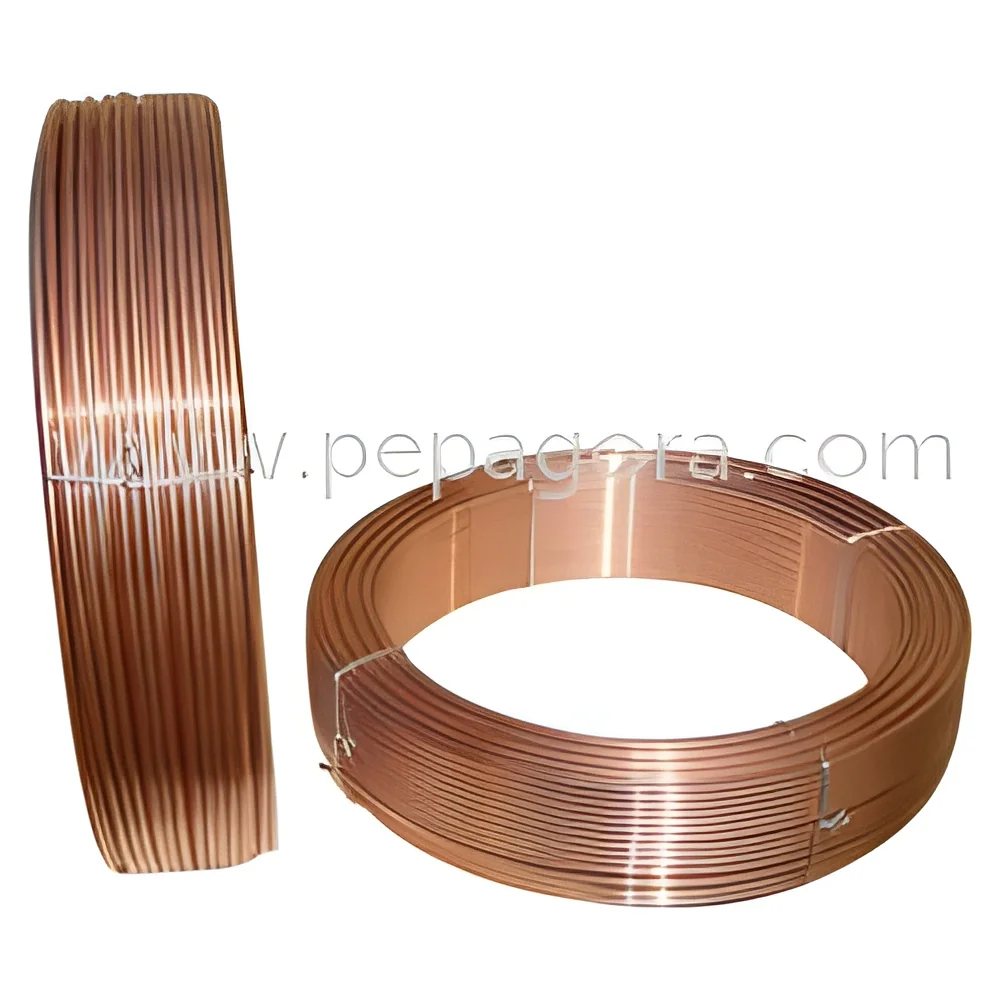
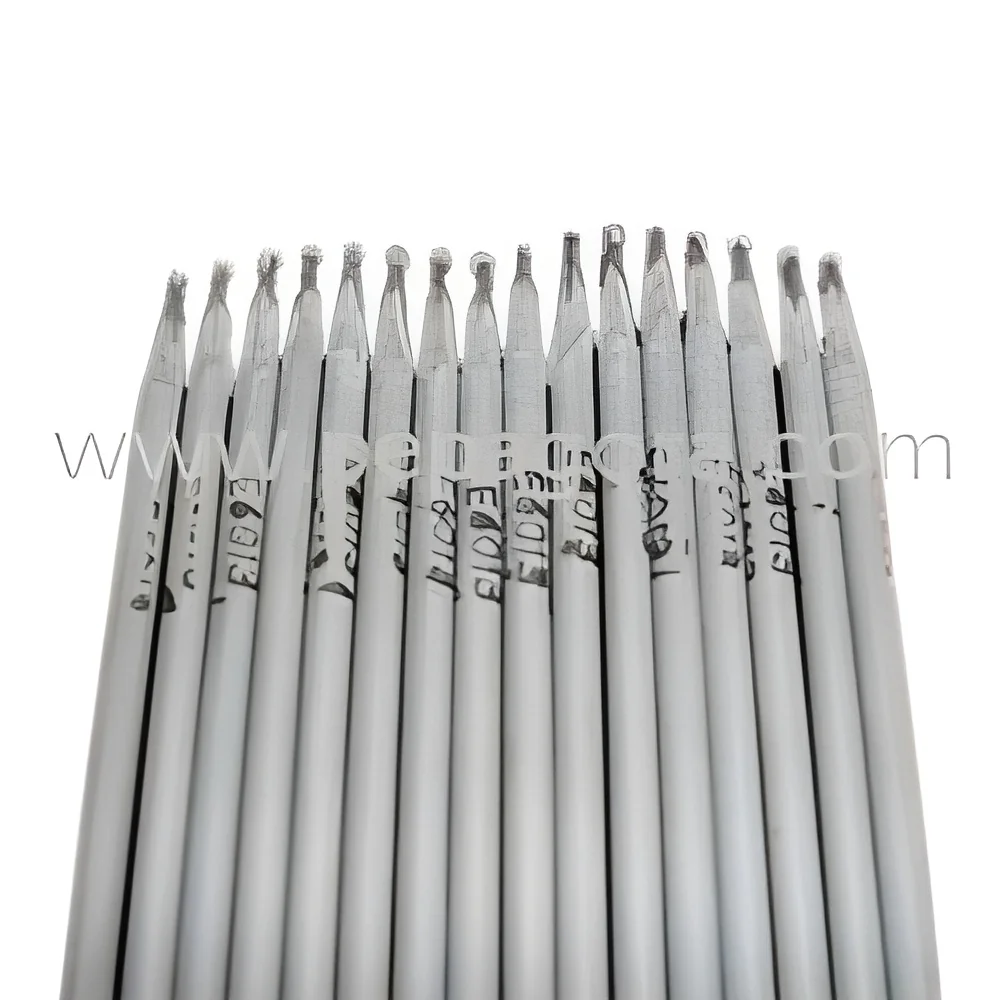
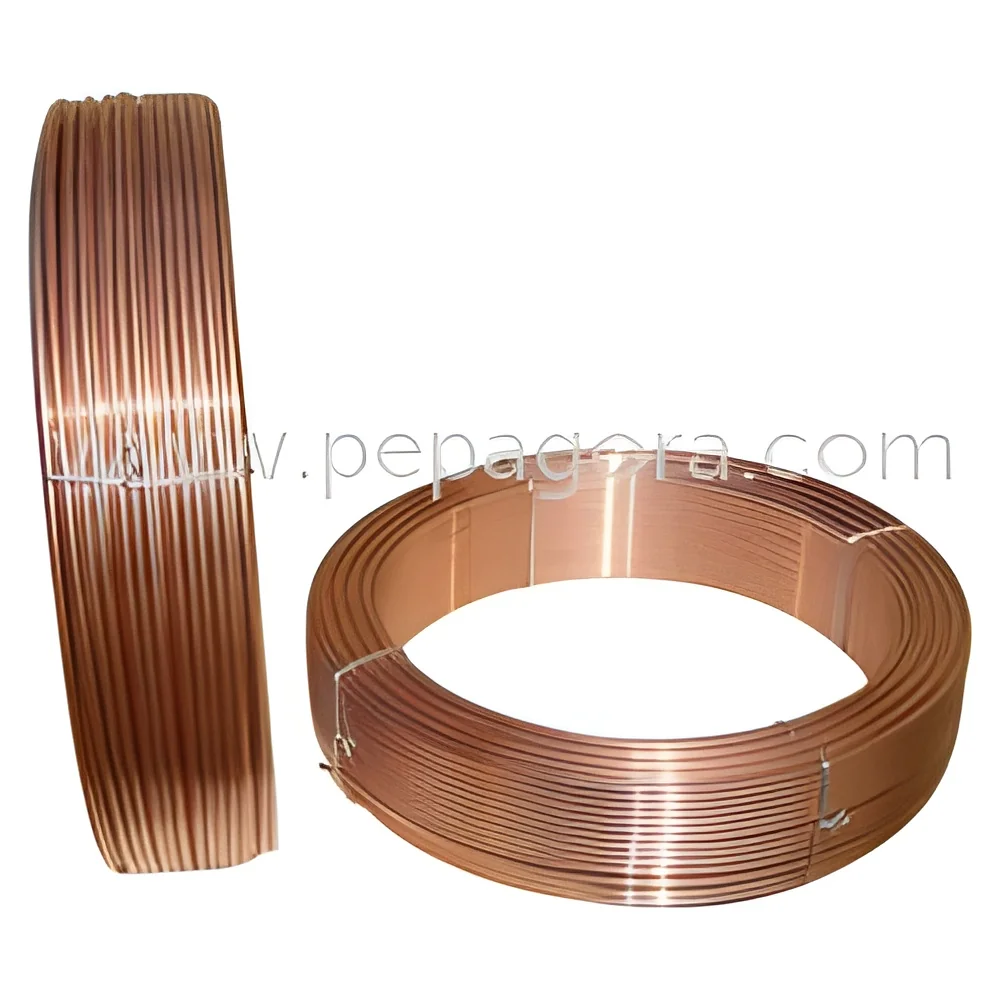
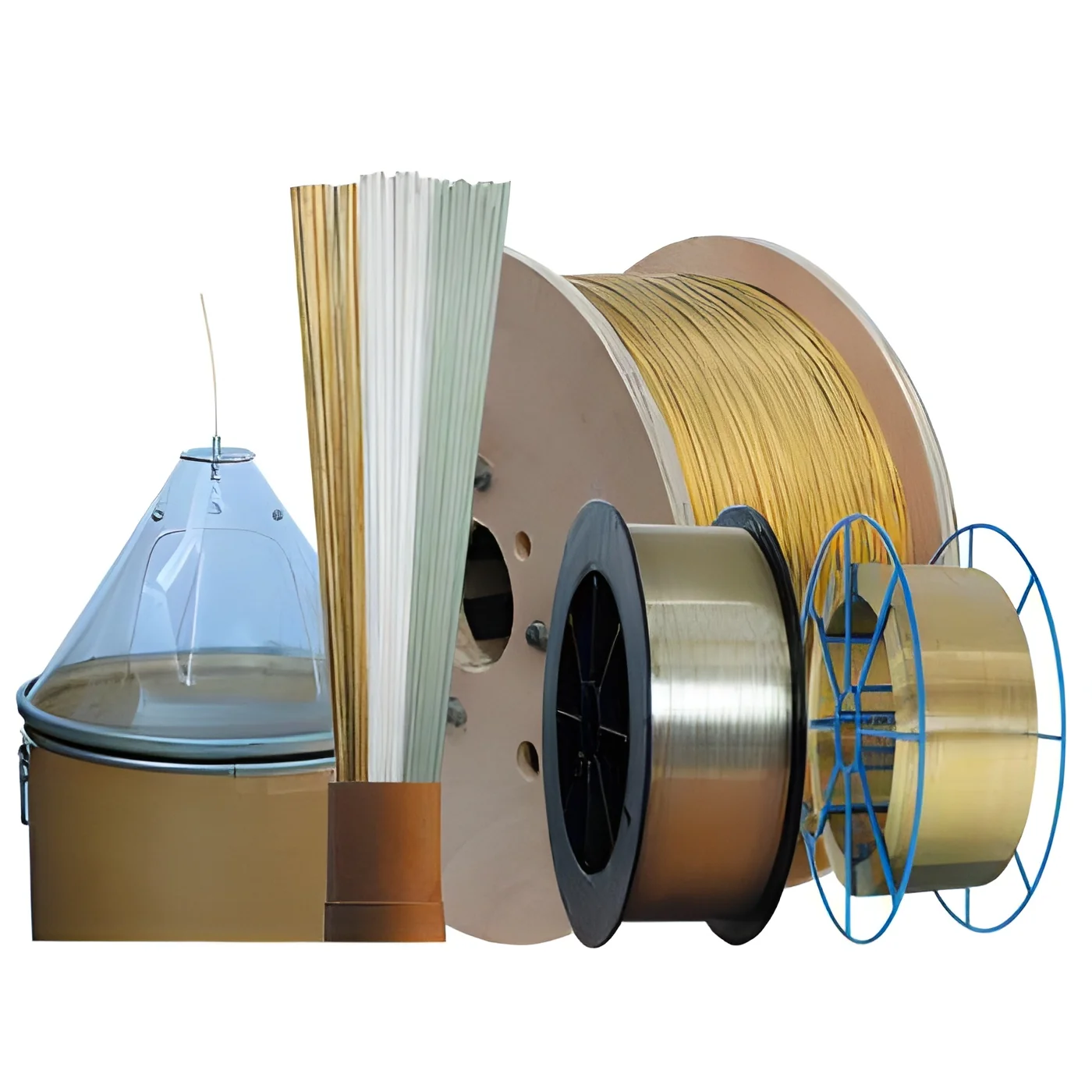
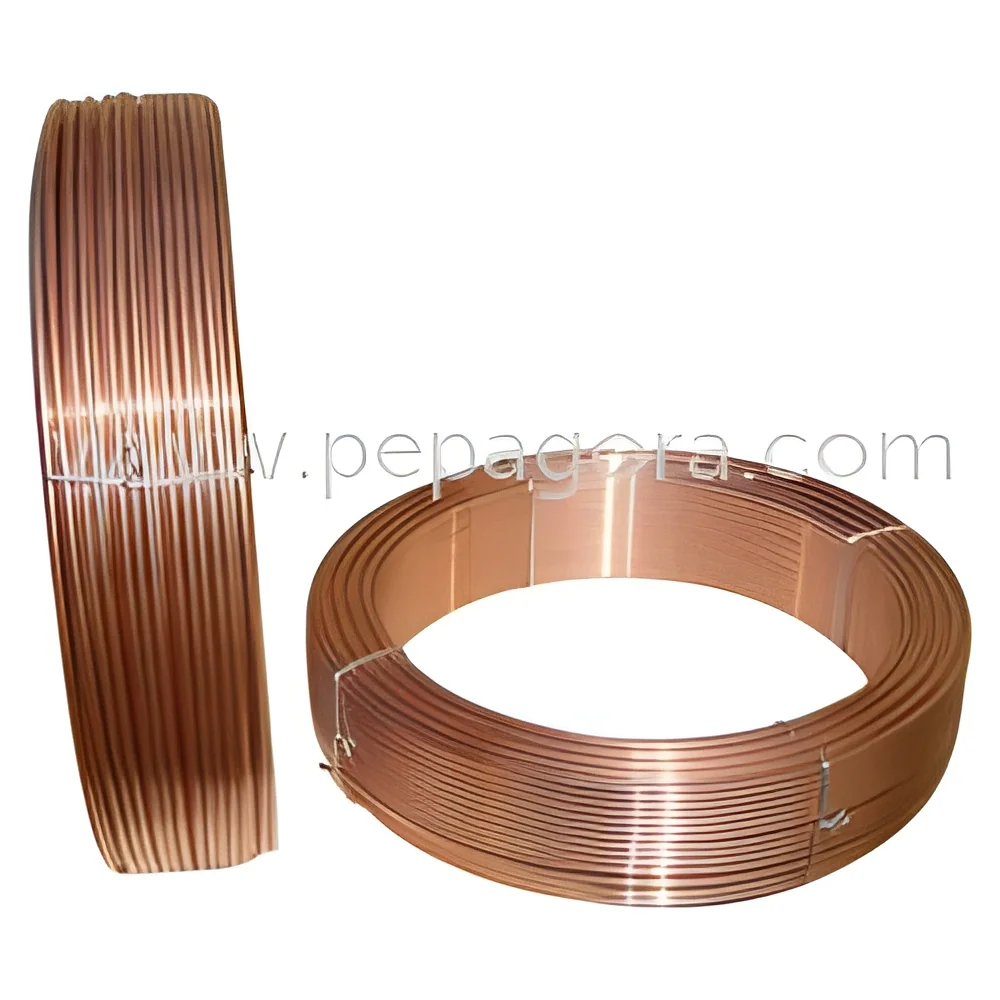
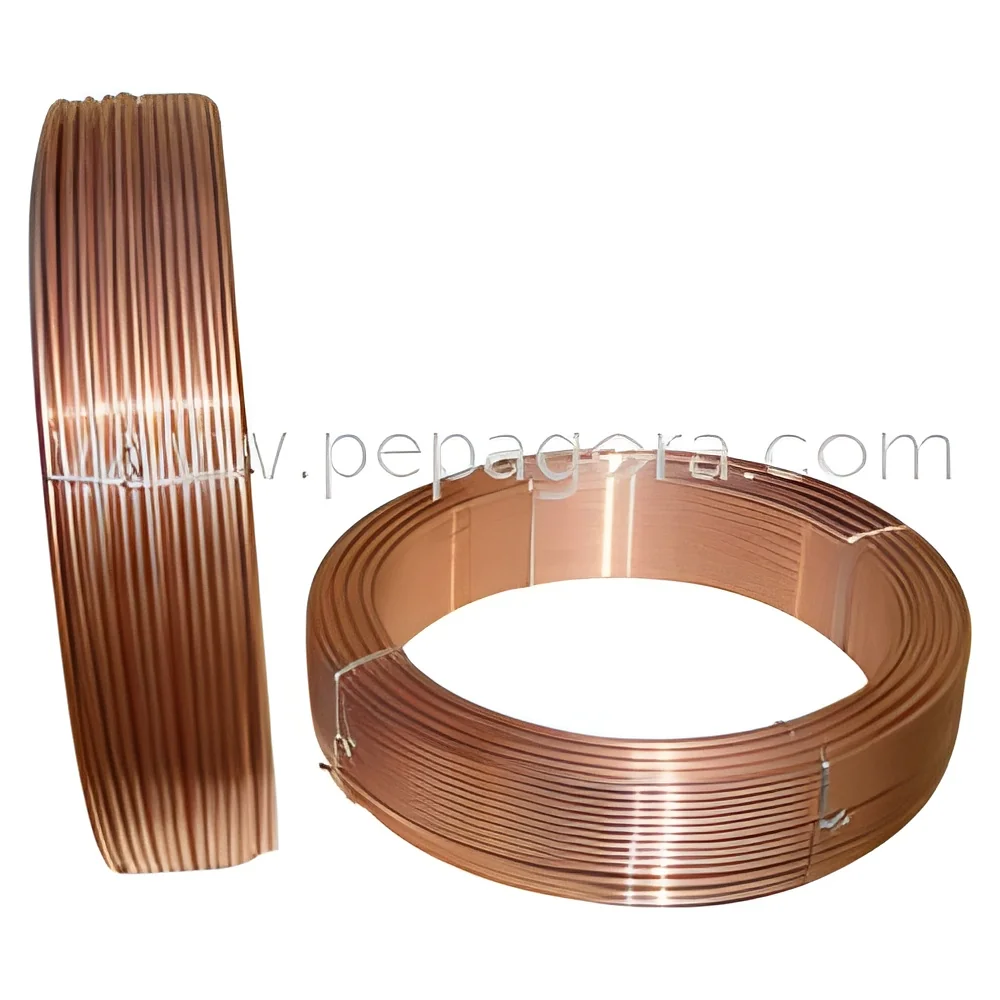
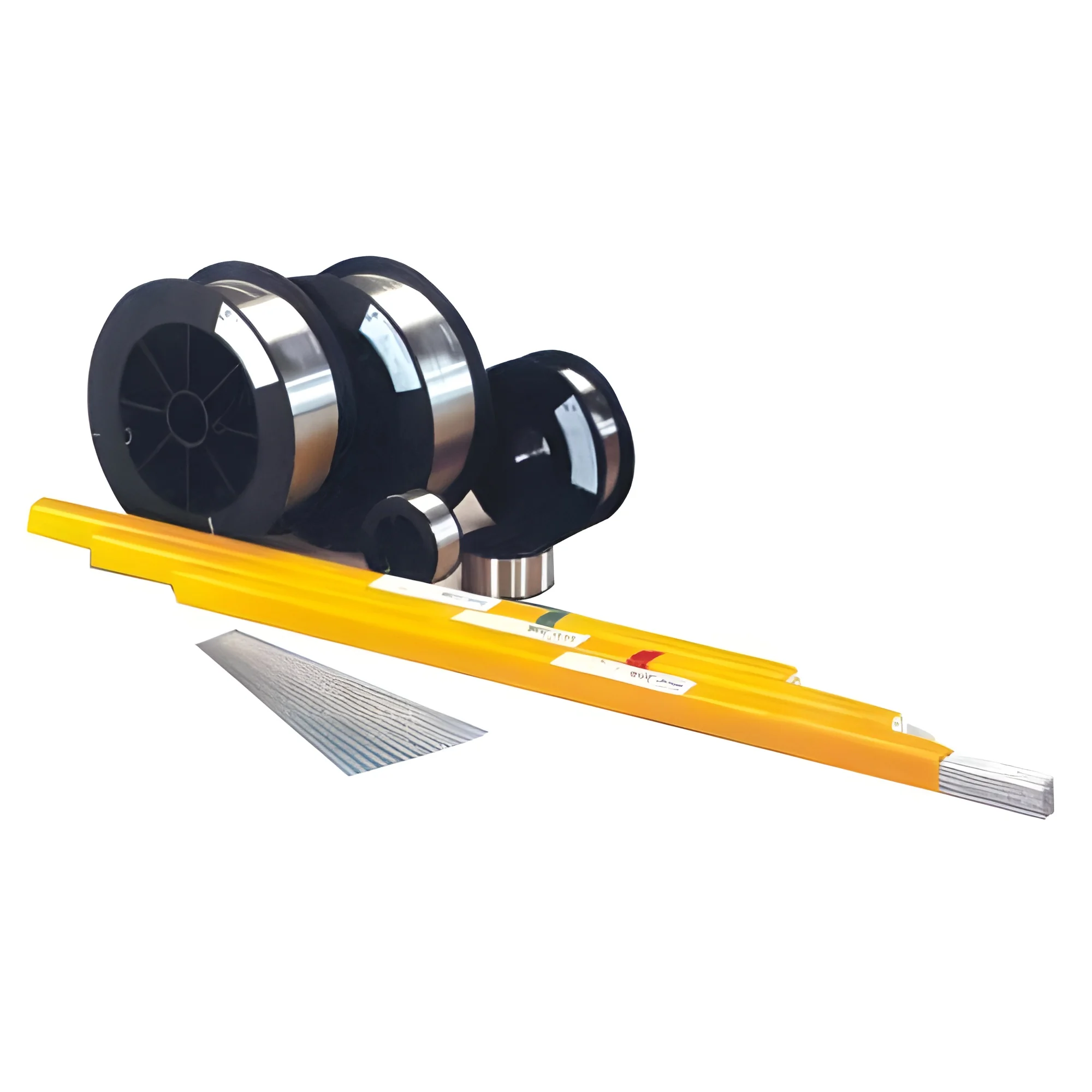
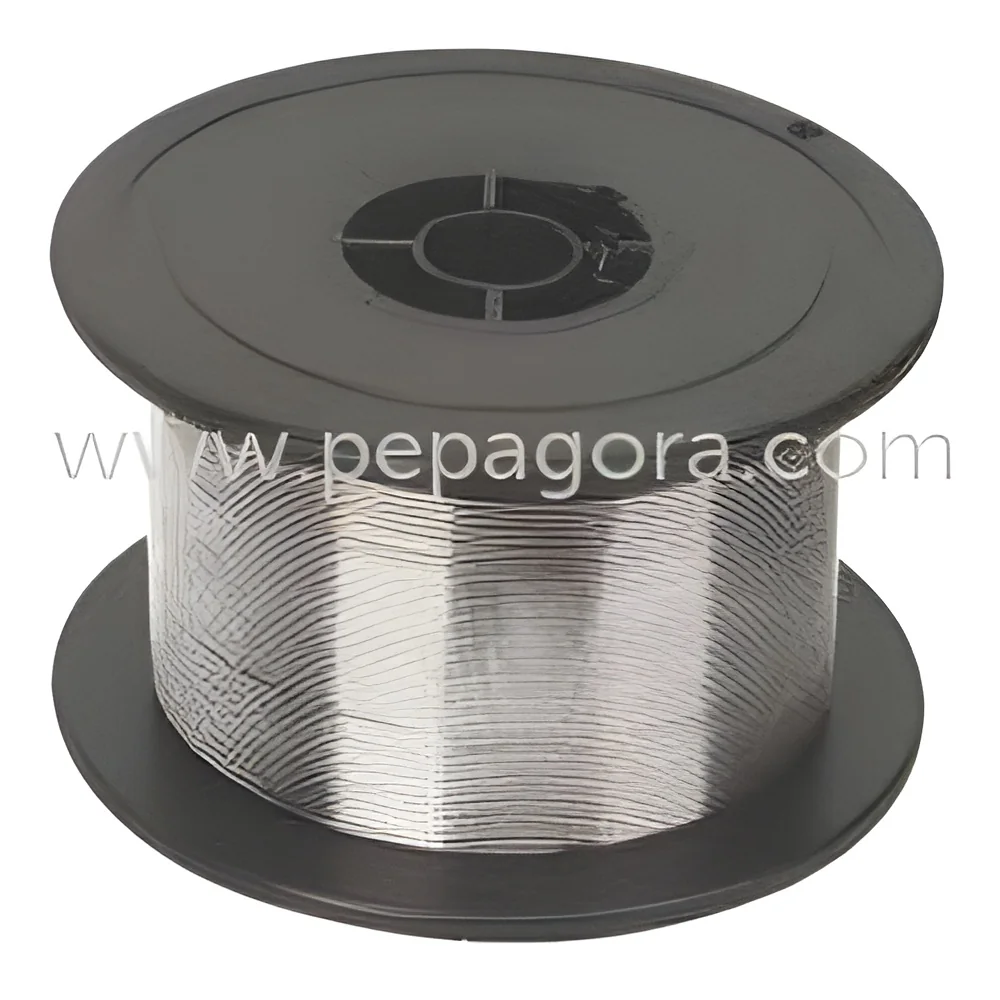
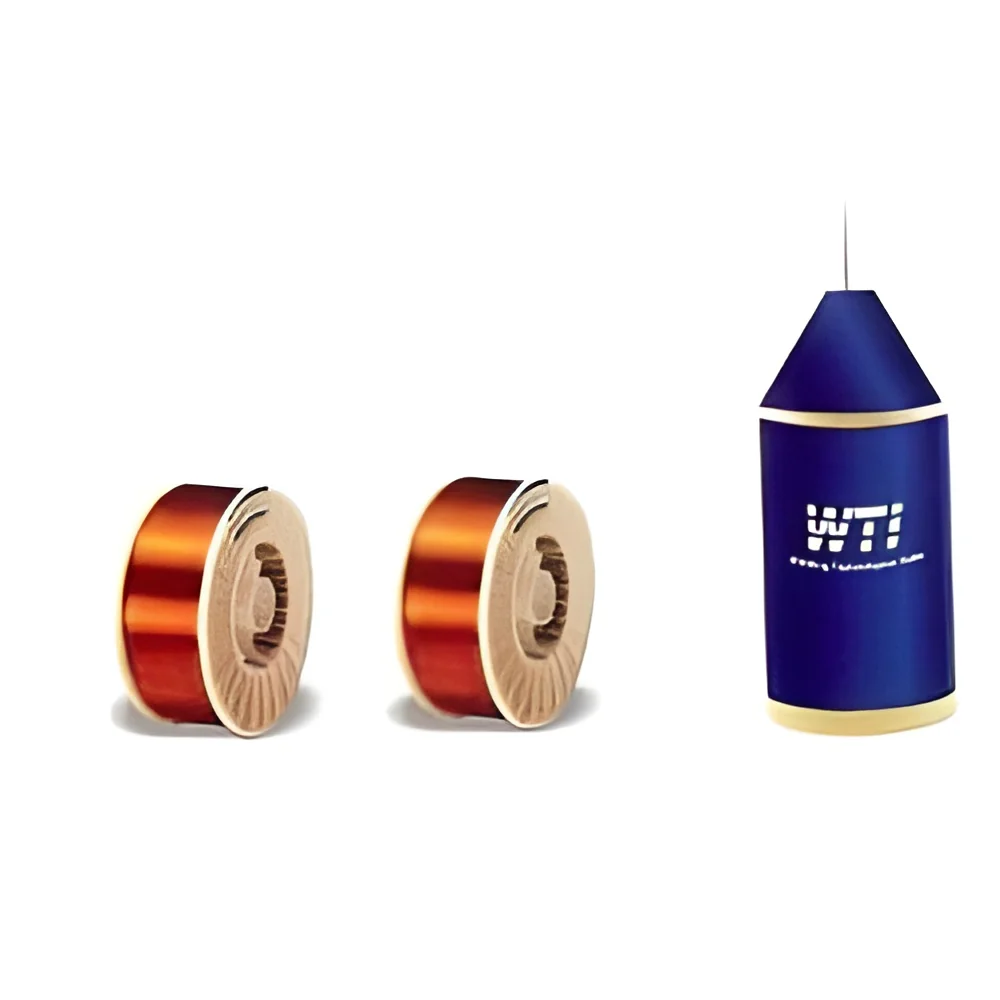
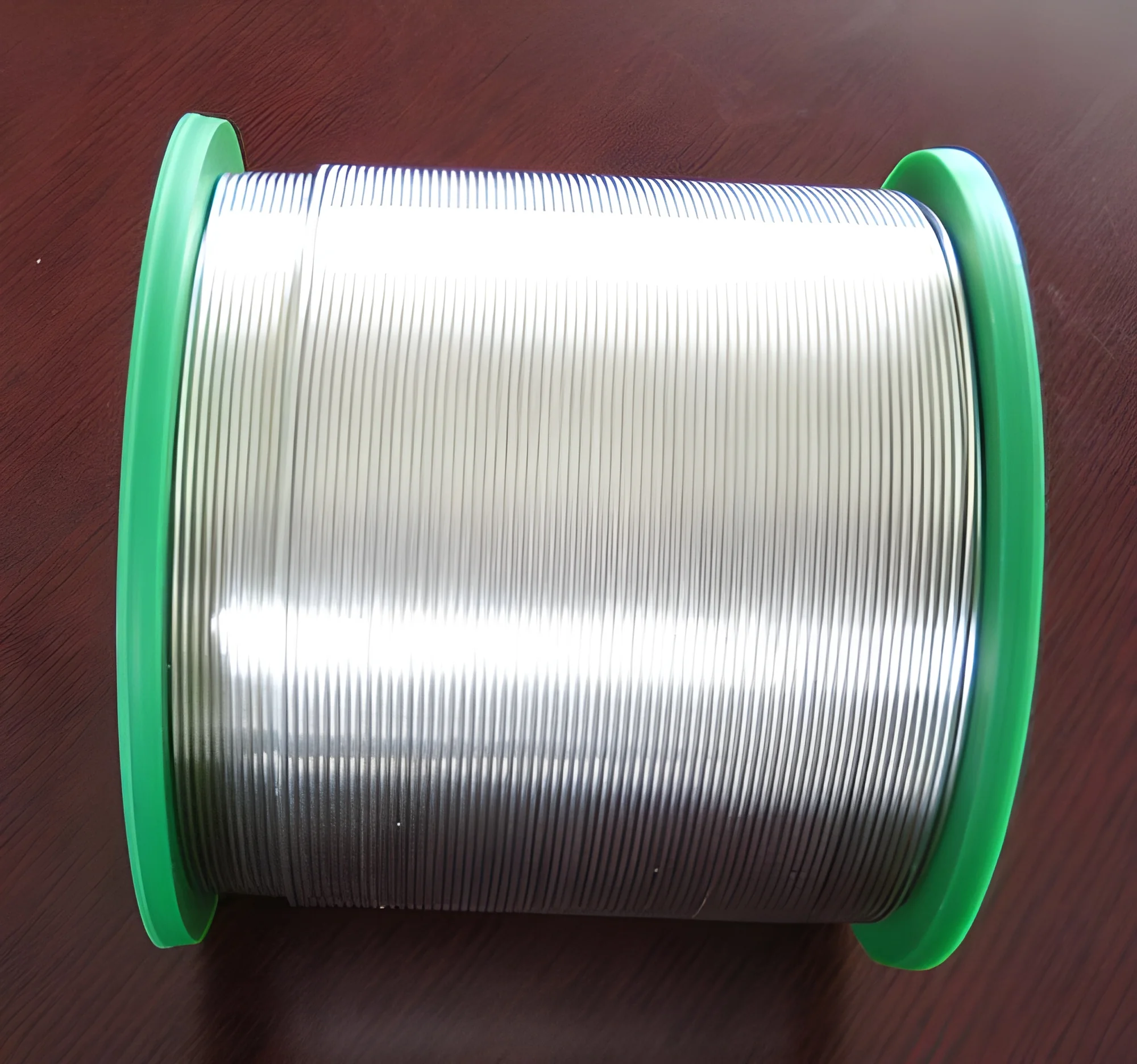
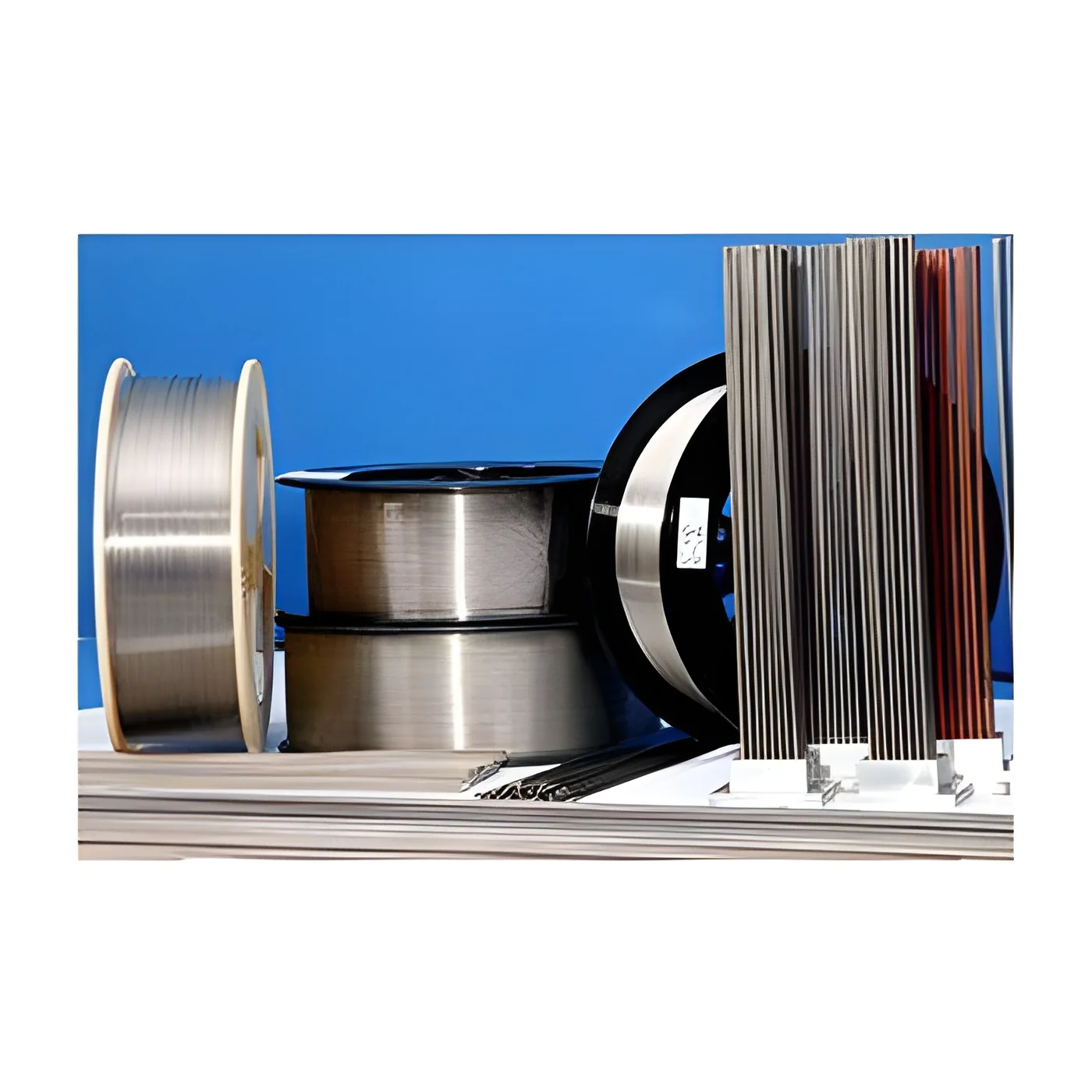
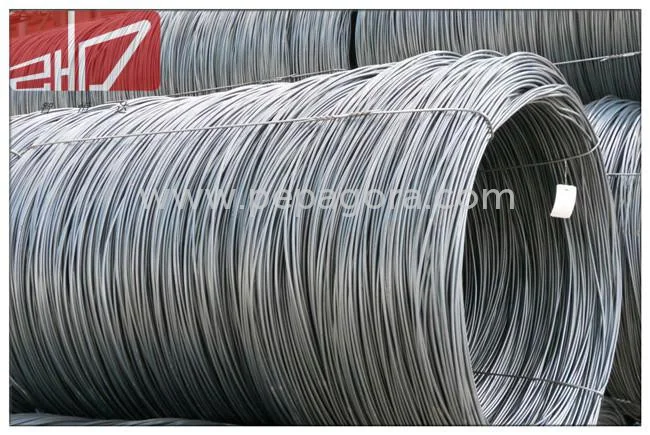
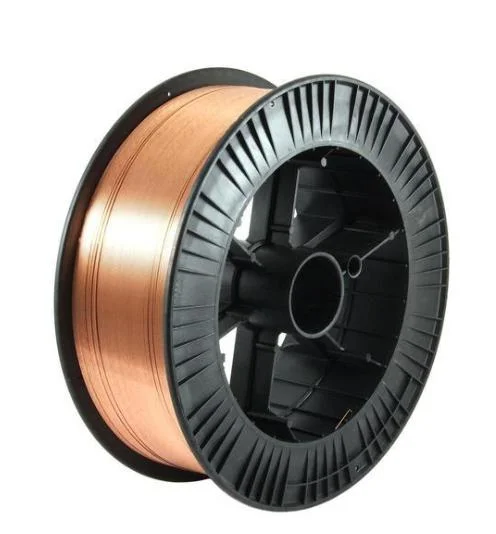
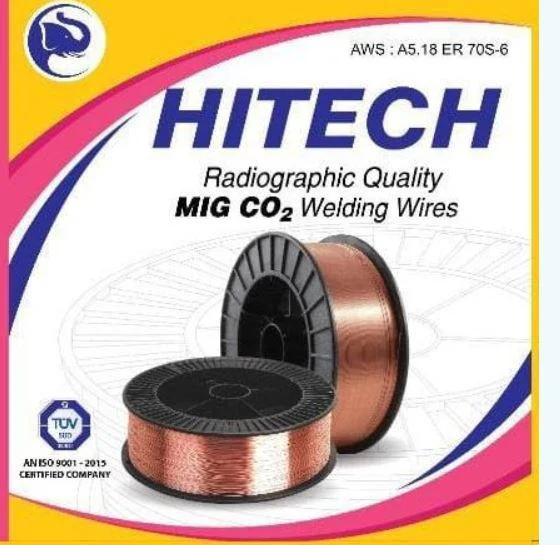
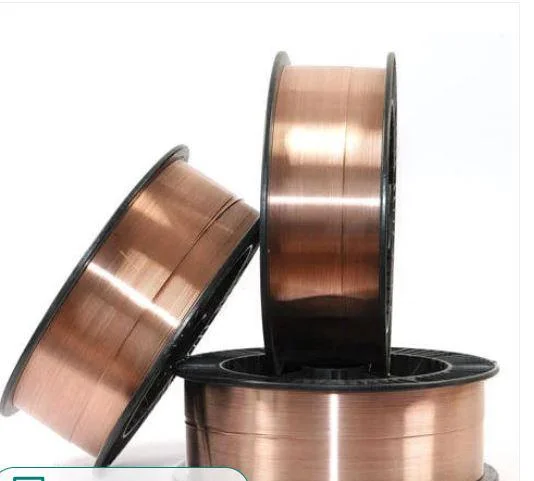
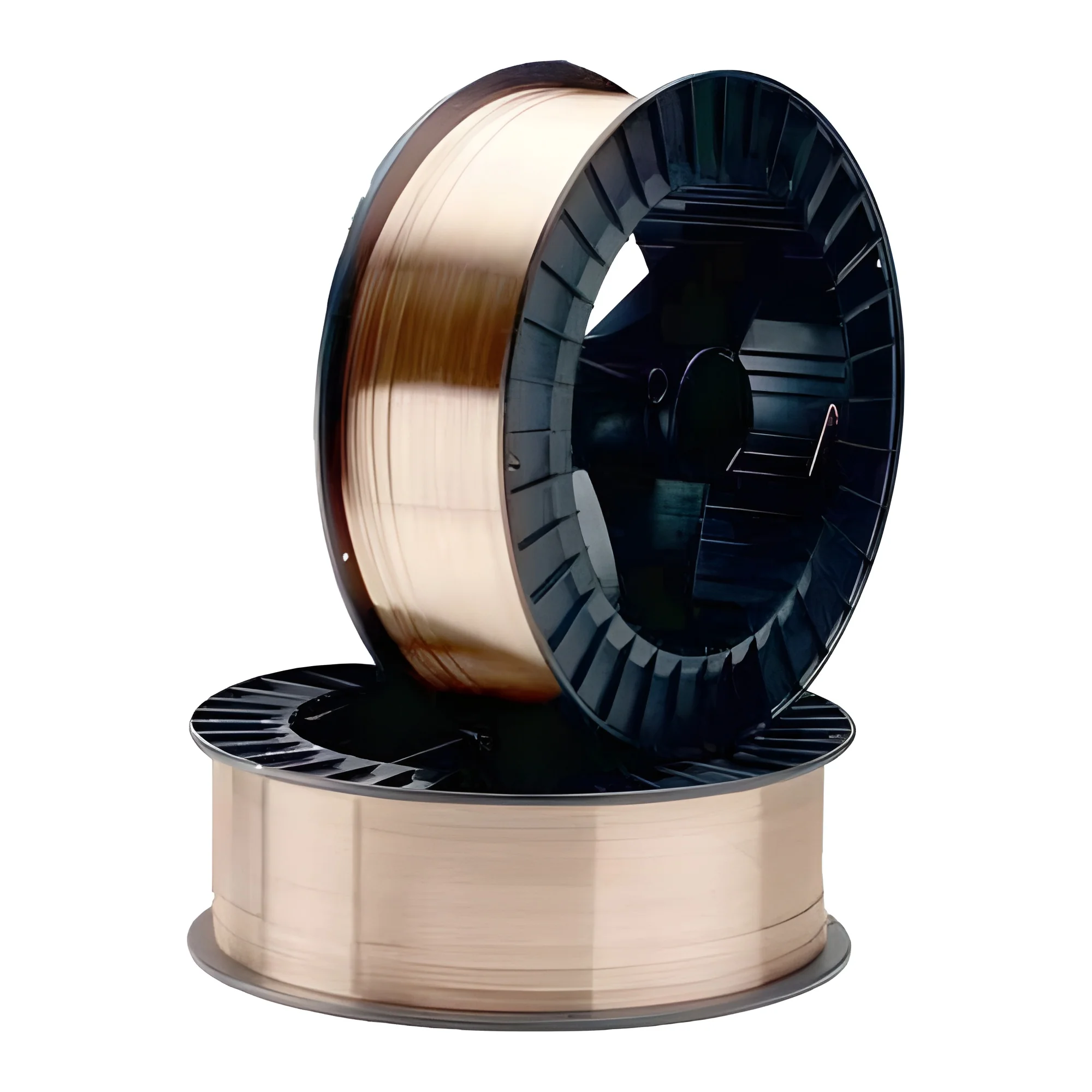
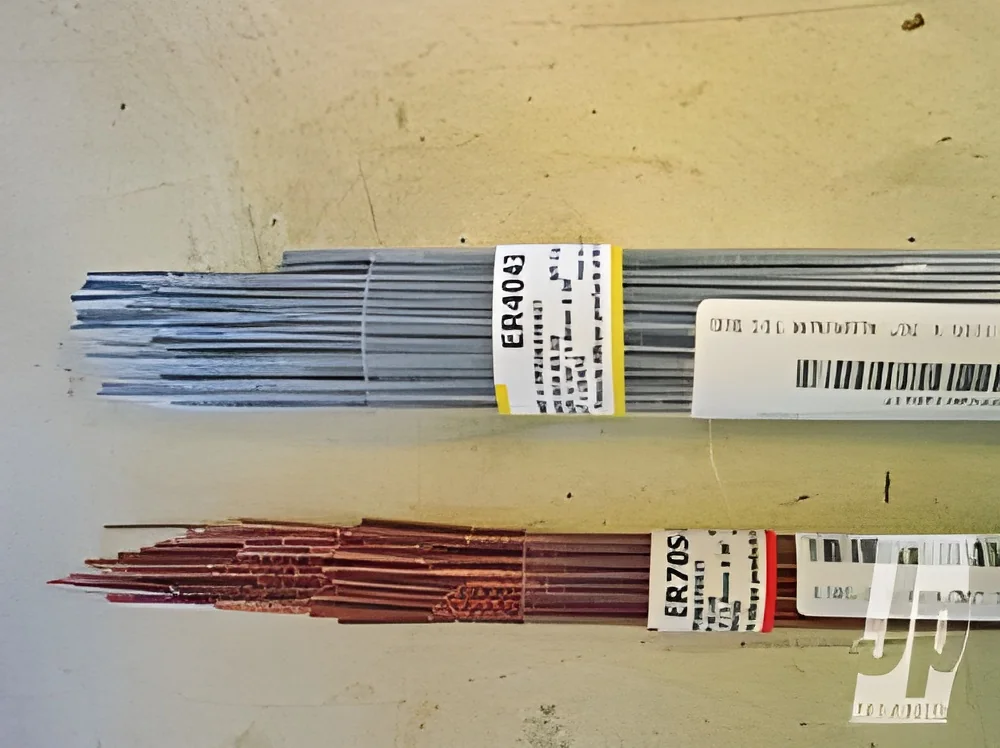
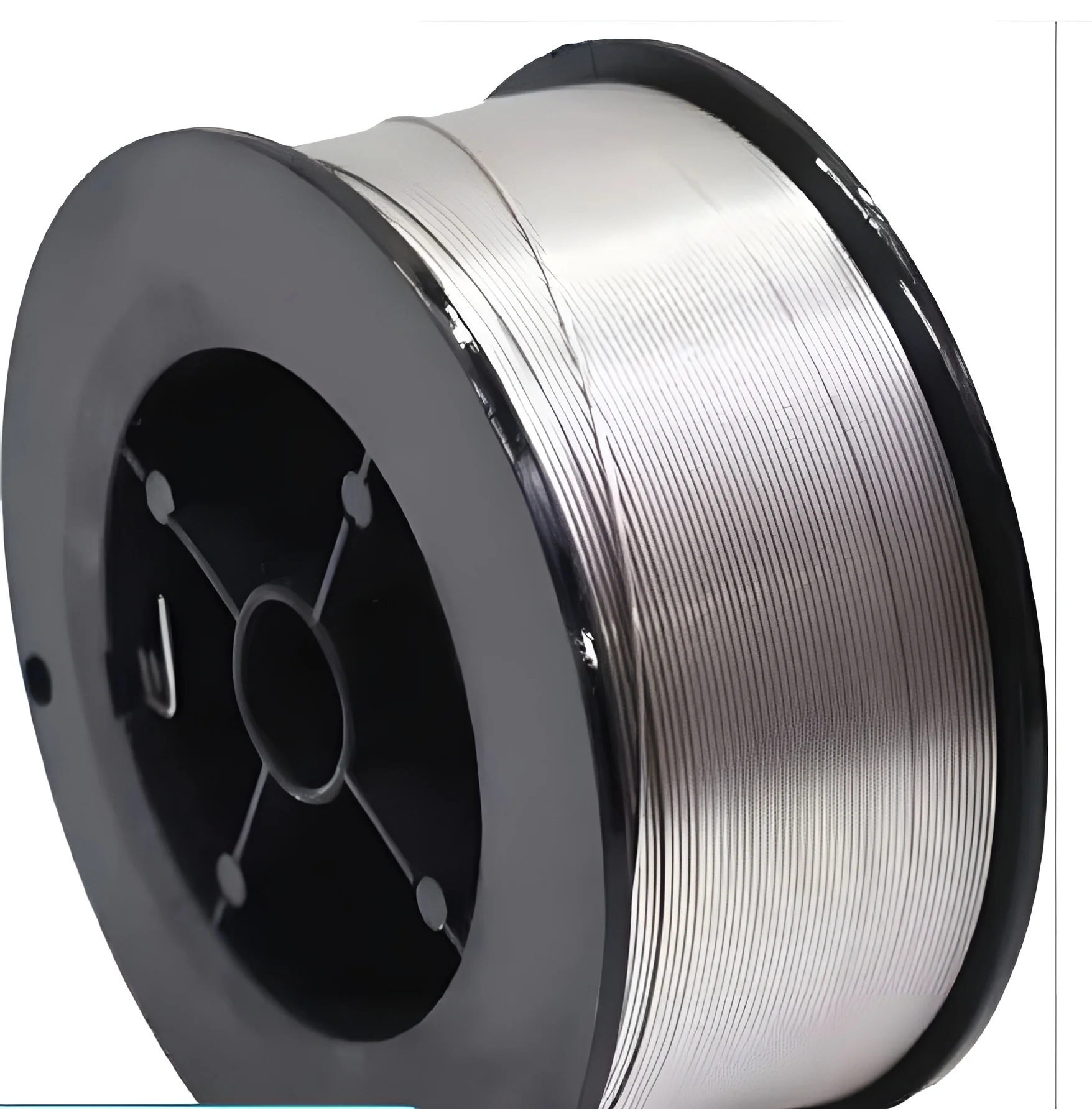
Welding wires are specialized metallic wires used in various welding processes to join metal components together. These wires serve as a filler material that melts during the welding operation, facilitating the creation of a strong bond between the workpieces. They come in different compositions, diameters, and coatings, depending on the specific welding technique and the materials being fused.
Welding wires find primary applications in industries such as construction, automotive, and manufacturing. They are essential for tasks that require metal joining, such as fabricating structures, repairing equipment, and assembling components. The demand for welding wires continues to grow as industries embrace advanced manufacturing technologies and seek efficient methods to enhance production processes.
The welding wire market is influenced by various factors, including technological advancements, material innovations, and the increasing need for durable and high-quality welding solutions. Industries are increasingly investing in welding technologies to improve productivity and reduce operational costs. Thus, understanding the specifications and applications of welding wires is critical for businesses looking to optimize their welding operations.
Key Features and Specifications
Welding wires are characterized by several important features and specifications that determine their performance and suitability for different applications. When selecting welding wires, it is crucial to consider these elements to ensure optimal results.
Key specifications include:
1. Composition
- Welding wires can be made from various alloys, including mild steel, stainless steel, and aluminum.
- The specific alloy affects the wire's melting point, strength, and corrosion resistance.
2. Diameter
- Common diameters range from 0.6 mm to 1.6 mm, depending on the welding process.
- Thicker wires are typically used for heavier materials, while thinner wires are suited for lighter applications.
3. Coating Type
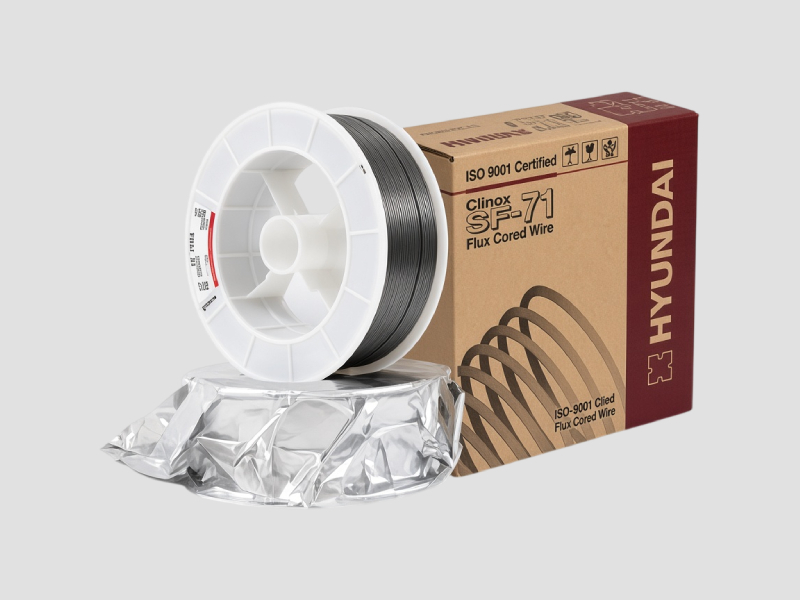
- Coatings can include flux-cored, solid, and metal-cored variations.
- The coating type impacts the welding performance, including arc stability and spatter control.
4. Tensile Strength
- Measured in megapascals (MPa), this indicates the wire's strength when subjected to tension.
- Higher tensile strength wires are preferred for structural applications.
5. Melting Point
- Varies based on the wire composition, influencing the heat required for welding.
- Higher melting points are suited for high-temperature applications.
6. Welding Process Compatibility
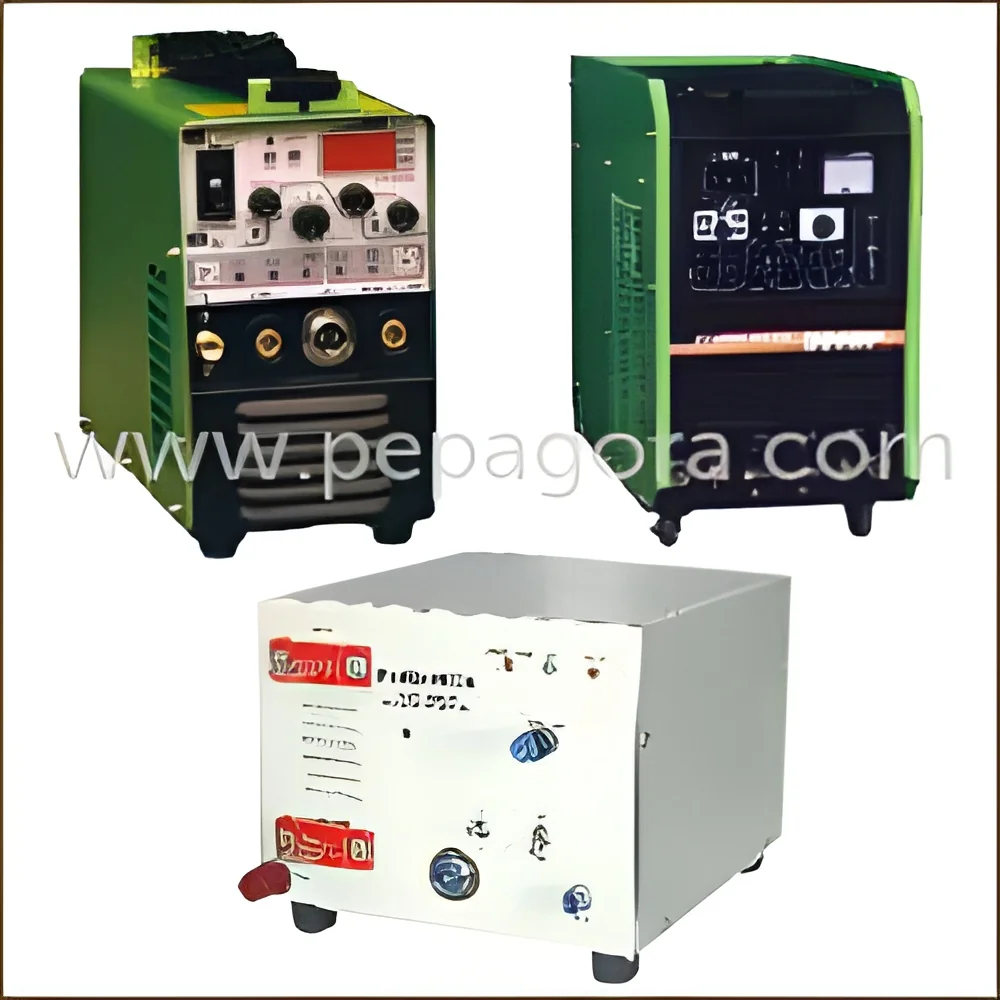
- Wires are designed for specific welding processes, such as MIG, TIG, or flux-cored welding.
- Selecting the right wire for the process ensures effective joining.
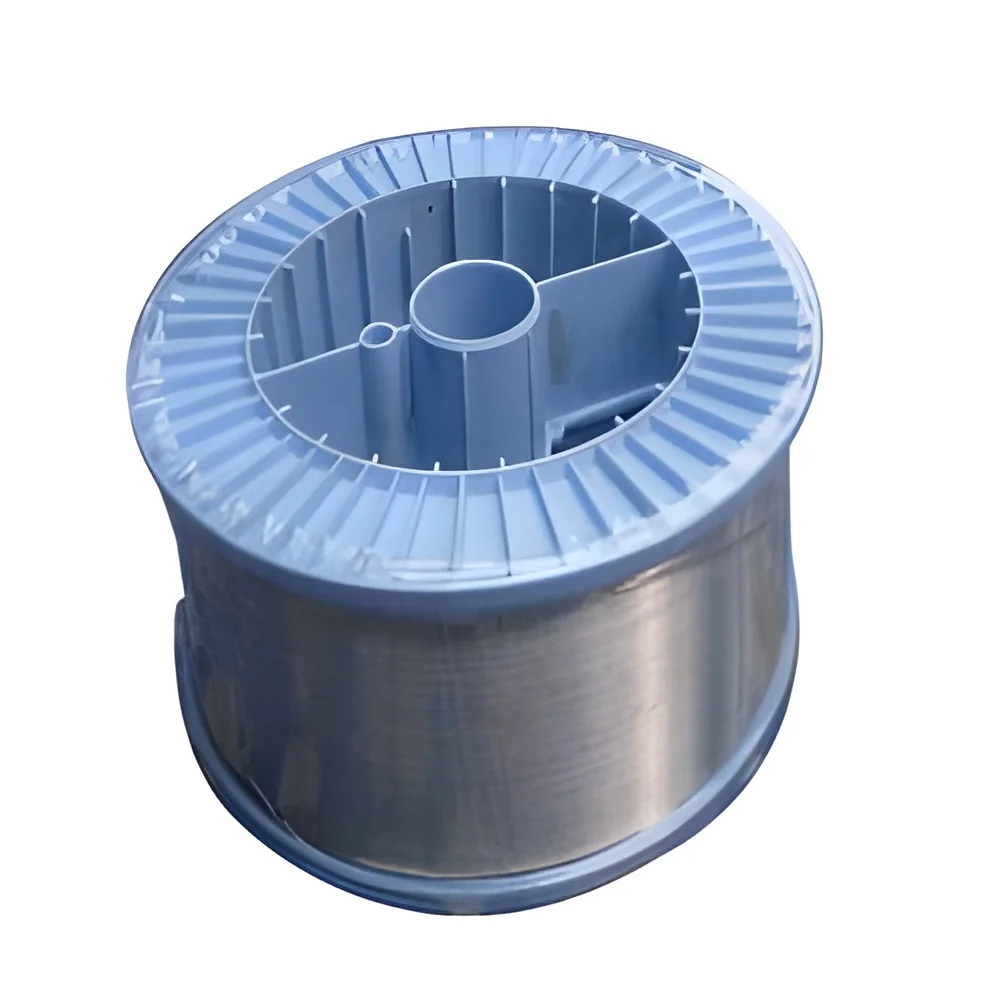
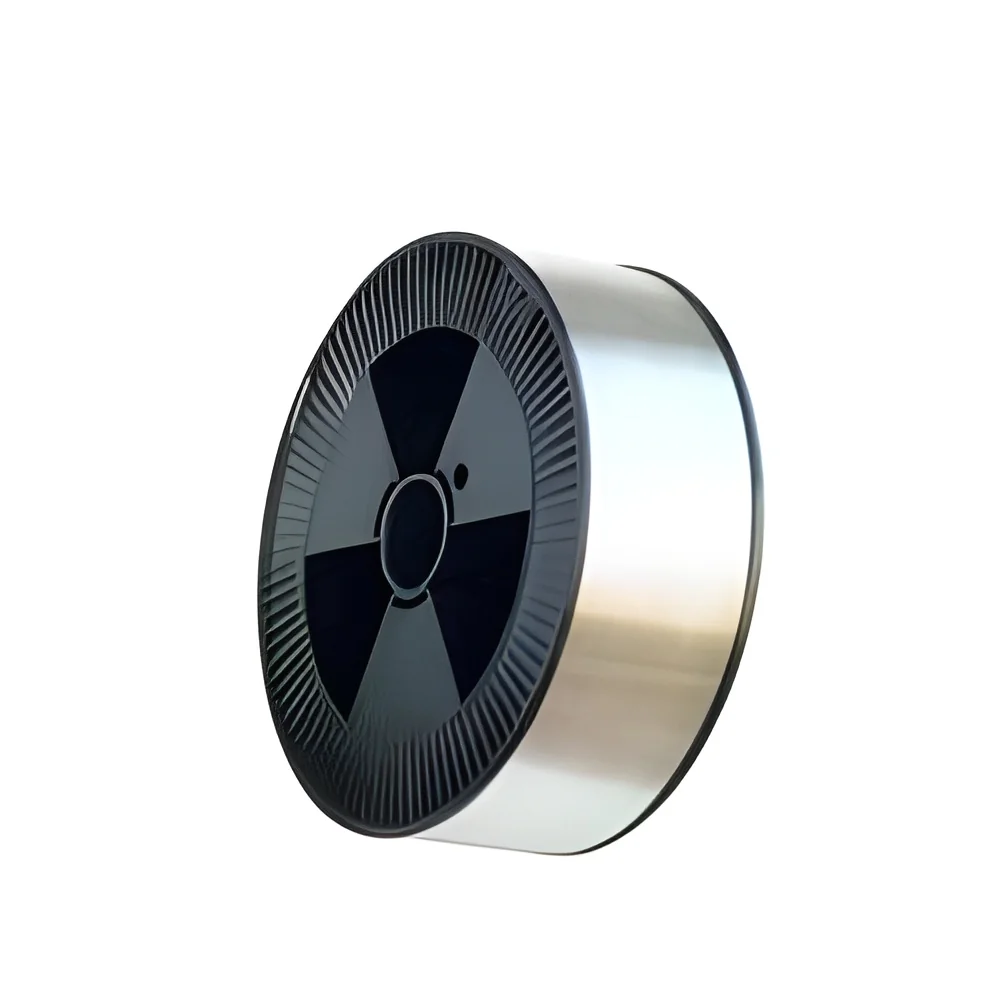
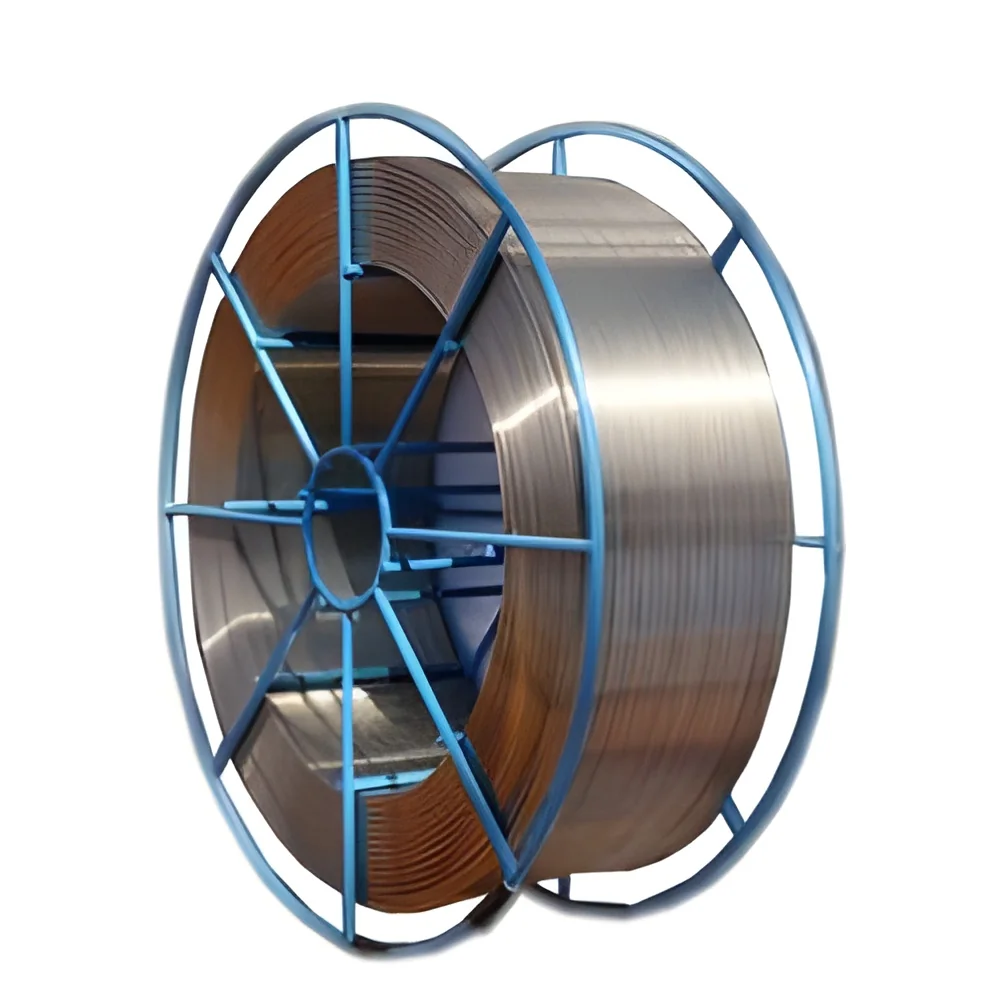
7. Spool Size
- Available in different spool sizes, commonly ranging from 1 kg to 15 kg.
- Larger spools reduce the frequency of wire changes during operation.
8. Certifications
- Compliance with industry standards, such as CE, ensures quality and safety.
- Certification indicates the wire meets specific performance criteria.
In summary, understanding the key features and specifications of welding wires is essential for selecting the right product for specific industrial applications.
Common Applications and Use Cases
Welding wires serve various industries, providing essential solutions for metal joining needs.
1. Construction: Welding wires are extensively used in the construction industry for fabricating steel structures, bridges, and buildings. They provide strong joints that are crucial for the integrity of large projects.
2. Automotive: In the automotive sector, welding wires are employed in the production of vehicle frames, exhaust systems, and other components. High-strength wires ensure durability and safety in automotive manufacturing.
3. Manufacturing: Manufacturing industries utilize welding wires in the assembly of machinery and equipment. They allow for efficient production processes and reliable connections between metal parts.
4. Shipbuilding: Welding wires play a vital role in shipbuilding, where they are used to join steel plates and components. The ability to withstand harsh marine environments makes the choice of welding wire critical.
5. Aerospace: In the aerospace sector, welding wires are used to assemble aircraft components and structures. The need for lightweight yet strong materials drives the selection of specific wire compositions.
6. Oil and Gas: Welding wires are essential in the oil and gas industry for constructing pipelines and storage tanks. They ensure secure joints that can handle high pressure and corrosive environments.
7. Fabrication: Metal fabrication shops rely on welding wires for various projects, including custom metalwork and repairs. The versatility of welding wires enables a wide range of applications.
Product Variants and Subcategories
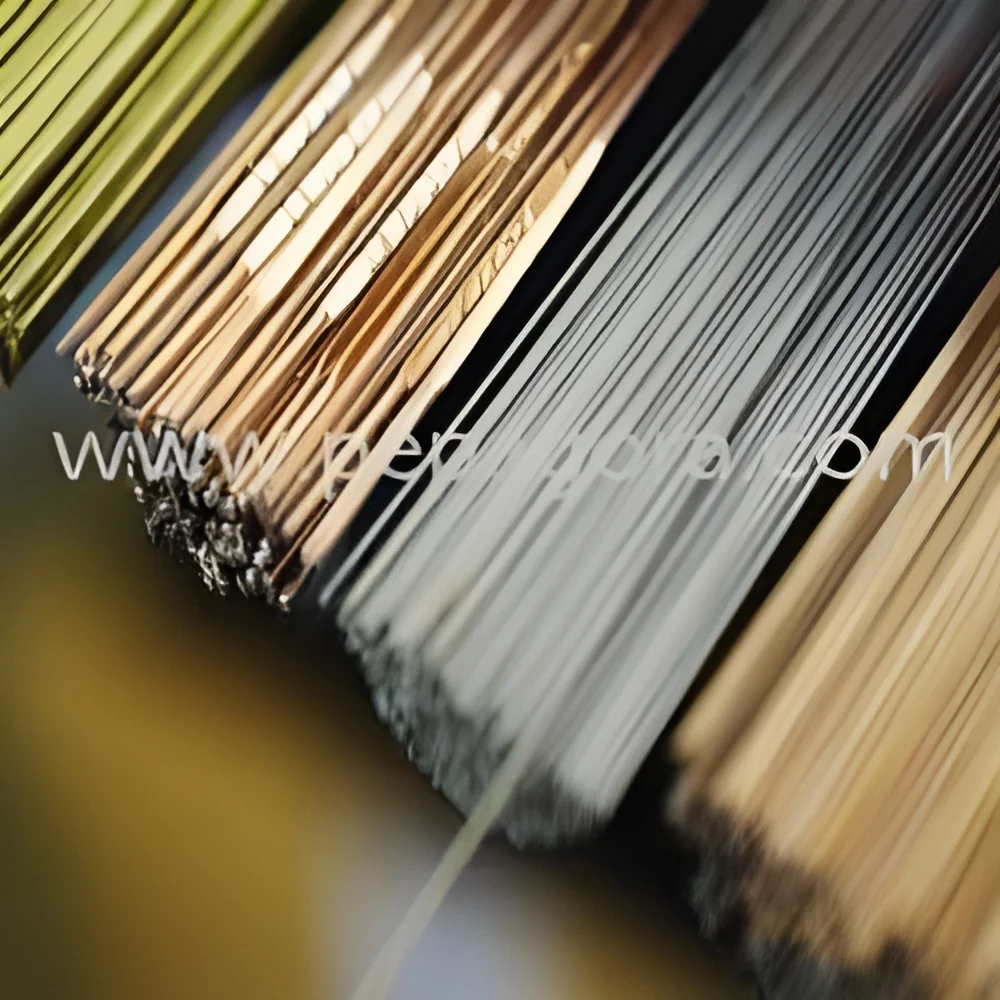
Welding wires come in a variety of forms to suit different welding processes and materials. This diversity allows businesses to select the most appropriate product for their specific needs.
Mild Steel Welding Wire
Mild steel welding wire is commonly used in MIG welding applications. It provides excellent weldability and is suitable for joining mild steel components. This wire is favored for its cost-effectiveness and versatility in various industrial applications.
Stainless Steel Welding Wire
Designed for TIG and MIG welding, stainless steel welding wire is used in applications requiring corrosion resistance. It is ideal for industries such as food processing and pharmaceuticals, where cleanliness and durability are paramount.
Flux-Cored Welding Wire
Flux-cored welding wire is used in processes that require deep penetration and excellent arc stability. This type of wire is beneficial for outdoor welding and in conditions where shielding gas may be difficult to manage.
Metal-Cored Welding Wire
Metal-cored welding wire offers improved feedability and higher deposition rates. It is suitable for applications that demand high productivity and is often used in heavy manufacturing processes.
Benefits and Advantages
Welding wires provide several benefits that enhance welding operations across various industries. Understanding these advantages can help businesses make informed decisions when selecting welding products.
Key benefits include:
1. Enhanced Weld Quality: High-quality welding wires facilitate stronger and more reliable welds, reducing the risk of defects.
2. Improved Efficiency: The right welding wire can increase deposition rates and reduce welding time, leading to more efficient production processes.
3. Versatility: Welding wires are available in various compositions and sizes, allowing for use in a wide range of applications.
4. Cost-Effectiveness: Many welding wires, especially mild steel variants, are economically priced, making them an attractive option for budget-conscious projects.
5. Corrosion Resistance: Specialized welding wires, such as stainless steel variants, offer enhanced resistance to corrosion, extending the lifespan of welded components.
6. Easy Handling: Many welding wires are designed for smooth feeding through welding machines, reducing downtime and enhancing productivity.
Buying Guide for B2B Buyers
When sourcing welding wires, it is essential for B2B buyers to consider several factors to ensure they select the right products for their needs.
1. Quality Assessment: Evaluate the quality of welding wires by reviewing supplier certifications and product specifications. Look for compliance with industry standards to ensure reliability and safety.
2. Supplier Verification: Vet potential suppliers by checking their reputation, customer reviews, and industry experience. A verified supplier network is crucial for ensuring product quality and consistency.
3. Pricing and MOQ: Understand the pricing structure and minimum order quantities (MOQ) of welding wires. Compare costs among suppliers to find the best value without compromising quality.
4. Delivery and Lead Times: Consider the logistics involved in sourcing welding wires. Reliable delivery schedules and lead times are crucial for maintaining project timelines.
5. Compliance Requirements: Ensure that the welding wires meet any necessary regulatory and compliance standards relevant to your industry. This includes checking for certifications and adherence to local regulations.
Compliance and Certifications
Welding wires must adhere to certain quality standards and certifications to ensure safety and reliability in various applications. Common standards include ISO 9001, which outlines requirements for quality management systems, ensuring consistent quality in manufacturing processes.
Additionally, the CE mark signifies compliance with European safety and health standards. This certification is important for businesses operating in or exporting to European markets.
Safety and testing requirements are also critical in the welding wire industry. Manufacturers must conduct rigorous testing to ensure that their products can withstand the demands of various welding processes.
Regional compliance considerations may vary based on local regulations. Businesses should be aware of these requirements to ensure that the welding wires used are compliant with the applicable standards in their regions.
Why Source Welding Wires from Pepagora?
Pepagora provides a trusted platform for sourcing welding wires, offering several key advantages for B2B buyers.
Verified Supplier Network: Pepagora has established a comprehensive network of verified suppliers, ensuring that buyers can find reliable sources for high-quality welding wires. This verification process helps reduce risks associated with procurement.
Streamlined RFQ Process: The platform features a streamlined Request for Quotation (RFQ) process, making it easy for buyers to request quotes from multiple suppliers. This simplifies the sourcing process and allows businesses to compare options efficiently.
Trade Assurance and Support: Pepagora offers trade assurance programs that protect buyers from potential losses during transactions. This added layer of security enhances buyer confidence in sourcing welding wires.
Regional Coverage: With a strong presence in India, the GCC, and Southeast Asia, Pepagora provides regional coverage that facilitates access to welding wires across diverse markets. This geographic reach ensures that businesses can source products that meet their specific needs.

 IN
IN