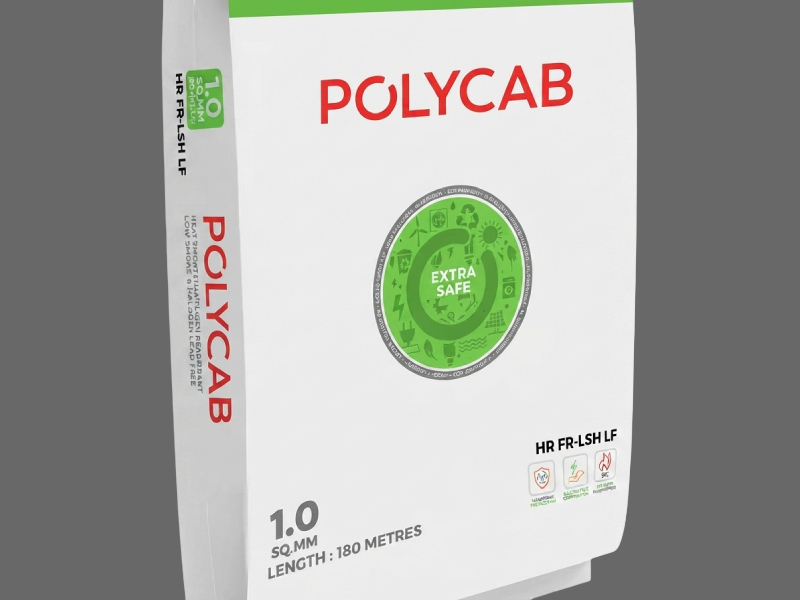
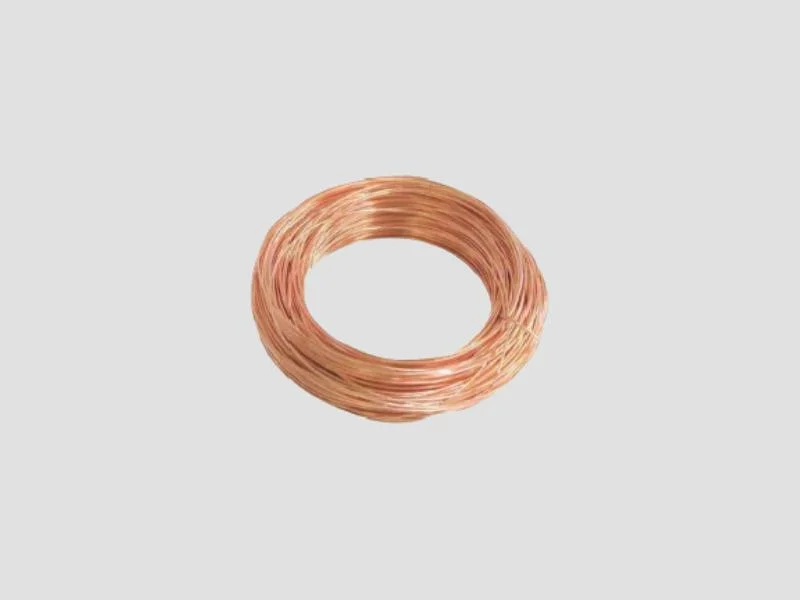
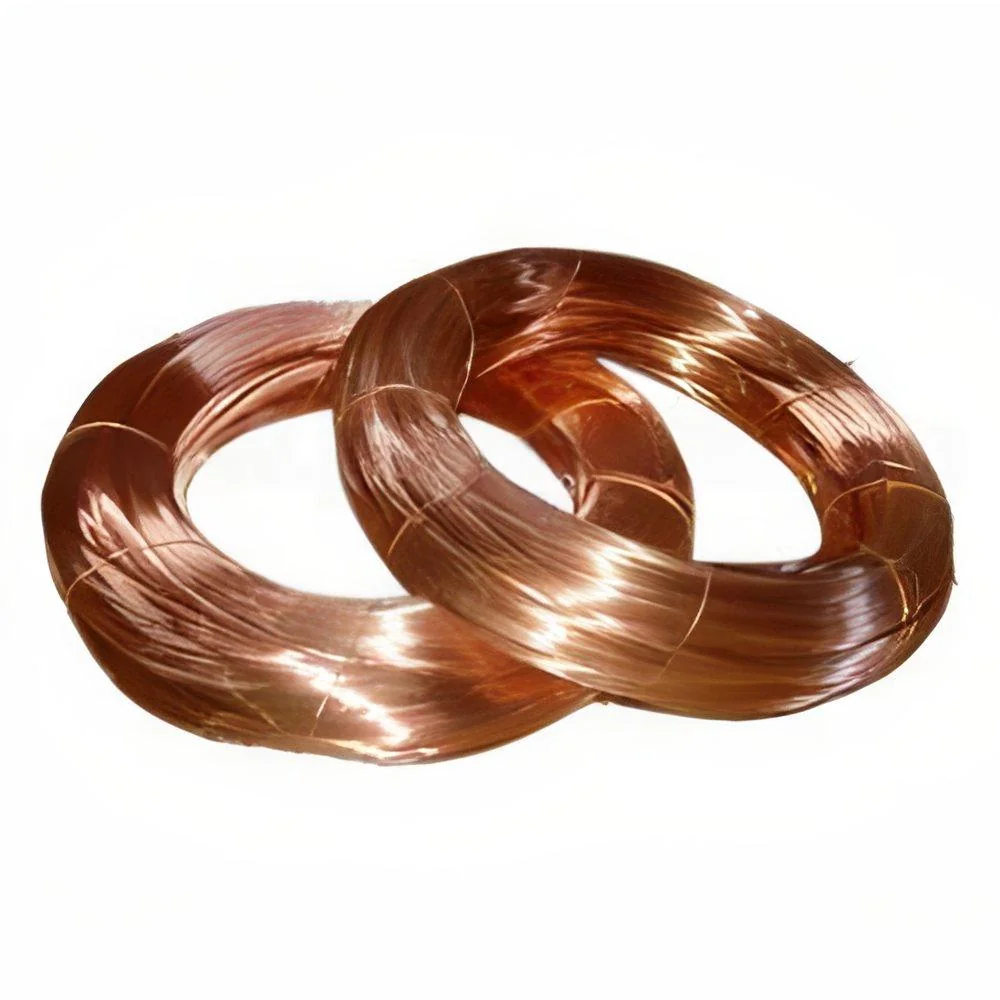
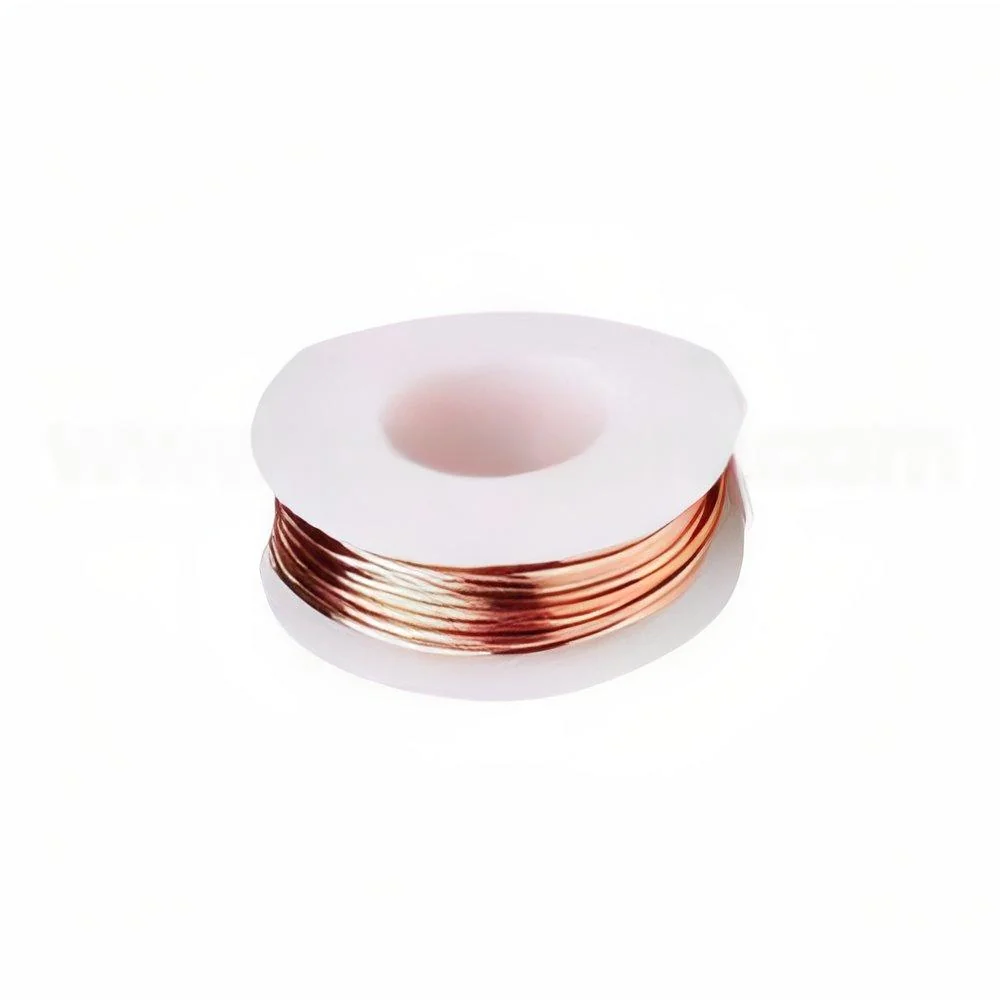
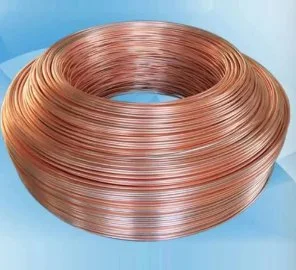
What are Copper Wires?
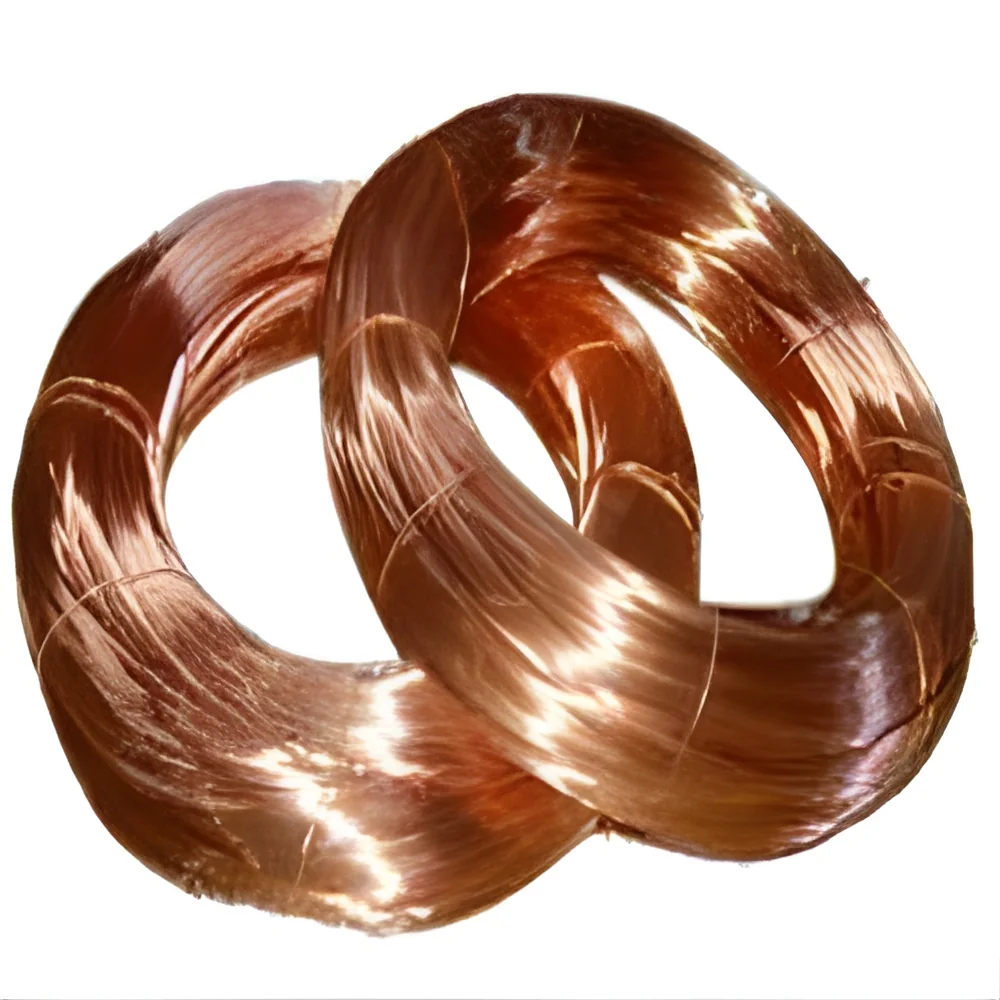
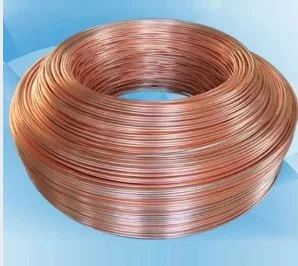
Copper wires are conductive metal strands made from copper, a material known for its excellent electrical and thermal conductivity. These wires play a crucial role in a wide range of electrical applications due to their ability to carry electric current with minimal resistance. Their flexibility and durability also make them ideal for various manufacturing processes.
Copper wires are widely used in numerous business applications, including electrical wiring, telecommunications, and electronics. In construction, they are essential for electrical installations. In the automotive industry, they connect components to ensure proper vehicle operation. The growing demand for electric vehicles and renewable energy technologies further underscores the importance of copper wires in contemporary markets.
The global market for copper wires is strongly influenced by the increasing reliance on electricity and advancements in technology. As industries evolve, the demand for reliable and efficient electrical components continues to rise. This makes copper wires a critical component in various sectors and a key player in the ongoing development of infrastructure and technology.
Key Features and Specifications
Copper wires come with various features that enhance their performance and suitability for specific applications. Understanding these specifications can help businesses make informed purchasing decisions.
Key specifications include:
1. Electrical Conductivity
- Copper wires have high electrical conductivity, typically around 58-60 % IACS (International Annealed Copper Standard).
2. Temperature Rating
- They can operate effectively within a temperature range of -40°C to 105°C, making them suitable for various environments.
3. Diameter Options
- Available in various diameters, typically ranging from 0.2 mm to 10 mm, depending on the application.
4. Insulation Types
- Copper wires can be insulated with materials like PVC, PTFE, or rubber, enhancing safety and performance.
5. Tensile Strength
- Tensile strength can range between 200 to 300 MPa, ensuring durability during installation and use.
6. Compliance Standards
- Many copper wires meet international standards such as CE for safety and quality assurance.
7. Corrosion Resistance
- Copper has natural corrosion resistance, which enhances longevity in various applications.
8. Flexibility
- The wires maintain flexibility, allowing for easy installation in tight spaces and complex geometries.
In summary, the features and specifications of copper wires make them versatile and essential for various industrial applications.
Common Applications and Use Cases
Copper wires are integral to multiple industries due to their conductivity and reliability.
1. Electrical Industry: Copper wires are used in electrical wiring systems for homes, offices, and industrial facilities, ensuring efficient power distribution.
2. Telecommunications: These wires are essential for telephone lines and internet connections, providing stable and high-speed data transmission.
3. Electronics: In electronics manufacturing, copper wires are used in circuit boards and components, enabling the functionality of devices.
4. Automotive: Copper wires are used in vehicle wiring harnesses, facilitating connections between electrical components for proper vehicle operation.
5. Renewable Energy: In solar panels and wind turbines, copper wires play a vital role in carrying electricity generated by these sources to the power grid.
6. Aerospace: Copper wires are utilized in aircraft systems for navigation, communication, and power distribution.
7. HVAC Systems: In heating, ventilation, and air conditioning systems, copper wires help control and distribute electrical signals.
Product Variants and Subcategories
Copper wires offer a range of variants to meet specific industrial needs. While subcategories are not specified, different types of copper wires can be differentiated based on their applications and characteristics.
Stranded Copper Wire
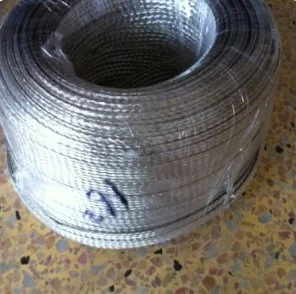
Stranded copper wire consists of multiple thin strands twisted together, providing greater flexibility. This variant is ideal for applications where movement or bending is required, such as in robotics or portable equipment.
Solid Copper Wire
Solid copper wire features a single solid strand, offering increased strength and conductivity. This type is commonly used in permanent installations where flexibility is less critical, such as in building electrical systems.
Bare Copper Wire
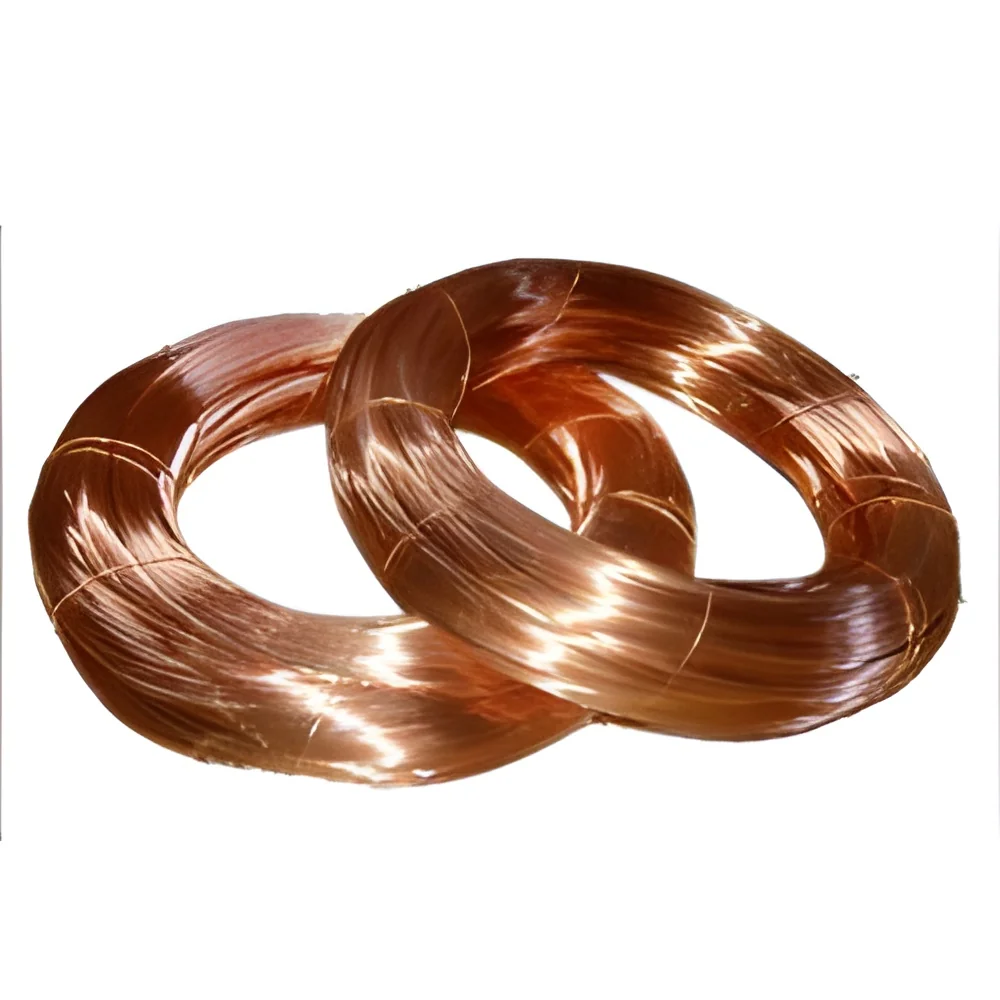
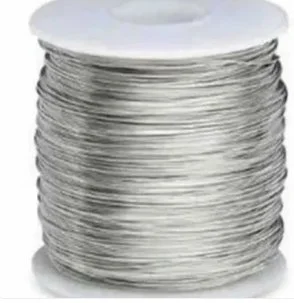
Bare copper wire is uninsulated and is often used for grounding applications. Its high conductivity makes it suitable for electrical grounding and bonding in various installations.
Enamelled Copper Wire
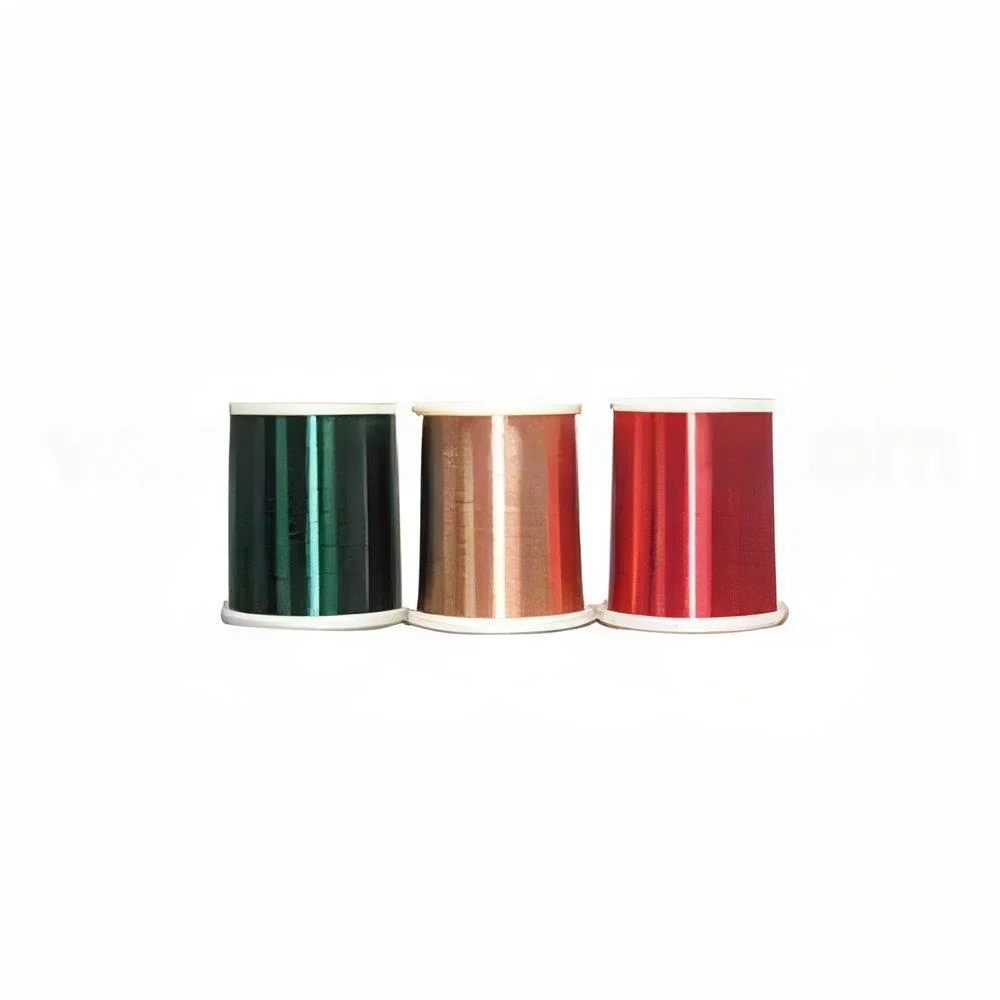
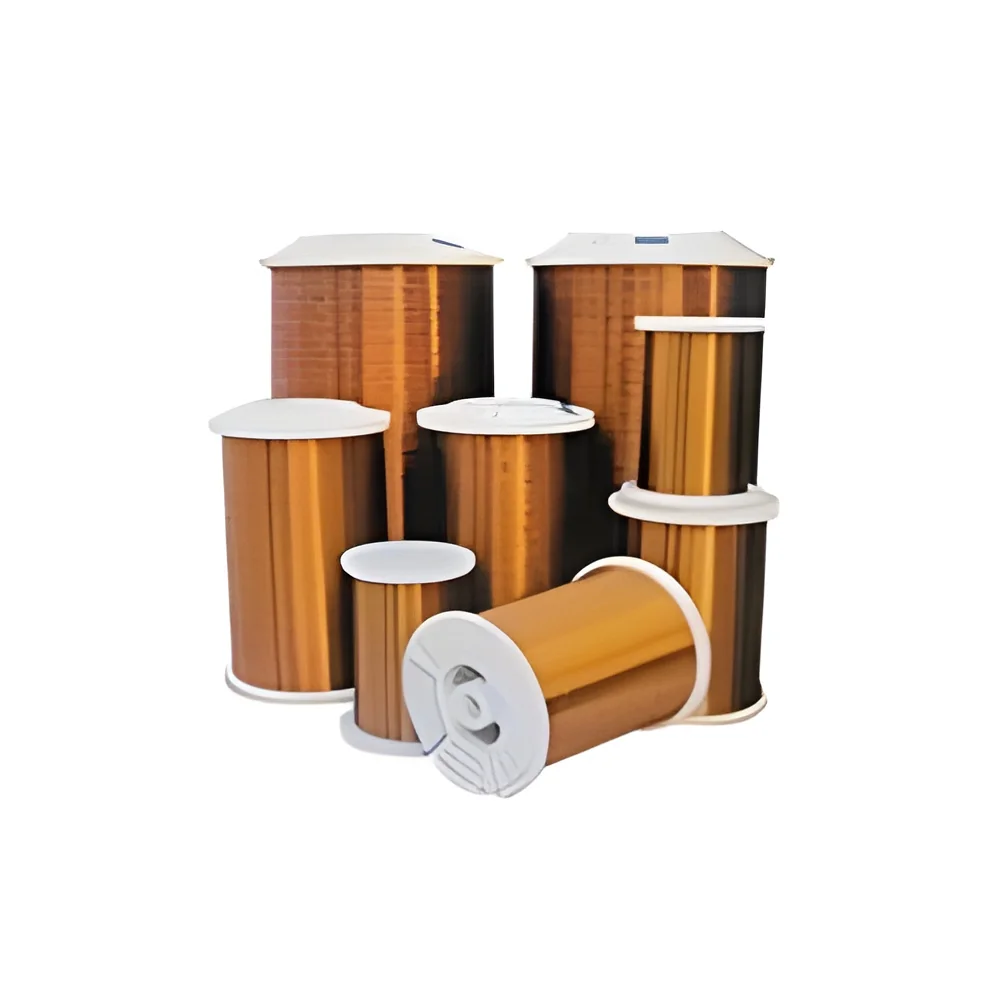
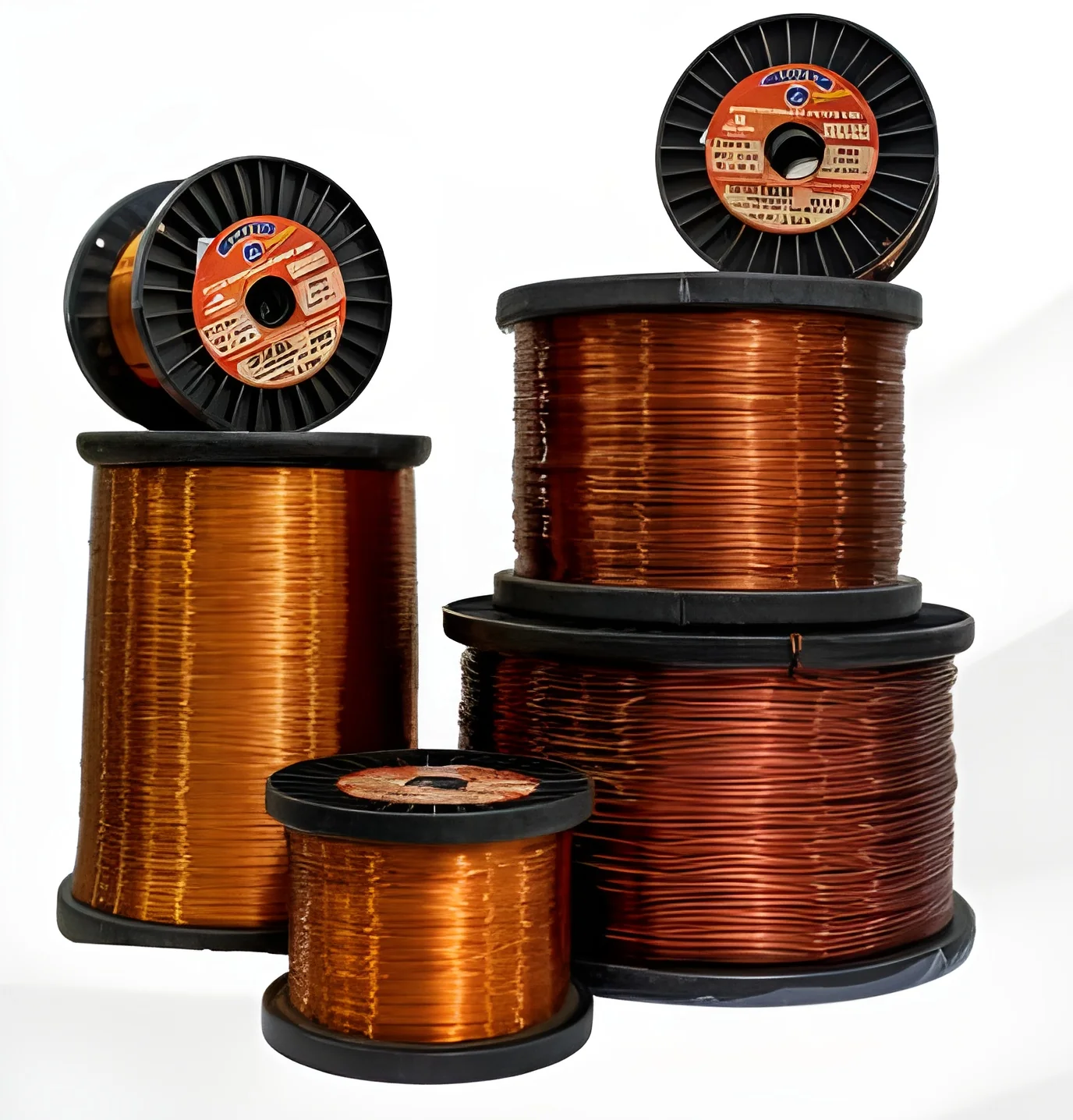
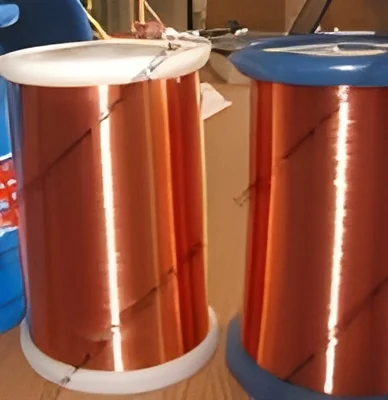
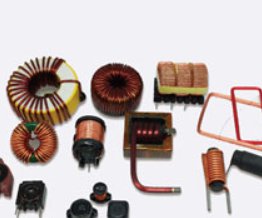
Enamelled copper wire is coated with a thin layer of insulation that provides excellent electrical insulation while maintaining conductivity. This variant is commonly used in applications like transformers and motors.
Benefits and Advantages
The use of copper wires comes with numerous benefits that enhance their value in industrial applications.
1. High Conductivity: Copper wires exhibit superior electrical conductivity compared to other metals, ensuring efficient energy transfer.
2. Durability: The natural properties of copper make these wires resistant to wear and corrosion, leading to a longer lifespan.
3. Flexibility: Copper wires are easy to bend and shape, making them suitable for complex installations and tight spaces.
4. Excellent Thermal Conductivity: Copper wires can efficiently dissipate heat, reducing the risk of overheating in electrical applications.
5. Versatile Applications: Their adaptability allows copper wires to be used across various industries, from construction to electronics.
6. Cost-Effectiveness: Although the initial investment may be higher, the long-term performance and durability of copper wires often lead to lower overall costs.
Buying Guide for B2B Buyers
When sourcing copper wires, several factors should be considered to ensure the right choice for your business needs.
1. Quality Assessment: Evaluate the quality of copper wires based on specifications such as conductivity, tensile strength, and compliance with standards. Look for suppliers who provide detailed product information.
2. Supplier Verification: Vet potential suppliers by checking their certifications, customer reviews, and industry reputation. This ensures you partner with reliable and trustworthy manufacturers.
3. Pricing and MOQ: Consider the cost of copper wires, including potential bulk discounts. Be aware of the minimum order quantities (MOQ) set by suppliers, which can influence purchasing decisions.
4. Delivery and Lead Times: Assess the logistics involved in procurement. Understanding delivery schedules and lead times is crucial for project planning and execution.
5. Compliance Requirements: Ensure that the copper wires meet relevant compliance and regulatory requirements. This includes certifications such as CE that guarantee product safety and quality.
Compliance and Certifications
Copper wires must adhere to several quality standards and certifications to ensure safety and reliability. ISO 9001 is a widely recognized standard that focuses on quality management systems, ensuring that suppliers maintain high production standards.
Additionally, CE certification is essential for products sold in the European market, indicating that they meet health, safety, and environmental protection standards.
Safety and testing requirements for copper wires include assessments for electrical safety, thermal performance, and corrosion resistance.
Regionally, compliance considerations may vary. It is important for buyers to be aware of local regulations that may impact their sourcing decisions, particularly in industries such as construction and electronics.
Why Source Copper Wires from Pepagora?
Pepagora provides a trusted platform for sourcing copper wires, offering several key advantages that enhance the purchasing experience for businesses.
Verified Supplier Network: Pepagora connects buyers with a network of verified suppliers, ensuring a reliable source of high-quality copper wires. This reduces the risks associated with sourcing from unknown vendors.
Streamlined RFQ Process: The platform features a user-friendly Request for Quotation (RFQ) system, allowing businesses to easily compare prices and specifications from multiple suppliers. This simplifies the decision-making process and enhances transparency in procurement.
Trade Assurance and Support: Buyers receive trade assurance, protecting their investments and ensuring that products meet agreed-upon specifications. Comprehensive support is available to assist buyers throughout the purchasing journey.
Regional Coverage: Pepagora's geographic reach spans India, the GCC region, and Southeast Asia, allowing businesses to access a diverse range of suppliers and products tailored to their specific needs. This broad coverage ensures that buyers can find the right copper wires for their applications, regardless of location.

 IN
IN