
 IN
INMetal Ingots, Sheets, Rods & Wires
479 products available
𝗪𝗵𝗮𝘁 𝗮𝗿𝗲 𝗠𝗲𝘁𝗮𝗹 𝗜𝗻𝗴𝗼𝘁𝘀, 𝗦𝗵𝗲𝗲𝘁𝘀, 𝗥𝗼𝗱𝘀 & 𝗪𝗶𝗿𝗲𝘀?
𝗞𝗲𝘆 𝗙𝗲𝗮𝘁𝘂𝗿𝗲𝘀 𝗮𝗻𝗱 𝗦𝗽𝗲𝗰𝗶𝗳𝗶𝗰𝗮𝘁𝗶𝗼𝗻𝘀
𝗖𝗼𝗺𝗺𝗼𝗻 𝗔𝗽𝗽𝗹𝗶𝗰𝗮𝘁𝗶𝗼𝗻𝘀 𝗮𝗻𝗱 𝗨𝘀𝗲 𝗖𝗮𝘀𝗲𝘀
𝗣𝗿𝗼𝗱𝘂𝗰𝘁 𝗩𝗮𝗿𝗶𝗮𝗻𝘁𝘀 𝗮𝗻𝗱 𝗦𝘂𝗯𝗰𝗮𝘁𝗲𝗴𝗼𝗿𝗶𝗲𝘀
𝗕𝗲𝗻𝗲𝗳𝗶𝘁𝘀 𝗮𝗻𝗱 𝗔𝗱𝘃𝗮𝗻𝘁𝗮𝗴𝗲𝘀
𝗕𝘂𝘆𝗶𝗻𝗴 𝗚𝘂𝗶𝗱𝗲 𝗳𝗼𝗿 𝗕𝟮𝗕 𝗕𝘂𝘆𝗲𝗿𝘀
𝗖𝗼𝗺𝗽𝗹𝗶𝗮𝗻𝗰𝗲 𝗮𝗻𝗱 𝗖𝗲𝗿𝘁𝗶𝗳𝗶𝗰𝗮𝘁𝗶𝗼𝗻𝘀
𝗪𝗵𝘆 𝗦𝗼𝘂𝗿𝗰𝗲 𝗠𝗲𝘁𝗮𝗹 𝗜𝗻𝗴𝗼𝘁𝘀, 𝗦𝗵𝗲𝗲𝘁𝘀, 𝗥𝗼𝗱𝘀 & 𝗪𝗶𝗿𝗲𝘀 𝗳𝗿𝗼𝗺 𝗣𝗲𝗽𝗮𝗴𝗼𝗿𝗮?









Frequently Asked Questions
What are Metal Ingots, Sheets, Rods & Wires?
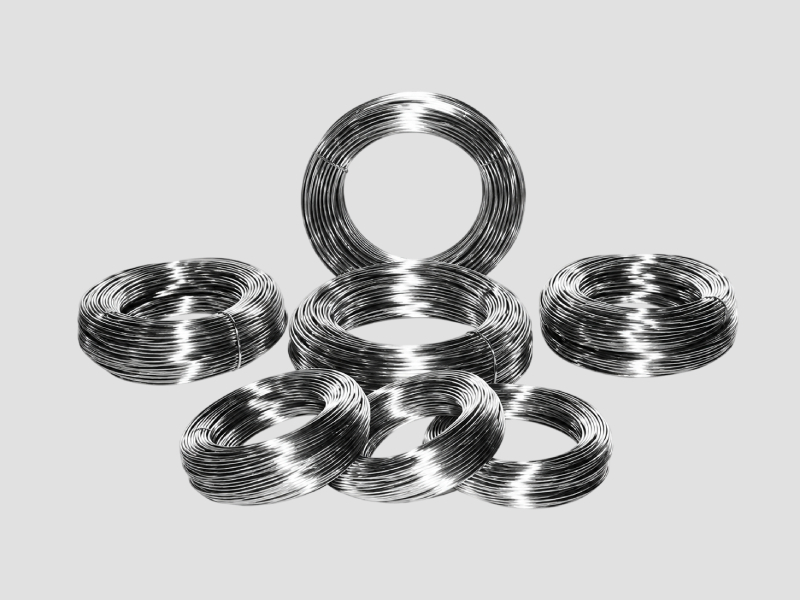
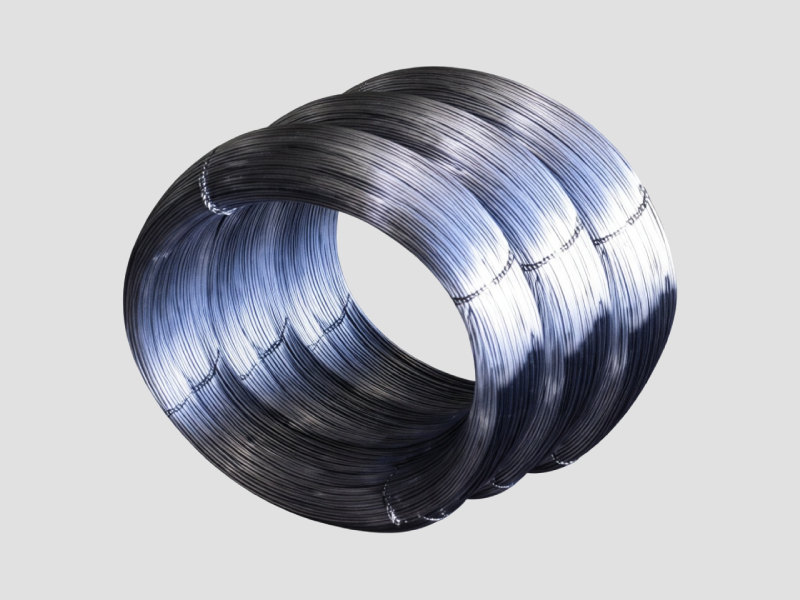
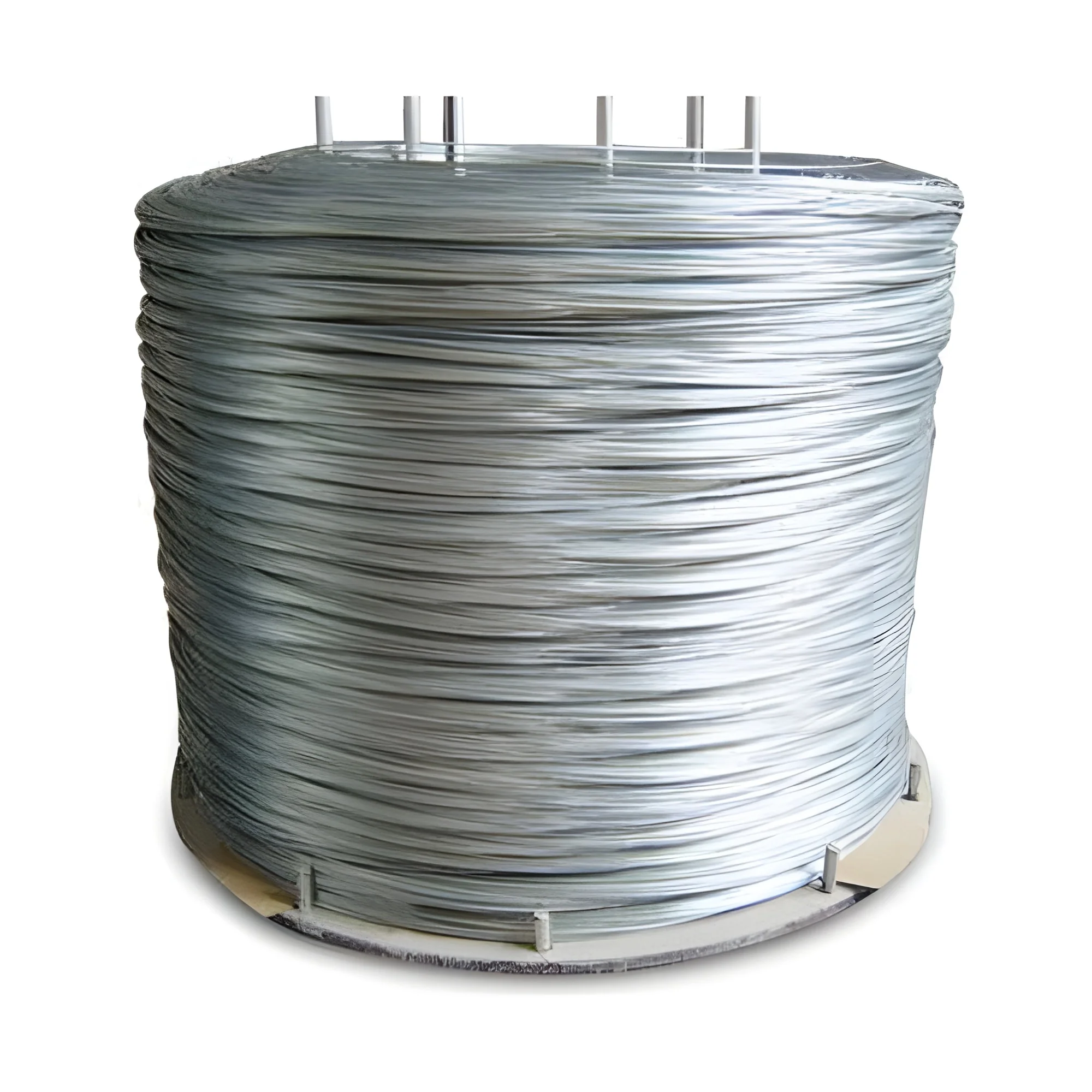
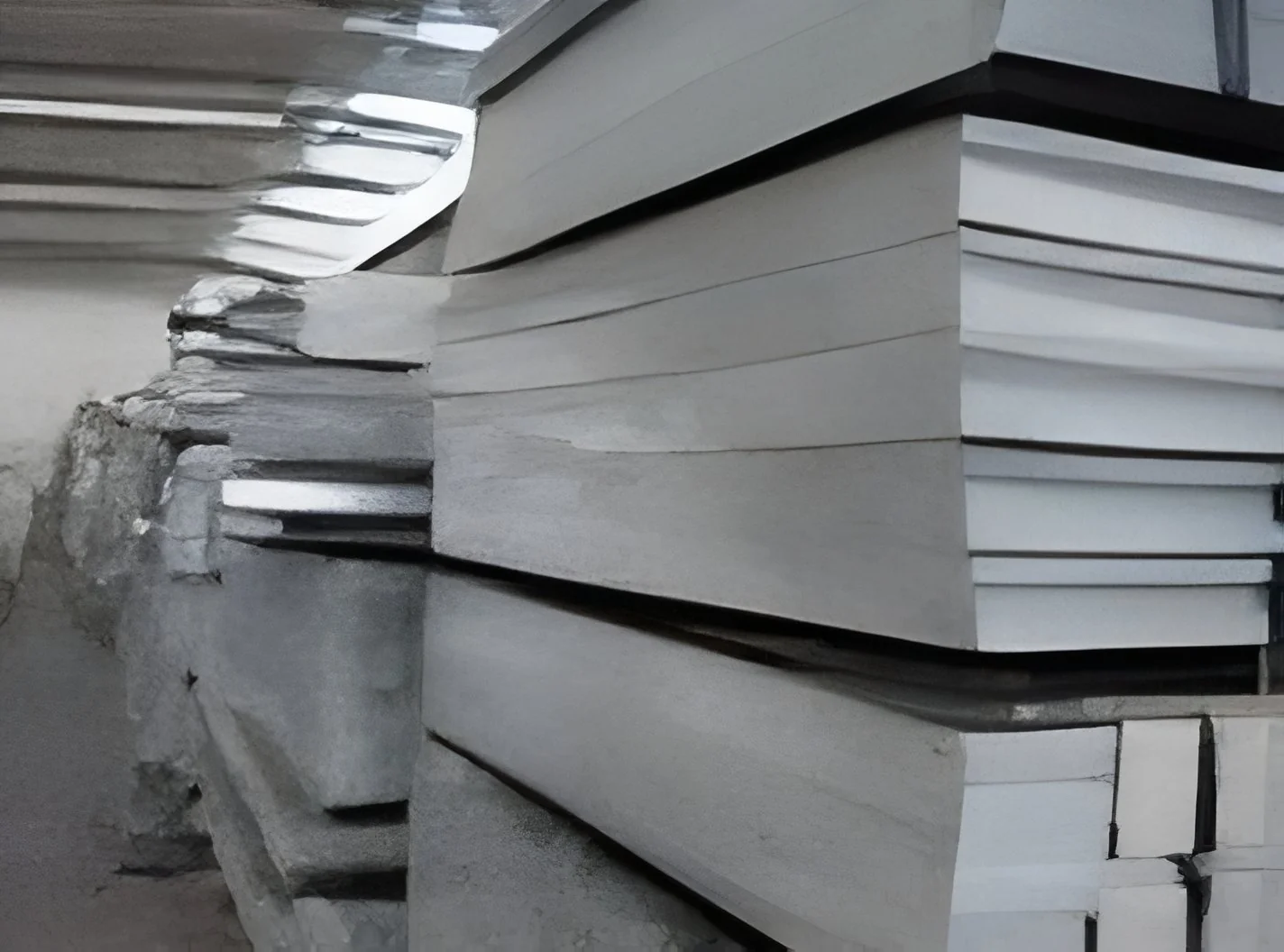
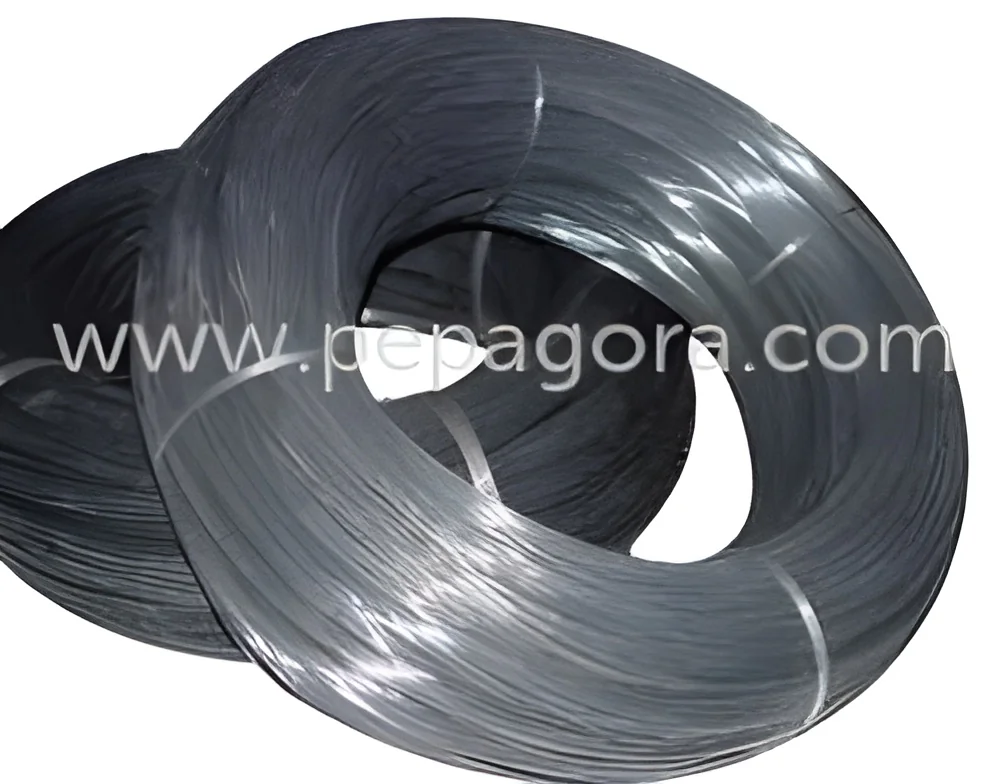
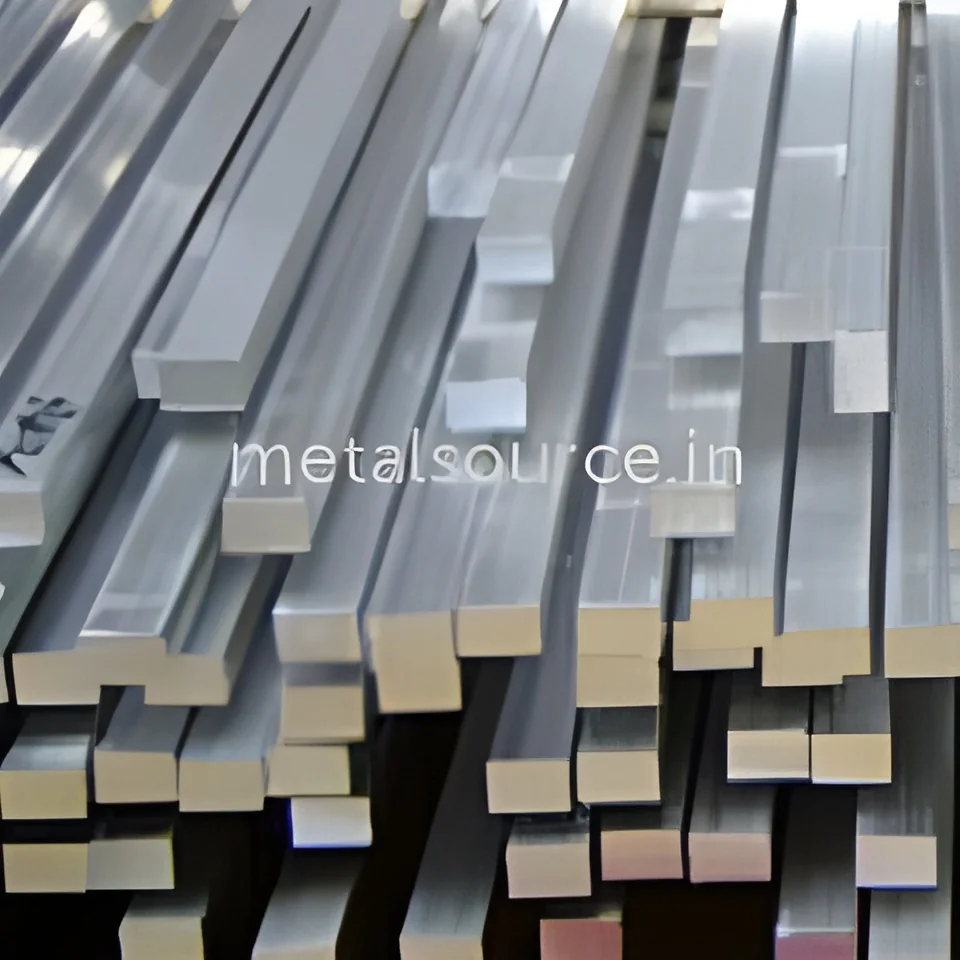
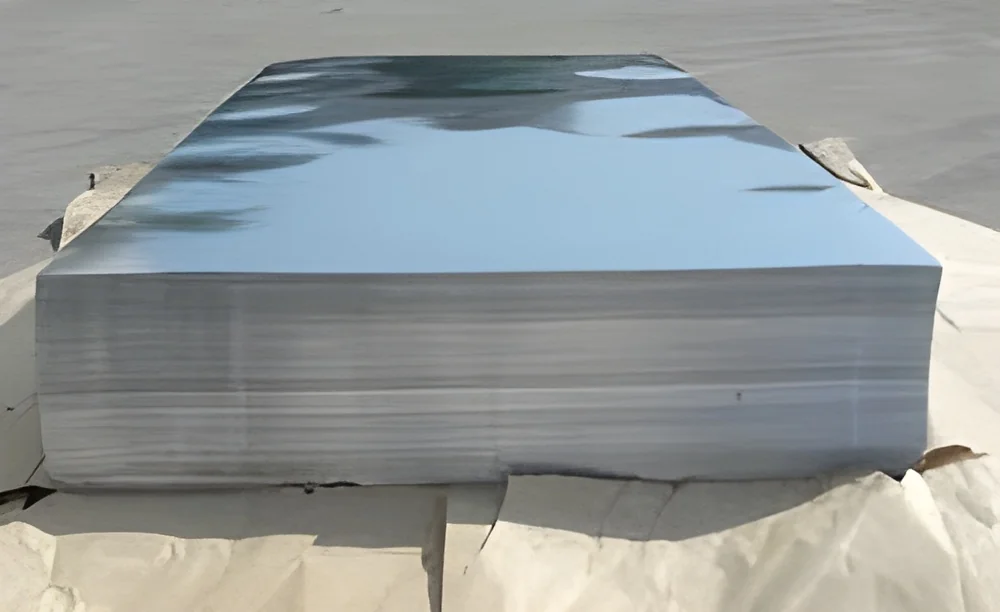
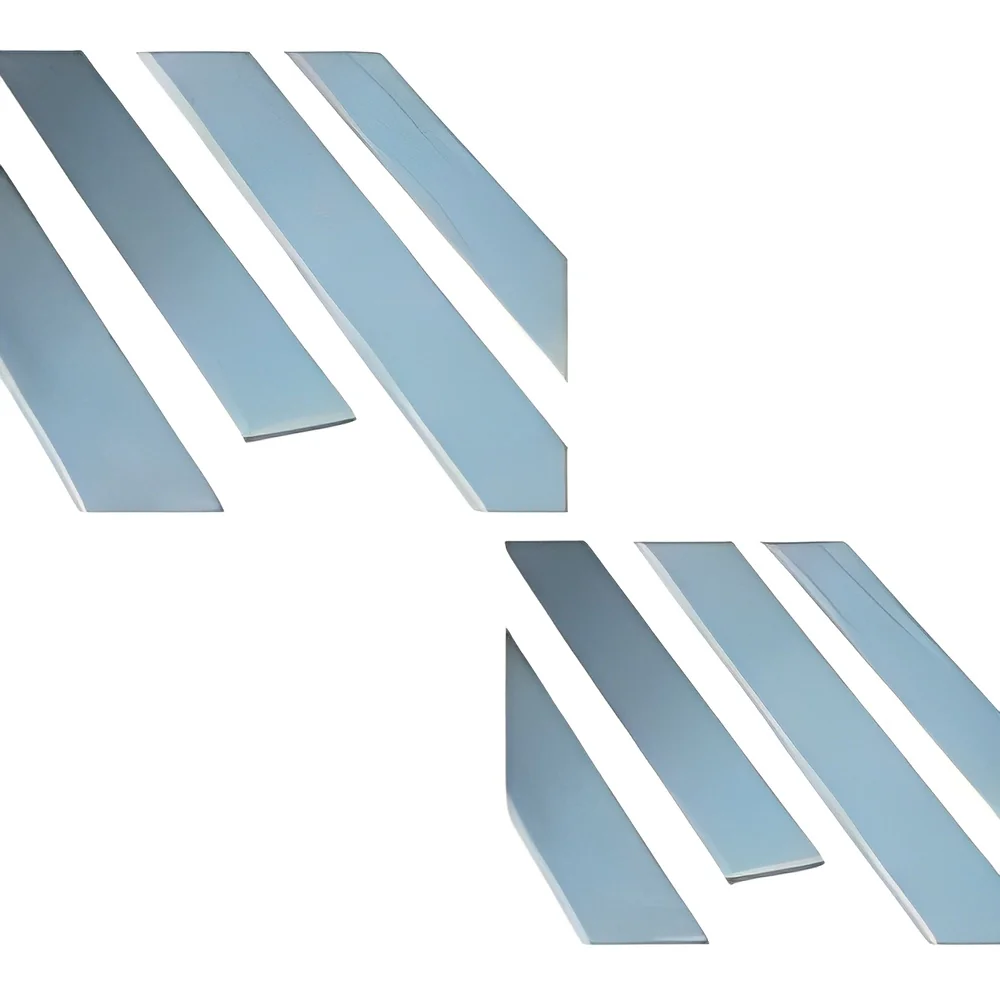
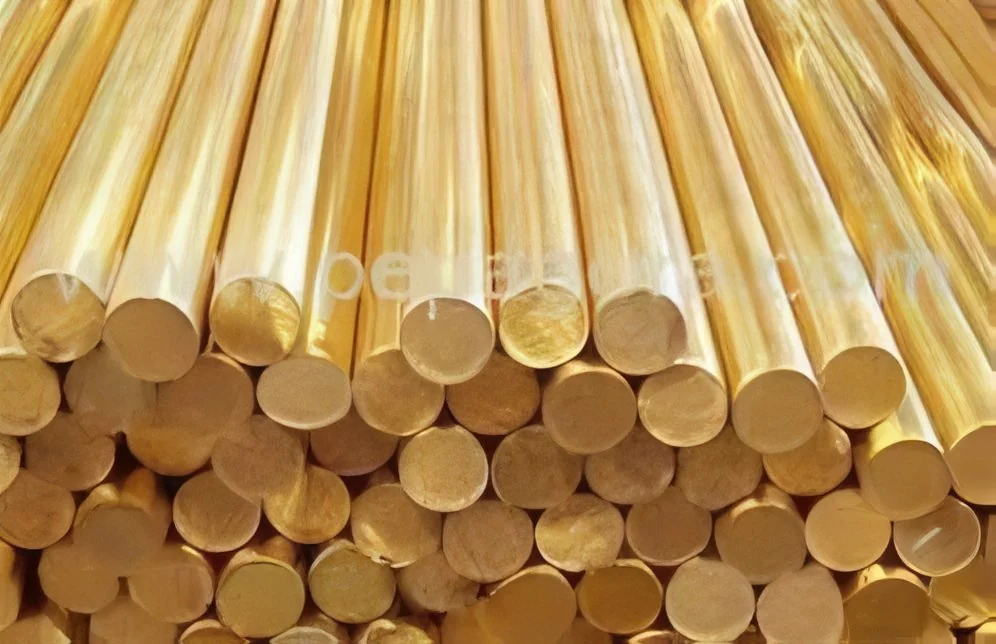
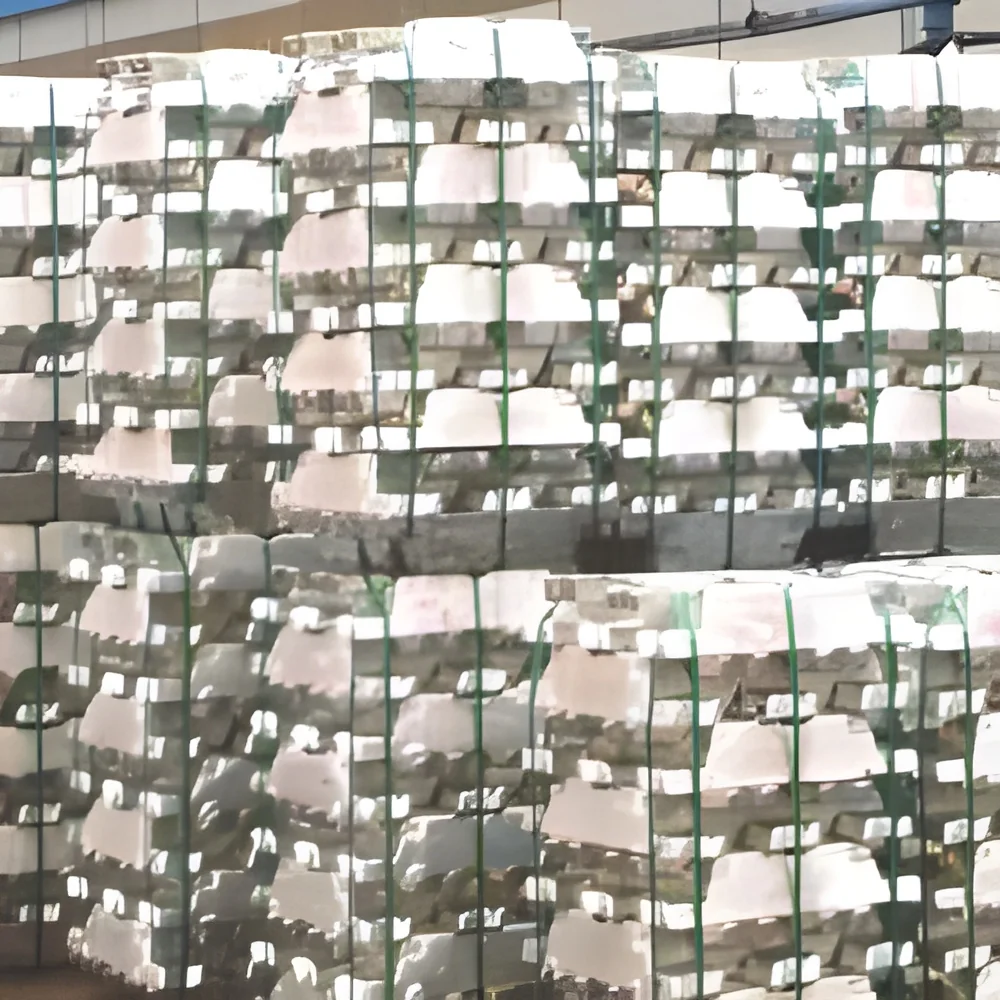
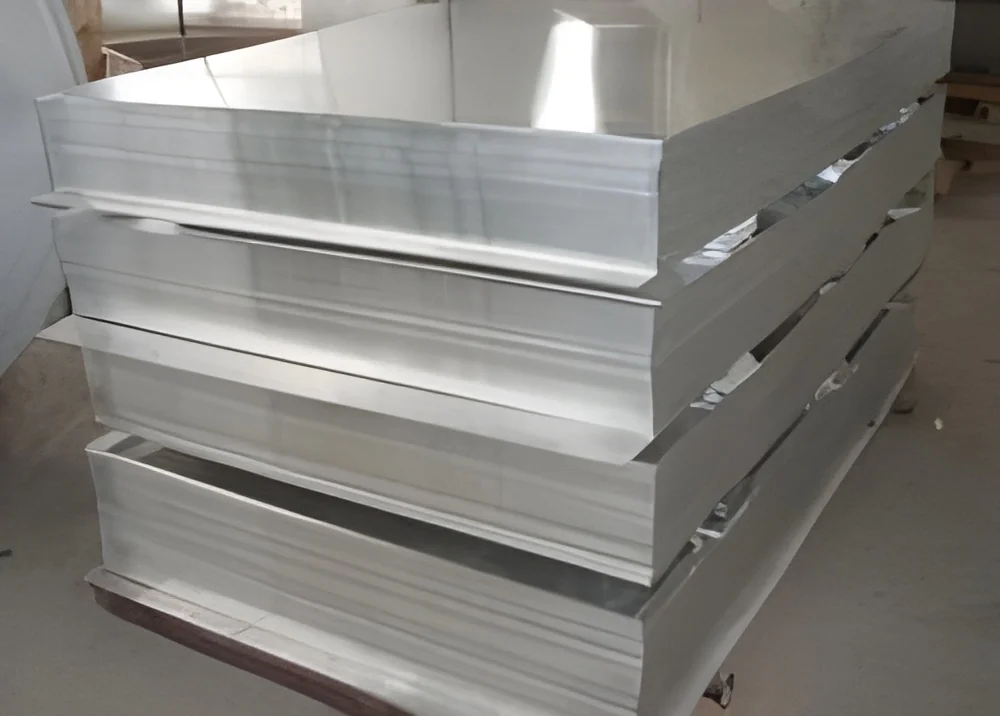
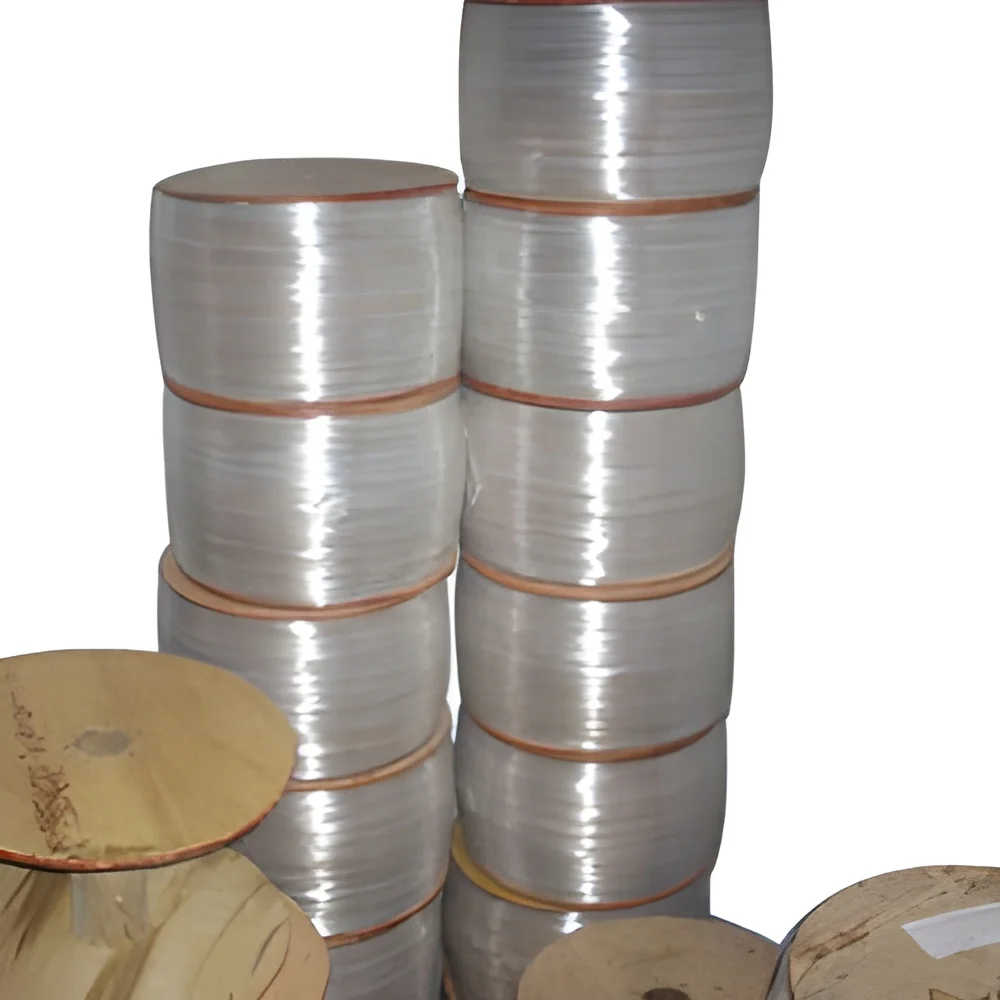
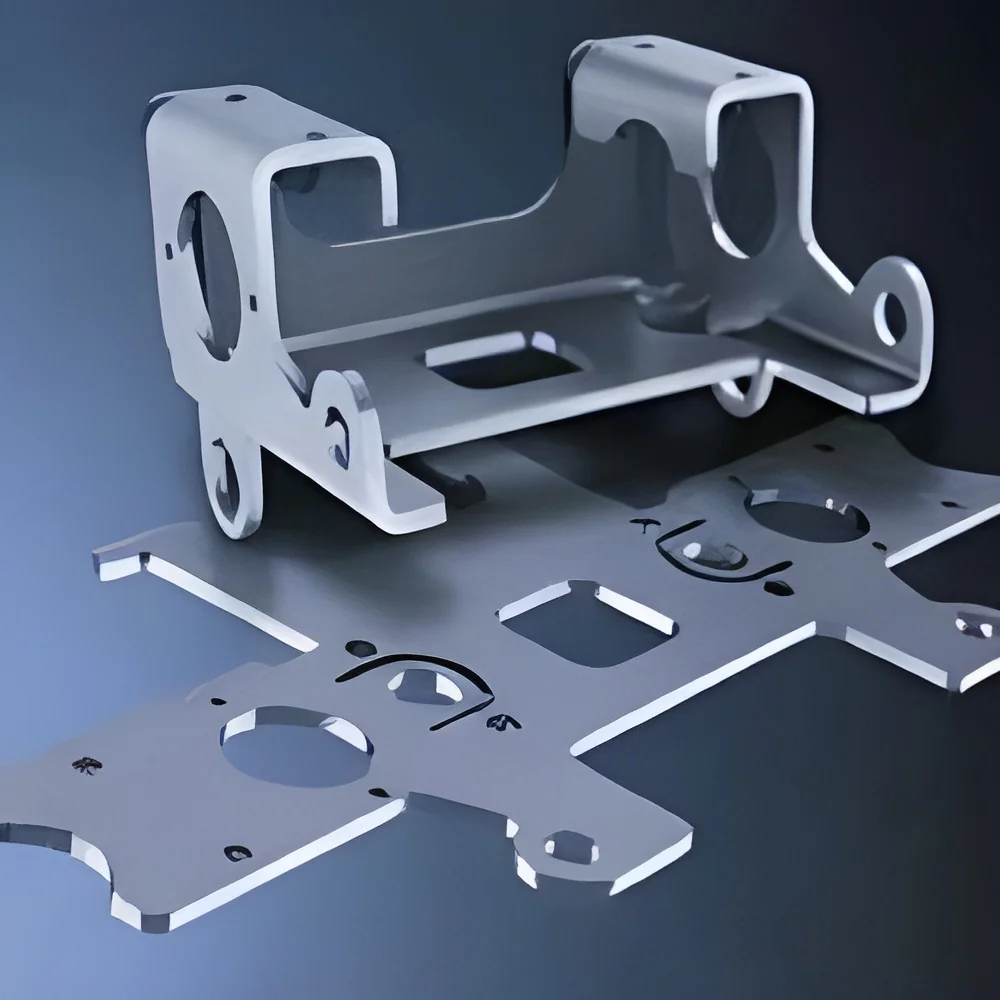
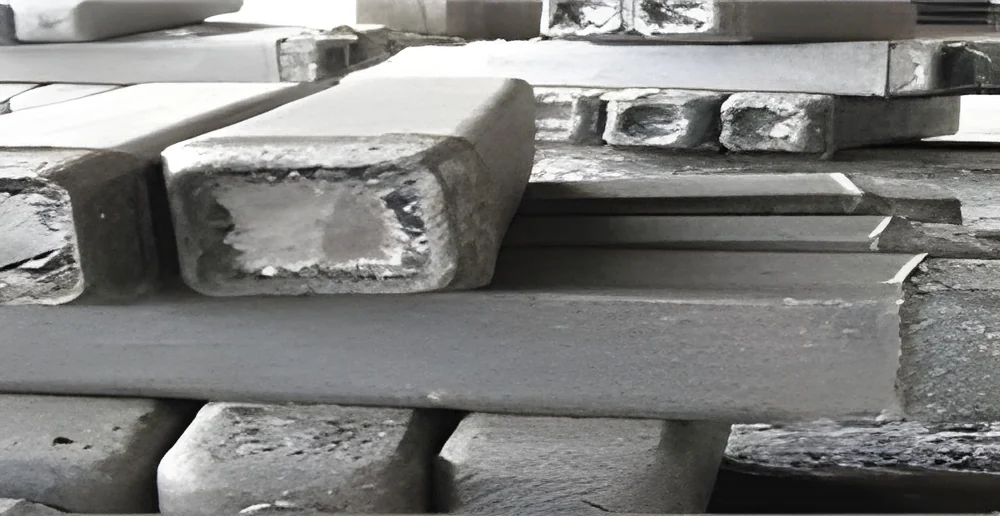
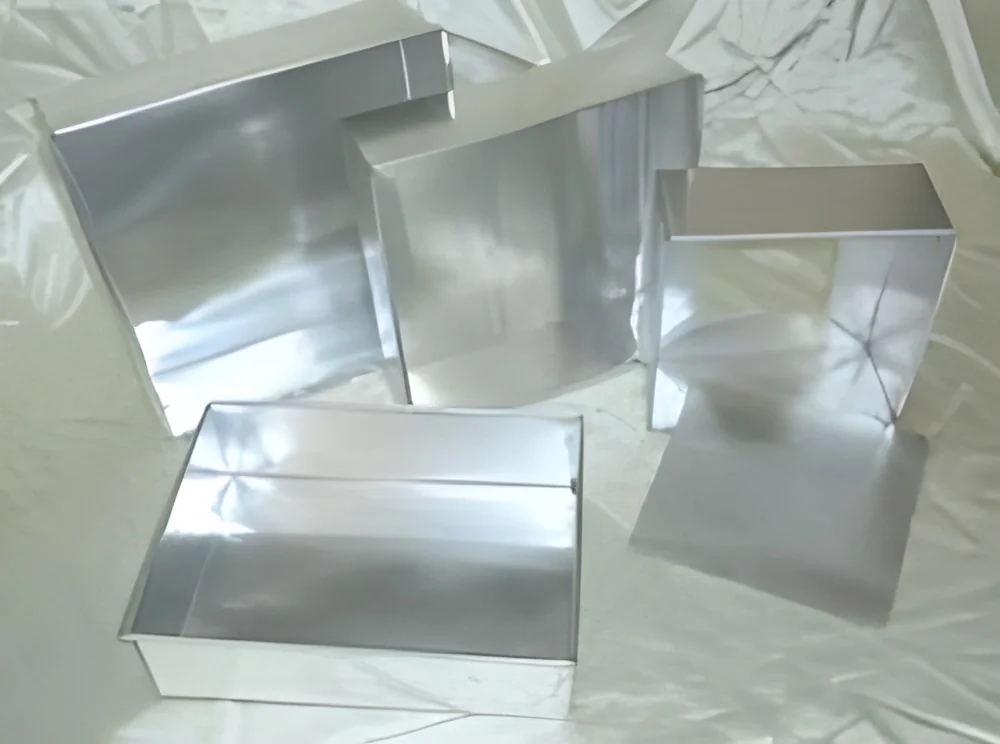
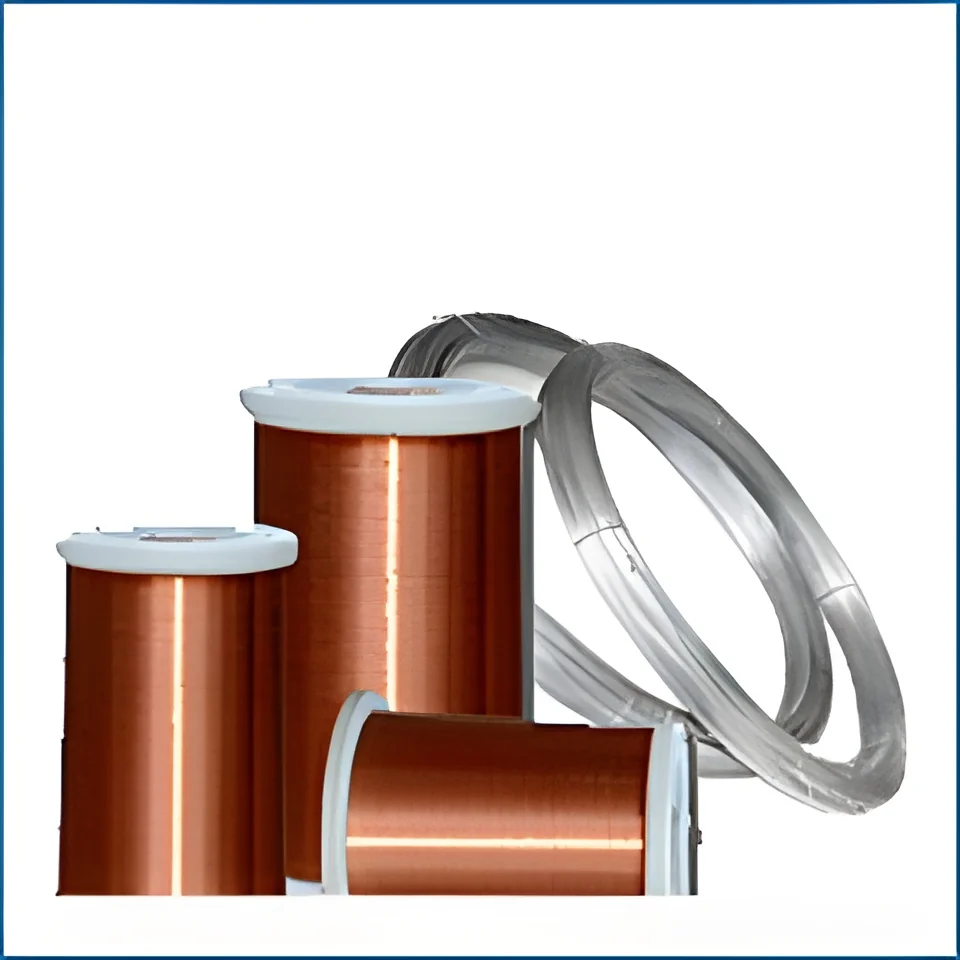
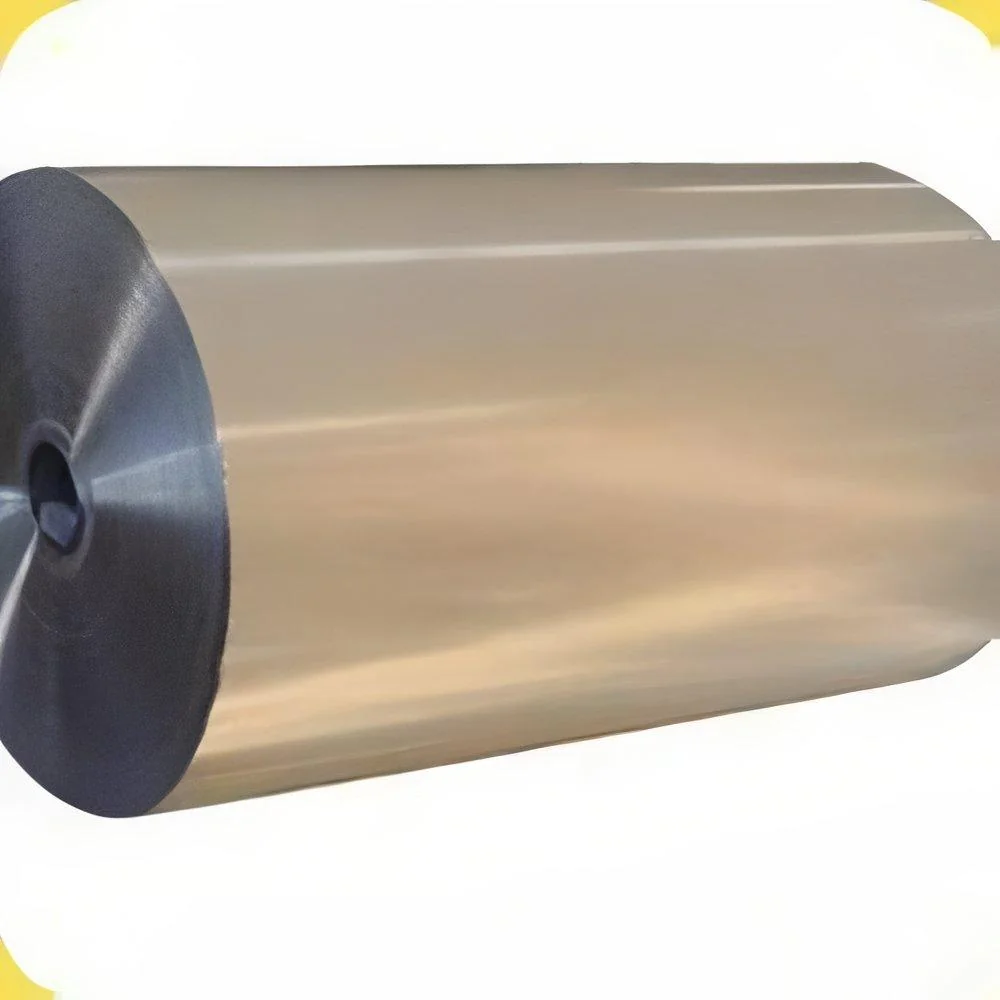
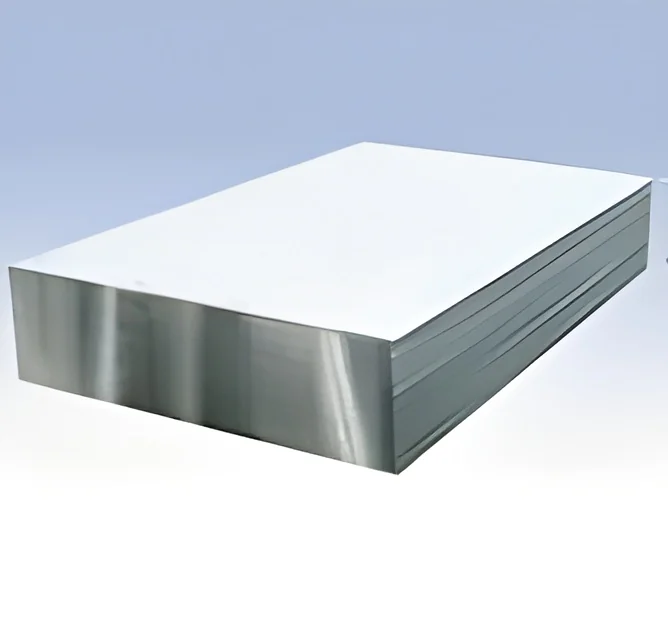
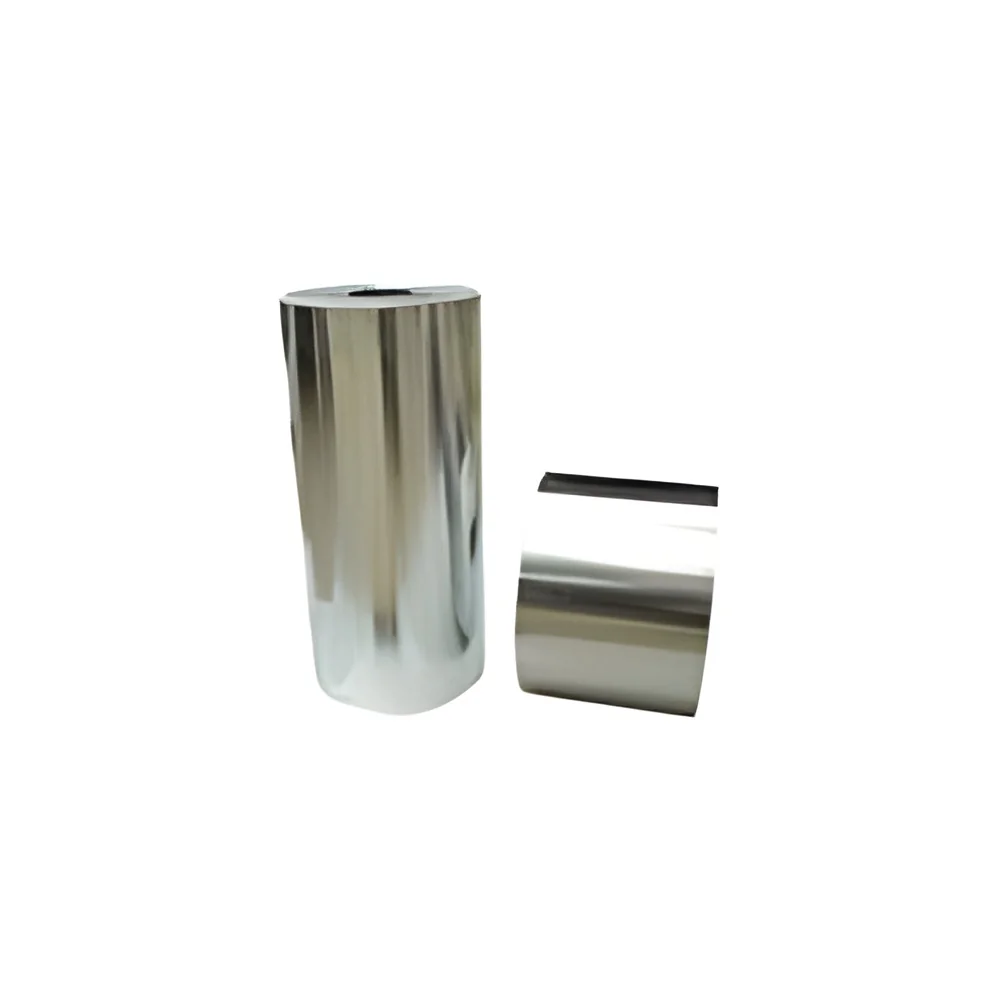
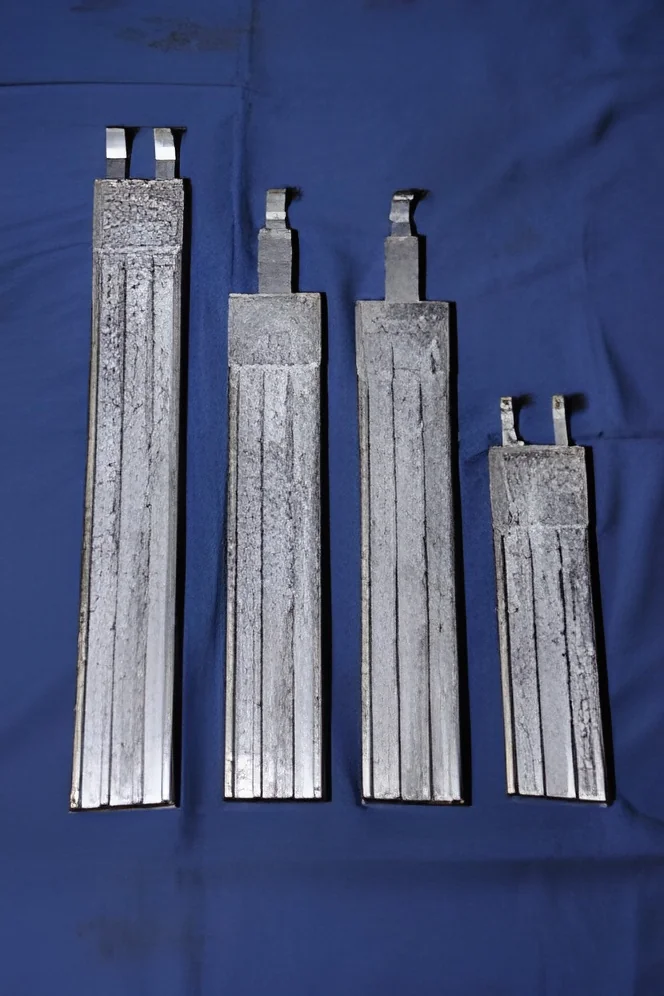
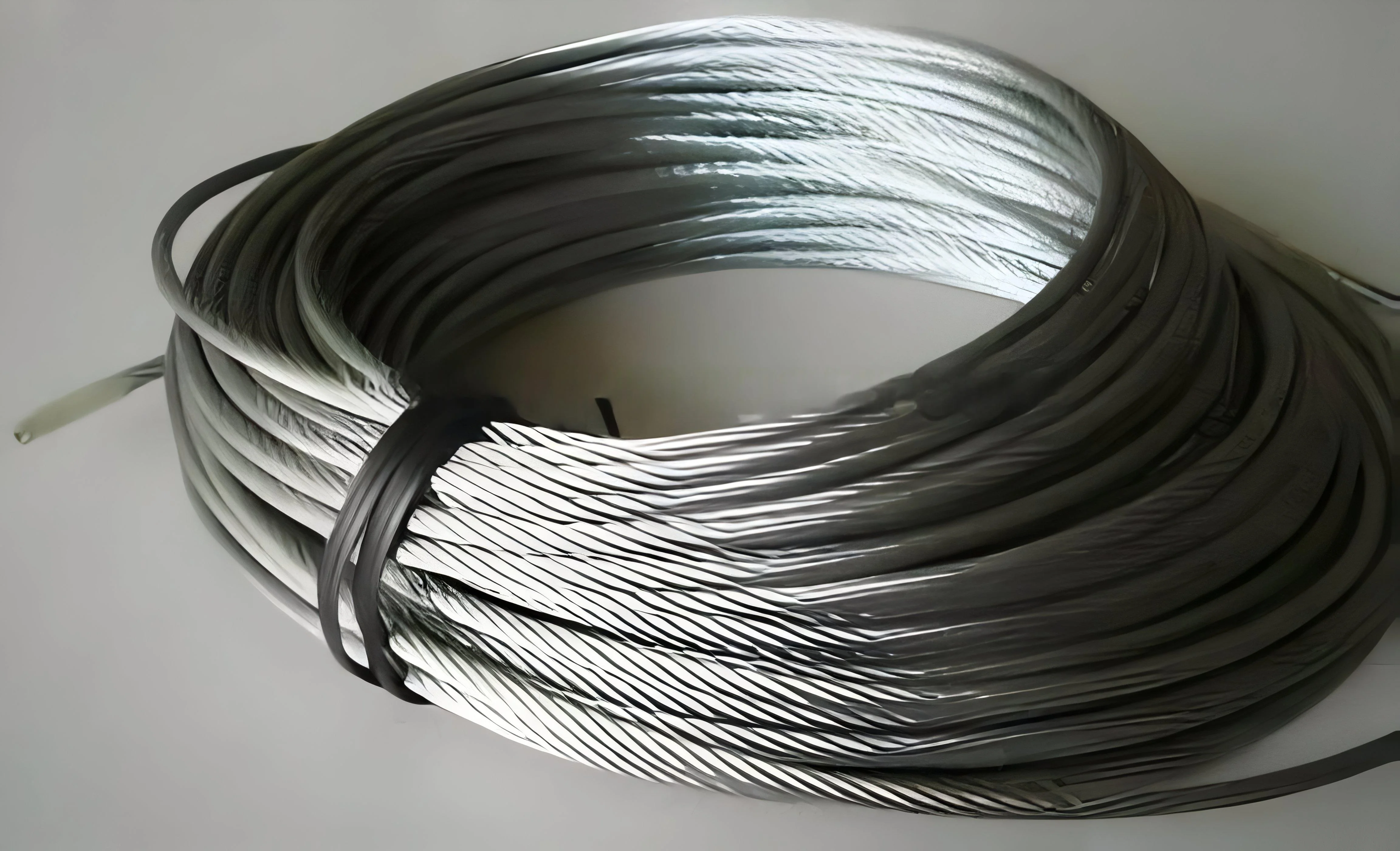
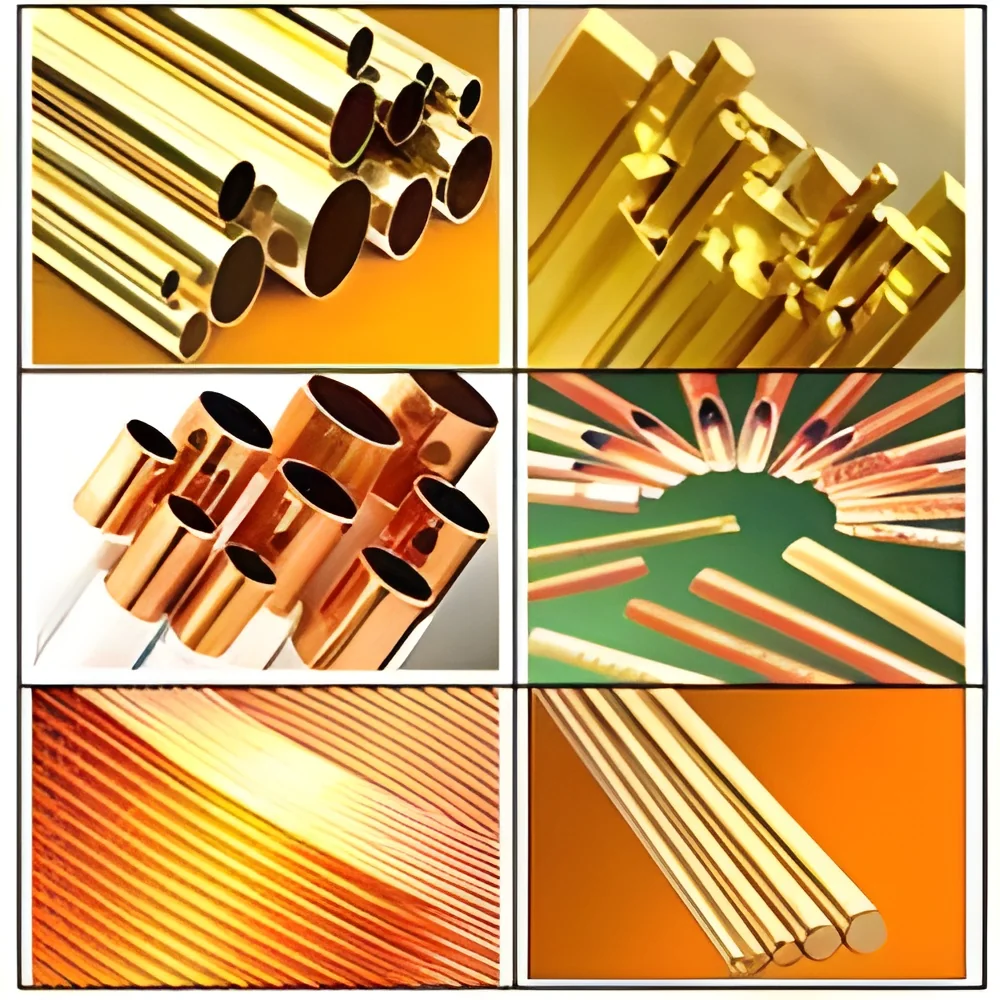
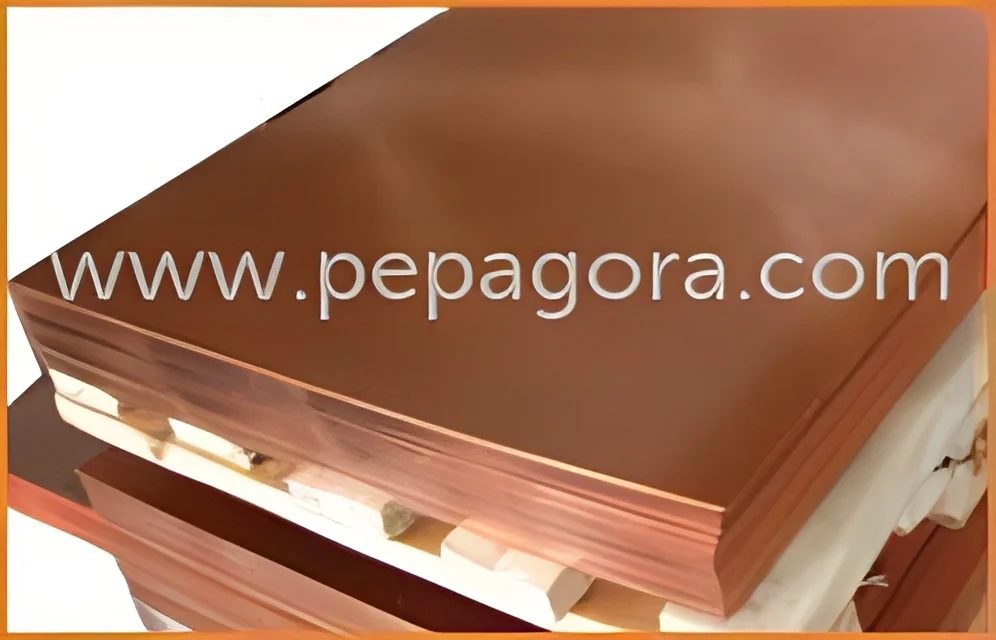
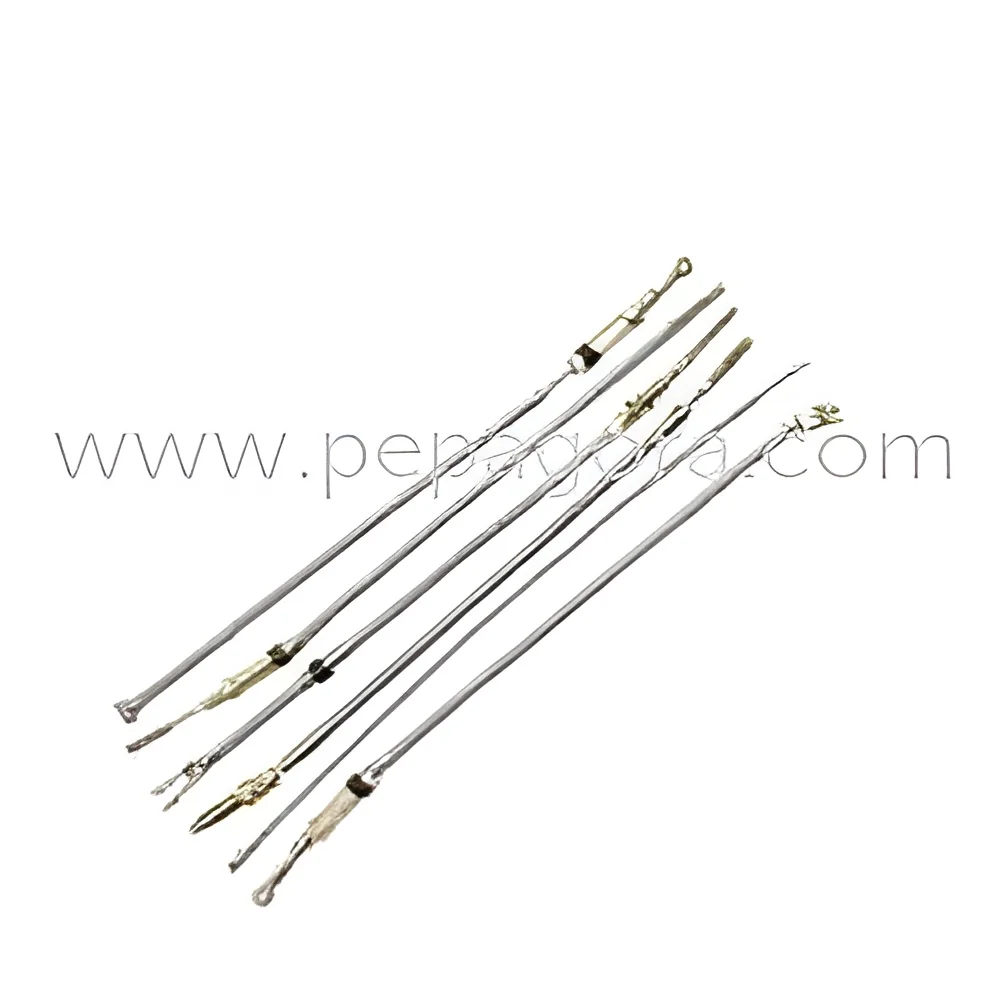
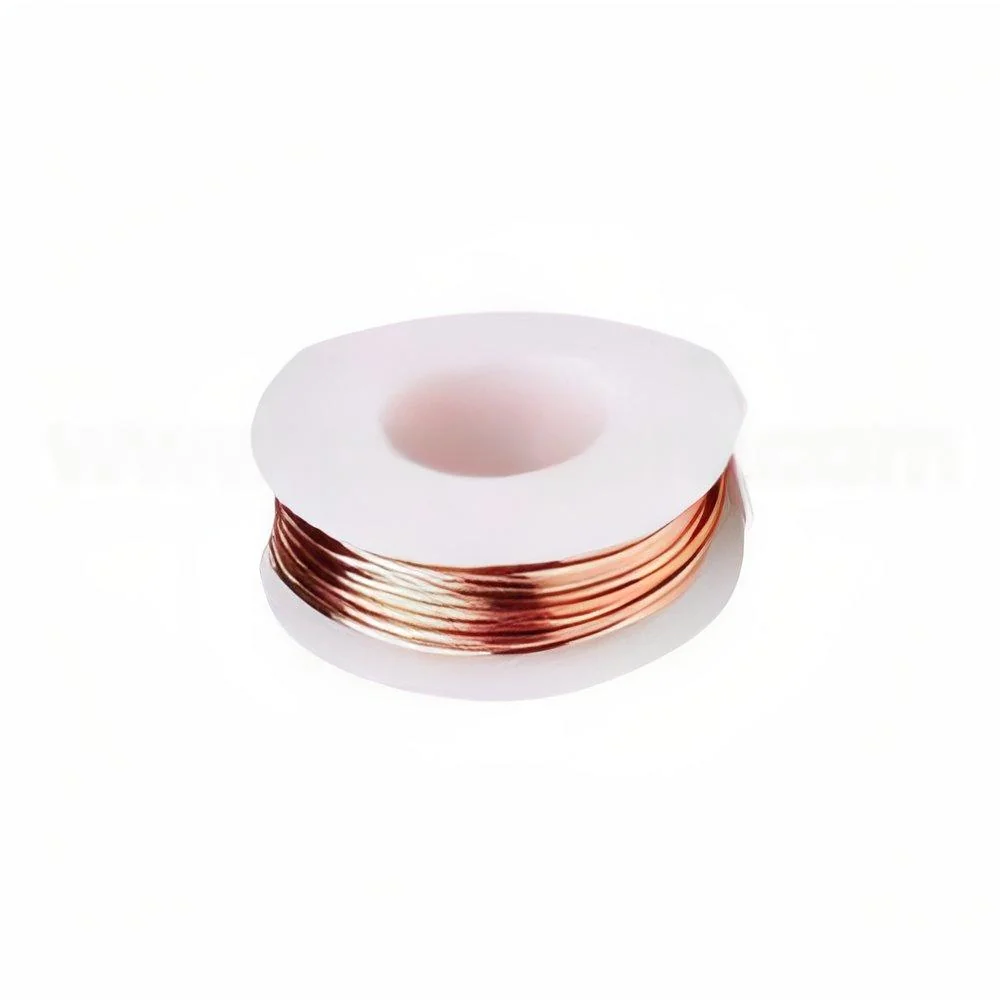
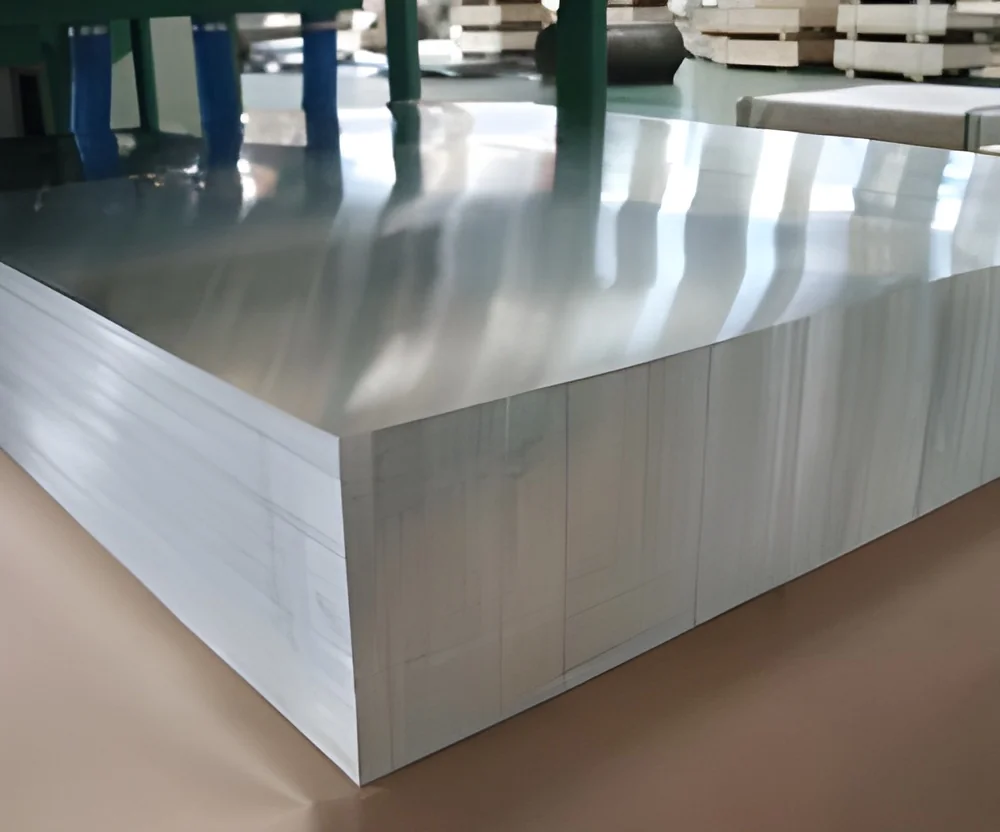
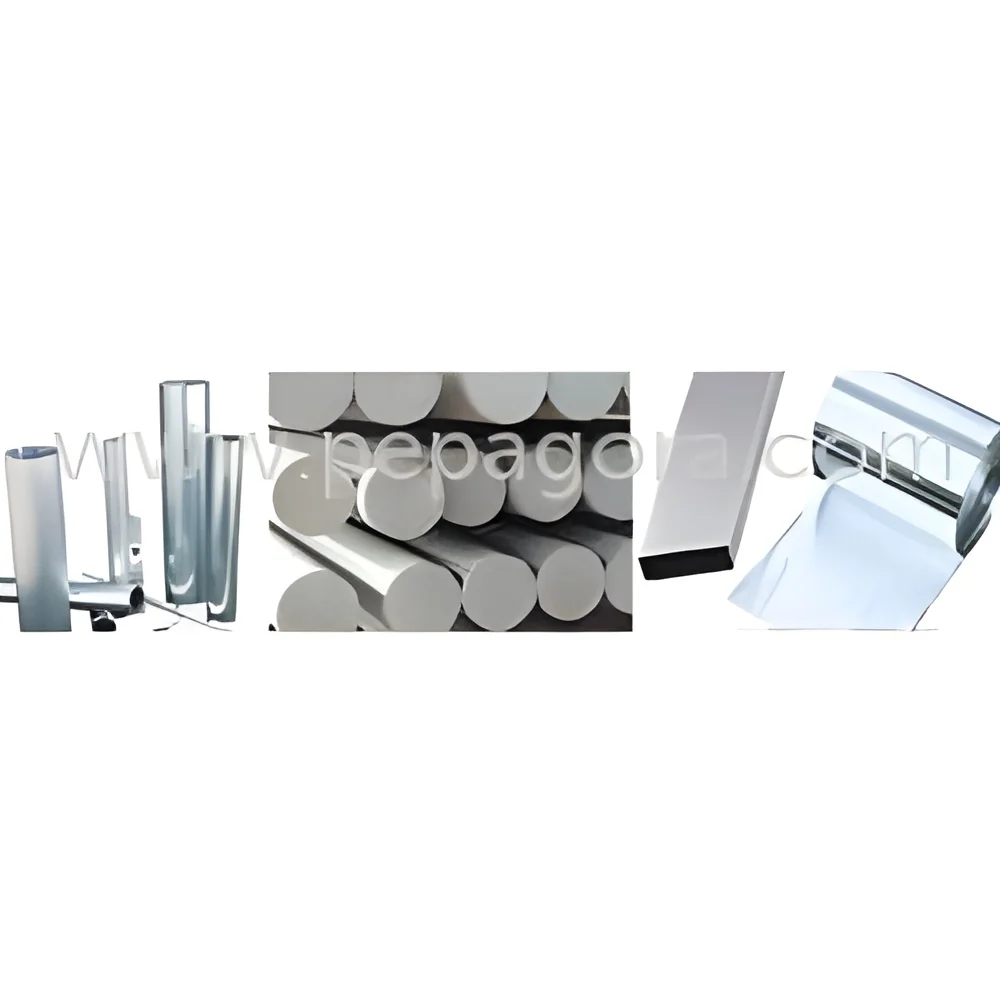
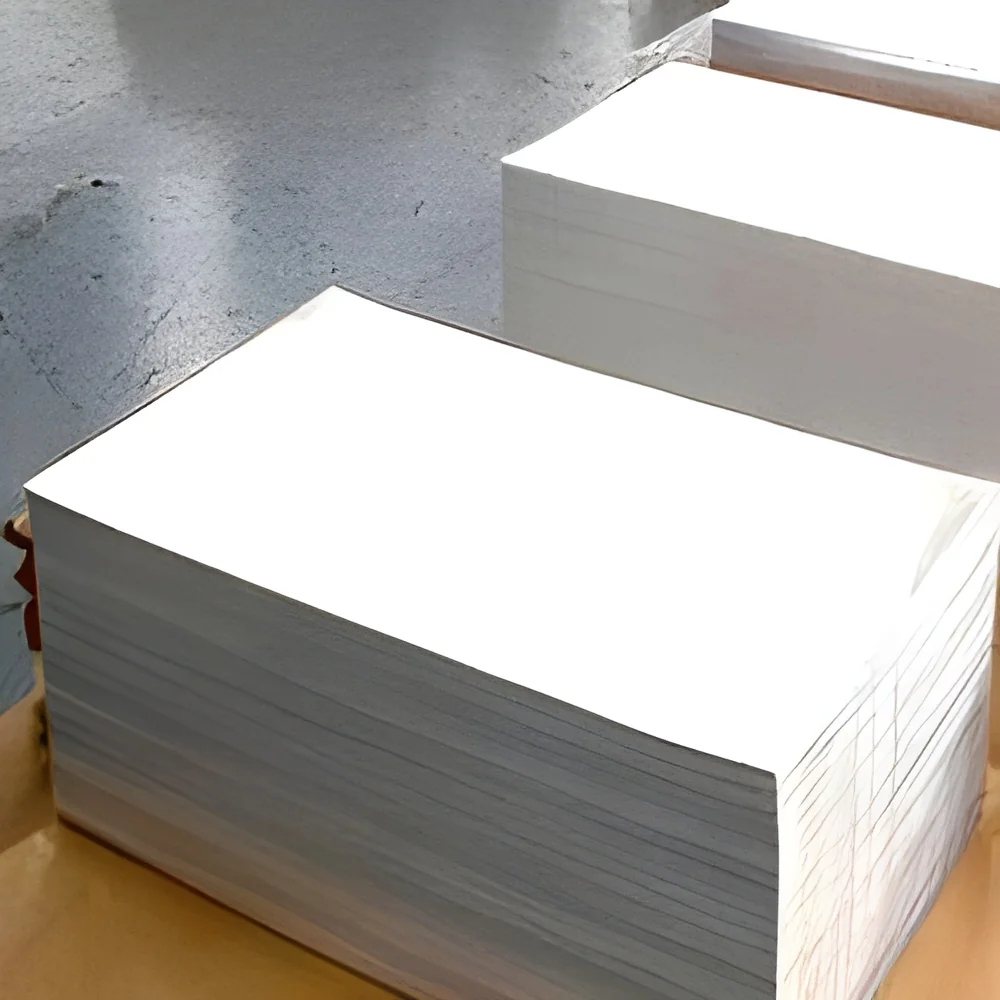
Metal Ingots, Sheets, Rods & Wires are basic forms of metal materials used in various industries. Ingots are solid metal blocks, while sheets are flat pieces, rods are long cylindrical forms, and wires are thin strands. These materials are essential in manufacturing, construction, and engineering applications.
What are the different types of Metal Ingots, Sheets, Rods & Wires?
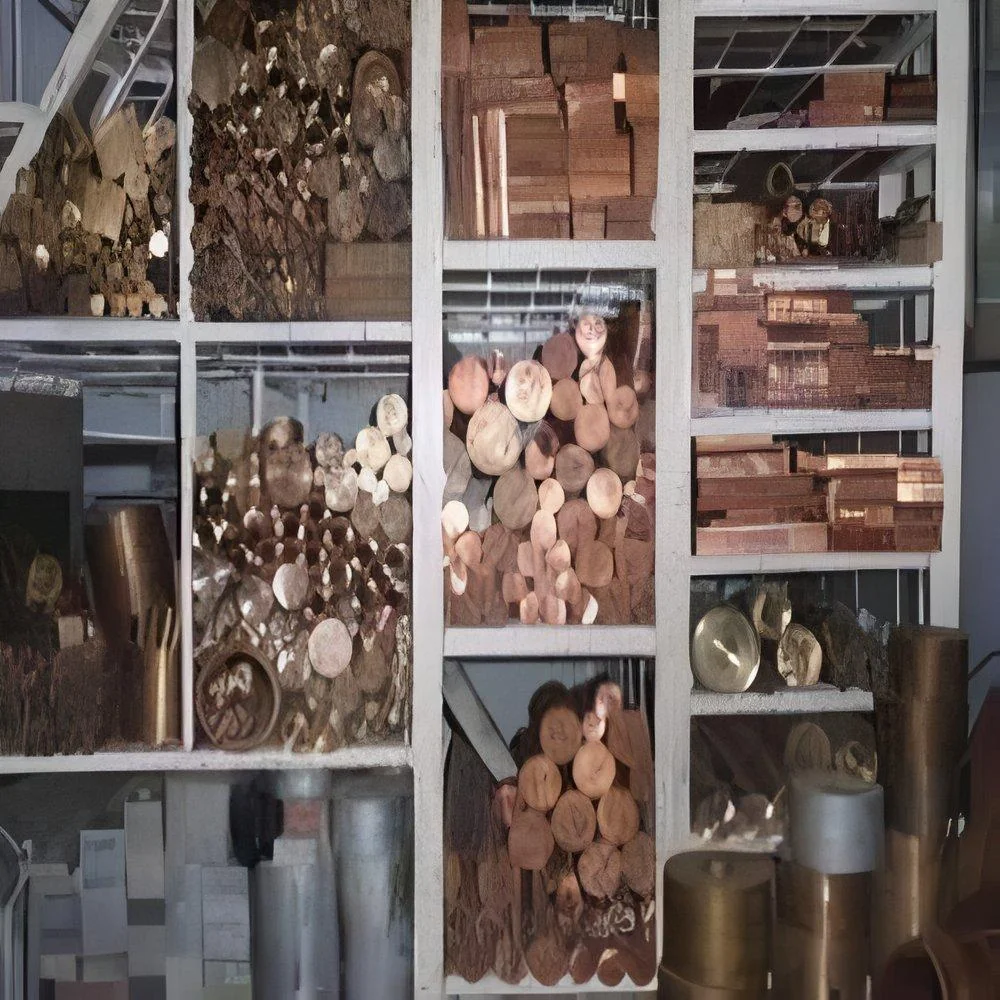
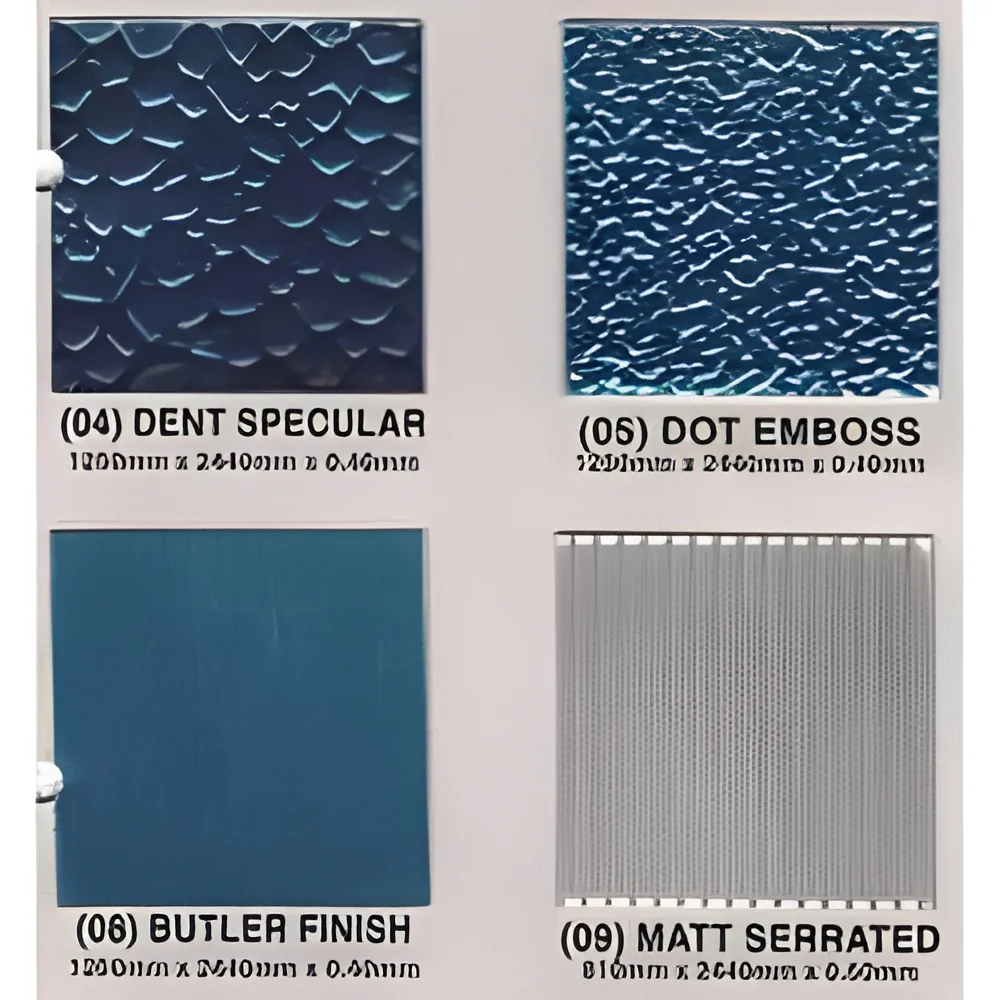
The different types of Metal Ingots, Sheets, Rods & Wires include aluminum, copper, steel, and titanium, among others. Each type has specific properties suited for various applications, such as conductivity, strength, and corrosion resistance. Additionally, they come in various sizes and thicknesses to meet industry standards.
How do I choose the right Metal Ingots, Sheets, Rods & Wires?
Choosing the right Metal Ingots, Sheets, Rods & Wires involves considering the specific requirements of your project. Factors such as the type of metal, dimensions, mechanical properties, and intended use should be evaluated. Consulting with suppliers or manufacturers for recommendations based on your application can also be beneficial.
What are the standard specifications for Metal Ingots, Sheets, Rods & Wires?
Standard specifications for Metal Ingots, Sheets, Rods & Wires vary by metal type and application, but commonly include dimensions, chemical composition, and mechanical properties. Specifications are often governed by industry standards such as ASTM, ISO, or BIS. It is essential to check these standards to ensure compliance with regulatory requirements.
What is the price range for Metal Ingots, Sheets, Rods & Wires?
The price range for Metal Ingots, Sheets, Rods & Wires can vary widely based on the type of metal, dimensions, and market conditions. Generally, prices can range from a few hundred to several thousand rupees per metric ton. It is advisable to check current market prices and obtain quotes from multiple suppliers.
What quality standards apply to Metal Ingots, Sheets, Rods & Wires?
Quality standards for Metal Ingots, Sheets, Rods & Wires are crucial for ensuring performance and safety. Common standards include ISO 9001 for quality management and various ASTM specifications for different metal types. Manufacturers often provide certification to confirm compliance with these standards.
Where can I find Metal Ingots, Sheets, Rods & Wires suppliers in India?
You can find Metal Ingots, Sheets, Rods & Wires suppliers in India through online B2B marketplaces like Pepagora, industry directories, or trade shows. Local metalworking associations and trade organizations may also provide listings of reliable suppliers. Researching and comparing multiple sources can help you identify the best options.
Can Metal Ingots, Sheets, Rods & Wires be customized?
Yes, Metal Ingots, Sheets, Rods & Wires can often be customized according to specific requirements. Customization may include alterations in dimensions, alloy composition, or surface finish based on the client's needs. It is recommended to discuss customization options with suppliers to ensure they can meet your specifications.
What is the typical minimum order quantity for Metal Ingots, Sheets, Rods & Wires?
The typical minimum order quantity (MOQ) for Metal Ingots, Sheets, Rods & Wires varies by supplier and product type. MOQs can range from a few kilograms for small items to several tons for larger orders. It is advisable to check with suppliers for their specific MOQs before placing an order.
What is the typical lead time for Metal Ingots, Sheets, Rods & Wires?
The typical lead time for Metal Ingots, Sheets, Rods & Wires can range from a few days to several weeks, depending on the supplier's inventory and manufacturing capabilities. Custom orders may take longer due to additional processing time. Always confirm lead times with suppliers to ensure timely delivery for your projects.
Why Businesses Trust Pepagora
Thousands of companies trust Pepagora to source smarter and sell faster
Expand Your Sales Globally

Source Smarter,Grow Faster
