What are Tin Ingots?
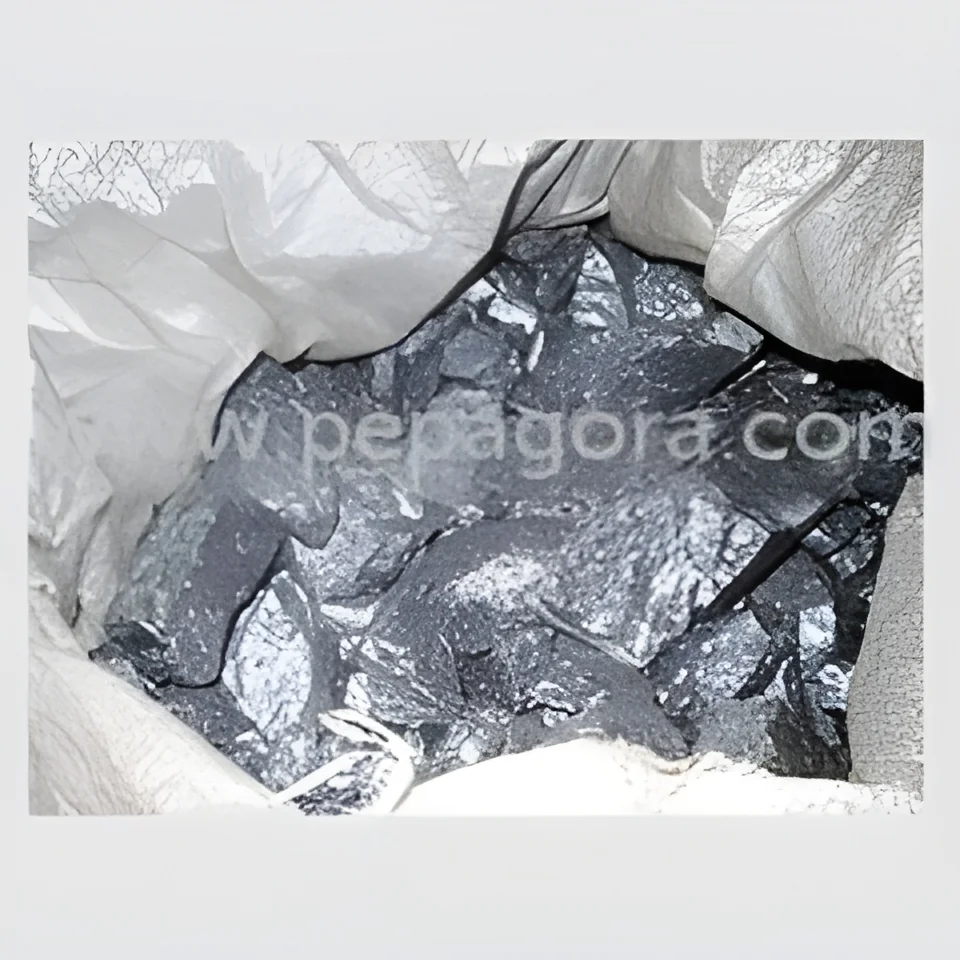
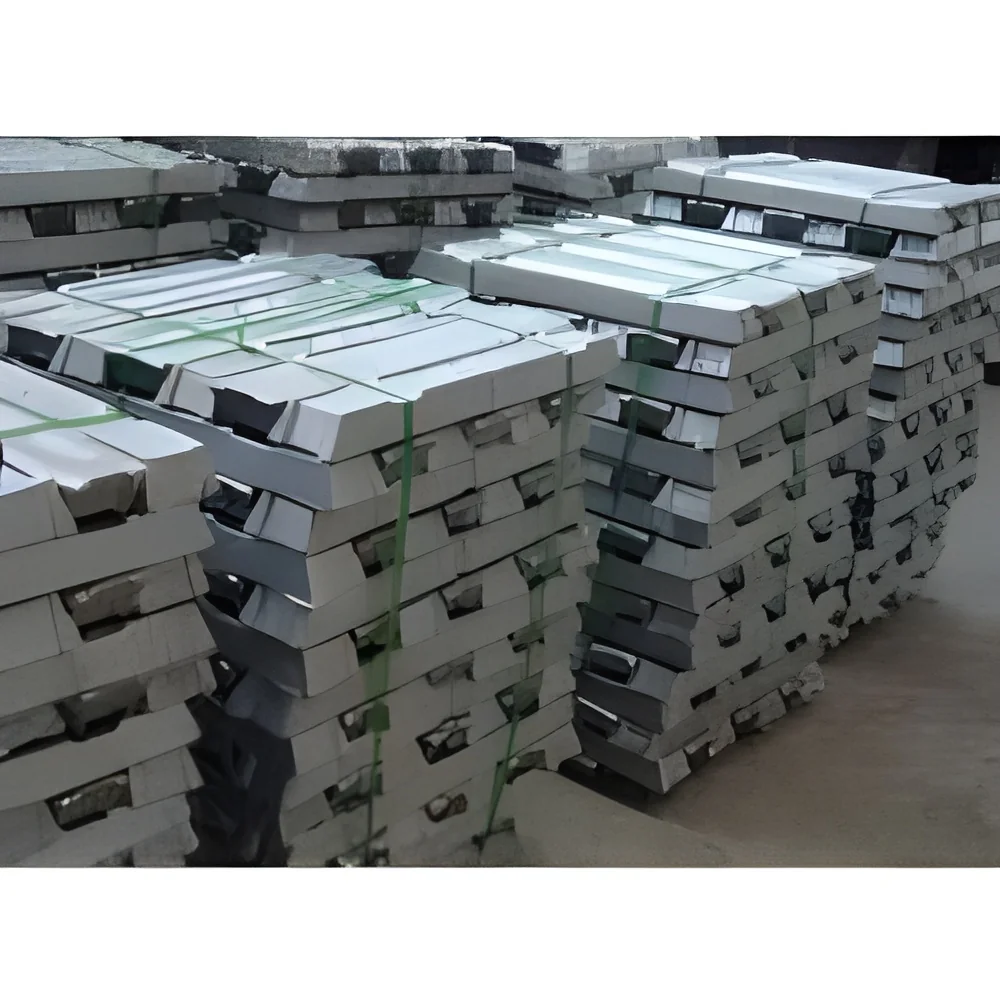
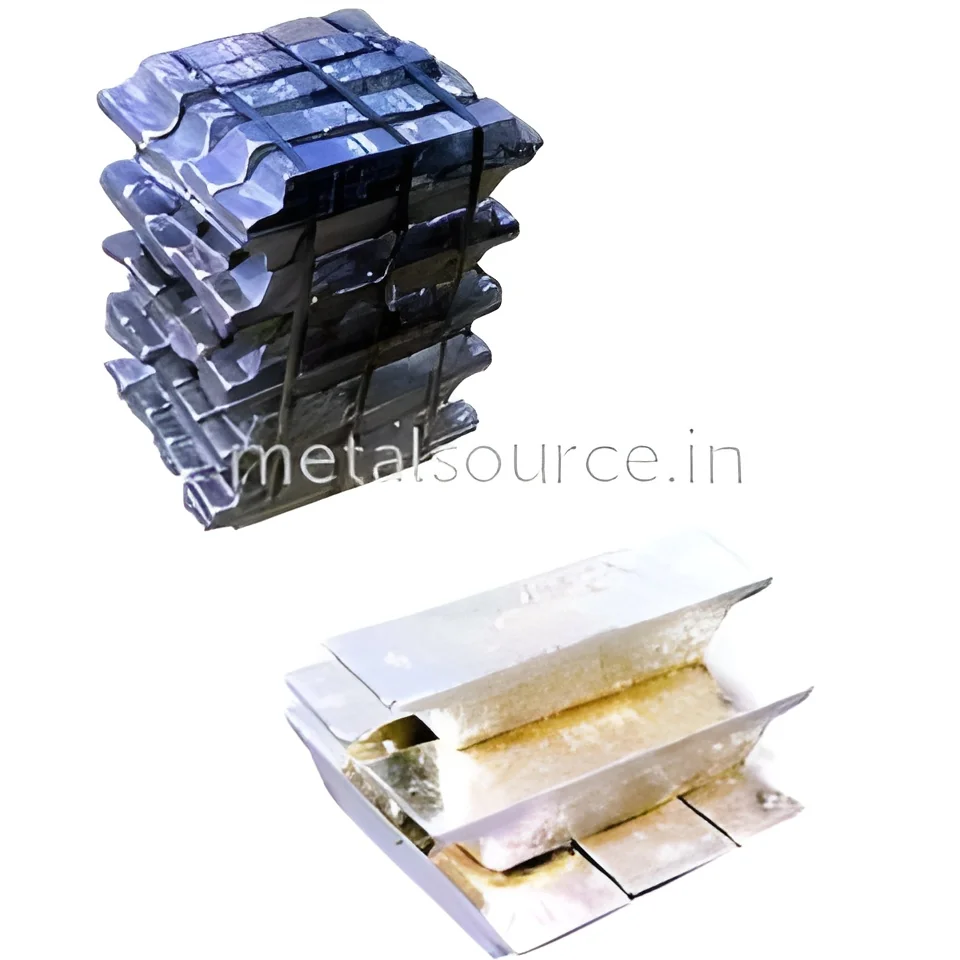
Tin ingots are solid blocks of tin metal that are produced through the melting and casting of tin ore. This form of tin is essential in various industrial applications due to its malleability, corrosion resistance, and low melting point. Tin ingots typically come in rectangular shapes and are used as raw material for further processing into tin alloys or other products.
Tin ingots find their primary use in the manufacturing of solder, which is crucial in the electronics industry for joining metal components. Additionally, they are utilized in the production of tinplate for packaging and other applications, as well as in the creation of various alloys used in automotive and aerospace industries. The relevance of tin ingots extends to various sectors, making them a significant commodity in the global metals market.
Key Features and Specifications
Tin ingots are characterized by their unique properties and various specifications that cater to industrial needs. Understanding these features is crucial for businesses looking to procure high-quality materials.
Key specifications include:
1. Purity Level
- Tin ingots typically have a purity level of 99.85% or higher.
- This high purity ensures superior performance in applications like electronics and plating.
2. Dimensions
- Common dimensions for tin ingots include sizes around 10 kg to 25 kg per ingot.
- These dimensions aid in ease of handling and processing.
3. Weight Tolerance
- Weight tolerance is generally within ±0.5 kg.
- This consistency is important for accurate sourcing and inventory management.
4. Melting Point
- The melting point of tin is around 232°C (450°F).
- This property allows for easy soldering and application in heat-sensitive environments.
5. Surface Quality
- Tin ingots should have a smooth and clean surface.
- This feature reduces contamination risk during subsequent processing.
6. Packaging
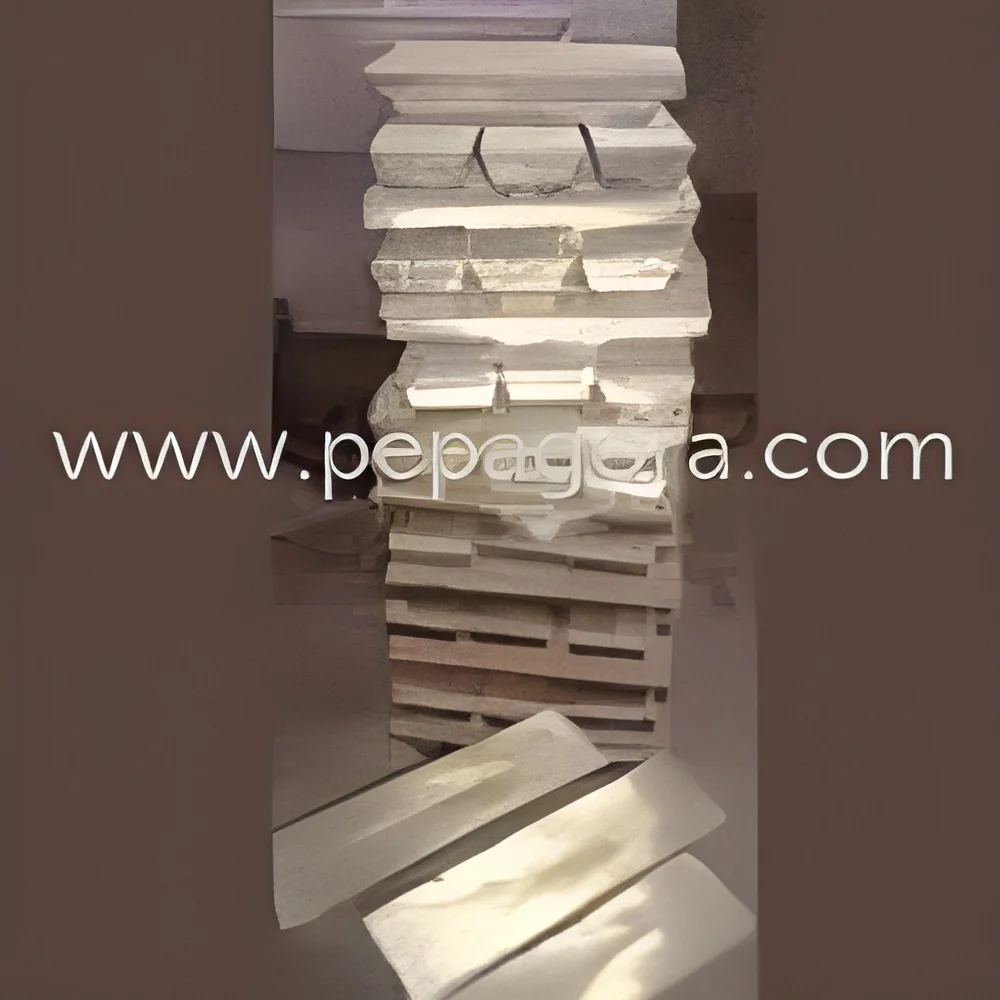
- Ingots are typically packaged in wooden or cardboard crates for protection.
- Proper packaging ensures safe transport and storage.
7. Compliance Standards
- Tin ingots should comply with international standards like CE certification.
- This compliance assures buyers of quality and safety.
In summary, tin ingots possess several key features and specifications that enhance their utility across various industrial applications.
Common Applications and Use Cases
Tin ingots serve various industries, highlighting their versatility and importance.
1. Electronics Industry: Tin ingots are primarily used to create solder, which is essential for assembling electronic circuits and components. Their low melting point facilitates easy application in intricate designs.
2. Packaging Industry: Tinplate, made from tin ingots, is widely used for food and beverage packaging, providing corrosion resistance and a barrier against contamination.
3. Automotive Industry: Tin ingots are used in the manufacturing of alloys and components that require durability and resistance to corrosion, enhancing the longevity of automotive parts.
4. Aerospace Industry: Tin alloys derived from ingots are crucial for lightweight components that demand high strength and corrosion resistance.
5. Jewelry Manufacturing: Tin ingots are also employed in the jewelry sector to create alloys that enhance the aesthetic quality and durability of jewelry pieces.
6. Construction Industry: Tin is used in roofing materials and coatings, providing protection against the elements and improving structural integrity.
7. Chemical Industry: Tin compounds produced from ingots serve as catalysts and stabilizers in various chemical processes.
Product Variants and Subcategories
Tin ingots offer a variety of options to meet diverse industrial needs.
High-Purity Tin Ingots: These ingots have a purity level of 99.99% and are ideal for specialized applications like electronics and high-quality soldering. Their exceptional purity ensures optimal performance in sensitive environments.
Alloyed Tin Ingots: These variants include tin mixed with other metals like copper or lead to enhance specific properties. They are commonly used in applications where enhanced mechanical strength or corrosion resistance is required.
Benefits and Advantages
Tin ingots provide several key benefits that make them a preferred choice in many industries.
1. High Corrosion Resistance: Tin's natural properties offer excellent resistance to corrosion, making it suitable for long-lasting applications.
2. Malleability: Tin can be easily shaped and formed, facilitating its use in various manufacturing processes without the risk of breaking.
3. Low Melting Point: The low melting point of tin allows for easy soldering and application in heat-sensitive environments.
4. Eco-Friendly Option: Tin is recyclable, making it an environmentally friendly choice for manufacturers looking to reduce their carbon footprint.
5. Versatile Applications: The diverse applications of tin ingots across industries make them a valuable material for various manufacturing needs.
6. Cost-Effective: With a stable supply chain and competitive pricing, tin ingots present a cost-effective solution for businesses seeking reliable raw materials.
Buying Guide for B2B Buyers
When sourcing tin ingots, several factors should be considered to ensure quality and reliability.
1. Quality Assessment: It is essential to evaluate the purity and specifications of the tin ingots. Look for suppliers that provide certification or testing data to verify quality.
2. Supplier Verification: Vetting suppliers is crucial for ensuring reliability. Check for industry certifications and customer reviews to gauge the supplier's reputation.
3. Pricing and MOQ: Understand the pricing structure and minimum order quantities (MOQ) required by suppliers. This knowledge helps in budgeting and planning for procurement.
4. Delivery and Lead Times: Inquire about the delivery schedules and lead times. Timely delivery is critical for maintaining production schedules.
5. Compliance Requirements: Be aware of any regulatory requirements for sourcing tin ingots, including safety standards and import/export regulations.
Compliance and Certifications
Compliance and certifications are vital for ensuring the quality and safety of tin ingots. Key quality standards include ISO 9001, which focuses on quality management systems, ensuring that suppliers adhere to consistent quality practices. Additionally, certifications like CE indicate compliance with European health, safety, and environmental protection standards.
Safety and testing requirements should also be considered, as tin products must meet specific safety criteria to be used in various applications, especially in food packaging and electronics. Regional compliance considerations may vary, and it is important to check local regulations that could affect sourcing and usage.
Why Source Tin Ingots from Pepagora?
Pepagora provides a trusted platform for sourcing tin ingots, offering several key advantages to businesses.
Verified Supplier Network: Pepagora connects buyers with a network of verified suppliers, ensuring that all vendors meet stringent quality and reliability standards. This verification process builds trust and confidence in sourcing.
Streamlined RFQ Process: The platform features a streamlined request for quotation (RFQ) process, allowing buyers to easily obtain quotes from multiple suppliers. This efficiency saves time and enables better decision-making.
Trade Assurance and Support: Pepagora offers trade assurance, providing a layer of protection for buyers during transactions. This support ensures that buyers receive what they pay for, enhancing transactional security.
Regional Coverage: With a strong presence in India, the GCC, and Southeast Asia, Pepagora facilitates sourcing from multiple geographic locations. This regional coverage allows buyers to tap into diverse markets and sourcing opportunities.
In conclusion, Pepagora stands out as a reliable partner for businesses looking to source tin ingots, ensuring quality, efficiency, and support throughout the procurement process.

 IN
IN