What are Aluminum Rods?
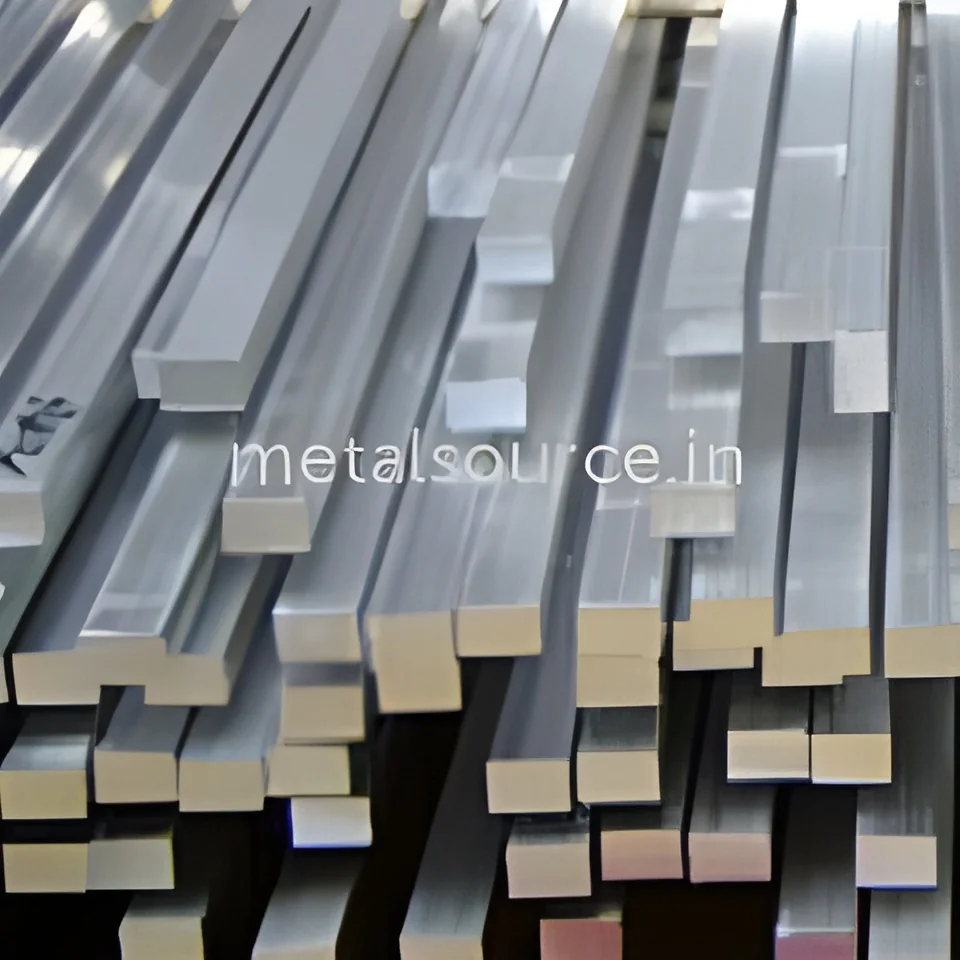
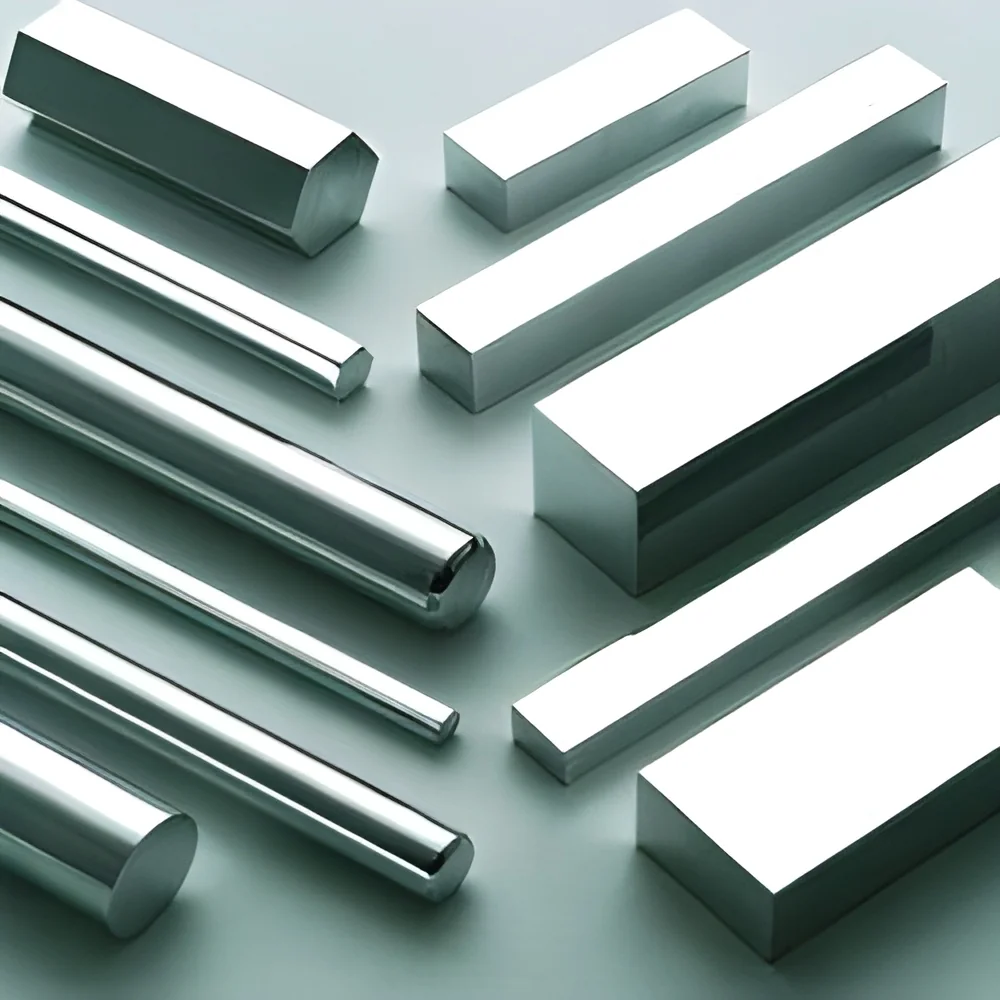
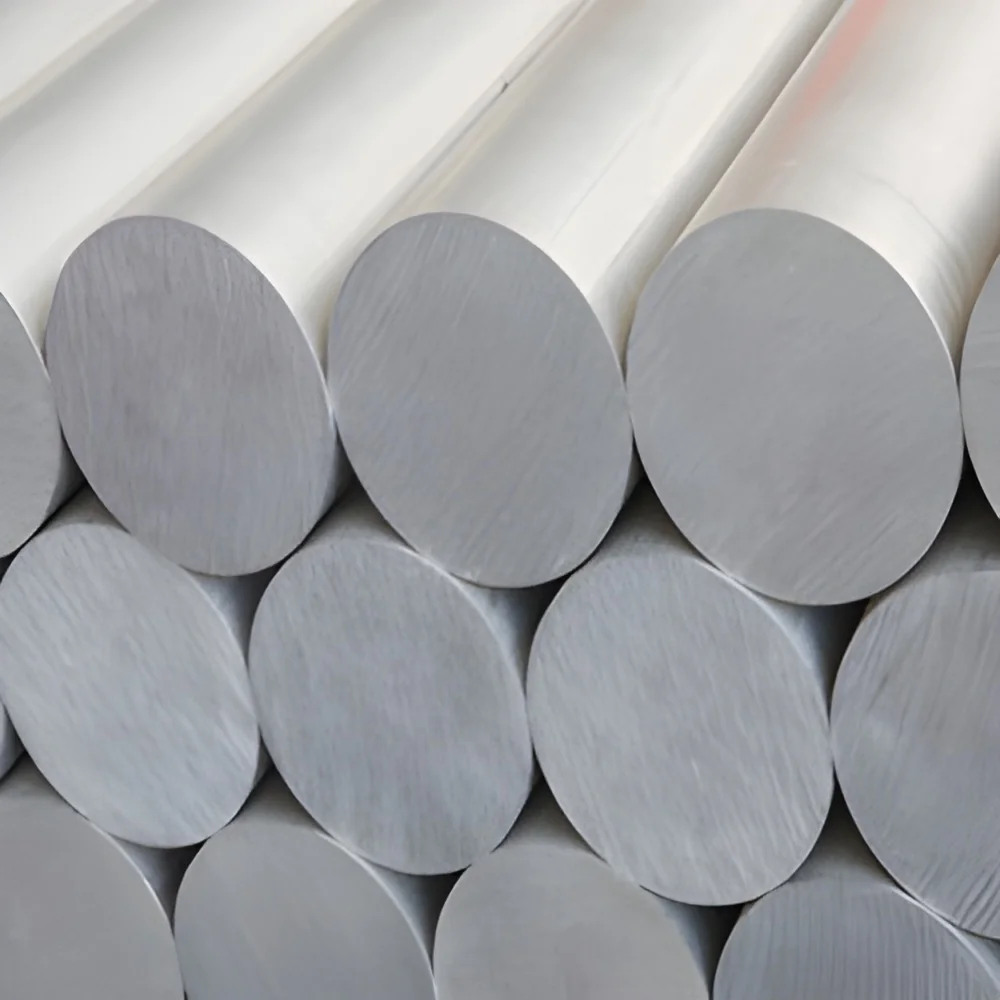
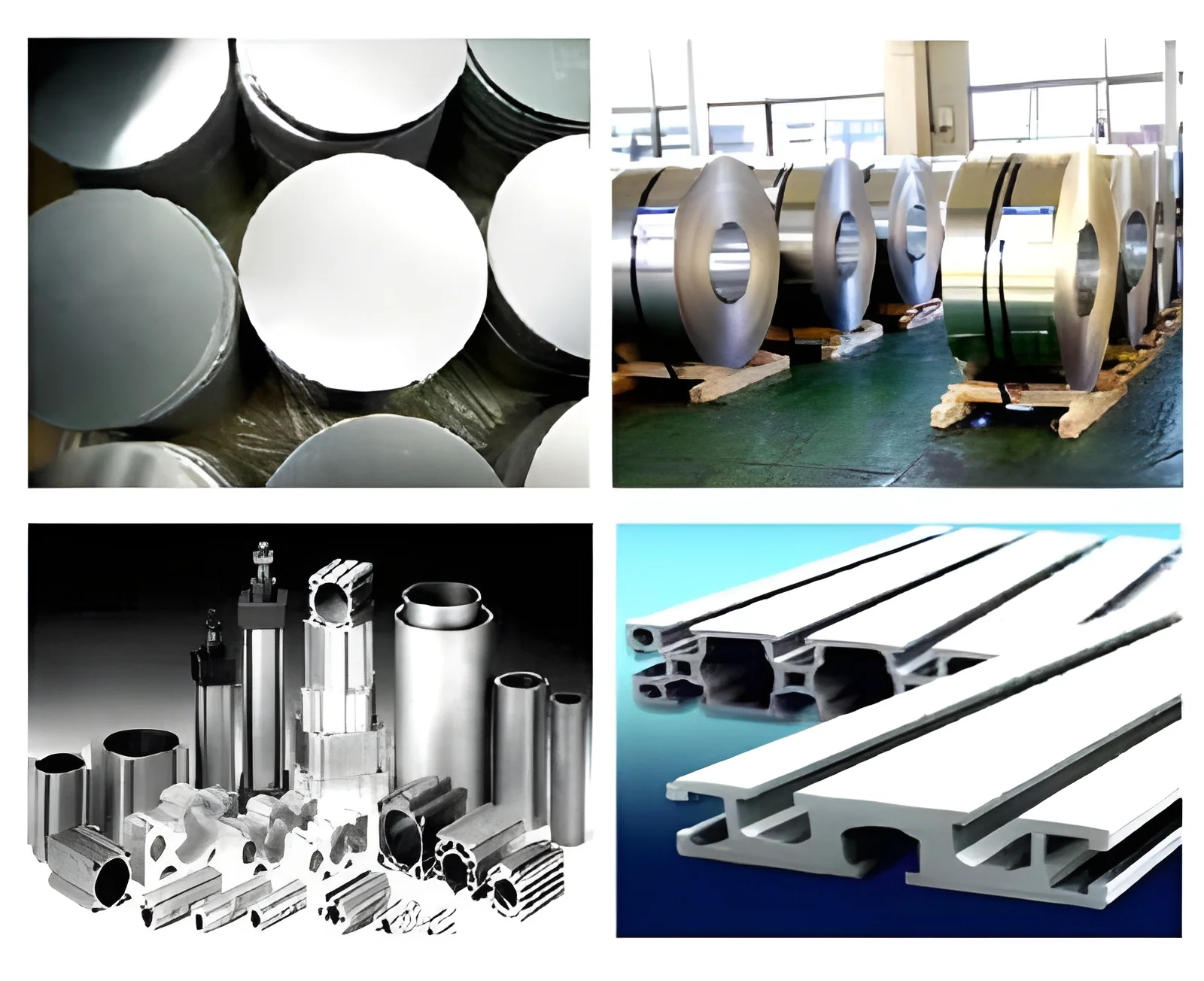
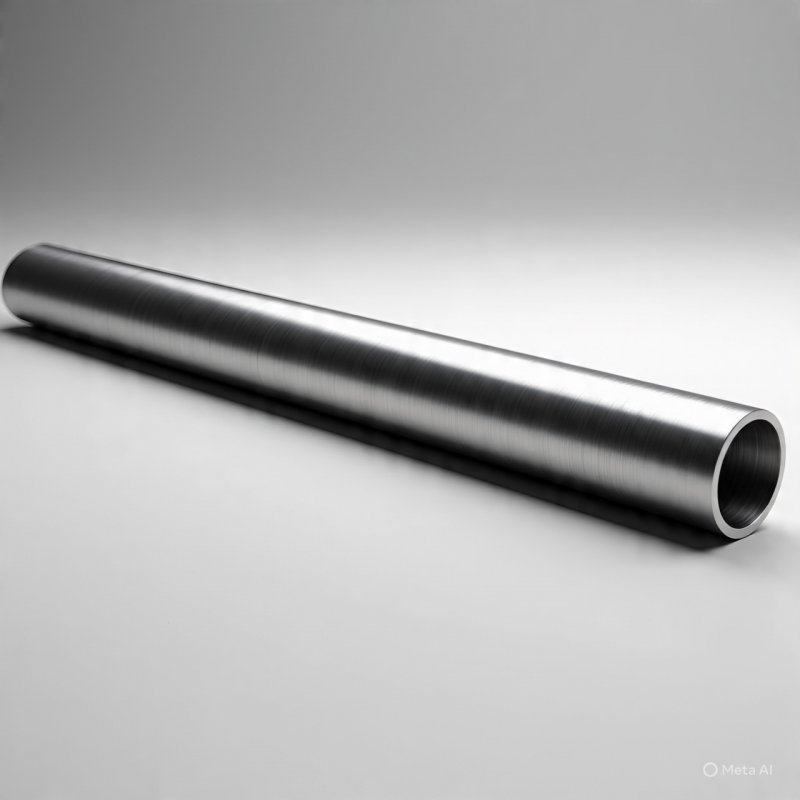
Aluminum rods are versatile metal products made from aluminum alloy, characterized by their round or square cross-sections. These rods are produced through various processes, including extrusion and rolling, which allows for different dimensions and finishes. Aluminum's lightweight nature, combined with its strength and corrosion resistance, makes it a popular choice in multiple industrial applications.
Primarily, aluminum rods are utilized in manufacturing components for the automotive, aerospace, and construction industries. They are often fashioned into parts such as shafts, pins, and fittings. The rods can be machined or fabricated to meet specific requirements, which enhances their utility in various engineering applications. As industries continue to seek lightweight and durable materials, aluminum rods remain highly relevant in the market.
Key Features and Specifications
Aluminum rods come with a range of features and specifications that cater to diverse industrial needs. Understanding these technical details is essential for making informed purchasing decisions.
Key specifications include:
1. Diameter
- Ranges typically from 1/8 inch to 12 inches.
- Available in both standard and custom dimensions.
2. Length
- Common lengths range from 12 inches to 20 feet.
- Custom lengths can be produced based on requirements.
3. Alloy Type
- Common alloys include 6061, 6063, and 7075.
- Each alloy offers varying degrees of strength, weldability, and corrosion resistance.
4. Temper
- Available tempers include T6, T5, and O.
- Different tempers affect the strength and workability of the rods.
5. Surface Finish
- Options include mill finish, anodized, and polished.
- Surface treatments improve aesthetic appeal and corrosion resistance.
6. Weight
- Weight varies based on dimensions and alloy.
- Generally ranges from 0.1 lbs per foot for smaller diameters to several pounds for larger sizes.
7. Tolerance
- Standard tolerances are typically ±0.005 inches.
- Precision tolerances can be requested for specific applications.
In summary, these features and specifications enhance the functionality and application of aluminum rods, making them suitable for a wide range of industrial uses.
Common Applications and Use Cases
Aluminum rods serve various industries due to their unique properties and versatility.
1. Aerospace: Used for manufacturing aircraft components, such as brackets and structural parts, due to their lightweight and strength.
2. Automotive: Commonly found in engine parts and chassis, aluminum rods contribute to fuel efficiency and performance.
3. Construction: Used in framing and support structures, these rods provide durability without adding excessive weight.
4. Electrical: Employed in the production of wiring and connectors, aluminum rods are valued for their conductivity.
5. Marine: Utilized in boat manufacturing, parts made from aluminum rods resist corrosion from saltwater exposure.
6. Industrial Equipment: Found in machinery parts, aluminum rods support the fabrication of various tools and devices.
7. Consumer Goods: Used in products ranging from furniture to sports equipment, highlighting their versatility in design.
Product Variants and Subcategories
Aluminum rods come in various forms to meet specific industrial needs.
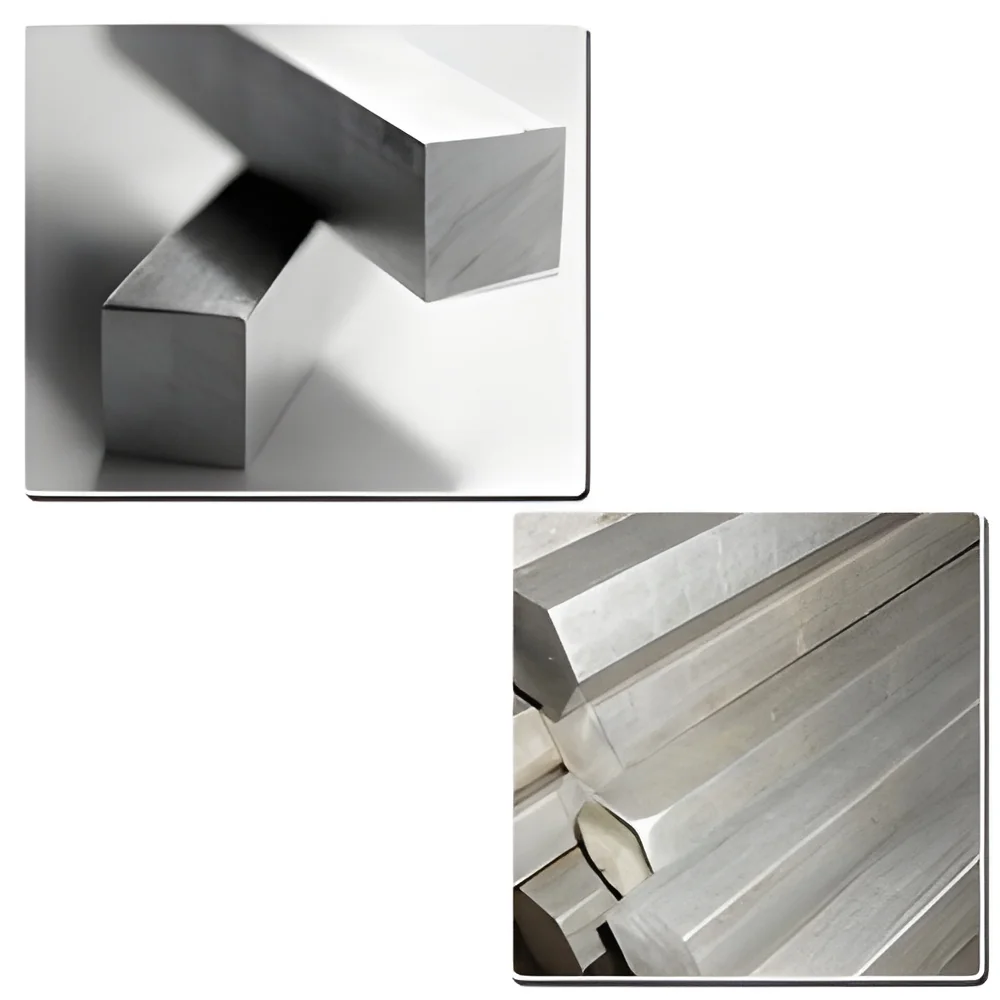
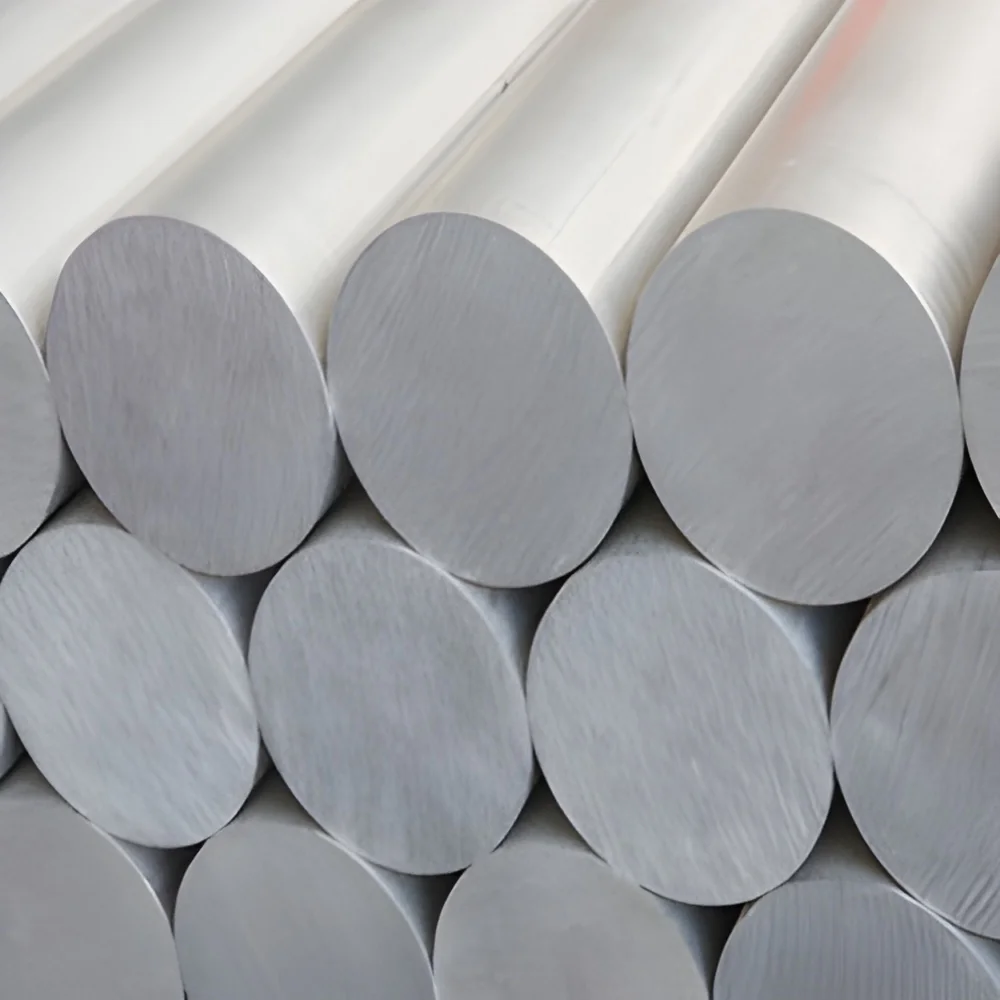
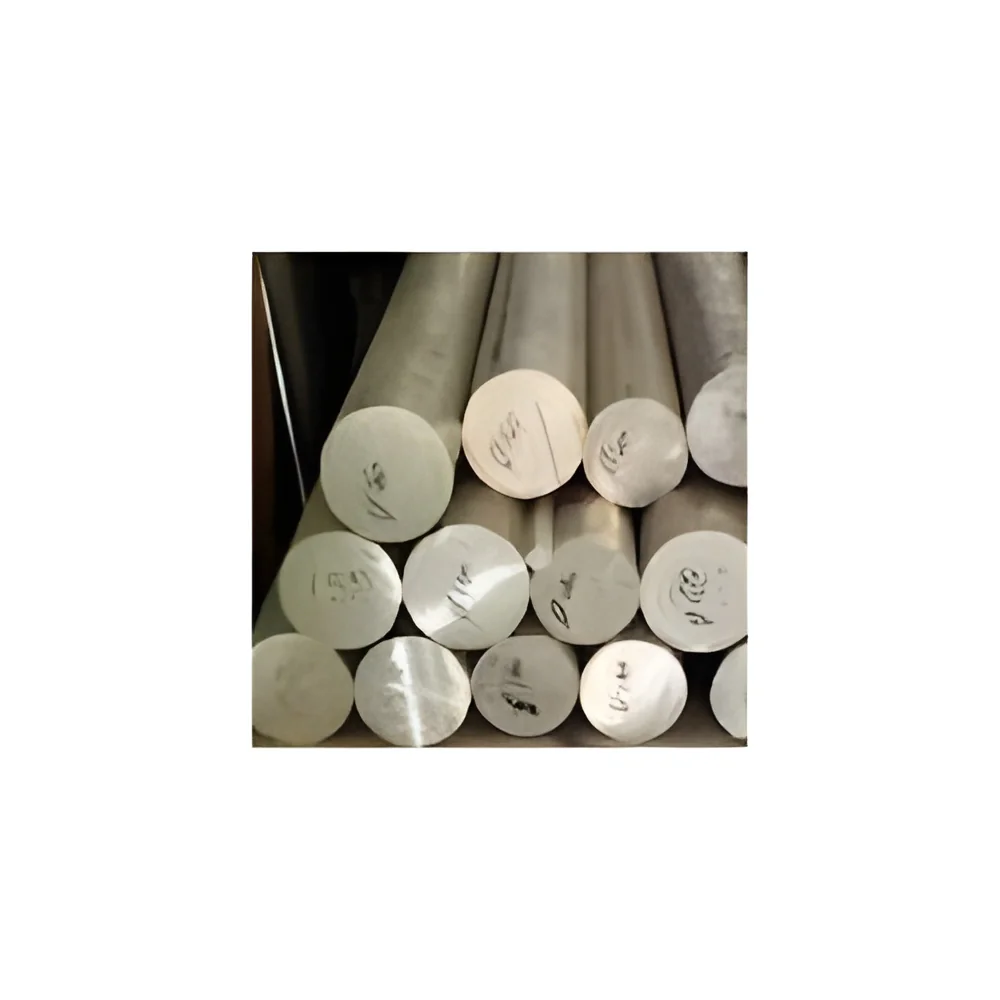
Round Aluminum Rods: These rods are commonly used in a variety of applications, including manufacturing gears, pins, and fasteners. Their round shape provides balanced strength and ease of handling.
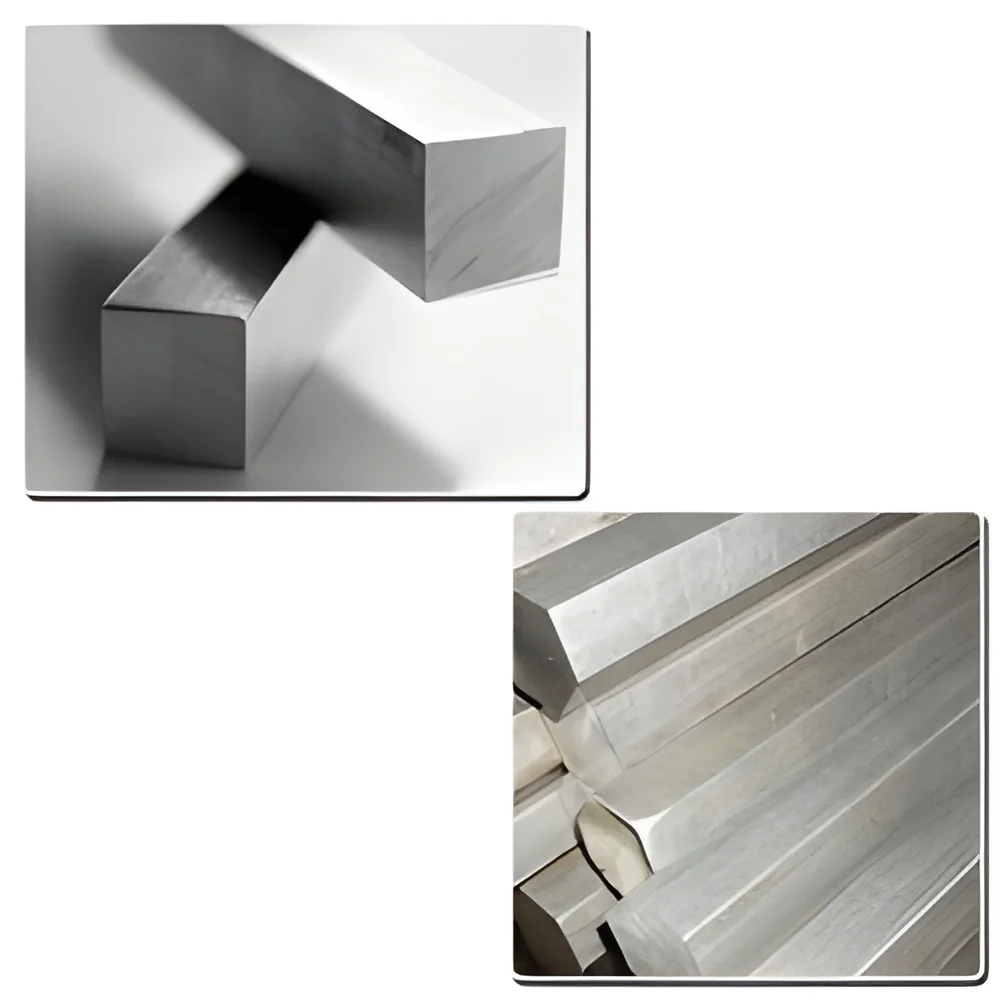
Square Aluminum Rods: Ideal for structural applications, square rods are often used in frames and supports. Their flat surfaces make them easy to weld and machine.
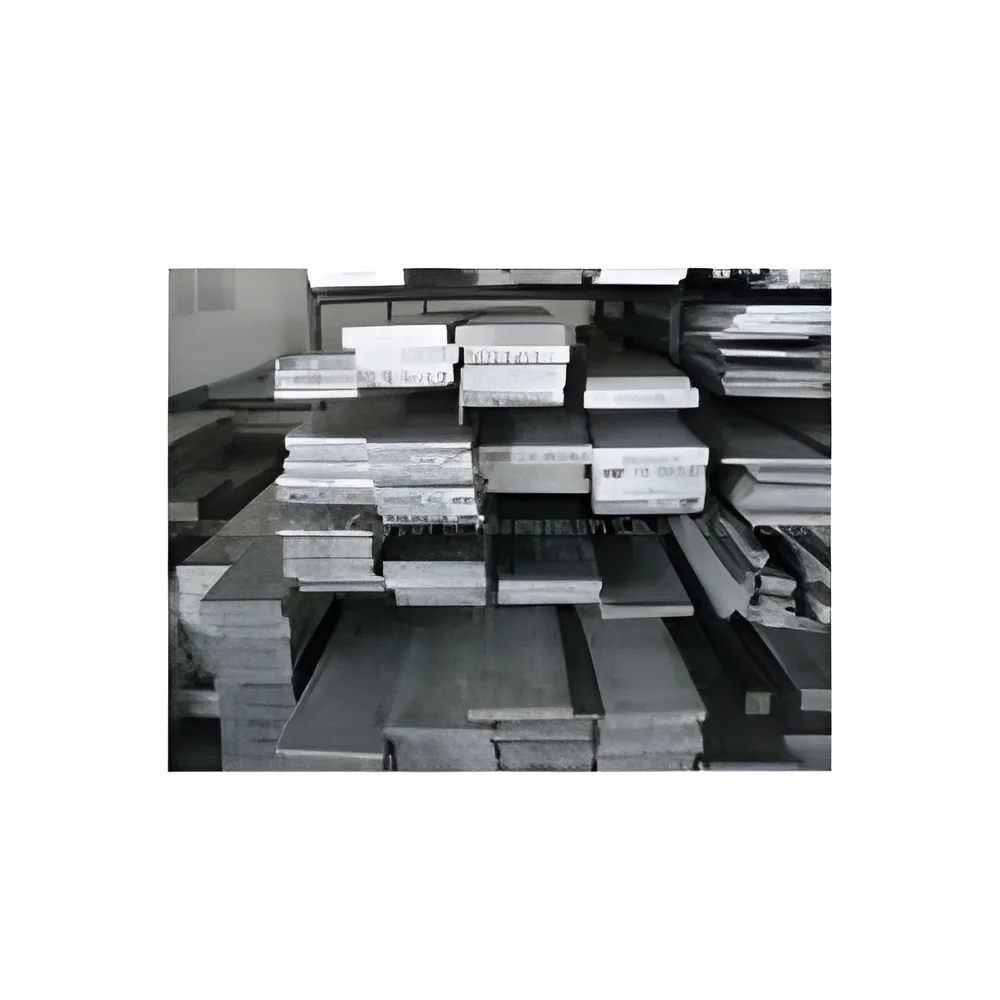
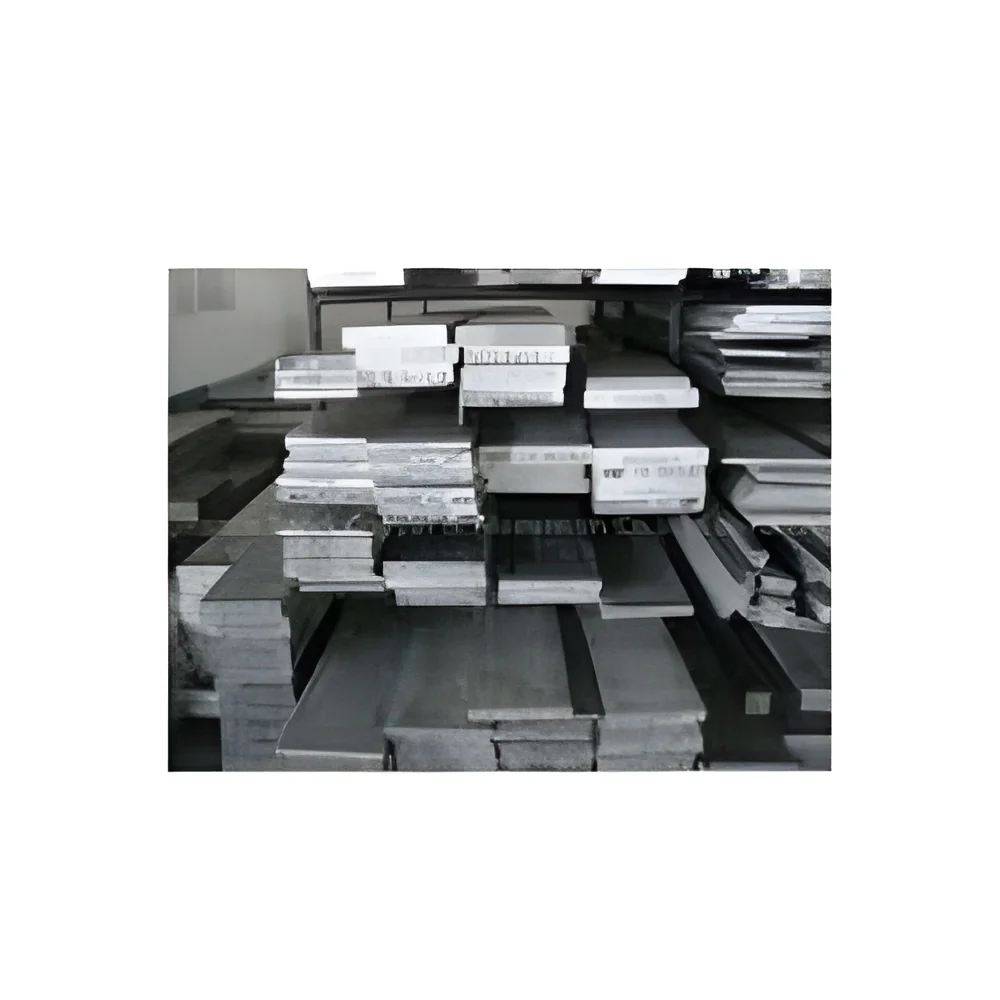
Flat Aluminum Bars: Though not rods in the traditional sense, these flat pieces are often used alongside rods for applications that require a combination of strength and surface area.
Benefits and Advantages
The advantages of using aluminum rods in industrial applications are numerous.
1. Lightweight: Aluminum rods significantly reduce the weight of components, contributing to improved energy efficiency.
2. Corrosion Resistance: The natural oxide layer on aluminum provides excellent resistance to corrosion, extending the life of components.
3. Versatility: These rods can be easily machined and fabricated, making them suitable for a wide range of applications.
4. High Strength-to-Weight Ratio: Aluminum rods offer considerable strength compared to their weight, making them ideal for load-bearing applications.
5. Cost-Effectiveness: The availability and ease of manufacturing aluminum rods contribute to lower overall production costs.
6. Recyclability: Aluminum is a highly recyclable material, making it a sustainable choice for businesses focused on environmental responsibility.
Buying Guide for B2B Buyers
When sourcing aluminum rods, several factors should be considered to ensure quality and suitability for your needs.
1. Quality Assessment: Look for rods that meet industry standards and specifications. Consider factors such as alloy type and temper to match your application requirements.
2. Supplier Verification: Vet potential suppliers by checking their reputation, certifications, and customer reviews. Ensure they have a reliable track record in providing aluminum products.
3. Pricing and MOQ: Compare pricing among suppliers and inquire about minimum order quantities (MOQ). Understanding pricing structures will help you make budget-conscious decisions.
4. Delivery and Lead Times: Confirm the delivery timelines and ensure they align with your project schedules. Timely delivery is crucial in maintaining production continuity.
5. Compliance Requirements: Verify that the rods meet any relevant industry regulations and standards. This includes checking for certifications like CE to ensure quality and safety.
Compliance and Certifications
Aluminum rods are subject to various quality standards and certifications that ensure reliability and safety in industrial applications.
ISO 9001 is a widely recognized standard that outlines the requirements for quality management systems. Manufacturers of aluminum rods often adhere to this standard to demonstrate their commitment to consistent quality.
In addition to ISO standards, certifications such as CE (Conformité Européenne) indicate that products meet European safety and environmental requirements. This certification is crucial for companies looking to enter the European market.
Safety requirements also play a significant role in the manufacturing of aluminum rods. Testing for mechanical properties, corrosion resistance, and other factors ensures that the rods perform adequately in their intended applications.
Regional compliance considerations may vary, so it is essential to understand the regulations applicable in your area or market. Compliance with local laws can help avoid legal issues and ensure product acceptance.
Why Source Aluminum Rods from Pepagora?
Pepagora provides a trusted platform for sourcing aluminum rods, offering numerous advantages to B2B buyers.
Verified Supplier Network: Pepagora connects buyers with a network of verified suppliers, ensuring that you work with reputable manufacturers. This verification process helps mitigate risks associated with sourcing.
Streamlined RFQ Process: The platform features a user-friendly request for quotation (RFQ) system, allowing buyers to easily compare offers from multiple suppliers. This efficiency saves time and facilitates better decision-making.
Trade Assurance and Support: Pepagora offers trade assurance, providing buyers with protection against non-delivery and product quality issues. This support instills confidence in your purchasing decisions.
Regional Coverage: With a strong presence in India, the GCC, and Southeast Asia, Pepagora facilitates access to a diverse range of suppliers. This geographic reach enhances sourcing opportunities for businesses operating in various markets.

 IN
IN