What are Nickel Alloy Wires?
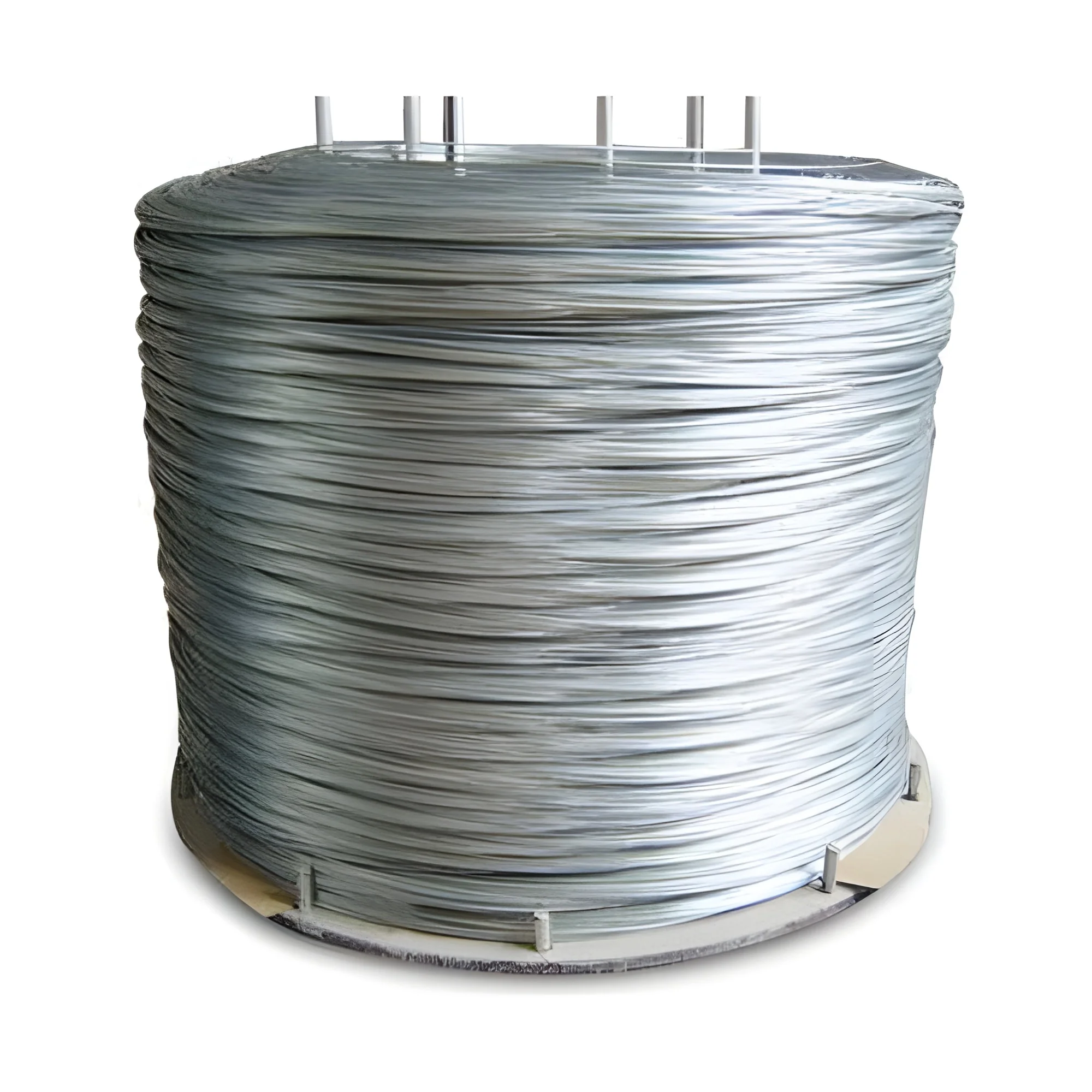
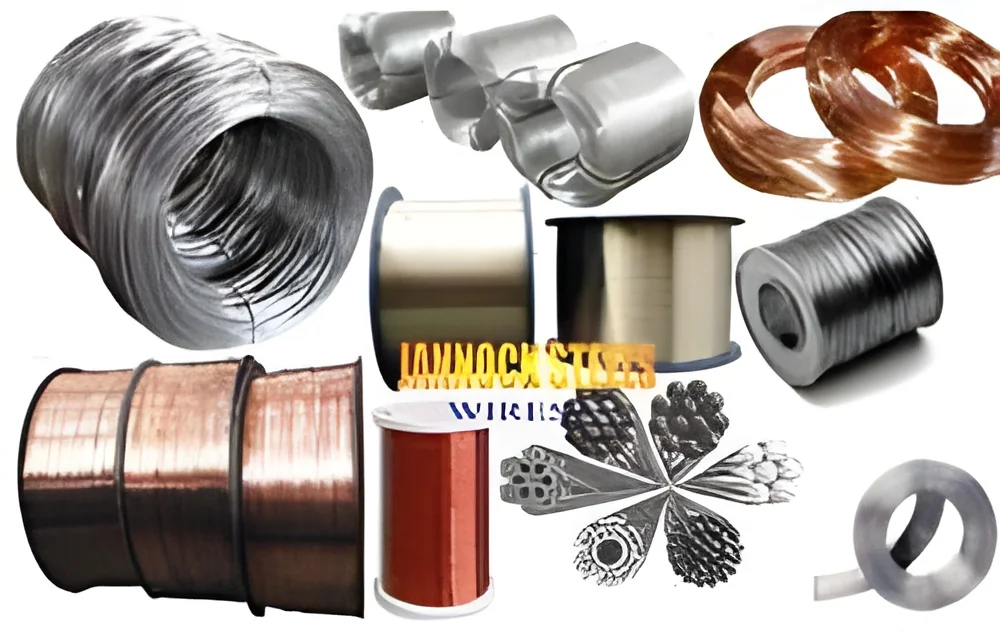
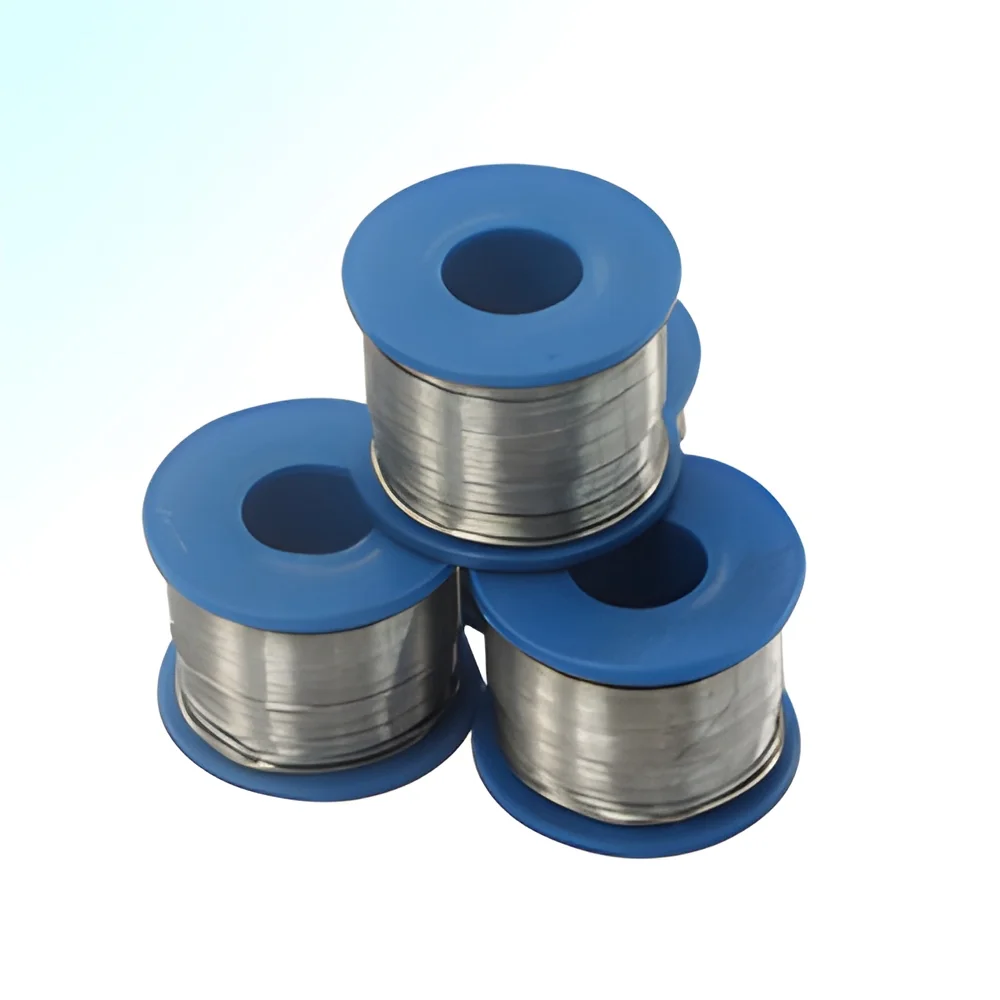
Nickel alloy wires are specialized metal wires made from a combination of nickel and other elements, designed to enhance specific properties such as strength, corrosion resistance, and thermal stability. These wires are known for their ability to perform well in extreme environments, making them essential in various industrial applications. Nickel alloys can be engineered to suit particular requirements based on composition and manufacturing processes, ensuring their effectiveness in different applications.
These wires are widely used in industries such as aerospace, automotive, electronics, and chemical processing. In aerospace, they are essential for components that require high strength and resistance to oxidation. In the automotive sector, nickel alloy wires are used in engine components and electrical systems. The electronics industry relies on these wires for connectors and circuitry due to their excellent conductivity and reliability. As industries seek materials that can withstand harsh conditions, the demand for nickel alloy wires continues to grow, highlighting their relevance in the market.
Key Features and Specifications
Nickel alloy wires come with various features that make them suitable for demanding applications. These features include high tensile strength, excellent corrosion resistance, and good thermal stability. When selecting nickel alloy wires, it is essential to consider their specifications, which determine their suitability for specific applications.
Key specifications include:
1. Composition
- Nickel content typically ranges from 50% to 80%
- Alloying elements may include chromium, molybdenum, and copper
2. Diameter
- Available in a range from 0.1 mm to 10 mm
- Custom diameters can be provided based on requirements
3. Tensile Strength
- Standard tensile strength often exceeds 500 MPa
- Varies based on alloy composition and heat treatment
4. Electrical Conductivity
- Conductivity can reach up to 70% IACS (International Annealed Copper Standard)
- Important for electrical applications
5. Corrosion Resistance
- Excellent resistance to oxidation and acidic environments
- Suitable for use in harsh chemical conditions
6. Temperature Range
- Effective in temperatures up to 1000 degrees Celsius
- Some alloys may perform better at extreme temperatures
7. Ductility
- High ductility allows for easy bending and shaping
- Important for applications requiring intricate designs
8. Surface Finish
- Available in various finishes such as polished, coated, or bare
- Finish can affect performance in specific environments
In summary, understanding the features and specifications of nickel alloy wires is critical for selecting the right product for specific industrial needs.
Common Applications and Use Cases
Nickel alloy wires serve various industries, each benefiting from their unique properties.
1. Aerospace: In aerospace applications, nickel alloy wires are used in turbine engines, where high strength and resistance to thermal fatigue are crucial for performance and safety.
2. Automotive: In the automotive industry, these wires are utilized in ignition systems and wiring harnesses, where reliability and resistance to corrosion are essential for longevity.
3. Electronics: Nickel alloy wires are found in connectors, lead frames, and circuit boards, providing excellent conductivity and mechanical strength needed for electronic devices.
4. Chemical Processing: In chemical plants, these wires are employed in equipment that handles corrosive substances, ensuring durability and safety in harsh environments.
5. Oil and Gas: Nickel alloy wires are used in drilling and production equipment, where resistance to high temperatures and corrosive environments is necessary.
6. Medical Devices: In the medical field, nickel alloy wires are integrated into devices requiring biocompatibility and reliability, such as surgical instruments and implants.
7. Marine Applications: These wires are utilized in marine equipment, where exposure to saltwater and extreme conditions demands materials with high corrosion resistance.
Product Variants and Subcategories
Nickel alloy wires offer a range of variants to meet different industrial needs.
Inconel Wires: Inconel wires are known for their exceptional resistance to oxidation and high-temperature strength. They are commonly used in aerospace and chemical processing applications.
Monel Wires: Monel wires provide excellent resistance to corrosion, particularly in acidic environments. They are often used in marine applications and chemical processing.
Hastelloy Wires: Hastelloy wires are designed for high-performance applications, particularly in chemical processing. Their ability to withstand aggressive environments makes them a preferred choice in highly corrosive applications.
Other Variants: Additional nickel alloy wire variants may include those tailored for specific industries or applications, although detailed information about these variants is not available.
Benefits and Advantages
Sourcing nickel alloy wires offers numerous benefits for businesses looking for durable and reliable materials.
1. High Performance: Nickel alloy wires are engineered to withstand extreme conditions, ensuring reliable performance in demanding environments.
2. Versatility: These wires can be tailored for various applications, making them suitable across multiple industries.
3. Corrosion Resistance: The inherent resistance to corrosion allows for longer service life and reduced maintenance costs.
4. Strength and Durability: Nickel alloy wires provide excellent tensile strength, making them ideal for structural applications.
5. Thermal Stability: The ability to perform well at high temperatures makes them essential in industries like aerospace and automotive.
6. Electrical Conductivity: Their high conductivity is advantageous for electrical applications, ensuring efficient performance in electronic systems.
Buying Guide for B2B Buyers
When sourcing nickel alloy wires, it is essential to consider several critical factors to ensure the right choice for your business needs.
1. Quality Assessment: Evaluate the quality of the wires based on industry standards and certifications. Look for reliable suppliers that provide material test reports.
2. Supplier Verification: Conduct thorough background checks on suppliers to ensure they have a good reputation and experience in supplying nickel alloy wires.
3. Pricing and MOQ: Understand the pricing structures and minimum order quantities (MOQ) from suppliers. Compare costs to ensure you get the best value.
4. Delivery and Lead Times: Discuss delivery timelines with suppliers to ensure that they meet your production schedules. Factor in lead times when planning orders.
5. Compliance Requirements: Ensure that the nickel alloy wires meet all relevant regulatory and compliance standards for your industry, such as CE certification.
Compliance and Certifications
Nickel alloy wires must comply with various quality standards and industry regulations to ensure safety and performance.
Relevant quality standards include ISO 9001, which outlines requirements for a quality management system. This ensures consistent quality in manufacturing processes.
Additionally, certifications such as CE indicate that the products meet European safety and health requirements. Compliance with these standards is crucial for businesses operating in regulated markets.
Safety and testing requirements also play a significant role in ensuring that nickel alloy wires perform reliably under specified conditions. Regular testing for mechanical properties and corrosion resistance is essential.
Regional compliance considerations may vary based on where the products are used. Understanding these requirements is crucial for businesses exporting or importing nickel alloy wires.
Why Source Nickel Alloy Wires from Pepagora?
Pepagora provides a trusted platform for sourcing nickel alloy wires with several key advantages that set it apart from competitors.
Verified Supplier Network: Pepagora has a rigorous supplier verification process, ensuring that only reputable suppliers are listed. This gives buyers confidence in the quality of the products.
Streamlined RFQ Process: The platform offers a user-friendly request for quotation (RFQ) system that simplifies the sourcing process. Buyers can easily compare quotes from multiple suppliers to find the best deal.
Trade Assurance and Support: Pepagora offers trade assurance, providing added protection for buyers. This includes support in case of disputes or issues with orders, ensuring a smooth purchasing experience.
Regional Coverage: With a strong presence in India, the GCC, and Southeast Asia, Pepagora connects buyers with suppliers across these regions, making it easier to source nickel alloy wires tailored to local needs.

 IN
IN