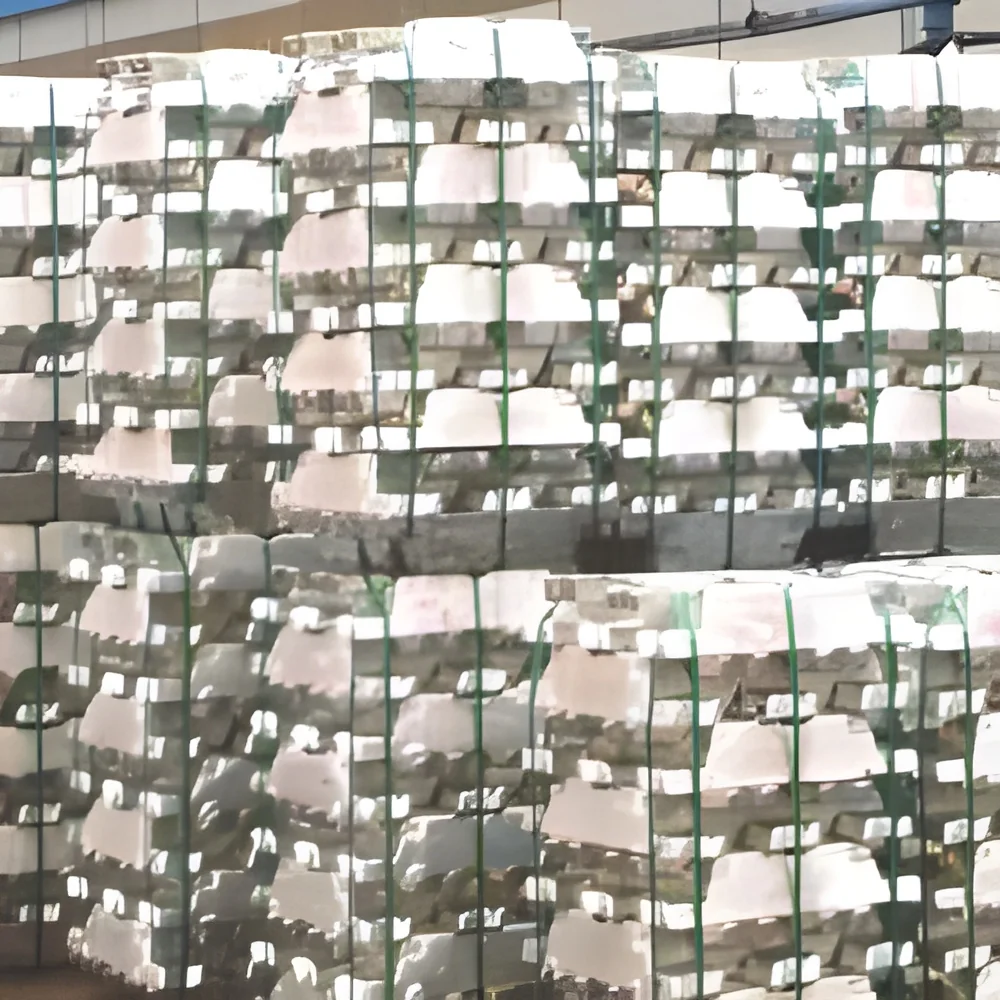
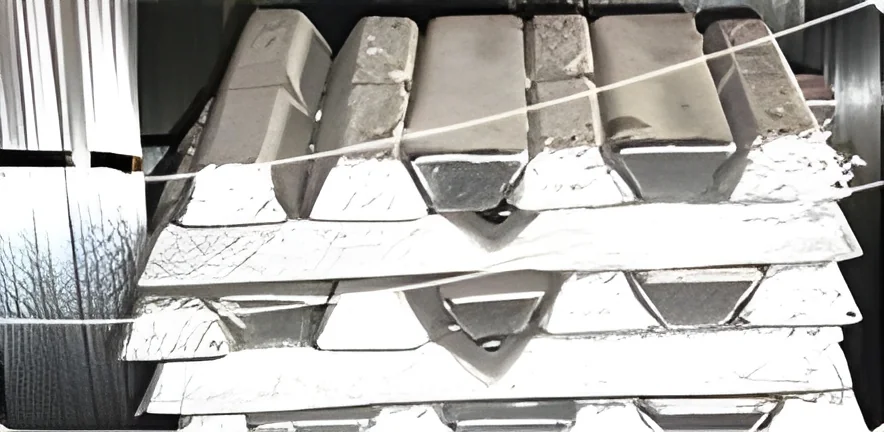
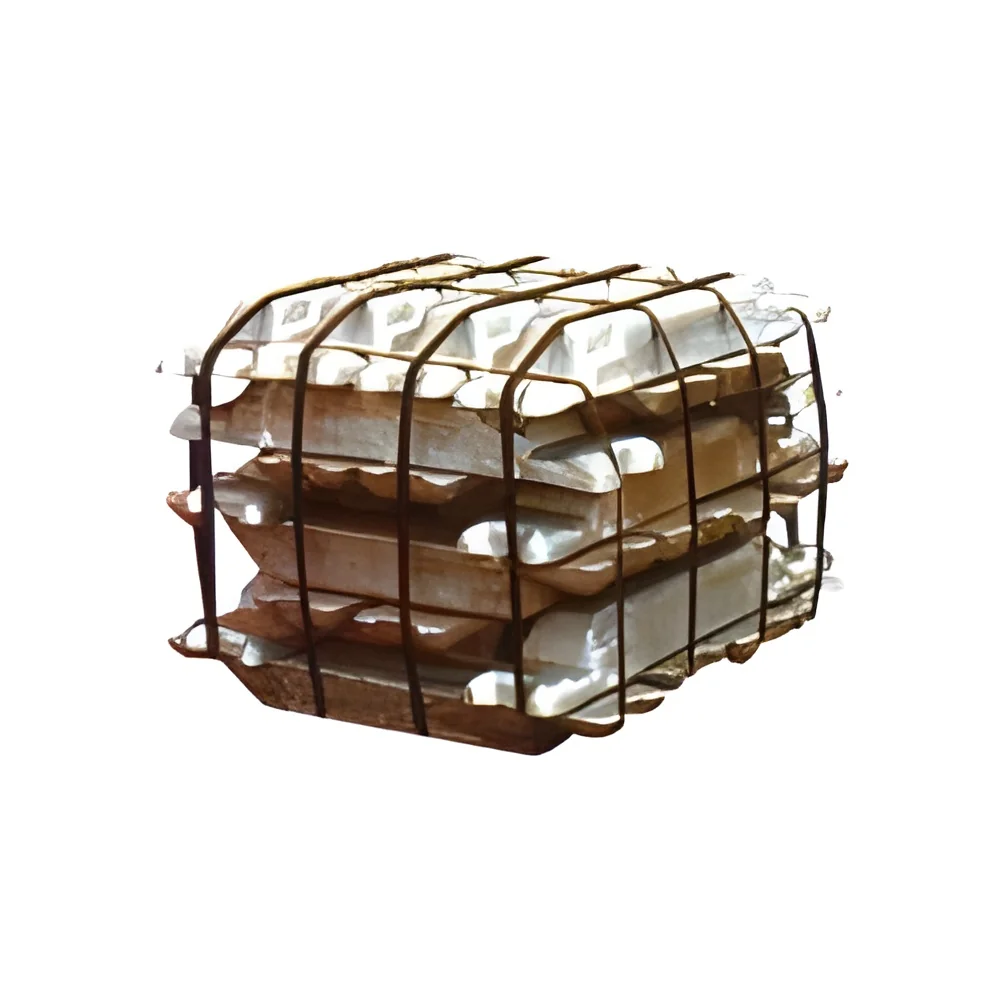
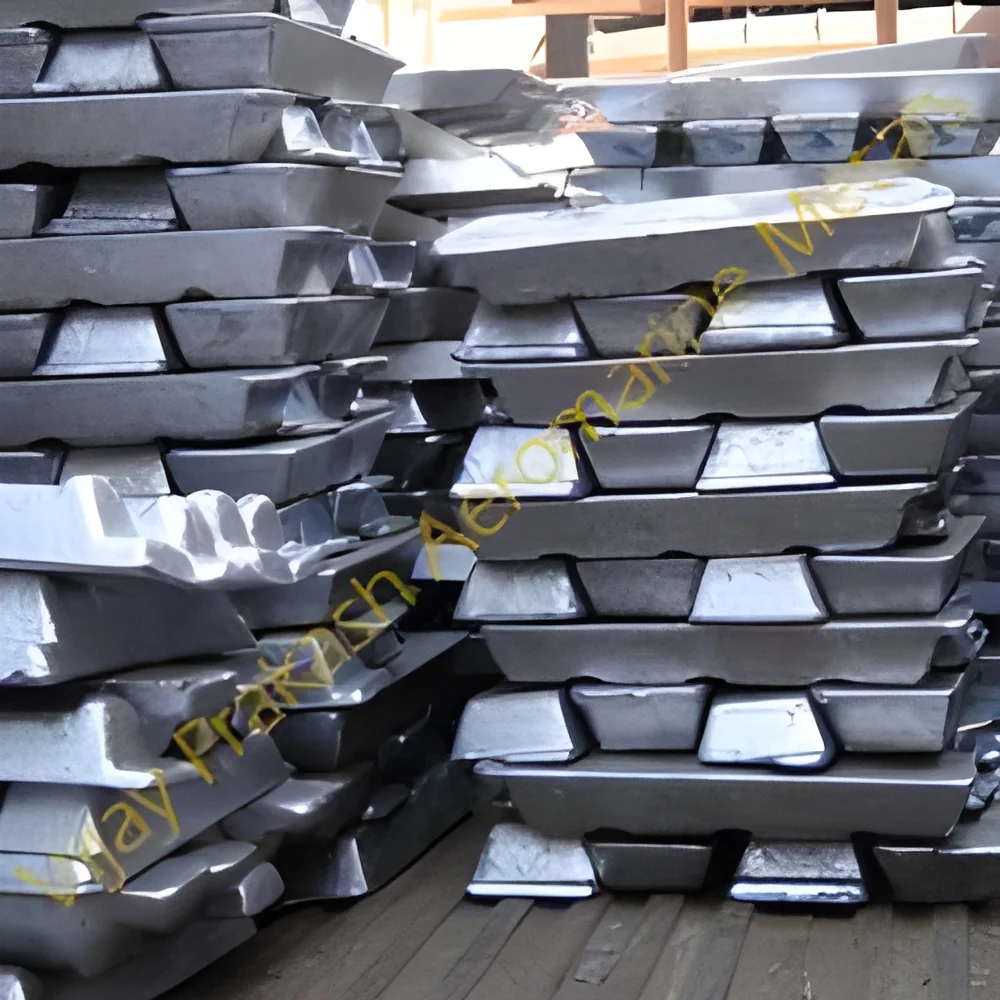
What are Aluminum Ingots?
Aluminum ingots are solid blocks of aluminum that are produced through the smelting process of bauxite ore. These ingots serve as primary raw material in the aluminum industry and are crucial for various manufacturing processes. They can be melted down and reformed into numerous shapes and products. Aluminum ingots are characterized by their purity and ability to be recycled, making them a sustainable choice for many industrial applications.
The primary uses of aluminum ingots span across several industries, including automotive, aerospace, construction, and packaging. In the automotive sector, they are used to create lightweight components that enhance fuel efficiency. The aerospace industry employs aluminum ingots for building aircraft structures due to their excellent strength-to-weight ratio. Furthermore, construction companies utilize aluminum ingots in window frames, roofing, and other structural applications. The growing demand for aluminum in various sectors highlights its significance in the global market.
Key Features and Specifications
Aluminum ingots are known for their versatility and range of specifications, which cater to different industrial requirements. Their characteristics include lightweight properties, high corrosion resistance, and excellent conductivity. These features make them suitable for a wide array of applications.
Key specifications include:
1. Purity Levels
- Typically ranges from 99.0% to 99.9% aluminum content.
- High purity is essential for applications requiring excellent electrical conductivity.
2. Dimensions
- Standard sizes usually range from 200 mm to 600 mm in length and width.
- Custom dimensions can be provided based on client needs.
3. Weight
- Individual ingots generally weigh between 5 kg to 30 kg.
- Weight can vary based on the size and specifications of the ingot.
4. Alloy Composition
- Available in various alloys, such as 1100, 6061, and 7075.
- Different alloys provide unique properties suitable for specific applications.
5. Surface Finish
- Common finishes include mill finish and anodized surfaces.
- Surface finish can affect corrosion resistance and aesthetic appeal.
6. Melting Point
- Aluminum ingots have a melting point around 660 degrees Celsius.
- Understanding melting points is crucial for manufacturing processes.
7. Recyclability
- Aluminum ingots are fully recyclable with no loss in quality.
- This feature supports sustainable manufacturing practices.
8. Compliance Standards
- Must meet industry standards such as CE certification.
- Compliance ensures safety and quality assurance in applications.
Aluminum ingots are essential components in manufacturing, providing a reliable foundation for various products.
Common Applications and Use Cases
Aluminum ingots are utilized across multiple industries due to their advantageous properties.
1. Automotive: Aluminum ingots are used to manufacture engine parts, wheels, and body panels, contributing to lighter vehicles that improve fuel efficiency.
2. Aerospace: In the aerospace sector, aluminum ingots are crucial for creating lightweight, high-strength components that ensure safety and performance in aircraft.
3. Construction: Aluminum ingots are transformed into structural elements like beams, window frames, and roofing materials, offering durability and aesthetic appeal.
4. Packaging: The food and beverage industry utilizes aluminum ingots to produce cans and foil, capitalizing on aluminum's non-corrosive properties.
5. Electrical: Aluminum ingots are processed into wires and conductors for electrical applications, leveraging their excellent conductivity.
6. Marine: The marine industry employs aluminum ingots for boat hulls and structural components, benefiting from the material's resistance to corrosion.
7. Consumer Goods: Various consumer products, including appliances and furniture, incorporate aluminum components made from ingots for enhanced usability and lifespan.
Product Variants and Subcategories
Aluminum ingots come in diverse variants to meet specific industrial needs.
Standard Aluminum Ingots
These are commonly produced ingots characterized by high purity and standard sizes. They are suitable for a broad range of applications, including automotive and construction.
Aluminum Alloy Ingots
These ingots contain added elements such as copper, magnesium, or zinc to enhance certain properties. They are ideal for specialized applications in aerospace and automotive sectors where strength and lightweight characteristics are paramount.
Recycled Aluminum Ingots
Made from post-consumer scrap, these ingots offer an eco-friendly alternative without compromising quality. They are increasingly popular in manufacturing as industries seek sustainable solutions.
Benefits and Advantages
Aluminum ingots offer numerous advantages for manufacturers and end-users.
1. Lightweight: Aluminum is significantly lighter than many metals, making it easier to handle and transport, which can lead to lower shipping costs.
2. Corrosion Resistance: Aluminum naturally forms a protective oxide layer, ensuring longevity and reducing maintenance costs in various applications.
3. High Strength-to-Weight Ratio: Aluminum ingots provide excellent strength relative to their weight, making them suitable for high-performance applications.
4. Excellent Conductivity: Aluminum has a high electrical and thermal conductivity, making it ideal for electrical applications and heat exchangers.
5. Recyclability: The ability to recycle aluminum without losing its properties supports sustainable manufacturing and reduces environmental impact.
6. Versatility: Aluminum ingots can be easily cast, forged, or extruded into various shapes, allowing for a wide range of applications across industries.
Buying Guide for B2B Buyers
When sourcing aluminum ingots, it is crucial to consider several factors to ensure you select the right product for your business needs.
1. Quality Assessment: Look for ingots that meet high purity standards. Verify the supplier's quality control processes and any relevant certifications to ensure you are purchasing a reliable product.
2. Supplier Verification: Assess the reputation of potential suppliers. Check their track record, client reviews, and compliance with industry standards to ensure you are dealing with reputable partners.
3. Pricing and MOQ: Understand the pricing structure for aluminum ingots, including any minimum order quantities (MOQ). This will help you budget appropriately and assess the cost-effectiveness of your purchase.
4. Delivery and Lead Times: Consider the supplier’s ability to meet your delivery requirements. Clarify lead times to ensure that you can maintain your production schedule.
5. Compliance Requirements: Ensure that the aluminum ingots you are purchasing comply with relevant regulations and standards, such as CE certification. This will help avoid legal issues and ensure product safety.
Compliance and Certifications
Aluminum ingots must adhere to various quality standards and certifications to ensure safety and performance in applications. One of the key standards is ISO 9001, which outlines requirements for a quality management system. This certification ensures manufacturers maintain consistent quality and process improvement.
In addition, compliance with CE marking is crucial for products intended for the European market. CE certification indicates that the products meet safety, health, and environmental protection standards.
Safety requirements are also paramount, as aluminum ingots must undergo testing for structural integrity and purity. This includes various tests to assess mechanical properties and chemical composition.
Regional compliance considerations may vary, so it is essential to understand local regulations and standards applicable to your market.
Why Source Aluminum Ingots from Pepagora?
Pepagora provides a trusted platform for sourcing aluminum ingots, offering several key advantages that cater to B2B buyers.
Verified Supplier Network: Pepagora ensures that all suppliers within its network are thoroughly vetted, providing buyers with peace of mind regarding quality and reliability.
Streamlined RFQ Process: The platform simplifies the request for quotation (RFQ) process, allowing buyers to easily compare prices and offerings from multiple suppliers, thereby making informed purchasing decisions.
Trade Assurance and Support: Pepagora offers trade assurance features that protect buyers against potential disputes, providing added security to transactions and enhancing buyer confidence.
Regional Coverage: With a geographic reach extending across India, the GCC, and Southeast Asia, Pepagora connects buyers with local and international suppliers, facilitating efficient sourcing of aluminum ingots tailored to regional needs.

 IN
IN