What are Brass Ingots?
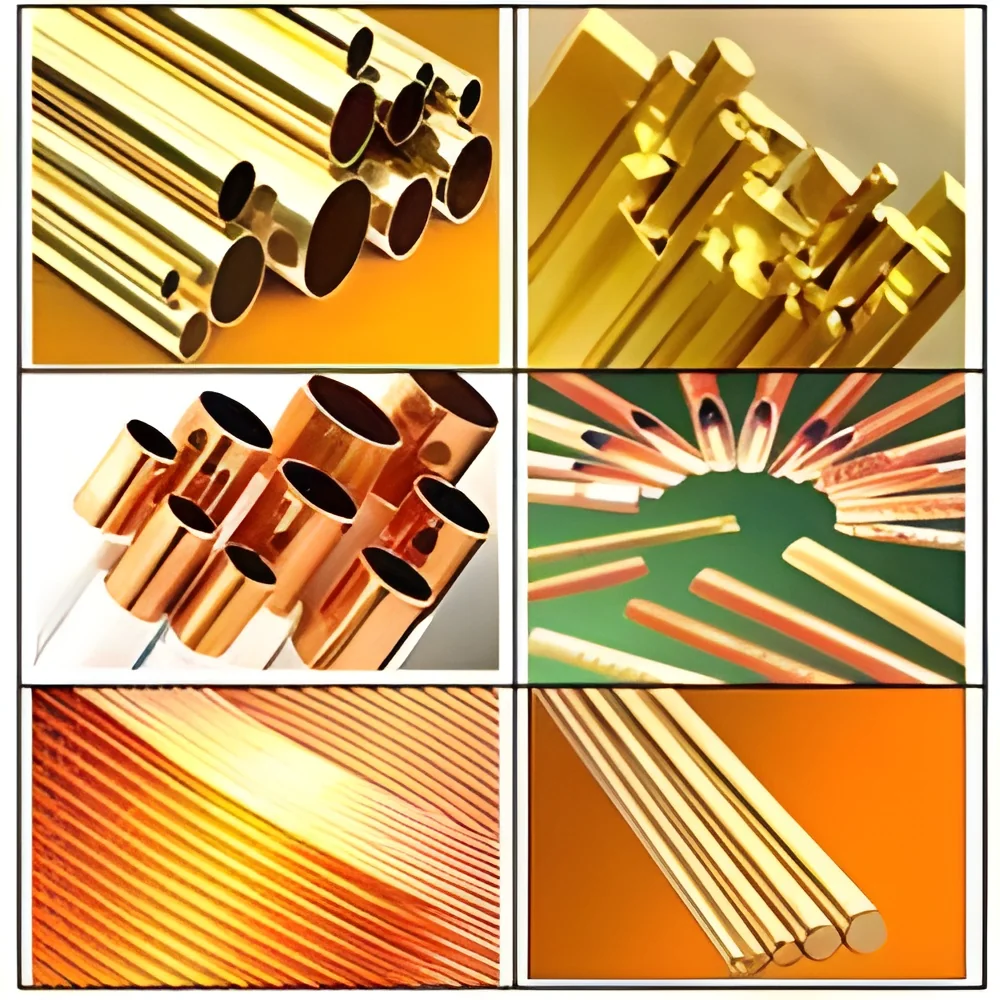
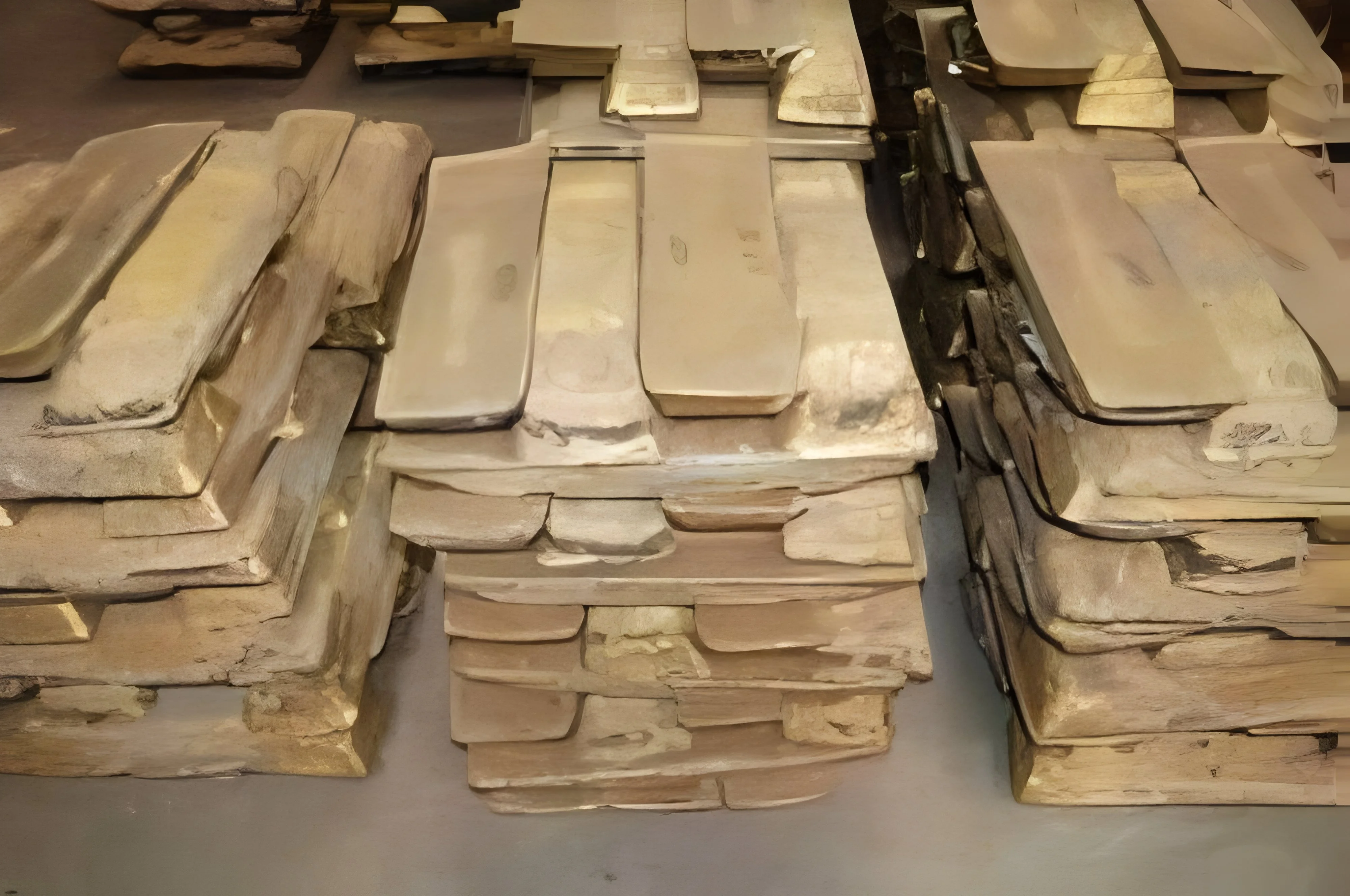
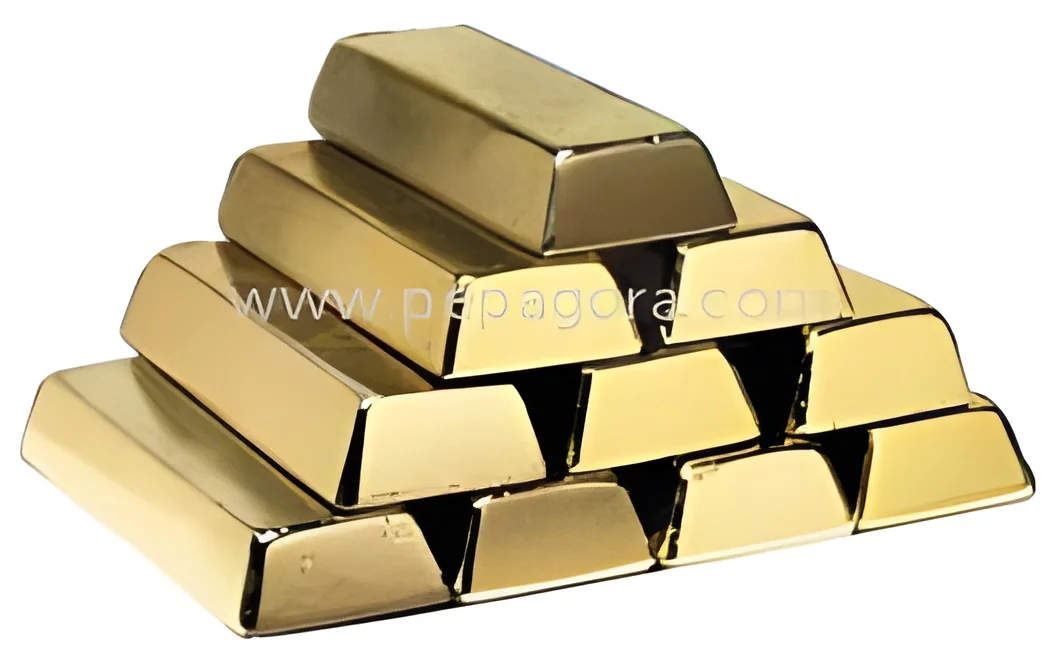
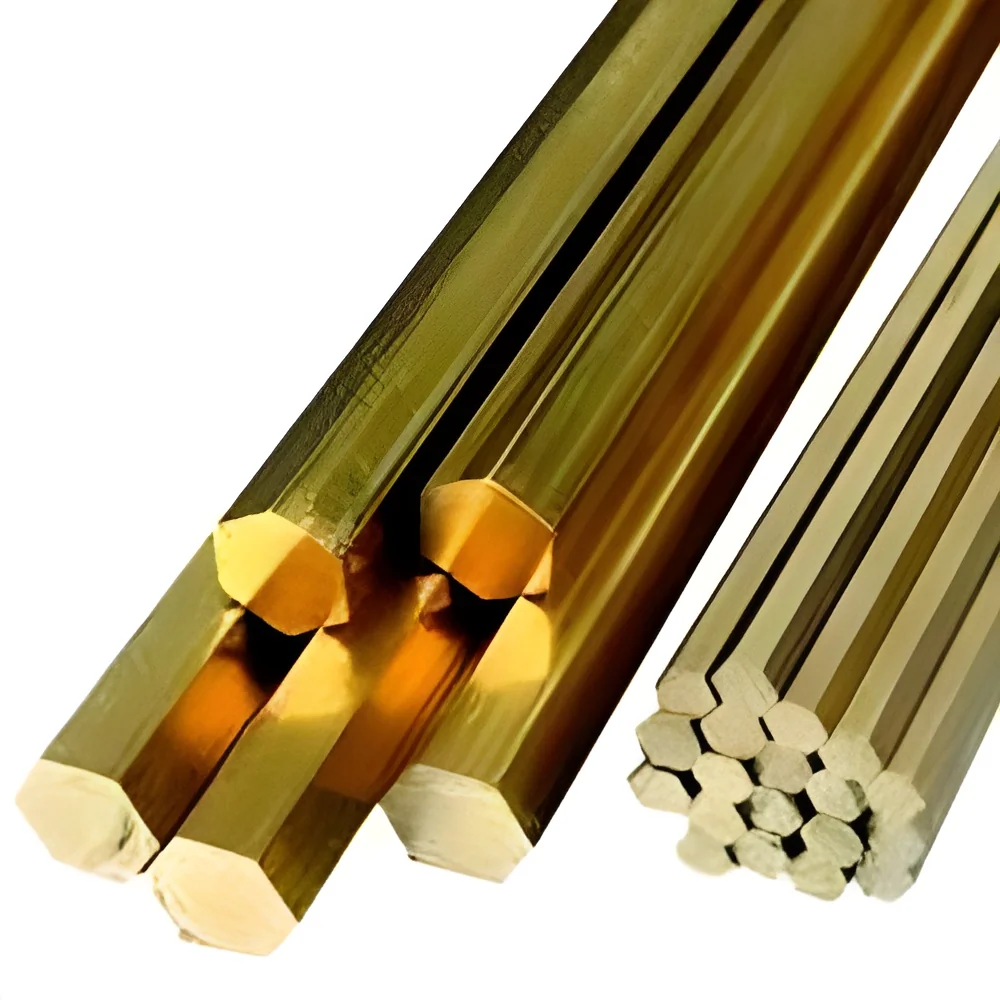
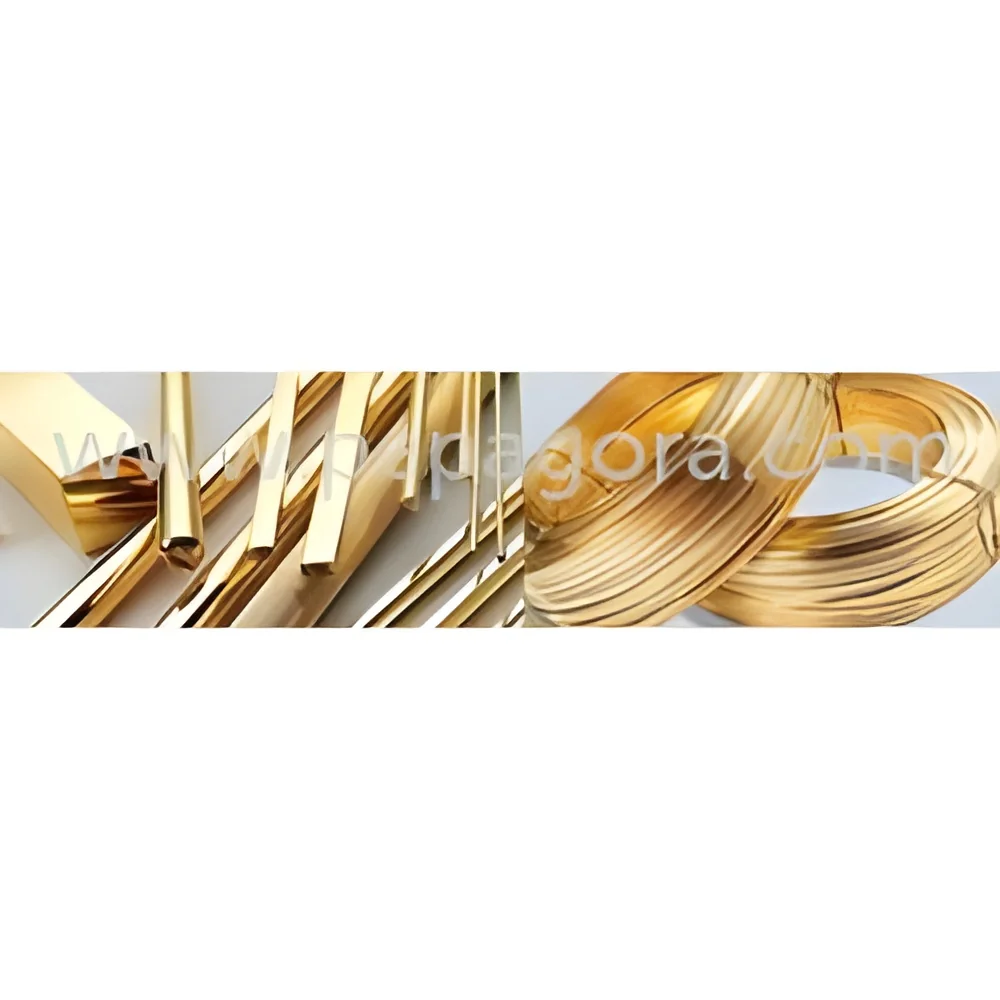
Brass ingots are solid blocks of brass, an alloy primarily composed of copper and zinc. These ingots are produced through melting, casting, and solidifying brass in molds. The resulting product is a highly versatile material that can be further processed into various forms for manufacturing and fabrication. Brass ingots are known for their excellent machinability, corrosion resistance, and aesthetic appeal, making them a popular choice in numerous industries.
The primary uses of brass ingots include the production of components such as fittings, valves, and decorative items. They are commonly utilized in plumbing, electrical applications, and automotive parts, where strength and conductivity are crucial. Additionally, brass ingots find applications in the manufacturing of musical instruments and jewelry due to their acoustic properties and visual allure. The relevance of brass ingots in the industry is underscored by their demand in both traditional and modern manufacturing processes, making them an essential product for businesses engaged in metalworking.
Key Features and Specifications
Brass ingots offer various features and specifications that cater to different industrial needs. These characteristics ensure that the ingots meet the required standards for quality and performance in various applications.
Key specifications include:
1. Composition
- Typically composed of 60-70% copper and 30-40% zinc
- Variations in alloying elements can modify properties
2. Density
- Density ranges from 8.4 to 8.7 g/cm³
- Affects weight and strength of the final products
3. Melting Point
- Melting point typically around 900 to 940 degrees Celsius
- Important for processing and casting applications
4. Thermal Conductivity
- High thermal conductivity, approximately 120-180 W/m·K
- Ideal for applications requiring heat dissipation
5. Electrical Conductivity
- Good electrical conductivity, around 15-30 % IACS
- Used in electrical components where conductivity is essential
6. Corrosion Resistance
- Resistant to corrosion in various environments
- Extends the lifespan of products made from brass
7. Machinability
- Excellent machinability rating, allowing for easy shaping and forming
- Preferred in manufacturing intricate parts
8. Surface Finish
- Available in various surface finishes to meet aesthetic and functional needs
- Options may include polished, brushed, or raw finishes
In summary, the features and specifications of brass ingots make them highly suitable for a wide array of applications, ensuring they meet industry standards while offering reliability and performance.
Common Applications and Use Cases
Brass ingots are utilized in a variety of industries due to their unique properties and versatility.
1. Plumbing: Brass ingots are widely used to create pipes, fittings, and valves that are resistant to corrosion and can withstand high pressure.
2. Electrical: In the electrical industry, brass ingots are transformed into connectors, terminals, and other components that require good conductivity and durability.
3. Automotive: Brass is frequently used in automotive applications for manufacturing parts such as radiators, fittings, and connectors, providing strength and thermal conductivity.
4. Musical Instruments: Brass ingots are essential in the production of musical instruments, including trumpets and trombones, owing to their acoustic properties.
5. Hardware: Brass ingots are commonly used in producing locks, hinges, and knobs that benefit from the material's durability and aesthetic appeal.
6. Jewelry: In the jewelry industry, brass is favored for its ability to be cast into intricate designs, offering a cost-effective alternative to gold and silver.
7. Marine: Brass is also employed in marine applications due to its resistance to saltwater corrosion, making it suitable for various fittings and fixtures.
Product Variants and Subcategories
Brass ingots can come in different variants tailored to specific applications, allowing for flexibility in usage.
Standard Brass Ingots
These are the most commonly used brass ingots, featuring a standard alloy composition suitable for general manufacturing and fabrication. They are often utilized in plumbing and electrical applications.
High-Strength Brass Ingots
These ingots contain additional alloying elements to enhance strength and durability. They are ideal for demanding applications in the automotive and aerospace industries.
Lead-Free Brass Ingots
Environmentally friendly options, these brass ingots are manufactured without lead, making them suitable for applications where safety and health regulations are a concern, such as in plumbing fixtures.
Custom Brass Ingots
Custom variants can be produced to meet specific requirements in terms of composition, size, and shape. These are often crafted for specialized applications across various industries.
Benefits and Advantages
Brass ingots provide numerous benefits that make them a preferred choice for many manufacturers.
1. Durability: Brass is known for its strength and resistance to wear, making it suitable for long-lasting applications.
2. Corrosion Resistance: The inherent properties of brass protect against corrosion, ensuring longevity in various environments.
3. Aesthetic Appeal: Brass offers a distinctive yellow-gold color, making it a popular choice for decorative items and fixtures.
4. Machinability: Brass ingots can be easily machined and fabricated, allowing for intricate designs and shapes to be created.
5. Versatility: Suitable for a wide range of applications across different industries, brass ingots can be adapted for various uses.
6. Cost-Effectiveness: Brass ingots offer a balance between performance and cost, providing value for money in manufacturing processes.
Buying Guide for B2B Buyers
When sourcing brass ingots, it is essential for buyers to consider various factors to ensure they make informed decisions.
1. Quality Assessment: Evaluate the quality of brass ingots by reviewing their composition and mechanical properties. Ensure they meet relevant industry standards for durability and performance.
2. Supplier Verification: Vet potential suppliers by checking their credentials and reputation in the industry. Look for certifications and customer reviews to gauge reliability.
3. Pricing and MOQ: Investigate the pricing structure and minimum order quantities (MOQ) set by suppliers. Compare quotes to find the best value while ensuring quality is not compromised.
4. Delivery and Lead Times: Discuss logistics with suppliers to understand delivery schedules and lead times. Timely delivery is crucial for maintaining production schedules.
5. Compliance Requirements: Ensure that the brass ingots comply with relevant regulations and standards, such as safety and environmental considerations, to avoid legal issues.
Compliance and Certifications
Brass ingots must adhere to various compliance standards and certifications to ensure safety and quality in their applications.
Relevance to quality standards such as ISO 9001 ensures that manufacturing processes meet international requirements for quality management. This standard emphasizes consistent production and customer satisfaction.
Industry certifications like CE indicate compliance with European safety regulations, ensuring that products are safe for use. This certification is often essential for products sold in European markets.
Safety and testing requirements play a critical role in the production of brass ingots. Regular testing for mechanical properties and chemical composition is necessary to maintain quality and performance.
Regional compliance considerations may vary, and it is vital for suppliers to be aware of local regulations regarding materials used in manufacturing. This awareness helps to ensure that products meet necessary safety and environmental standards.
Why Source Brass Ingots from Pepagora?
Pepagora provides a trusted platform for sourcing brass ingots, offering several advantages to businesses looking to procure high-quality materials.
Verified Supplier Network: Pepagora ensures that all suppliers in its network are thoroughly vetted and verified. This process helps buyers connect with reputable manufacturers who adhere to quality standards.
Streamlined RFQ Process: The request for quotation (RFQ) system simplifies the procurement process. Buyers can easily request quotes from multiple suppliers, enabling them to compare prices and terms quickly.
Trade Assurance and Support: Pepagora offers trade assurance to protect buyers throughout the purchasing process. This support includes assistance with disputes and ensuring that orders meet agreed-upon specifications.
Regional Coverage: With a wide geographic reach that includes India, the GCC, and Southeast Asia, Pepagora connects buyers with local suppliers, facilitating easier logistics and communication. This regional coverage allows businesses to source brass ingots more efficiently.

 IN
IN