𝗪𝗵𝗮𝘁 𝗮𝗿𝗲 𝗦𝘁𝗮𝗶𝗻𝗹𝗲𝘀𝘀 𝗦𝘁𝗲𝗲𝗹 𝗜𝗻𝗴𝗼𝘁𝘀?
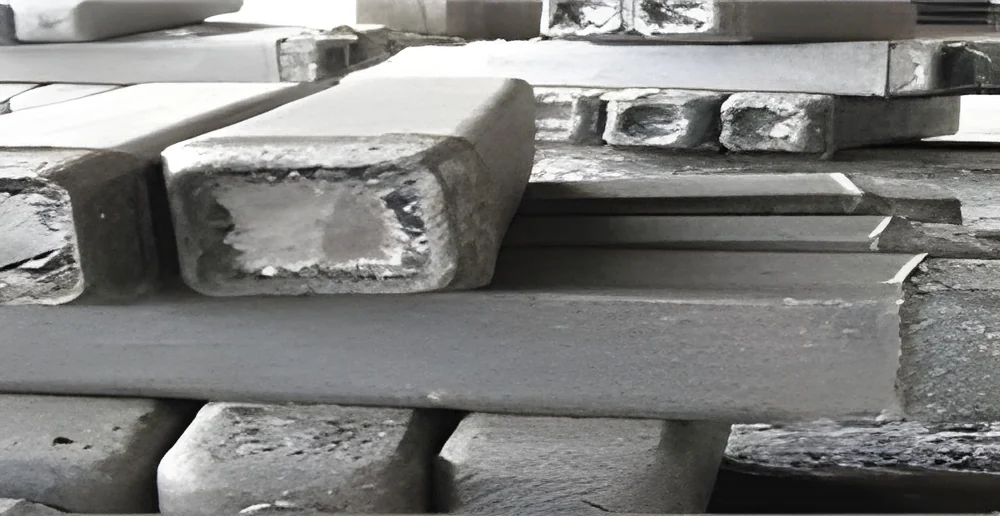
Stainless steel ingots are solid blocks of stainless steel that are typically produced through the melting and casting of stainless steel scrap or alloy materials. These ingots serve as the primary raw material for various industrial applications where a durable and corrosion-resistant metal is required. The production process involves heating the raw materials to high temperatures, followed by casting them into molds to form ingots of various sizes and shapes.
The primary uses of stainless steel ingots include the manufacturing of components for automotive, aerospace, construction, and consumer goods industries. These ingots are further processed into bars, sheets, and other forms, which are essential for producing parts that demand high strength and resistance to oxidation and corrosion. The relevance of stainless steel ingots in today’s market is significant, as industries continue to seek materials that meet stringent quality and performance standards, particularly in environments where durability is critical.
𝗞𝗲𝘆 𝗙𝗲𝗮𝘁𝘂𝗿𝗲𝘀 𝗮𝗻𝗱 𝗦𝗽𝗲𝗰𝗶𝗳𝗶𝗰𝗮𝘁𝗶𝗼𝗻𝘀
Stainless steel ingots are characterized by their strength, durability, and corrosion resistance. These features make them suitable for a wide range of applications across various industries. The specifications of stainless steel ingots can vary based on the intended use and the specific requirements of different sectors.
Key specifications include:
1. Chemical Composition
- Typically includes iron, chromium, nickel, and other alloying elements
- Varies according to the grade of stainless steel, such as 304, 316, or 410
2. Density
- Generally ranges from 7.5 to 8.0 grams per cubic centimeter
- Ensures the ingot maintains structural integrity under load
3. Yield Strength
- Commonly between 200 to 250 MPa for standard grades
- Determines the material’s ability to withstand deformation
4. Tensile Strength
- Usually ranges from 500 to 750 MPa
- Indicates the maximum stress the material can endure before failure
5. Hardness
- Measured on the Rockwell or Brinell scale
- Varies based on alloy composition and heat treatment
6. Surface Finish
- Options include hot-rolled, cold-rolled, and polished
- Affects aesthetics, corrosion resistance, and further processing
7. Size and Shape
- Available in various dimensions, typically from 50mm to 300mm in thickness
- Shapes include square, rectangular, and round ingots
8. Certifications
- Compliance with international standards, including CE certification
- Ensures quality and safety for industrial applications
These specifications play a crucial role in determining the suitability of stainless steel ingots for specific applications and industries.
𝗖𝗼𝗺𝗺𝗼𝗻 𝗔𝗽𝗽𝗹𝗶𝗰𝗮𝘁𝗶𝗼𝗻𝘀 𝗮𝗻𝗱 𝗨𝘀𝗲 𝗖𝗮𝘀𝗲𝘀
Stainless steel ingots are utilized across multiple sectors due to their versatile properties.
1. Aerospace Industry: Used in the production of aircraft components such as engine parts and landing gear due to their high strength-to-weight ratio and corrosion resistance.
2. Automotive Industry: Essential for manufacturing parts like exhaust systems and structural components that require durability and resistance to high temperatures.
3. Construction Industry: Employed in the production of stainless steel fittings, structural beams, and reinforcement bars, ensuring longevity and resistance to environmental factors.
4. Food and Beverage Industry: Utilized in equipment and containers that require hygiene and corrosion resistance, such as tanks and processing machinery.
5. Medical Equipment: Used for producing surgical instruments and implants that demand high sterility and corrosion resistance.
6. Oil and Gas Industry: Essential for components in pipelines and drilling equipment that are exposed to harsh conditions and corrosive substances.
7. Household Goods: Used in kitchen appliances, cutlery, and fixtures that benefit from both aesthetic appeal and durability.
𝗣𝗿𝗼𝗱𝘂𝗰𝘁 𝗩𝗮𝗿𝗶𝗮𝗻𝘁𝘀 𝗮𝗻𝗱 𝗦𝘂𝗯𝗰𝗮𝘁𝗲𝗴𝗼𝗿𝗶𝗲𝘀
Stainless steel ingots come in various grades and types, catering to different industrial needs and specifications.
304 Stainless Steel Ingots
These ingots are widely used due to their excellent corrosion resistance and formability. They are commonly found in kitchen equipment, food processing, and chemical applications.
316 Stainless Steel Ingots
Known for their superior resistance to chloride corrosion, these ingots are ideal for marine applications and industrial settings where exposure to harsh chemicals is expected.
410 Stainless Steel Ingots
These ingots are utilized in applications requiring high strength and moderate corrosion resistance, such as cutlery and automotive parts.
𝗕𝗲𝗻𝗲𝗳𝗶𝘁𝘀 𝗮𝗻𝗱 𝗔𝗱𝘃𝗮𝗻𝘁𝗮𝗴𝗲𝘀
Stainless steel ingots offer numerous advantages that make them a preferred choice across various industries.
1. Corrosion Resistance: Stainless steel ingots exhibit excellent resistance to rust and corrosion, making them suitable for harsh environments.
2. Durability: The inherent strength of stainless steel ensures that products made from these ingots have a longer lifespan and require less maintenance.
3. Versatility: Available in different grades and forms, stainless steel ingots can be tailored to meet specific industry requirements.
4. Aesthetic Appeal: Stainless steel has a modern and clean appearance, making it desirable for consumer products and architectural applications.
5. Recyclability: Stainless steel is fully recyclable, contributing to sustainability and reduced environmental impact in manufacturing processes.
6. Non-reactive: Ideal for food and medical applications, stainless steel does not react with substances, ensuring safety and hygiene.
𝗕𝘂𝘆𝗶𝗻𝗴 𝗚𝘂𝗶𝗱𝗲 𝗳𝗼𝗿 𝗕𝟮𝗕 𝗕𝘂𝘆𝗲𝗿𝘀
When sourcing stainless steel ingots for industrial applications, buyers should consider several key factors.
1. Quality Assessment: Evaluate the chemical composition and mechanical properties of ingots to ensure they meet specific industry standards and applications.
2. Supplier Verification: Conduct thorough research to vet suppliers, ensuring they have a reliable track record and the ability to provide quality materials consistently.
3. Pricing and MOQ: Understand the pricing models and minimum order quantities (MOQ) to make informed purchasing decisions that align with budget constraints.
4. Delivery and Lead Times: Discuss logistics with suppliers to ensure timely delivery, as lead times can vary significantly based on manufacturing capabilities and location.
5. Compliance Requirements: Ensure that the ingots comply with relevant regulations and certifications needed for your industry, such as CE certification or other quality standards.
𝗖𝗼𝗺𝗽𝗹𝗶𝗮𝗻𝗰𝗲 𝗮𝗻𝗱 𝗖𝗲𝗿𝘁𝗶𝗳𝗶𝗰𝗮𝘁𝗶𝗼𝗻𝘀
Stainless steel ingots are subject to various quality standards and certifications that ensure their reliability and safety in industrial applications. Key standards include ISO 9001, which outlines quality management systems, and HACCP, focusing on food safety. Additionally, CE certification indicates compliance with European safety, health, and environmental protection standards.
Safety and testing requirements are critical, especially in sectors such as food processing and healthcare. Manufacturers must conduct rigorous testing to confirm that the materials meet all necessary standards for performance and hygiene.
Regional compliance considerations may vary, depending on the market where the ingots will be used. Understanding local regulations and industry standards is essential for ensuring that the products meet specific quality and safety criteria.
𝗪𝗵𝘆 𝗦𝗼𝘂𝗿𝗰𝗲 𝗦𝘁𝗮𝗶𝗻𝗹𝗲𝘀𝘀 𝗦𝘁𝗲𝗲𝗹 𝗜𝗻𝗴𝗼𝘁𝘀 𝗳𝗿𝗼𝗺 𝗣𝗲𝗽𝗮𝗴𝗼𝗿𝗮?
Pepagora provides a trusted platform for sourcing stainless steel ingots, offering several key advantages for B2B buyers.
Verified Supplier Network: The platform features a network of verified suppliers who meet stringent quality and reliability standards. This ensures buyers have access to high-quality materials backed by credible manufacturers.
Streamlined RFQ Process: Pepagora simplifies the request-for-quotation process, allowing buyers to easily connect with suppliers and obtain competitive pricing and terms tailored to their specific needs.
Trade Assurance and Support: The platform offers buyer protection through trade assurance, ensuring that transactions are secure and that buyers receive the materials as specified.
Regional Coverage: Pepagora has a broad geographic reach, covering key markets such as India, the GCC region, and Southeast Asia, making it easier for buyers to find local suppliers and access materials efficiently.
By choosing Pepagora, businesses can enhance their supply chain efficiency while ensuring they receive high-quality stainless steel ingots for their projects.

 IN
IN