
 IN
Copper Rods
6 products available
What are Copper Rods?
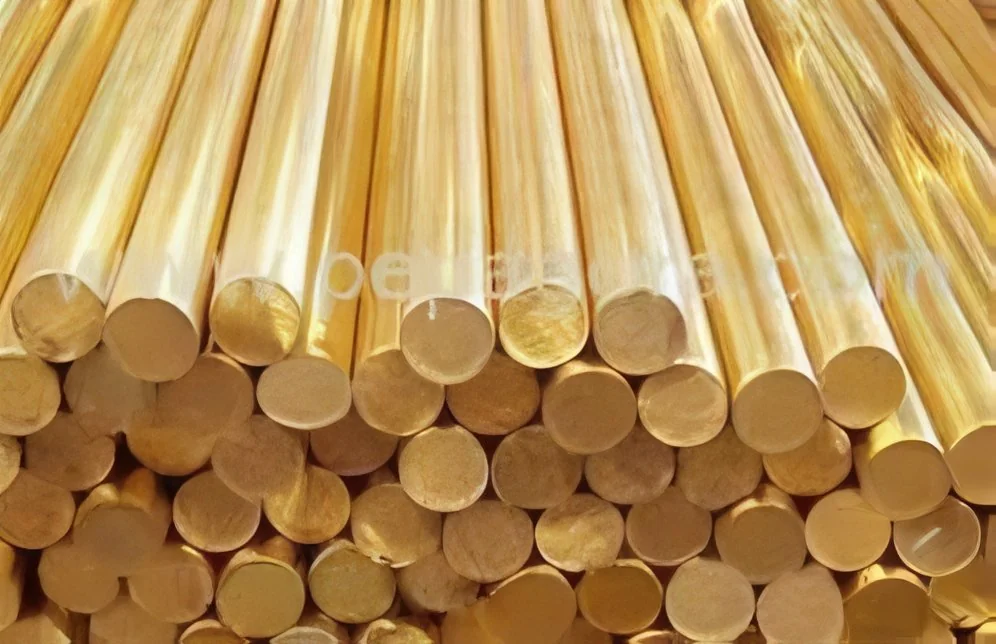
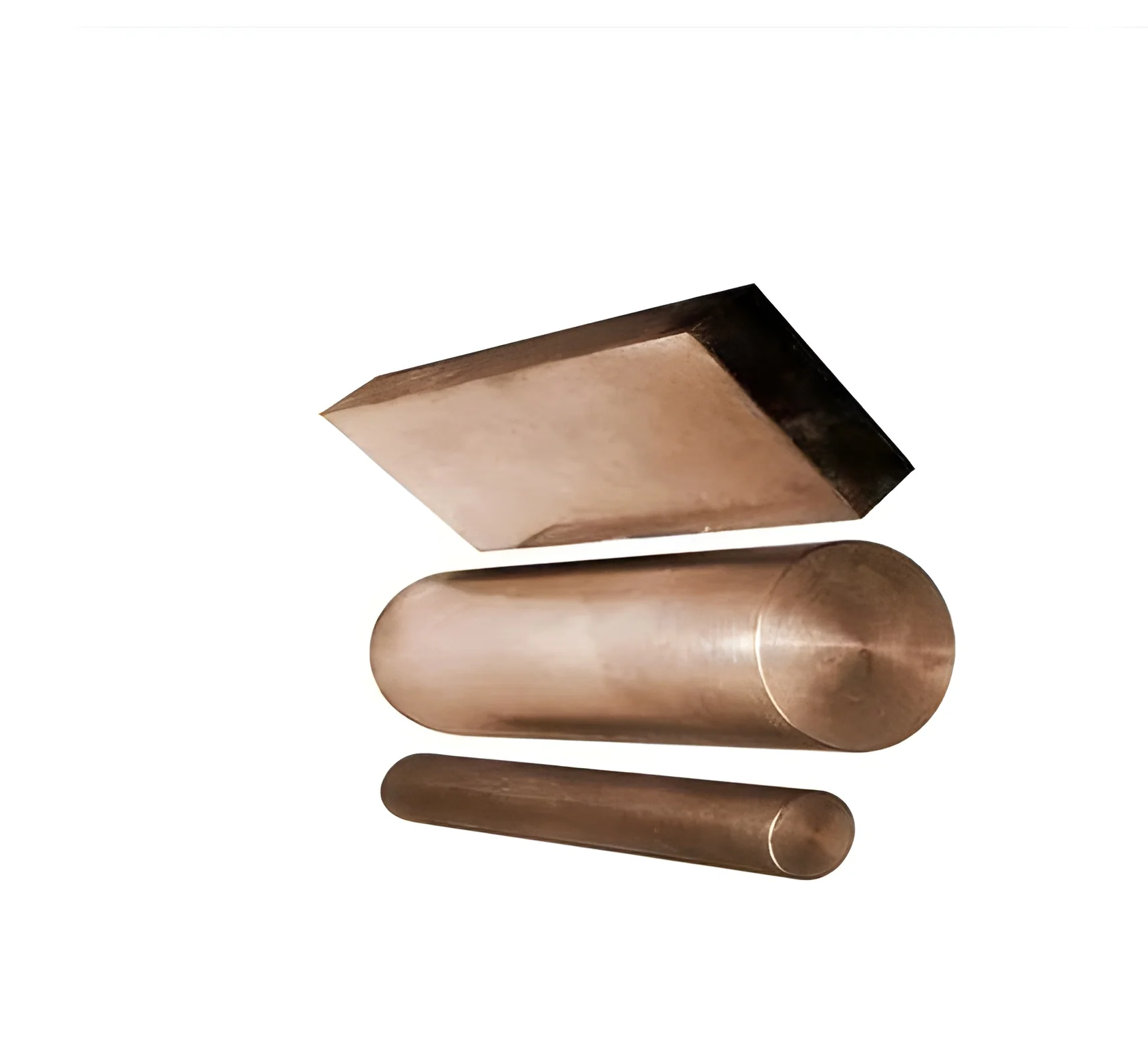
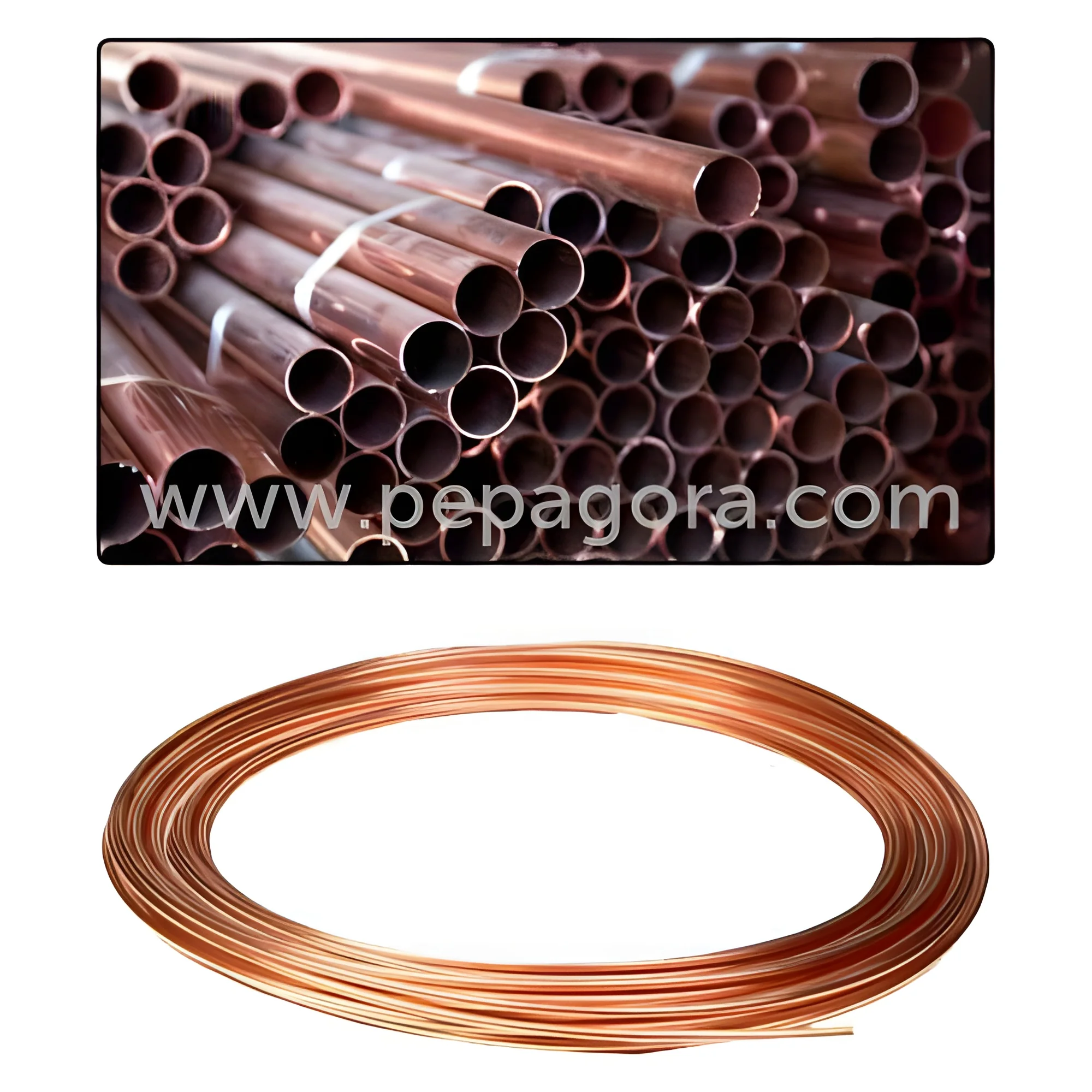
Copper rods are solid metal bars made primarily from copper, a highly conductive material. These rods are manufactured through various processes, including extrusion, drawing, and rolling, to achieve desired dimensions and physical properties. The resulting product is known for its excellent electrical and thermal conductivity, malleability, and corrosion resistance. Copper rods can be produced in various diameters and lengths, making them versatile for numerous industrial applications.
The primary uses of copper rods include electrical wiring, plumbing, and manufacturing components for various machinery and equipment. In the electrical industry, they are particularly valued for their ability to conduct electricity with minimal resistance. Additionally, copper rods are used in the production of copper wire, which is essential for electrical installations. The market for copper rods is significant, driven by demand in sectors such as construction, automotive, and telecommunications, where the need for reliable conductors and components remains high.
Key Features and Specifications
Copper rods come with several key features that make them suitable for a wide range of applications. Their physical and chemical properties are critical in determining their performance in specific environments.
Key specifications include:
1. Diameter
- Available in various sizes ranging from 8 mm to 50 mm.
- Custom diameters may be available upon request.
2. Length
- Standard lengths range from 1 meter to 6 meters.
- Custom lengths can be supplied based on project requirements.
3. Electrical Conductivity
- High conductivity levels, typically around 58 MS/m.
- Essential for applications requiring efficient energy transfer.
4. Tensile Strength
- Typical tensile strength of 210-300 MPa.
- Important for maintaining structural integrity under stress.
5. Corrosion Resistance
- Naturally resistant to corrosion, suitable for outdoor and humid environments.
- Often treated with additional coatings for enhanced durability.
6. Alloy Composition
- Available in pure copper (C11000) and various alloys.
- Alloys may offer improved strength and thermal properties.
7. Surface Finish
- Options for polished or unpolished finishes.
- Surface treatment can enhance performance in specific applications.
8. Compliance
- Complies with international standards such as CE certification.
- Ensures reliability and safety in industrial usage.
In summary, the specifications of copper rods play a vital role in their performance across different applications, ensuring they meet the requirements of various industries.
Common Applications and Use Cases
Copper rods serve a broad spectrum of industries due to their desirable properties.
1. Electrical Industry: Copper rods are extensively used to manufacture electrical wires and cables, ensuring efficient power transmission and minimal energy loss.
2. Plumbing: In plumbing applications, copper rods are utilized to create pipes and fittings, valued for their resistance to corrosion and longevity.
3. Automotive: The automotive industry employs copper rods in components like connectors and battery terminals, where reliable conductivity is essential.
4. Construction: In construction, copper rods are often used in structural applications and roofing, providing durability and aesthetic appeal.
5. Telecommunications: Copper rods are used in telecommunications equipment, ensuring signal integrity and performance in connection systems.
6. HVAC Systems: Copper rods are integral in heating, ventilation, and air conditioning systems, known for their thermal conductivity and resistance to corrosion.
7. Industrial Equipment: Various industrial machines and tools utilize copper rods for their electrical components, enhancing reliability and efficiency.
Product Variants and Subcategories
Copper rods come in a diverse range of options, catering to specific industrial needs.
Standard Copper Rods
These rods are made from pure copper and are primarily used in electrical applications. They offer excellent conductivity and are available in various diameters and lengths.
Copper Alloy Rods
These variants include additional elements to enhance specific properties, such as strength or corrosion resistance. They are often used in specialized applications where standard copper rods may not suffice.
Copper Rods with Coatings
These rods feature protective coatings to improve corrosion resistance and durability. They are ideal for harsh environments, such as marine or industrial settings.
Benefits and Advantages
Copper rods offer numerous advantages that make them a preferred choice in various applications.
1. Excellent Conductivity: Copper rods provide superior electrical and thermal conductivity, essential for efficient energy transfer.
2. Durability: Their resistance to corrosion and wear ensures a long lifespan, reducing the need for frequent replacements.
3. Versatility: Available in various sizes and forms, they can be tailored for numerous applications across different industries.
4. Ease of Fabrication: Copper rods are easy to work with, allowing for straightforward manufacturing into various components.
5. Eco-Friendly: Copper is a recyclable material, making copper rods an environmentally friendly option for industrial use.
6. Cost-Effectiveness: Despite initial costs, the durability and efficiency of copper rods lead to long-term savings for businesses.
Buying Guide for B2B Buyers
When sourcing copper rods, several factors should be considered to ensure quality and suitability for specific applications.
1. Quality Assessment: Evaluate the quality of copper rods by checking for certifications such as CE and compliance with industry standards. Look for suppliers that provide detailed specifications.
2. Supplier Verification: Vet suppliers thoroughly to ensure reliability. Consider factors such as their experience, reputation, and customer reviews.
3. Pricing and MOQ: Understand the pricing structure and minimum order quantities. This information is crucial for budgeting and ensuring sufficient supply.
4. Delivery and Lead Times: Inquire about delivery schedules and lead times. Timely delivery is essential for maintaining project timelines.
5. Compliance Requirements: Ensure that the copper rods meet all necessary regulatory and safety standards for your industry. This will help avoid compliance issues.
Compliance and Certifications
Copper rods must adhere to various quality standards and certifications to ensure reliability and safety in their applications. Key compliance standards include ISO 9001, which focuses on quality management systems, ensuring that products consistently meet customer and regulatory requirements.
In addition to ISO certification, copper rods are often required to meet industry-specific certifications, such as CE marking, which indicates conformity with health, safety, and environmental protection standards for products sold within the European Economic Area.
Safety and testing requirements are also critical in ensuring that copper rods perform safely under expected conditions. Testing may include assessments for conductivity, tensile strength, and corrosion resistance.
Regional compliance considerations are important as regulations may vary across different markets. Buyers should ensure that their suppliers are knowledgeable about and compliant with local regulations to avoid potential legal issues.
Why Source Copper Rods from Pepagora?
Pepagora offers a trusted platform for sourcing copper rods, providing several key advantages that appeal to B2B buyers.
Verified Supplier Network: Pepagora connects buyers with a network of verified suppliers, ensuring quality and reliability. Each supplier undergoes a thorough vetting process to maintain high standards.
Streamlined RFQ Process: The platform simplifies the request for quotation process, allowing buyers to easily compare offers from multiple suppliers. This efficiency helps in making informed purchasing decisions.
Trade Assurance and Support: Buyers benefit from trade assurance, which protects their transactions and ensures support throughout the purchasing process. This adds a layer of security for both parties involved.
Regional Coverage: Pepagora has a broad geographic reach, serving markets in India, the Gulf Cooperation Council (GCC), and Southeast Asia. This ensures that buyers can access copper rods tailored to their regional needs while enjoying competitive pricing and reliable delivery options.

Frequently Asked Questions
What are Copper Rods?
Copper rods are elongated pieces of copper that are typically used in electrical and construction applications. They exhibit excellent electrical and thermal conductivity, making them ideal for a variety of industrial uses.
What are the different types of Copper Rods?
There are several types of copper rods, including bare copper rods, tinned copper rods, and alloyed copper rods. Each type serves different purposes based on factors like conductivity, corrosion resistance, and mechanical strength.
How do I choose the right Copper Rods?
When selecting copper rods, consider factors such as the intended application, required conductivity, and environmental conditions. It's also important to evaluate the rod's diameter and length specifications to ensure they meet your project requirements.
What are the standard specifications for Copper Rods?
Standard specifications for copper rods can include dimensions, tensile strength, and electrical conductivity ratings. Common standards are defined by organizations like ASTM or ISI, which specify the quality and performance characteristics of copper products.
What is the price range for Copper Rods?
The price of copper rods can vary significantly based on factors such as size, grade, and market demand. Generally, prices may range from INR 500 to INR 1500 per kilogram, but it is advisable to check with suppliers for the most current pricing.
What quality standards apply to Copper Rods?
Copper rods are typically subjected to quality standards such as ASTM B-49 and IS 191. These standards ensure that the rods meet specific criteria for purity, mechanical properties, and conductivity, which are essential for industrial applications.
Where can I find Copper Rods suppliers in India?
You can find copper rods suppliers in India through online B2B marketplaces like Pepagora.com, trade shows, and industry directories. It's beneficial to compare multiple suppliers to find the best quality and pricing.
Can Copper Rods be customized?
Yes, many manufacturers offer customization options for copper rods, including specific lengths, diameters, and finishes. Customization is particularly useful for projects with unique requirements or specifications.
What is the typical minimum order quantity for Copper Rods?
The minimum order quantity (MOQ) for copper rods can vary by supplier, but it typically ranges from 50 kg to 100 kg. Always check with the supplier to confirm their specific MOQ requirements.
What is the typical lead time for Copper Rods?
The lead time for copper rods can range from a few days to several weeks, depending on the supplier and the complexity of the order. It's best to confirm the lead time with the supplier when placing your order.
Why Businesses Trust Pepagora
Thousands of companies trust Pepagora to source smarter and sell faster
Expand Your Sales Globally

Source Smarter,Grow Faster
