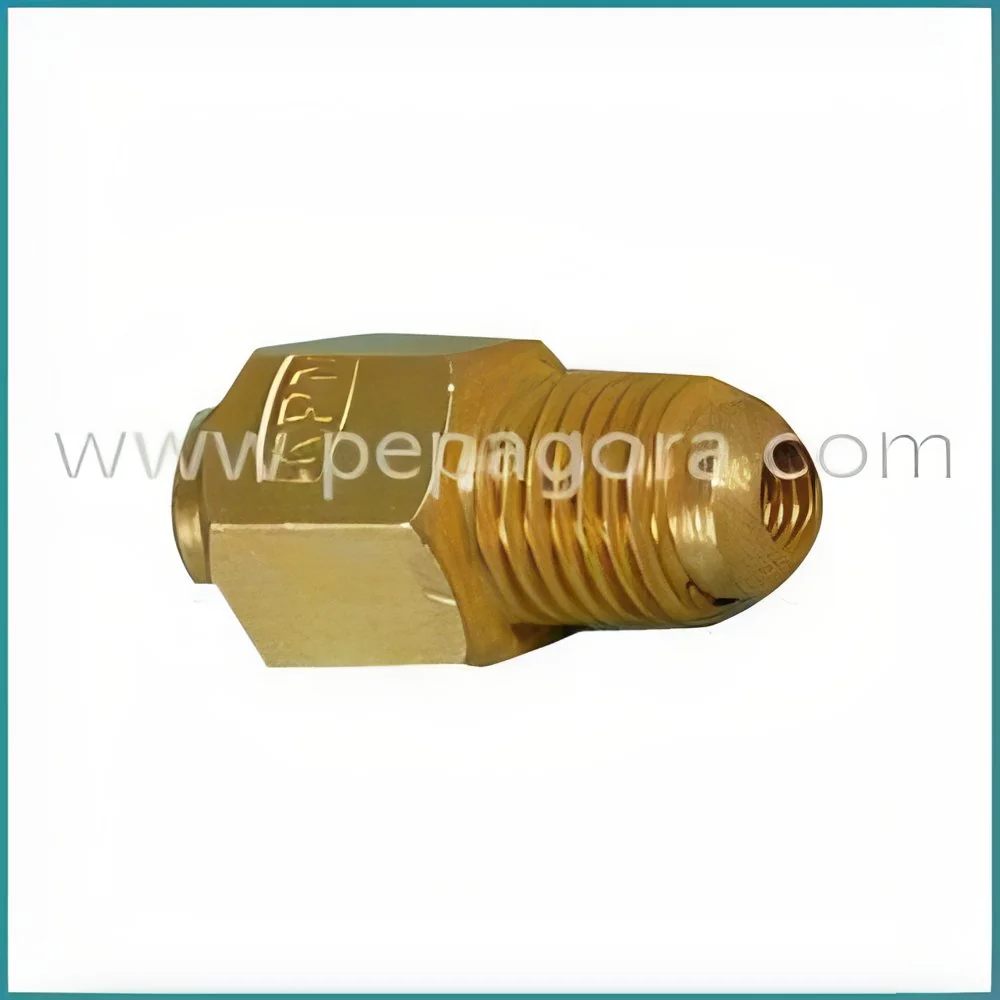
What are Brass Wires?
Brass wires are metal wires made from an alloy of copper and zinc. This alloy exhibits excellent conductivity, corrosion resistance, and malleability, making brass wires suitable for various applications. The combination of copper and zinc gives brass its distinctive golden color, which is not only aesthetically pleasing but also functional in many industrial settings.
These wires are commonly used in electrical applications, plumbing, and decorative purposes. They provide reliable performance in manufacturing components such as connectors, fasteners, and springs. Brass wires are also used in the creation of musical instruments and jewelry due to their appealing appearance and workability. As industries continue to evolve, the demand for high-quality brass wires is expected to grow, reflecting their importance in manufacturing and construction sectors.
Key Features and Specifications
Brass wires come with a range of features and specifications that make them suitable for various applications. Understanding these specifications is crucial for selecting the right type for your needs.
Key specifications include:
1. Diameter
- Commonly ranges from 0.1 mm to 10 mm.
- Available in various gauges to meet specific application requirements.
2. Tensile Strength
- Typically ranges from 300 MPa to 600 MPa.
- Important for applications requiring durability and strength.
3. Electrical Conductivity
- Brass wires generally have conductivity ranging from 15 to 30 percent of copper.
- Essential for electrical wiring applications.
4. Corrosion Resistance
- Brass is inherently resistant to corrosion due to its zinc content.
- Suitable for outdoor and marine applications.
5. Thermal Conductivity
- Brass wires exhibit thermal conductivity in the range of 100 to 120 W/mK.
- Beneficial for heat dissipation in electrical components.
6. Finish Types
- Available in various finishes, including polished, matte, and coated.
- Finish affects aesthetics and performance in different environments.
7. Lengths
- Typically available in standard lengths of 100 meters or custom lengths as per requirements.
- Important for large-scale manufacturing operations.
In summary, understanding the features and specifications of brass wires is vital for selecting the right product for specific industrial applications.
Common Applications and Use Cases
Brass wires serve a wide range of industries, each benefiting from their unique properties.
1. Electrical Industry: Brass wires are extensively used for electrical connectors and terminals due to their excellent conductivity and resistance to corrosion.
2. Plumbing: These wires are commonly used in plumbing fittings and fixtures where durability and resistance to corrosion are essential.
3. Automotive: Brass wires are utilized in various automotive components, including connectors and ignition systems, because of their reliability and performance.
4. Musical Instruments: Manufacturers of brass instruments use these wires for their strength and tonal qualities, enhancing sound production.
5. Jewelry Making: Brass wires are popular in jewelry design due to their attractive appearance and ease of manipulation.
6. Manufacturing: Brass wires are used in the production of springs and fasteners, where their tensile strength is crucial.
7. Decorative Applications: The aesthetic appeal of brass makes it a favored choice for decorative items, including home fixtures and art pieces.
Product Variants and Subcategories
Brass wires come in various types tailored to specific applications and needs.
Solid Brass Wire
This variant is known for its strength and durability. It is commonly used in electrical applications and manufacturing components due to its excellent mechanical properties.
Stranded Brass Wire
Stranded brass wire consists of multiple smaller wires twisted together. This design enhances flexibility, making it suitable for applications requiring tight bends or movements, such as in musical instruments.
Benefits and Advantages
Brass wires offer numerous benefits that make them a preferred choice in many applications.
1. Corrosion Resistance: Brass wires resist oxidation and corrosion, ensuring longevity in various environments.
2. Electrical Conductivity: They provide excellent conductivity, making them ideal for electrical applications.
3. Malleability: Brass wires can be easily shaped and formed, allowing for versatile applications in manufacturing and crafting.
4. Aesthetic Appeal: The golden color of brass adds an attractive finish to products, making them visually appealing.
5. Strength: Brass wires exhibit high tensile strength, ensuring reliability in demanding applications.
6. Cost-Effectiveness: Brass wires are generally more affordable than pure copper wires while still maintaining good performance characteristics.
Buying Guide for B2B Buyers
When sourcing brass wires, several critical factors should be considered to ensure the best purchase decision.
1. Quality Assessment: Evaluate the quality of brass wires based on their tensile strength, conductivity, and corrosion resistance. Ensure that they meet industry standards to avoid performance issues.
2. Supplier Verification: Vet suppliers by checking their reputation, certifications, and customer reviews. A reliable supplier should have a proven track record of providing high-quality products.
3. Pricing and MOQ: Understand the pricing structure and minimum order quantities. Compare quotes from multiple suppliers to ensure competitive pricing.
4. Delivery and Lead Times: Consider the logistics of delivery and the expected lead times. Timely delivery is essential for maintaining production schedules.
5. Compliance Requirements: Ensure that the brass wires comply with relevant industry standards and regulations. This may include certifications like CE and adhering to safety requirements.
Compliance and Certifications
Brass wires must adhere to specific quality standards and certifications to ensure safety and reliability in various applications.
ISO 9001 is a widely recognized standard that outlines quality management systems. Compliance with this standard ensures that manufacturers maintain consistent quality in their products.
CE certification indicates that brass wires meet European Union safety and environmental protection requirements. This certification is crucial for companies looking to enter European markets.
Safety and testing requirements are critical, especially in applications involving electrical components. Manufacturers must conduct thorough testing to ensure that their brass wires can withstand environmental factors without degrading.
Regional compliance considerations may vary, but it is essential to be aware of local regulations when sourcing brass wires for different markets, including the implications of environmental standards and safety regulations.
Why Source Brass Wires from Pepagora?
Pepagora provides a trusted platform for sourcing brass wires, offering several distinct advantages that cater to B2B buyers.
Verified Supplier Network: Pepagora has a robust network of verified suppliers, ensuring that buyers can access high-quality brass wires from reputable manufacturers. This verification process helps mitigate risks associated with sourcing.
Streamlined RFQ Process: The platform features an efficient Request for Quotation (RFQ) system that simplifies the purchasing process. Buyers can easily submit their specifications and receive competitive quotes from multiple suppliers.
Trade Assurance and Support: Pepagora offers trade assurance, providing buyers with protection throughout the transaction process. This support ensures peace of mind when sourcing materials.
Regional Coverage: With a strong presence in India, the GCC, and Southeast Asia, Pepagora offers extensive regional coverage. This reach enables buyers to connect with suppliers who can meet their specific logistical needs and timelines.

 IN
IN