What are Lead Ingots?
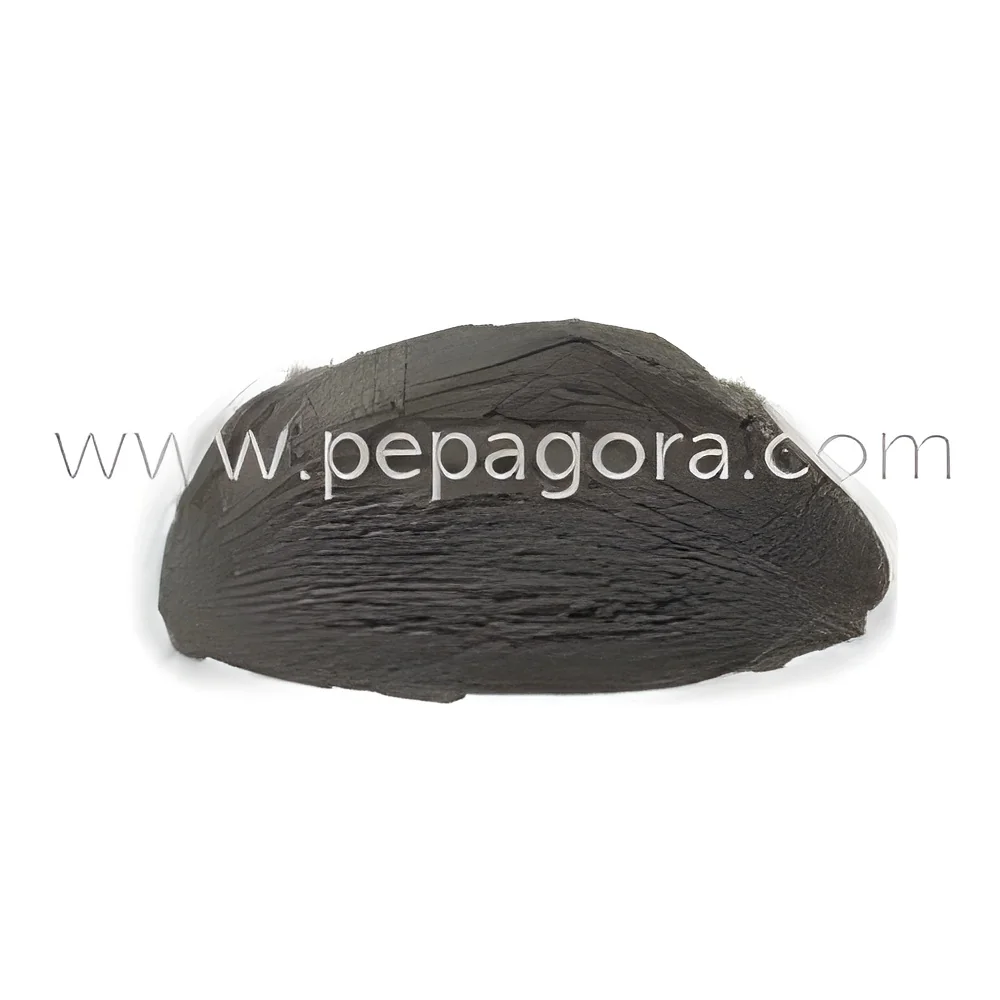
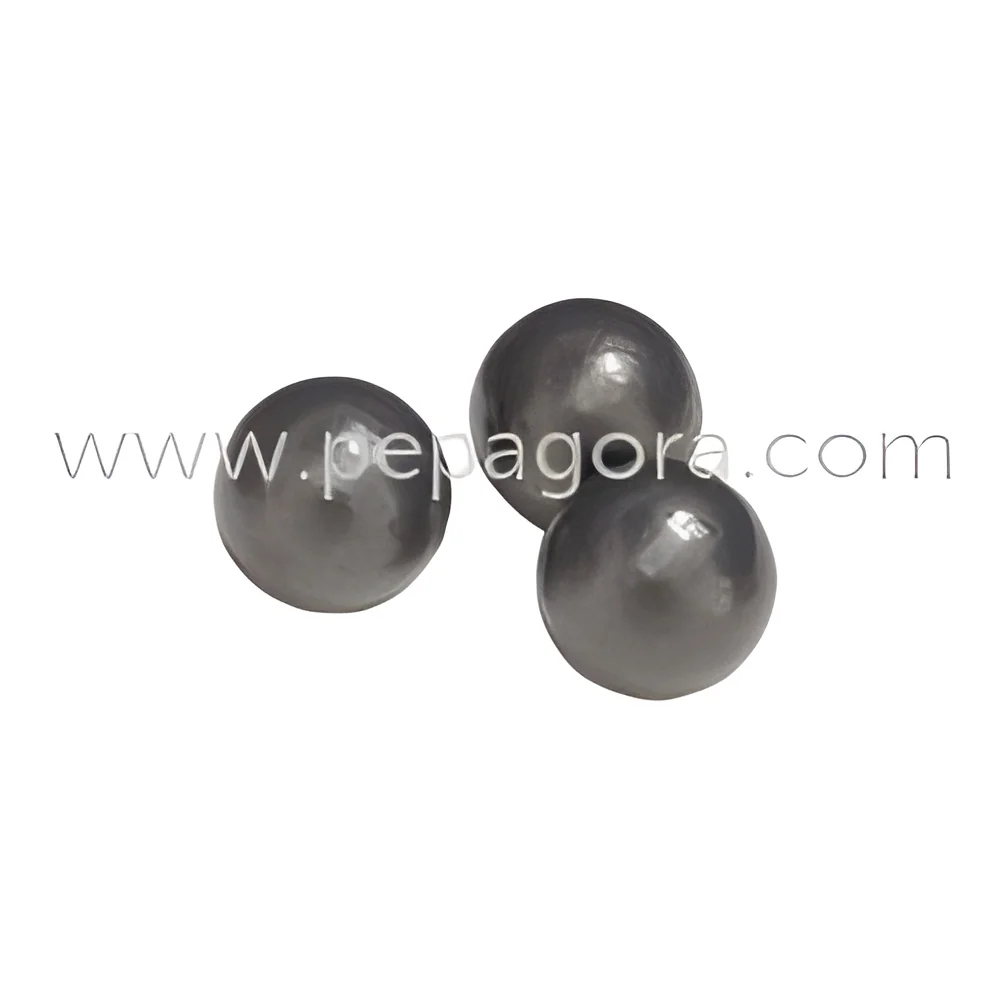
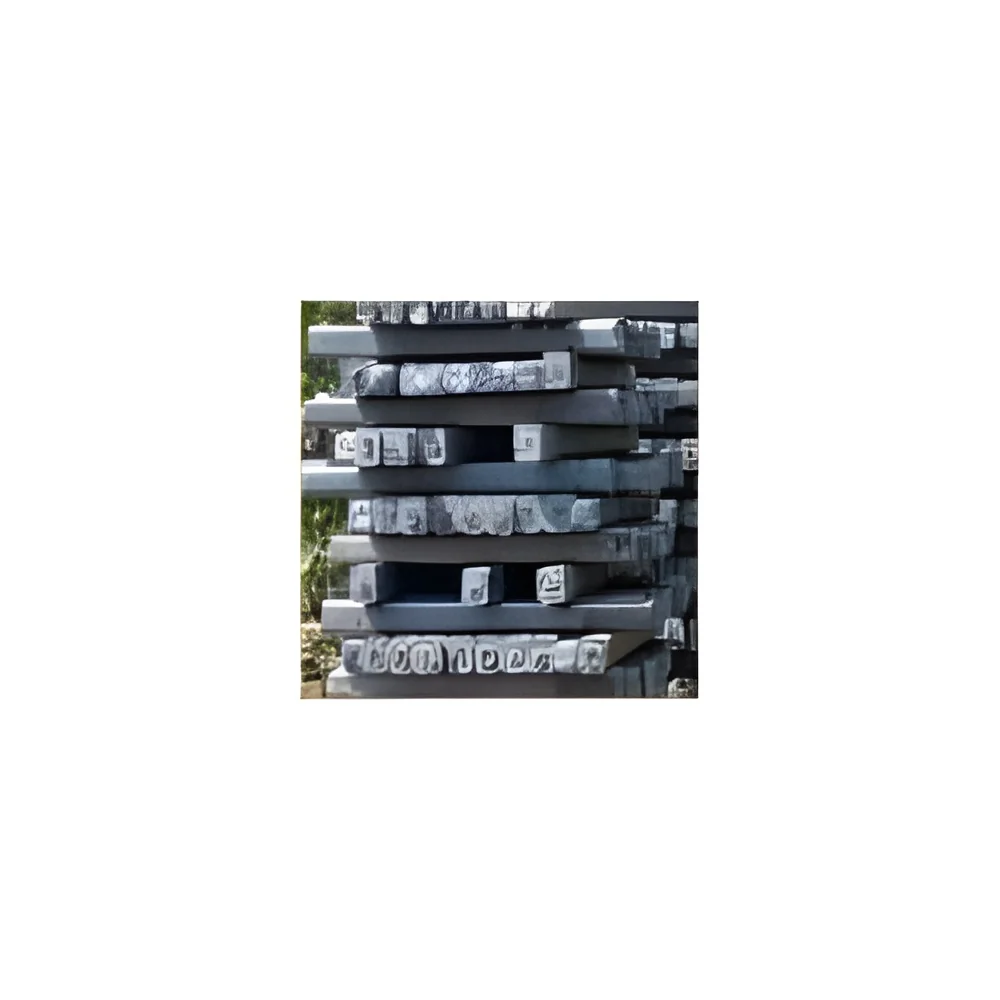
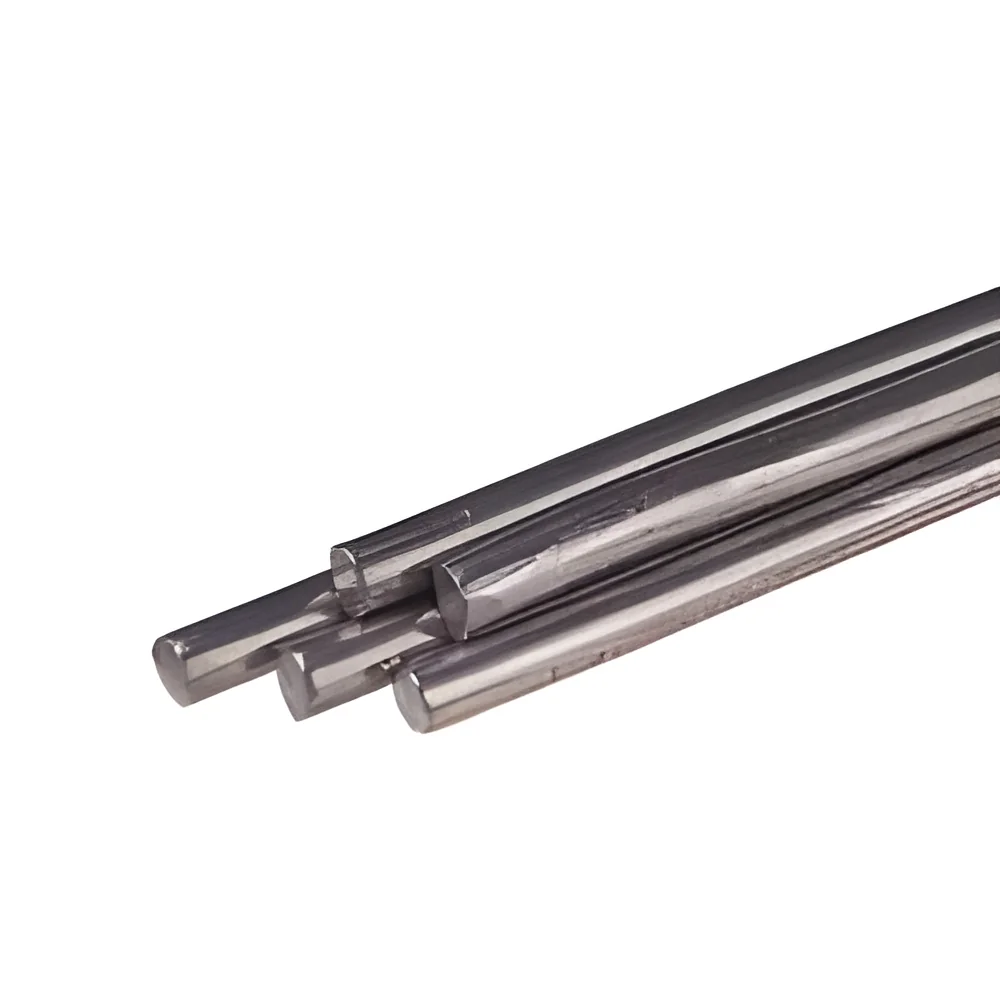
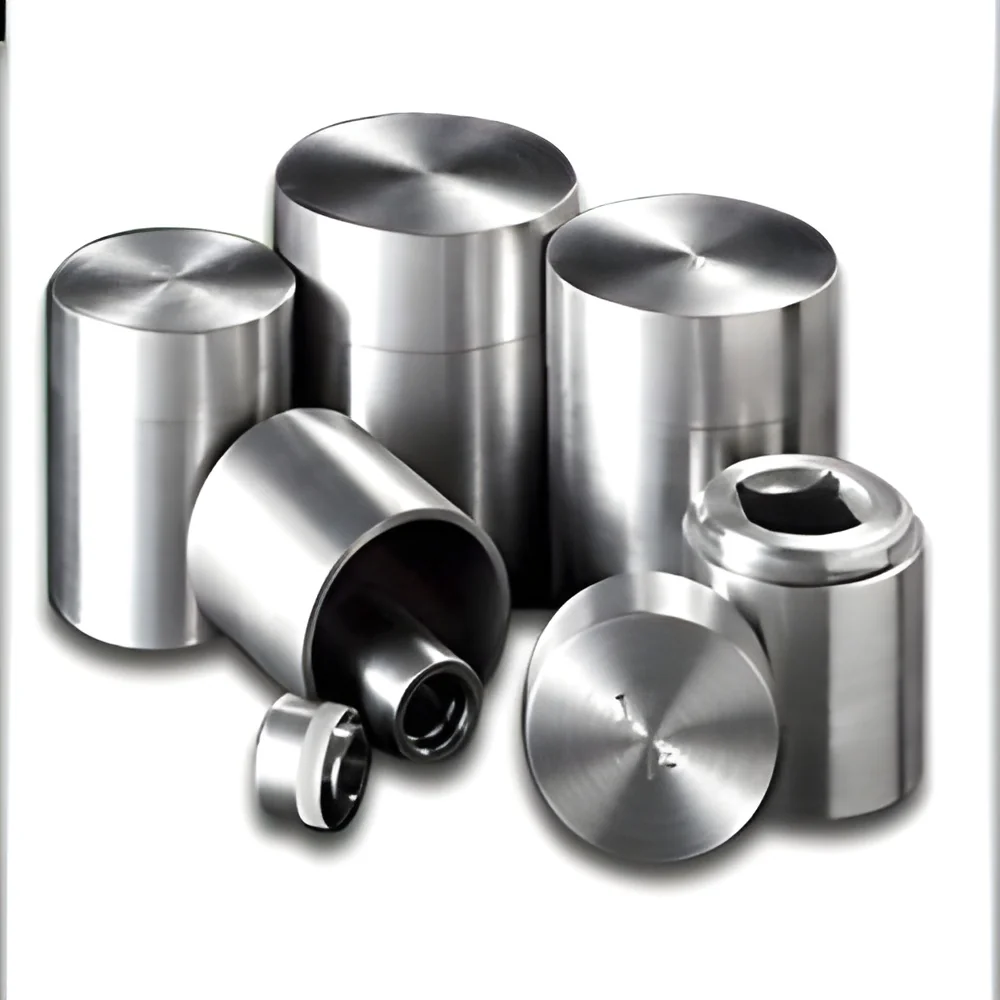
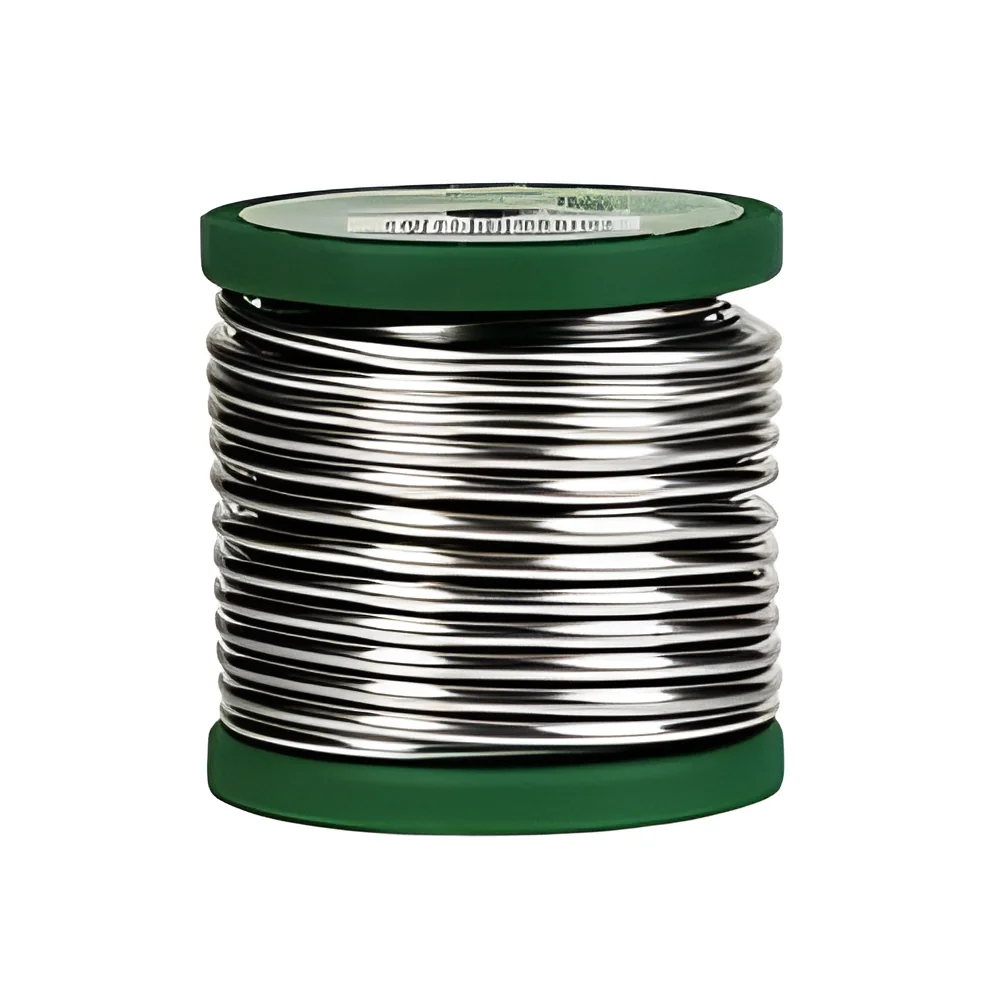
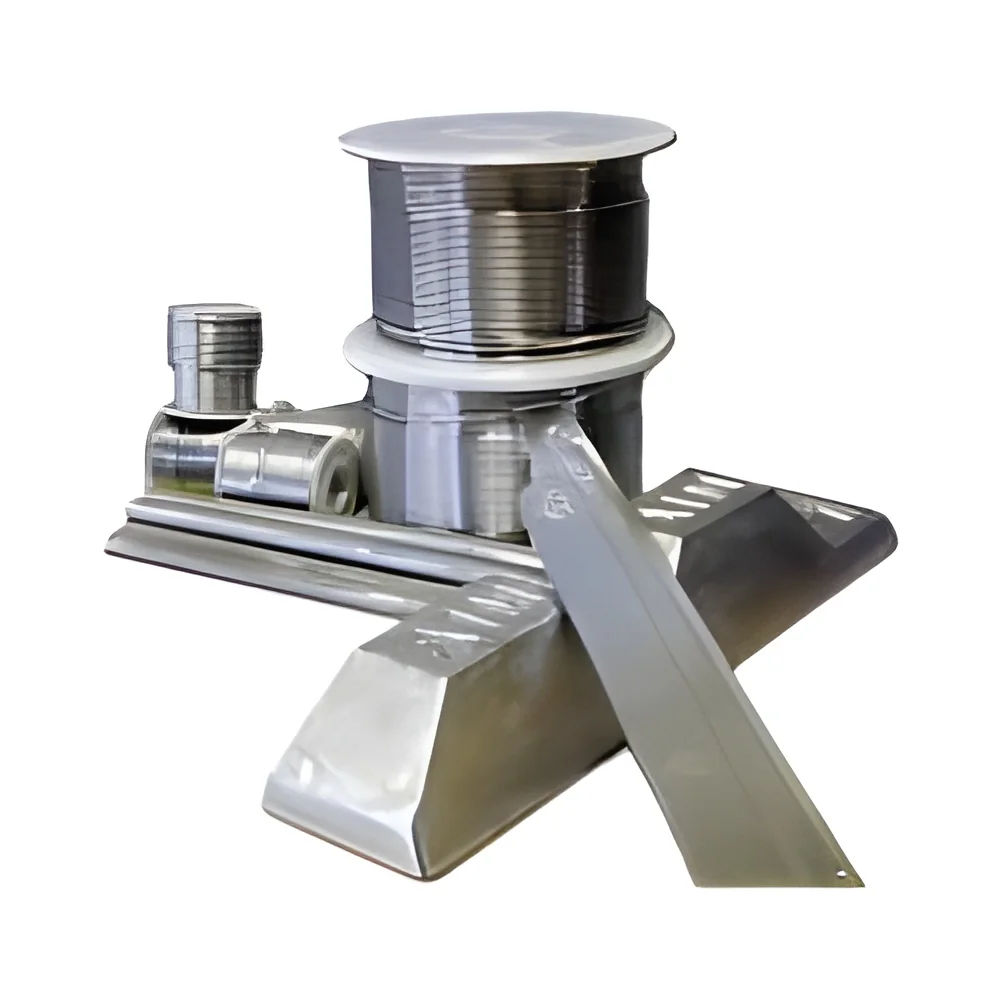
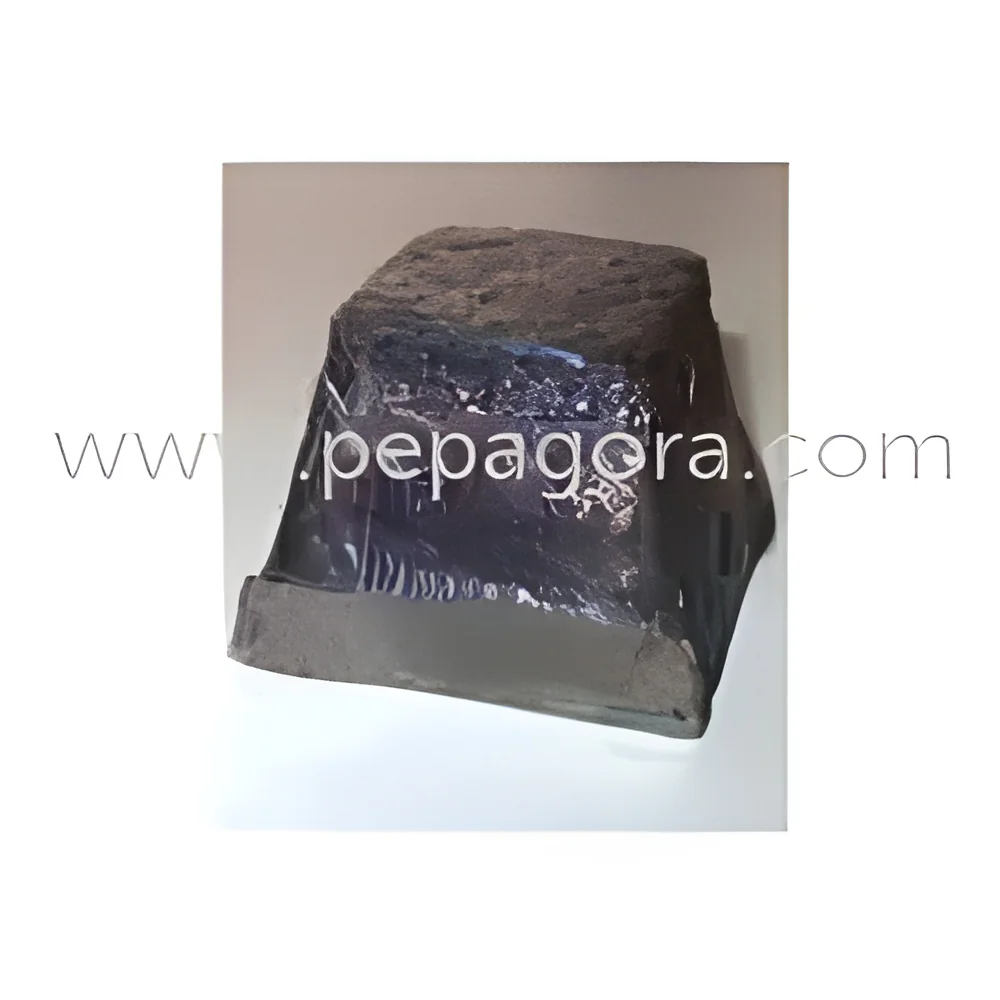
Lead ingots are solid blocks of lead that are typically cast in a rectangular shape for ease of handling and transportation. These ingots are manufactured from recycled lead or primary lead ore and are known for their high density and malleability. Lead ingots are a crucial raw material used in various industrial applications due to their unique properties, including corrosion resistance and excellent shielding capabilities.
The primary uses of lead ingots span across multiple industries, including battery manufacturing, radiation shielding, and construction. In the battery industry, lead ingots are essential for producing lead-acid batteries, widely utilized in automobiles and other vehicles. Additionally, they serve in applications requiring radiation protection, such as in medical imaging and nuclear facilities. The relevance of lead ingots in these sectors highlights their importance in meeting industry demands and contributing to technological advancements.
Key Features and Specifications
Lead ingots offer several key features that make them desirable for various applications. These features include high density, excellent malleability, and resistance to corrosion.
Key specifications include:
1. Density
- Typical density of lead ingots is around 11.34 g/cm³.
- This high density makes lead ingots ideal for applications requiring weight and stability.
2. Purity Level
- Lead ingots generally have a purity level of over 99.9%.
- High purity ensures optimal performance in battery and shielding applications.
3. Dimensions
- Standard dimensions can vary, but common sizes include 4 x 4 x 12 inches.
- Custom sizes may be available depending on supplier capabilities.
4. Weight
- Each ingot typically weighs between 25 to 50 pounds.
- The weight allows for efficient handling during production and transport.
5. Form
- Lead ingots are commonly cast into flat rectangular shapes.
- This form facilitates stacking and storage.
6. Certifications
- Many lead ingots are certified to meet CE standards.
- Compliance with industry standards ensures quality assurance.
In summary, the specifications of lead ingots make them critical in various industrial applications, emphasizing the need for quality and consistency.
Common Applications and Use Cases
Lead ingots are utilized across a range of industries, reflecting their versatility and importance.
1. Battery Manufacturing: Lead ingots are a primary raw material for producing lead-acid batteries. These batteries are essential for automotive and backup power applications, providing reliable energy storage.
2. Radiation Shielding: In medical and nuclear facilities, lead ingots are used to manufacture shielding products that protect against harmful radiation. Their density and malleability make them suitable for creating effective barriers.
3. Construction: Lead ingots are used in construction applications, especially in soundproofing and roofing. Their weight aids in providing stability and sound insulation in building structures.
4. Cable Sheathing: Lead ingots are processed to create sheathing for electrical cables, offering protection against environmental factors and enhancing durability.
5. Weights and Balances: Lead ingots are used in various weighing applications due to their high density, providing stability in scales and balances.
6. Plumbing: In some plumbing applications, lead ingots are utilized for their corrosion-resistant properties, although usage is subject to strict regulations.
Product Variants and Subcategories
Lead ingots come in various forms, each tailored for specific industrial needs. While detailed subcategories are not available, the diversity in applications leads to variations in specifications.
Standard Lead Ingots
These are the most common type and are used primarily in battery manufacturing and radiation shielding. They typically adhere to high purity standards and are available in various weights for flexibility in production.
Custom Lead Ingots
Some suppliers offer custom lead ingots tailored to specific requirements. This may include variations in size, weight, and purity levels, ensuring that clients receive products that meet their unique industrial needs.
Benefits and Advantages
Sourcing lead ingots provides several key benefits to businesses.
1. High Performance: Lead ingots offer exceptional performance in applications such as battery manufacturing and radiation shielding due to their high density and purity levels.
2. Versatility: The diverse applications of lead ingots allow businesses to utilize them across multiple sectors, enhancing supply chain efficiency.
3. Cost-Effectiveness: Lead ingots, particularly those manufactured from recycled lead, can be a cost-effective solution, reducing raw material costs for manufacturers.
4. Compliance Assurance: Many lead ingots come with certifications that guarantee compliance with industry standards, ensuring reliability and quality in production processes.
5. Stability: The dense nature of lead ingots contributes to their stability in various applications, making them a preferred choice for many industrial uses.
6. Sustainability: The recycling of lead into ingots supports environmental sustainability by reducing waste and promoting the circular economy.
Buying Guide for B2B Buyers
When sourcing lead ingots, there are several important factors to consider to ensure successful procurement.
1. Quality Assessment: Evaluate the quality of lead ingots by reviewing purity levels and certifications. High-quality lead ingots will typically have purity levels above 99.9%.
2. Supplier Verification: It is crucial to vet suppliers for reliability and reputation. Check for industry certifications and customer reviews to ensure they meet your quality expectations.
3. Pricing and MOQ: Understand the pricing structure and minimum order quantities (MOQ) from different suppliers. This information helps in budgeting and ensures you receive the best value.
4. Delivery and Lead Times: Consider logistics and delivery timelines when partnering with suppliers. Ensuring timely delivery is critical for maintaining production schedules.
5. Compliance Requirements: Be aware of any regulatory requirements related to lead materials in your region. Compliance with local regulations is essential to avoid legal issues.
Compliance and Certifications
Lead ingots must adhere to various quality and safety standards to ensure their suitability for industrial use. Common standards include ISO 9001, which focuses on quality management systems, ensuring that manufacturers maintain high-quality production processes.
CE certification is also relevant for lead ingots, indicating that the product meets European safety, health, and environmental protection standards. This certification is crucial for suppliers looking to market their products in European markets.
Safety requirements for lead ingots emphasize the importance of proper handling and storage due to lead's toxic properties. Testing for heavy metals and environmental impact is often necessary to confirm compliance with safety regulations.
Regional compliance considerations vary, with different countries imposing specific regulations regarding the use and disposal of lead materials. Understanding these requirements is essential for businesses operating in multiple regions.
Why Source Lead Ingots from Pepagora?
Pepagora provides a trusted platform for sourcing lead ingots, offering several key advantages to B2B buyers.
Verified Supplier Network: Pepagora boasts a network of verified suppliers who meet stringent quality standards. This ensures that buyers can confidently source lead ingots that adhere to industry specifications.
Streamlined RFQ Process: The platform features a streamlined request for quotation (RFQ) process, allowing buyers to easily communicate their requirements and receive competitive quotes from multiple suppliers.
Trade Assurance and Support: Pepagora offers trade assurance, providing buyers with protection during transactions. This support helps build trust and security in the sourcing process.
Regional Coverage: With a focus on markets in India, the GCC, and Southeast Asia, Pepagora ensures that buyers have access to a diverse range of suppliers and products tailored to their regional needs.

 IN
IN