
 IN
Rotary Hearth Furnaces
13 products available
What are Rotary Hearth Furnaces?
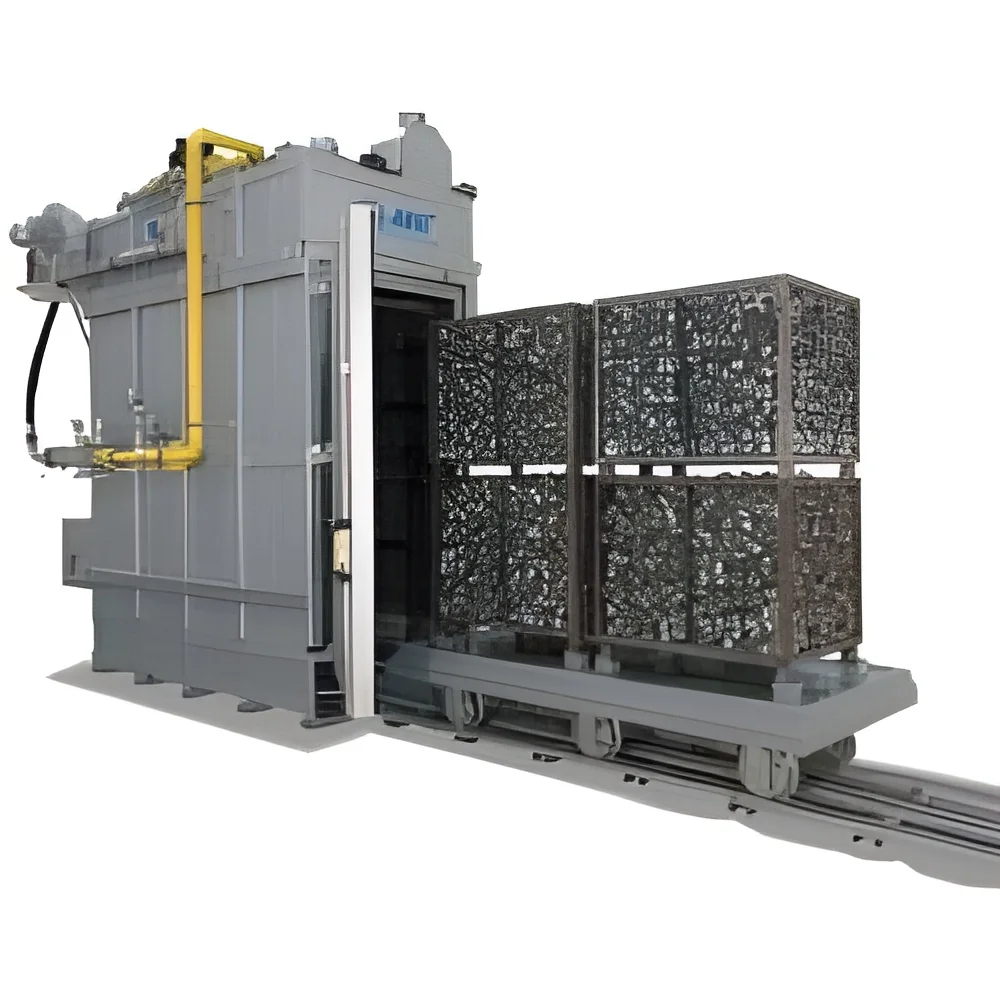
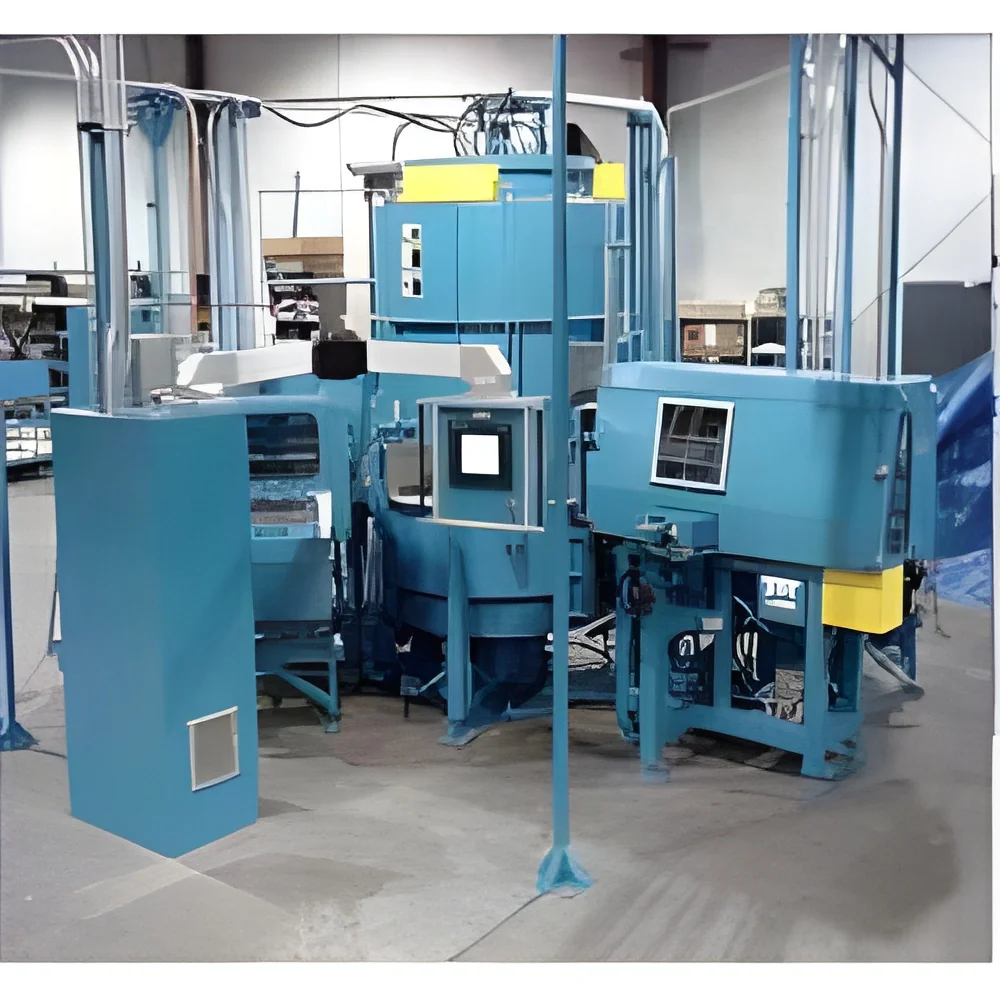
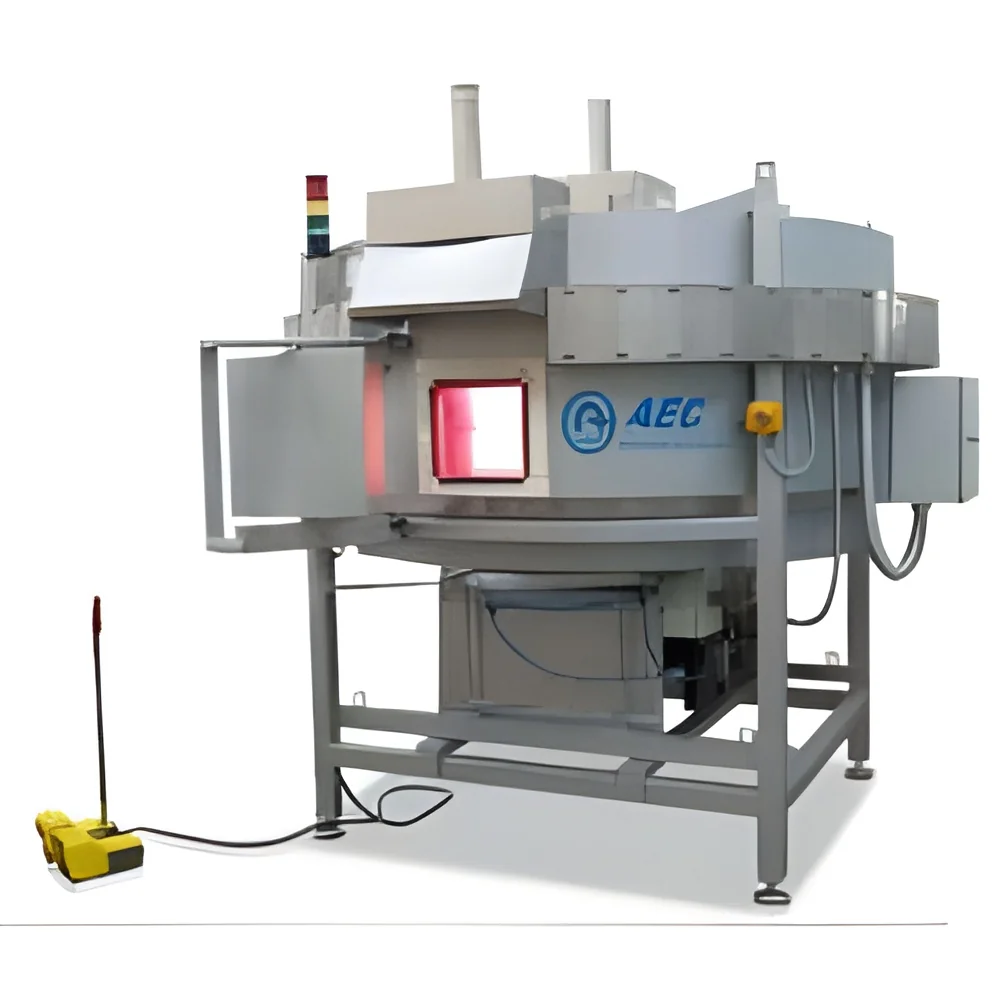
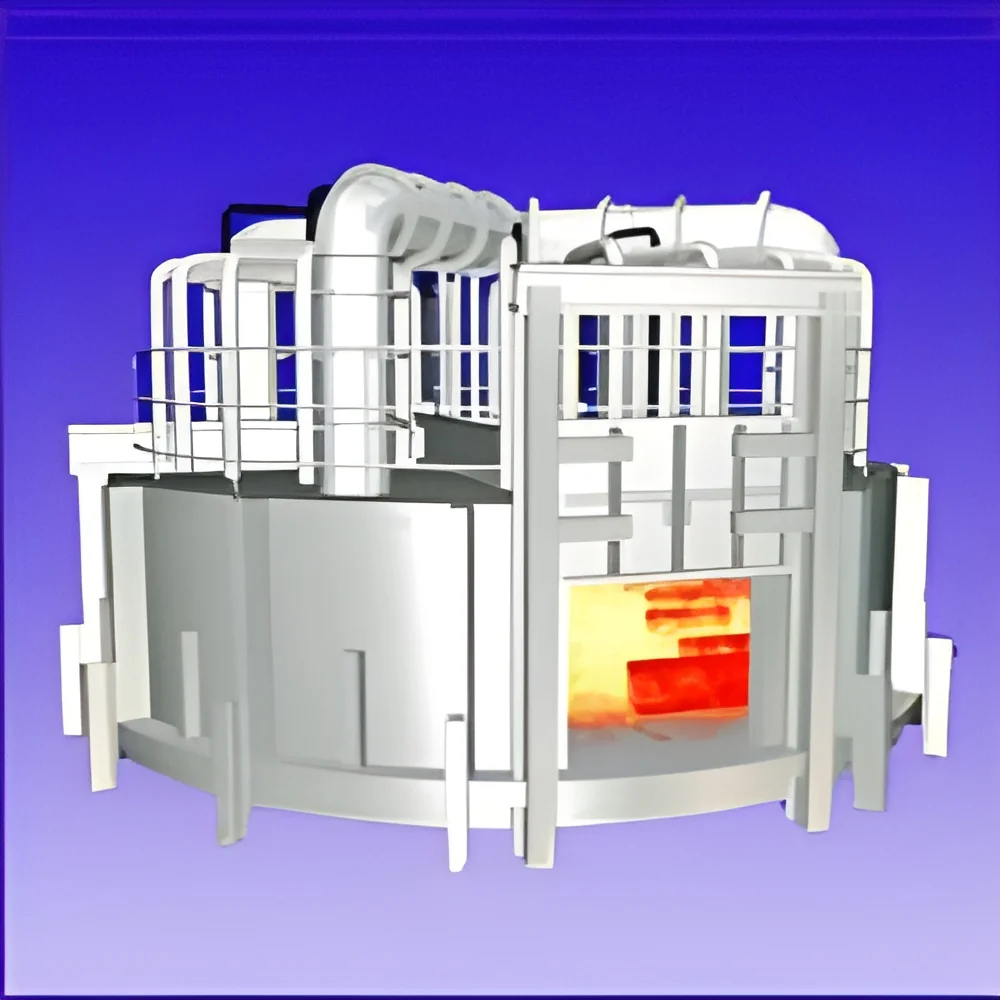
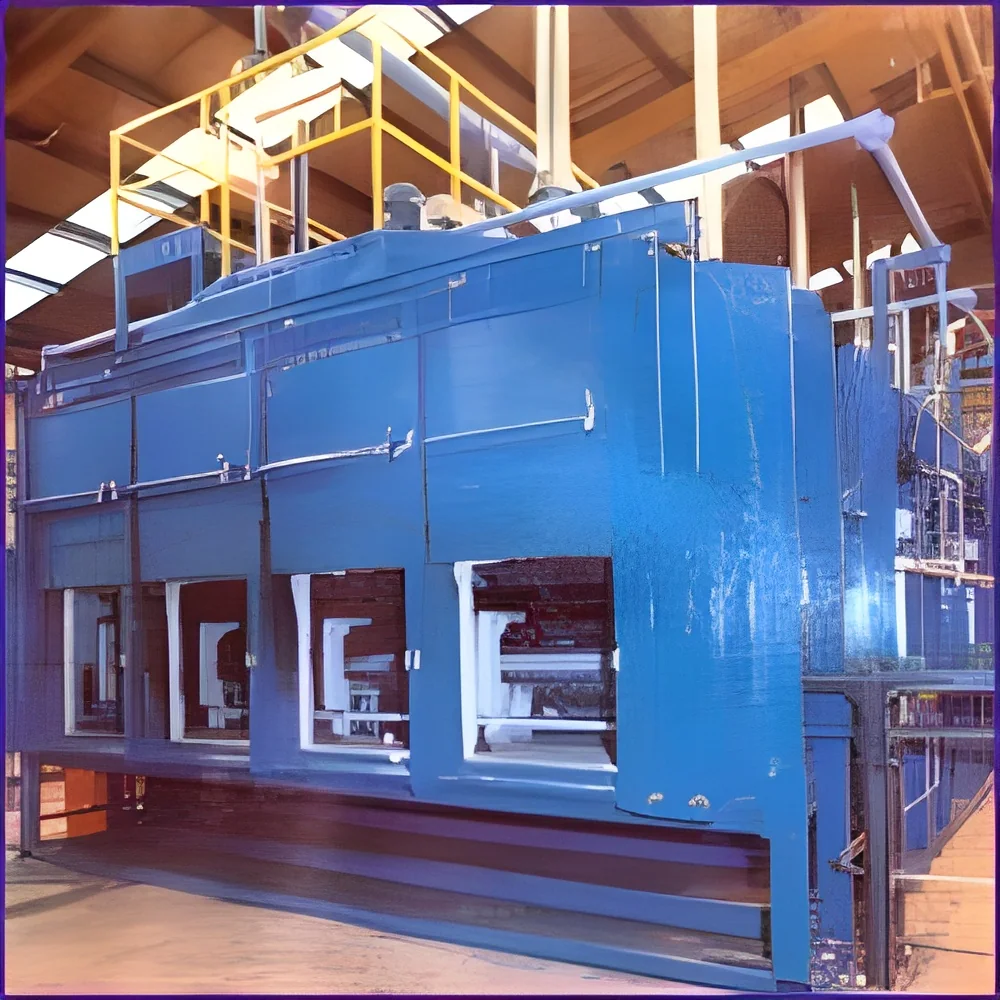
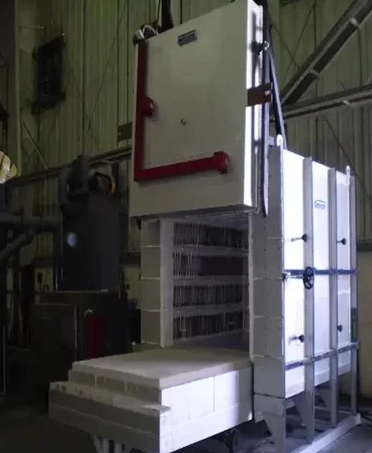
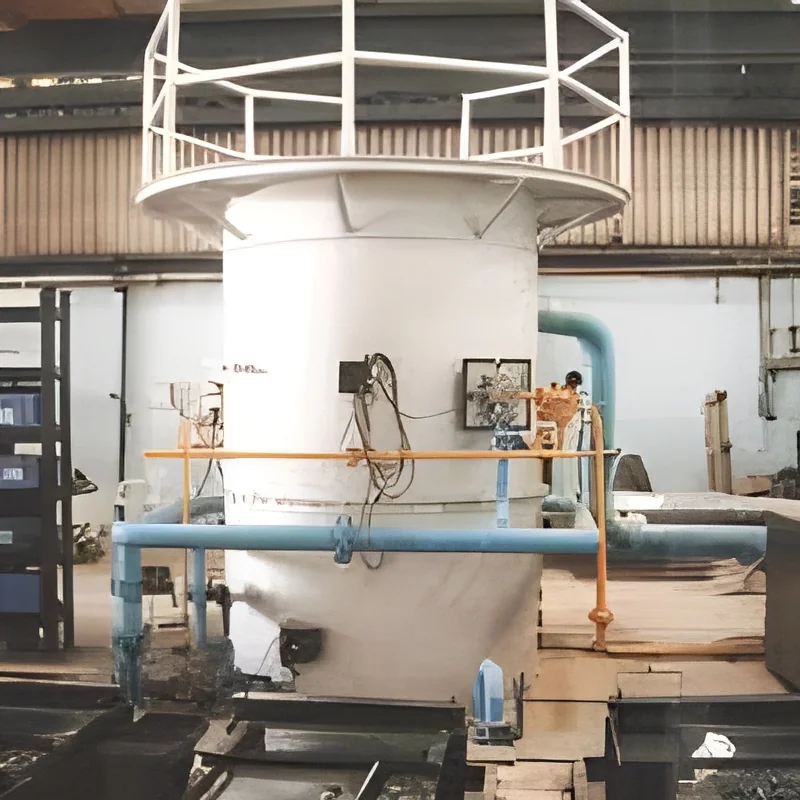
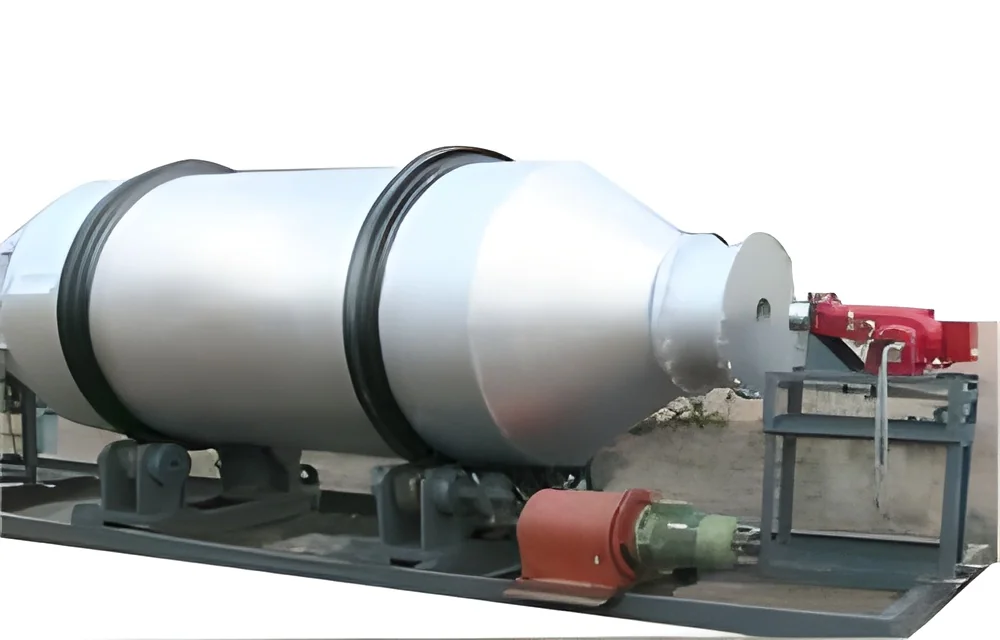
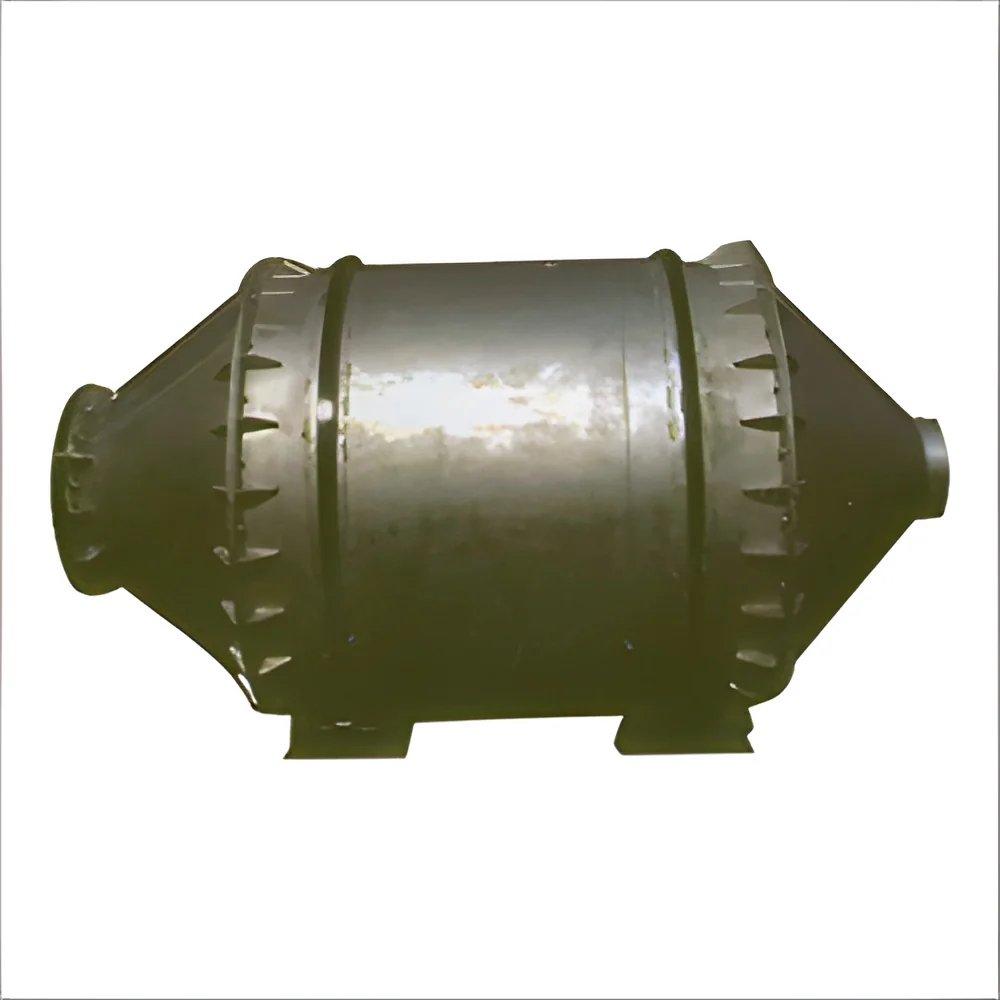
Rotary hearth furnaces are specialized industrial equipment used for the thermal processing of various materials. These furnaces typically consist of a circular platform that rotates, allowing for uniform heating and treatment of materials placed on it. They are designed to accommodate a range of processes, including sintering, melting, and heat treatment, making them versatile tools in manufacturing operations.
The primary applications of rotary hearth furnaces can be found in industries such as metal processing, ceramics, and glass production. They are particularly effective for high-volume production environments, where consistent heating and efficient material handling are critical. The ability to maintain precise temperatures and control atmospheres enhances the quality of the end products, making rotary hearth furnaces a valuable asset in many production lines.
In the context of the industrial market, rotary hearth furnaces are increasingly relevant as manufacturers seek to improve efficiency and reduce costs. With the rise of advanced manufacturing technologies, these furnaces are being integrated into automated systems, further increasing their appeal. As industries continue to evolve, the demand for rotary hearth furnaces is expected to grow, driven by the need for sustainable and high-quality production methods.
Key Features and Specifications
Rotary hearth furnaces are characterized by several key features that enhance their performance and reliability. Understanding these specifications is essential for businesses looking to invest in this equipment.
Key specifications include:
1. Heating Capacity
- Rotary hearth furnaces are designed to handle varying loads, often accommodating up to several tons per hour.
- The heating capacity can vary based on the specific model and intended application.
2. Temperature Range
- These furnaces can typically operate at temperatures ranging from ambient up to 1,600 degrees Celsius.
- The exact temperature capabilities depend on the furnace design and materials used.
3. Atmosphere Control
- Many rotary hearth furnaces offer controlled atmospheres for processes requiring specific environmental conditions.
- This feature is vital for applications such as sintering or melting metals where oxidation must be minimized.
4. Energy Efficiency
- Rotary hearth furnaces are designed for optimal energy use, often incorporating advanced insulation and heating technologies.
- This efficiency can significantly reduce operational costs over time.
5. Automation Compatibility
- These furnaces can be integrated into automated production lines, enhancing throughput and reducing labor costs.
- Automation features may include programmable control systems for temperature and timing.
6. Material Compatibility
- Rotary hearth furnaces can process a wide variety of materials, including metals, ceramics, and composites.
- This versatility makes them suitable for diverse applications across multiple industries.
7. Safety Features
- Modern rotary hearth furnaces are equipped with safety mechanisms, including emergency shut-off systems and temperature monitoring.
- These features help protect operators and ensure safe operation.
8. Maintenance Requirements
- Routine maintenance is essential for optimal performance, with some models designed for easy access to critical components.
- Maintenance schedules can vary based on usage and operational conditions.
In summary, rotary hearth furnaces offer a combination of high capacity, efficiency, and versatility, making them a key choice for various industrial applications.
Common Applications and Use Cases
Rotary hearth furnaces serve a wide range of industries, each benefiting from their unique heating capabilities and efficiency.
1. Metal Processing: These furnaces are commonly used for sintering and heat treatment of metals, improving their mechanical properties and performance.
2. Ceramics: In ceramic manufacturing, rotary hearth furnaces are employed for the firing of ceramic components, ensuring uniform heat distribution and optimal product quality.
3. Glass Production: These furnaces facilitate the melting and refining of glass materials, allowing for precise control over temperature and atmosphere.
4. Automotive: Rotary hearth furnaces are utilized in the automotive industry for processes like hardening and tempering various components, enhancing their durability.
5. Aerospace: In aerospace manufacturing, these furnaces assist in the heat treatment of alloys and other materials, critical for high-performance applications.
6. Electronics: The electronics industry uses rotary hearth furnaces for the production of semiconductor materials, where controlled atmospheres are essential.
7. Refractories: Rotary hearth furnaces support the production of refractory materials, which require high-temperature processing to achieve desired properties.
Product Variants and Subcategories
Rotary hearth furnaces come in various configurations to meet specific operational needs. While subcategories are not available, the diversity in design allows for tailored solutions.
Standard Rotary Hearth Furnace: This variant is designed for general applications, providing reliable performance for metal and ceramic processing. Its features include efficient heating and atmosphere control.
High-Temperature Rotary Hearth Furnace: Built to operate at elevated temperatures, this variant is ideal for applications requiring intense heat, such as specialty alloys and advanced ceramics.
Batch Rotary Hearth Furnace: Designed for batch processing, this variant allows for flexible production schedules and is suitable for industries with varying output requirements.
Benefits and Advantages
Investing in rotary hearth furnaces offers several benefits that enhance production efficiency and product quality.
1. Enhanced Efficiency: The design of rotary hearth furnaces allows for continuous operation, which increases throughput and reduces production times.
2. Uniform Heating: The rotating platform ensures consistent heat distribution, leading to improved material properties and reduced waste.
3. Versatile Applications: Their ability to process a wide variety of materials makes rotary hearth furnaces suitable for multiple industries.
4. Reduced Energy Consumption: Advanced insulation and energy-efficient designs contribute to lower operational costs over time.
5. Automation Integration: Compatibility with automated systems streamlines operations and minimizes labor costs, enhancing productivity.
6. Improved Product Quality: Precise temperature and atmosphere control lead to higher quality end products, meeting stringent industry standards.
Buying Guide for B2B Buyers
When sourcing rotary hearth furnaces, several key factors should be considered to ensure a successful purchase.
1. Quality Assessment: Buyers should evaluate the quality of materials and construction used in the furnace. Look for trustworthy manufacturers with a proven track record.
2. Supplier Verification: It is crucial to vet suppliers thoroughly. Check for certifications, customer reviews, and industry reputation to ensure reliability.
3. Pricing and MOQ: Understand the pricing structure and minimum order quantities. This information helps in budgeting and planning for operational needs.
4. Delivery and Lead Times: Discuss logistics with suppliers to establish realistic delivery schedules. Timely delivery is essential for maintaining production timelines.
5. Compliance Requirements: Ensure that the furnace meets relevant industry standards and regulations. Compliance with safety and environmental standards is crucial for operational integrity.
Compliance and Certifications
Compliance with industry standards and obtaining necessary certifications are critical aspects of rotary hearth furnace operations.
Relevant quality standards such as ISO 9001 ensure that manufacturers adhere to quality management principles, enhancing product reliability and consistency. Certification to standards like CE indicates that products meet European safety and health requirements, which is essential in many markets.
Safety and testing requirements are also crucial, particularly for furnaces operating at high temperatures. Regular inspections and maintenance help ensure ongoing compliance with safety regulations.
Regional compliance considerations may vary based on local laws and industry practices. It is important for buyers to be aware of specific requirements in their operating regions to avoid regulatory issues.
Why Source Rotary Hearth Furnaces from Pepagora?
Pepagora provides a trusted platform for sourcing rotary hearth furnaces, offering several key advantages for B2B buyers.
The verified supplier network ensures that buyers can connect with reputable manufacturers and suppliers who have been assessed for quality and reliability. This reduces the risk associated with sourcing industrial equipment.
The streamlined RFQ process simplifies the quotation system, allowing buyers to request multiple quotes efficiently. This convenience enables businesses to compare options and make informed decisions based on their specific needs.
Trade assurance and support provided by Pepagora enhance buyer protection. This feature fosters confidence in the purchasing process, ensuring that buyers receive the products as promised.
With regional coverage across India, the GCC, and Southeast Asia, Pepagora facilitates access to a broad market. This geographic reach allows buyers to find suitable suppliers within their regions, streamlining logistics and reducing lead times.


 India
 India

 India
 India
 India
 India
Frequently Asked Questions
What are Rotary Hearth Furnaces?
Rotary Hearth Furnaces are industrial heating equipment used primarily for processes such as heat treatment, sintering, and melting of various materials. They feature a rotating hearth that allows for continuous material processing, ensuring uniform heating and efficiency.
What are the different types of Rotary Hearth Furnaces?
There are several types of Rotary Hearth Furnaces, including those designed for specific materials such as metals, ceramics, and glass. Additionally, they can vary by heating method, with options including electric, gas, and oil-fired systems.
How do I choose the right Rotary Hearth Furnaces?
Choosing the right Rotary Hearth Furnace involves considering factors such as the type of material to be processed, the required temperature range, and production capacity. Consulting with manufacturers or suppliers can also provide insights into the best options for your specific needs.
What are the standard specifications for Rotary Hearth Furnaces?
Standard specifications for Rotary Hearth Furnaces typically include dimensions, heating capacity, temperature range, and energy consumption. Additional features may include automation capabilities and safety mechanisms.
What is the price range for Rotary Hearth Furnaces?
The price range for Rotary Hearth Furnaces can vary widely based on size, specifications, and manufacturer. Generally, prices can start from several lakhs to crores of Indian Rupees, depending on the complexity and features of the furnace.
What quality standards apply to Rotary Hearth Furnaces?
Rotary Hearth Furnaces must comply with several quality standards, including ISO certifications and safety regulations. Manufacturers often adhere to industry-specific standards to ensure reliability and efficiency in operation.
Where can I find Rotary Hearth Furnaces suppliers in India?
You can find Rotary Hearth Furnaces suppliers in India through various online B2B marketplaces, trade directories, and industry exhibitions. Websites like Pepagora.com provide a platform to connect with verified manufacturers and suppliers.
Can Rotary Hearth Furnaces be customized?
Yes, Rotary Hearth Furnaces can often be customized to meet specific operational requirements. Manufacturers may offer options for size, heating capacity, and additional features based on the needs of the buyer.
What is the typical minimum order quantity for Rotary Hearth Furnaces?
The typical minimum order quantity (MOQ) for Rotary Hearth Furnaces varies by manufacturer but often starts at one unit. Larger orders may qualify for discounts or special pricing.
What is the typical lead time for Rotary Hearth Furnaces?
The typical lead time for Rotary Hearth Furnaces can range from a few weeks to several months, depending on the manufacturer's production schedule and the complexity of the order. It is advisable to confirm lead times with suppliers during the ordering process.
Why Businesses Trust Pepagora
Thousands of companies trust Pepagora to source smarter and sell faster
Expand Your Sales Globally

Source Smarter,Grow Faster
