IN
IN₹
Apparel & Fashion
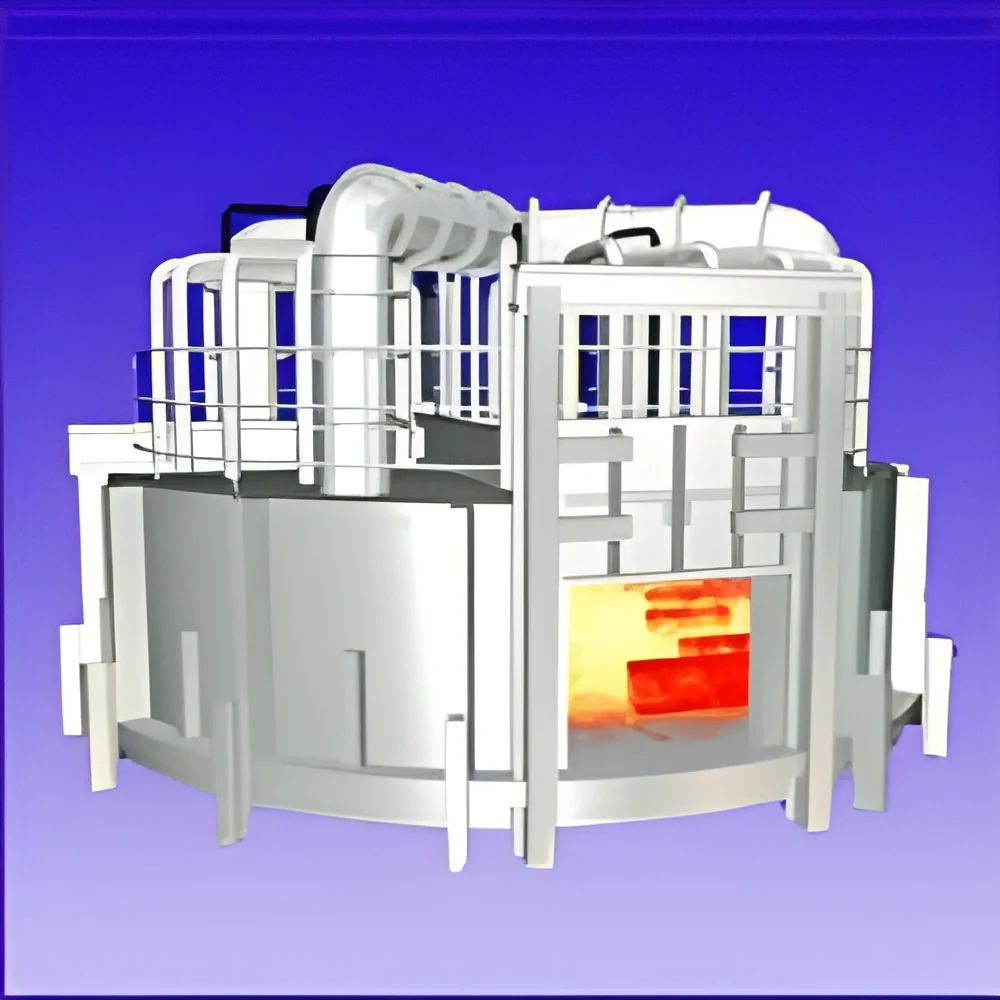
Description
The Industrial Rotary Hearth Furnace represents a sophisticated thermal processing solution engineered specifically for components that challenge conventional handling systems due to their substantial size, complex geometry, or exceptional weight. Unlike traditional batch ovens or static furnaces, its rotating circular hearth creates a continuous automated conveyor system that seamlessly transports parts through heating, soaking, and cooling zones without requiring manual intervention. Available in multiple energy configurations including electric, gas-fired, and oil-fired models, these furnaces consistently achieve and maintain temperatures up to 1200°C while ensuring uniform heat distribution for reliable, repeatable results. This capability makes them uniquely suited for processing everything from enormous steel castings to specialized advanced ceramics, offering exceptional flexibility for demanding industrial environments where operational reliability and production throughput are...
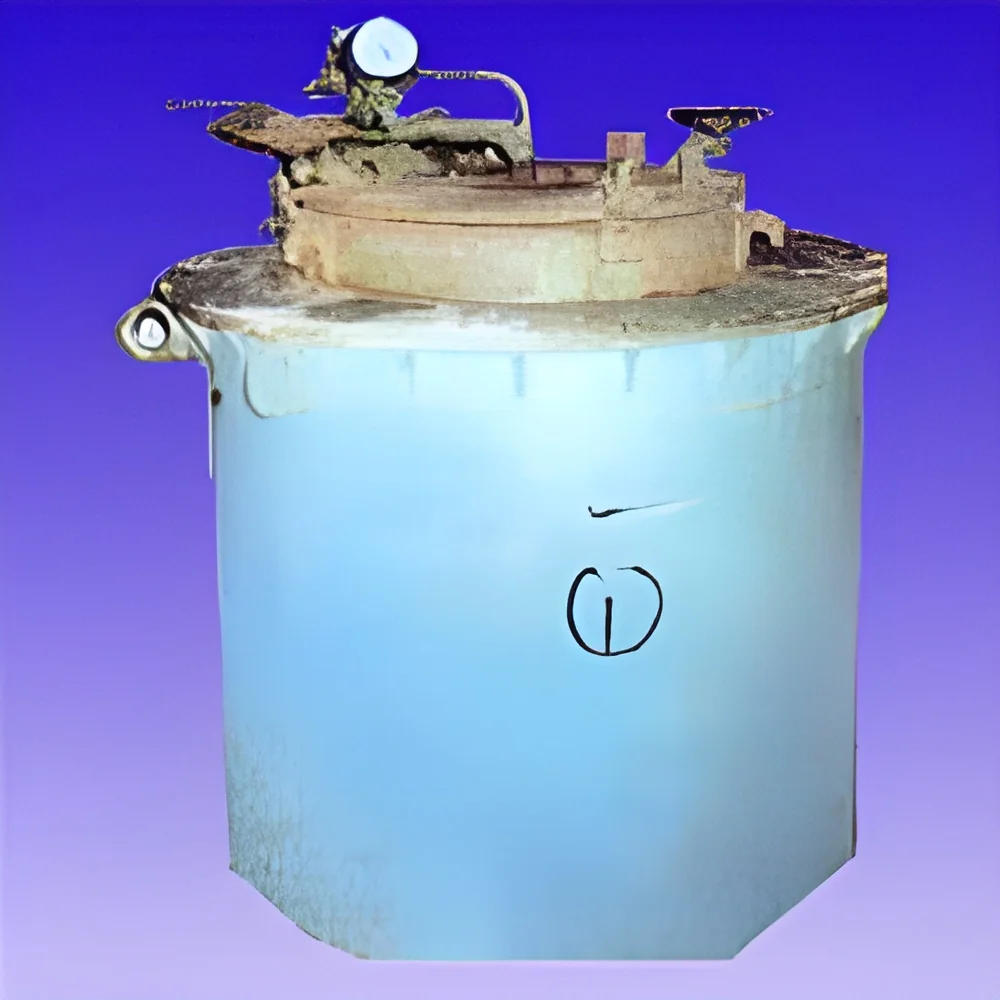
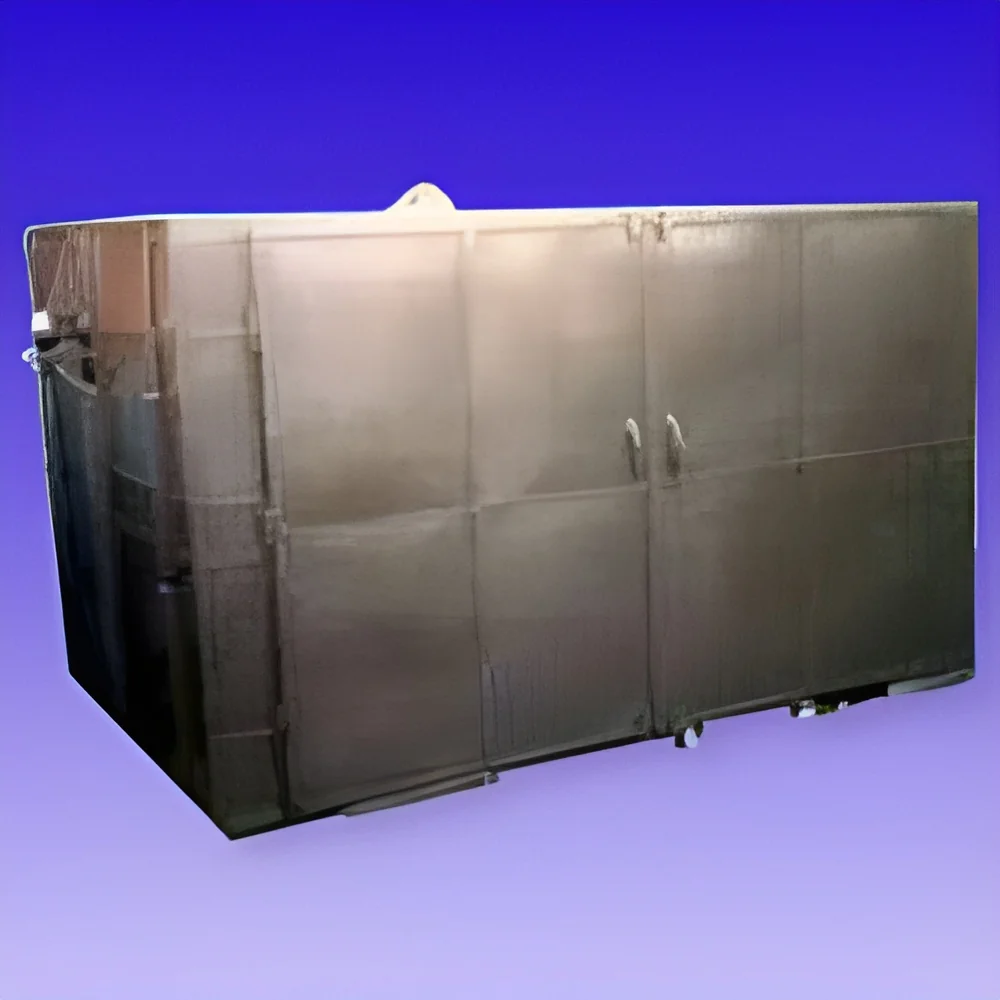
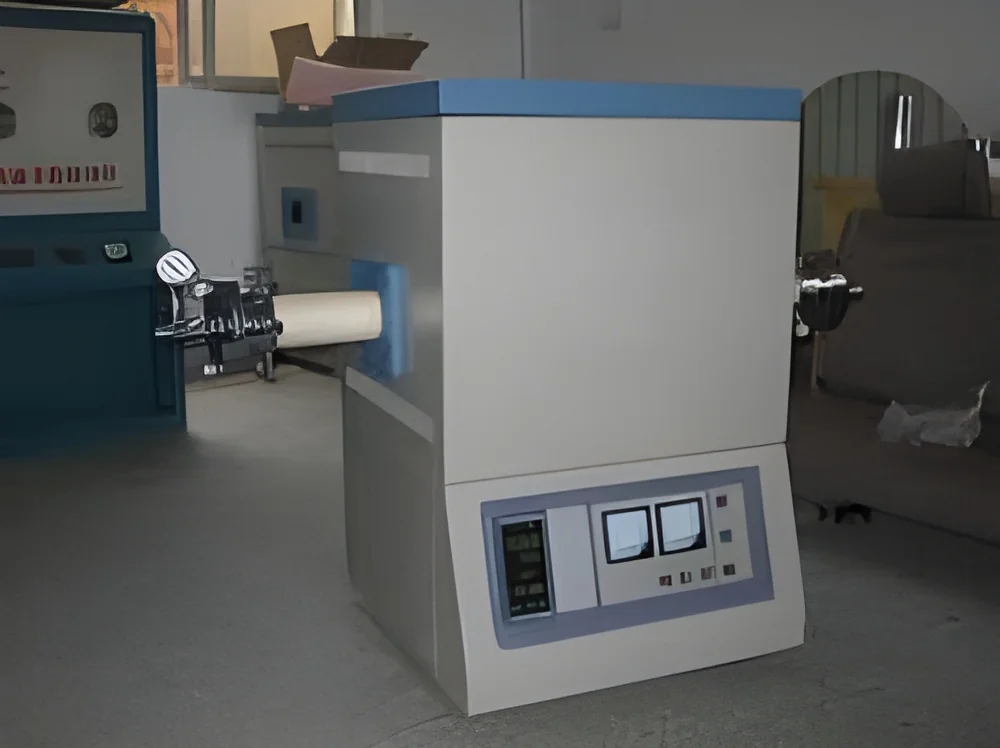
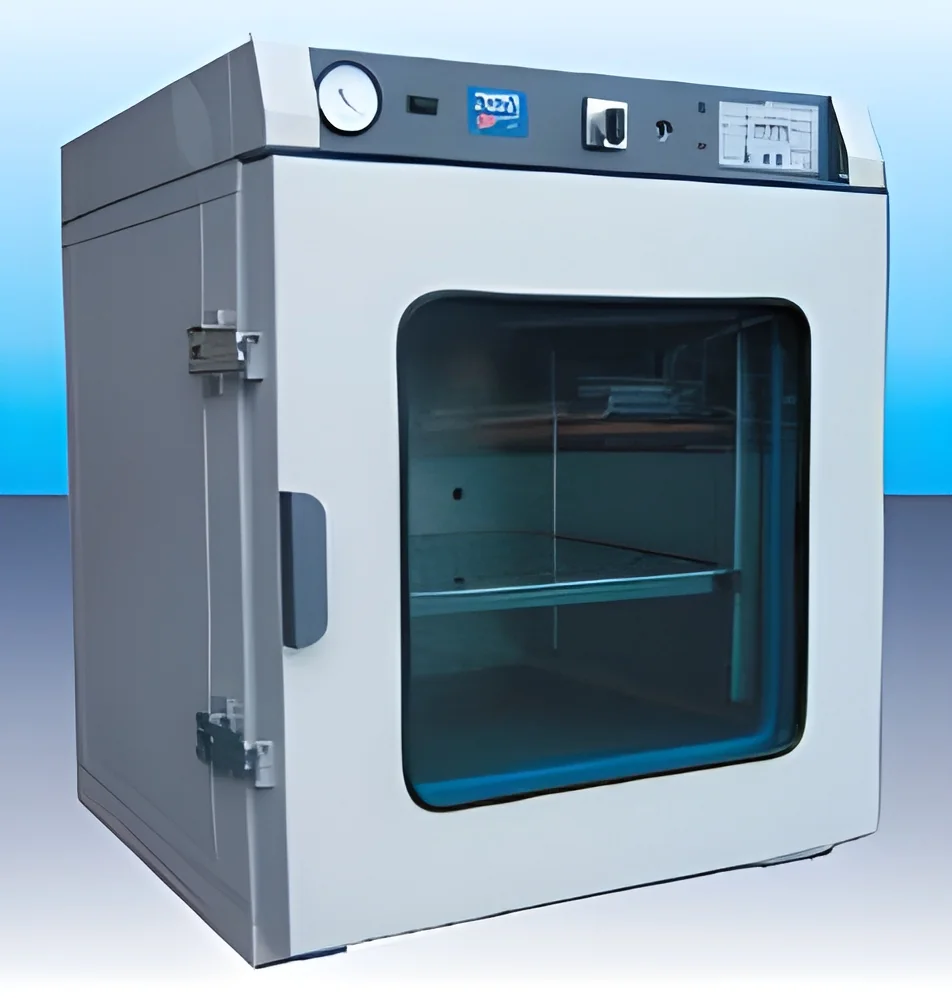
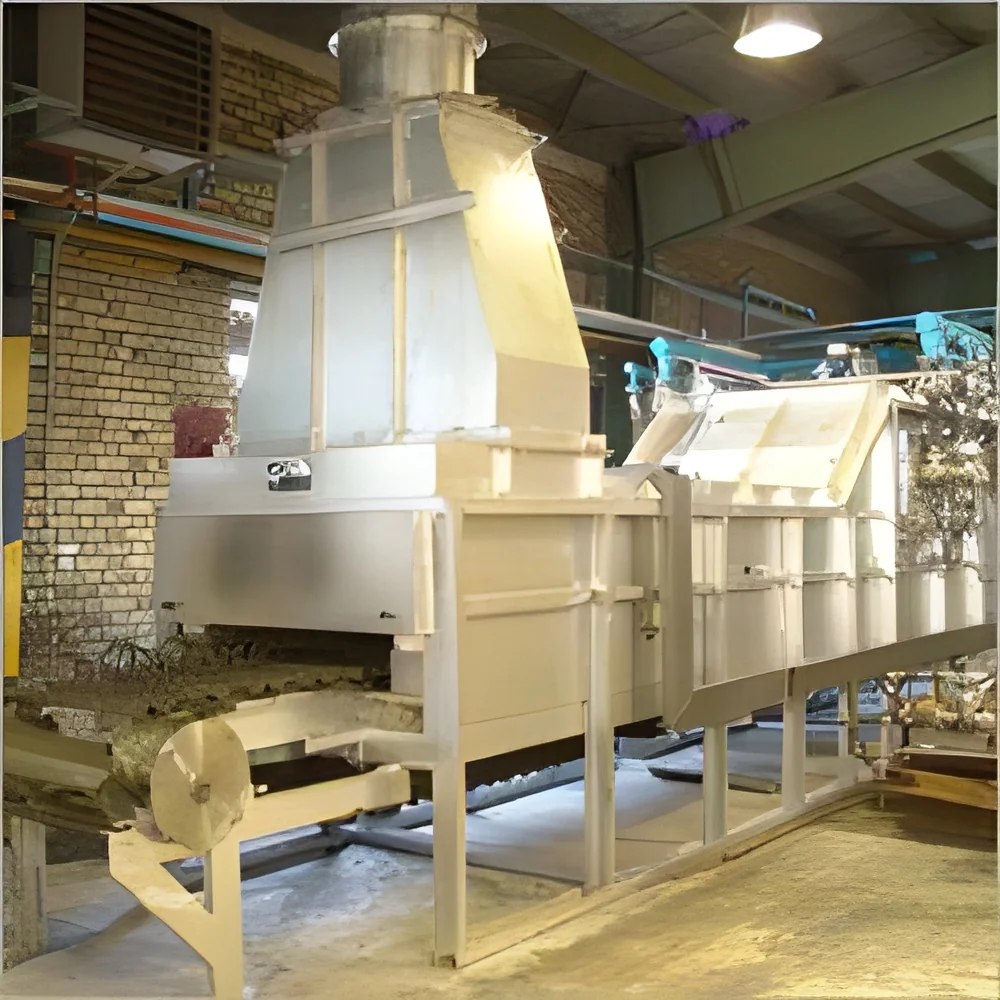
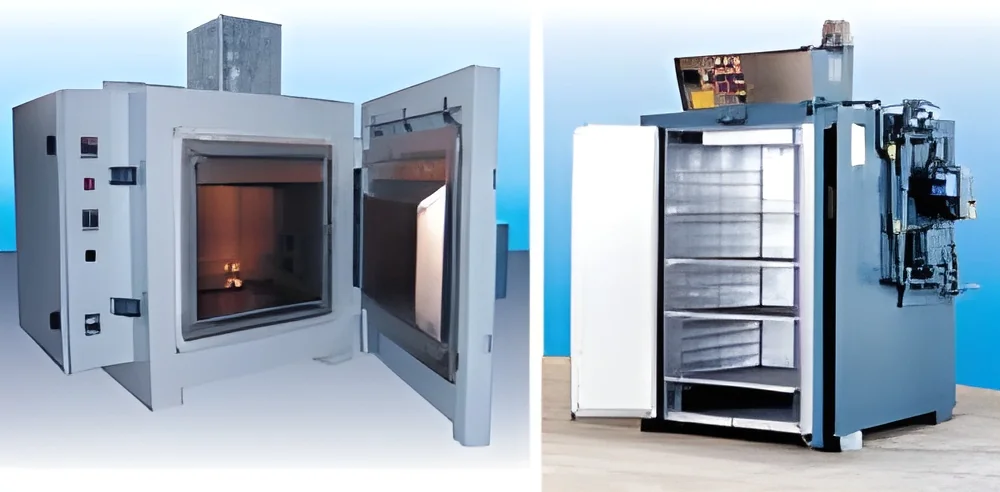
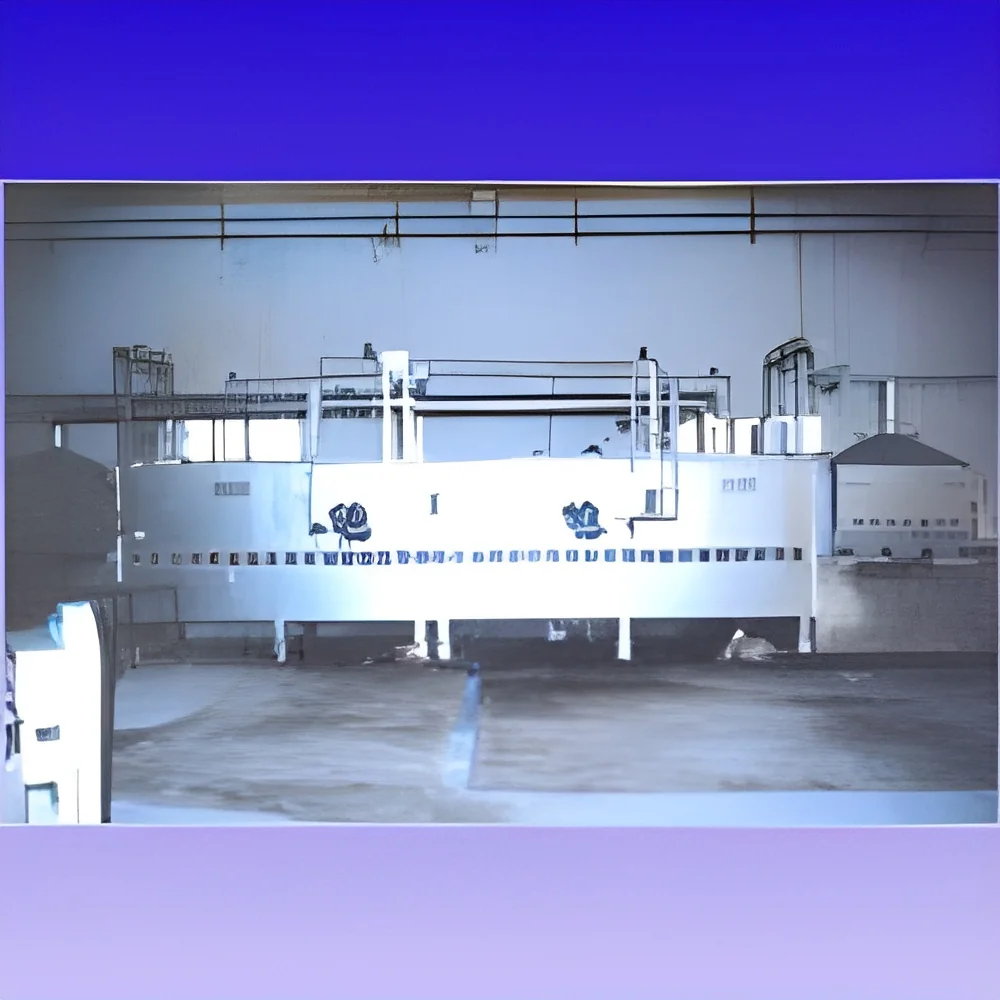
The Industrial Rotary Hearth Furnace represents a sophisticated thermal processing solution engineered specifically for components that challenge conventional handling systems due to their substantial size, complex geometry, or exceptional weight. Unlike traditional batch ovens or static furnaces, its rotating circular hearth creates a continuous automated conveyor system that seamlessly transports parts through heating, soaking, and cooling zones without requiring manual intervention. Available in multiple energy configurations including electric, gas-fired, and oil-fired models, these furnaces consistently achieve and maintain temperatures up to 1200°C while ensuring uniform heat distribution for reliable, repeatable results. This capability makes them uniquely suited for processing everything from enormous steel castings to specialized advanced ceramics, offering exceptional flexibility for demanding industrial environments where operational reliability and production throughput are critical success factors.

This furnace technology serves as a foundational asset in capital-intensive industries where material properties directly influence product performance, safety, and longevity. Within metal fabrication and heavy machinery manufacturing, it performs essential normalizing and stress relieving operations on large weldments and forgings to enhance structural durability and eliminate internal stresses that could compromise component integrity. The automotive and aerospace sectors depend on these furnaces for heat-treating mission-critical components including landing gear assemblies, turbine disks, and chassis elements, ensuring they meet rigorous metallurgical specifications and performance standards. Foundries utilize them for annealing large-scale castings, while the energy sector employs them for manufacturing giant components destined for wind turbines and oil drilling platforms. The system's versatility in handling non-metallic materials further extends its value to industrial ceramics and advanced composite manufacturing, serving a diverse spectrum of modern industrial applications.

Investing in a Rotary Hearth Furnace delivers substantial business value by transforming complex, labor-intensive thermal processes into streamlined, automated operations. The continuous processing capability significantly maximizes production throughput while reducing cycle times, directly enhancing production capacity and operational efficiency. Precise temperature control combined with uniform heating distribution minimizes material scrap and rework requirements, ensuring consistent quality output while reducing material costs. The furnace's rugged construction and adaptable design promise long-term operational reliability with minimal downtime, effectively protecting your production continuity. This thermal processing system represents more than just industrial equipment; it constitutes a strategic manufacturing asset that expands your capability to undertake large-scale, high-value projects, thereby strengthening your competitive market position and delivering clear return on investment through superior performance characteristics and significant operational savings.

Key Features:
- Rotating circular hearth design enables automated handling of oversized and complex-shaped components
- High-temperature capability reaching and maintaining precise thermal conditions up to 1200°C
- Multiple heating system options including electric resistance, gas-fired, and oil-fired configurations
- Robust construction using premium refractory materials ensures durability in demanding industrial environments
- Advanced control systems with customizable temperature zones for precise process management

Benefits:
- Automated continuous processing reduces labor requirements and enhances operator safety
- Consistent temperature uniformity ensures reliable heat treatment results and product quality
- Flexible fuel options allow adaptation to specific facility requirements and energy availability
- Durable construction minimizes maintenance needs and ensures long-term operational reliability
- High throughput capacity increases production efficiency and reduces per-unit processing costs
Specifications
| Additional Information | |
|---|---|
| Country of Origin | India |
Application
Rotary Hearth Furnaces excel in heating applications where part size, weight, or complex geometry makes traditional handling methods impractical. The rotating circular hearth enables continuous automated loading and unloading of massive components like large castings, fabrications, and forgings, streamlining production while enhancing operator safety through reduced manual handling. This innovative design proves ideal for high-volume heat treatment processes requiring consistent temperature uniformity and precise cycle control across substantial batch loads.
These robust thermal processing systems serve critical functions across major manufacturing sectors including metal fabrication, automotive production, aerospace manufacturing, and heavy machinery. They provide indispensable solutions for heat-treating oversized components that cannot be processed in conventional batch-type furnaces, delivering reliable performance for annealing, normalizing, tempering, and stress relieving operations on an industrial scale to ensure material integrity and enhanced performance characteristics.
- Annealing and normalizing large steel plates and structural fabrications for construction and infrastructure projects
- Stress relieving massive wind turbine components and heavy machinery parts to prevent deformation during operation
- Tempering and heat treatment of large forgings and castings for automotive and railway manufacturing sectors
- Sintering and thermal processing of non-metallic elements like silicon carbide in advanced material production
- Processing oversized defense and aerospace components requiring precise, uniform thermal treatment cycles
Trade Details
| Available Stock | In Stock |
| Sample Availability | No |
Payment Terms
| Payment Terms |
|
Company Profile

Agnee Engineering, Maharashtra
 Maharashtra, India
Maharashtra, IndiaManufacturer•Distributor / Wholesaler•Importer / Exporter
Factory Details
Factory SizeBelow 1000 sqm
Annual Production Capacity0
Main Markets
South Asia
Industrial Rotary Hearth Furnace for Large Parts Heating to 1200C
Industrial Rotary Hearth Furnace reliably heats large, hard-to-handle parts to 1200°C for annealing, normalizing, and stress relieving applications across heavy industries.
Min. Order Quantity: 1 unit
Shipping
Shipping fee and delivery date to be negotiated. Contact supplier now for more details.
Agnee Engineering
 Maharashtra, India
Maharashtra, IndiaManufacturer