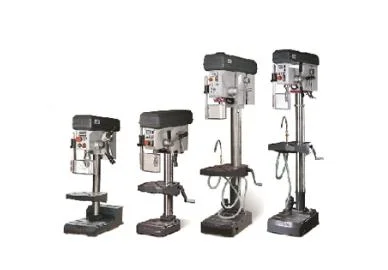
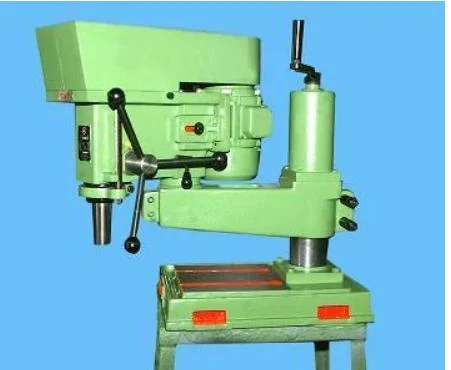
What are Pillar Drilling Machines?
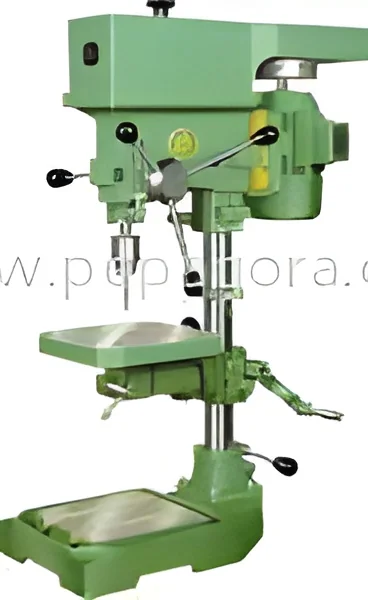
Pillar drilling machines are robust tools designed for precision drilling operations in various industrial applications. These machines are typically mounted on a vertical pillar, which provides stability and accuracy during the drilling process. The design allows for the use of various drill bit sizes and types, making them versatile for different materials including metals, wood, and plastics.
The primary uses of pillar drilling machines extend across numerous sectors, such as manufacturing, automotive, aerospace, and construction. They are essential for tasks like creating holes for fasteners, producing ventilation systems, and preparing materials for assembly. Businesses rely on these machines for their efficiency and ability to deliver consistent results in high-volume production environments.
In the current market context, pillar drilling machines are critical for maintaining competitive advantages in manufacturing and assembly processes. As industries evolve and demand for precision increases, the need for reliable and versatile drilling solutions remains significant. Therefore, sourcing high-quality pillar drilling machines is essential for companies looking to optimize their operations.
Key Features and Specifications
Pillar drilling machines are characterized by several key features that enhance their functionality and ease of use. Understanding these specifications is crucial for businesses seeking to invest in drilling technology.
Key specifications include:
1. Motor Power
- Typically ranges from 0.5 HP to 3 HP
- Determines the machine's capacity to handle different materials and drilling speeds
2. Spindle Speed Range
- Usually varies from 200 RPM to 3000 RPM
- Allows for adjustments based on the drilling process and material type
3. Drilling Capacity
- Capable of drilling holes from 1 mm to 50 mm in diameter
- Important for various applications from fine to heavy-duty drilling
4. Table Size
- Common sizes range from 300 mm x 300 mm to 600 mm x 600 mm
- Impacts the stability and support for larger workpieces
5. Stroke Length
- Typically between 100 mm to 300 mm
- Affects the depth of the holes that can be drilled
6. Weight
- Machines can weigh between 100 kg and 500 kg
- Heavier machines often provide better stability during operations
7. Safety Features
- Includes emergency stop buttons and protective covers
- Essential for ensuring operator safety during use
8. Additional Features
- Some machines come with digital displays and automatic feeds
- Enhances precision and ease of operation
In summary, selecting the right pillar drilling machine involves understanding these specifications to ensure it meets the operational needs and safety requirements of your business.
Common Applications and Use Cases
Pillar drilling machines find extensive use across various industries, contributing to efficient production processes.
1. Manufacturing: In manufacturing environments, pillar drilling machines are used to create precise holes in components for assembly. This is vital for ensuring that parts fit together correctly.
2. Automotive: In the automotive sector, these machines are employed for drilling holes in engine components and chassis parts. Precision is crucial for performance and safety.
3. Aerospace: The aerospace industry relies on pillar drilling machines for drilling lightweight materials used in aircraft manufacturing. Accuracy is paramount due to safety regulations.
4. Construction: Pillar drilling machines are utilized in construction for creating holes in structural beams and fixtures, playing a key role in building integrity.
5. Furniture Production: In woodworking, these machines help drill holes for dowels and screws, facilitating the assembly of furniture pieces.
6. Metalworking: In metalworking shops, pillar drilling machines are essential for fabricating parts and preparing materials for further processing.
7. Electrical: Used for drilling holes in electrical panels and fixtures, ensuring proper installation of wiring and components.
Product Variants and Subcategories
Pillar drilling machines come in various configurations to suit different operational needs. Each variant offers unique features tailored to specific applications.
Geared Pillar Drilling Machine: This variant features a geared mechanism that allows for higher torque at lower speeds. It is ideal for drilling through tough materials and is commonly used in heavy machinery manufacturing.
Radial Pillar Drilling Machine: With an adjustable arm, this machine offers enhanced reach and versatility. It is suitable for drilling larger workpieces that require multiple setups.
Compact Pillar Drilling Machine: Designed for smaller workshops, this variant is lightweight and space-efficient. It is perfect for light-duty applications, such as hobbyist projects or small-scale production.
Automatic Pillar Drilling Machine: This machine includes automatic feed capabilities, reducing manual intervention. It is advantageous for high-volume production where speed and efficiency are priorities.
Benefits and Advantages
Investing in pillar drilling machines provides several advantages for businesses.
1. Precision Drilling: These machines offer high accuracy, ensuring consistent hole placement and diameter, which is crucial in assembly operations.
2. Versatility: They can handle various materials and drilling tasks, making them suitable for diverse applications across industries.
3. Increased Efficiency: With faster drilling speeds and automated features, businesses can boost productivity and reduce operational downtime.
4. Enhanced Safety: Equipped with safety features, these machines minimize the risk of accidents, ensuring a safer working environment for operators.
5. Durability: Built to withstand rigorous use, pillar drilling machines offer long-term reliability, reducing the need for frequent replacements.
6. Cost-Effectiveness: The ability to perform multiple tasks with one machine helps companies save on equipment costs and maintenance.
Buying Guide for B2B Buyers
When sourcing pillar drilling machines, there are several critical factors to consider to ensure a wise investment.
1. Quality Assessment: Evaluate machines based on durability and performance. Look for user reviews and testimonials to gauge reliability.
2. Supplier Verification: Vet suppliers by checking their credentials, certifications, and the quality of their customer service. This helps ensure you are dealing with reputable manufacturers.
3. Pricing and MOQ: Compare pricing across different suppliers, while also considering the minimum order quantity (MOQ). Ensure the pricing aligns with your budget and production needs.
4. Delivery and Lead Times: Understand the expected lead times for delivery. Timely receipt of machinery is crucial for maintaining production schedules.
5. Compliance Requirements: Verify that the machines meet industry standards and regulations. This is essential for ensuring safety and quality in operations.
Compliance and Certifications
Pillar drilling machines must adhere to various industry standards and certifications to ensure safety and quality.
Relevant quality standards include ISO 9001, which focuses on quality management systems and ensures that products meet customer expectations and regulatory requirements.
Industry certifications such as CE indicate that the machines comply with European health, safety, and environmental protection standards. This is vital for businesses operating in or exporting to the European market.
Safety and testing requirements are also essential for pillar drilling machines. These may include functionality tests, material strength assessments, and operator safety evaluations.
Regional compliance considerations may vary, so it is important for buyers to be aware of local regulations and standards that apply to their operations.
Why Source Pillar Drilling Machines from Pepagora?
Pepagora provides a trusted platform for sourcing pillar drilling machines, offering several key advantages to B2B buyers.
Verified Supplier Network: Pepagora ensures that all suppliers are thoroughly vetted, providing buyers with confidence in the quality and reliability of the products. This reduces the risk associated with sourcing machinery from unknown manufacturers.
Streamlined RFQ Process: The platform offers a simplified request for quotation (RFQ) process, enabling buyers to quickly obtain competitive quotes from multiple suppliers. This saves time and effort in the procurement process.
Trade Assurance and Support: Pepagora offers buyer protection through trade assurance, ensuring that transactions are secure and that buyers receive the products as promised. Additionally, customer support is readily available to assist with any inquiries or issues.
Regional Coverage: With a strong presence in India, the GCC, and Southeast Asia, Pepagora provides extensive geographical reach. This allows businesses from various regions to access high-quality pillar drilling machines tailored to their specific needs.
Overall, sourcing from Pepagora equips businesses with reliable machinery while enhancing procurement efficiency.

 IN
IN

 India
India



 United Arab Emirates