IN
IN₹
Apparel & Fashion

Description
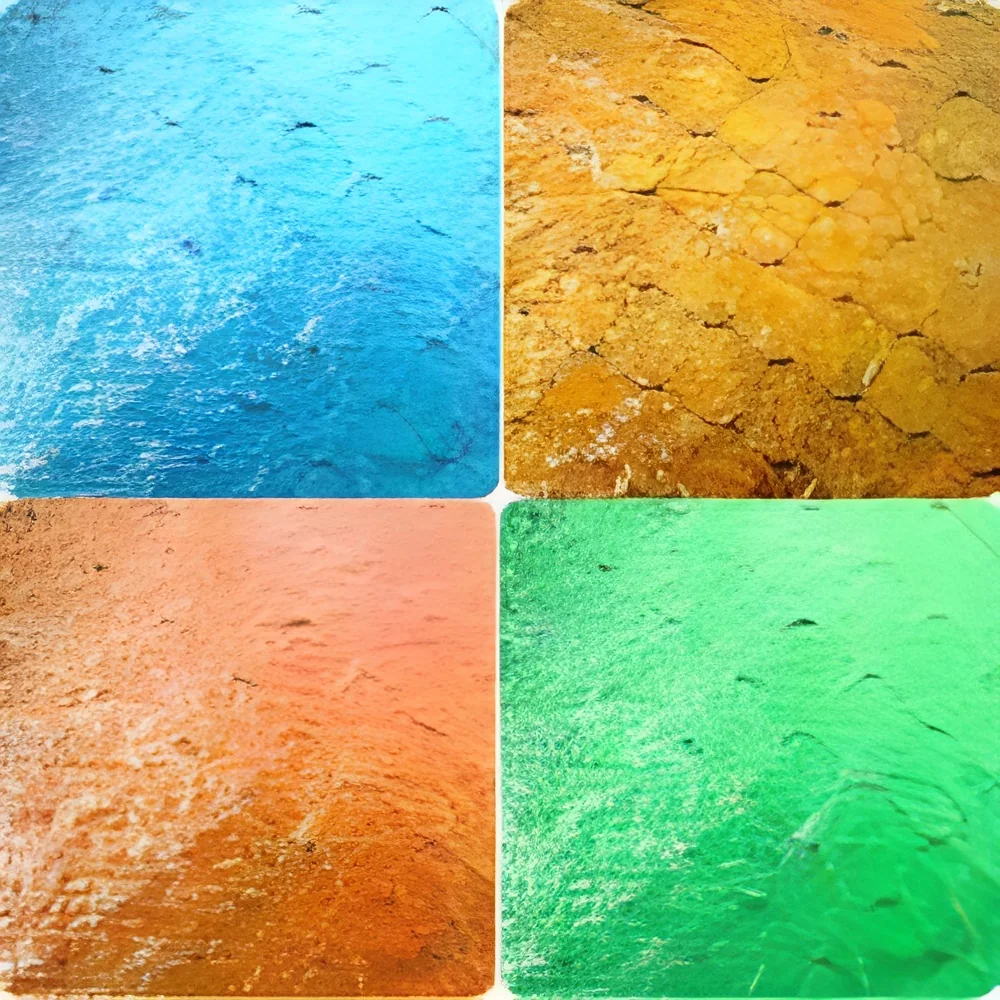
Industrial colored pigments are essential components that provide vibrant, consistent coloration across numerous manufacturing applications. These finely engineered powders feature uniform particle size distribution and excellent dispersion properties, ensuring reliable performance in various formulations. Unlike basic dyes, these pigments offer superior opacity, lightfastness, and chemical resistance, making them indispensable for industries where longevity and visual quality are critical. They form the foundation for creating diverse color shades, from subtle pastels to deep, intense hues, enabling manufacturers to meet specific aesthetic requirements while maintaining product integrity and performance standards.

These high-performance pigments serve extensive applications across multiple industrial sectors including paints and coatings, plastics manufacturing, printing inks, construction materials, and consumer products. In the paints industry, they are fundamental for architectura...
Industrial colored pigments are essential components that provide vibrant, consistent coloration across numerous manufacturing applications. These finely engineered powders feature uniform particle size distribution and excellent dispersion properties, ensuring reliable performance in various formulations. Unlike basic dyes, these pigments offer superior opacity, lightfastness, and chemical resistance, making them indispensable for industries where longevity and visual quality are critical. They form the foundation for creating diverse color shades, from subtle pastels to deep, intense hues, enabling manufacturers to meet specific aesthetic requirements while maintaining product integrity and performance standards.

These high-performance pigments serve extensive applications across multiple industrial sectors including paints and coatings, plastics manufacturing, printing inks, construction materials, and consumer products. In the paints industry, they are fundamental for architectural coatings, automotive finishes, and industrial protective coatings. Plastic manufacturers utilize them for coloring packaging materials, automotive components, and household products. The printing industry depends on these pigments for producing vivid, durable inks for packaging, publications, and textiles. Construction sector applications include coloring concrete, roofing materials, and paving stones, while consumer goods manufacturers incorporate them in various products requiring consistent, long-lasting coloration.

Manufacturers choose our industrial colored pigments for their exceptional value proposition and proven reliability in production environments. These pigments deliver consistent batch-to-batch quality, ensuring production runs maintain precise color accuracy without unexpected variations. Their excellent dispersion characteristics reduce processing time and energy consumption during manufacturing, leading to improved production efficiency and lower operational costs. The pigments' compatibility with various binding systems and substrates provides formulation flexibility, while their resistance to fading, chemicals, and environmental factors ensures end-products maintain their appearance and value throughout their lifespan. This reliability translates to reduced rejection rates, fewer production interruptions, and ultimately higher customer satisfaction and business growth.

Key Features:
- Uniform particle size distribution for consistent coloration
- Excellent lightfastness and weather resistance properties
- High tinting strength with optimal pigment concentration
- Compatibility with water-based and solvent-based systems
- Reliable performance across various industrial applications

Benefits:
- Consistent batch-to-batch quality for manufacturing reliability
- Reduced processing time and energy consumption during production
- Long-lasting color retention and product appearance
- Formulation flexibility across different binding systems
- Lower operational costs through improved production efficiency
Specifications
| Additional Information | |
|---|---|
| Country of Origin | India |
Application
Our industrial colored pigments deliver consistent, vibrant coloration with excellent lightfastness and chemical stability. They integrate seamlessly into manufacturing processes for paints, plastics, inks, and construction materials, ensuring reliable performance in demanding environments where durability and visual quality are essential. These versatile pigments maintain their properties across different formulations and production conditions.
These high-performance pigments serve critical roles in automotive coatings, architectural paints, plastic manufacturing, printing inks, and construction materials. Suitable for both water-based and solvent-based systems, they provide formulation flexibility without compromising color brilliance or performance standards. Manufacturers rely on them to produce long-lasting, visually appealing products that meet industry requirements.
- Automotive paints and coatings requiring UV resistance and color retention
- Architectural and decorative paints for residential and commercial buildings
- Plastic products including packaging materials and consumer goods
- Printing inks for packaging, publications, and promotional materials
- Construction materials such as colored concrete and roofing tiles
Trade Details
| Available Stock | In Stock |
| Sample Availability | No |
Payment Terms
| Payment Terms |
|
Company Profile
Anuj Fibre, Maharashtra
 Maharashtra, India
Maharashtra, IndiaManufacturer•Distributor / Wholesaler
Factory Details
Factory Size1000-5000 sqm
Annual Production Capacity0
Main Markets
North America
Oceania
Northern Europe
South America
Mid East
Southern Europe
Eastern Europe
Eastern Asia
South Asia
Southeast Asia
Western Europe
Africa
Central America
Domestic
Industrial Colored Pigments For Paints Coatings Plastics Inks
Industrial colored pigments deliver vibrant shades and excellent dispersion for paints, coatings, plastics, and inks. Trusted for reliability and consistent performance in demanding manufacturing applications.
Min. Order Quantity: 1 unit
Shipping
Shipping fee and delivery date to be negotiated. Contact supplier now for more details.
Anuj Fibre
 Maharashtra, India
Maharashtra, IndiaManufacturer