
 IN
Phthalocyanine Pigments
1 products available
What are Phthalocyanine Pigments?
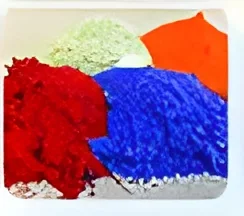
Phthalocyanine pigments are a group of synthetic organic compounds known for their vibrant colors and high stability. They are primarily derived from phthalic anhydride and urea, forming complex structures that allow for a wide range of applications. These pigments exhibit excellent lightfastness, heat stability, and resistance to chemicals, making them ideal for various industrial uses.
These pigments find extensive applications across multiple industries, including coatings, plastics, inks, and textiles. Due to their strong color properties, they are commonly used to produce blue and green shades in products like paints, automotive finishes, and printing inks. The demand for phthalocyanine pigments has been growing, driven by the need for durable and environmentally friendly coloring solutions in manufacturing.
In the context of the global market, phthalocyanine pigments play a critical role in the colorant industry. With increasing regulations on environmental safety and a shift towards sustainable practices, the relevance of these pigments is amplified. Manufacturers are keen to adopt products that not only meet performance standards but also align with eco-friendly initiatives.
Key Features and Specifications
Phthalocyanine pigments are characterized by several key features that contribute to their performance in various applications. Their unique chemical structure provides exceptional color strength and durability. The following specifications are essential for understanding their capabilities.
Key specifications include:
1. Color Strength
- High tinting strength resulting in vibrant colors
- Typically measured in terms of pigment concentration
2. Lightfastness
- Exceptional resistance to fading when exposed to light
- Rated on a scale from 1 (poor) to 8 (excellent)
3. Heat Stability
- Maintains color integrity at elevated temperatures
- Suitable for applications involving thermal exposure
4. Chemical Resistance
- Resistant to solvents, acids, and alkalis
- Ensures longevity in harsh environments
5. Particle Size Distribution
- Fine particle size for optimal dispersion in formulations
- Typically ranges from 0.1 to 0.5 micrometers
6. Solubility
- Generally insoluble in water but compatible with various organic solvents
- Important for formulation considerations
7. Environmental Compliance
- Many pigments meet environmental regulations
- Reduced toxicity compared to traditional pigments
8. Cost-Effectiveness
- Competitive pricing relative to performance benefits
- Economical choice for large-scale production
In summary, phthalocyanine pigments are defined by their robust features and specifications, making them a preferred choice for diverse industrial applications.
Common Applications and Use Cases
Phthalocyanine pigments are utilized in a variety of industries, showcasing their versatility and effectiveness.
1. Coatings: These pigments are widely used in architectural and industrial coatings, providing durability and vibrant color options for surfaces.
2. Printing Inks: They are essential in the printing industry, contributing to high-quality and long-lasting prints in commercial applications.
3. Plastics: Phthalocyanine pigments enhance color performance in plastic products, ensuring that they remain vibrant and resistant to fading.
4. Textiles: In the textile industry, these pigments are employed for dyeing fabrics, offering excellent lightfastness and wash fastness.
5. Automotive: Used in automotive paints, they provide a durable and attractive finish while withstanding environmental challenges.
6. Cosmetics: Certain formulations include phthalocyanine pigments for coloring cosmetic products, benefiting from their stability and safety.
7. Art Supplies: Artists utilize phthalocyanine pigments in paints and inks, appreciating their rich hues and blending qualities.
Product Variants and Subcategories
Phthalocyanine pigments come in various forms, each suited for specific applications.
Copper Phthalocyanine Blue
This variant is renowned for its deep blue shade and excellent lightfastness. It is widely used in coatings and inks, providing a rich, vibrant color that endures over time.
Copper Phthalocyanine Green
Offering a unique green tint, this variant is favored in the plastics and textile industries. It combines stability with a striking appearance, making it a popular choice for various products.
Pigment Green 7
This pigment variant is characterized by its bright green hue and excellent weather resistance. It is commonly used in outdoor applications where durability is essential.
Pigment Blue 15:3
Known for its intense blue shade, this variant is frequently employed in printing inks and coatings, delivering superior performance and color strength.
Benefits and Advantages
Phthalocyanine pigments offer numerous benefits that cater to the needs of industries seeking quality and performance.
1. Excellent Color Fastness: They provide lasting color integrity, ensuring products remain visually appealing over time.
2. High Stability: Their resistance to heat and chemicals makes them suitable for challenging environments, extending product lifespan.
3. Eco-Friendly Options: Many phthalocyanine pigments meet environmental regulations, offering a sustainable choice for manufacturers.
4. Versatile Applications: Their adaptability across various industries allows for diverse usage, enhancing their market appeal.
5. Cost Efficiency: Competitive pricing combined with high performance makes them an economical choice for large-scale production.
6. Customization Potential: Manufacturers can tailor formulations to meet specific application needs, allowing for broader industry integration.
Buying Guide for B2B Buyers
When sourcing phthalocyanine pigments, it is crucial for B2B buyers to consider several factors to ensure the right selection.
1. Quality Assessment: Evaluate the quality of pigments based on color strength, lightfastness, and chemical resistance. Request samples to test performance in your specific applications.
2. Supplier Verification: Conduct thorough research on suppliers to ensure they have a reputable background and positive customer feedback. Certifications and compliance with industry standards are essential.
3. Pricing and MOQ: Consider the cost per unit and the minimum order quantity (MOQ) that fits your budget and production needs. Compare prices among different suppliers for competitiveness.
4. Delivery and Lead Times: Understand logistics and delivery timelines to avoid delays in production. Ensure that suppliers can meet your schedule.
5. Compliance Requirements: Verify that the pigments comply with relevant regulatory standards in your region, such as safety and environmental regulations.
Compliance and Certifications
Phthalocyanine pigments are subject to various compliance and certification standards that ensure their safety and suitability for industrial use. Key quality standards include ISO 9001, which focuses on quality management systems, ensuring consistent product quality and customer satisfaction.
Industry certifications like CE indicate that the pigments meet European safety, health, and environmental protection requirements. This certification is vital for products used in regions where such compliance is mandated.
Additionally, safety and testing requirements are integral to the production of phthalocyanine pigments. Manufacturers often conduct rigorous testing to evaluate pigment performance, including lightfastness and toxicity assessments.
Regional compliance considerations may vary, making it essential for manufacturers to stay informed about local regulations governing the use of chemical products in specific markets.
Why Source Phthalocyanine Pigments from Pepagora?
Pepagora offers a reliable platform for sourcing phthalocyanine pigments, providing distinct advantages to B2B buyers.
Verified Supplier Network: Pepagora has established a network of trusted suppliers, ensuring that buyers have access to high-quality pigments. Each supplier undergoes rigorous vetting to maintain high standards.
Streamlined RFQ Process: The request for quotation (RFQ) system simplifies the procurement process, allowing buyers to receive competitive quotes quickly and efficiently.
Trade Assurance and Support: Pepagora provides trade assurance, offering protection for buyers throughout the transaction process. This ensures a secure and reliable purchasing experience.
Regional Coverage: With a focus on markets in India, the GCC, and Southeast Asia, Pepagora is well-positioned to meet the needs of buyers across diverse geographic regions, ensuring timely delivery and support.

 India
Frequently Asked Questions
What are Phthalocyanine Pigments?
Phthalocyanine pigments are a group of synthetic organic pigments known for their vibrant colors and excellent stability. They are widely used in various applications, including paints, inks, plastics, and coatings due to their strong tinting strength and durability.
What are the different types of Phthalocyanine Pigments?
Phthalocyanine pigments are primarily categorized into two types: Phthalocyanine Blue and Phthalocyanine Green. Each type has subcategories based on variations in chemical composition and properties, allowing for a range of shades and applications.
How do I choose the right Phthalocyanine Pigments?
Choosing the right Phthalocyanine pigments involves considering factors such as the desired color shade, application method, and compatibility with other materials. It is also essential to assess the pigment's lightfastness, heat resistance, and chemical stability for your specific use case.
What are the standard specifications for Phthalocyanine Pigments?
Standard specifications for Phthalocyanine pigments typically include color strength, particle size, and oil absorption. Additionally, they must meet industry standards for lightfastness, chemical resistance, and non-toxicity, especially for applications in food packaging and toys.
What is the price range for Phthalocyanine Pigments?
The price range for Phthalocyanine pigments can vary significantly based on factors such as purity, type, and supplier. Typically, prices can range from INR 500 to INR 3000 per kilogram, depending on the specific requirements and market conditions.
What quality standards apply to Phthalocyanine Pigments?
Phthalocyanine pigments must adhere to various quality standards, including ISO certifications for manufacturing processes and safety regulations. Quality checks often involve testing for consistency in color, particle size distribution, and resistance to environmental factors.
Where can I find Phthalocyanine Pigments suppliers in India?
You can find Phthalocyanine pigments suppliers in India through B2B marketplaces like Pepagora, trade shows, and industry directories. It is advisable to review supplier profiles and customer feedback to ensure reliable sourcing.
Can Phthalocyanine Pigments be customized?
Yes, many manufacturers offer customization options for Phthalocyanine pigments to meet specific color and formulation requirements. It is best to discuss your needs with suppliers to explore available customization services.
What is the typical minimum order quantity for Phthalocyanine Pigments?
The typical minimum order quantity (MOQ) for Phthalocyanine pigments can vary by supplier but generally ranges from 25 to 100 kilograms. It is recommended to confirm the MOQ with your chosen supplier before placing an order.
What is the typical lead time for Phthalocyanine Pigments?
The typical lead time for Phthalocyanine pigments can range from 1 to 4 weeks, depending on factors such as order size, customization, and supplier location. Always confirm lead times with the supplier when placing an order.
Why Businesses Trust Pepagora
Thousands of companies trust Pepagora to source smarter and sell faster
Expand Your Sales Globally

Source Smarter,Grow Faster
