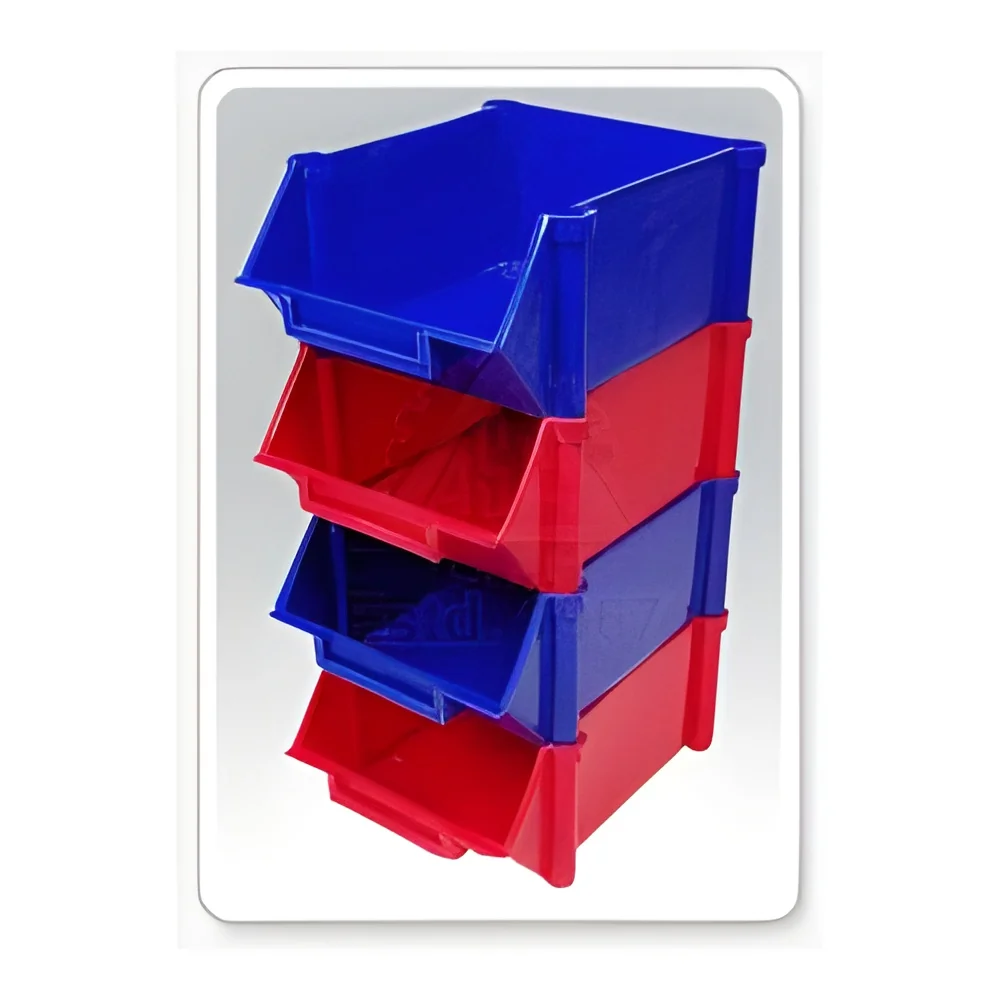
What are Parts Bins & Racks?
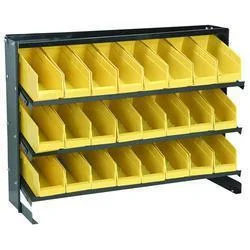
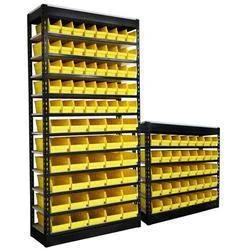
Parts bins and racks are essential storage solutions used in various industries to organize and manage parts, tools, and materials. These systems consist of bins that can be mounted on racks or shelves, offering an efficient way to store items in a compact manner. They help in maximizing space and improving accessibility while keeping the workplace tidy and organized.
The primary uses of parts bins and racks include inventory management, assembly line support, and maintenance operations. Businesses often utilize these products to streamline their workflow and enhance productivity. Parts bins are particularly useful in environments where quick access to items is necessary, such as manufacturing, warehousing, and automotive industries.
In the current market context, the demand for efficient storage solutions is increasing as organizations seek to optimize their operations. Industries are recognizing the importance of effective organization to reduce waste and improve efficiency. As a result, manufacturers are innovating to provide a diverse range of parts bins and racks to meet varied industry needs.
Key Features and Specifications
Parts bins and racks come with a variety of features that enhance their functionality and usability. Understanding these specifications is crucial for selecting the right system for your business needs.
Key specifications include:
1. Material Composition
- Typically made from durable materials such as plastic, metal, or composite materials
- Resistance to impact, chemicals, and corrosion
2. Size and Dimensions
- Available in various sizes to accommodate different storage needs
- Common dimensions include standard bin sizes for efficient use of shelf space
3. Load Capacity
- Designed to support a specific weight range
- Load capacities can vary based on material and design, from lightweight to heavy-duty options
4. Mounting Options
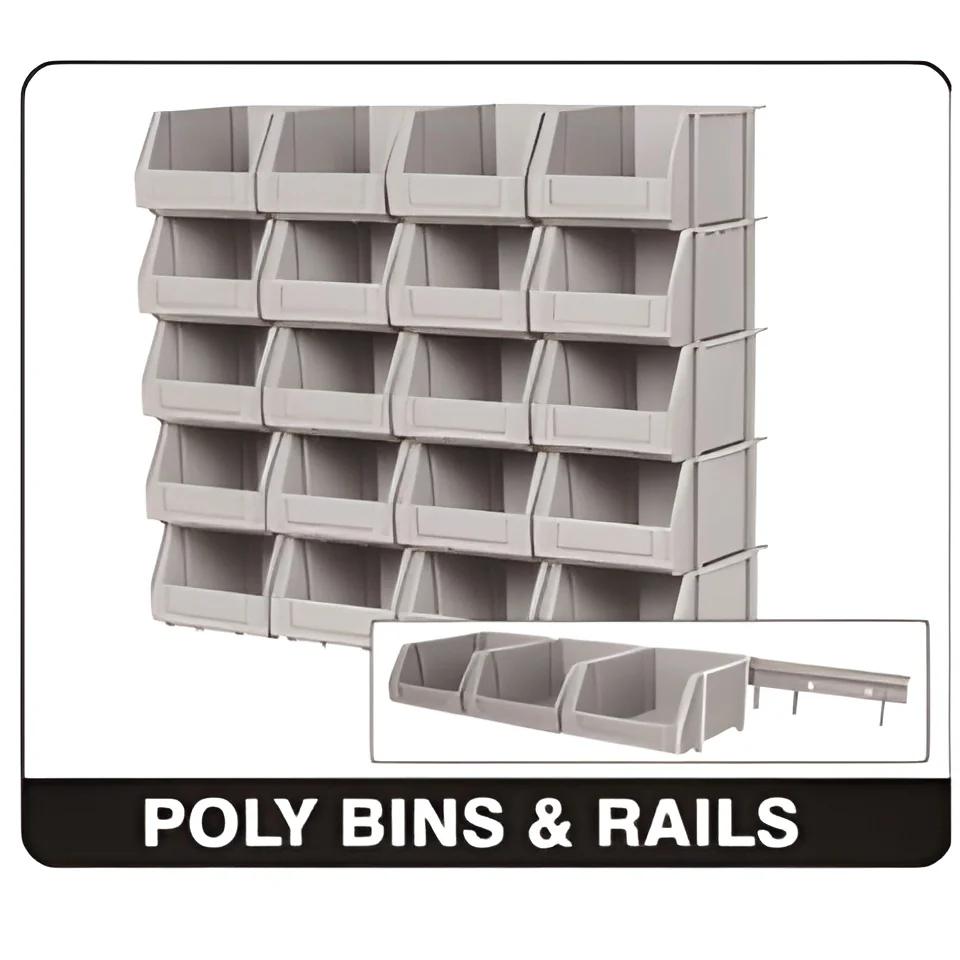
- Some bins are designed for wall mounting or stacking on shelves
- Racks may include adjustable shelves to customize storage space
5. Color Coding
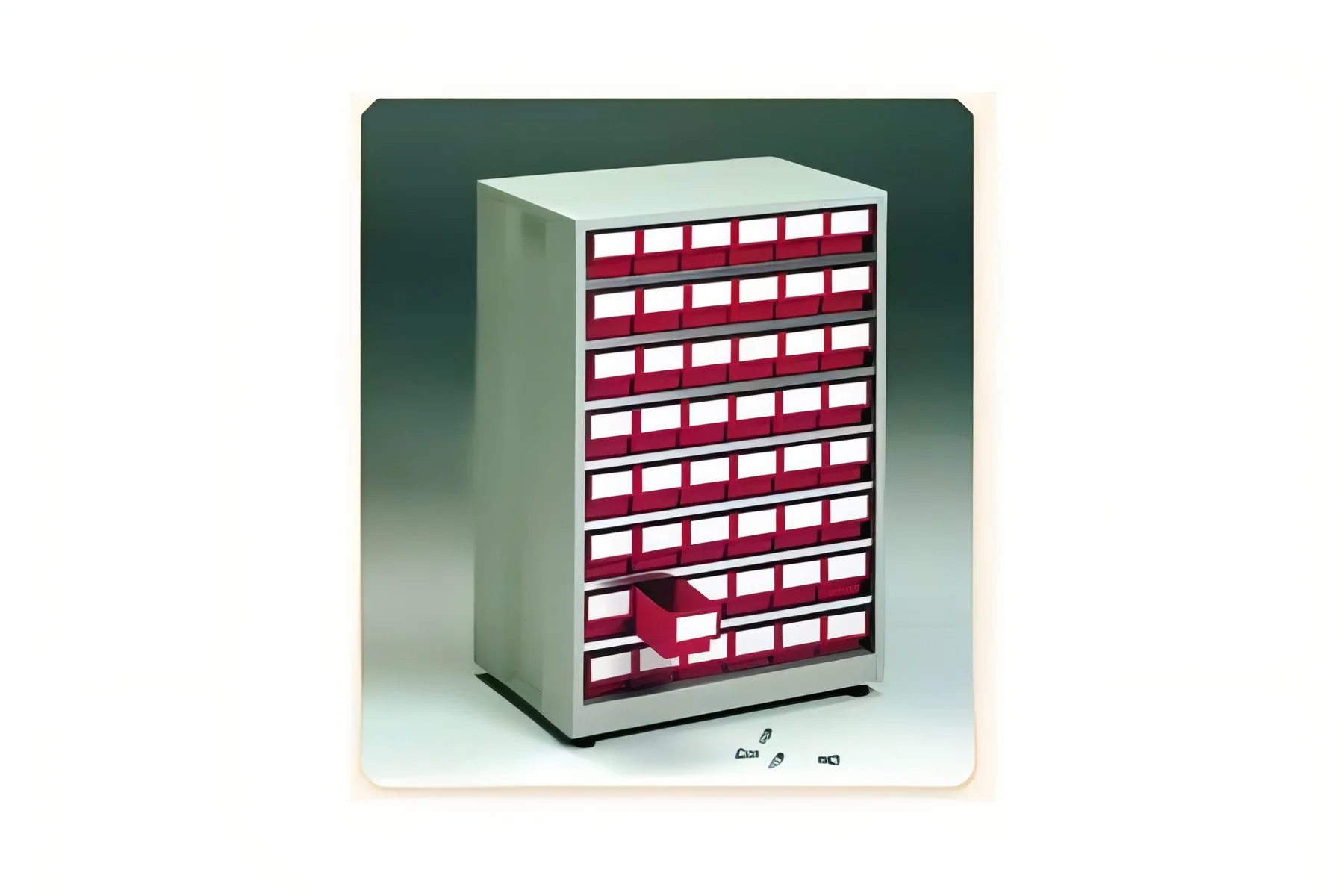
- Many bins come in various colors for easy identification of parts
- Color coding aids in inventory management and organization
6. Labeling Areas
- Designed with spaces for labels to indicate contents
- Enhances organization and reduces errors in picking and restocking
7. Compatibility with Other Systems
- Some bins are compatible with modular storage systems
- Allows for easy integration into existing setups
8. Ventilation Features
- Certain designs include ventilation to maintain airflow
- Helps to prevent moisture accumulation and supports material integrity
In summary, understanding these key features and specifications is vital for businesses looking to invest in parts bins and racks. Selecting the right configuration can lead to improved efficiency and streamlined operations.
Common Applications and Use Cases
Parts bins and racks serve a wide range of industries, each with specific applications that enhance operational efficiency.
1. Manufacturing: In manufacturing facilities, parts bins organize components for assembly lines, ensuring easy access and reducing downtime.
2. Automotive: Automotive repair shops utilize parts bins to store tools and replacement parts, facilitating quick repairs and maintenance.
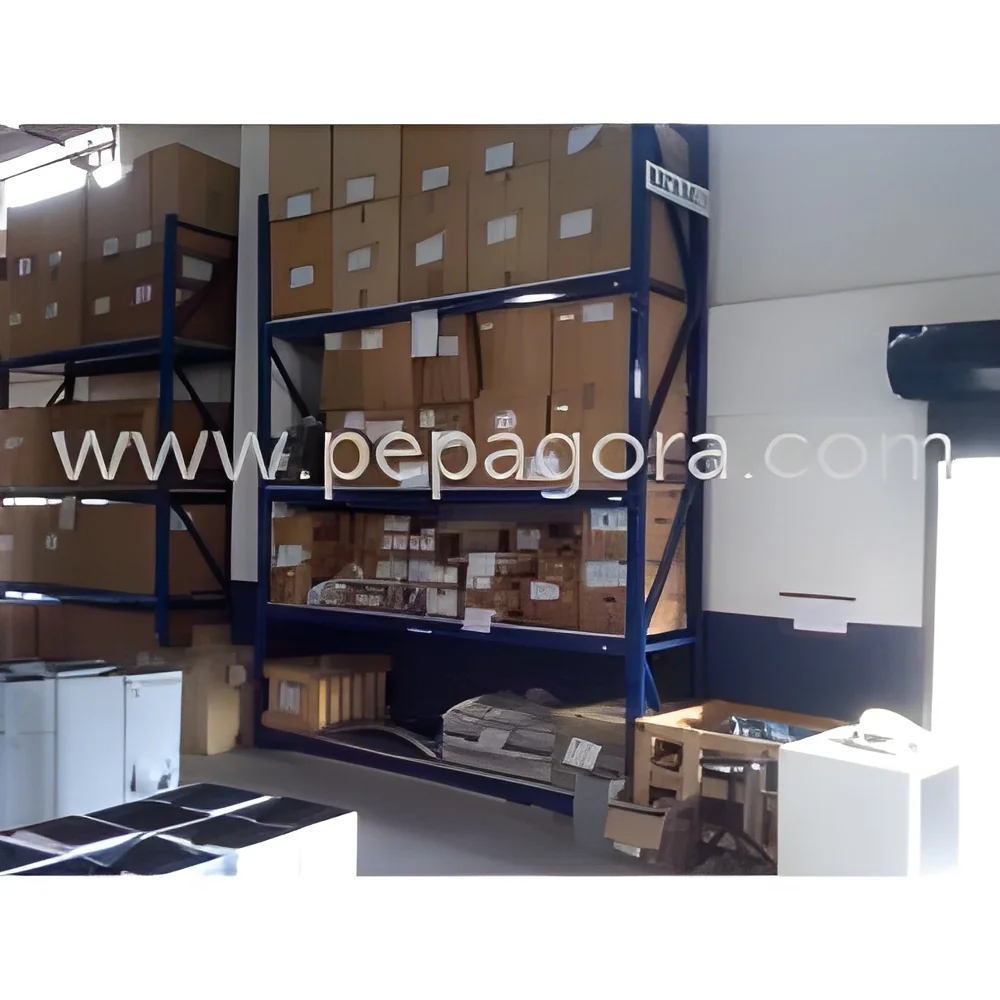
3. Warehousing: Warehouses use racks to maximize vertical space for storage, allowing for efficient retrieval and inventory management.
4. Retail: Retail environments employ parts bins for organizing small items, improving customer experience through easy product access.
5. Healthcare: In healthcare settings, bins help store medical supplies and equipment, ensuring quick access during emergencies.
6. Electronics: Electronics manufacturers use bins to manage small parts and components, improving workflow in assembly processes.
7. Construction: Construction sites utilize parts bins for tools and materials, keeping the workspace organized and safe.
Product Variants and Subcategories
Parts bins and racks come in various styles and configurations to meet specific storage needs. The diversity in products allows businesses to select options that best fit their operations.
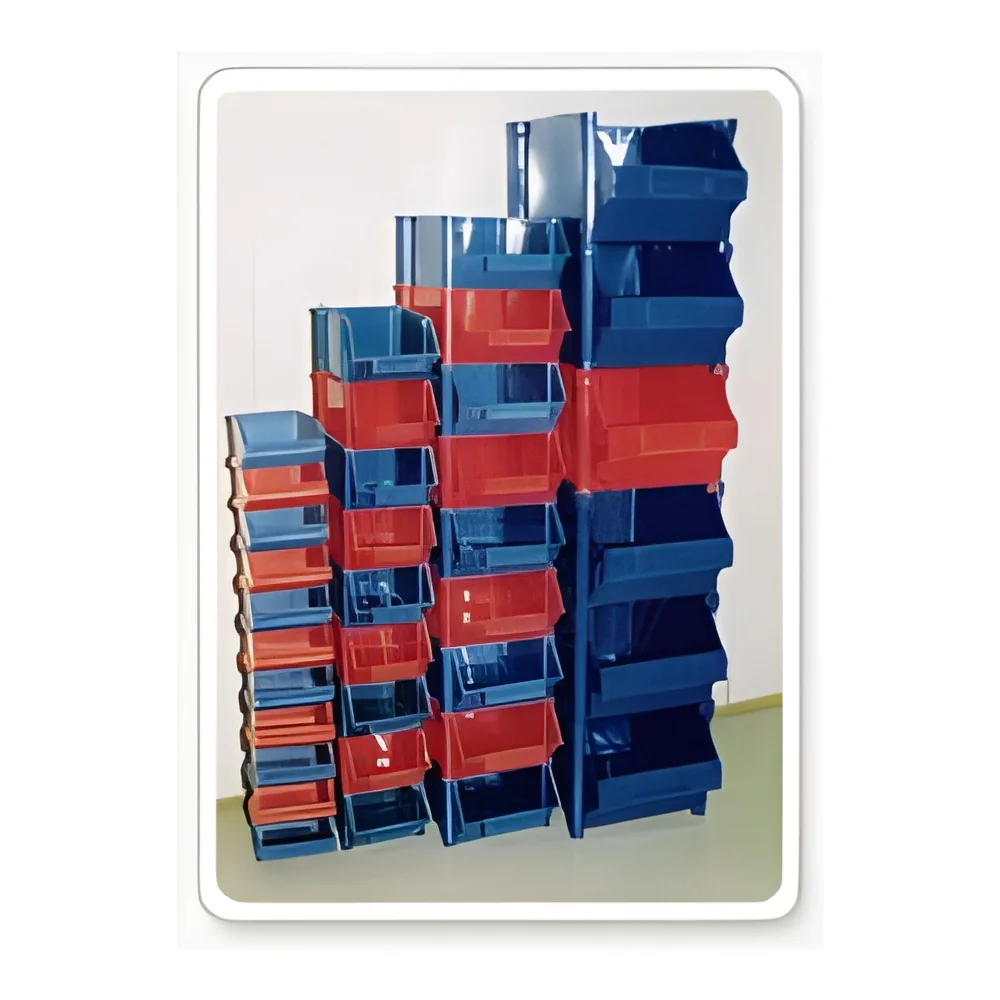
Stackable Bins: These bins are designed to be stacked on top of each other, maximizing vertical space. They are ideal for environments where floor space is limited and can be easily rearranged.
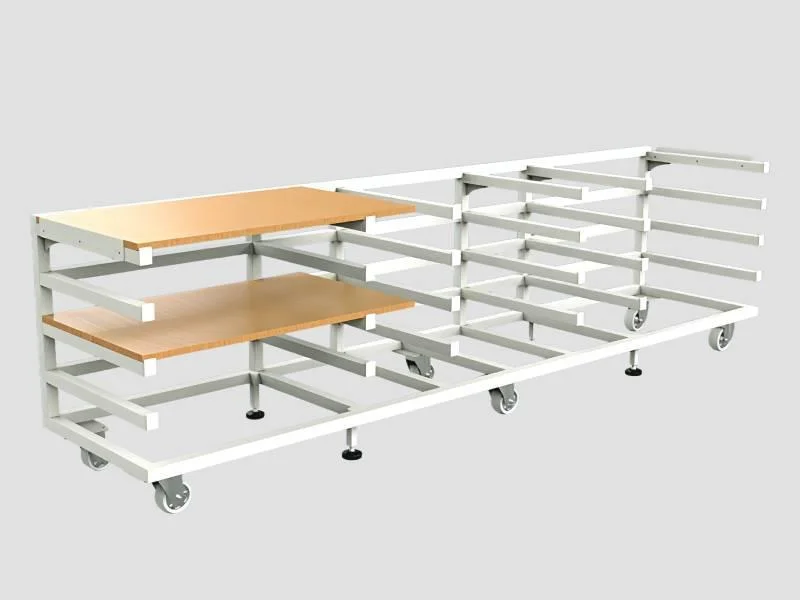
Mobile Racks: Mobile racks come with wheels, allowing for easy movement around the workspace. This feature is beneficial in dynamic environments where storage needs may change frequently.
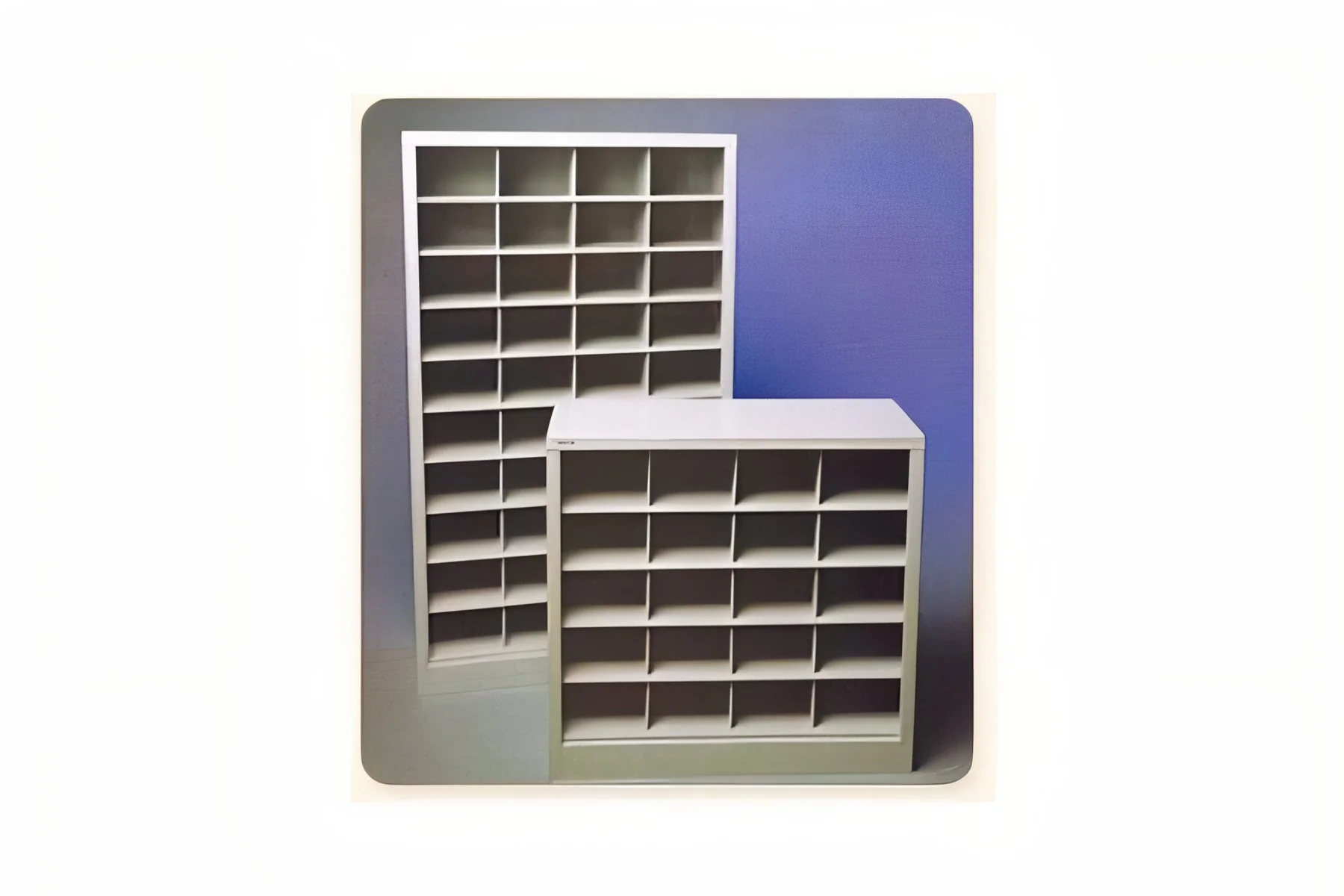
Shelf Bins: Shelf bins are perfect for use on shelving units. They provide easy access to items and can be customized with dividers to create separate compartments.
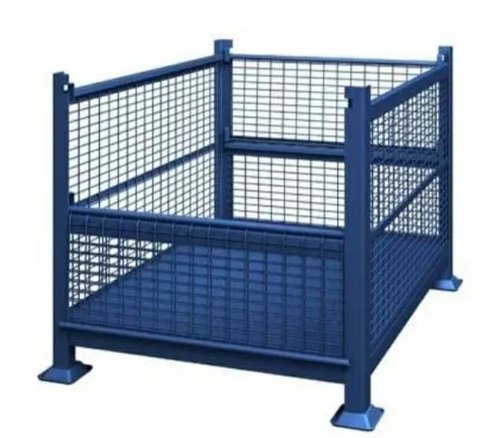
Heavy-Duty Bins: Designed to hold heavier items, these bins are made from robust materials and are suitable for industrial applications requiring high load capacities.
Benefits and Advantages
Investing in parts bins and racks offers several advantages that can significantly improve operational efficiency.
1. Enhanced Organization: These solutions provide a structured way to store items, reducing clutter and improving workflow.
2. Increased Accessibility: With designated storage solutions, employees can quickly locate and retrieve items, minimizing downtime.
3. Space Optimization: Parts bins and racks maximize available space, allowing businesses to make the most of their environment.
4. Improved Inventory Management: The use of labeled bins and organized racks supports better tracking of inventory levels and reduces errors.
5. Cost-Effectiveness: Efficient organization can lead to reduced operational costs by minimizing wasted time and resources.
6. Versatility: Parts bins and racks can be customized to fit various applications, making them suitable for a wide range of industries.
Buying Guide for B2B Buyers
When sourcing parts bins and racks, several factors need consideration to ensure the selection of the right products for your business.
1. Quality Assessment: Evaluate the materials and construction quality of the bins and racks. Look for products that offer durability and resistance to wear and tear.
2. Supplier Verification: Vet suppliers to ensure they have a good reputation and provide reliable products. Look for reviews and testimonials from other businesses.
3. Pricing and MOQ: Consider the cost of the bins and racks, as well as the minimum order quantity (MOQ). Compare prices among different suppliers to find competitive options.
4. Delivery and Lead Times: Assess the logistics involved in the delivery process. Ensure that the supplier can meet your timeline requirements for receiving products.
5. Compliance Requirements: Be aware of any industry-specific compliance and safety standards that the products must meet. Ensure that suppliers can provide certification and documentation if necessary.
Compliance and Certifications
Compliance and certifications are critical aspects of parts bins and racks, ensuring they meet industry standards for safety and quality. Many products adhere to quality management standards such as ISO 9001, which ensures consistent quality in manufacturing processes.
In addition, certain products may comply with industry-specific standards like HACCP for food safety or GDP for good distribution practices. These certifications are essential for businesses operating in regulated environments.
Safety and testing requirements are also vital to consider. Products should undergo rigorous testing to ensure they can withstand intended use without failure. This might include load testing, durability assessments, and stability evaluations.
Regional compliance considerations may vary. Businesses should be aware of local regulations that may affect product selection and usage, ensuring that all sourced products meet necessary legal requirements.
Why Source Parts Bins & Racks from Pepagora?
Pepagora provides a trusted platform for sourcing parts bins and racks, offering several key advantages for businesses.
Verified Supplier Network: Pepagora has established a network of verified suppliers that meet rigorous standards for quality and reliability. This ensures that buyers can trust the products they are sourcing.
Streamlined RFQ Process: The platform offers a streamlined request for quotation (RFQ) process, allowing buyers to easily compare pricing and specifications from multiple suppliers, saving time and effort.
Trade Assurance and Support: Pepagora provides trade assurance, protecting buyers' investments and ensuring that transactions are secure. The platform also offers support for any inquiries or concerns, enhancing the overall purchasing experience.
Regional Coverage: With a strong presence in regions like India, the GCC, and Southeast Asia, Pepagora caters to businesses across diverse markets, making it easier for buyers to find local suppliers and products that meet their specific needs.

 IN
IN

 India
India