
 IN
INOxygen Gas (Medical & Industrial)
27 products available
Key Features and Specifications
Common Applications and Use Cases
Product Variants and Subcategories
Benefits and Advantages
Buying Guide for B2B Buyers
Compliance and Certifications


 India
India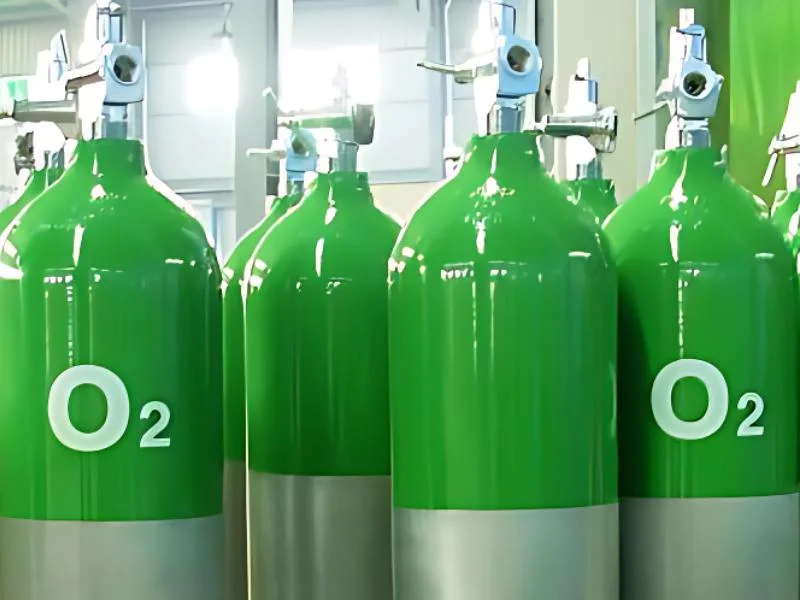
 India
India
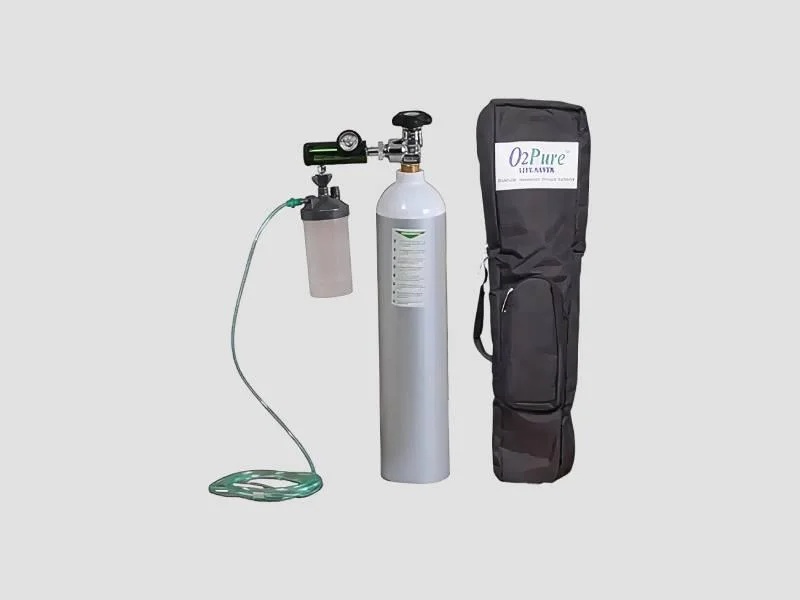

 India
India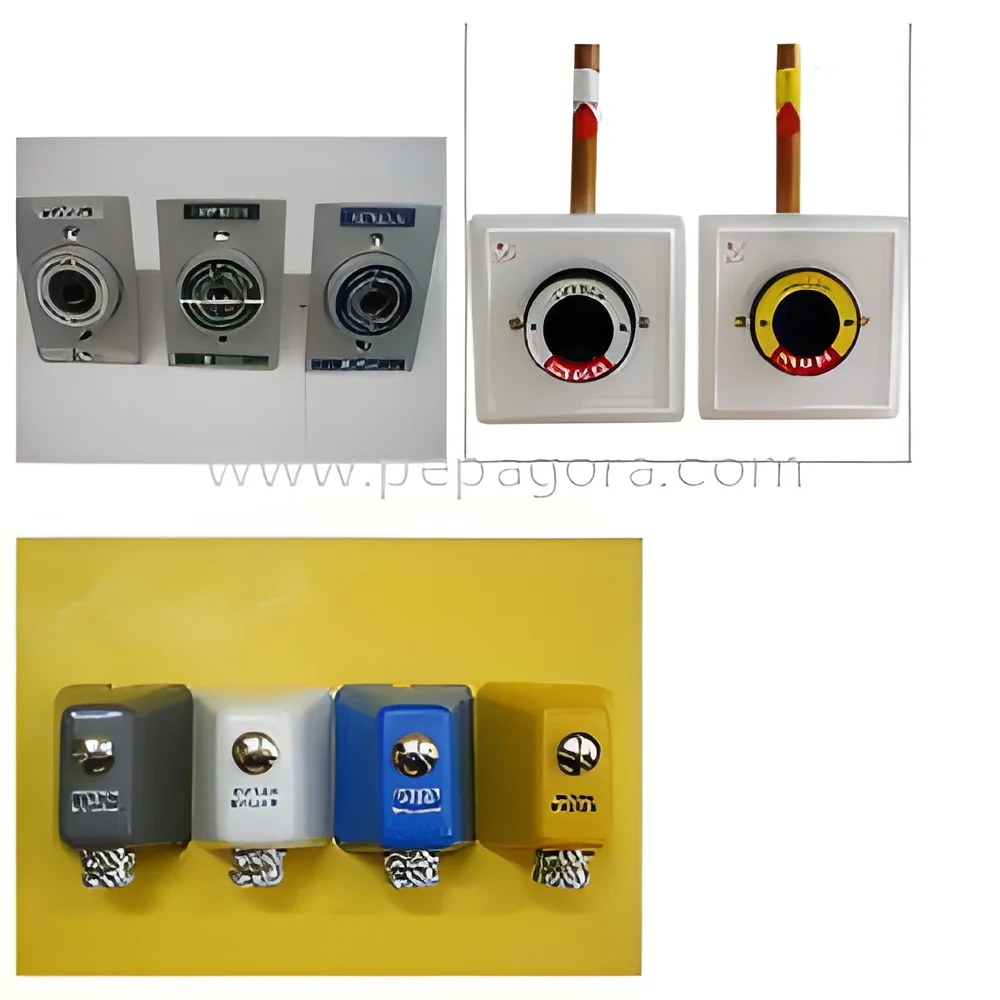

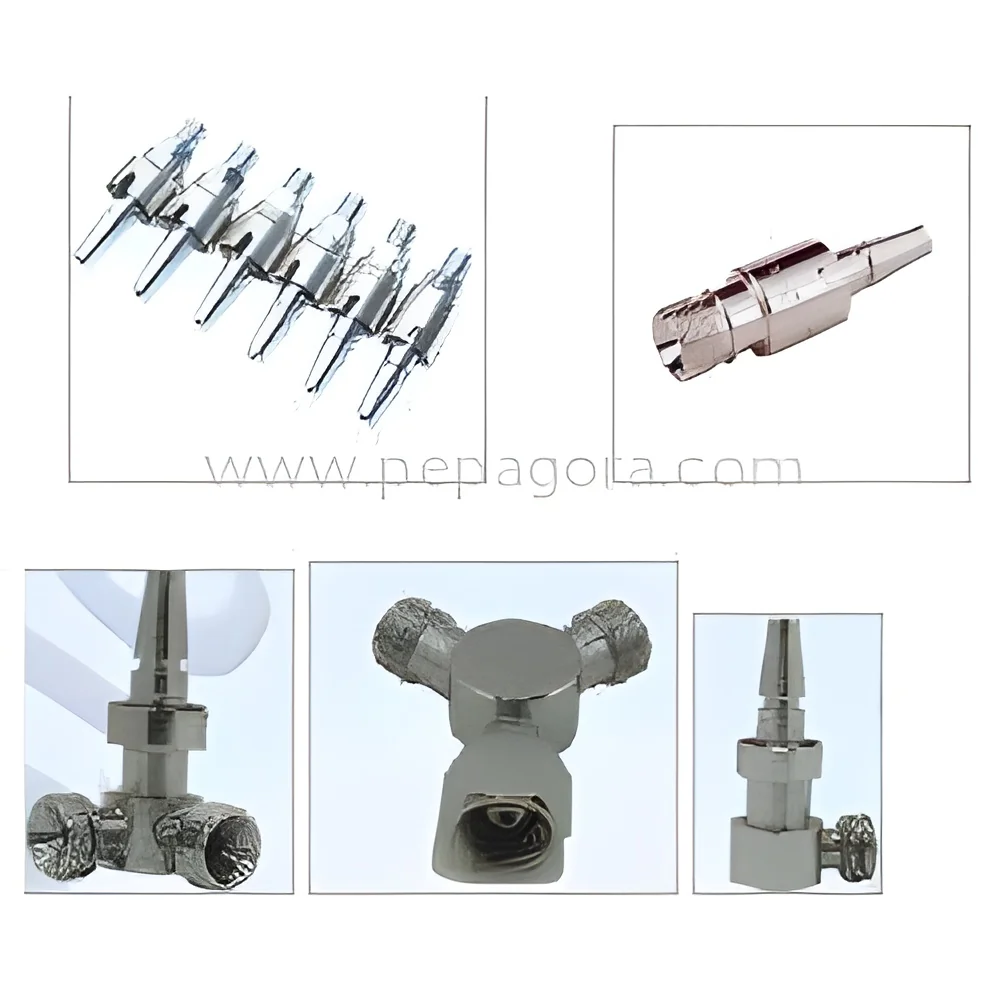
 India
India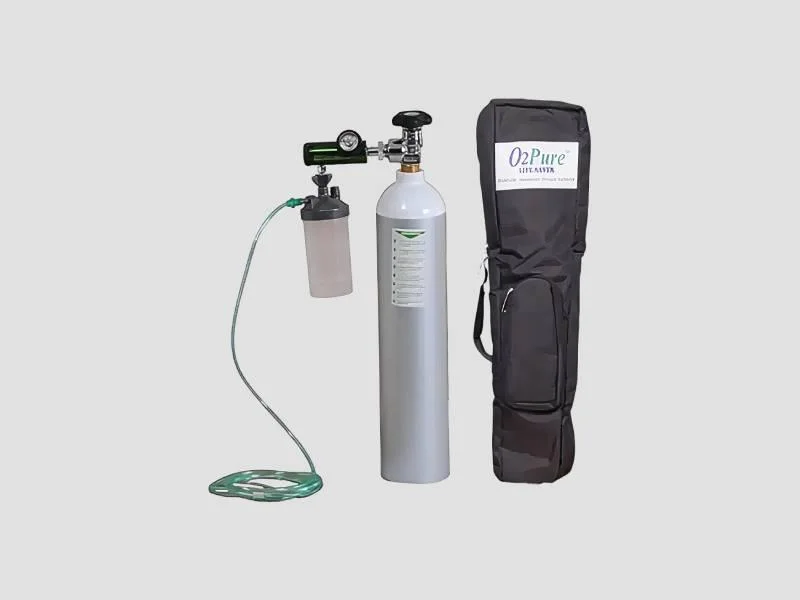
 India
India
 India
India
 India
India
 India
India
 India
India
 India
India
 India
India India
India

 India
India
Frequently Asked Questions
What are Oxygen Gas (Medical & Industrial)?
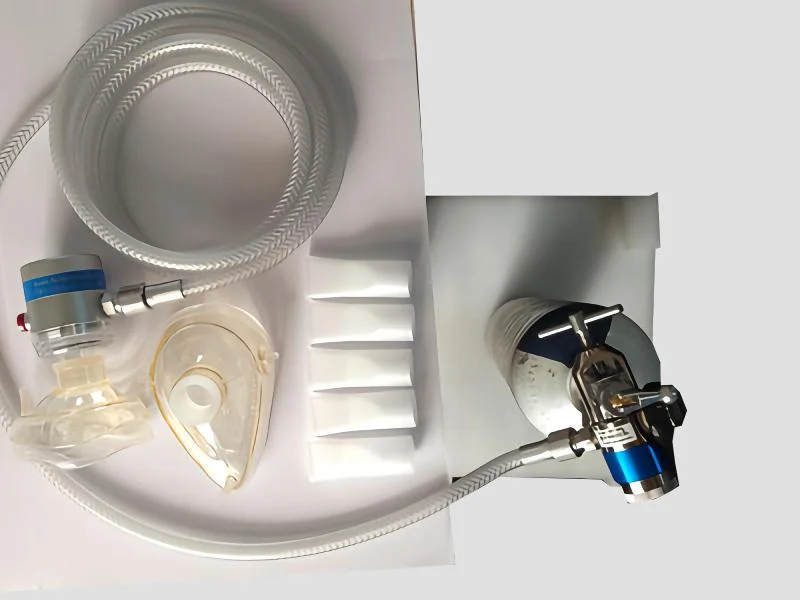
Oxygen gas is a vital element used in both medical and industrial applications. In medical settings, it is primarily used for respiratory support in patients, while in industrial contexts, it is utilized for processes such as welding, metal cutting, and chemical manufacturing.
What are the different types of Oxygen Gas (Medical & Industrial)?
Oxygen gas is generally classified into two main types: medical-grade oxygen and industrial-grade oxygen. Medical-grade oxygen is purified and meets stringent health standards, whereas industrial-grade oxygen is produced for manufacturing processes and does not require the same level of purity.
How do I choose the right Oxygen Gas (Medical & Industrial)?
Selecting the right oxygen gas involves evaluating your specific needs, such as the intended application and required purity levels. It is also important to consider the supplier's reputation and adherence to quality standards to ensure safety and efficiency.
What are the standard specifications for Oxygen Gas (Medical & Industrial)?
Standard specifications for oxygen gas include purity levels, which for medical use must be 99.5% or higher, and specific pressure and temperature conditions. Additionally, the gas should be free from harmful contaminants and meet regulatory requirements.
What is the price range for Oxygen Gas (Medical & Industrial)?
The price of oxygen gas can vary significantly based on its grade, quantity, and market demand. Generally, medical-grade oxygen tends to be more expensive due to its stringent purity requirements, while industrial-grade oxygen is typically more affordable.
What quality standards apply to Oxygen Gas (Medical & Industrial)?
Quality standards for oxygen gas are dictated by organizations such as the Indian Pharmacopoeia for medical-grade oxygen, which ensures it meets safety and efficacy standards. Industrial-grade oxygen must comply with relevant industry standards but does not have the same stringent health regulations.
Where can I find Oxygen Gas (Medical & Industrial) suppliers in India?
You can find oxygen gas suppliers in India through various B2B marketplaces such as Pepagora.com, where manufacturers and distributors list their products. It is advisable to review supplier credentials and customer feedback to ensure reliability.
Can Oxygen Gas (Medical & Industrial) be customized?
Oxygen gas itself is generally not customizable, as it is a chemical element with specific properties. However, suppliers may offer customized delivery or packaging options based on client requirements.
What is the typical minimum order quantity for Oxygen Gas (Medical & Industrial)?
The typical minimum order quantity (MOQ) for oxygen gas can vary by supplier and application. Generally, industrial suppliers may have higher MOQs compared to medical suppliers, depending on the intended use and delivery logistics.
What is the typical lead time for Oxygen Gas (Medical & Industrial)?
The lead time for oxygen gas delivery can range from a few days to several weeks, depending on factors such as the supplier's location, order size, and current demand. It is recommended to confirm lead times with the supplier at the time of ordering.
Why Businesses Trust Pepagora
Thousands of companies trust Pepagora to source smarter and sell faster
Expand Your Sales Globally

Source Smarter,Grow Faster
