IN
IN₹
Apparel & Fashion
Description
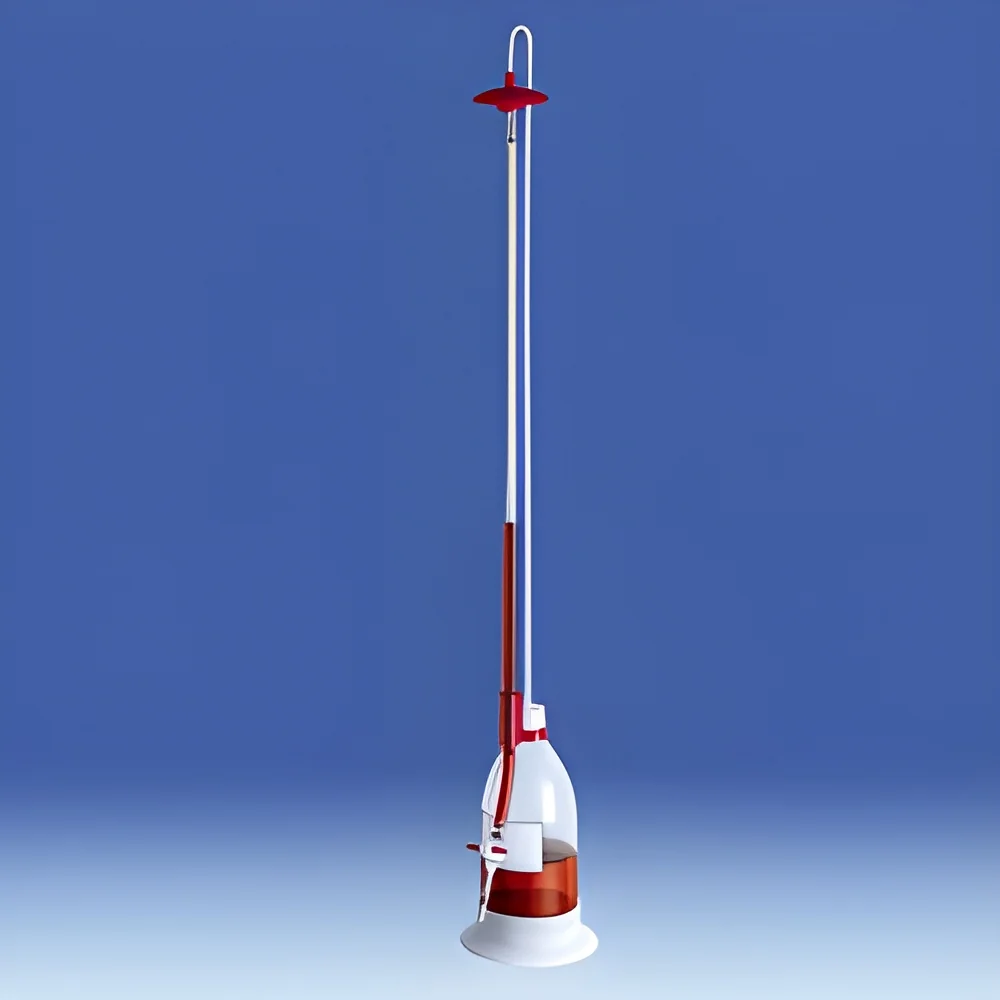
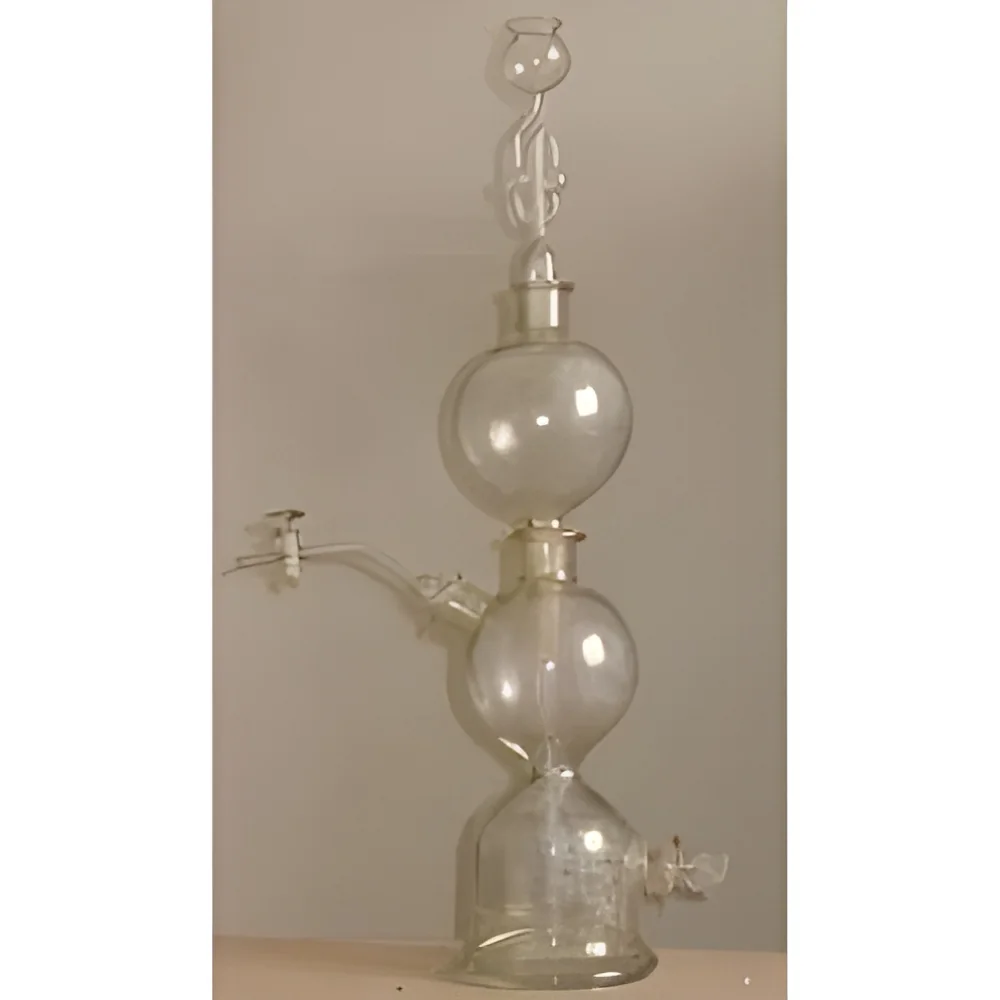
The Kipps Apparatus represents a specialized laboratory instrument engineered specifically for controlled hydrogen sulfide gas production. Constructed from high-quality polyethylene, this apparatus features three interconnected chambers that facilitate safe and efficient chemical reactions between sulfide compounds and acids. The innovative design allows precise regulation of gas generation rates, making it an indispensable tool for laboratories requiring reliable H2S production for analytical procedures and research applications. The durable polyethylene construction ensures long-term performance in demanding laboratory environments where chemical resistance and structural integrity are essential for maintaining operational safety and result accuracy.

This versatile apparatus serves multiple industries including educational institutions, pharmaceutical companies, water treatment facilities, and metallurgical laboratories. Chemistry departments in academic settings utilize Kipps Appar...
The Kipps Apparatus represents a specialized laboratory instrument engineered specifically for controlled hydrogen sulfide gas production. Constructed from high-quality polyethylene, this apparatus features three interconnected chambers that facilitate safe and efficient chemical reactions between sulfide compounds and acids. The innovative design allows precise regulation of gas generation rates, making it an indispensable tool for laboratories requiring reliable H2S production for analytical procedures and research applications. The durable polyethylene construction ensures long-term performance in demanding laboratory environments where chemical resistance and structural integrity are essential for maintaining operational safety and result accuracy.

This versatile apparatus serves multiple industries including educational institutions, pharmaceutical companies, water treatment facilities, and metallurgical laboratories. Chemistry departments in academic settings utilize Kipps Apparatus for teaching gas preparation techniques and demonstrating fundamental chemical principles. Pharmaceutical research laboratories employ it for drug development processes requiring controlled hydrogen sulfide environments, while water treatment plants rely on its consistent performance for sulfide testing and treatment verification. Metallurgical laboratories depend on the apparatus for ore testing and mineral identification procedures, establishing it as a comprehensive solution across scientific and industrial sectors.

The operational value of Kipps Apparatus lies in its reliability, consistent performance, and contribution to laboratory efficiency. Laboratories benefit from reduced equipment downtime due to the durable polyethylene construction that withstands chemical corrosion and mechanical stress. The apparatus design ensures repeatable experiments and tests, providing confidence in analytical outcomes and research validity. The standardized configuration integrates seamlessly with existing laboratory setups worldwide, while the straightforward maintenance requirements minimize long-term ownership costs and support continuous laboratory productivity without unexpected operational interruptions.

Key Features:
- Three-chamber polyethylene construction for controlled chemical reactions
- Chemical-resistant material ensuring durability in corrosive laboratory environments
- Precise gas control mechanism for consistent hydrogen sulfide production
- Interconnected chambers facilitating safe and efficient operation
- Standardized design compatible with global laboratory setups and procedures

Benefits:
- Reliable hydrogen sulfide generation for accurate testing and analysis
- Durable construction reducing replacement frequency and maintenance costs
- Consistent performance ensuring repeatable experimental results
- Safe operation minimizing laboratory hazards and risks
- Versatile application across educational, research, and industrial settings
Specifications
| Additional Information | |
|---|---|
| Country of Origin | India |
Application
The Kipps Apparatus serves as a fundamental laboratory instrument for controlled hydrogen sulfide gas production across educational and research environments. Its three-chamber polyethylene design enables safe reactions between sulfide compounds and acids, making it essential for chemical analysis and synthesis processes. The apparatus provides consistent performance in demanding laboratory settings where reliable gas generation is critical for accurate testing and experimental procedures.
Industrial applications span pharmaceutical development, water quality testing, and metallurgical analysis where precise hydrogen sulfide production is required. The chemical-resistant polyethylene construction maintains integrity through repeated use cycles in corrosive environments. Laboratories value the straightforward operation and minimal maintenance requirements that support continuous workflow without compromising safety or result accuracy.
- Educational chemistry demonstrations in schools and university laboratories
- Hydrogen sulfide generation for qualitative inorganic analysis procedures
- Pharmaceutical research applications requiring controlled gas production
- Water treatment facilities conducting sulfide testing and verification
- Metallurgical laboratories performing ore testing and mineral analysis
Trade Details
| Available Stock | In Stock |
| Sample Availability | No |
Payment Terms
| Payment Terms |
|
Company Profile
Bigyan Jantra Silpa, West Bengal
 West Bengal, India
West Bengal, IndiaManufacturer
Factory Details
Factory SizeBelow 1000 sqm
Annual Production Capacity0
Lab Kipps Apparatus Hydrogen Sulfide Production Polyethylene Chambers
Kipps Apparatus hydrogen sulfide production polyethylene chambers deliver reliable H2S gas generation for chemical labs, educational institutions, and industrial research with precise three-chamber control and durable construction.
Min. Order Quantity: 1 unit
Shipping
Shipping fee and delivery date to be negotiated. Contact supplier now for more details.
Bigyan Jantra Silpa
 West Bengal, India
West Bengal, IndiaManufacturer