
 IN
Measuring & Marking Tools
2 products available
What are Measuring & Marking Tools?
Measuring and marking tools are essential instruments used in various industries to ensure accuracy in dimensions and placement. These tools aid in the measurement of distances, angles, and other dimensions, allowing for precise marking on surfaces. Common types of measuring and marking tools include rulers, tape measures, calipers, levels, and marking gauges, among others. Their primary function is to facilitate the execution of tasks that require exact measurements, making them indispensable in construction, manufacturing, and many other sectors.
These tools are widely used in applications such as construction projects, woodworking, metalworking, and engineering. Businesses rely on measuring and marking tools to maintain quality standards, improve productivity, and reduce waste. With the rise of technology, many modern tools now incorporate digital displays and advanced features, enhancing user experience and measurement accuracy. The market for these tools is robust, with a constant demand across various industries seeking reliable and efficient solutions for their measuring needs.
Key Features and Specifications
Measuring and marking tools come with a variety of features designed to enhance their usability and precision. Understanding these specifications is crucial for selecting the right tool for specific applications.
Key specifications include:
1. Measurement Range
- The extent to which a tool can measure distances or angles.
- Common ranges can vary from a few centimeters to several meters depending on the tool type.
2. Accuracy
- The degree to which a tool can provide a true measurement.
- Typically expressed in millimeters or fractions of an inch.
3. Material Composition
- Tools are often made from materials such as stainless steel, aluminum, or plastic.
- Material choice affects durability and weight.
4. Calibration
- Some tools come pre-calibrated, while others may require periodic calibration.
- Calibration ensures ongoing accuracy over time.
5. Digital vs. Analog Readouts
- Digital tools offer electronic displays for easy reading.
- Analog tools use traditional measurement scales.
6. Ergonomic Design
- Features that enhance comfort and ease of use.
- Considerations include grip, weight, and balance.
7. Weather Resistance
- Some tools are designed to withstand harsh environmental conditions.
- Features may include rust-proof materials or waterproof casings.
8. Accessories
- Many tools come with additional features such as built-in levels or laser guides.
- These accessories can enhance functionality and accuracy.
In summary, selecting the right measuring and marking tools involves understanding these key features and specifications to ensure optimal performance for your specific needs.
Common Applications and Use Cases
Measuring and marking tools find applications across a wide range of industries, each with unique requirements.
1. Construction: In construction, measuring tools are essential for layout and ensuring accurate dimensions for structural integrity. Architects and builders use these tools to mark dimensions on various materials like wood, metal, and concrete.
2. Woodworking: Woodworkers rely on these tools to create precise cuts and joinery. Accurate measurements are crucial for fitting components together, ensuring both functionality and aesthetics in finished products.
3. Engineering: Engineers utilize measuring tools for design and testing. From measuring component sizes to ensuring tolerances, these tools are vital in maintaining quality standards throughout the engineering process.
4. Manufacturing: In manufacturing settings, measuring and marking tools are used for quality control and assembly. Ensuring that parts meet specified dimensions is critical for product reliability and performance.
5. Automotive: The automotive industry uses measuring tools to ensure that parts fit precisely and meet safety standards. Accurate measurements are crucial during both the assembly process and maintenance checks.
6. Electrical: Electricians depend on measuring tools to plan installations and ensure that wiring and fixtures are positioned correctly. Accurate markings help in avoiding costly mistakes during installation.
7. DIY Projects: Home improvement enthusiasts and DIYers use measuring and marking tools for various projects. Whether hanging shelves or building furniture, accuracy is key to achieving professional results.
Product Variants and Subcategories
Measuring and marking tools are diverse, offering various options to meet specific needs across different tasks.
Tape Measures: These flexible measuring tools are essential for measuring long distances. They usually feature a retractable design and are marked with both metric and imperial units for versatility.
Calipers: Calipers are used for measuring both internal and external dimensions. They can be digital or manual, providing precise measurements for small parts in engineering and manufacturing applications.
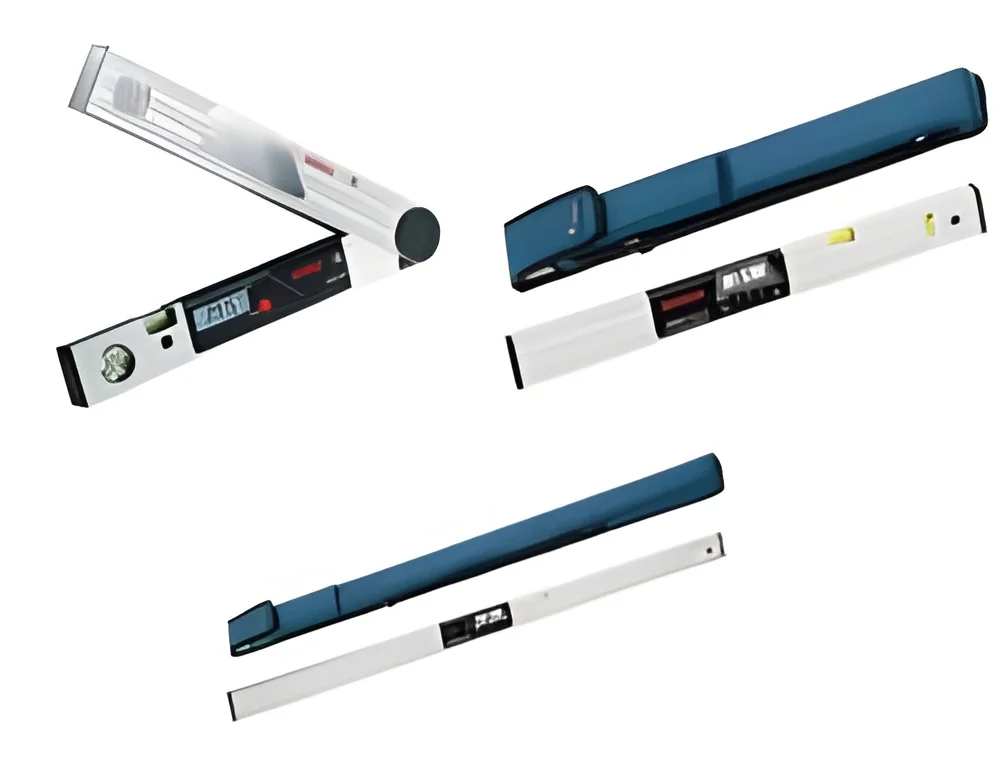
Levels: Levels are crucial for ensuring surfaces are perfectly horizontal or vertical. They are commonly used in construction and carpentry to achieve accurate alignments.
Marking Gauges: These tools are used primarily in woodworking to mark precise lines. They allow craftsmen to create consistent measurements for cuts and joinery.
Protractors: Protractors are used to measure angles in various applications. They are essential in fields such as architecture and engineering.
Benefits and Advantages
Investing in high-quality measuring and marking tools offers numerous benefits for businesses.
1. Enhanced Accuracy: High-quality tools provide precise measurements, reducing errors in projects and ensuring better outcomes.
2. Improved Efficiency: Accurate tools streamline workflows, allowing for quicker project completion and minimizing rework.
3. Cost-Effectiveness: By reducing measurement errors, businesses can save on material costs and labor associated with corrections.
4. Versatility: Many measuring and marking tools can be used across various applications, making them valuable assets for multiple projects.
5. User-Friendly Design: Modern tools often feature ergonomic designs, making them easier to use over extended periods.
6. Increased Safety: Accurate measurements help ensure that structures and components are built to safety standards, reducing risks during operations.
Buying Guide for B2B Buyers
When sourcing measuring and marking tools, several critical factors should be considered to ensure the right choice for your business.
1. Quality Assessment: Evaluate the quality of tools based on materials used, manufacturer reputation, and user reviews. High-quality tools are more durable and reliable over time.
2. Supplier Verification: It is essential to vet suppliers for credibility and reliability. Check for certifications, customer feedback, and their history in the industry.
3. Pricing and MOQ: Understand the pricing structures and minimum order quantities (MOQ) for the tools you need. This ensures that you can budget effectively while meeting your project requirements.
4. Delivery and Lead Times: Assess the logistics involved in acquiring the tools, including shipping times and delivery reliability. Timely delivery is crucial for maintaining project schedules.
5. Compliance Requirements: Ensure that the tools meet industry standards and regulatory requirements. This includes checking for certifications like CE and understanding any safety or quality standards applicable to your industry.
Compliance and Certifications
Compliance with industry standards and regulations is vital for measuring and marking tools. Relevant quality standards such as ISO 9001 ensure that manufacturers adhere to systematic quality management processes. Certifications like CE indicate that products meet European health, safety, and environmental protection standards.
Safety and testing requirements are crucial, especially in industries where precision is critical. Tools must undergo rigorous testing to guarantee their accuracy and reliability. Additionally, regional compliance considerations may vary, so businesses must ensure that the tools they source comply with local regulations and standards.
Why Source Measuring & Marking Tools from Pepagora?
Pepagora offers a trusted platform for sourcing measuring and marking tools, providing several key advantages to B2B buyers.
Verified Supplier Network: Pepagora has a comprehensive network of verified suppliers, ensuring that businesses have access to quality products from reputable sources. This network simplifies the sourcing process and builds trust between buyers and suppliers.
Streamlined RFQ Process: The platform features an efficient Request for Quotation (RFQ) process, allowing buyers to easily obtain quotes from multiple suppliers. This competitive approach ensures that businesses can find the best prices and terms for their needs.
Trade Assurance and Support: Pepagora provides trade assurance and support, protecting buyers throughout the purchasing process. This adds a layer of security and confidence when making procurement decisions.
Regional Coverage: With a strong presence in regions such as India, the GCC, and Southeast Asia, Pepagora ensures that businesses can access measuring and marking tools tailored to their specific market needs. This regional focus enhances the ability to connect with local suppliers and understand market dynamics.


 India
 India
Frequently Asked Questions
What are Measuring & Marking Tools?
Measuring & Marking Tools are instruments used to measure dimensions, distances, and angles, as well as to mark lines and points for construction, fabrication, and various other tasks. These tools ensure accuracy and precision in various applications, including woodworking, metalworking, and engineering.
What are the different types of Measuring & Marking Tools?
There are several types of Measuring & Marking Tools, including tape measures, rulers, calipers, squares, and marking gauges. Each tool serves a specific purpose, such as measuring lengths, marking angles, or ensuring straight lines.
How do I choose the right Measuring & Marking Tools?
To choose the right Measuring & Marking Tools, consider the specific task requirements, the materials you will be working with, and the level of precision needed. It's also important to evaluate the tool's ease of use and durability to ensure it meets your needs over time.
What are the standard specifications for Measuring & Marking Tools?
Standard specifications for Measuring & Marking Tools typically include accuracy, measurement range, and material quality. Tools should comply with industry standards to ensure reliability and performance in professional applications.
What is the price range for Measuring & Marking Tools?
The price range for Measuring & Marking Tools varies widely depending on the type, brand, and specifications. Generally, basic tools can start from a few hundred rupees, while high-precision instruments can go up to several thousand rupees.
What quality standards apply to Measuring & Marking Tools?
Quality standards for Measuring & Marking Tools often include ISO certifications and compliance with national measurement standards. These standards ensure that the tools are reliable, accurate, and suitable for professional use.
Where can I find Measuring & Marking Tools suppliers in India?
You can find Measuring & Marking Tools suppliers in India through online B2B marketplaces, trade shows, and industrial supply stores. Websites like Pepagora.com offer a range of suppliers and manufacturers in this category.
Can Measuring & Marking Tools be customized?
Yes, many manufacturers offer customization options for Measuring & Marking Tools. Customization may include specific dimensions, branding, or special features according to the client's requirements.
What is the typical minimum order quantity for Measuring & Marking Tools?
The typical minimum order quantity (MOQ) for Measuring & Marking Tools varies by supplier and product type. Some suppliers may have an MOQ of one unit for retail purchases, while others may require larger quantities for bulk orders.
What is the typical lead time for Measuring & Marking Tools?
The typical lead time for Measuring & Marking Tools can range from a few days to several weeks, depending on factors such as the supplier's inventory, customization requests, and shipping methods. It's advisable to confirm lead times with the supplier before placing an order.
Why Businesses Trust Pepagora
Thousands of companies trust Pepagora to source smarter and sell faster
Expand Your Sales Globally

Source Smarter,Grow Faster
