
 IN
Liquid Nitrogen
6 products available
What are Liquid Nitrogen?
Liquid nitrogen is a cryogenic liquid that exists at extremely low temperatures, specifically around minus 196 degrees Celsius. It is produced by cooling nitrogen gas to a point where it transitions into a liquid state. This process involves compressing nitrogen gas and then expanding it, leading to a significant drop in temperature. Liquid nitrogen is inert, non-flammable, and non-toxic, making it a safe option for various industrial applications.
Liquid nitrogen is primarily used in industries that require low temperatures for preservation, processing, or experimentation. Common applications include cryopreservation in medical and biological fields, refrigeration in food storage, and cooling processes in manufacturing. Its ability to provide rapid cooling makes it invaluable in laboratory settings and for industrial processes such as metal treatment and cryogenic grinding. The growing demand for liquid nitrogen in sectors like healthcare, food processing, and electronics manufacturing underlines its importance in today's market.
Key Features and Specifications
Liquid nitrogen is characterized by several key features that make it versatile for industrial use. Understanding these specifications can help businesses make informed decisions regarding their sourcing needs.
Key specifications include:
1. Temperature Range
- Maintains temperatures around minus 196 degrees Celsius.
- Essential for applications requiring extreme cooling.
2. Purity Level
- Typically exceeds 99.999% purity.
- Critical for applications in pharmaceuticals and laboratories.
3. Pressure Rating
- Commonly stored at atmospheric pressure.
- Specialized containers may be used for high-pressure applications.
4. Density
- Approximately 0.807 grams per cubic centimeter at boiling point.
- Influences storage and shipping requirements.
5. Boiling Point
- Boils at minus 196 degrees Celsius.
- Important for understanding handling and usage protocols.
6. Phase Transition
- Transitions from gas to liquid at specific pressure and temperature conditions.
- Key for understanding its behavior in different applications.
7. Storage Requirements
- Requires specialized cryogenic containers.
- Must be kept in insulated tanks to maintain temperature.
8. Safety Considerations
- Must be handled with care to avoid frostbite and asphyxiation.
- Employees must be trained in proper safety protocols.
In summary, liquid nitrogen is a highly specialized cryogenic product with critical specifications that influence its application across various industries.
Common Applications and Use Cases
Liquid nitrogen serves a diverse range of industries, highlighting its versatility and importance in various applications.
1. Healthcare: Used for cryopreservation of biological samples, including blood and tissues, ensuring long-term storage without degradation.
2. Food Industry: Employed for flash freezing food products, maintaining quality and extending shelf life while preventing the formation of large ice crystals.
3. Electronics: Utilized for cooling components during production processes, especially in semiconductor manufacturing, to enhance performance and reliability.
4. Metal Treatment: Applied in processes such as cryogenic hardening to improve the properties of metals, increasing their strength and durability.
5. Research Laboratories: Essential for various experimental procedures, including cryogenics studies and material testing, where low temperatures are crucial.
6. Aerospace: Used in testing materials for space applications, such as simulating the extreme cold of outer space environments.
7. Automotive: Involved in the cooling of engines and components during testing to ensure reliability in extreme conditions.
Product Variants and Subcategories
Liquid nitrogen does not have specific subcategories, but it can be sourced in various forms and packaging suited for different applications.
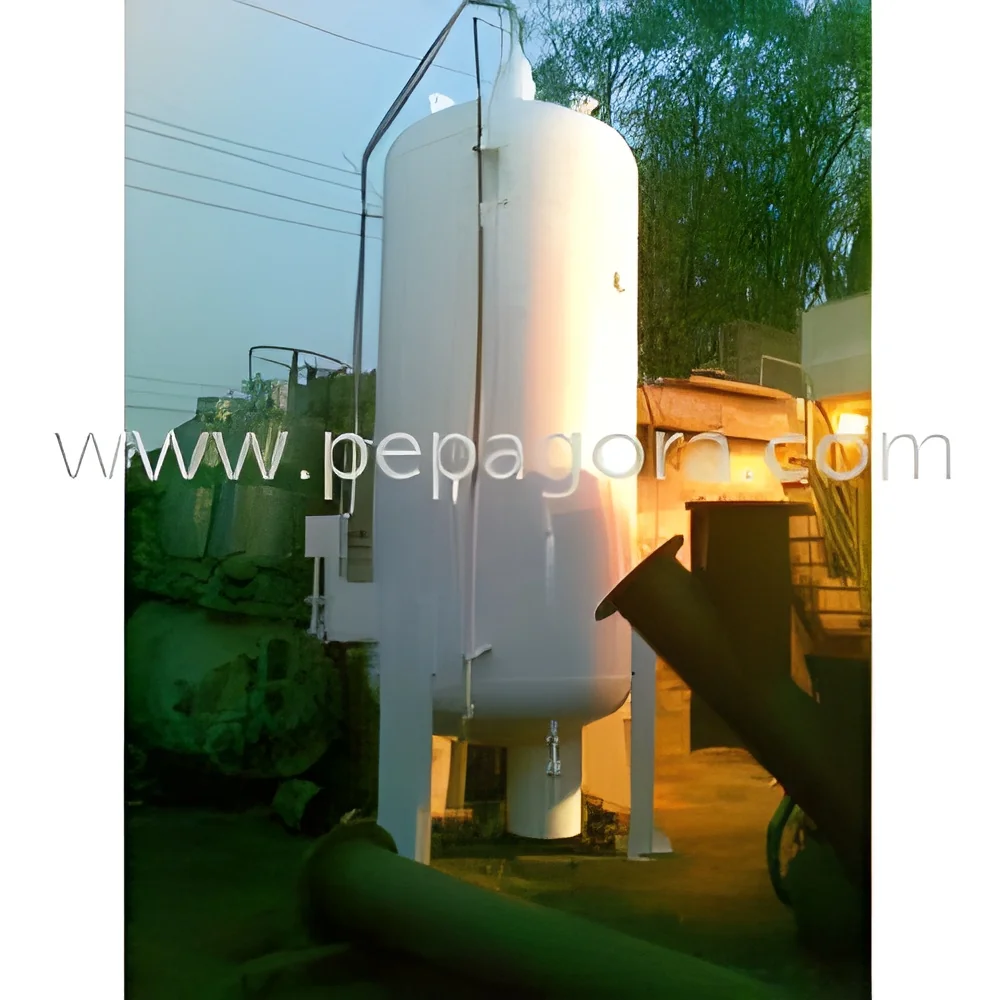
Bulk Liquid Nitrogen
This variant is often used for industrial applications and is delivered in large tankers. It is ideal for businesses that require significant amounts of liquid nitrogen for processes such as food freezing or cryogenic treatments.
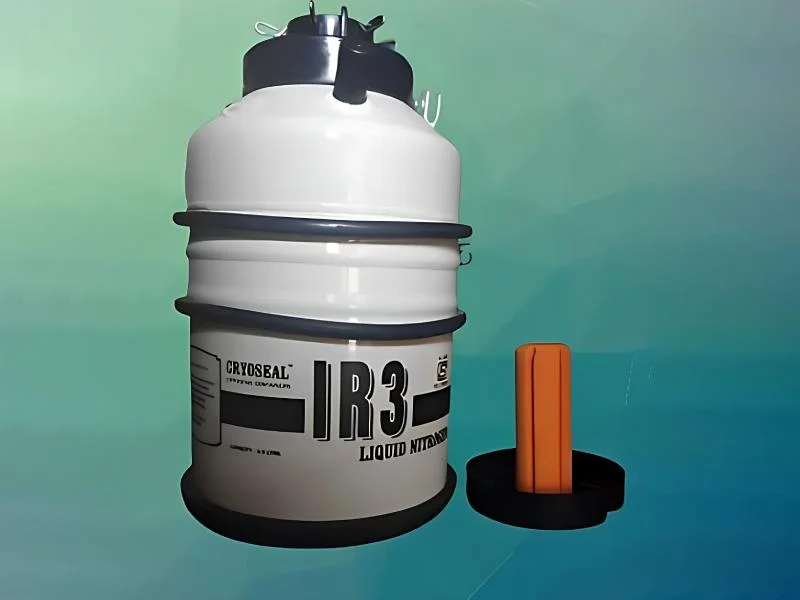
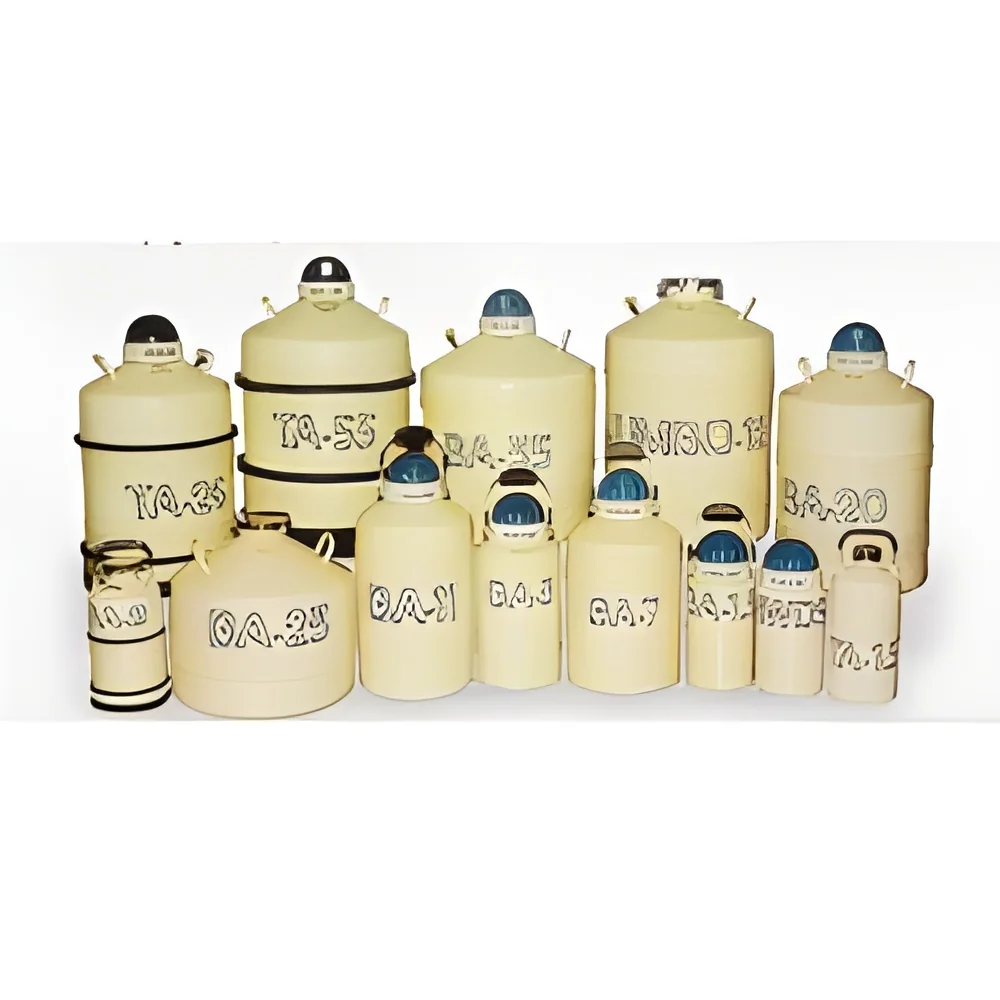
Portable Liquid Nitrogen Tanks
Designed for easy transport and use in smaller quantities, these tanks are suitable for laboratories and medical facilities that need liquid nitrogen for cryopreservation or short-term applications.
Benefits and Advantages
Liquid nitrogen offers numerous benefits that make it an essential product for various industries.
1. Efficiency: Provides rapid cooling, which is critical for processes that must be completed quickly to maintain quality.
2. Versatility: Can be used across multiple applications, from food preservation to medical uses, making it a valuable resource.
3. Safety: Inert and non-toxic, liquid nitrogen poses minimal risk when handled properly, enhancing workplace safety.
4. Cost-Effectiveness: Reduces waste in food storage and processing, leading to savings in operational costs.
5. High Purity: The high purity level ensures that it meets stringent industry standards, especially in healthcare and pharmaceuticals.
6. Environmental Impact: Non-polluting and sustainable when used responsibly, liquid nitrogen offers an environmentally friendly solution for cooling needs.
Buying Guide for B2B Buyers
When sourcing liquid nitrogen, businesses should consider several key factors to ensure they are making informed purchasing decisions.
1. Quality Assessment: Evaluate the purity levels and ensure that the product meets industry standards relevant to your application, especially in healthcare and food processing.
2. Supplier Verification: Conduct thorough research on suppliers to ensure they have a proven track record and can provide reliable products consistently.
3. Pricing and MOQ: Analyze pricing structures and minimum order quantities to ensure they align with your budget and operational needs.
4. Delivery and Lead Times: Confirm the supplier's ability to meet your delivery requirements, as timely availability is often critical for applications.
5. Compliance Requirements: Understand the regulatory standards applicable to liquid nitrogen in your industry and ensure that suppliers can provide compliant products.
Compliance and Certifications
Liquid nitrogen is subject to various industry standards and certifications that ensure its quality and safety for use in different applications.
ISO 9001 is a widely recognized quality management standard that ensures suppliers adhere to consistent quality practices. This certification helps businesses trust the quality of the liquid nitrogen they procure.
CE certification indicates that the product conforms to European safety standards, allowing for safe use in various applications. This is particularly relevant for businesses operating in or exporting to European markets.
Safety and testing requirements are critical when dealing with cryogenic products. Liquid nitrogen must be handled according to strict safety protocols to prevent hazards such as frostbite and asphyxiation.
Regional compliance considerations may vary based on local regulations, so businesses should be aware of specific requirements in their operating areas.
Why Source Liquid Nitrogen from Pepagora?
Pepagora provides a trusted platform for sourcing liquid nitrogen, offering several key advantages to B2B buyers.
Verified Supplier Network: Pepagora collaborates with a network of verified suppliers, ensuring that businesses can source high-quality liquid nitrogen with confidence. Each supplier undergoes a rigorous vetting process to confirm their reliability and reputation.
Streamlined RFQ Process: The platform offers a user-friendly Request for Quotation (RFQ) system, allowing buyers to easily compare quotes from multiple suppliers. This streamlines the purchasing process and helps buyers find the best deals.
Trade Assurance and Support: Pepagora provides trade assurance, which protects buyers through various guarantees and support options. This ensures a secure transaction process and builds trust between buyers and suppliers.
Regional Coverage: With a strong presence in India, the GCC, and Southeast Asia, Pepagora offers extensive regional coverage, making it easier for businesses in these areas to access liquid nitrogen and related products. This geographic reach ensures that buyers can find local suppliers and reduce logistics challenges.


 India

 India
 India
Frequently Asked Questions
What are Liquid Nitrogen?
Liquid Nitrogen is nitrogen in a liquid state at an extremely low temperature, typically around -196 degrees Celsius. It is commonly used in various industrial applications, including cryopreservation, food processing, and as a coolant in laboratories.
What are the different types of Liquid Nitrogen?
Liquid Nitrogen is primarily classified based on its purity levels, such as technical grade and ultra-high purity grade. The choice of type depends on the specific application, with higher purity levels required for sensitive processes like medical and pharmaceutical uses.
How do I choose the right Liquid Nitrogen?
Selecting the right Liquid Nitrogen involves considering the intended application, required purity level, and storage capabilities. It's also important to evaluate the supplier's reputation and adherence to safety standards.
What are the standard specifications for Liquid Nitrogen?
Standard specifications for Liquid Nitrogen generally include a purity level of at least 99.5% for most industrial uses. Other specifications may include density, boiling point, and the presence of impurities, all of which can impact its performance in various applications.
What is the price range for Liquid Nitrogen?
The price of Liquid Nitrogen can vary significantly based on factors such as purity, quantity, and location of purchase. Generally, prices range from ₹50 to ₹150 per liter, with bulk purchases often leading to lower costs.
What quality standards apply to Liquid Nitrogen?
Liquid Nitrogen must meet quality standards set by organizations such as the American National Standards Institute (ANSI) and the Compressed Gas Association (CGA). These standards ensure safety, purity, and suitability for various applications.
Where can I find Liquid Nitrogen suppliers in India?
Liquid Nitrogen suppliers in India can be found through industrial gas companies, B2B marketplaces like Pepagora, and local distributors. It's advisable to check reviews, certifications, and service capabilities before making a purchase.
Can Liquid Nitrogen be customized?
Liquid Nitrogen itself cannot be customized; however, suppliers may offer different purity levels or packaging options to suit specific needs. Customization may also include delivery schedules and bulk purchasing arrangements.
What is the typical minimum order quantity for Liquid Nitrogen?
The typical minimum order quantity (MOQ) for Liquid Nitrogen varies by supplier, but it commonly ranges from 100 liters to 1000 liters. Smaller quantities may be available at some locations, especially in retail or local supply stores.
What is the typical lead time for Liquid Nitrogen?
The lead time for Liquid Nitrogen orders usually ranges from 1 to 5 days, depending on the supplier's inventory and location. For bulk orders, longer lead times may be necessary to ensure proper production and delivery.
Why Businesses Trust Pepagora
Thousands of companies trust Pepagora to source smarter and sell faster
Expand Your Sales Globally

Source Smarter,Grow Faster
