
 IN
Hydrogen Gas
4 products available
What are Hydrogen Gas?
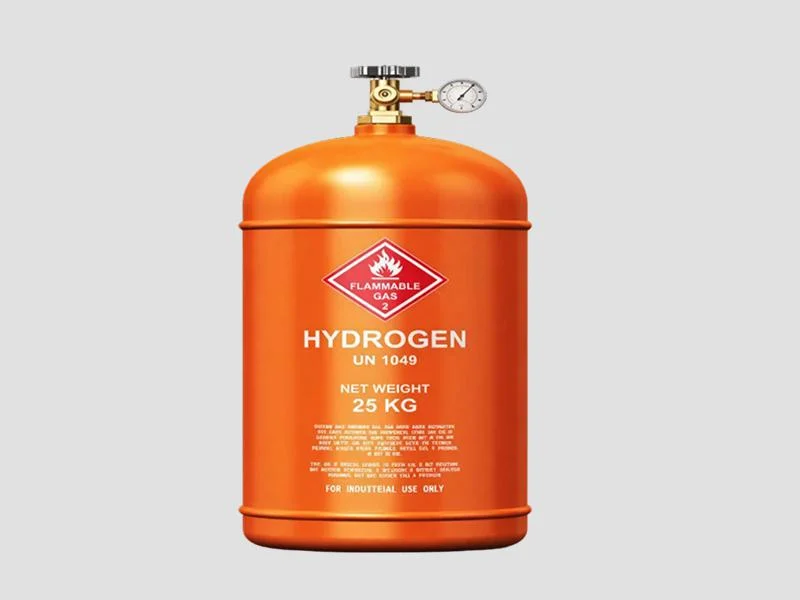
Hydrogen gas is the simplest and most abundant element in the universe, represented by the chemical symbol H2. It is a colorless, odorless, and tasteless gas that is highly flammable. Hydrogen exists primarily as a diatomic molecule, meaning two hydrogen atoms bond together to form H2. Due to its light weight and high energy content, hydrogen gas is often utilized as a clean fuel source and energy carrier.
In the industrial sector, hydrogen gas is primarily used in processes such as refining petroleum, producing ammonia for fertilizers, and manufacturing methanol. It also plays a crucial role in fuel cells, which convert hydrogen and oxygen into electricity, emitting only water as a byproduct. As global industries shift towards sustainable energy solutions, the demand for hydrogen gas is increasing, positioning it as a key player in the transition to a low-carbon economy.
The hydrogen market is gaining traction in various sectors, including transportation, energy storage, and industrial applications. With governments and organizations pushing for greener solutions, hydrogen gas is being recognized for its potential to reduce carbon emissions and enhance energy efficiency. This growing focus on sustainability underscores the relevance of hydrogen gas in both current and future industrial applications.
Key Features and Specifications
Hydrogen gas comes with a variety of features and specifications that make it suitable for numerous industrial applications. These characteristics include its physical properties, purity levels, and safety standards.
Key specifications include:
1. Purity Level
- Hydrogen gas is available in varying purity levels, typically ranging from 99% to 99.999% depending on the application.
2. Pressure Ratings
- Hydrogen is often stored and transported under high pressure, with common ratings being 200 bar and 300 bar.
3. Storage Conditions
- The gas must be stored in specialized tanks designed to handle high pressures and prevent leakage.
4. Energy Content
- Hydrogen gas has a higher heating value of approximately 141.86 MJ/kg, making it an efficient energy source.
5. Flammability Range
- Hydrogen has a flammability range of 4% to 75% in air, necessitating strict safety measures during handling.
6. Molecular Weight
- The molecular weight of hydrogen gas is approximately 2.016 g/mol, contributing to its low density and energy efficiency.
7. Boiling Point
- Hydrogen gas has a boiling point of -252.87 degrees Celsius, making it essential to maintain specific temperature conditions.
In summary, the features and specifications of hydrogen gas highlight its versatility and importance in various industrial processes.
Common Applications and Use Cases
Hydrogen gas serves various industries, providing essential functions that enhance productivity and sustainability.
1. Chemical Manufacturing: Hydrogen is a key reactant in the production of ammonia, which is vital for fertilizers. It is also used in producing methanol and other chemicals.
2. Oil Refining: Hydrogen gas is employed in hydrocracking and hydrodesulfurization processes to produce cleaner fuels and reduce sulfur content.
3. Electronics: The semiconductor industry uses hydrogen gas in the production of high-purity materials and as a reducing agent in various processes.
4. Metal Processing: Hydrogen is utilized in the reduction of metal ores and as a protective atmosphere in high-temperature metal processing.
5. Fuel Cells: Hydrogen plays a crucial role in fuel cell technology, powering electric vehicles and providing energy for stationary applications.
6. Aerospace: Hydrogen gas is used as a propellant in rocket engines, providing high energy and efficiency for space exploration.
7. Food Industry: Hydrogen is used in hydrogenation processes to produce margarine and other food products, enhancing shelf life and flavor.
Product Variants and Subcategories
While hydrogen gas itself does not have subcategories, it is available in various forms tailored to different industrial needs.
Compressed Hydrogen Gas
This variant is stored under high pressure in gas cylinders and is widely used in fuel cells and chemical processing.
Liquid Hydrogen
Liquid hydrogen is used in aerospace applications and cryogenics, allowing for efficient storage and transportation due to its density.
Hydrogen Blends
Hydrogen can be blended with natural gas for use in existing infrastructure, promoting cleaner energy solutions without requiring significant modifications.
Benefits and Advantages
Hydrogen gas offers several key benefits that make it an attractive option for various industries.
1. Environmental Friendliness: Hydrogen gas produces only water vapor when burned, contributing to reduced greenhouse gas emissions.
2. High Energy Density: With a high heating value, hydrogen gas provides significant energy output per unit, enhancing efficiency in energy applications.
3. Versatile Applications: Hydrogen can be utilized across multiple sectors, from chemicals to transportation, providing flexibility in its use.
4. Renewable Production Potential: Hydrogen can be produced from renewable sources such as water through electrolysis, supporting sustainable energy goals.
5. Storage and Transportation: Hydrogen can be stored and transported efficiently, making it a viable option for energy storage solutions.
Buying Guide for B2B Buyers
When sourcing hydrogen gas for industrial applications, several factors should be considered to ensure quality and reliability.
1. Quality Assessment: Evaluate the purity levels and specifications of hydrogen gas to ensure it meets your operational requirements.
2. Supplier Verification: Vet suppliers thoroughly by checking their certifications, track record, and customer reviews to ensure reliability.
3. Pricing and MOQ: Understand the pricing structures and minimum order quantities to align with your budget and needs.
4. Delivery and Lead Times: Discuss logistics and delivery timelines with suppliers to ensure timely availability of hydrogen gas for your operations.
5. Compliance Requirements: Ensure that the hydrogen gas you source complies with relevant industry standards and regulations to mitigate risks.
Compliance and Certifications
Hydrogen gas must adhere to several compliance and certification standards to ensure safety and quality in industrial applications.
Relevant quality standards such as ISO 9001 ensure that hydrogen gas is produced and managed according to recognized quality management principles. Compliance with these standards demonstrates a commitment to quality and continuous improvement.
Industry certifications like CE indicate that the hydrogen gas meets European safety and environmental requirements, which is crucial for suppliers targeting international markets.
Safety and testing requirements are paramount in the hydrogen gas industry, given its flammability and potential hazards. Regular testing for purity and safety must be conducted to prevent accidents and ensure compliance.
Regional compliance considerations may vary, with specific regulations in place for different countries or regions, emphasizing the need for local knowledge when sourcing hydrogen gas.
Why Source Hydrogen Gas from Pepagora?
Pepagora provides a trusted platform for sourcing hydrogen gas, offering several key advantages that benefit B2B buyers.
Verified Supplier Network: Pepagora has established a network of verified suppliers, ensuring that buyers can access high-quality hydrogen gas from reputable sources. This network reduces the risk of sourcing from unverified vendors.
Streamlined RFQ Process: The request for quotation (RFQ) process on Pepagora is designed to be efficient, allowing buyers to quickly obtain competitive quotes from multiple suppliers. This streamlining enhances the purchasing experience.
Trade Assurance and Support: Pepagora offers trade assurance to protect buyers, providing a safety net against potential issues during transactions. This support fosters confidence in sourcing decisions.
Regional Coverage: Pepagora has a strong presence in key markets such as India, GCC, and Southeast Asia. This geographic reach ensures that buyers can find suitable suppliers tailored to their local needs, facilitating efficient procurement processes.


 India
 India

 India
 India
Frequently Asked Questions
What are Hydrogen Gas?
Hydrogen gas is a colorless, odorless, and tasteless diatomic molecule that is the simplest and most abundant element in the universe. It is primarily used as a fuel source and in various industrial applications, including the production of ammonia and refining of fossil fuels.
What are the different types of Hydrogen Gas?
Hydrogen gas can be categorized into several types based on its production methods, including green hydrogen, produced through renewable energy; blue hydrogen, derived from natural gas with carbon capture; and gray hydrogen, generated from natural gas without carbon capture. Each type has distinct environmental impacts and applications.
How do I choose the right Hydrogen Gas?
When selecting hydrogen gas, consider the application requirements, such as purity levels and production method. It's also essential to evaluate the supplier's reliability and compliance with industry standards to ensure quality and safety.
What are the standard specifications for Hydrogen Gas?
Standard specifications for hydrogen gas often include purity levels, typically 99.99% for industrial applications, as well as moisture content and pressure ratings. Compliance with international standards such as ISO 14687 is also crucial for ensuring the gas meets specific application needs.
What is the price range for Hydrogen Gas?
The price of hydrogen gas can vary widely based on factors such as production method, purity, and market demand. Generally, prices can range from INR 100 to INR 300 per kilogram, but it is advisable to check with suppliers for current pricing.
What quality standards apply to Hydrogen Gas?
Hydrogen gas is subject to various quality standards, including ISO 14687 for fuel cell applications and ASTM D 7606 for industrial uses. Adhering to these standards ensures the gas is suitable for its intended applications and meets safety regulations.
Where can I find Hydrogen Gas suppliers in India?
You can find hydrogen gas suppliers in India through B2B marketplaces like Pepagora, industry directories, and trade shows focusing on chemical and gas suppliers. It's advisable to verify the supplier's credentials and customer reviews to ensure quality.
Can Hydrogen Gas be customized?
Hydrogen gas can be customized in terms of purity levels and delivery options based on specific client requirements. Suppliers may offer tailored solutions to meet unique industrial or research applications.
What is the typical minimum order quantity for Hydrogen Gas?
The typical minimum order quantity for hydrogen gas can vary by supplier but generally ranges from 100 kg to 1,000 kg. It is important to confirm the MOQ with the supplier you choose to ensure it fits your needs.
What is the typical lead time for Hydrogen Gas?
The typical lead time for hydrogen gas delivery can range from a few days to several weeks, depending on the supplier's inventory and production capabilities. It's advisable to discuss delivery timelines with the supplier at the time of order placement.
Why Businesses Trust Pepagora
Thousands of companies trust Pepagora to source smarter and sell faster
Expand Your Sales Globally

Source Smarter,Grow Faster
