
 IN
Hydraulic Shearing Machines
2 products available
What are Hydraulic Shearing Machines?
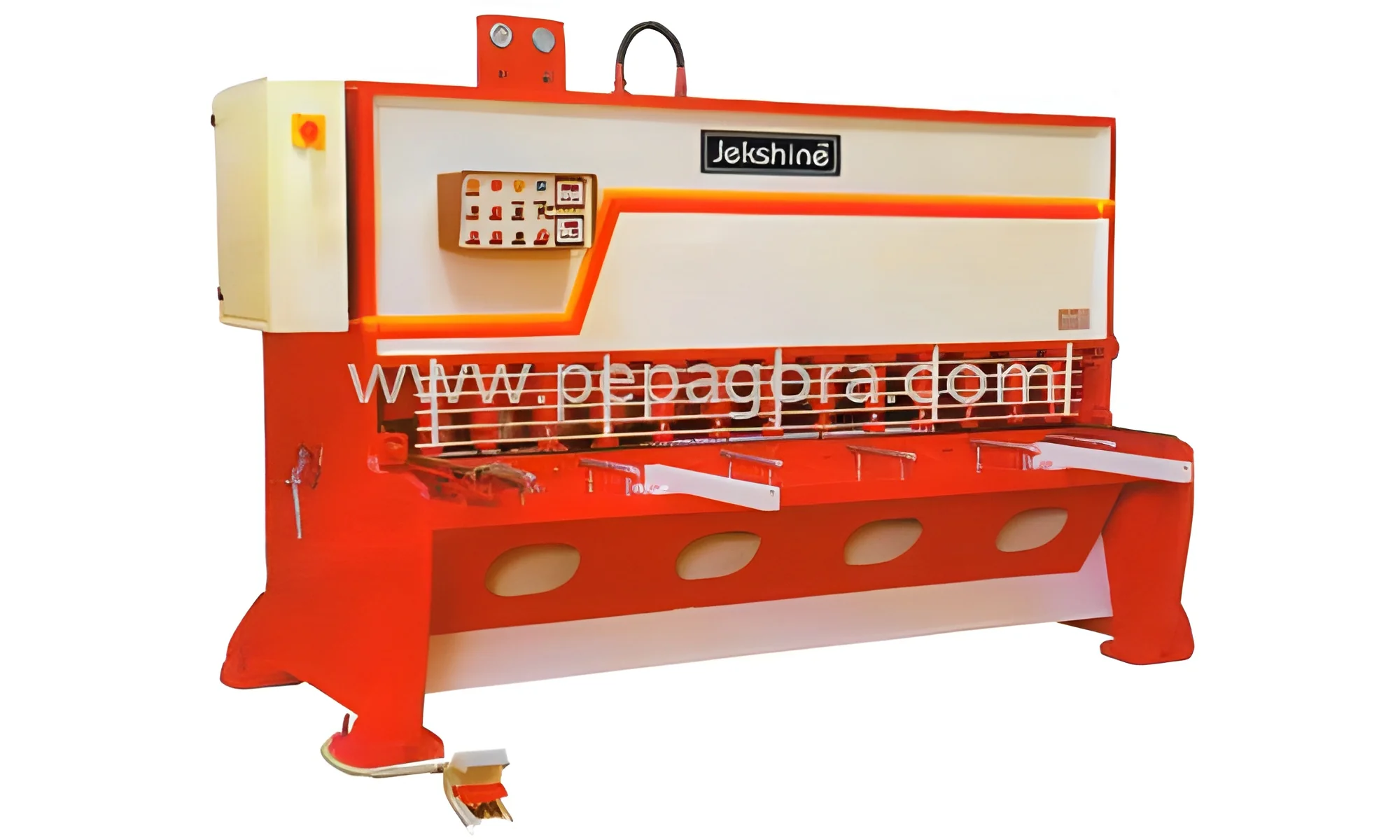
Hydraulic shearing machines are industrial tools designed for cutting sheet metal and other materials with precision and efficiency. These machines utilize hydraulic force to apply a shearing action, allowing for clean and accurate cuts. They are essential in various manufacturing processes where metal fabrication is involved. The hydraulic mechanism ensures that the cutting force is evenly distributed, resulting in a smooth finish and reducing the likelihood of material deformation.
These machines are primarily used in industries such as automotive, construction, and metalworking. They are ideal for producing components that require intricate shapes and sizes. Businesses often rely on hydraulic shearing machines for tasks such as cutting metal sheets, trimming edges, and creating specific designs for various applications. With the growing demand for customized metal parts, hydraulic shearing machines have become increasingly relevant in the market, providing manufacturers with the efficiency and flexibility needed to meet customer requirements.
Key Features and Specifications
Hydraulic shearing machines come with a range of features that enhance their performance and usability. Understanding these specifications is crucial for businesses looking to invest in this equipment.
Key specifications include:
1. Cutting Capacity
- Refers to the maximum thickness of material that can be cut.
- Typically ranges from 1 mm to 20 mm, depending on the model.
2. Cutting Length
- Indicates the maximum length of the material that can be processed in a single operation.
- Commonly varies from 1 meter to 6 meters.
3. Hydraulic Pressure
- The amount of pressure exerted by the hydraulic system during operation.
- Usually ranges from 25 MPa to 50 MPa.
4. Blade Material
- The type of material used for the blades, which affects durability and cutting performance.
- High-carbon steel or alloy steel is commonly used.
5. Stroke Length
- The distance the blade moves to complete a cut.
- Varies from 10 mm to 30 mm based on design.
6. Weight
- Total weight of the machine, impacting the ease of installation and operation.
- Typically ranges from 1,000 kg to 10,000 kg.
7. Power Consumption
- Indicates the electrical power required to operate the machine.
- Generally falls between 5 kW and 15 kW.
8. Safety Features
- Includes emergency stop buttons, guards, and safety interlocks.
- Designed to protect operators during operation.
In summary, hydraulic shearing machines offer a combination of powerful features and precise specifications making them vital for efficient metal cutting processes in various industries.
Common Applications and Use Cases
Hydraulic shearing machines are versatile tools that serve numerous industries effectively.
1. Automotive Industry: These machines are used to cut and shape metal sheets for vehicle components, ensuring precise dimensions and finishes required for assembly.
2. Construction Industry: They are essential for processing metal sheets used in structural applications, such as beams and frames, enabling quick and accurate fabrication.
3. Metal Fabrication: In the metalworking sector, hydraulic shearing machines are used for creating custom parts, providing flexibility in design and production.
4. Aerospace Industry: These machines play a vital role in cutting lightweight alloys and materials used in aircraft manufacturing, where precision is critical.
5. HVAC Manufacturing: Hydraulic shearing machines are utilized to cut ductwork and other components, ensuring proper fit and functionality in heating and cooling systems.
6. Shipbuilding: They are employed in the production of metal parts for ships, where durability and accuracy are essential.
7. Furniture Manufacturing: Used for cutting metal components for various furniture pieces, enhancing the aesthetic and structural integrity of the products.
Product Variants and Subcategories
Hydraulic shearing machines come in a variety of configurations to meet different operational needs.
Standard Hydraulic Shearing Machines
These machines offer reliable performance for general metal shearing tasks. They are suitable for a wide range of materials and are commonly used in manufacturing and fabrication shops.
CNC Hydraulic Shearing Machines
Equipped with computer numerical control, these machines provide precise cutting capabilities and can be programmed for complex shapes and designs. They are ideal for high-volume production environments.
Portable Hydraulic Shearing Machines
Designed for mobility, these machines allow for on-site cutting and are perfect for companies that require flexibility in their operations. They are often used in construction and maintenance applications.
Benefits and Advantages
Hydraulic shearing machines offer numerous benefits that enhance operational efficiency and productivity in various industrial settings.
Key benefits include:
1. Precision Cutting: The hydraulic mechanism provides consistent cutting accuracy, resulting in high-quality finished products.
2. Increased Efficiency: These machines can handle large volumes of material quickly, significantly reducing processing times.
3. Versatility: Hydraulic shearing machines can cut various materials, including steel, aluminum, and plastic, making them suitable for diverse applications.
4. Cost-Effectiveness: By minimizing material waste and improving production speed, these machines contribute to overall cost savings for businesses.
5. Enhanced Safety: Equipped with advanced safety features, hydraulic shearing machines protect operators and reduce the risk of accidents.
6. Low Maintenance: With fewer moving parts compared to mechanical shearing machines, hydraulic variants require less frequent maintenance, allowing for continuous operation.
Buying Guide for B2B Buyers
When sourcing hydraulic shearing machines, it is essential to consider several factors to ensure a suitable purchase.
1. Quality Assessment: Look for machines that meet international quality standards, such as ISO 9001, to ensure reliability and performance.
2. Supplier Verification: Vet potential suppliers by reviewing their credentials and customer feedback to confirm their reliability and commitment to quality.
3. Pricing and MOQ: Evaluate the pricing structures and minimum order quantities to find a solution that fits your budget and operational needs.
4. Delivery and Lead Times: Consider the logistics of delivery and the timeframes for receiving your machine to avoid disruptions in your production schedule.
5. Compliance Requirements: Ensure that the machines comply with regional safety and regulatory standards to avoid legal issues and operational setbacks.
Compliance and Certifications
Hydraulic shearing machines are subject to various quality standards and certifications that ensure their safety and effectiveness in industrial applications.
Relevant quality standards often include ISO 9001, which focuses on quality management systems and continuous improvement, ensuring manufacturers adhere to high production standards.
Industry certifications such as CE and UL indicate compliance with European and American safety regulations, respectively. These certifications are crucial for ensuring that the machines meet safety and performance expectations.
Safety and testing requirements are typically enforced to protect operators and ensure the machine operates efficiently. Regular testing and maintenance are necessary to meet these standards.
Regional compliance considerations may vary, so it is essential for buyers to understand local regulations that apply to hydraulic shearing machines to ensure full compliance.
Why Source Hydraulic Shearing Machines from Pepagora?
Pepagora provides a trusted platform for sourcing hydraulic shearing machines with several key advantages that set it apart from competitors.
Verified Supplier Network: Pepagora connects buyers with a network of verified suppliers. This ensures that businesses can source machines from reputable manufacturers who meet industry standards.
Streamlined RFQ Process: The platform simplifies the request for quotation process, allowing buyers to easily compare offers from various suppliers and make informed purchasing decisions.
Trade Assurance and Support: Pepagora offers trade assurance, providing buyers with protection throughout the purchasing process. This includes support in case of disputes or issues with the received equipment.
Regional Coverage: With a strong presence in India, GCC, and Southeast Asia, Pepagora caters to a wide geographic market, enabling businesses in these regions to access quality hydraulic shearing machines conveniently.

 India
Frequently Asked Questions
What are Hydraulic Shearing Machines?
Hydraulic Shearing Machines are industrial equipment used for cutting metal sheets and plates with precision and efficiency. They utilize hydraulic power to apply force on blades that shear materials, making them suitable for various metal fabrication applications.
What are the different types of Hydraulic Shearing Machines?
There are several types of Hydraulic Shearing Machines, including guillotine shears, swing beam shears, and variable rake shears. Each type has specific features and advantages, catering to different cutting needs and material thicknesses.
How do I choose the right Hydraulic Shearing Machines?
When selecting Hydraulic Shearing Machines, consider factors such as the material type, thickness, and desired cutting speed. Additionally, evaluate the machine's capacity, blade quality, and ease of operation to ensure it meets your production requirements.
What are the standard specifications for Hydraulic Shearing Machines?
Standard specifications for Hydraulic Shearing Machines typically include cutting capacity, max sheet thickness, blade length, and hydraulic pressure rating. It's essential to review these specifications to ensure compatibility with your manufacturing processes.
What is the price range for Hydraulic Shearing Machines?
The price range for Hydraulic Shearing Machines can vary significantly based on specifications and manufacturer. Generally, prices can start from a few hundred thousand rupees and go up to several million, depending on the complexity and features of the machine.
What quality standards apply to Hydraulic Shearing Machines?
Hydraulic Shearing Machines should comply with industry standards such as ISO 9001 for quality management and CE certification for safety. Adhering to these standards ensures that the machines meet operational safety and performance criteria.
Where can I find Hydraulic Shearing Machines suppliers in India?
You can find Hydraulic Shearing Machines suppliers in India through online marketplaces, industry trade shows, and manufacturing directories. Websites like Pepagora.com connect buyers with reputable suppliers and manufacturers in the hydraulic machinery sector.
Can Hydraulic Shearing Machines be customized?
Yes, many manufacturers offer customization options for Hydraulic Shearing Machines to meet specific operational needs. Customizations may include modifications to blade size, cutting capacity, and additional features to enhance efficiency.
What is the typical minimum order quantity for Hydraulic Shearing Machines?
The typical minimum order quantity (MOQ) for Hydraulic Shearing Machines varies by supplier and machine type. Generally, MOQs can range from one unit for standard models to larger quantities for customized orders.
What is the typical lead time for Hydraulic Shearing Machines?
The typical lead time for Hydraulic Shearing Machines can range from a few weeks to several months, depending on the supplier and customization requirements. It is advisable to confirm lead times during the purchasing process to ensure timely delivery.
Why Businesses Trust Pepagora
Thousands of companies trust Pepagora to source smarter and sell faster
Expand Your Sales Globally

Source Smarter,Grow Faster
