
 IN
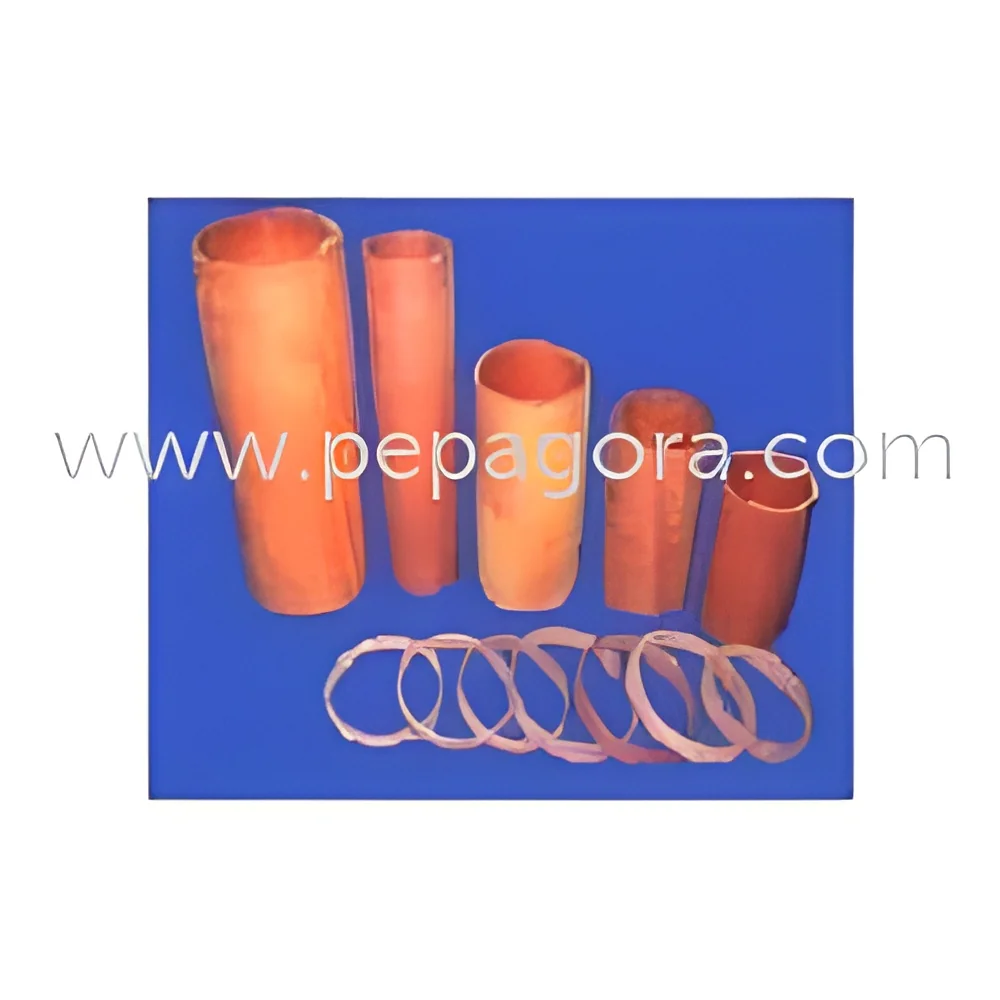
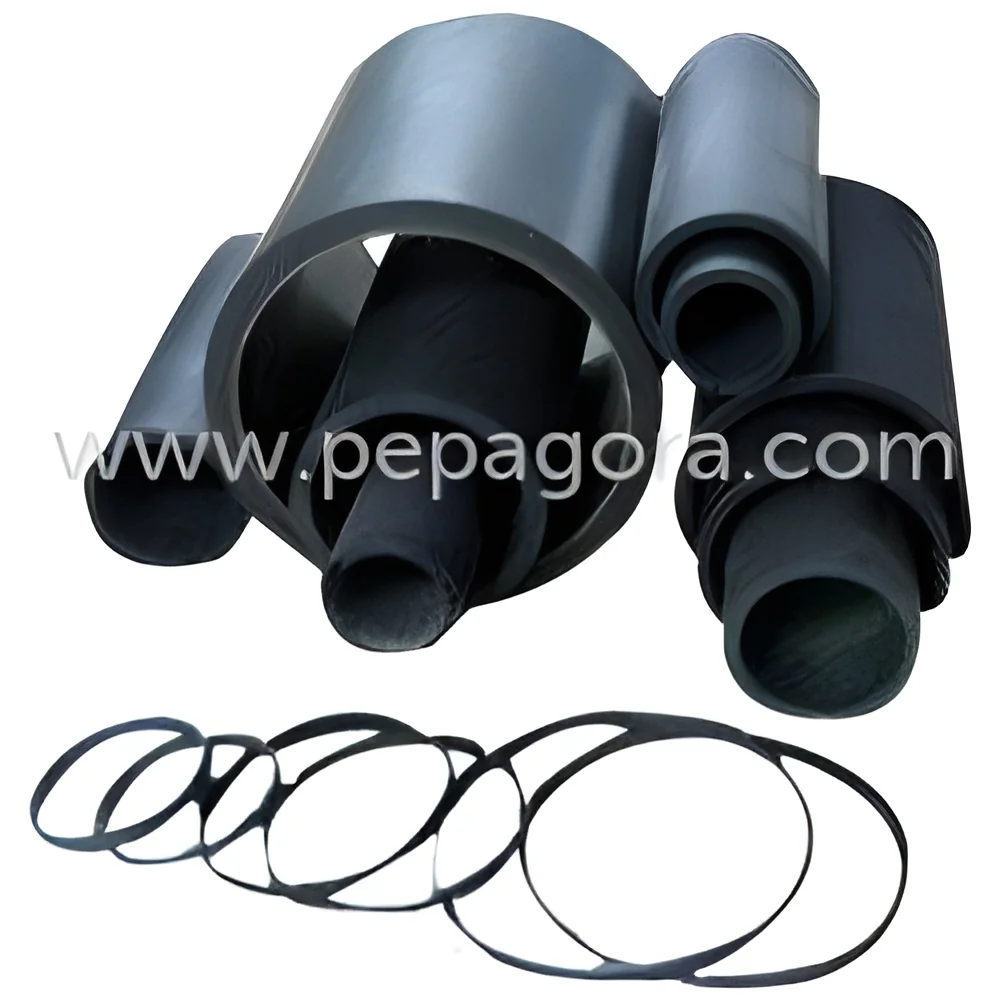
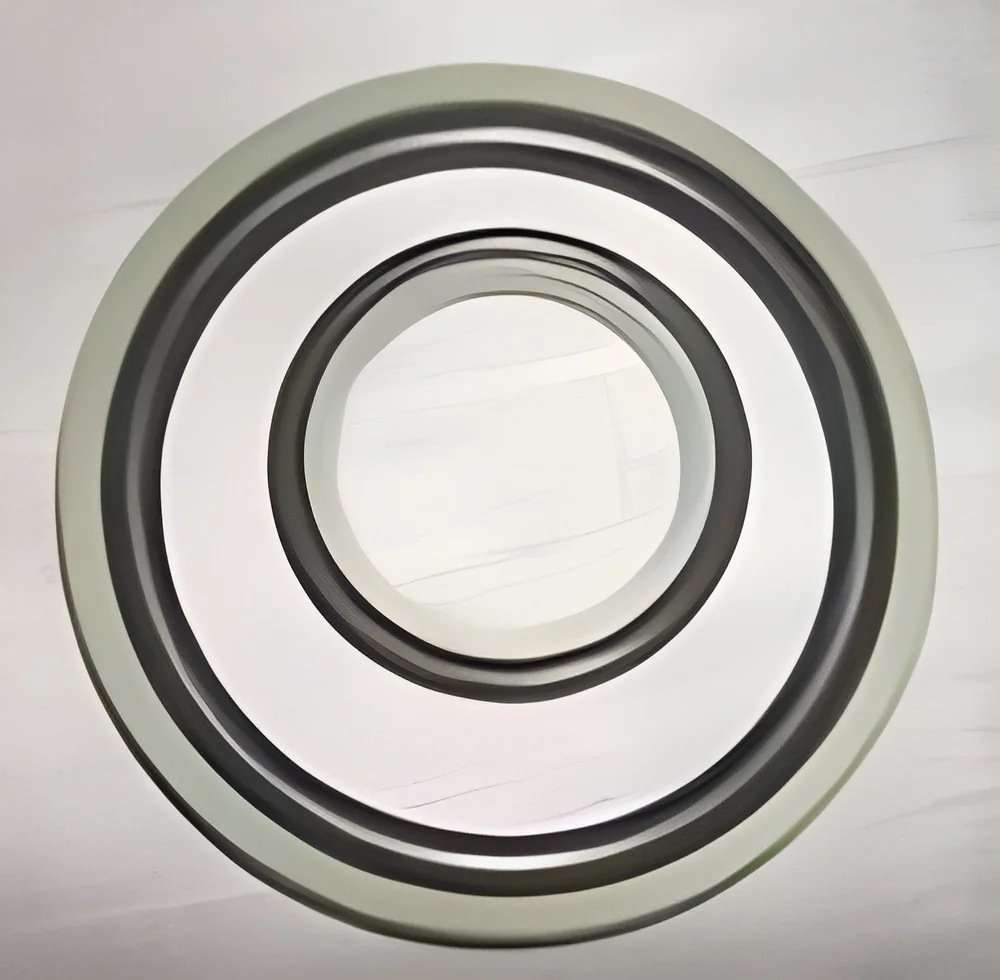
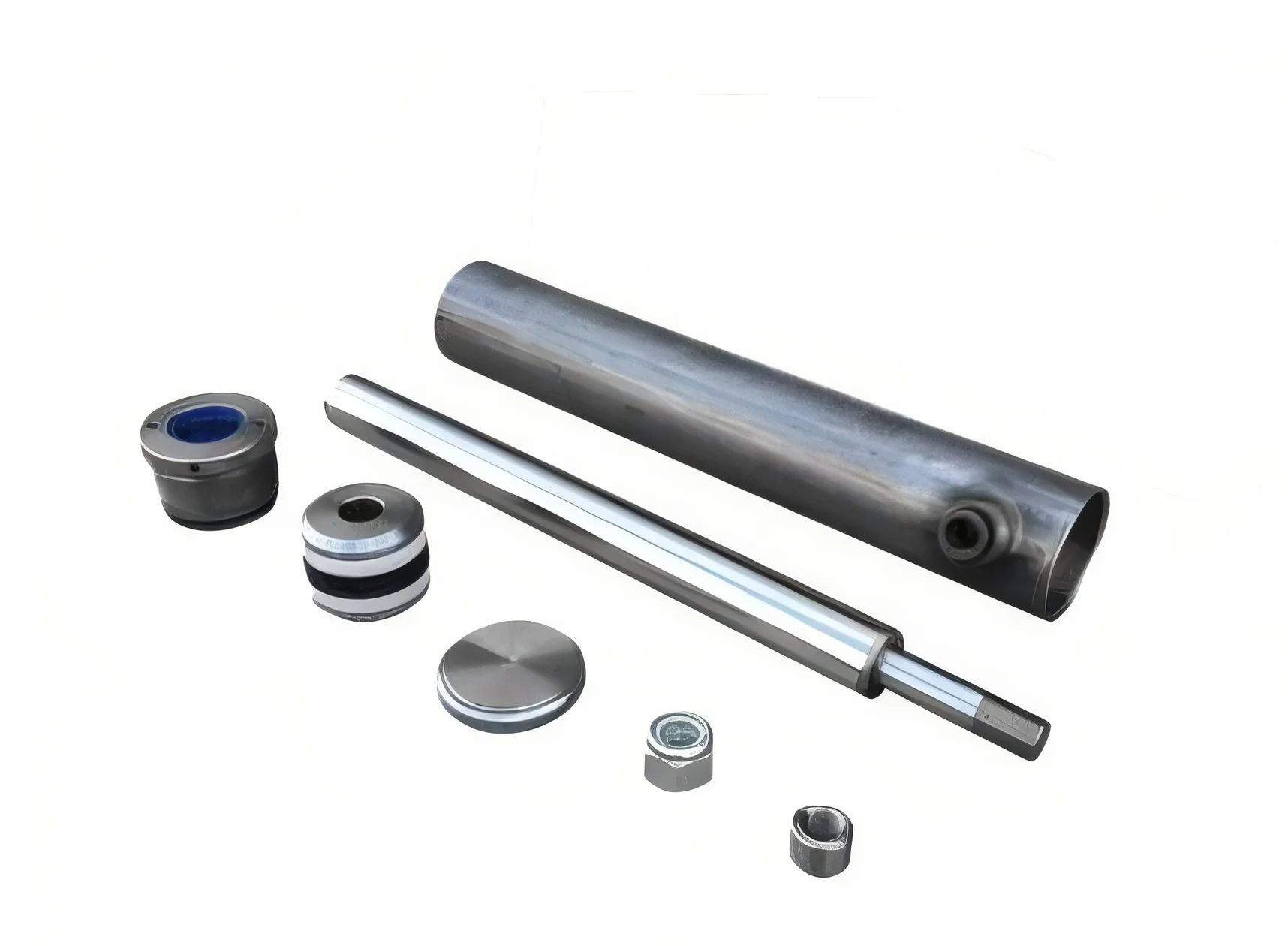
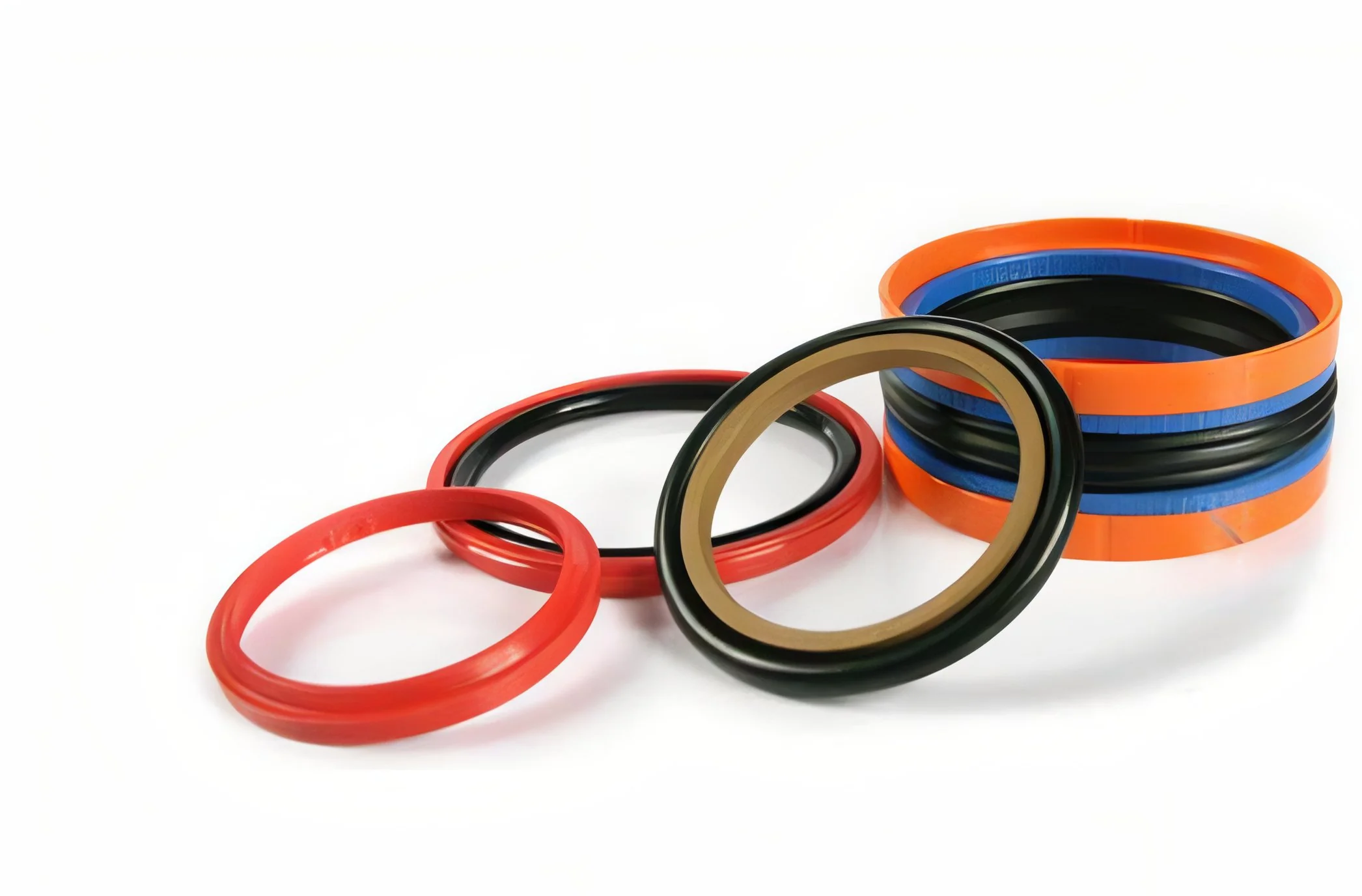
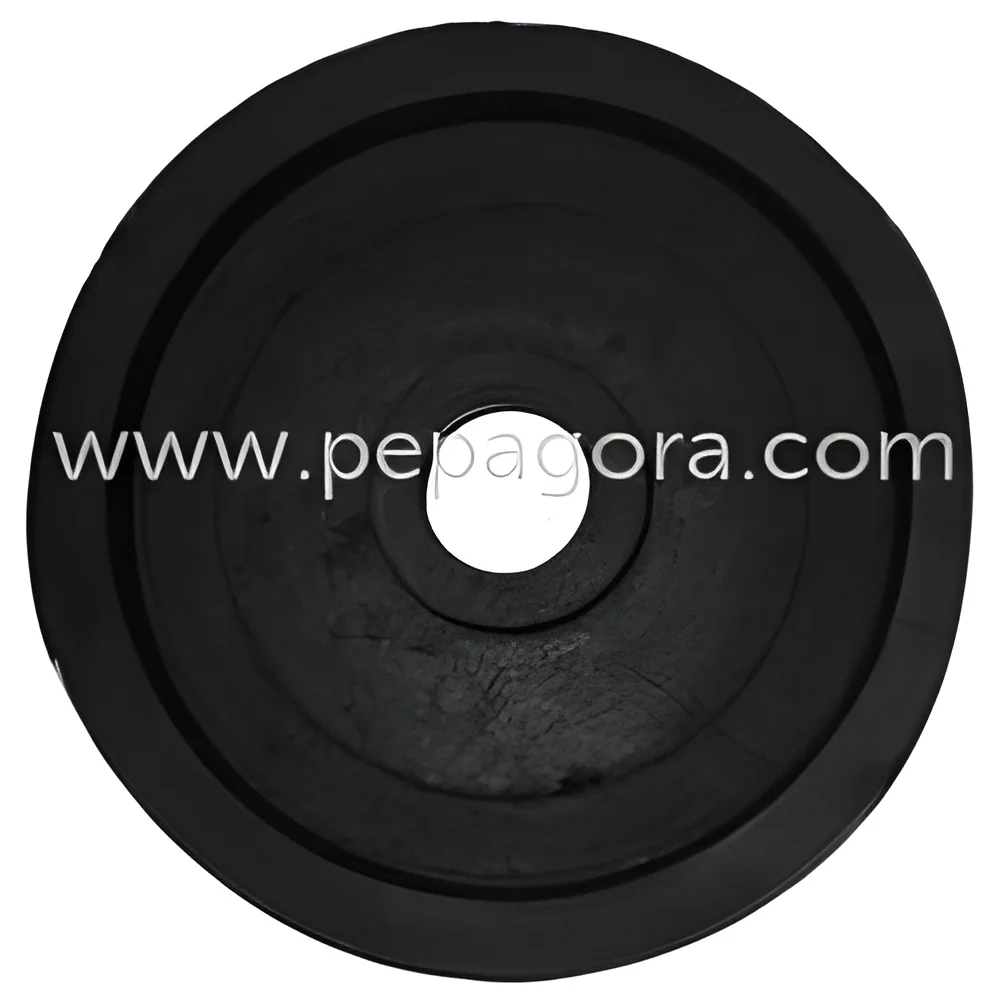
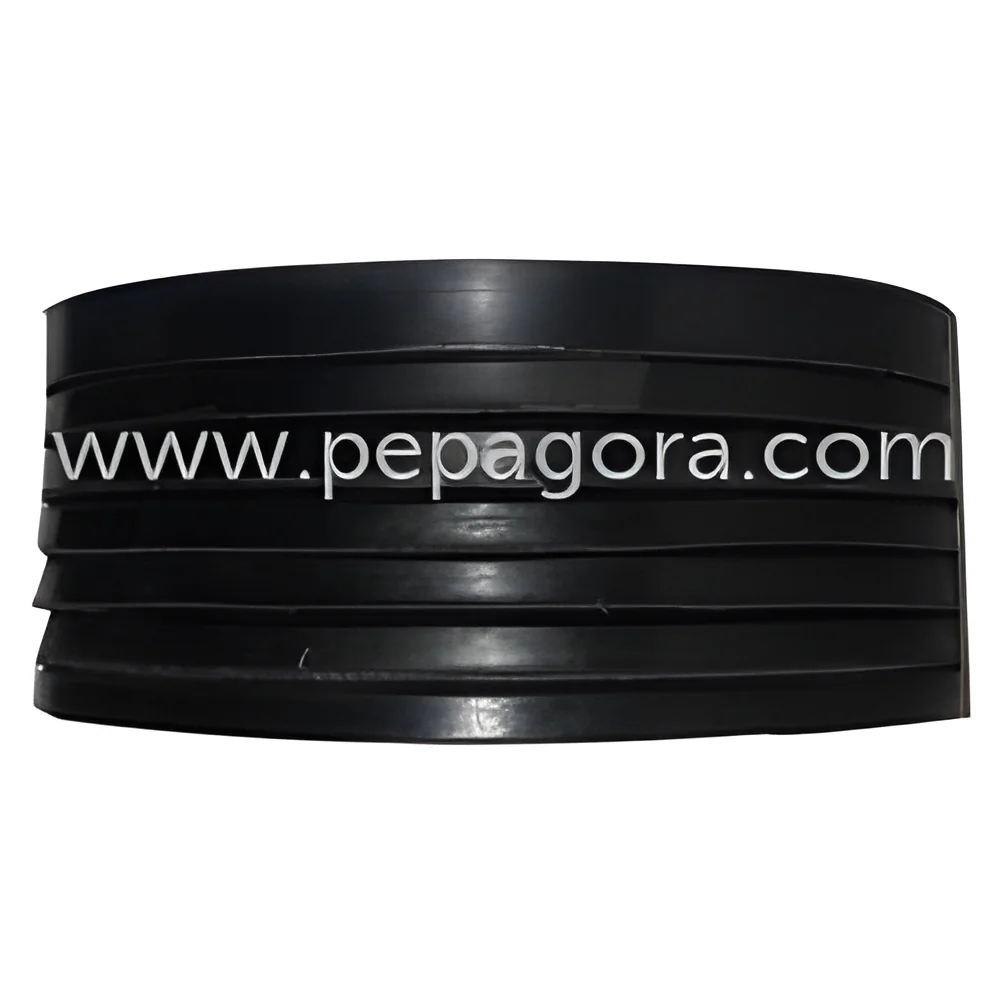
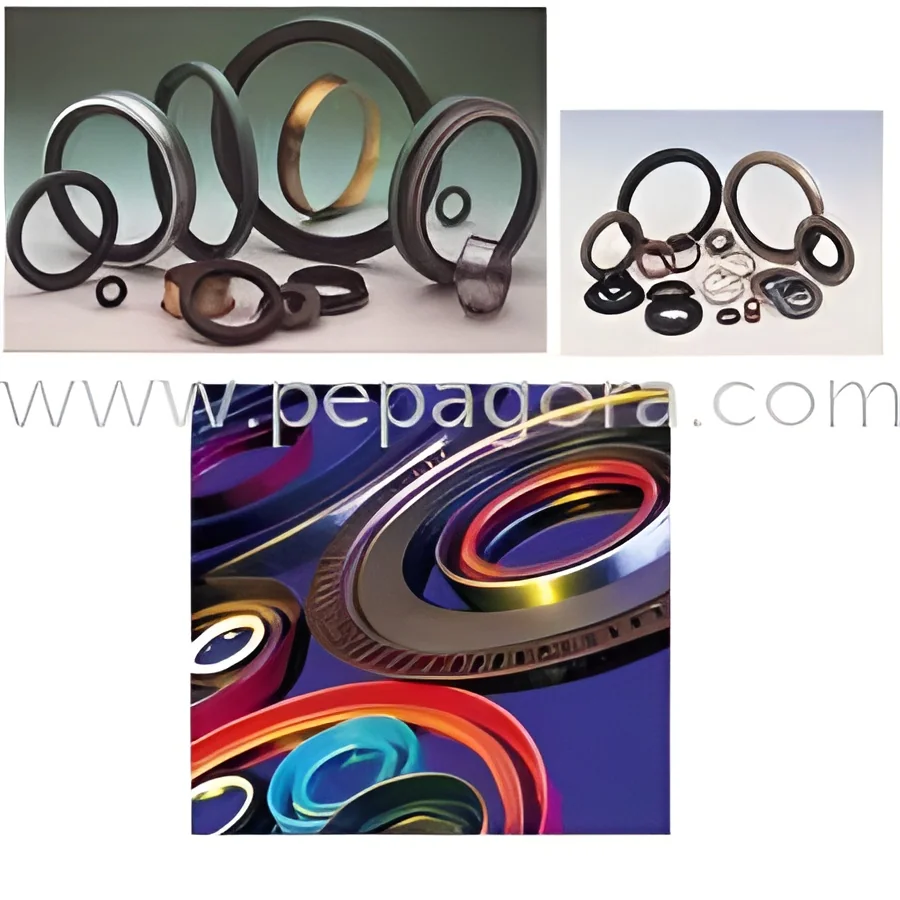
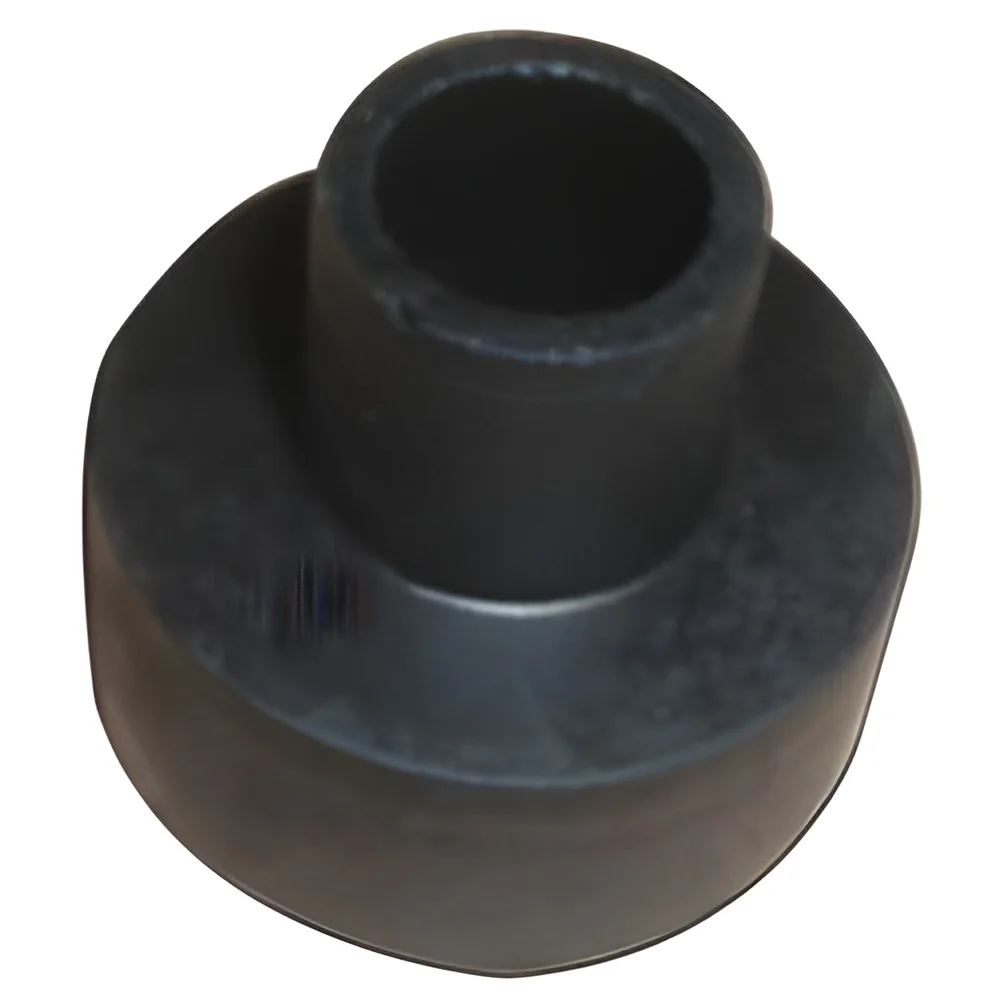
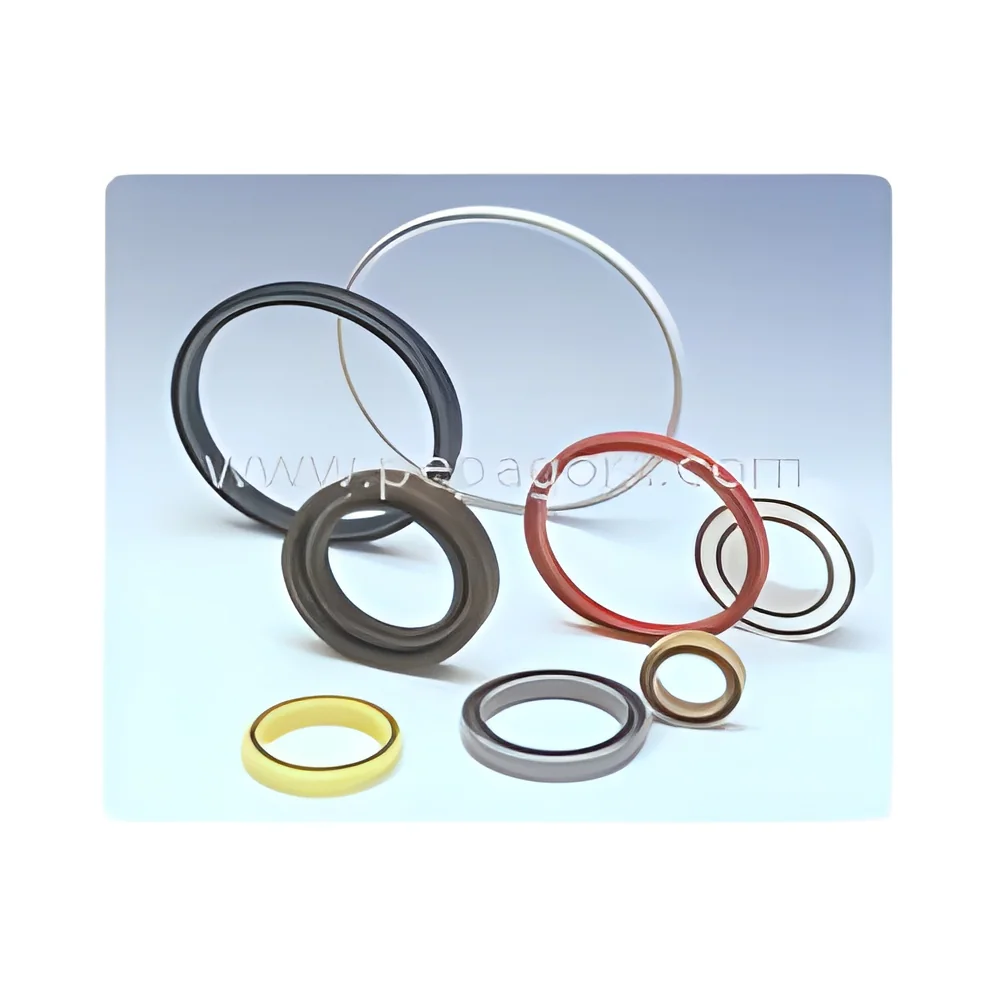
INHydraulic Seals (Piston, Rod)
100 products available
Key Features and Specifications
Common Applications and Use Cases
Product Variants and Subcategories
Benefits and Advantages
Buying Guide for B2B Buyers
Compliance and Certifications


 India
India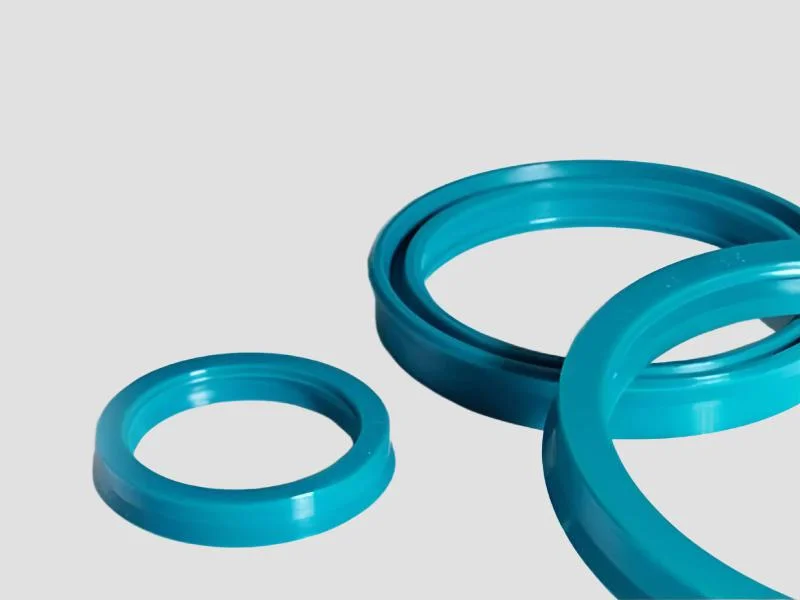
 India
India

 India
India
 India
India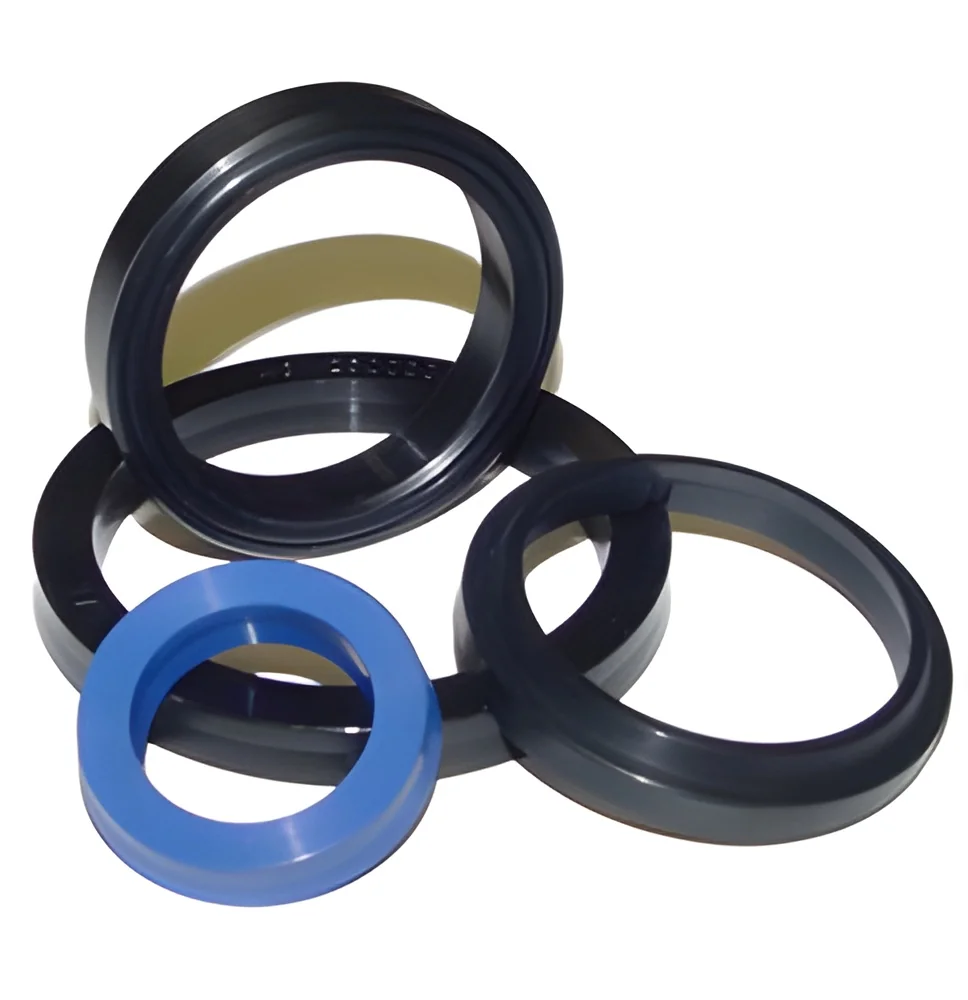
 India
India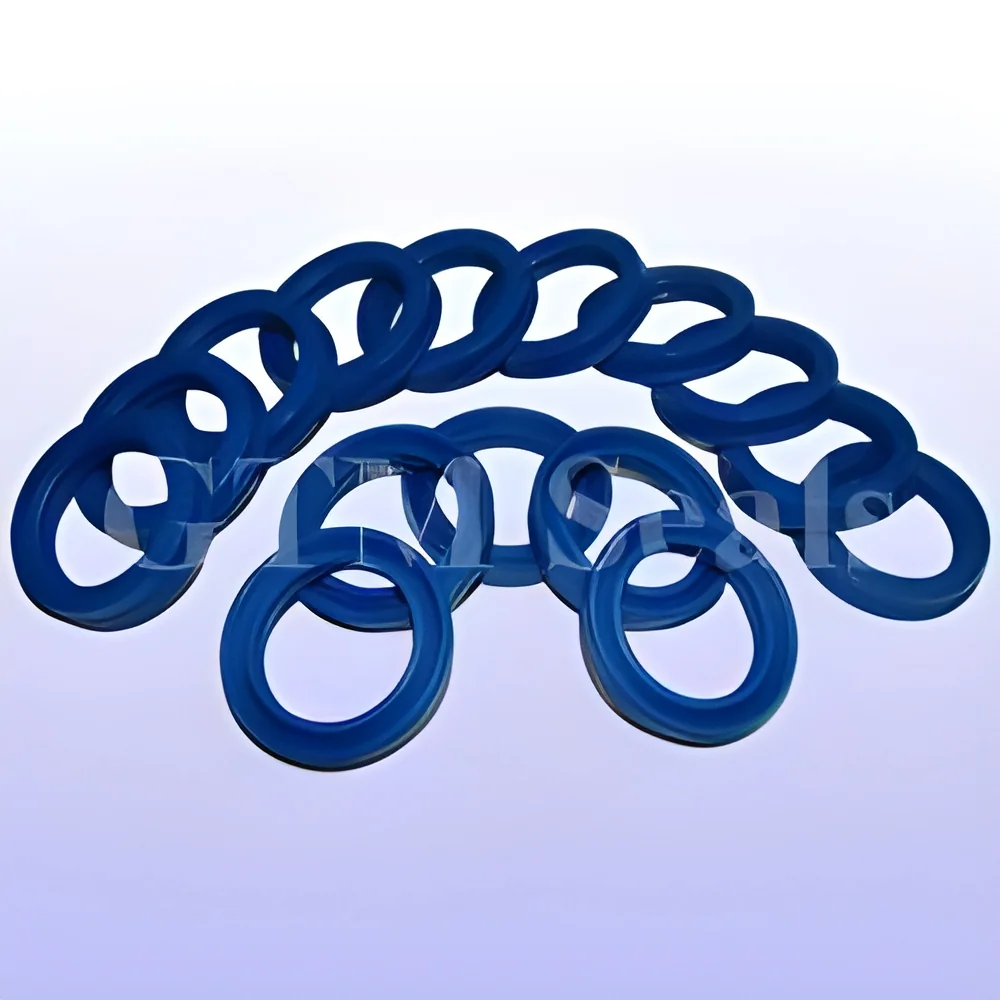
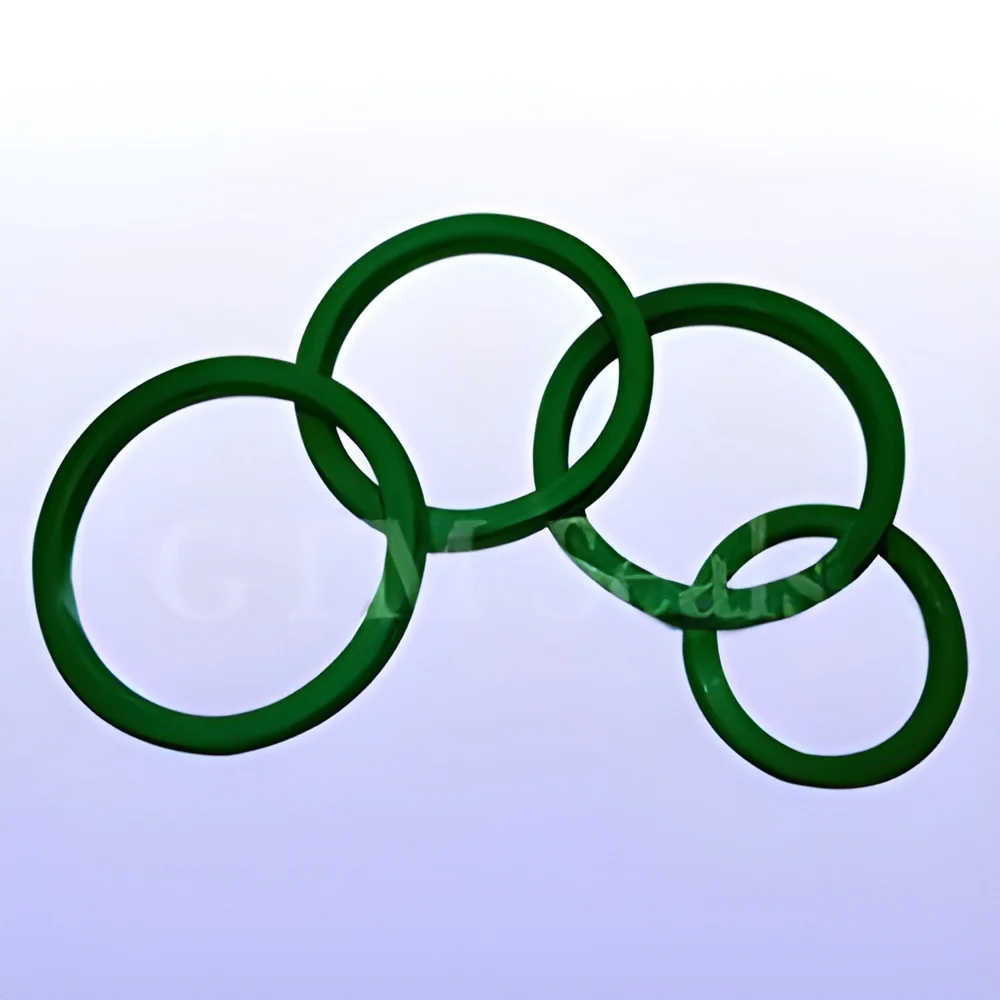
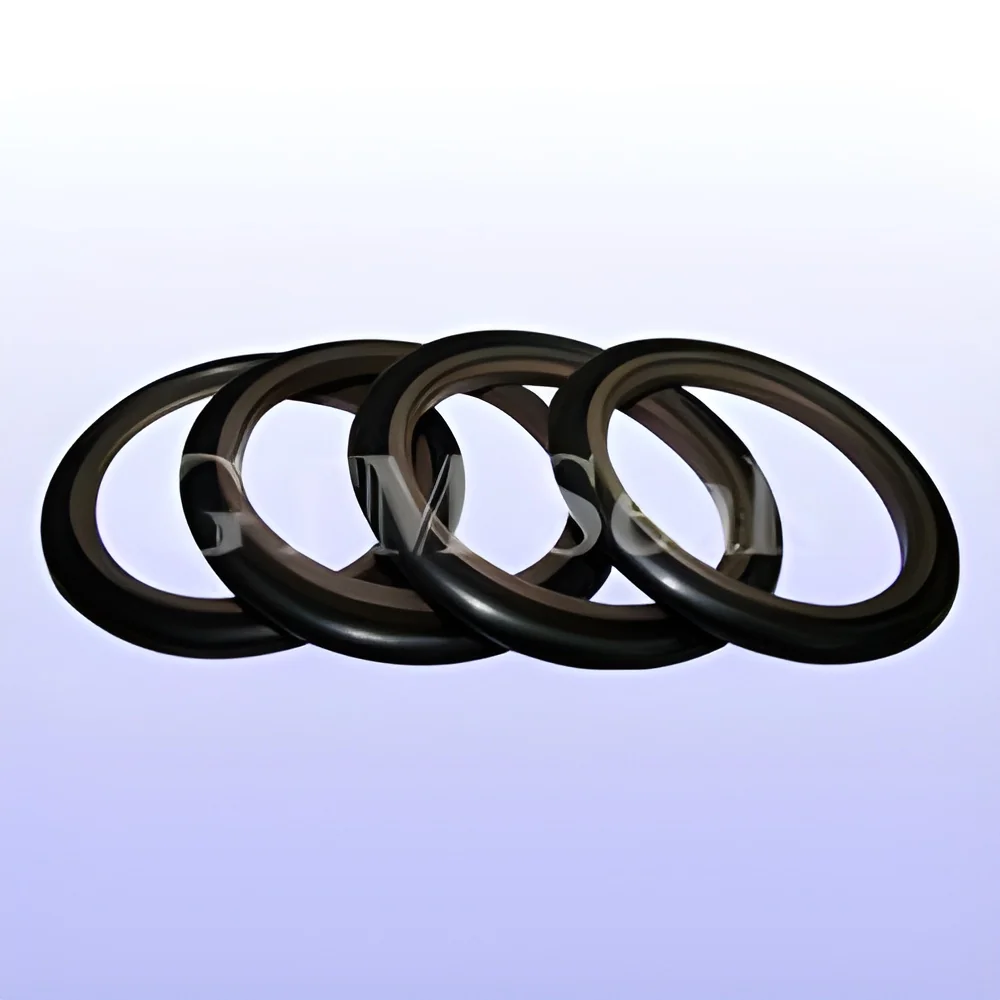
 India
India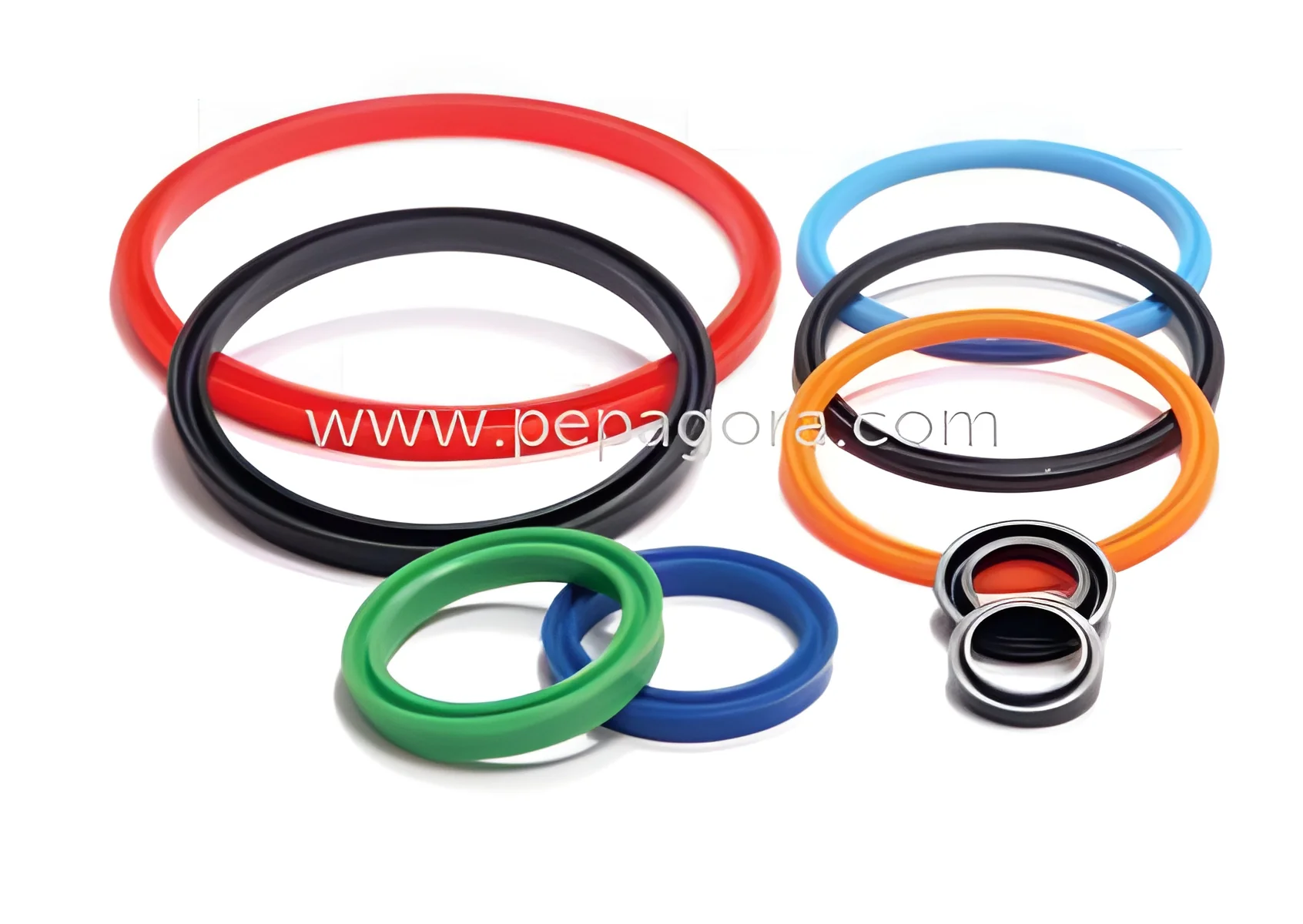
 India
India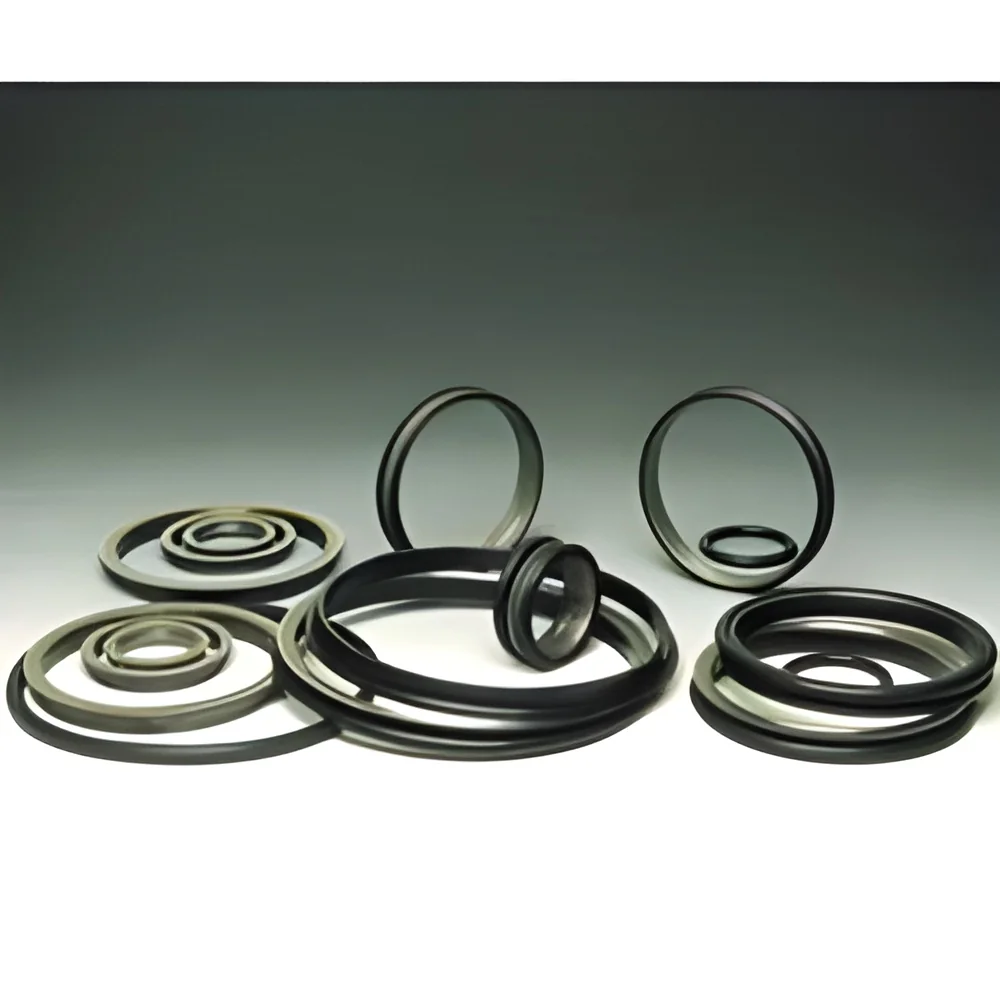
 India
India
 India
India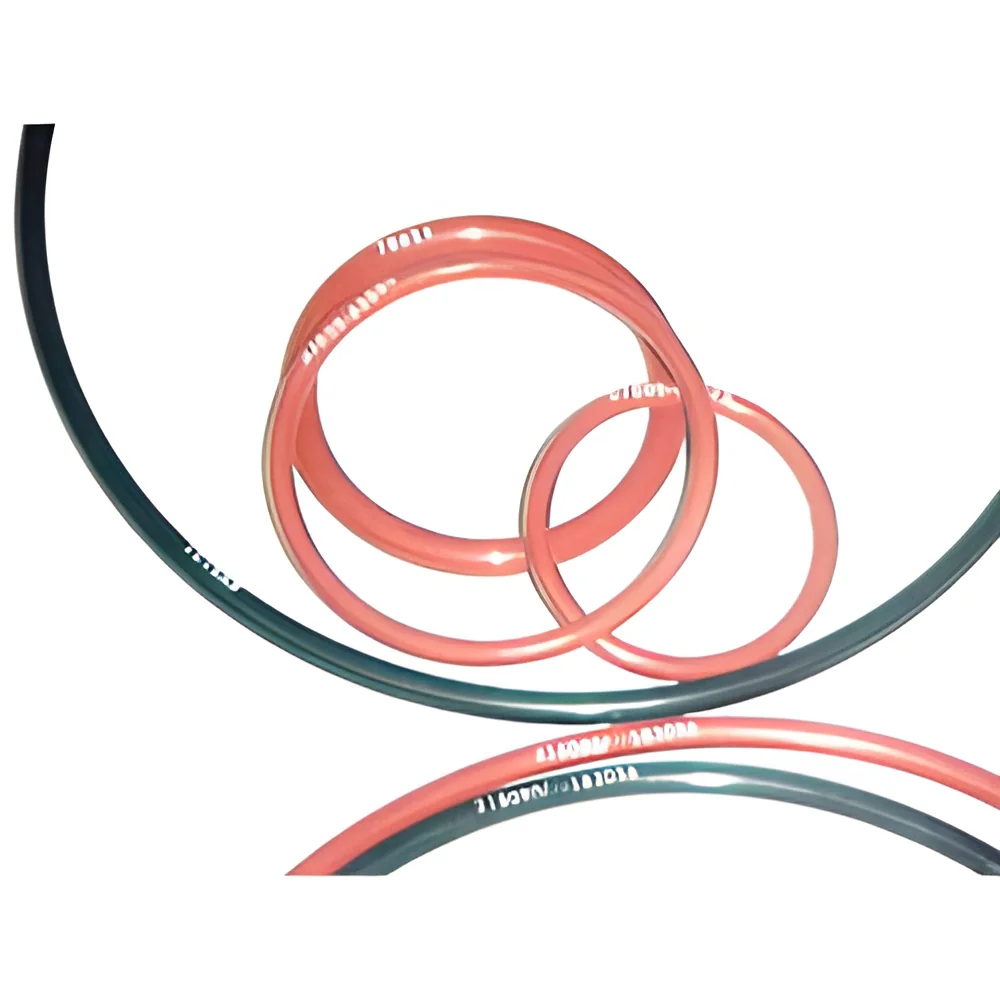
 India
India
 India
India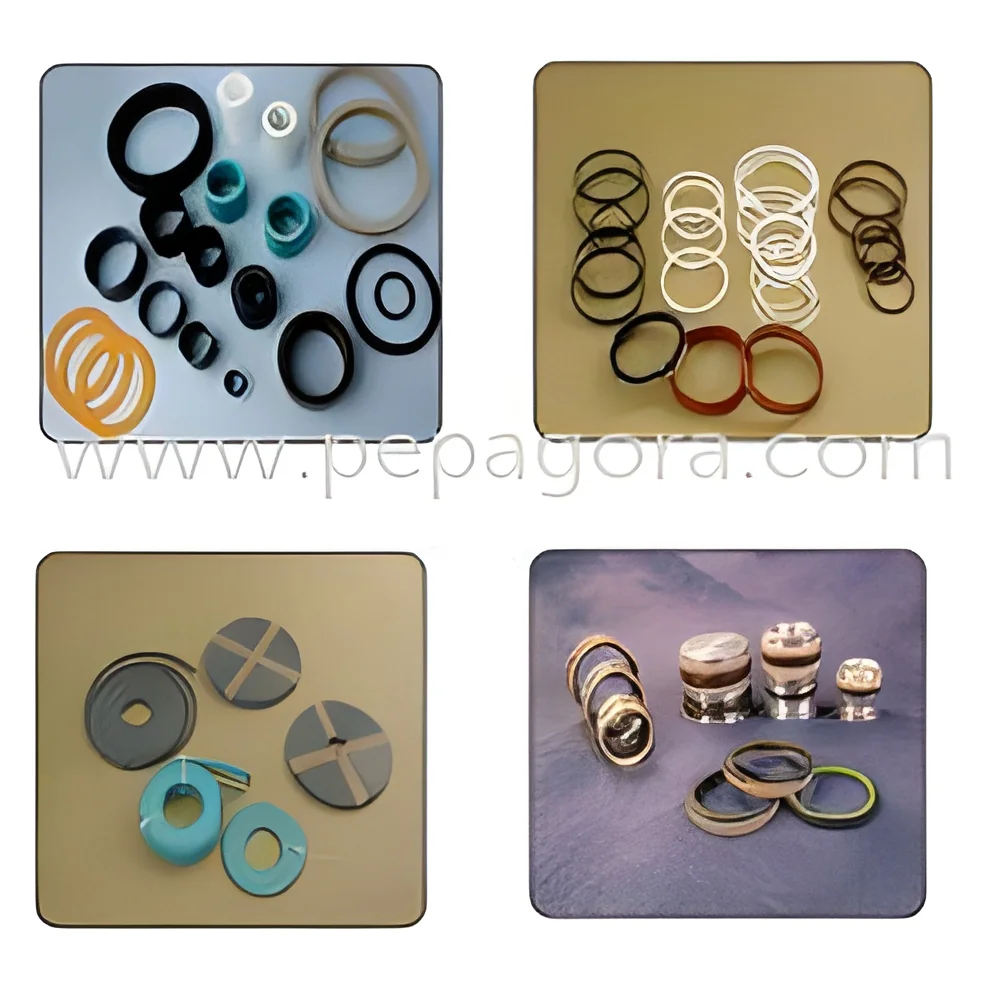
 India
India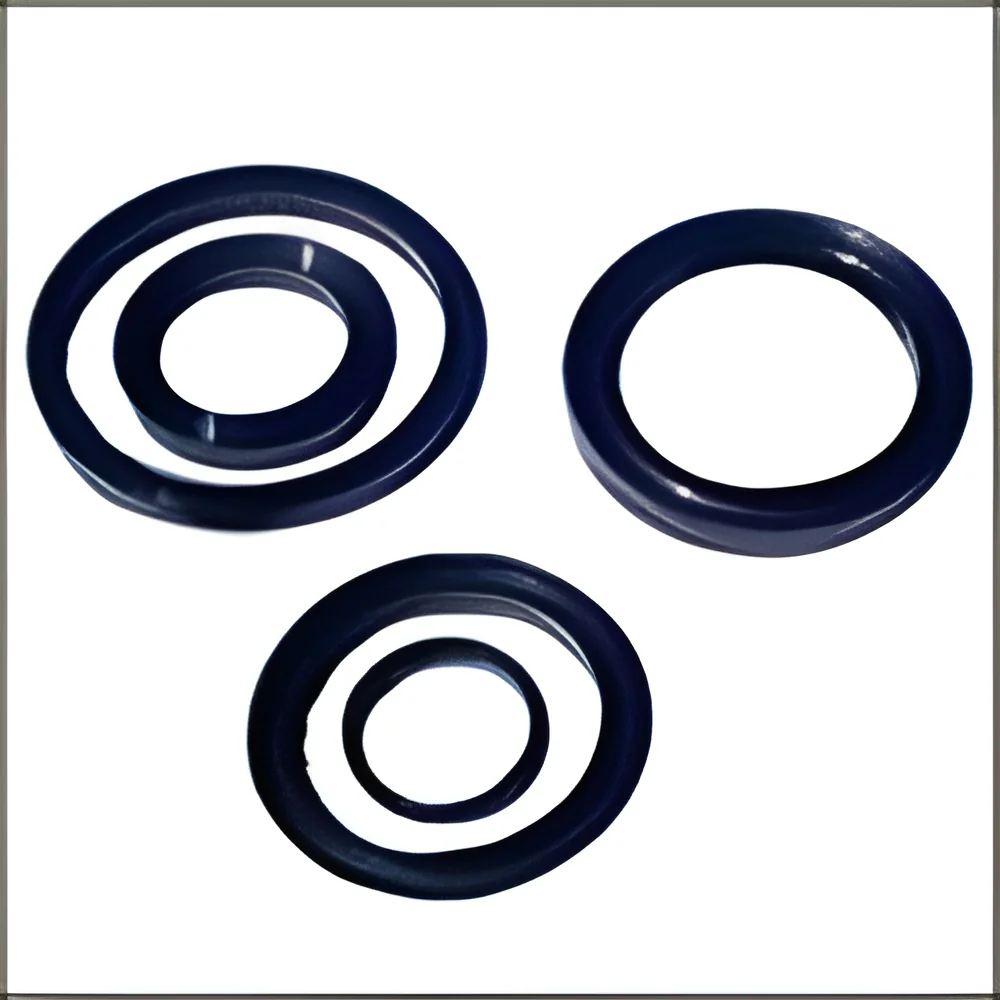
 India
India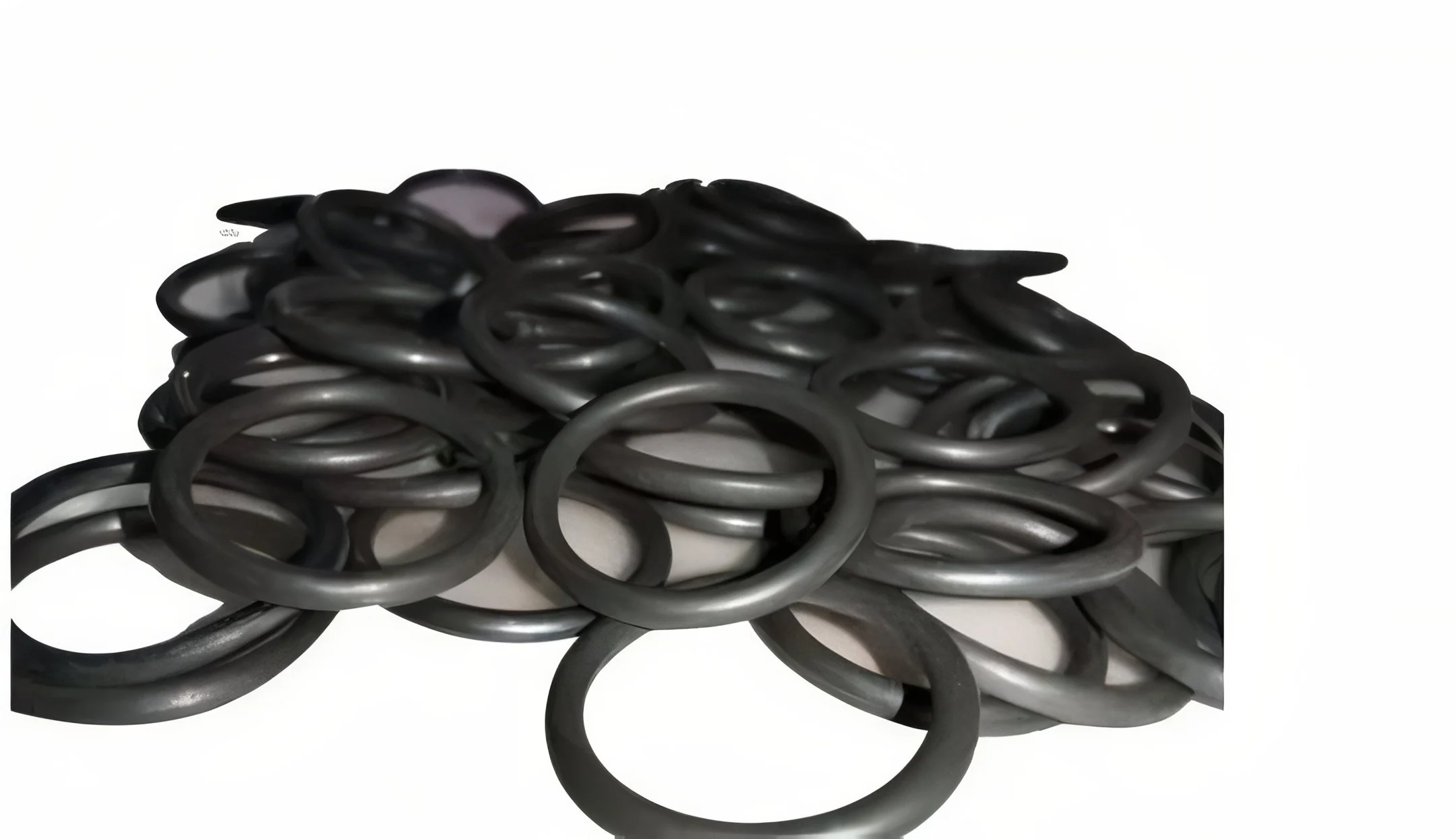
 India
India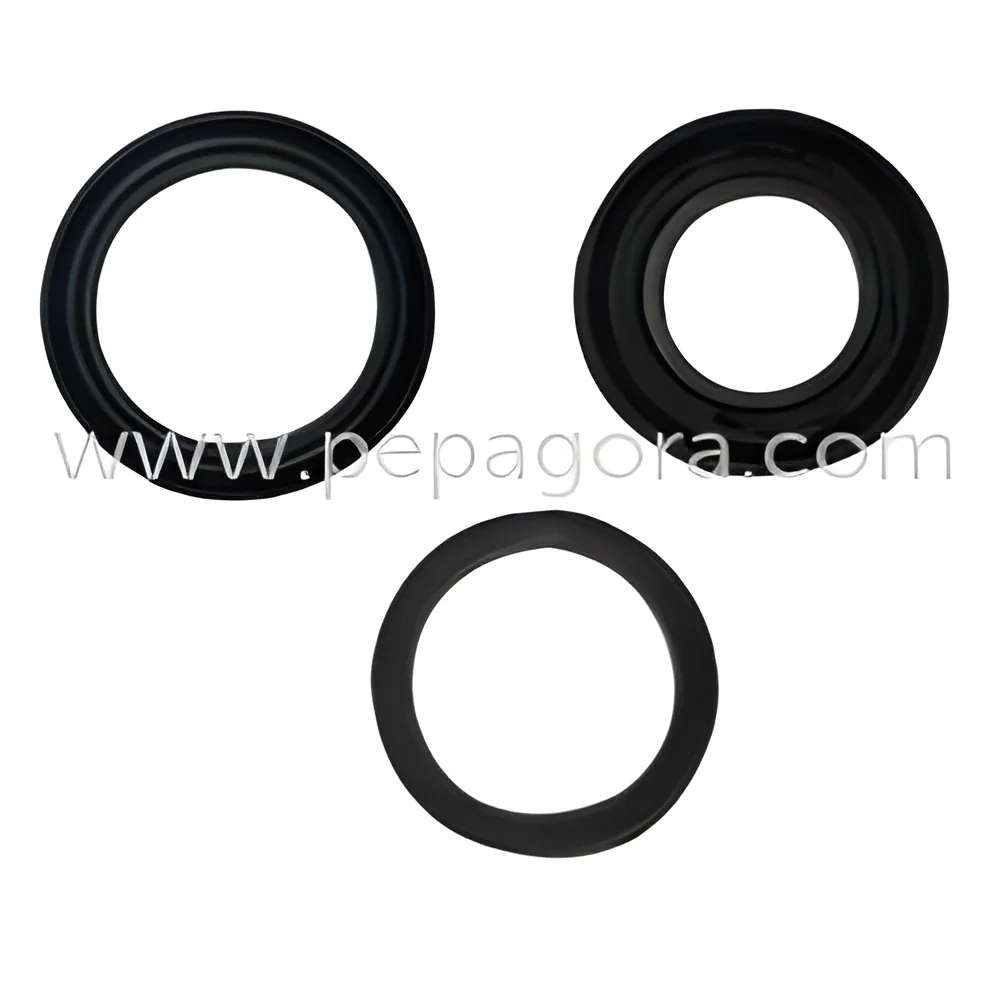
 India
India India
India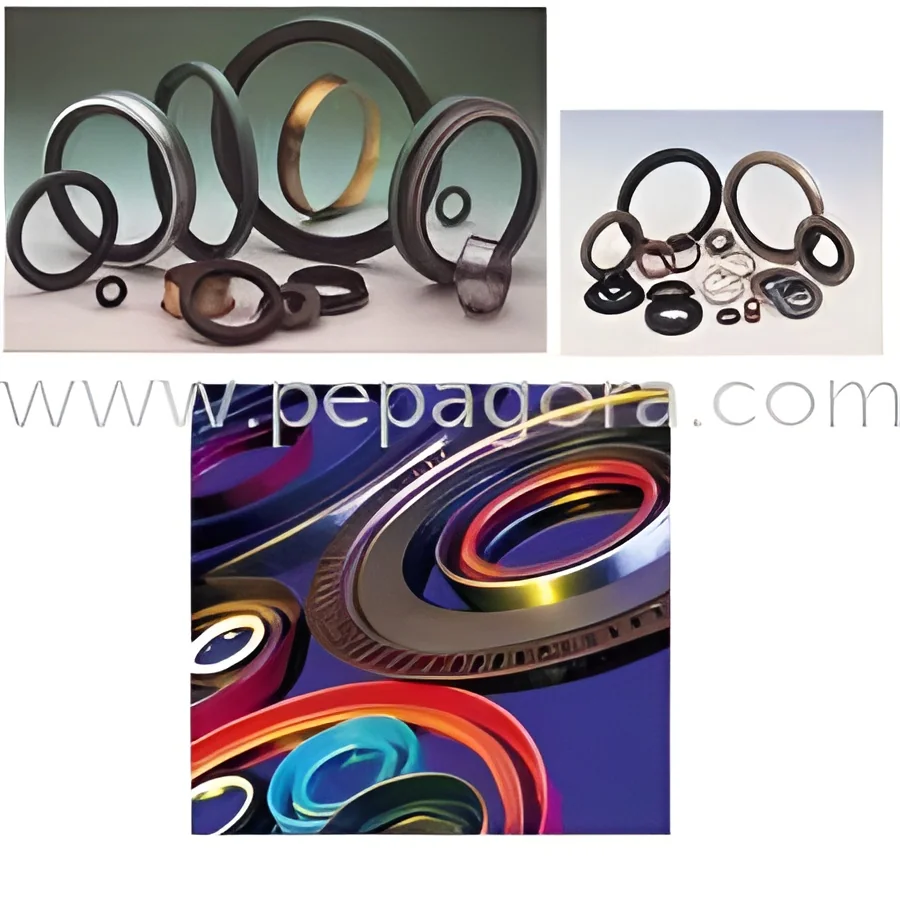
 India
India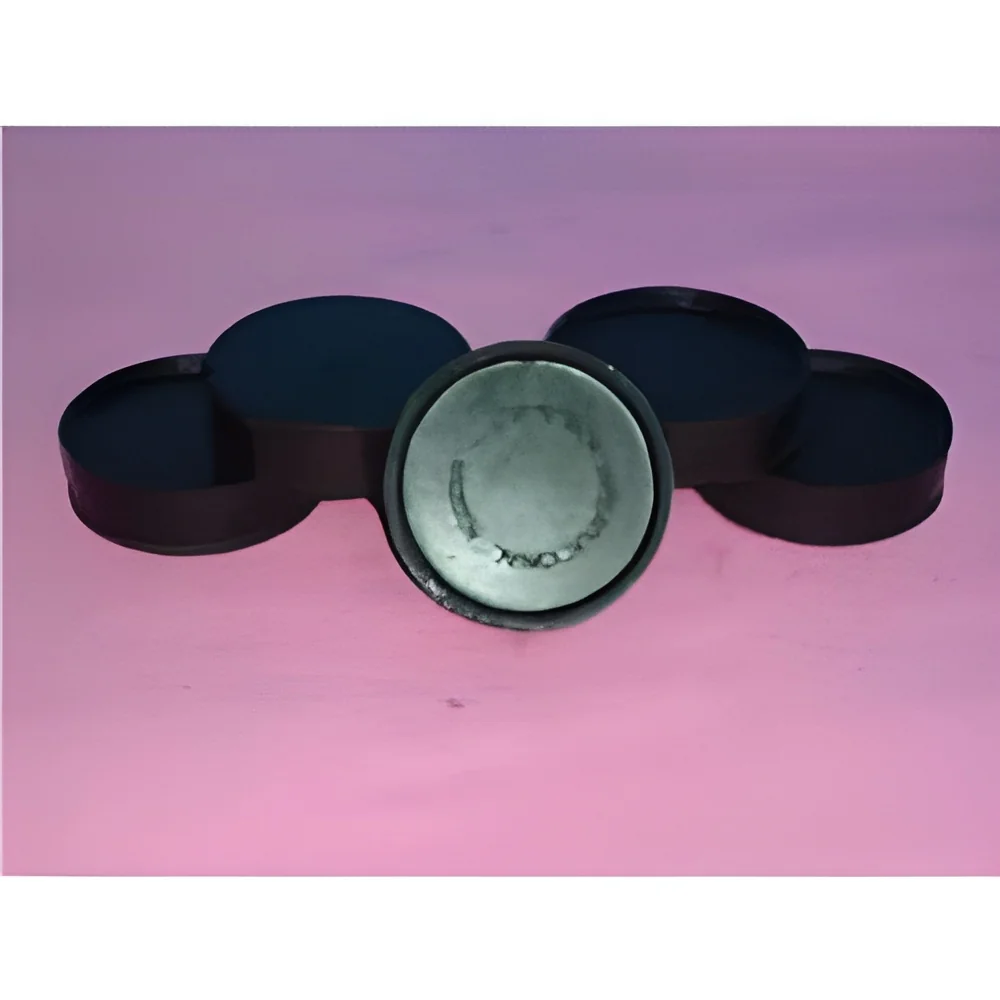
 India
India
 India
India
 India
India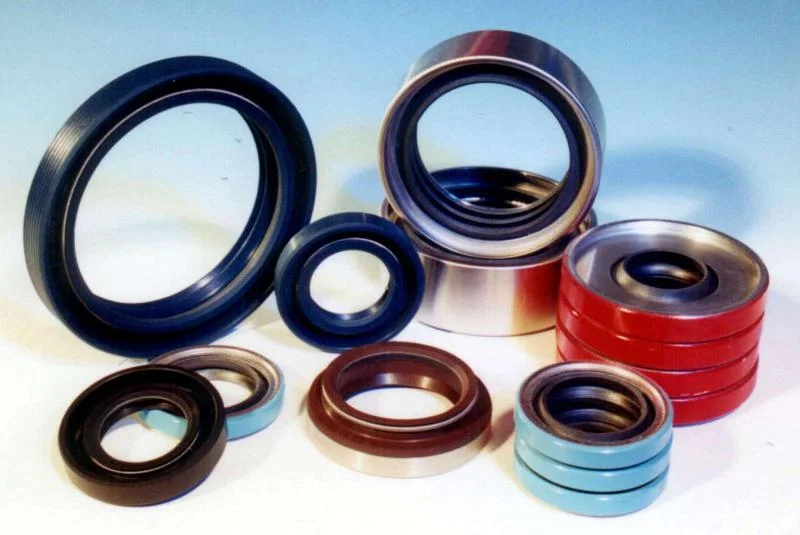 India
India
 India
India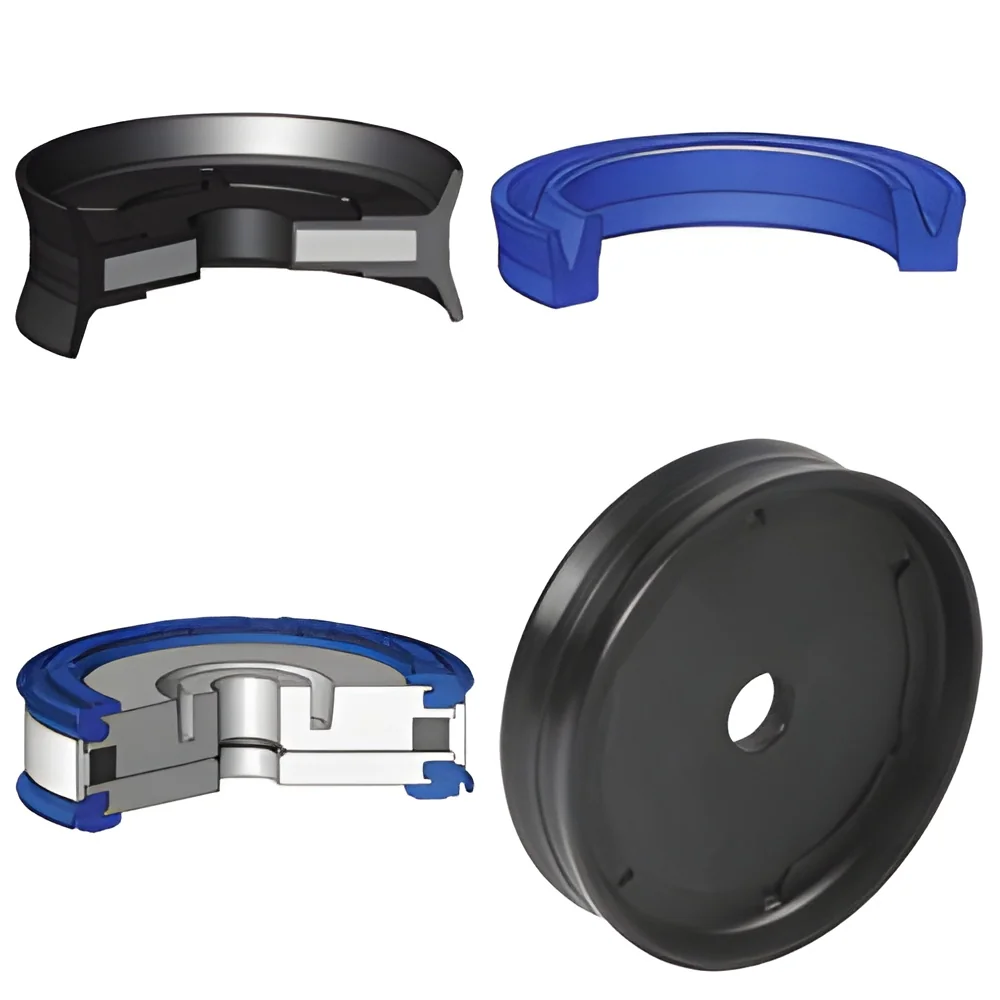 India
India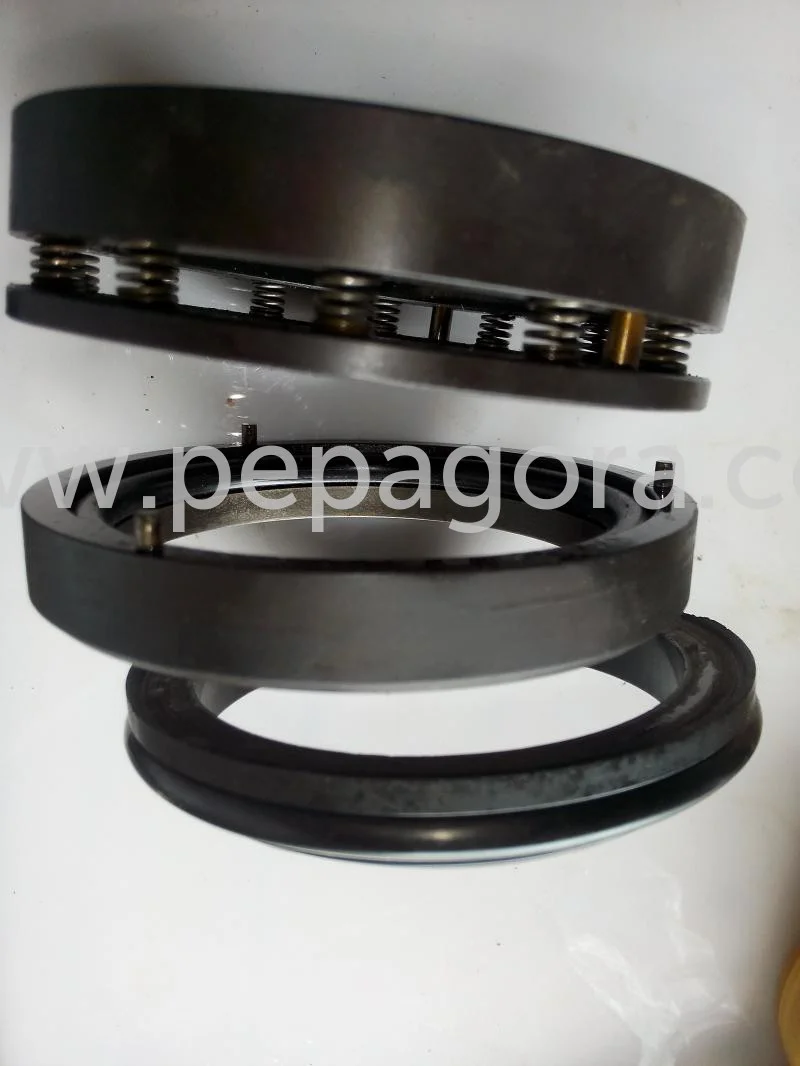 India
India

 India
India India
India India
India India
India India
India
 India
India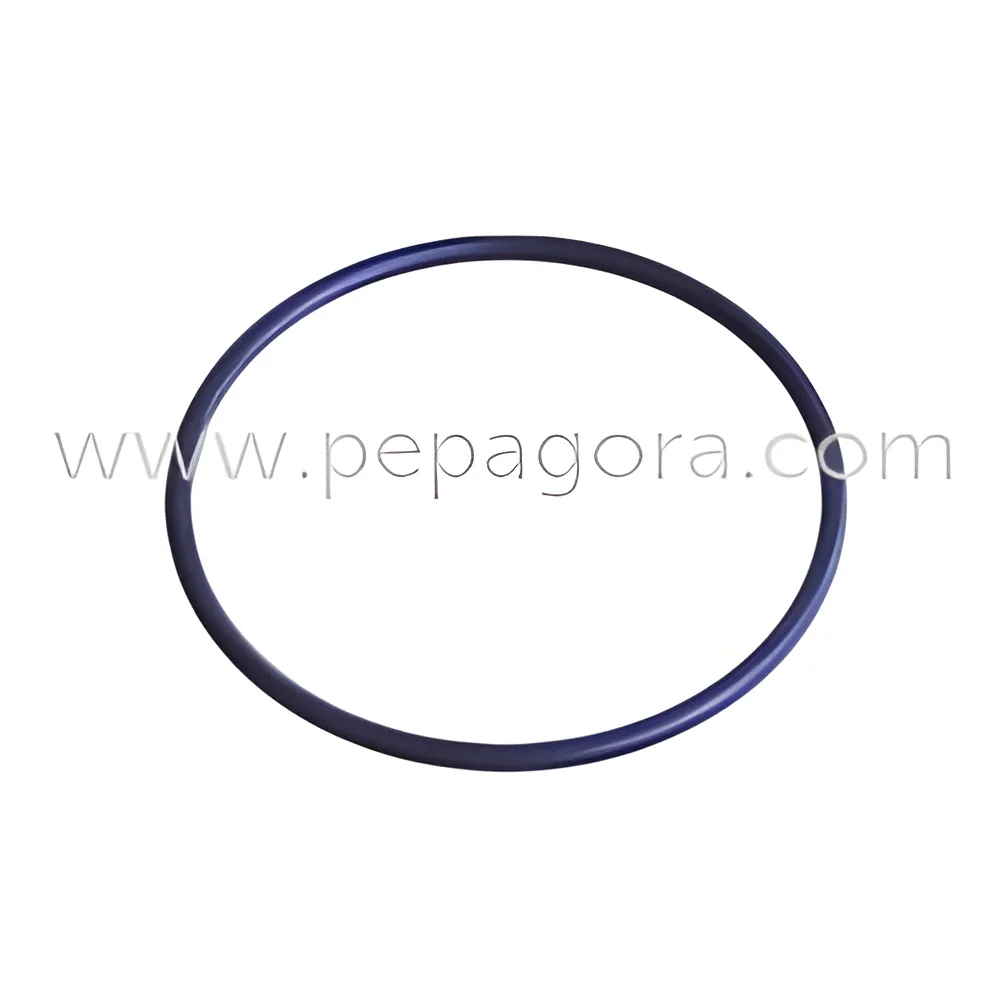

 India
India
Frequently Asked Questions
What are Hydraulic Seals (Piston, Rod)?
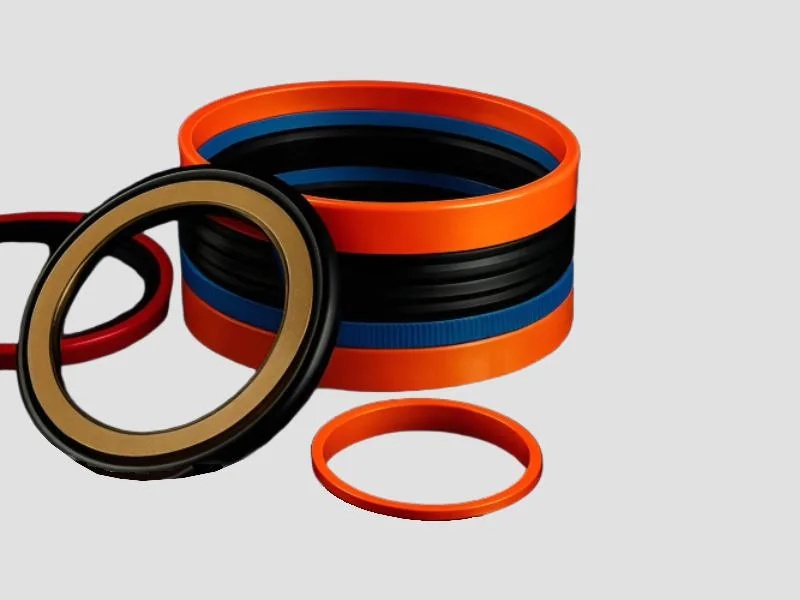
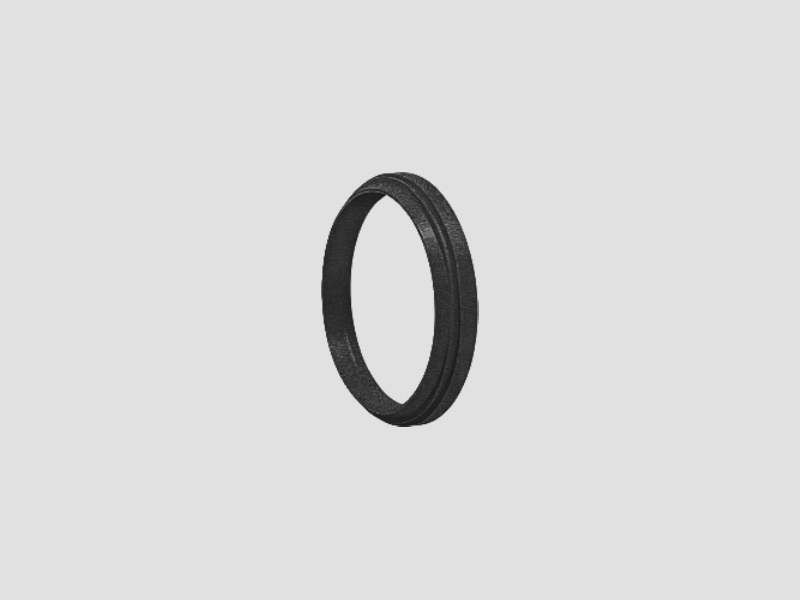
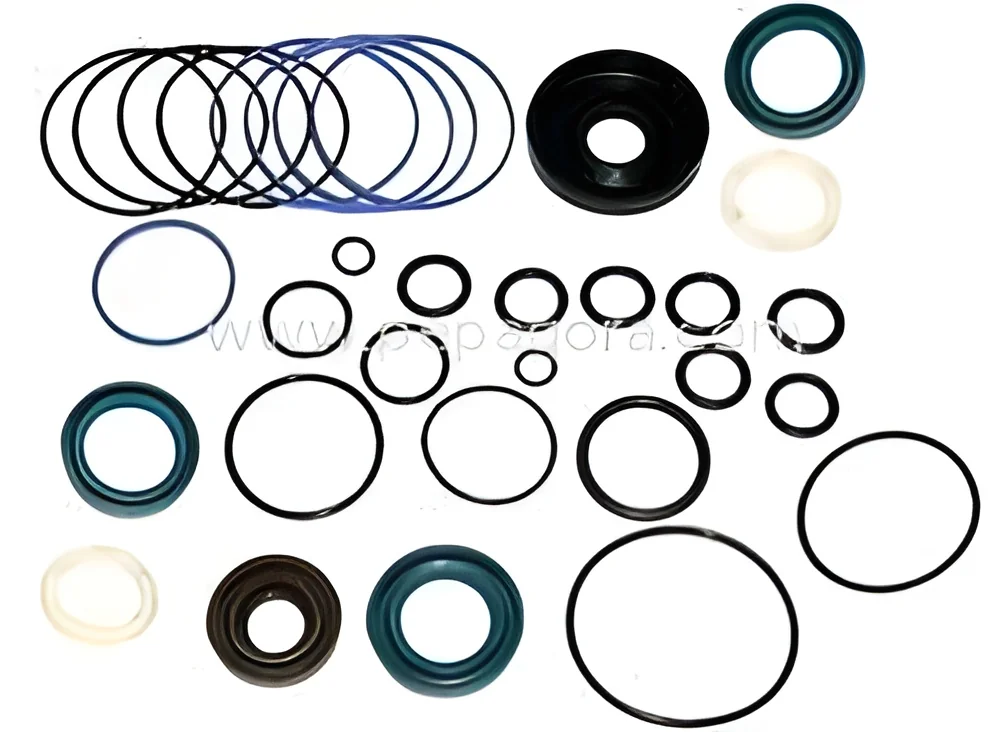
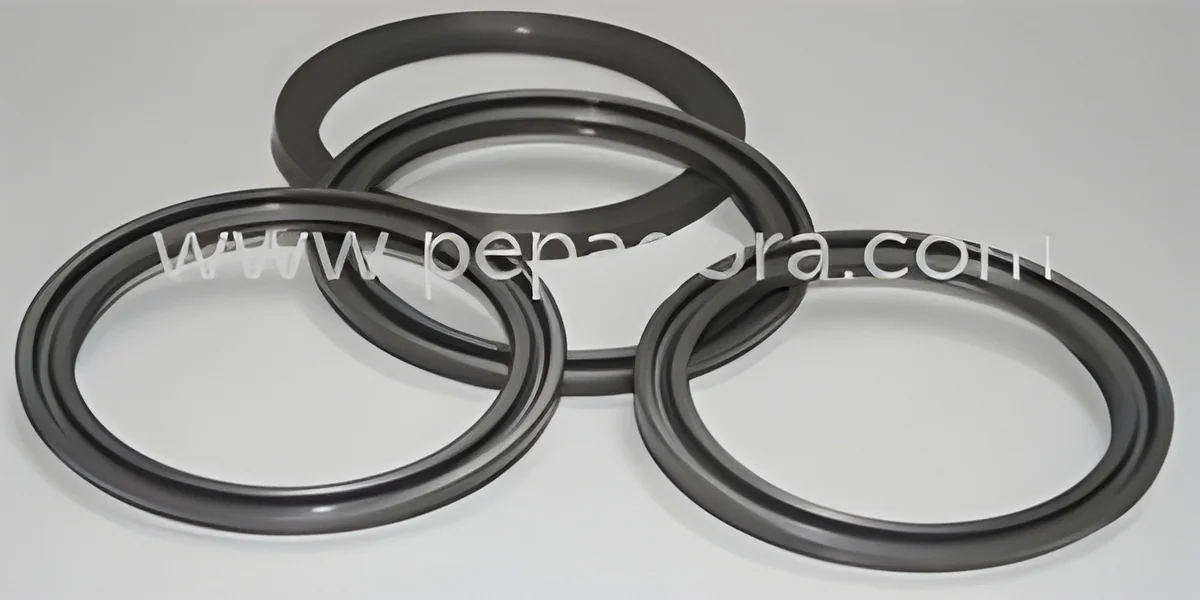
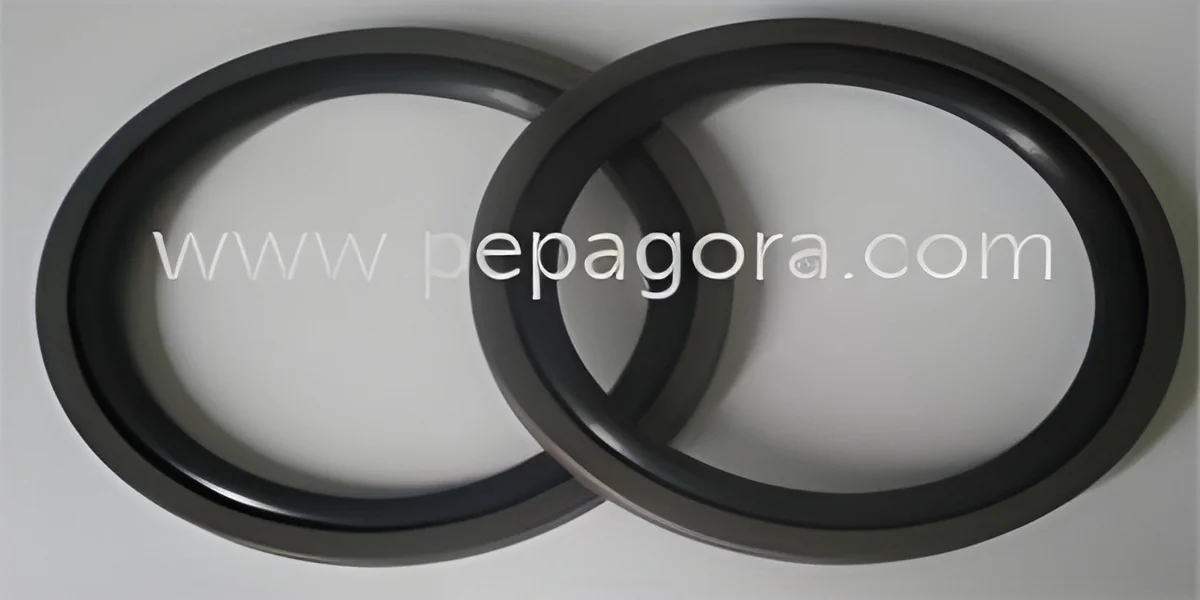
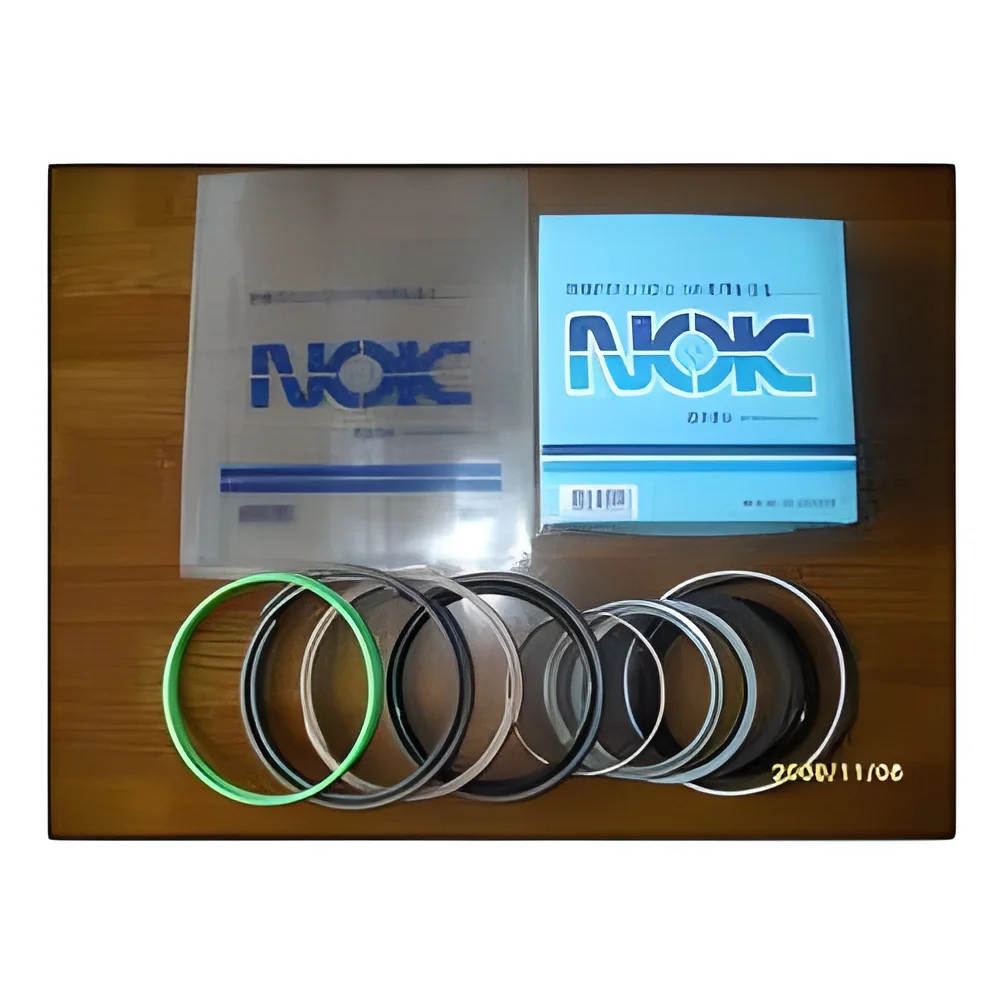
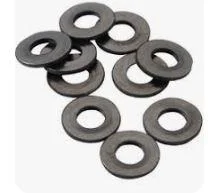
Hydraulic Seals (Piston, Rod) are components used in hydraulic systems to prevent fluid leakage between moving parts. They are designed to maintain pressure and ensure the efficient operation of hydraulic machinery, such as cylinders and pumps.
What are the different types of Hydraulic Seals (Piston, Rod)?
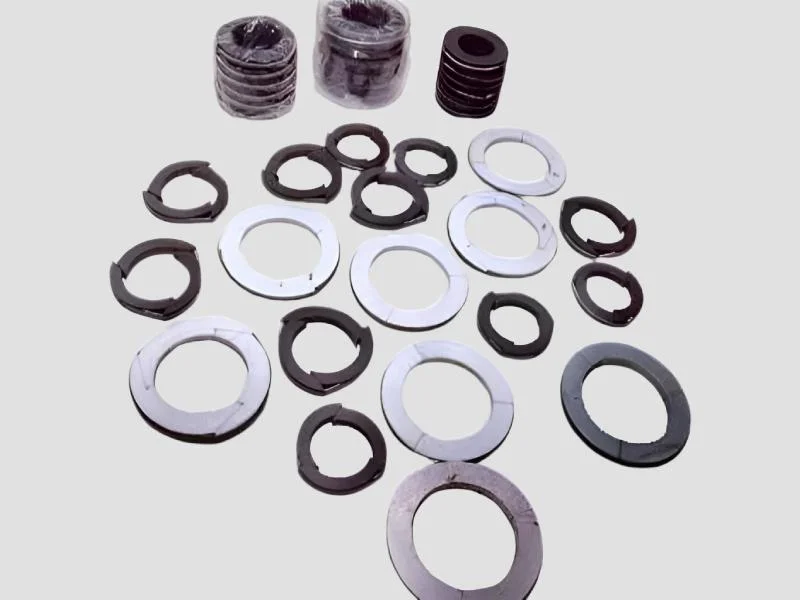
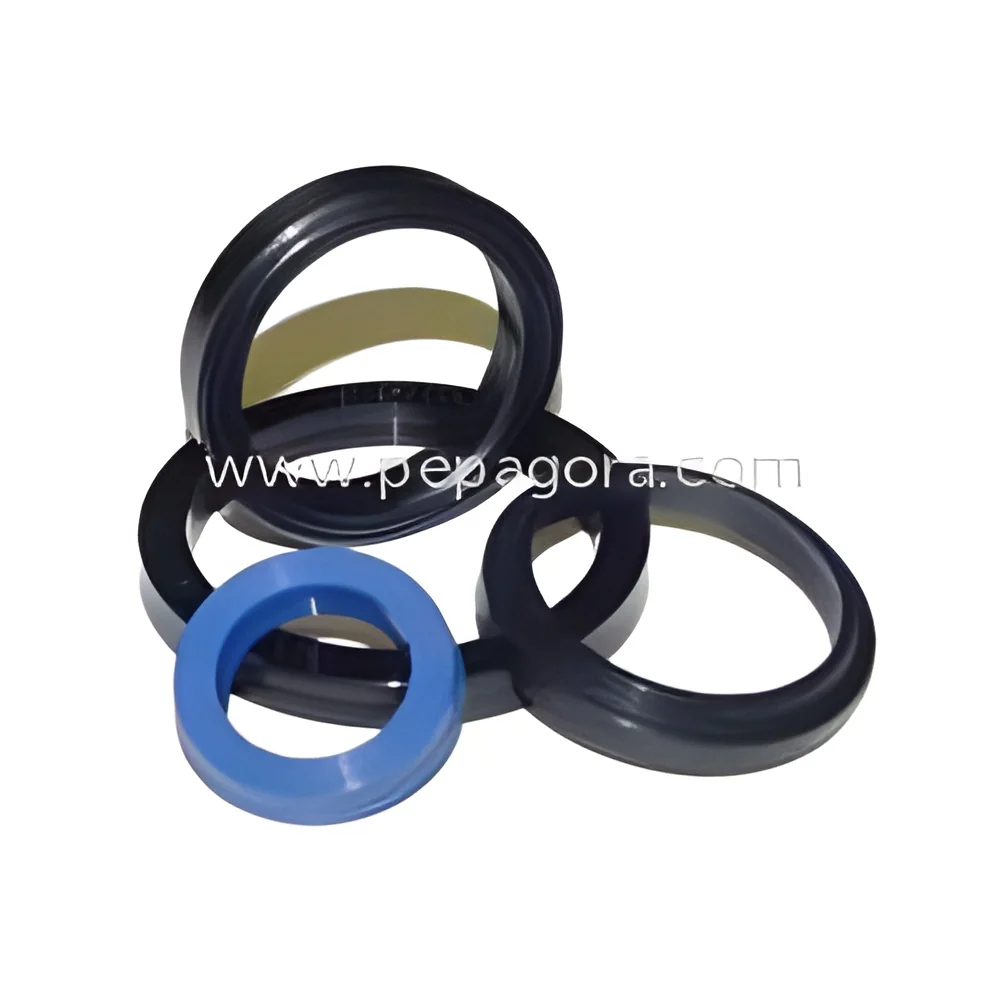
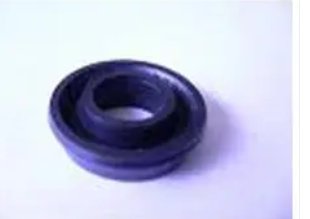
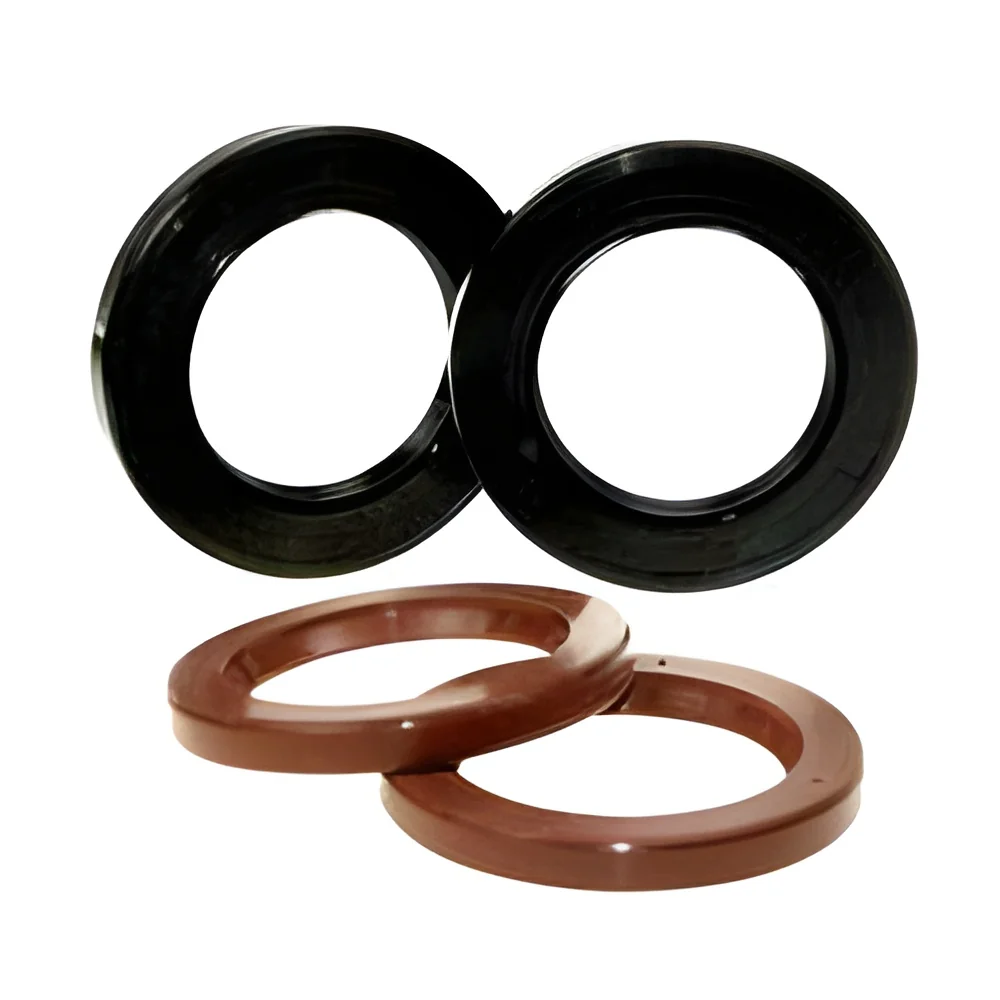
The main types of Hydraulic Seals (Piston, Rod) include O-rings, U-cups, and V-rings. Each type serves specific applications and functions, such as sealing against pressure, preventing contamination, or facilitating movement.
How do I choose the right Hydraulic Seals (Piston, Rod)?
Choosing the right Hydraulic Seals (Piston, Rod) involves considering factors such as the operating pressure, temperature, and the type of fluid used in the system. Additionally, it is essential to assess the compatibility of the seal material with the application requirements.
What are the standard specifications for Hydraulic Seals (Piston, Rod)?
Standard specifications for Hydraulic Seals (Piston, Rod) typically include dimensions, material composition, and hardness ratings. Common materials include nitrile rubber, polyurethane, and PTFE, which are selected based on the specific application needs.
What is the price range for Hydraulic Seals (Piston, Rod)?
The price range for Hydraulic Seals (Piston, Rod) can vary widely depending on factors such as material, size, and manufacturer. Generally, prices can range from a few cents for basic seals to several dollars for specialized or high-performance options.
What quality standards apply to Hydraulic Seals (Piston, Rod)?
Hydraulic Seals (Piston, Rod) must adhere to various quality standards, including ISO 9001 and ASTM specifications. These standards ensure that the seals meet performance, reliability, and safety requirements for hydraulic applications.
Where can I find Hydraulic Seals (Piston, Rod) suppliers in India?
You can find Hydraulic Seals (Piston, Rod) suppliers in India through online B2B marketplaces, industrial supply stores, and manufacturer directories. Websites like Pepagora can help you connect with reliable suppliers and manufacturers.
Can Hydraulic Seals (Piston, Rod) be customized?
Yes, many manufacturers offer customization options for Hydraulic Seals (Piston, Rod) to meet specific application requirements. Customization may include alterations in size, material, or design to ensure optimal performance.
What is the typical minimum order quantity for Hydraulic Seals (Piston, Rod)?
The typical minimum order quantity (MOQ) for Hydraulic Seals (Piston, Rod) can vary between suppliers, but it is often set at a few dozen to several hundred units. It's advisable to check with specific manufacturers for their MOQ policies.
What is the typical lead time for Hydraulic Seals (Piston, Rod)?
The typical lead time for Hydraulic Seals (Piston, Rod) can range from a few days to several weeks, depending on the supplier and whether the seals are standard or custom-made. Factors such as order size and production capacity can also influence lead times.
Why Businesses Trust Pepagora
Thousands of companies trust Pepagora to source smarter and sell faster
Expand Your Sales Globally

Source Smarter,Grow Faster
