- Hydraulic & Fluid Power
- Manufacturing Industry
- Heavy Engineering
- Construction Equipment
- Mining Industry
- Agricultural Machinery
- Automotive Industry
- Steel & Metal Processing
- Material Handling
- Industrial Automation

 IN
IN₹
Description
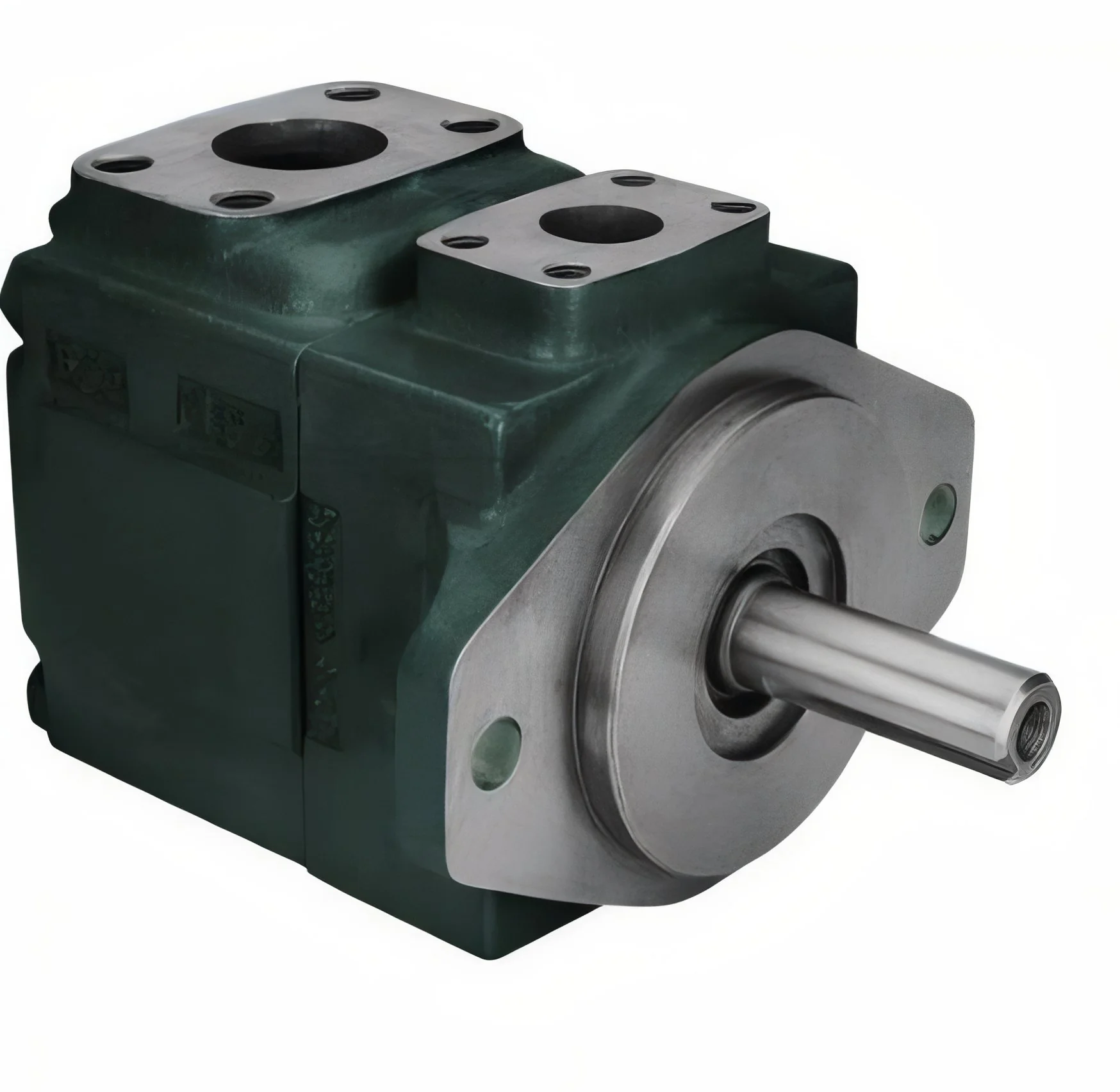
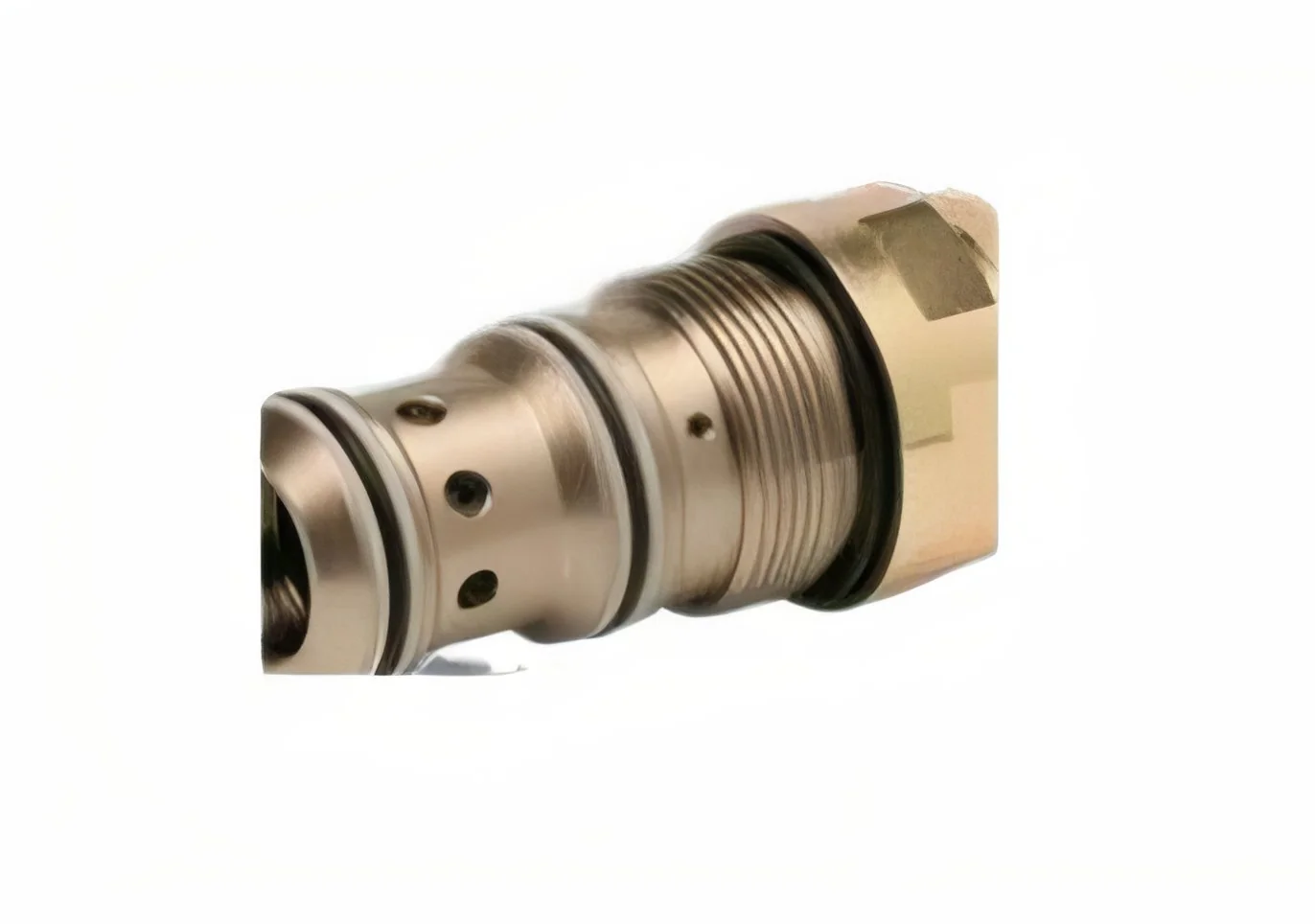
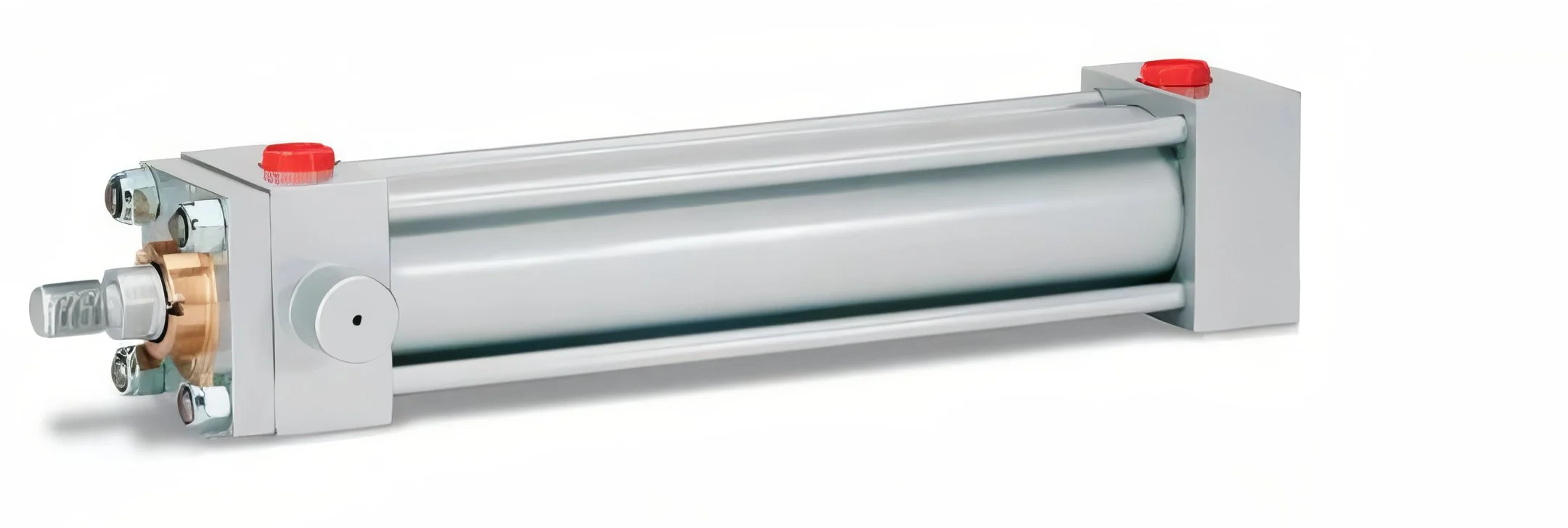
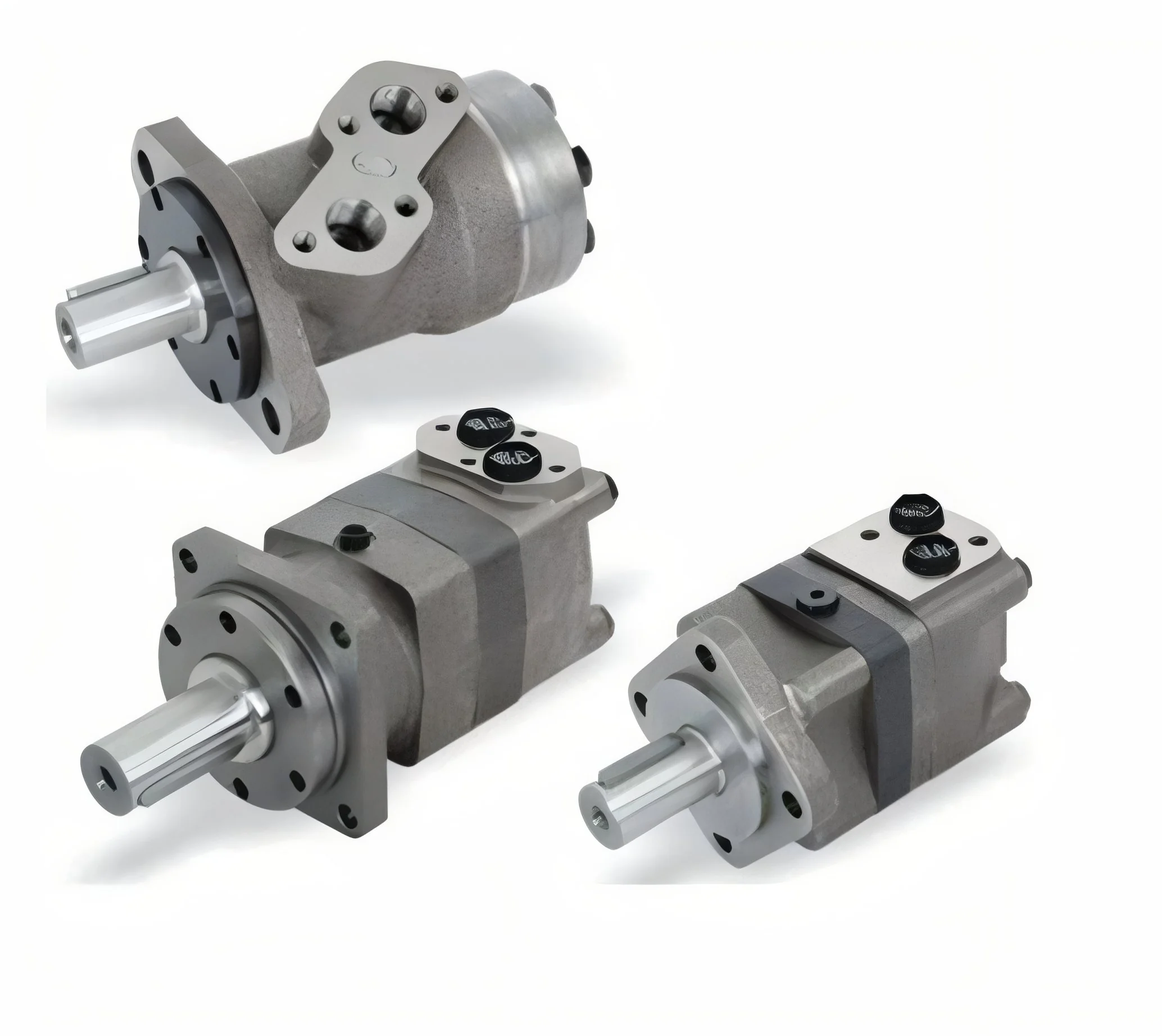
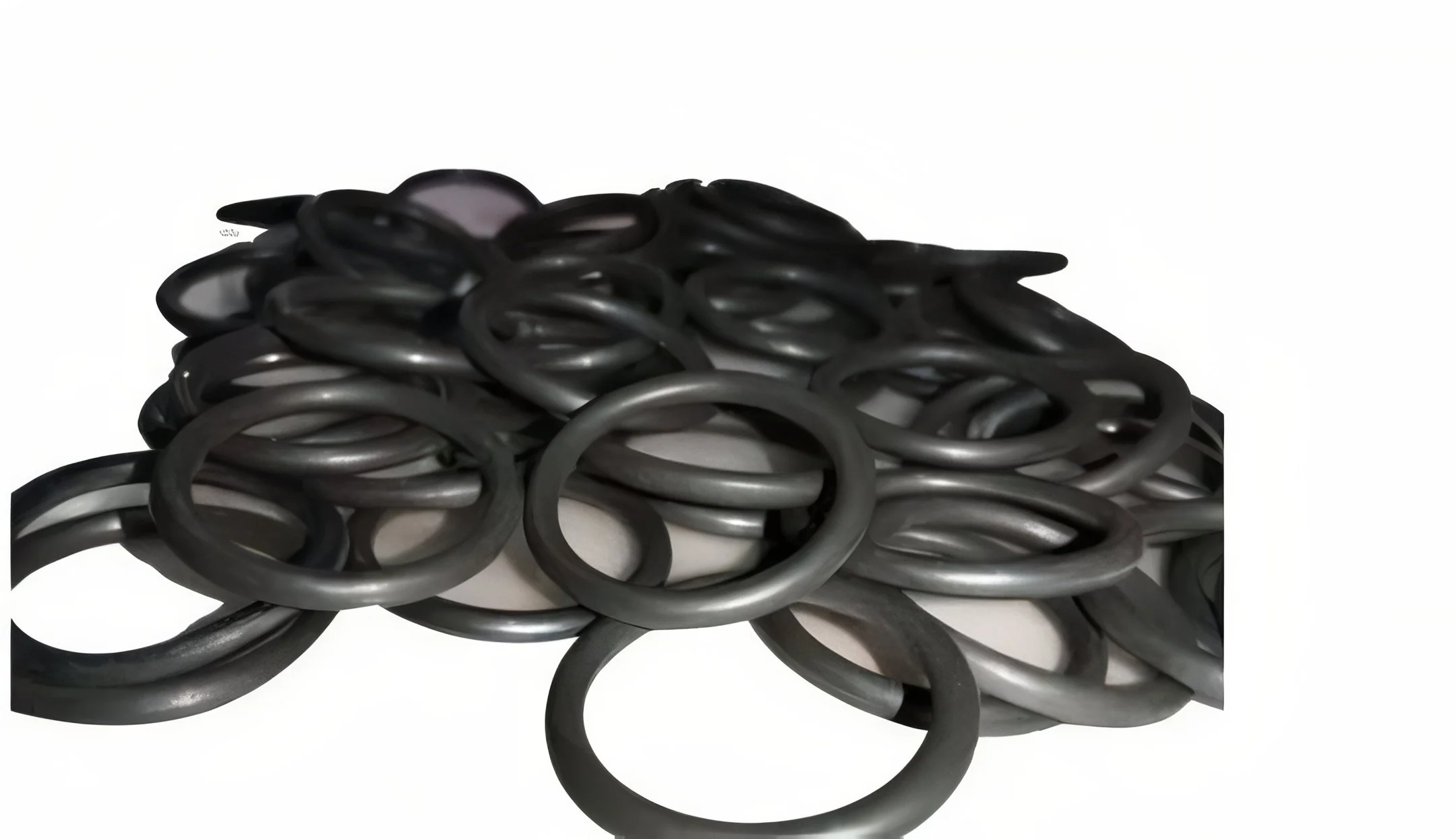
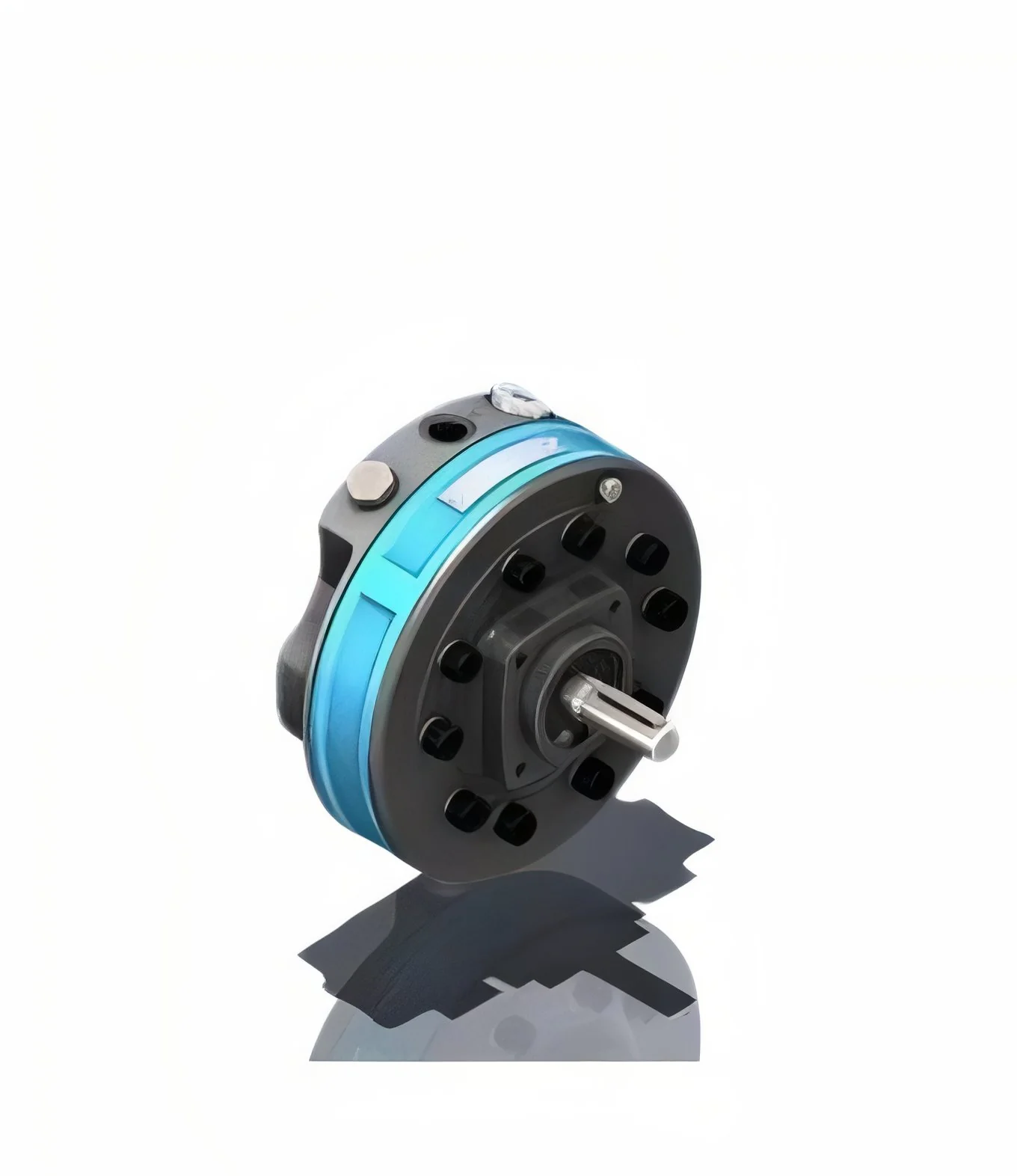
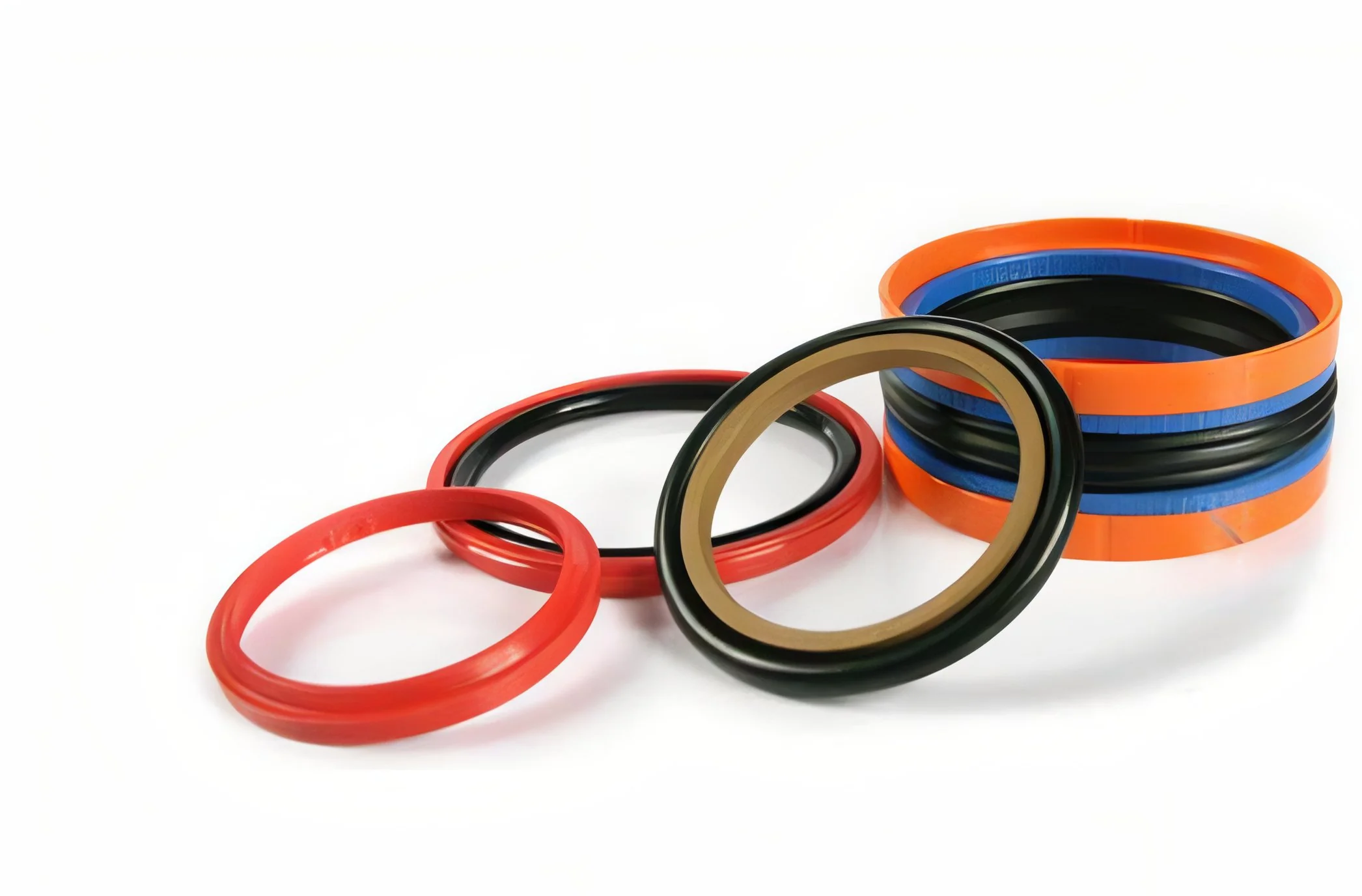
Hydraulic seals are precision-engineered components critical for the efficient and reliable operation of hydraulic systems. Their primary function is to prevent fluid leakage and maintain internal system pressure, which is essential for the smooth motion of pistons, rods, and cylinders. Manufactured from high-performance materials like Nitrile (NBR), Viton, Polyurethane, and PTFE, these seals are built to endure extreme pressures, temperature variations, and abrasive conditions. By effectively blocking contaminants and retaining hydraulic fluid, they ensure optimal system performance, reduce energy consumption, and protect valuable machinery from premature wear and failure. The reliability of hydraulic seals makes them indispensable across numerous industries. In construction and mining, they are used in excavators, bulldozers, and drilling rigs where equipment faces constant high stress. The manufacturing sector relies on them for metal presses, injection molding machines, and automat...
Hydraulic seals are precision-engineered components critical for the efficient and reliable operation of hydraulic systems. Their primary function is to prevent fluid leakage and maintain internal system pressure, which is essential for the smooth motion of pistons, rods, and cylinders. Manufactured from high-performance materials like Nitrile (NBR), Viton, Polyurethane, and PTFE, these seals are built to endure extreme pressures, temperature variations, and abrasive conditions. By effectively blocking contaminants and retaining hydraulic fluid, they ensure optimal system performance, reduce energy consumption, and protect valuable machinery from premature wear and failure. The reliability of hydraulic seals makes them indispensable across numerous industries. In construction and mining, they are used in excavators, bulldozers, and drilling rigs where equipment faces constant high stress. The manufacturing sector relies on them for metal presses, injection molding machines, and automation systems. Agricultural machinery, from tractors to combines, depends on these seals for consistent operation in demanding field conditions. Furthermore, they are vital in material handling, automot
Specifications
| Key Attributes | |
|---|---|
| Product Type | Industrial Hydraulic Seals |
| Product Category | Hydraulic Cylinder, Pump & Valve Seals |
| Applications | High-Pressure Hydraulic Systems* |
| Seal Types | Rod Seals, Piston Seals, Wiper Seals, Wear Rings, Guide Rings & Static Seals* |
| Materials | PU / NBR / FKM / PTFE / EPDM / Application-Specific Compounds* |
| Pressure Rating | Application-Specific High-Pressure Rating* |
| Temperature Resistance | Material & Compound Dependent |
| Installation | Hydraulic Cylinders, Pumps, Valves & Fluid-Power Equipment |
| Key Features | Leak Prevention, High Pressure Resistance, Wear Resistance & Long Service Life |
| Primary Industries | Manufacturing, Construction, Mining, Automotive & Heavy Engineering |
| Additional Information | |
|---|---|
| Country of Origin | India |
Application
Trade Details
| Available Stock | In Stock |
| Sample Availability | No |
Payment Terms
| Payment Terms |
|
Company Profile

deepak ind hydraulics, Tamil Nadu
 Tamil Nadu, India
Tamil Nadu, IndiaIndustrial Equipment & Machinery•Manufacturer•Distributor / Wholesaler•Retailer
Factory Details
Factory SizeBelow 1000 sqm
Annual Production Capacity0
Frequently Asked Questions
1
What are Industrial Hydraulic Seals?
Industrial hydraulic seals are specialized sealing components designed to prevent hydraulic-fluid leakage and maintain pressure in cylinders, pumps, valves and other fluid-power equipment.
2
Which hydraulic seals are used in cylinders?
Common cylinder seals include rod seals, piston seals, wiper seals, wear rings, guide rings and static seals.
3
What materials are commonly used for hydraulic seals?
Common materials include NBR, polyurethane, FKM, PTFE and EPDM, with the correct choice depending on fluid, pressure, temperature and movement requirements.
4
Are hydraulic seals suitable for high-pressure applications?
Yes, specific hydraulic seals are designed for high-pressure service. The actual pressure capability depends on the seal profile, material, hardness, gland design, extrusion gap and operating conditions.
5
What causes hydraulic seal leakage?
Leakage can result from incorrect seal selection, excessive pressure or temperature, extrusion, damaged rods or bores, contamination, chemical incompatibility or incorrect installation.
Industrial Hydraulic Seals For High Pressure Cylinders Pumps Valves
Premium hydraulic seals prevent fluid leakage and maintain system pressure in demanding industrial applications. Engineered for reliability, these seals ensure smooth operation, efficiency, and extended service life for hydraulic cylinders, pumps, and valves under high-pressure conditions.
Min. Order Quantity: 1 piece
Shipping
Shipping fee and delivery date to be negotiated. Contact supplier now for more details.
deepak ind hydraulics
 Tamil Nadu, India
Tamil Nadu, IndiaIndustrial Equipment & MachineryManufacturer