
 IN
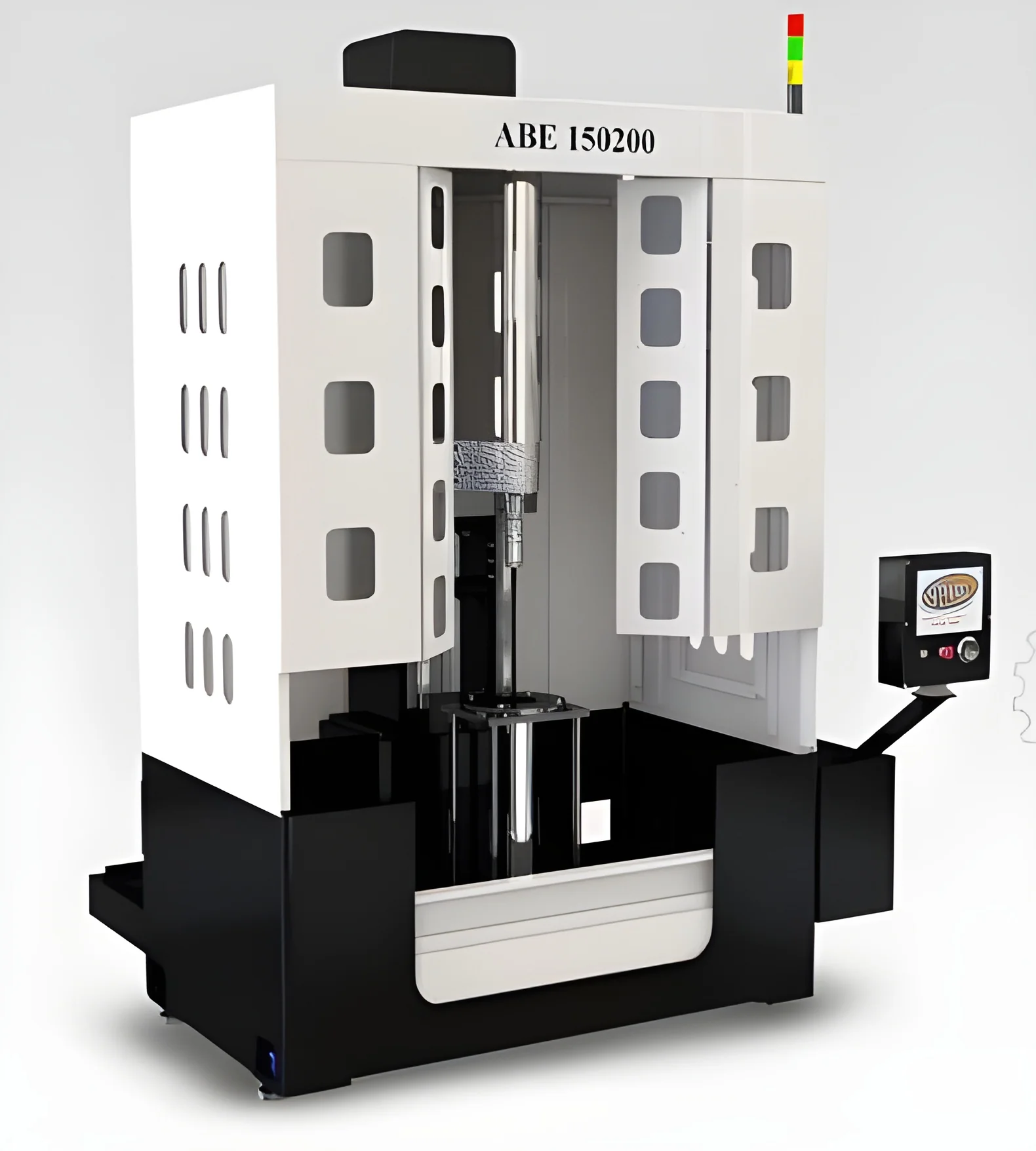
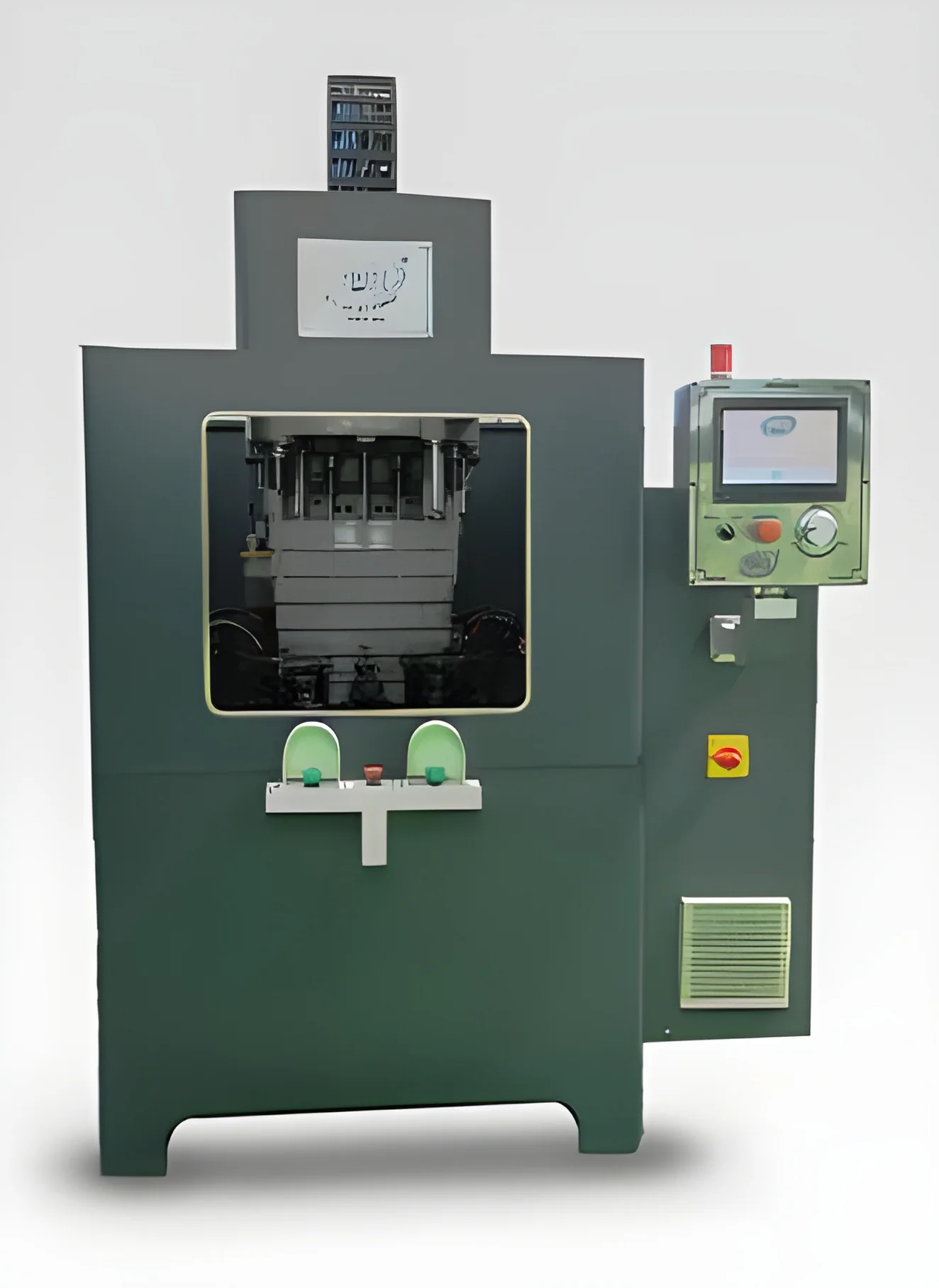
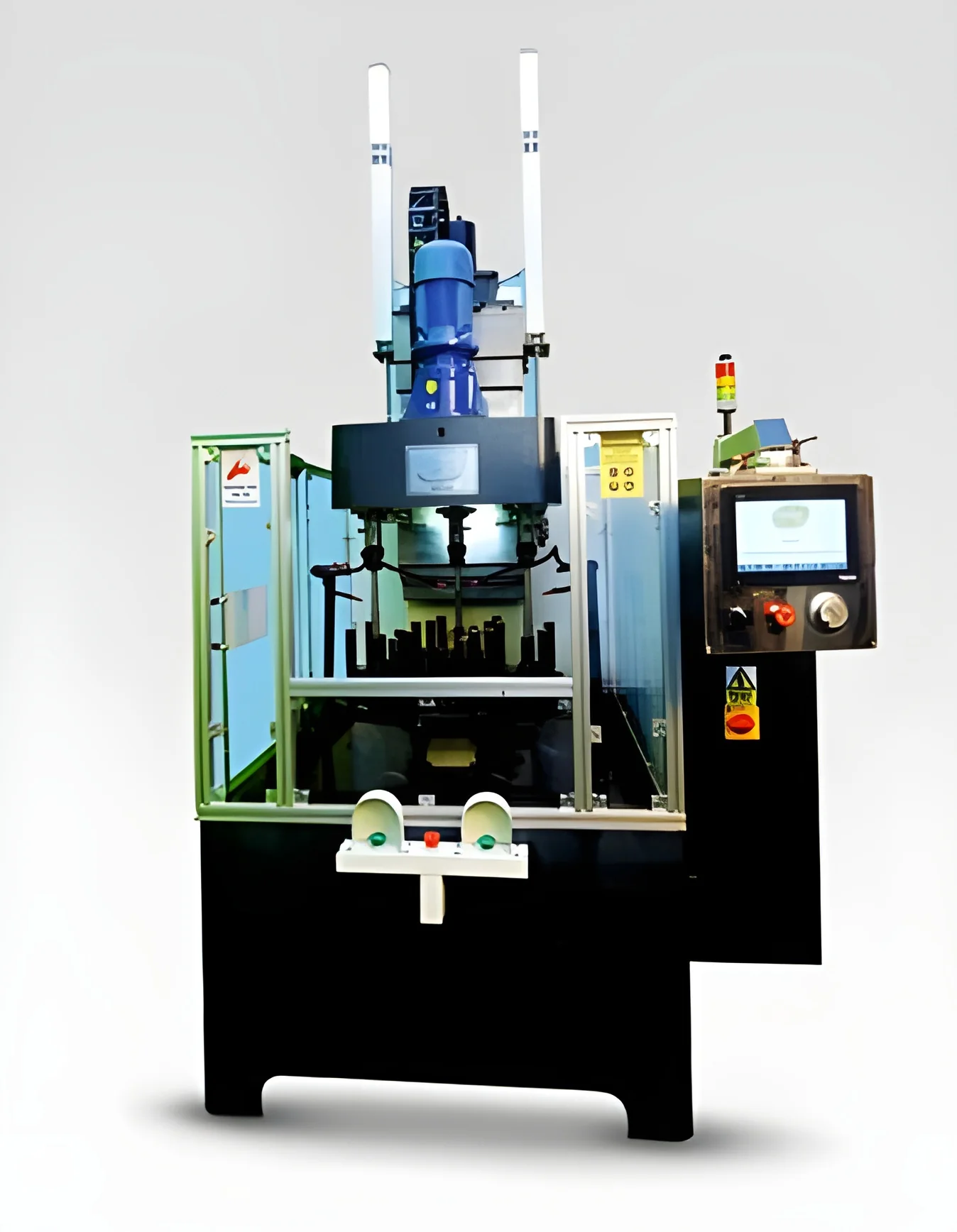
Honing Machines (Manual, CNC)
18 products available
Key Features and Specifications
Honing machines, whether manual or CNC, come equipped with a variety of features designed to enhance precision and efficiency. These machines are engineered to meet specific technical needs, ensuring optimal performance in demanding environments.
Key specifications include:
1. Machine Type
- Manual or CNC operation
- Flexibility in operation and ease of use
2. Honing Diameter Range
- Various ranges to accommodate different part sizes
- Typically from a few millimeters to several inches
3. Stroke Length
- Adjustable stroke lengths for different applications
- Commonly ranges from 50 mm to 300 mm
4. Abrasive Stone Type
- Different materials available for specific applications
- Options include diamond, CBN, and conventional abrasives
5. Feed Rate
- Adjustable feed rates for various honing operations
- Ranges from 0.1 mm/rev to 5 mm/rev
6. Power Consumption
- Varying power requirements based on machine size and type
- Generally ranges from 1 kW to 15 kW
7. Control System
- Manual controls for basic models or advanced CNC systems
- Enhanced automation capabilities in CNC variants
8. Safety Features
- Emergency stop functions and safety guards
- Compliance with relevant safety standards
In summary, honing machines provide diverse features aimed at enhancing production efficiency and precision, making them suitable for various industrial applications.
Common Applications and Use Cases
Honing machines find applications across numerous industries due to their precision and versatility.
1. Automotive: In the automotive industry, honing machines are used for finishing engine cylinders, ensuring precise dimensions for optimal engine performance.
2. Aerospace: Aerospace components require high accuracy; honing machines help achieve the necessary tolerances in hydraulic cylinders and other critical parts.
3. Oil and Gas: In oil and gas applications, honing machines are essential for processing drill pipes and valves to meet stringent quality standards.
4. Manufacturing: General manufacturing utilizes honing machines for producing precision shafts and fittings, enhancing the overall product quality.
5. Medical: The medical sector employs honing machines for manufacturing components like surgical instruments, where precision is paramount.
6. Tooling: Tool and die makers use honing machines to refine the surfaces of molds and dies, ensuring high-quality finishes.
7. Hydraulics: In hydraulic systems, honing is crucial for achieving the required surface finish on cylinder bores to ensure proper sealing and function.
Product Variants and Subcategories
Honing machines come in various configurations to meet diverse production needs.
Manual Honing Machines
These machines offer operators direct control over the honing process. They are often used in smaller workshops for low-volume production. Their simplicity makes them ideal for basic honing tasks.
CNC Honing Machines
CNC variants provide automated operations, increasing efficiency and precision. They are suitable for high-volume production and complex part geometries, allowing for consistent results with minimal manual intervention.
Benefits and Advantages
Honing machines offer several key benefits that enhance their value in industrial settings.
1. Precision Finishing: They achieve superior surface finishes and tight tolerances, which are critical for high-performance components.
2. Versatility: Both manual and CNC models can cater to various honing applications, making them adaptable to different manufacturing environments.
3. Increased Production Efficiency: CNC honing machines automate processes, allowing for faster production rates and reduced labor costs.
4. Improved Tool Life: The honing process can extend the lifespan of tools and components due to the enhanced surface finish achieved.
5. Reduced Material Waste: The precise removal of material minimizes waste, contributing to more sustainable manufacturing practices.
6. Enhanced Quality Control: The ability to maintain strict tolerances improves overall product quality, which is vital in competitive markets.
Buying Guide for B2B Buyers
When sourcing honing machines, whether manual or CNC, several factors should be taken into account to ensure an informed purchase.
1. Quality Assessment: Evaluate the machine’s build quality and precision capabilities. Consider machines that comply with recognized quality standards.
2. Supplier Verification: Vet suppliers to ensure they have a solid reputation and provide reliable products. Look for reviews and performance track records.
3. Pricing and MOQ: Understand the cost of machines and any minimum order quantity requirements. Compare prices across different suppliers to find the best deal.
4. Delivery and Lead Times: Assess the logistics involved in machine delivery. Ensure that suppliers can meet your production schedules with timely deliveries.
5. Compliance Requirements: Check for compliance with relevant industry standards and regulations, ensuring that the machines meet safety and operational guidelines.
Compliance and Certifications
Compliance and certifications are critical in the honing machine industry. Honing machines should adhere to relevant quality standards such as ISO 9001, which ensures consistent quality management systems. Compliance with industry certifications like CE indicates that the machines meet European safety and health requirements.
Safety and testing requirements are paramount in honing machine operations. Manufacturers must ensure that machines are tested for reliability and safety during use. Additionally, regional compliance considerations may vary, necessitating an understanding of local regulations and standards for machinery.
Why Source Honing Machines (Manual, CNC) from Pepagora?
Pepagora offers a trusted platform for sourcing honing machines with several key advantages.
Verified Supplier Network: All suppliers on Pepagora are thoroughly vetted to ensure they meet high standards of quality and reliability. This gives buyers confidence in their sourcing decisions.
Streamlined RFQ Process: The quotation system is designed to simplify the purchasing process. Buyers can easily request quotes from multiple suppliers, ensuring competitive pricing.
Trade Assurance and Support: Pepagora provides buyers with protection through trade assurance programs, offering security in transactions and support throughout the purchasing process.
Regional Coverage: With a strong presence in India, the GCC, and Southeast Asia, Pepagora facilitates a wide range of sourcing options for businesses looking to acquire honing machines tailored to their specific needs.



 India
 India
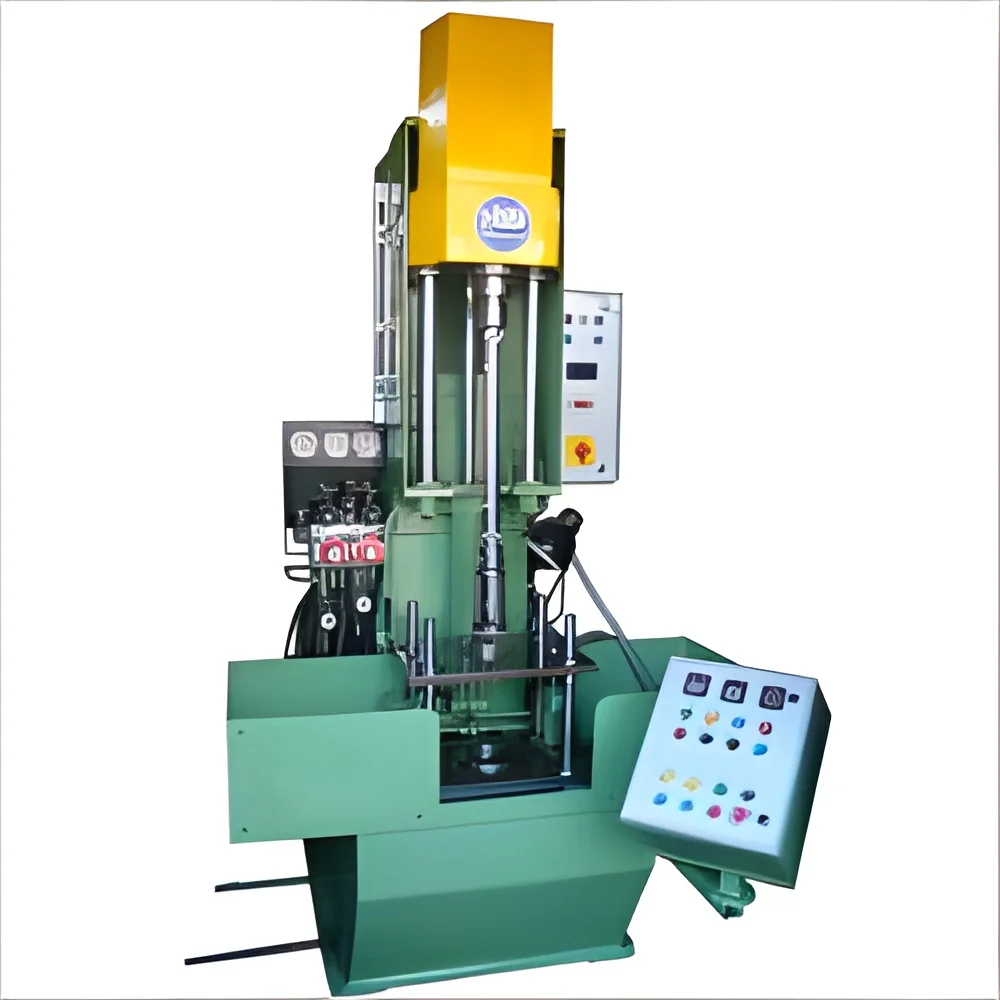
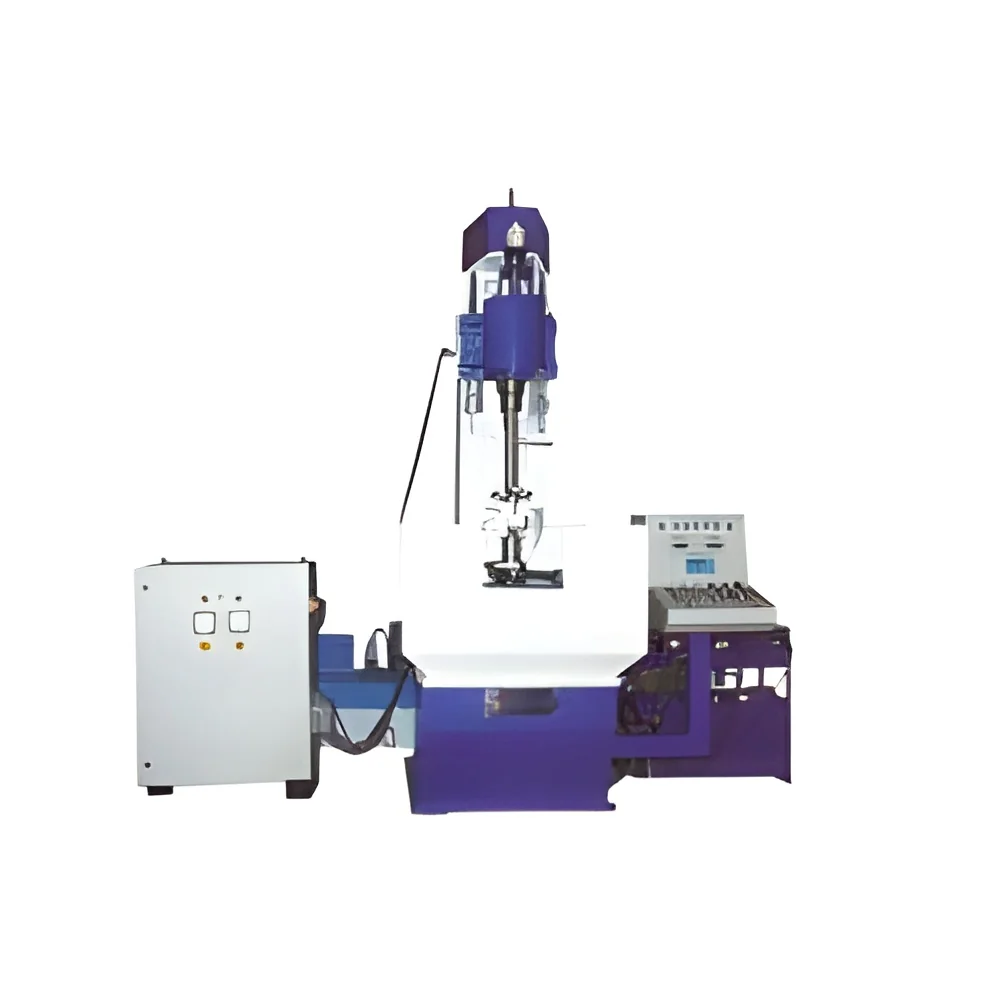
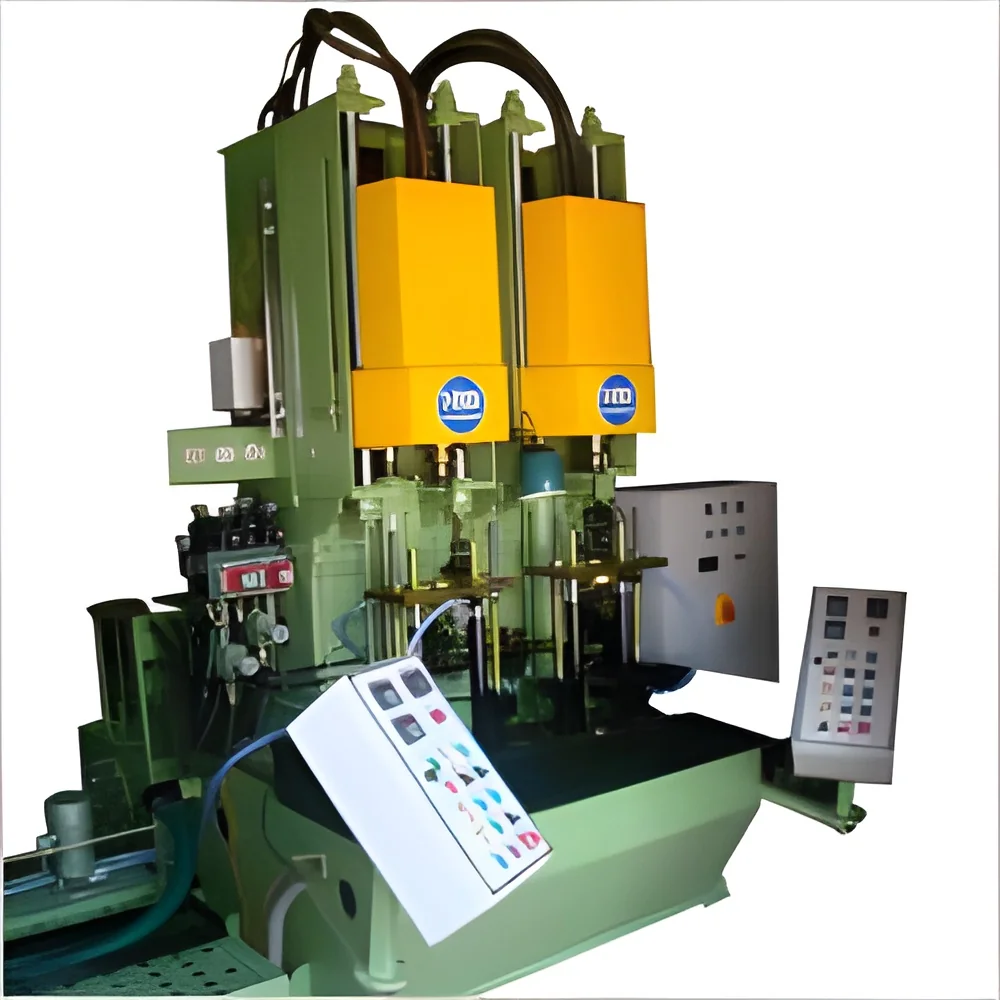
 India
 India
 India

Frequently Asked Questions
What are Honing Machines (Manual, CNC)?
Honing machines are specialized tools used to improve the geometric form of a workpiece. They utilize abrasive stones to achieve precise dimensions and surface finishes, making them essential in various manufacturing processes.
What are the different types of Honing Machines (Manual, CNC)?
There are primarily two types of honing machines: manual and CNC (Computer Numerical Control). Manual honing machines require operator intervention for adjustments and operation, while CNC honing machines are automated and programmed for precision and efficiency.
How do I choose the right Honing Machines (Manual, CNC)?
Selecting the right honing machine depends on several factors, including the material of the workpiece, required tolerances, and production volume. It's important to evaluate the machine's specifications, such as spindle speed and stroke length, to ensure it meets your specific needs.
What are the standard specifications for Honing Machines (Manual, CNC)?
Standard specifications for honing machines typically include stroke length, spindle speed, workpiece diameter range, and motor power. These specifications can vary widely based on the type of honing machine and its intended application.
What is the price range for Honing Machines (Manual, CNC)?
The price of honing machines can vary significantly depending on their type, features, and manufacturer. Generally, manual honing machines can start from a few thousand rupees, while CNC honing machines can range from several lakhs to crores of rupees.
What quality standards apply to Honing Machines (Manual, CNC)?
Honing machines are required to comply with various quality standards, such as ISO 9001 for quality management systems. Additionally, specific industry standards may apply depending on the application, ensuring precision and reliability in manufacturing.
Where can I find Honing Machines (Manual, CNC) suppliers in India?
You can find honing machine suppliers in India through online B2B marketplaces such as Pepagora.com, industry trade shows, and direct manufacturer websites. It's advisable to compare multiple suppliers to ensure quality and competitive pricing.
Can Honing Machines (Manual, CNC) be customized?
Yes, honing machines can often be customized to meet specific production requirements. Many manufacturers offer tailored solutions, including modifications to machine specifications, tooling, and software for CNC machines.
What is the typical minimum order quantity for Honing Machines (Manual, CNC)?
The minimum order quantity (MOQ) for honing machines can vary by supplier and machine type. Typically, manufacturers may require an MOQ ranging from one unit for standard models to larger quantities for customized or specialized machines.
What is the typical lead time for Honing Machines (Manual, CNC)?
The lead time for honing machines depends on several factors, including the type of machine, customization options, and supplier location. Generally, lead times can range from a few weeks for standard machines to several months for customized units.
Why Businesses Trust Pepagora
Thousands of companies trust Pepagora to source smarter and sell faster
Expand Your Sales Globally

Source Smarter,Grow Faster
