
 IN
High-Purity Gases
24 products available
What are High-Purity Gases?
High-Purity Gases refer to gases that have been refined to an extremely high degree of purity. These gases have minimal impurities and are essential for various industrial processes. They are produced using advanced techniques to ensure that contaminants are reduced to negligible levels. High-Purity Gases are vital in applications where chemical reactions require a controlled environment, such as in semiconductor manufacturing, pharmaceuticals, and analytical laboratories.
The primary uses of High-Purity Gases span multiple industries, including electronics, healthcare, and research. In the semiconductor industry, these gases are used in processes like etching and deposition, where even trace impurities can affect the quality of the final product. In healthcare, High-Purity Gases are crucial for applications like medical imaging and therapies. The relevance of High-Purity Gases in the market is growing, driven by technological advancements and the increasing demand for high-quality products across various sectors.
Key Features and Specifications
High-Purity Gases come with specific features that make them suitable for demanding applications. Understanding these specifications is essential for selecting the right gas for your needs.
Key specifications include:
1. Purity Levels
- Typically above 99.9999%
- Ensures minimal contamination
2. Delivery Pressure
- Ranges from low to high pressures depending on application
- Standard pressures often include 2000 psi and 3000 psi
3. Container Types
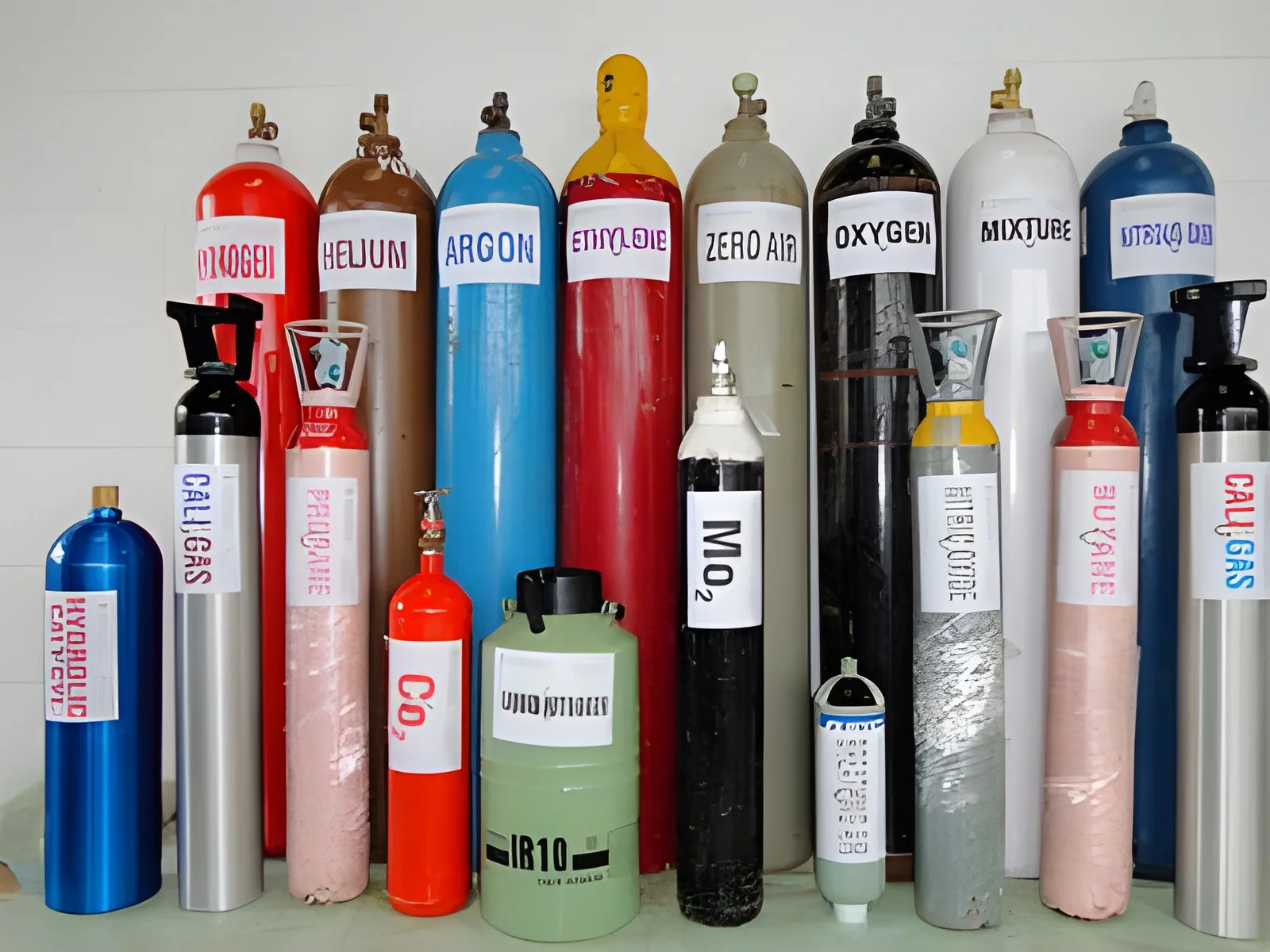
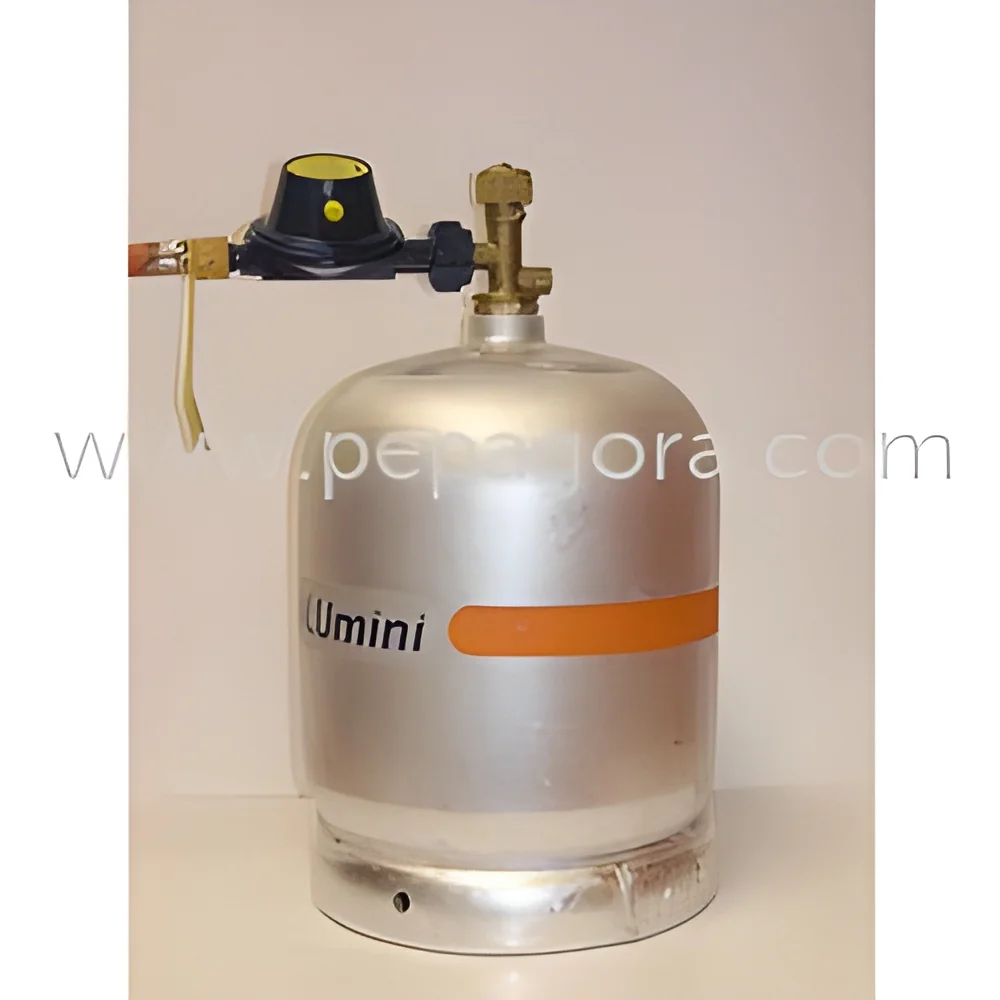
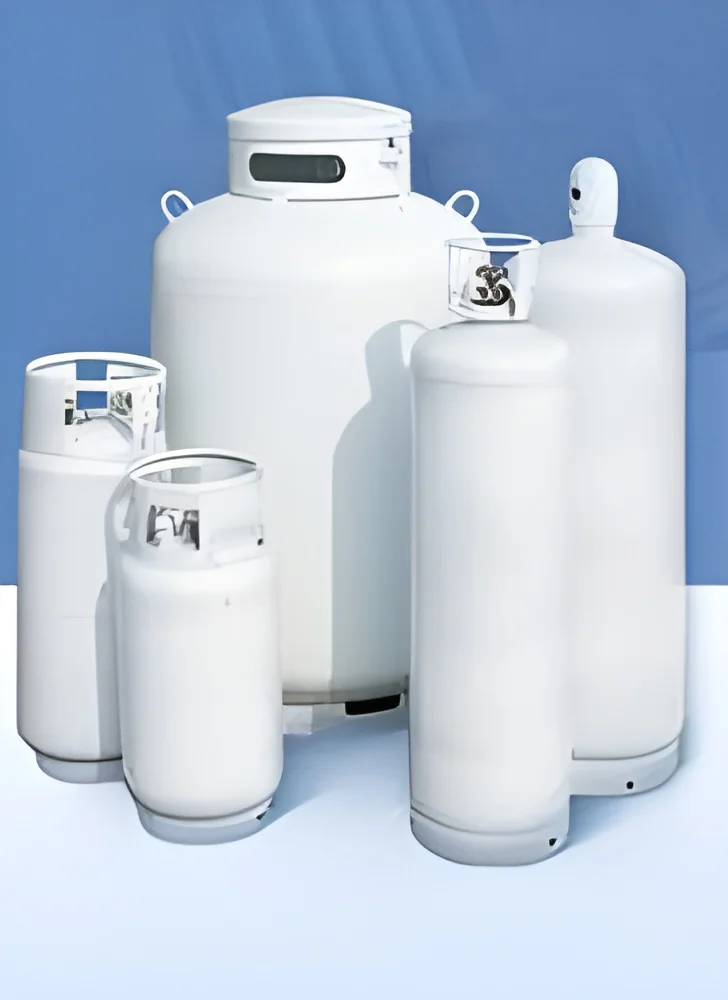
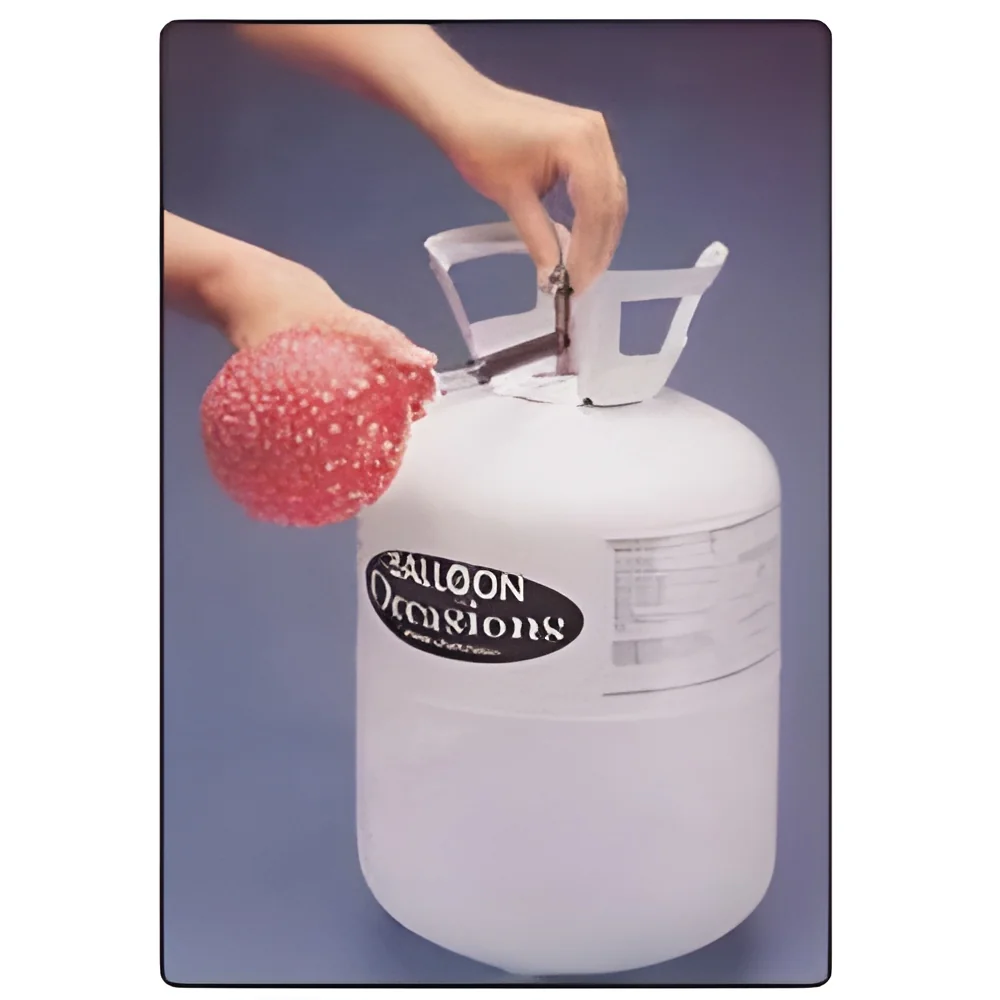
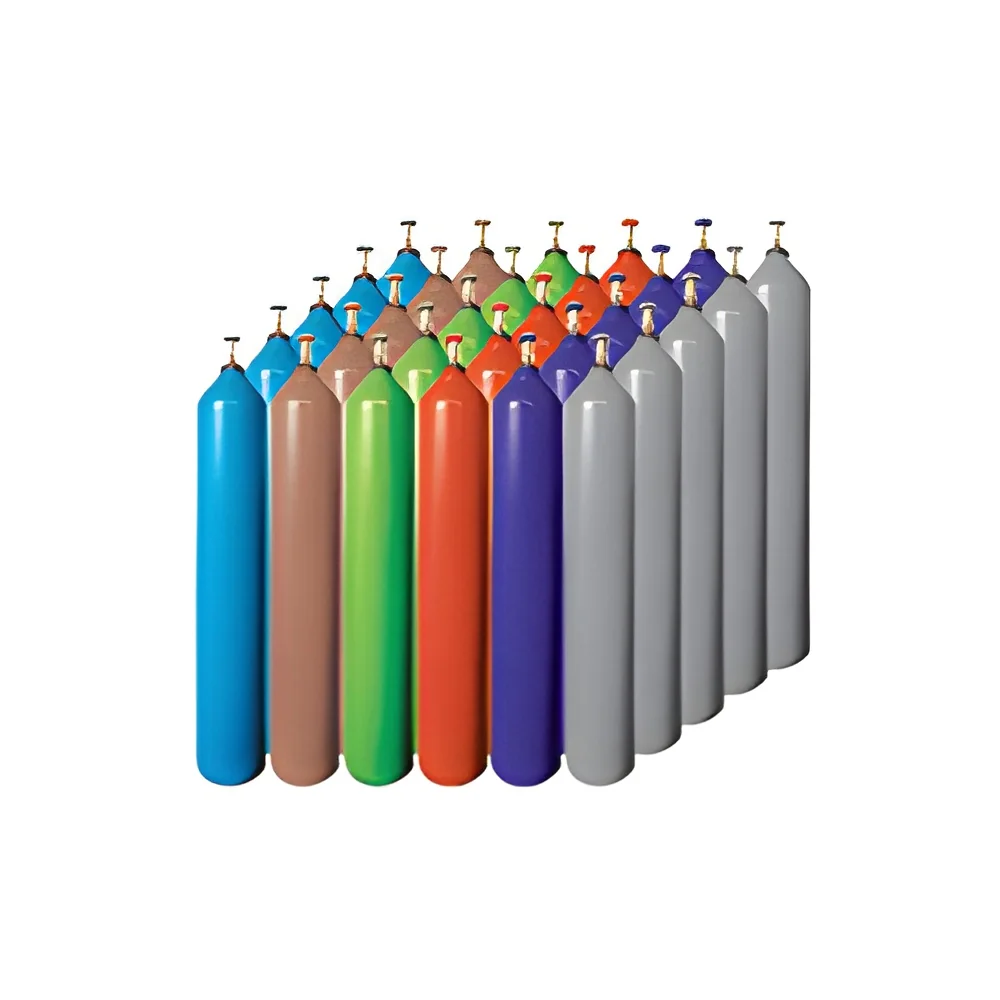
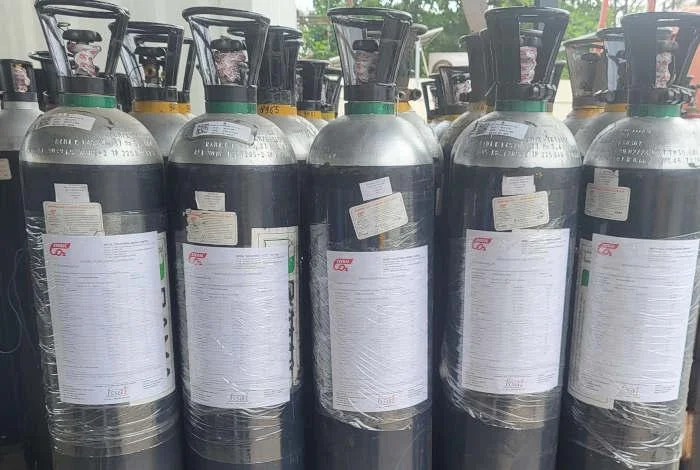
- Available in cylinders, bulk tanks, and specialty containers
- Selection depends on storage and transport needs
4. Gas Types
- Includes gases like nitrogen, argon, helium, and hydrogen
- Each gas serves unique applications in different industries
5. Storage Conditions
- Requires specific temperature and humidity controls
- Essential for maintaining gas integrity
6. Regulatory Compliance
- Must adhere to industry standards such as CE certification
- Ensures safety and quality in use
7. Shelf Life
- Varies by gas type and storage conditions
- Important for usability in sensitive applications
8. Monitoring Features
- Advanced options may include real-time monitoring systems
- Critical for ensuring ongoing purity and safety
In summary, understanding these features and specifications helps businesses make informed decisions when sourcing High-Purity Gases.
Common Applications and Use Cases
High-Purity Gases play a pivotal role in various industries, each with its unique application requirements.
1. Electronics: In the semiconductor sector, High-Purity Gases are essential for processes like chemical vapor deposition (CVD) and etching, where purity is crucial for device performance.
2. Pharmaceuticals: These gases are used in manufacturing and packaging medicines, where contamination can compromise efficacy and safety.
3. Food and Beverage: High-Purity Gases are utilized for packaging and preserving food products, ensuring longevity without compromising quality.
4. Metal Fabrication: In welding and cutting processes, specific High-Purity Gases are employed to enhance quality and precision.
5. Laboratory Research: High-Purity Gases are vital for conducting experiments in scientific research, where exact compositions are required for accurate results.
6. Aerospace: Used in testing and manufacturing components, High-Purity Gases ensure reliability and safety in high-stakes environments.
7. Energy: In the production of fuels and energy storage systems, High-Purity Gases support clean and efficient energy solutions.
Product Variants and Subcategories
High-Purity Gases are available in several variants to meet diverse industrial needs. Each variant offers unique characteristics tailored to specific applications.
Gas Variant 1: Nitrogen
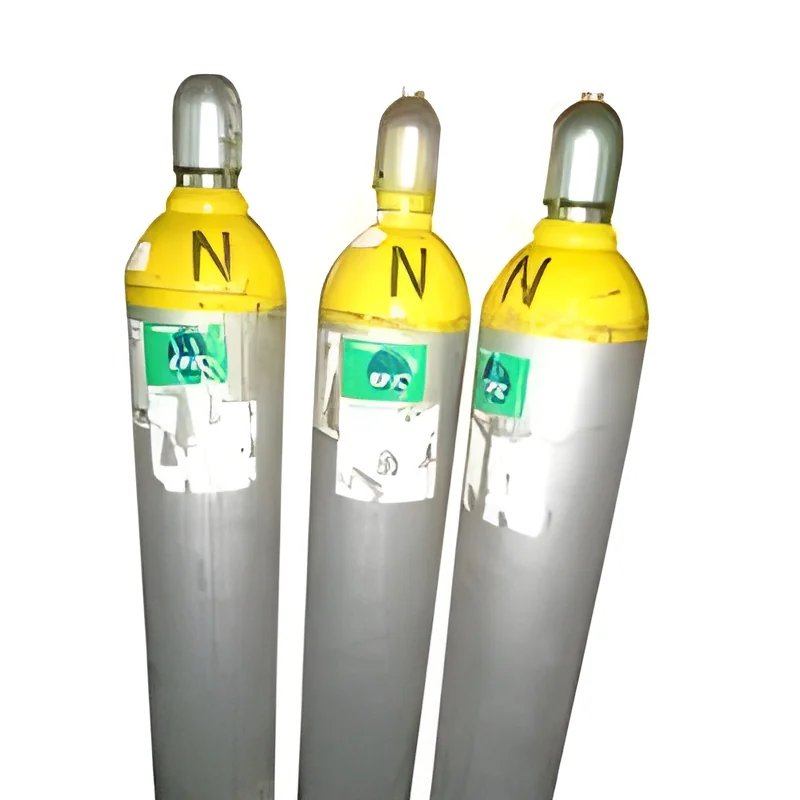
Nitrogen is widely used as an inert gas in various processes, including the semiconductor industry and food packaging. Its non-reactive nature makes it ideal for preserving sensitive products and preventing oxidation.
Gas Variant 2: Argon
Argon is commonly used in welding applications due to its ability to create a protective atmosphere. This helps to prevent contaminants from affecting the weld quality.
Gas Variant 3: Helium
Helium is essential in applications requiring low temperatures, such as cryogenics and MRI machines. Its unique properties make it valuable in scientific and medical fields.
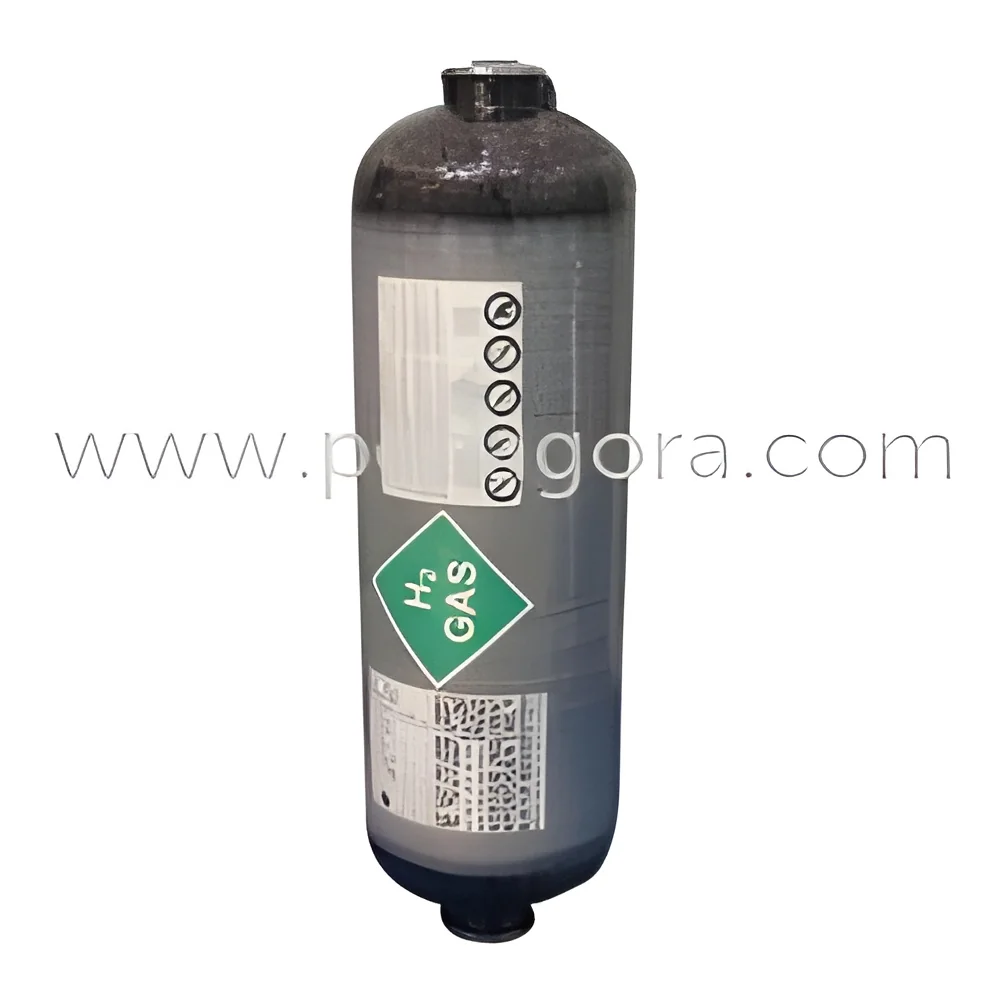
Gas Variant 4: Hydrogen
Hydrogen is used in various chemical processes and is gaining traction in clean energy applications. Its role in fuel cells highlights its importance in the evolving energy landscape.
Benefits and Advantages
Sourcing High-Purity Gases offers several advantages for businesses across industries.
1. Enhanced Product Quality: High purity levels ensure that industrial processes yield high-quality products free from contamination.
2. Improved Safety: The stringent quality standards associated with High-Purity Gases minimize risks related to hazardous materials.
3. Increased Efficiency: Using the right gases can optimize production processes, leading to time and cost savings.
4. Customizable Solutions: Suppliers often offer tailored gas mixtures to meet specific application requirements.
5. Regulatory Compliance: Sourcing High-Purity Gases from certified suppliers helps ensure adherence to industry regulations and standards.
6. Reliable Supply Chain: Partnering with reputable suppliers guarantees consistent availability of gases, vital for uninterrupted operations.
Buying Guide for B2B Buyers
When sourcing High-Purity Gases, several factors should be carefully considered to ensure the best choice for your business needs.
1. Quality Assessment: Evaluate the purity levels and specifications of the gases to ensure they meet your application requirements. Look for certifications and test results from suppliers.
2. Supplier Verification: It is crucial to vet suppliers for reliability and reputation. Check for industry certifications and customer reviews to gauge their credibility.
3. Pricing and MOQ: Understand the pricing structure and minimum order quantities. This helps in budgeting and ensures that you are not overcommitting.
4. Delivery and Lead Times: Assess the supplier's logistics capabilities. Timely delivery is essential to avoid disruptions in your operations.
5. Compliance Requirements: Be aware of any regulatory considerations related to the gases you are sourcing. Ensure that the supplier meets all necessary safety and compliance standards.
Compliance and Certifications
High-Purity Gases must adhere to various quality standards and certifications to ensure safety and reliability. Key certifications include ISO 9001, which outlines quality management systems, and CE marking, indicating compliance with safety standards in the European market.
Additionally, industry-specific certifications such as Good Manufacturing Practices (GMP) and Hazard Analysis and Critical Control Points (HACCP) are important in sectors like pharmaceuticals and food production.
Safety and testing requirements are critical in the production of High-Purity Gases, ensuring that they meet stringent safety protocols to minimize risks. Regional compliance considerations may vary, so it is important to be aware of local regulations and standards that apply to your specific market.
Why Source High-Purity Gases from Pepagora?
Pepagora offers a trusted platform for sourcing High-Purity Gases, providing several key advantages for B2B buyers.
Verified Supplier Network: Pepagora connects buyers with a network of verified suppliers who meet rigorous quality standards. This ensures that you are sourcing from reputable sources committed to high purity.
Streamlined RFQ Process: The platform features an efficient Request for Quotation (RFQ) system that simplifies the procurement process. Buyers can easily request prices and terms, facilitating quicker decision-making.
Trade Assurance and Support: Pepagora prioritizes buyer protection through trade assurance measures. This provides peace of mind when making purchases, ensuring that you receive the quality you expect.
Regional Coverage: With a strong presence in India, the GCC, and Southeast Asia, Pepagora offers extensive geographic reach. This allows businesses to access High-Purity Gases across various regions efficiently, supporting local and international operations.


 India
 India
 India
 India
 India
 India
 India

 India
Frequently Asked Questions
What are High-Purity Gases?
High-Purity Gases are gases that have been refined to remove impurities and contaminants, achieving a high level of purity necessary for various industrial applications. They are commonly used in sectors such as electronics, pharmaceuticals, and laboratories where precision and reliability are critical.
What are the different types of High-Purity Gases?
High-Purity Gases include a variety of gases such as nitrogen, oxygen, argon, hydrogen, and specialty gases like helium and carbon dioxide. Each type serves specific applications, such as inert atmospheres, reactive processes, or as carrier gases in analytical equipment.
How do I choose the right High-Purity Gases?
To choose the right High-Purity Gases, consider the application requirements, including the desired purity level, gas composition, and delivery method. Consulting with suppliers and reviewing technical specifications can also aid in making an informed decision.
What are the standard specifications for High-Purity Gases?
Standard specifications for High-Purity Gases typically include purity levels, which can range from 99.9% to 99.9999%, and the presence of specific contaminants. Compliance with industry standards such as ASTM or ISO may also be required depending on the application.
What is the price range for High-Purity Gases?
The price range for High-Purity Gases varies based on the type of gas, purity level, and quantity ordered. Generally, prices can range from a few hundred to several thousand Indian Rupees per cylinder or bulk supply.
What quality standards apply to High-Purity Gases?
Quality standards for High-Purity Gases are often governed by international regulations and certifications such as ISO 9001 or ISO 22000. Suppliers should provide certificates of analysis to confirm the purity and quality of the gases they supply.
Where can I find High-Purity Gases suppliers in India?
High-Purity Gases suppliers in India can be found through various B2B marketplaces, industry directories, or trade shows focused on industrial gases. Online platforms like Pepagora can also connect buyers with reputable suppliers.
Can High-Purity Gases be customized?
Yes, High-Purity Gases can often be customized in terms of composition and purity levels to meet specific customer requirements. It is advisable to discuss customization options directly with the suppliers during the ordering process.
What is the typical minimum order quantity for High-Purity Gases?
The typical minimum order quantity (MOQ) for High-Purity Gases varies by supplier and gas type, but it generally ranges from a single cylinder to several cylinders or bulk quantities. Always check with the supplier for their specific MOQ.
What is the typical lead time for High-Purity Gases?
The typical lead time for High-Purity Gases depends on the supplier and the specific gas ordered, but it usually ranges from a few days to a couple of weeks. Factors such as customization and shipping distance can also affect delivery times.
Why Businesses Trust Pepagora
Thousands of companies trust Pepagora to source smarter and sell faster
Expand Your Sales Globally

Source Smarter,Grow Faster
