
 IN
Gear Hobbing Machines
14 products available
What are Gear Hobbing Machines?
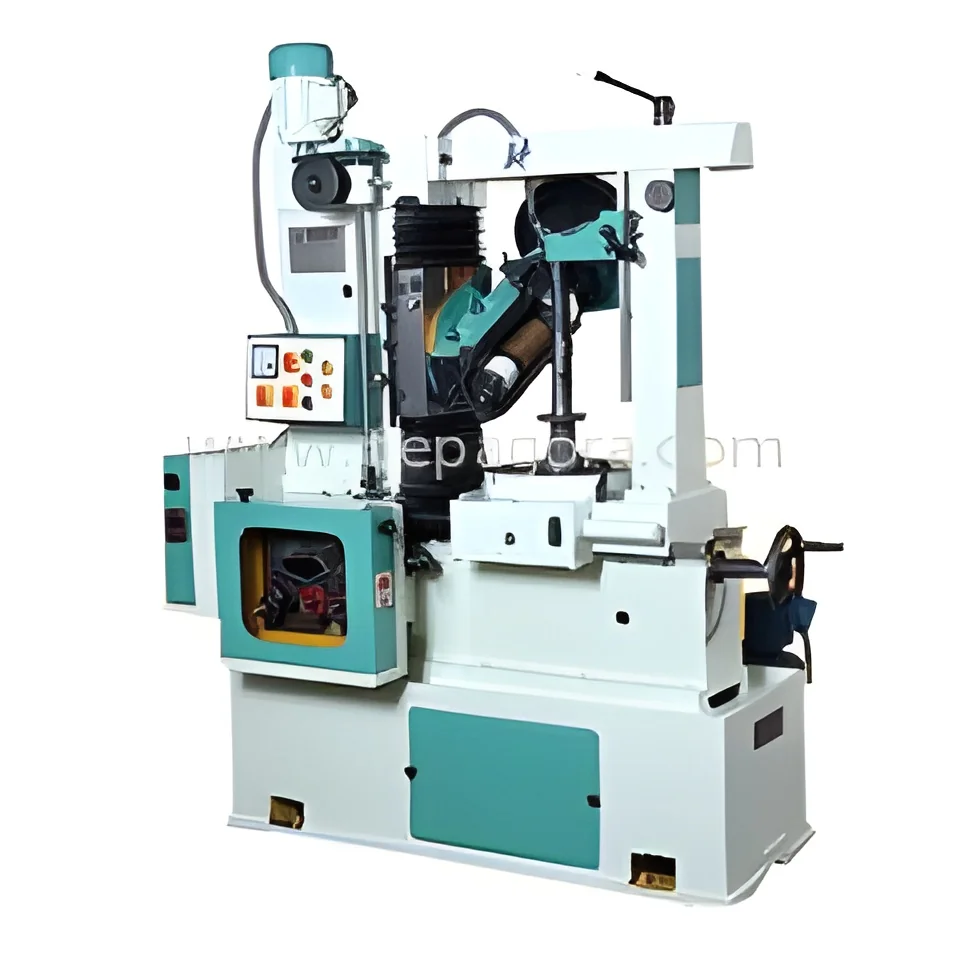
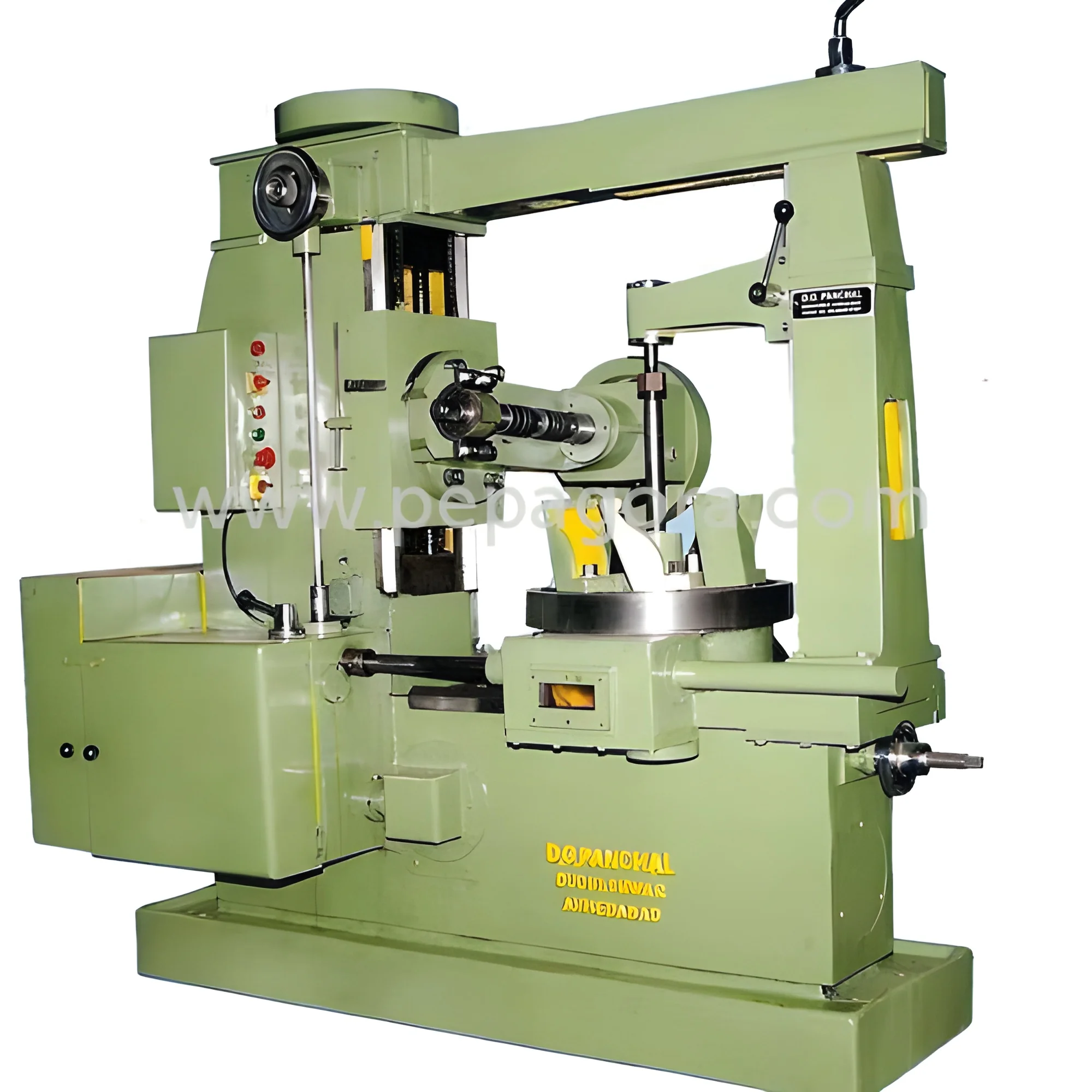
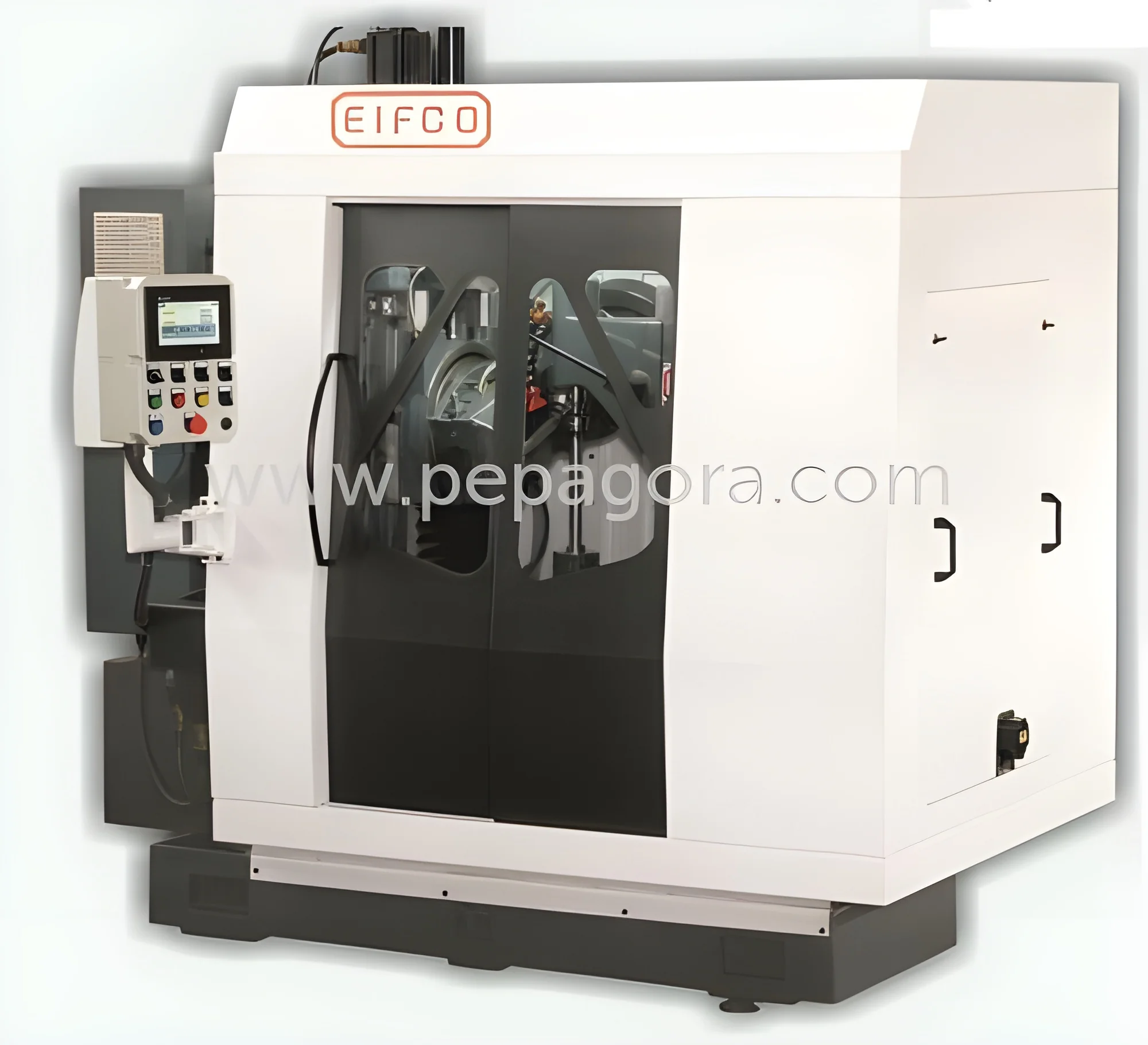
Gear hobbing machines are specialized industrial tools used for producing gears through a process known as hobbing. This process involves the use of a rotating cutting tool called a hob, which shapes the gear teeth by progressively cutting into the workpiece. Gear hobbing is recognized for its efficiency and precision, making it a preferred method in various manufacturing settings.
These machines are primarily utilized in the production of spur gears, helical gears, and other complex gear forms. They are essential in industries such as automotive, aerospace, and industrial machinery, where precise gear components are critical to operational efficiency. With the growing demand for high-quality gear systems, gear hobbing machines play a vital role in supporting the supply chains of these industries.
In today's competitive market, the relevance of gear hobbing machines cannot be overstated. As manufacturers strive for higher productivity and lower costs, the incorporation of advanced hobbing technology has become essential. The rise of automation and smart manufacturing is further driving the demand for these machines, ensuring their continued importance in the industrial landscape.
Key Features and Specifications
Gear hobbing machines come equipped with various features that enhance their performance and accuracy. These specifications are essential for buyers to understand the capabilities of different models available in the market.
Key specifications include:
1. Cutting Speed
- Typically ranges from 100 to 300 meters per minute.
- Affects the efficiency and surface finish of the gears.
2. Maximum Workpiece Diameter
- Can accommodate workpieces up to 500 mm in diameter.
- Determines the size of gears that can be produced.
3. Hob Speed
- Generally adjustable between 30 to 150 RPM.
- Allows for flexibility in processing different materials.
4. Gear Module Range
- Covers from 0.5 to 20 mm.
- Specifies the size range of gears that can be manufactured.
5. Control System
- Often includes CNC (Computer Numerical Control) capabilities.
- Enhances precision and repeatability in production.
6. Machine Footprint
- Typical dimensions range from 1.5 to 3 meters in length.
- Important for space planning in manufacturing facilities.
7. Weight
- Generally ranges from 1,000 to 5,000 kg.
- Impacts the stability and vibration control during operation.
8. Power Consumption
- Usually between 5 to 15 kW.
- Affects operational costs and energy efficiency.
These features collectively determine the operational efficiency and effectiveness of gear hobbing machines, making them valuable assets in manufacturing processes.
Common Applications and Use Cases
Gear hobbing machines find applications across various industries due to their ability to produce precise gear components.
1. Automotive Industry: They are used to manufacture gears for transmissions, differentials, and other critical components, ensuring reliable vehicle performance.
2. Aerospace Sector: These machines produce gears used in aircraft engines and landing gear systems, where precision and reliability are paramount for safety.
3. Industrial Machinery: Gear hobbing machines help in the production of gears that drive pumps, compressors, and other machinery, enhancing overall efficiency.
4. Robotics: They are essential in creating gears for robotic arms and automated systems, contributing to advancements in automation technology.
5. Marine Engineering: Gears produced by hobbing machines are utilized in ship propulsion systems and other marine applications, where durability is crucial.
6. Renewable Energy: In wind turbines and other energy systems, hobbing machines manufacture gears that optimize performance and reliability.
7. Construction Equipment: They produce gears for heavy machinery used in construction, ensuring robust performance under demanding conditions.
Product Variants and Subcategories
While specific subcategories are not available, gear hobbing machines can vary significantly in terms of features and capabilities to suit different applications.
CNC Gear Hobbing Machines: These machines integrate advanced computer controls for precise automation. They are ideal for high-volume production and intricate gear designs, offering enhanced efficiency and reduced cycle times.
Manual Gear Hobbing Machines: Designed for smaller operations or custom jobs, these machines allow operators to control the hobbing process manually. They are often more affordable and suitable for low-volume production runs.
Universal Gear Hobbing Machines: These versatile machines can handle a wide range of gear sizes and types. Their adaptability makes them a popular choice for manufacturers looking to produce various gear forms.
Benefits and Advantages
Investing in gear hobbing machines brings multiple benefits to manufacturers.
1. High Precision: These machines deliver exceptional accuracy, ensuring that gears meet stringent specifications for performance and longevity.
2. Increased Productivity: The efficiency of gear hobbing reduces cycle times, allowing manufacturers to produce more gears in less time.
3. Cost-Effectiveness: Automation and advanced technology in hobbing machines can lower labor costs and reduce waste, enhancing profitability.
4. Versatility: Gear hobbing machines can produce various gear types, making them suitable for diverse applications across industries.
5. Enhanced Quality Control: With CNC capabilities, manufacturers can achieve consistent quality in gear production, leading to fewer defects.
6. Reduced Setup Time: Modern gear hobbing machines often feature quick-change tooling, minimizing downtime between production runs.
Buying Guide for B2B Buyers
When sourcing gear hobbing machines, buyers need to consider several important factors to make informed decisions.
1. Quality Assessment: Evaluate the machine's build quality and design. Look for reputable manufacturers that adhere to industry standards for durability and performance.
2. Supplier Verification: Research and vet potential suppliers to ensure they have a proven track record of delivering reliable equipment. Check for customer reviews and references.
3. Pricing and MOQ: Understand the pricing structure and minimum order quantities (MOQ) that suppliers offer. Compare different options to find the best value without compromising on quality.
4. Delivery and Lead Times: Discuss logistics and expected delivery timelines with suppliers. Ensure that they can meet your production schedule.
5. Compliance Requirements: Confirm that the machines meet relevant safety and regulatory standards, such as CE certification, to ensure compliance in your region.
Compliance and Certifications
Gear hobbing machines are subject to various quality standards and certifications that ensure their performance and safety.
ISO 9001: This standard focuses on quality management systems, ensuring that manufacturers consistently provide products that meet customer and regulatory requirements.
CE Certification: Gear hobbing machines that carry this certification comply with European safety standards, indicating their safety and reliability for industrial use.
Safety and Testing Requirements: Manufacturers must adhere to specific safety protocols during production and testing to ensure user safety and machine reliability. Regular maintenance and testing are also essential for compliance.
Regional Compliance Considerations: Depending on the market, different regions may have specific compliance requirements. Buyers should ensure that machines meet local regulations to avoid legal issues and ensure operational efficiency.
Why Source Gear Hobbing Machines from Pepagora?
Pepagora provides a trusted platform for sourcing gear hobbing machines, offering numerous advantages for B2B buyers.
Verified Supplier Network: Pepagora connects buyers with a network of verified suppliers. This network ensures that buyers can trust the quality and reliability of the machines offered.
Streamlined RFQ Process: The platform simplifies the request for quotation (RFQ) process, allowing buyers to easily compare offers from multiple suppliers. This efficiency saves time and enhances decision-making.
Trade Assurance and Support: Pepagora offers trade assurance, providing buyers with protection against potential risks in transactions. This support builds confidence in sourcing decisions.
Regional Coverage: With a strong presence in India, the GCC, and Southeast Asia, Pepagora caters to a wide geographic market. This regional coverage ensures that buyers can access local suppliers while benefiting from competitive pricing and quality assurance.

 India
 India
 India
 India
 India

 India
 India
 India
 India
 India
Frequently Asked Questions
What are Gear Hobbing Machines?
Gear hobbing machines are specialized tools used for manufacturing gears by a process known as hobbing. This method involves rotating a cutting tool known as a hob to create the desired gear tooth profile on a workpiece. They are essential in industries that require precise gear production.
What are the different types of Gear Hobbing Machines?
There are several types of gear hobbing machines, including horizontal and vertical hobbing machines. Horizontal machines are commonly used for larger production runs, while vertical machines are preferred for smaller, intricate gears. Additionally, there are CNC hobbing machines that offer enhanced precision and automation.
How do I choose the right Gear Hobbing Machines?
When selecting a gear hobbing machine, consider factors such as the size of gears you need to produce, the material of the workpiece, and the production volume. It's also important to evaluate the machine's precision, speed, and compatibility with your existing equipment. Consulting with manufacturers can provide insights tailored to your specific requirements.
What are the standard specifications for Gear Hobbing Machines?
Standard specifications for gear hobbing machines typically include the maximum workpiece diameter, maximum hob diameter, and the range of gear ratios they can produce. Other important specifications may involve power ratings, feed rates, and the level of automation. Always refer to the manufacturer's guidelines for detailed specs.
What is the price range for Gear Hobbing Machines?
The price range for gear hobbing machines can vary significantly based on the type, size, and features of the machine. Generally, prices can range from a few lakhs to several crores of Indian Rupees. It's advisable to compare different suppliers to find a machine that fits your budget and requirements.
What quality standards apply to Gear Hobbing Machines?
Gear hobbing machines are typically manufactured following international quality standards such as ISO and ASTM. These standards ensure the machines meet specific performance and safety criteria. Buyers should verify that their selected suppliers adhere to these quality benchmarks.
Where can I find Gear Hobbing Machines suppliers in India?
You can find reliable gear hobbing machine suppliers in India through online B2B marketplaces like Pepagora.com. Additionally, industry trade shows and exhibitions are excellent venues for connecting with reputable manufacturers and suppliers. Networking within industry associations can also yield valuable contacts.
Can Gear Hobbing Machines be customized?
Yes, many manufacturers offer customization options for gear hobbing machines to meet specific production needs. Customizations may include modifications in size, features, or additional automation capabilities. It's best to discuss your requirements with the supplier to explore available customization options.
What is the typical minimum order quantity for Gear Hobbing Machines?
The typical minimum order quantity (MOQ) for gear hobbing machines can vary by manufacturer but usually ranges from one machine to several units. Some suppliers may accommodate smaller orders, especially for specialized or custom machines. It's essential to confirm the MOQ directly with the supplier.
What is the typical lead time for Gear Hobbing Machines?
The lead time for gear hobbing machines can vary based on the manufacturer's production schedule and the complexity of the order. Generally, lead times can range from a few weeks to several months. It is advisable to discuss timelines with the supplier during the ordering process.
Why Businesses Trust Pepagora
Thousands of companies trust Pepagora to source smarter and sell faster
Expand Your Sales Globally

Source Smarter,Grow Faster
